Nederlands
Plasma
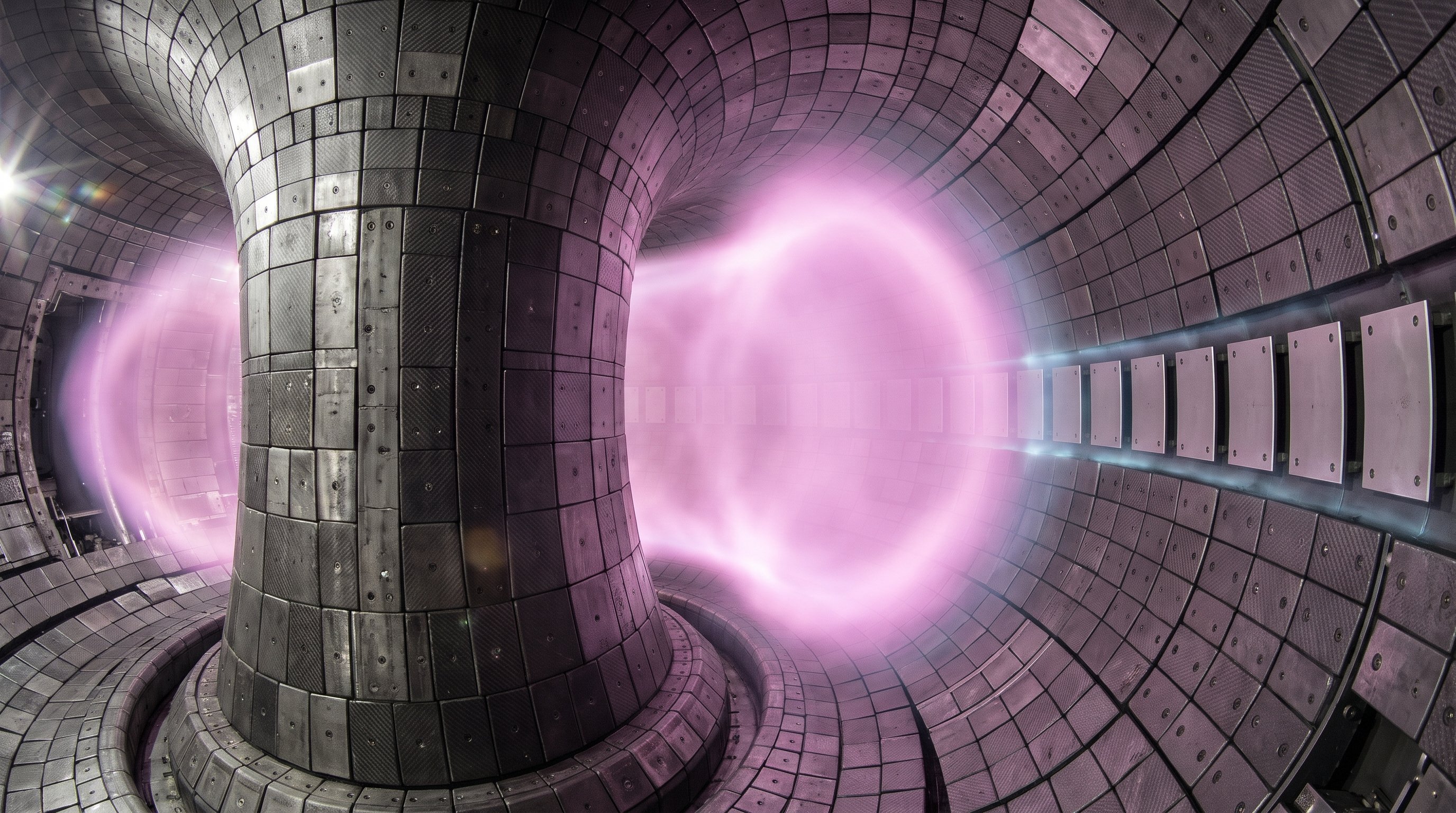
Plasma is gas so hot or energetic that electrons break free from their atoms. That makes it electrically charged and responsive to magnetic fields. Stars are made of it, and in a fusion reactor it has to become hotter than the Sun.
Heat a gas enough and its atoms collide so hard that electrons fly off. What remains is a mixture of free electrons and positively charged particles (ions): plasma. It is often called the fourth state of matter, alongside solid, liquid and gas. The Sun, lightning and the light in a fluorescent tube are examples.
Because plasma consists of charged particles, it conducts electricity and can be held and steered with magnetic fields. That is exactly what nuclear fusion needs. To make atomic nuclei fuse, the plasma in a fusion reactor has to reach more than 100 million degrees Celsius, far hotter than the core of the Sun. No wall can withstand that, so powerful magnets keep the plasma floating in a ring.
Why it matters
Anyone who wants to generate fusion power has to hold a hot plasma steady for a long time without damaging the reactor. At the American fusion reactor DIII-D, researchers showed that radio waves can drive a current in the heart of the plasma, a step towards power stations that run continuously rather than in short pulses. In the same reactor, 3D-printed tungsten tiles stayed intact after dozens of powerful discharges, in the spot where heat and particles from the plasma hit the wall. The fusion company Thea Energy is working on flat superconducting magnets meant to hold such a plasma.
Plasma is also a field of research beyond fusion. With ultra-short X-ray flashes, researchers can see what electrons are doing deep inside hot, dense plasma, like that found in stars.
Articles about Plasma
-
Gallium oxide switching module is the first of its kind to reach 1 megawatt
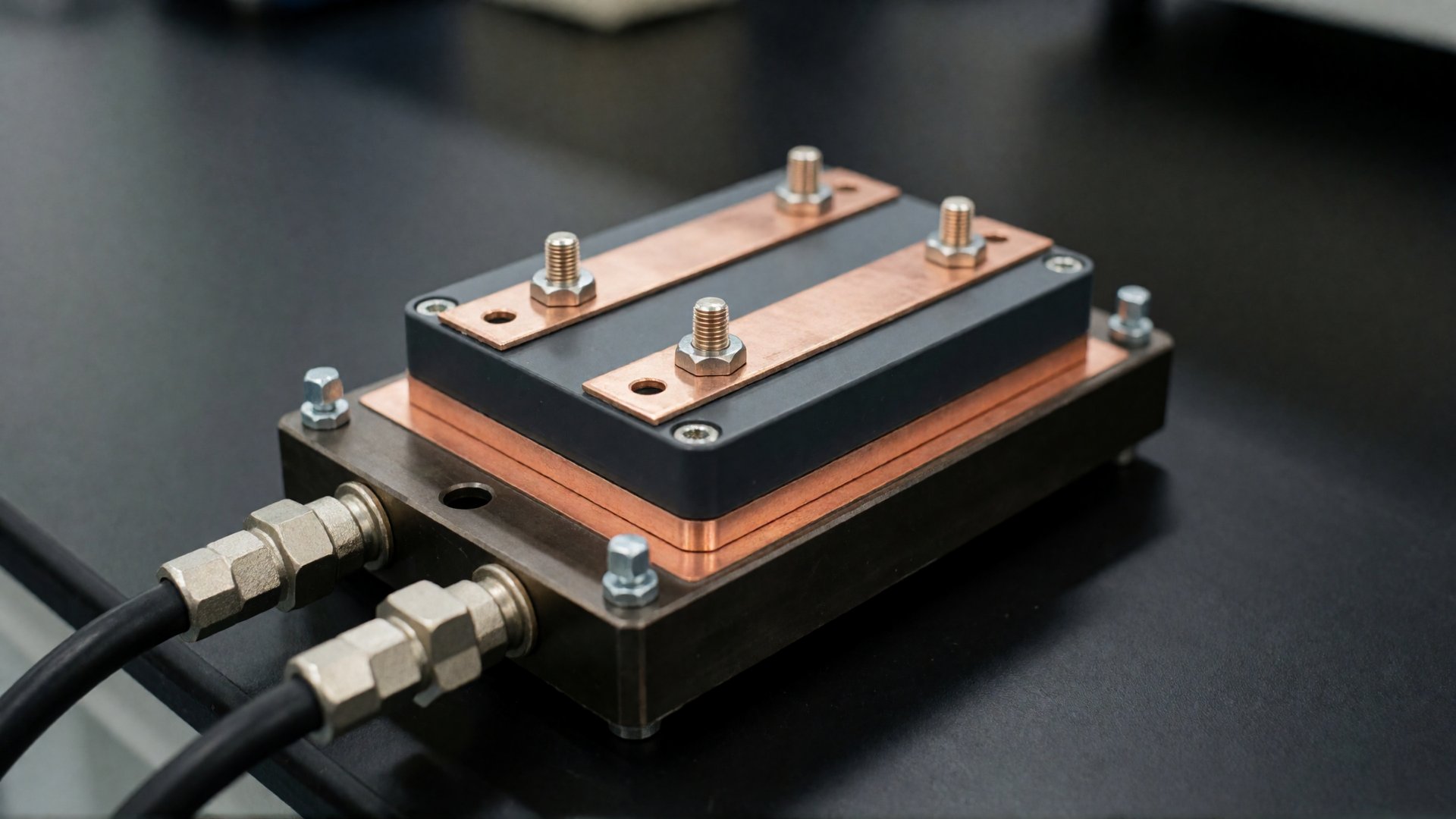
Researchers in Hong Kong built a module with six gallium oxide chips that repeatedly switched 1,000 volts and 1,000 amperes in tests. According to them, it is the first module made from this kind of semiconductor to reach 1 megawatt this way.
-
Full-size 3D-printed tungsten tiles withstand 74 plasma discharges in DIII-D fusion reactor
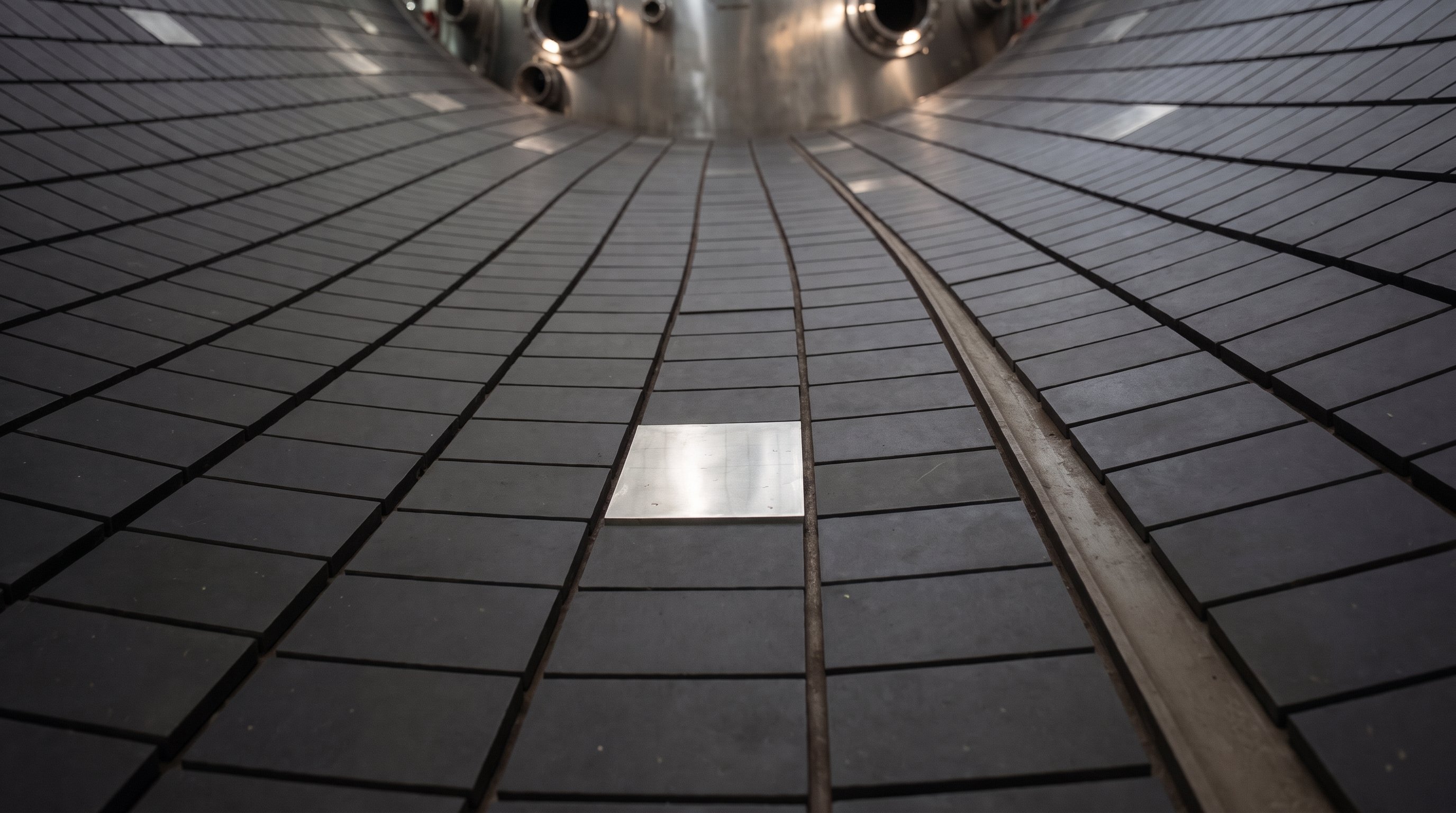
Researchers from the US and Japan have printed full-size tungsten tiles and tested them in the American DIII-D fusion reactor. After 74 powerful discharges they were still intact, according to the team. Detailed analysis of the tiles is now under way.
-
SLAC measures the shortest high-energy X-ray flashes ever produced by an X-ray laser
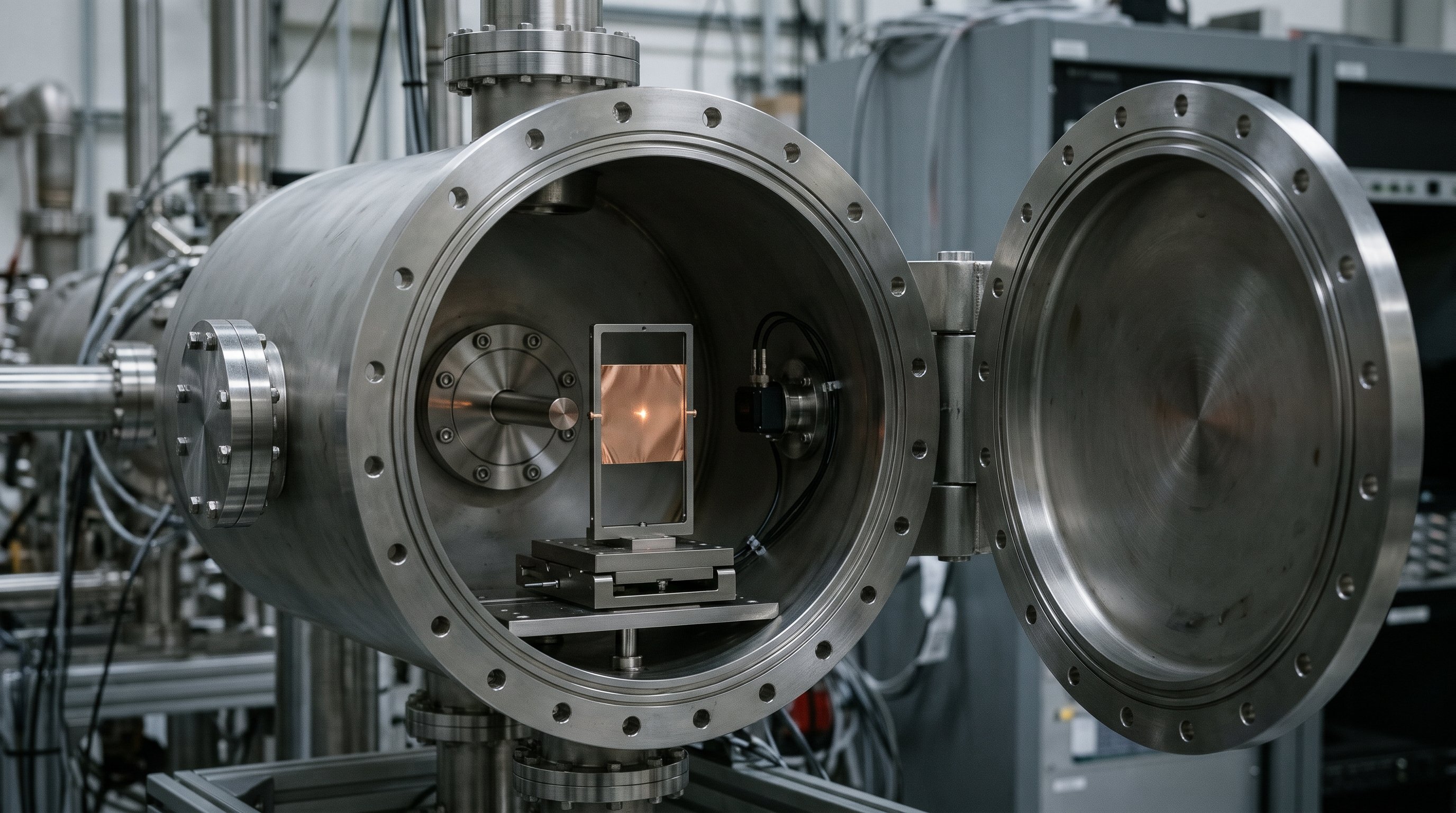
Researchers at SLAC in the United States have shown that their X-ray laser makes high-energy flashes lasting 100 to 400 attoseconds, the shortest ever from such a laser, according to SLAC. They can use them to watch electrons in action, even deep inside dense materials such as hot plasma.
-
MIT to test a flat superconducting magnet for Thea Energy's fusion plant at full power
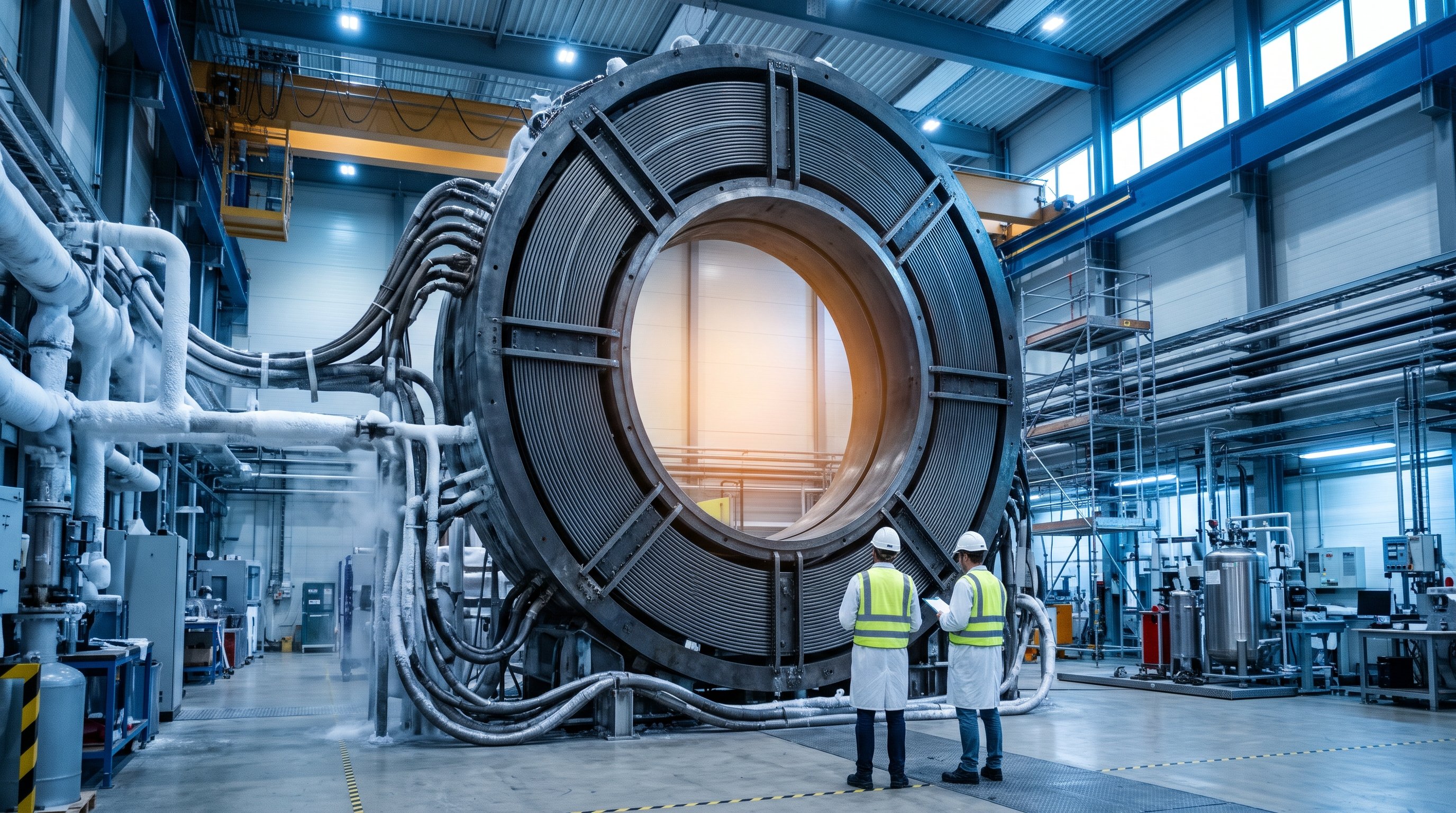
The US fusion company Thea Energy is having a large, flat superconducting magnet tested at MIT, at the full magnetic field and full force of a power plant. Flat magnets are much easier to make than the twisted magnets of ordinary stellarators.
-
Radio waves drive current in the heart of a fusion plasma: a step towards a power plant that runs non-stop
Researchers at the US fusion reactor DIII-D have clearly shown for the first time that helicon waves, a kind of radio wave, can drive current in the heart of a fusion plasma. This is a step towards fusion power plants that run continuously instead of in short pulses.
-
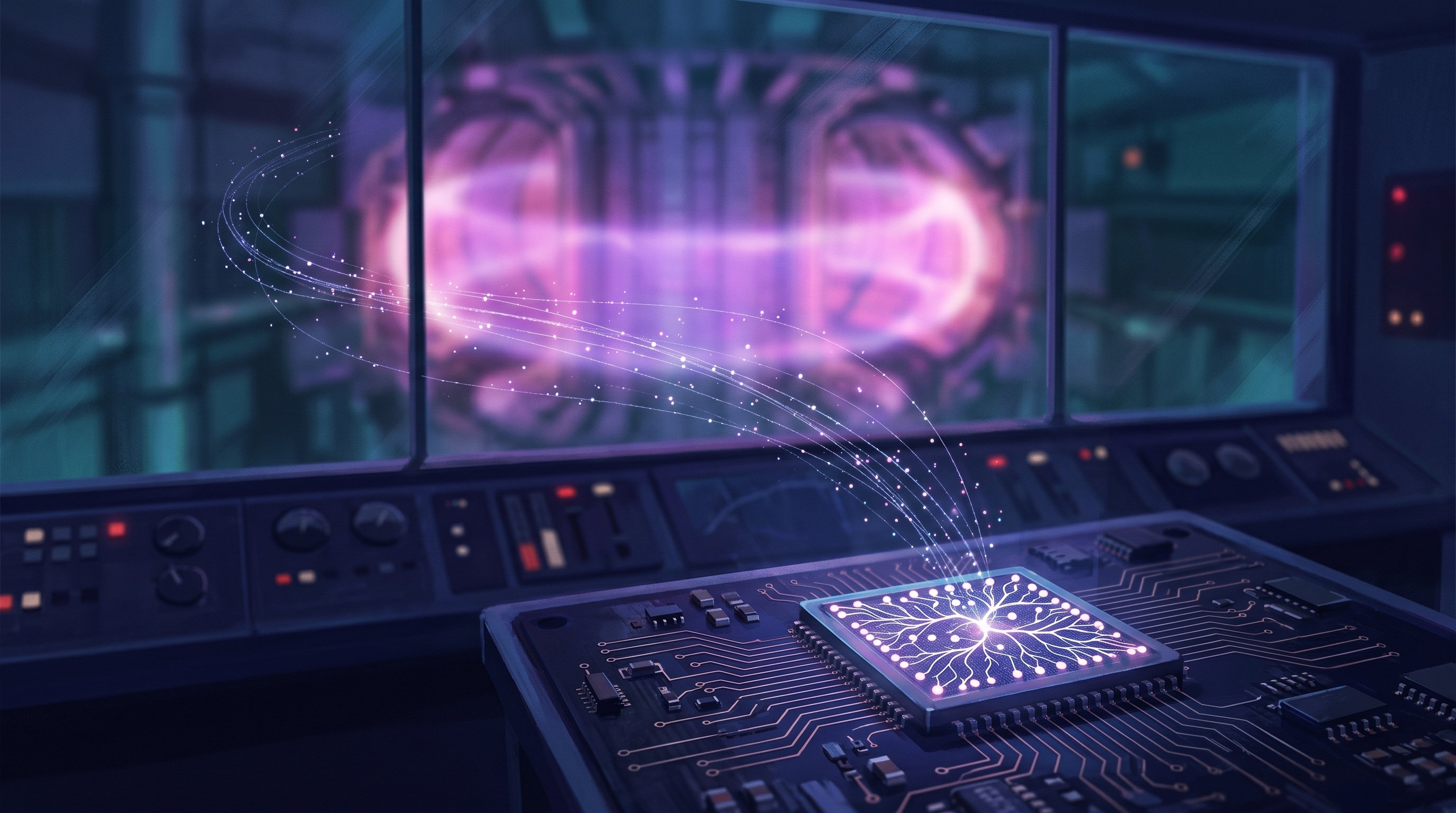
Brain-inspired chip keeps up with a million measurements per second from a fusion reactor
An American team tested a superconducting chip that works like a network of brain cells. It processed measurements from a fusion reactor as fast as they came in. Next year, a chip ten times larger will monitor the reactor itself.
-
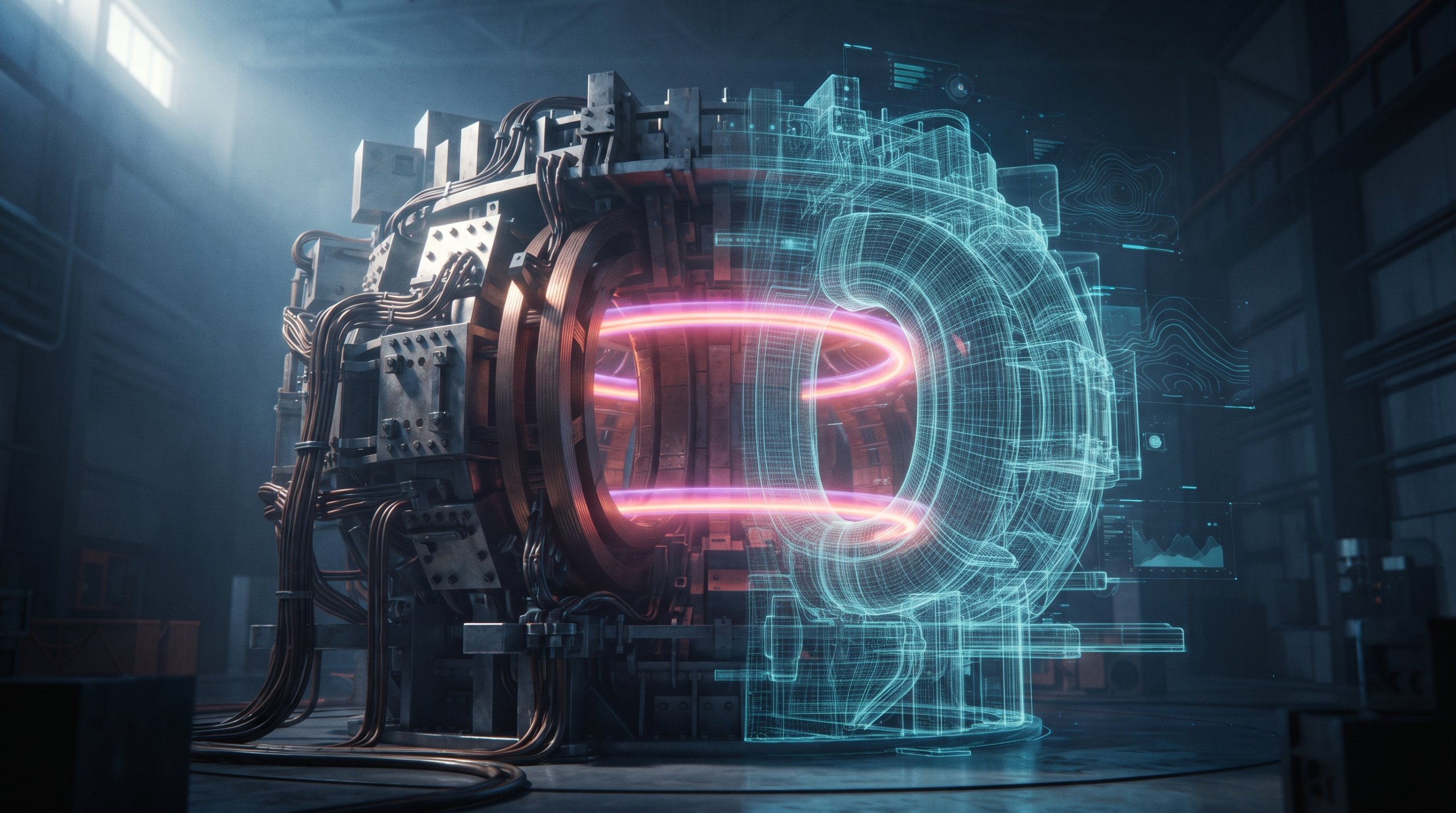
US project builds digital twin of SPARC fusion reactor to predict plasma within 20 minutes
Commonwealth Fusion Systems is building a digital twin of the SPARC fusion reactor with four American national laboratories, NVIDIA and Google DeepMind. The goal: predict plasma behaviour in less than 20 minutes, between two experiments. That is still an ambition, not a result.
-
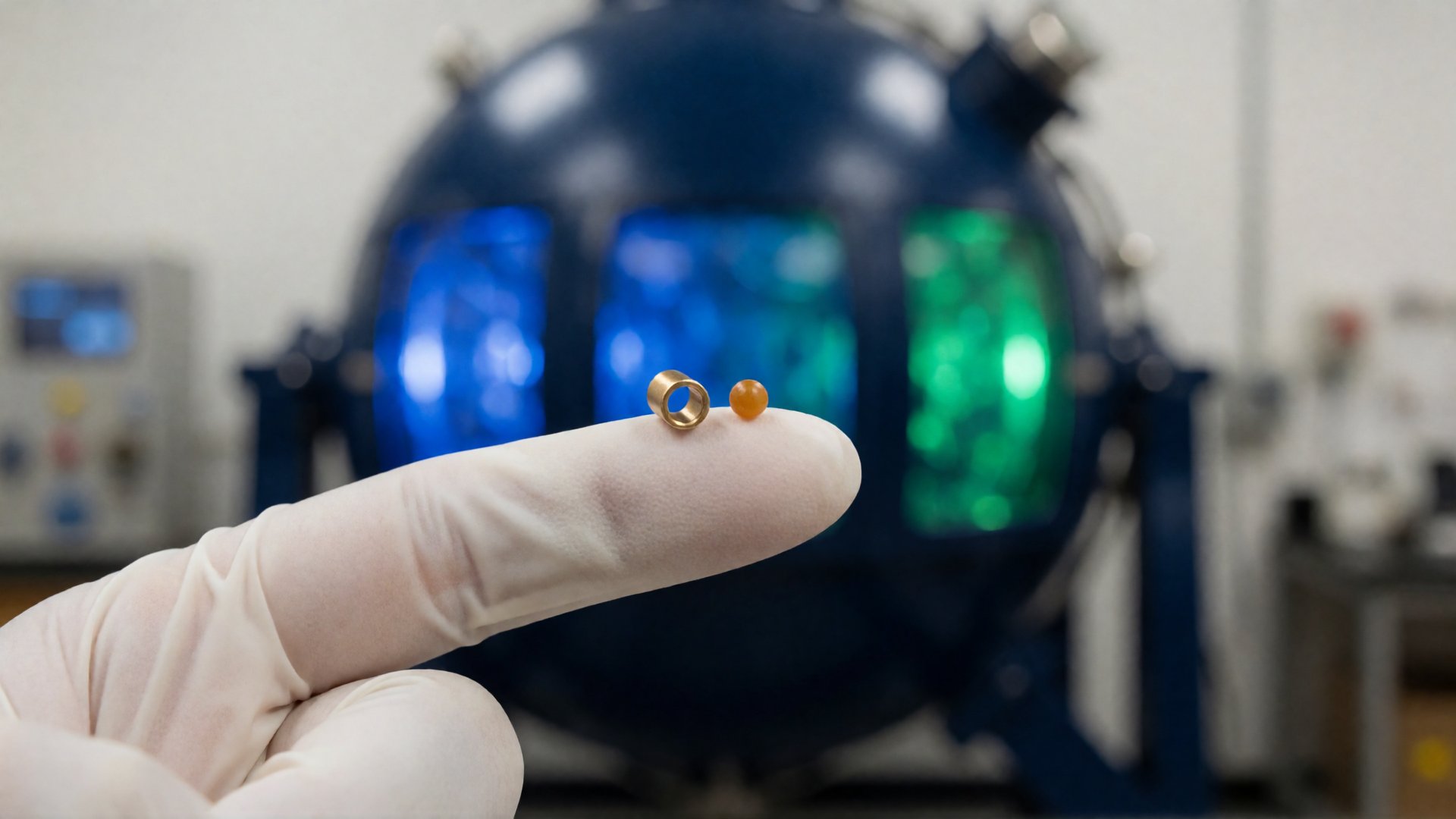
Fusion experiment produces more energy than the laser put in for the first time
In California, a nuclear fusion experiment produced more energy than the lasers aimed at the target for the first time: 3.15 megajoules against 2.05. A fusion power plant is still far away, but the physics behind it turns out to work.