Nederlands
Superconductivity
Superconductivity is the phenomenon whereby some materials conduct electricity with no resistance at all once they are cold enough. No energy is then lost as heat. It is used in powerful magnets and in many quantum computers.
In an ordinary wire, electrons keep bumping into the atoms of the metal. As a result, some of the energy is lost as heat; that is called resistance. Some materials lose that resistance completely if you cool them far enough. Below that threshold temperature, current flows without loss. That is called superconductivity.
The drawback is the cold. Many superconductors only work just above absolute zero (minus 273.15 degrees Celsius) and have to be cooled with liquid helium. There are also materials that become superconducting at around minus 196 degrees Celsius, the temperature of liquid nitrogen, which makes cooling much easier. A superconductor that works at normal room temperature and pressure has not yet been found.
Why it matters
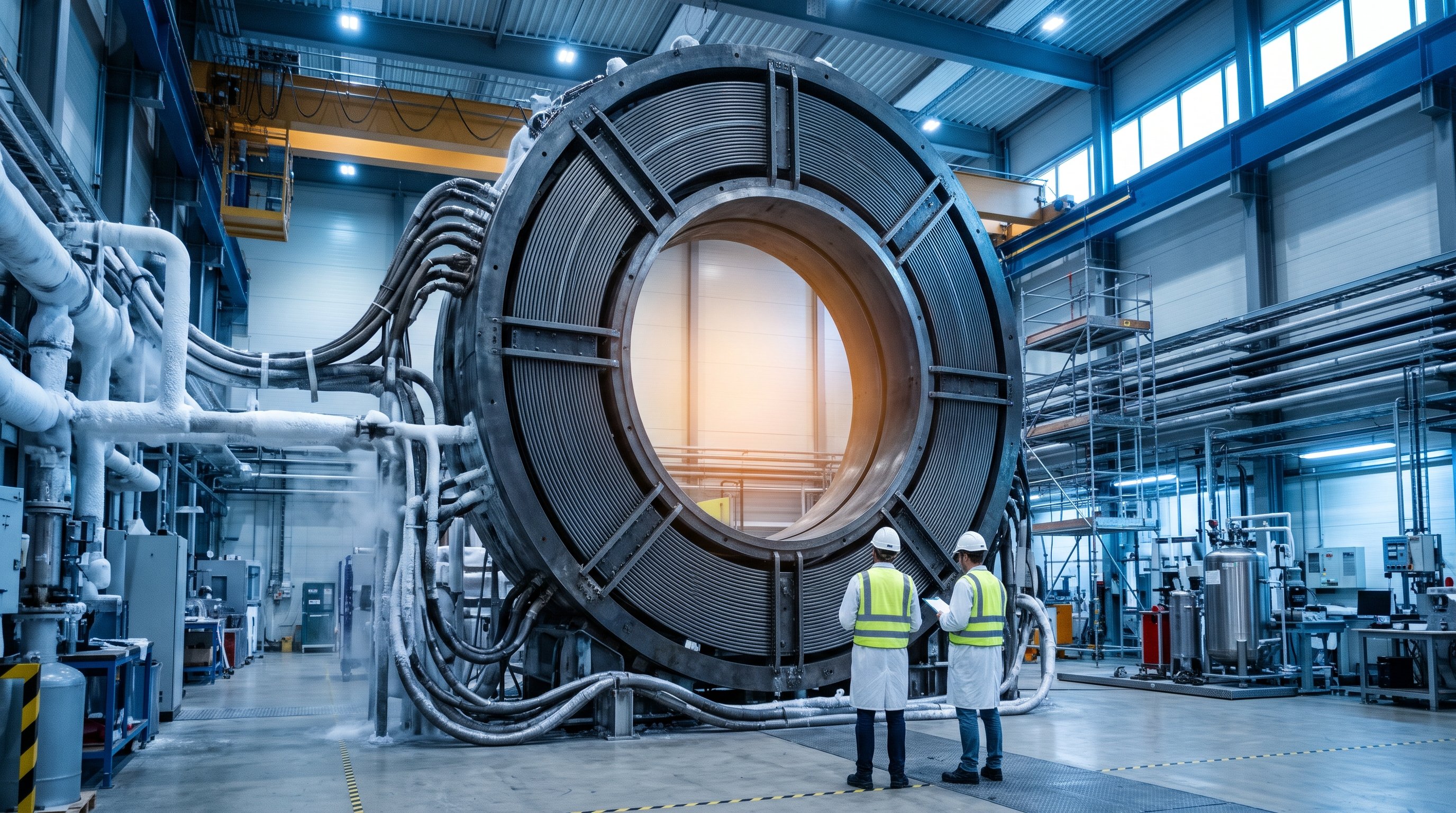
Because no energy is lost, superconducting coils can carry enormous currents and so make very strong magnets. These are already used in MRI scanners and particle accelerators, and they are essential for nuclear fusion. The fusion company Thea Energy, for example, is having a large, flat superconducting magnet tested at full strength at MIT.
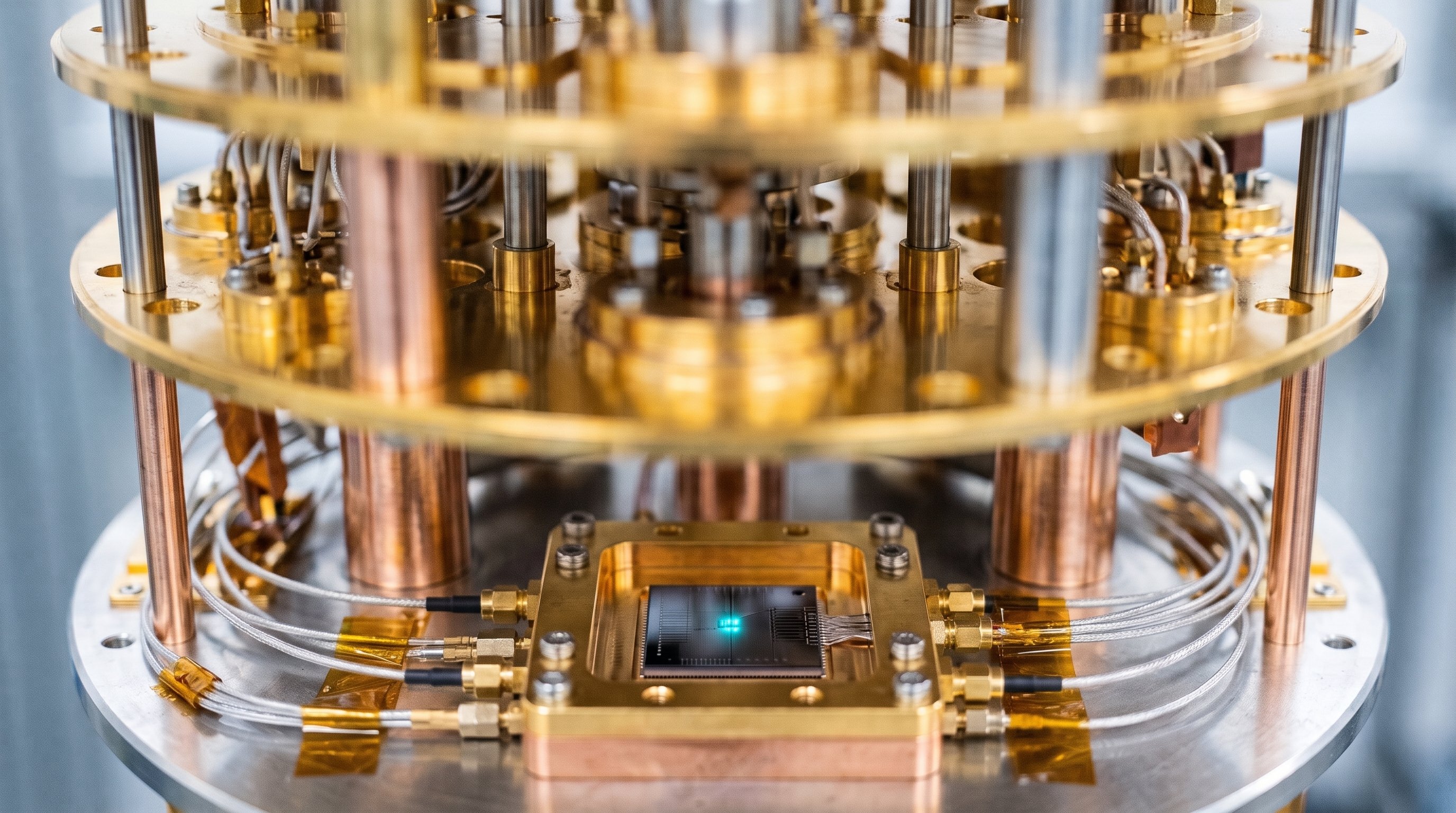
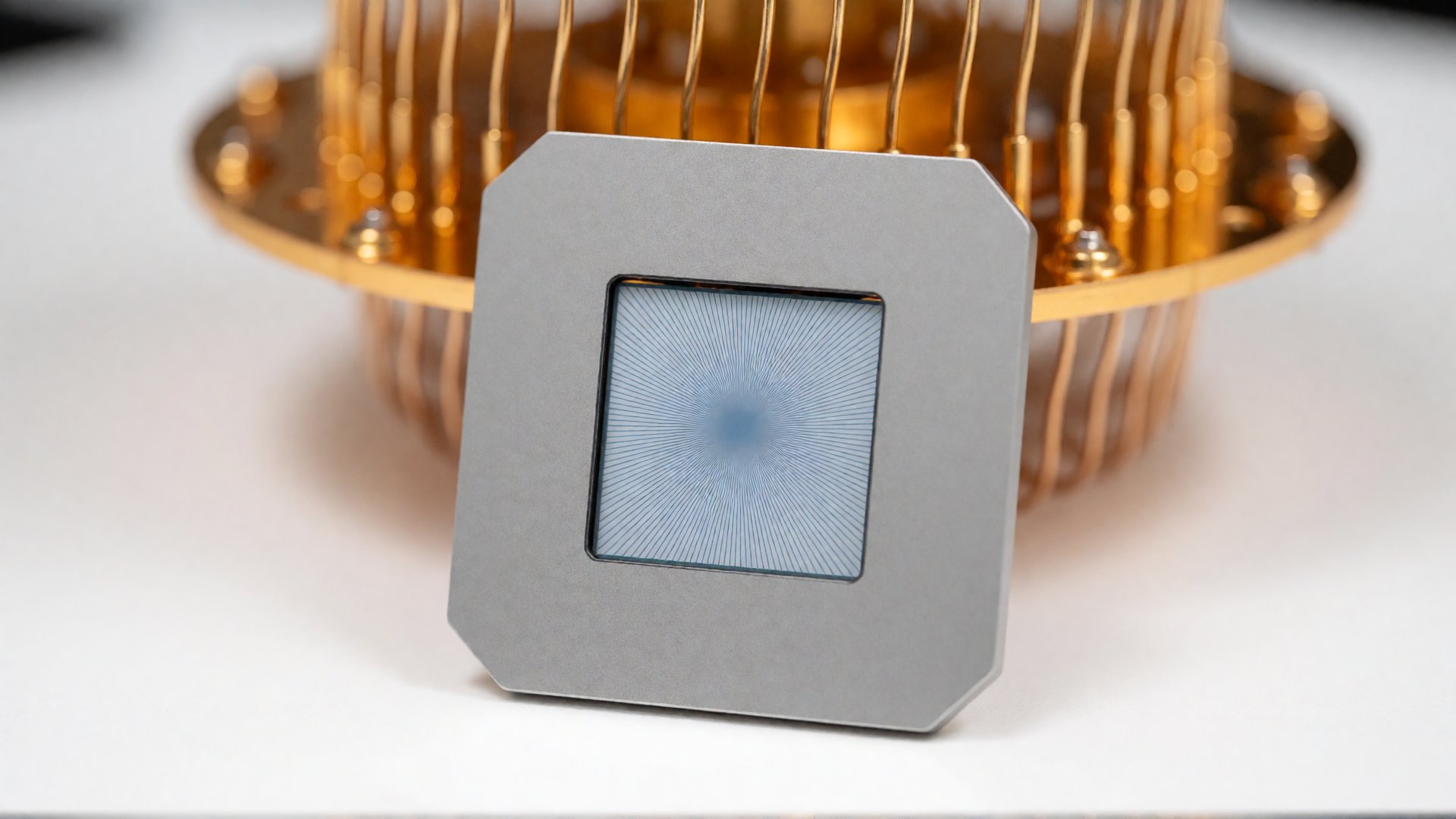
Many quantum computers also compute with superconductivity. Their qubits are tiny superconducting circuits on a chip. On such a chip, researchers showed that one short measurement beforehand can roughly halve a qubit's errors.
Articles about Superconductivity
-
Key part for quantum chips made in an ordinary chip factory
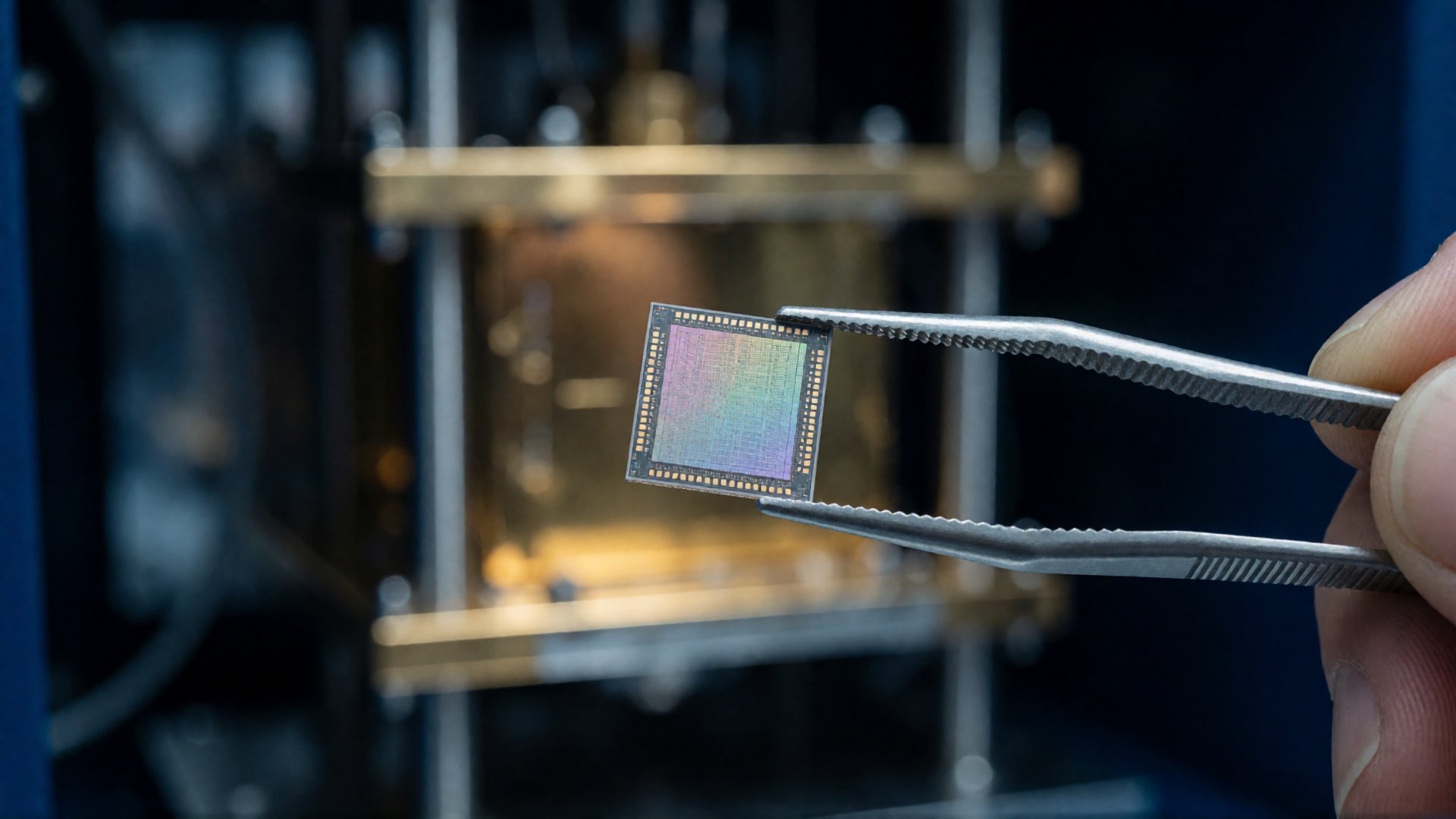
Researchers built a superinductor, a part that until now had to be made to order, inside an ordinary chip from a commercial factory. With it they made a small, fast sensor for quantum computers based on silicon chips.
-
One short measurement beforehand halves a qubit's errors
A team led by the University of Regensburg had a qubit briefly measure which frequency it was on before each series of calculations, then adjusted the controls automatically. Errors fell by about 54 per cent. The next step is more qubits at once.
-
New calculation: quantum computer needs far fewer qubits to break internet encryption
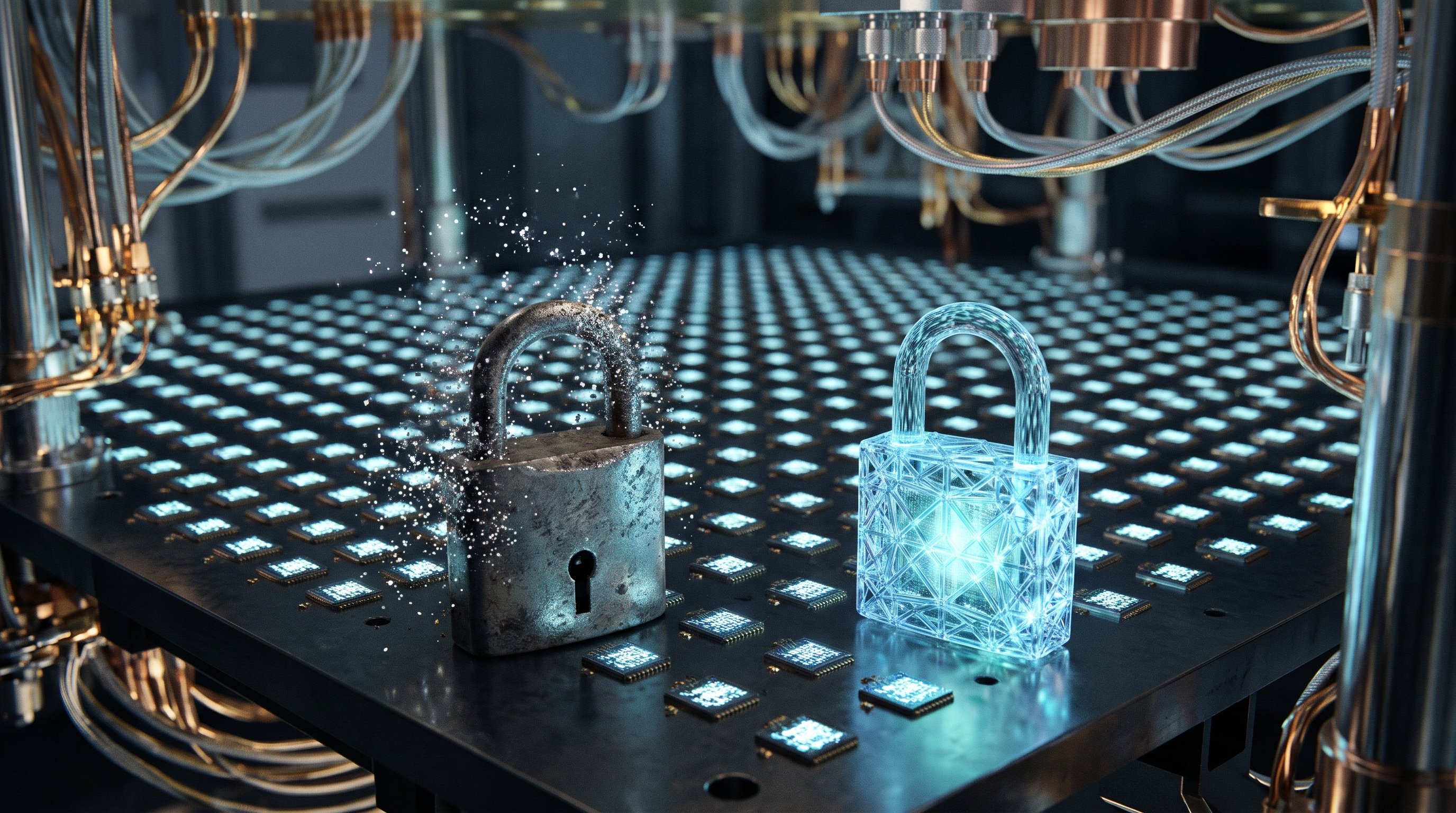
French quantum company Alice & Bob calculates that a quantum computer with about 23,000 qubits could break the widely used RSA encryption in just over three days. Such a machine does not exist yet, but the calculation shows why switching to quantum-safe encryption now is wise.
-
MIT to test a flat superconducting magnet for Thea Energy's fusion plant at full power
The US fusion company Thea Energy is having a large, flat superconducting magnet tested at MIT, at the full magnetic field and full force of a power plant. Flat magnets are much easier to make than the twisted magnets of ordinary stellarators.
-
Will Marty McFly's hoverboard ever become real?
Floating boards already exist, but only above a magnetic track or with jet engines. A former NASA engineer now claims a force that works without fuel, using only electric fields. It is still tiny and has not been measured independently, but a good test can settle the question.
-
IBM links two quantum chips with 80-centimetre cables
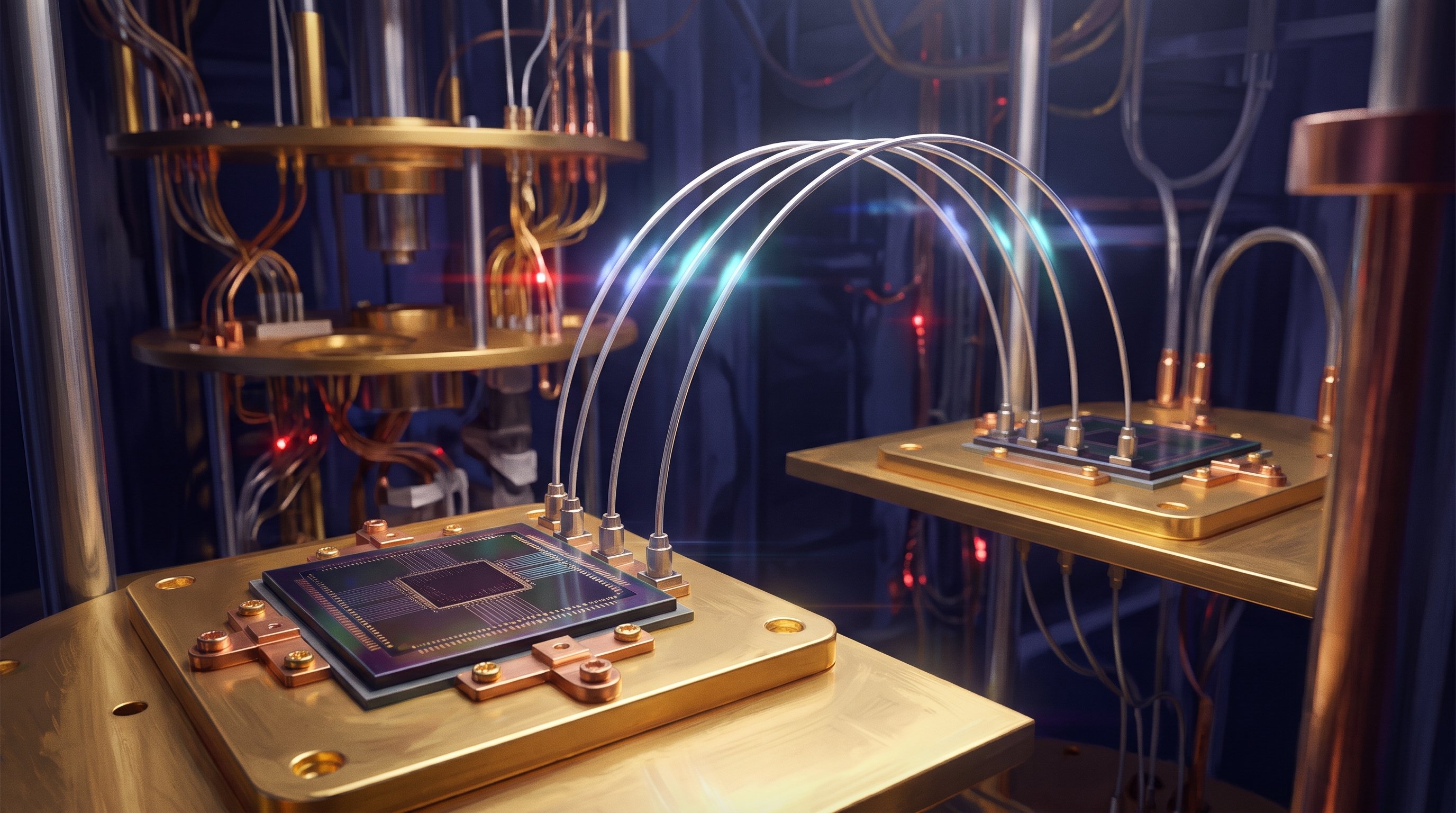
IBM researchers connected two quantum chips of 120 qubits each with four superconducting links of 80 centimetres. The quantum information came across with an average fidelity of 99 per cent. It is a step towards quantum computers built from separate modules.
-
Brain-inspired chip keeps up with a million measurements per second from a fusion reactor
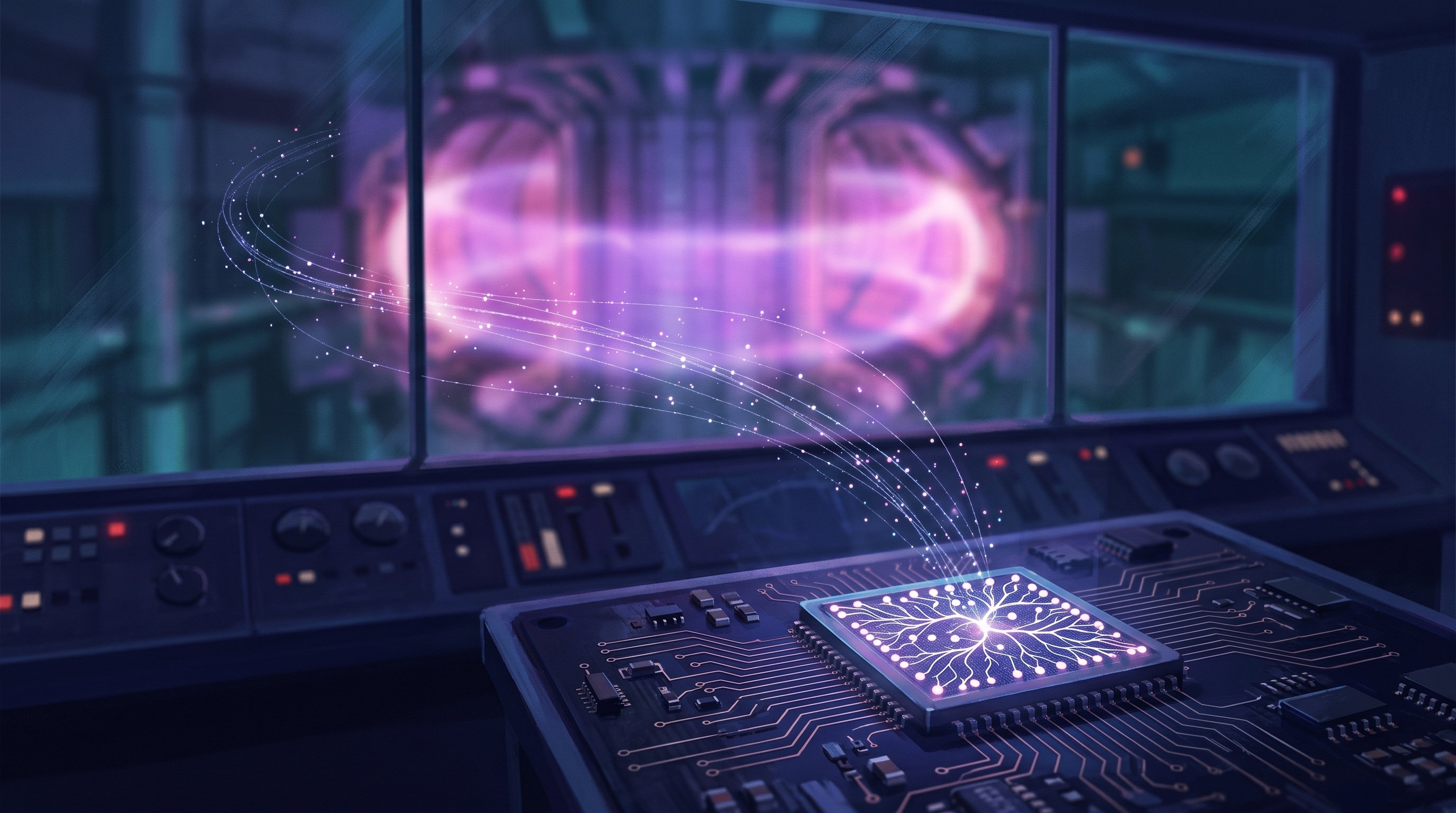
An American team tested a superconducting chip that works like a network of brain cells. It processed measurements from a fusion reactor as fast as they came in. Next year, a chip ten times larger will monitor the reactor itself.
-
Electron pairs survive after superconductivity is gone
Physicists saw that electrons in a metal keep forming pairs even when it is just too warm for superconductivity. That helps to understand how electricity without losses comes about. The next step is to see whether it also happens inside the material.
-
European physics prize for the discoverers of a third kind of magnetism
Three physicists receive the Europhysics Prize 2026 for altermagnetism: magnets that attract nothing from outside, yet sort electrons like an ordinary magnet. This opens the way to smaller, faster and more energy-efficient computer memory.
-
Google says its quantum chip solved in 200 seconds a problem that would take a supercomputer far longer
Google reports in Nature that a chip with 53 qubits carried out a calculation in 200 seconds. According to Google, the fastest supercomputer would need 10,000 years. IBM thinks it can be done in days. A first sign that quantum chips can do something.