Nederlands
Simulation
A simulation is a world or situation recreated on a computer, in which you can try things out without real-world consequences.
A simulation is a situation recreated on a computer. You can try things out in it, repeat them and measure them without anything happening in the real world.
How does it work?
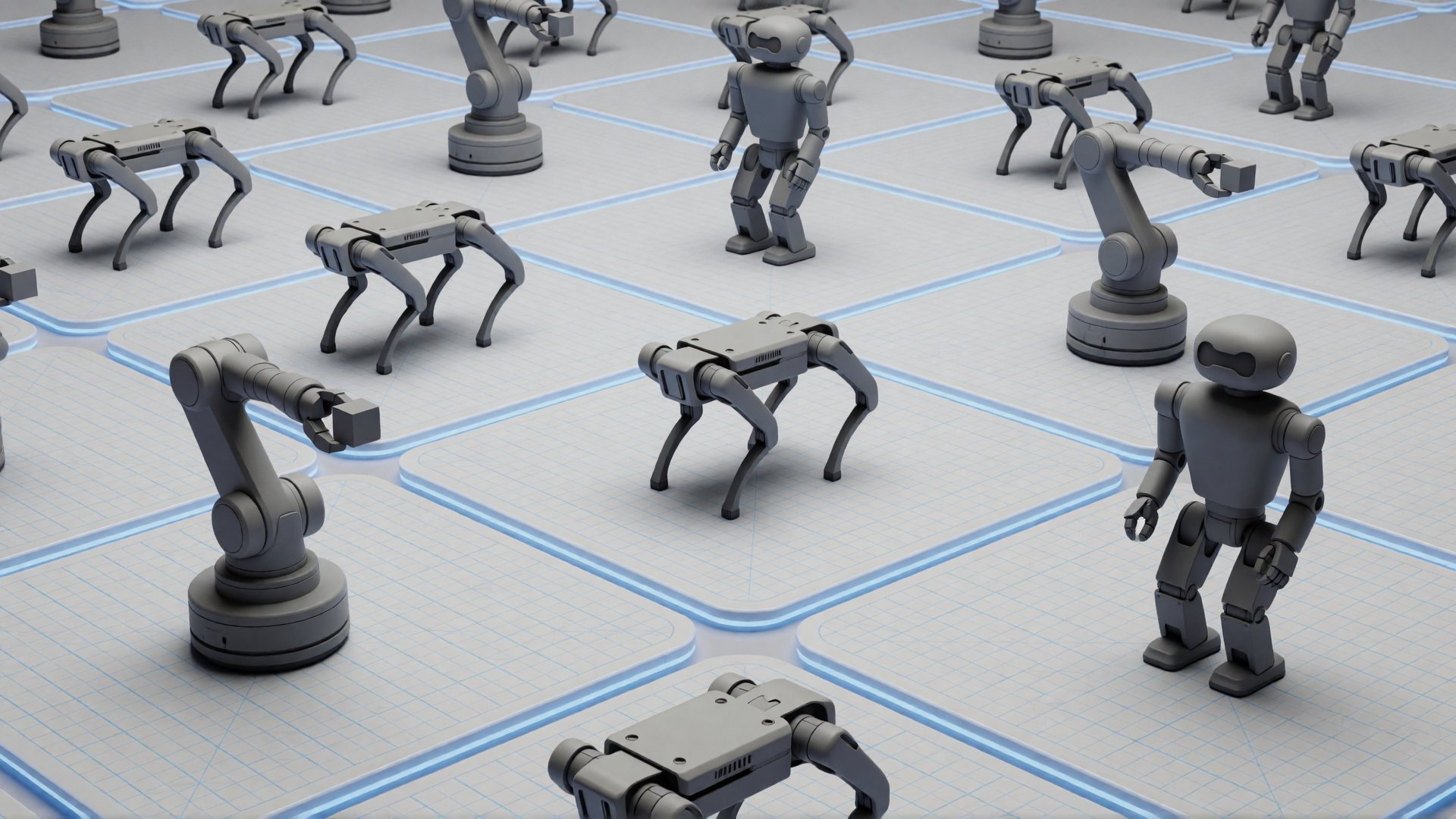
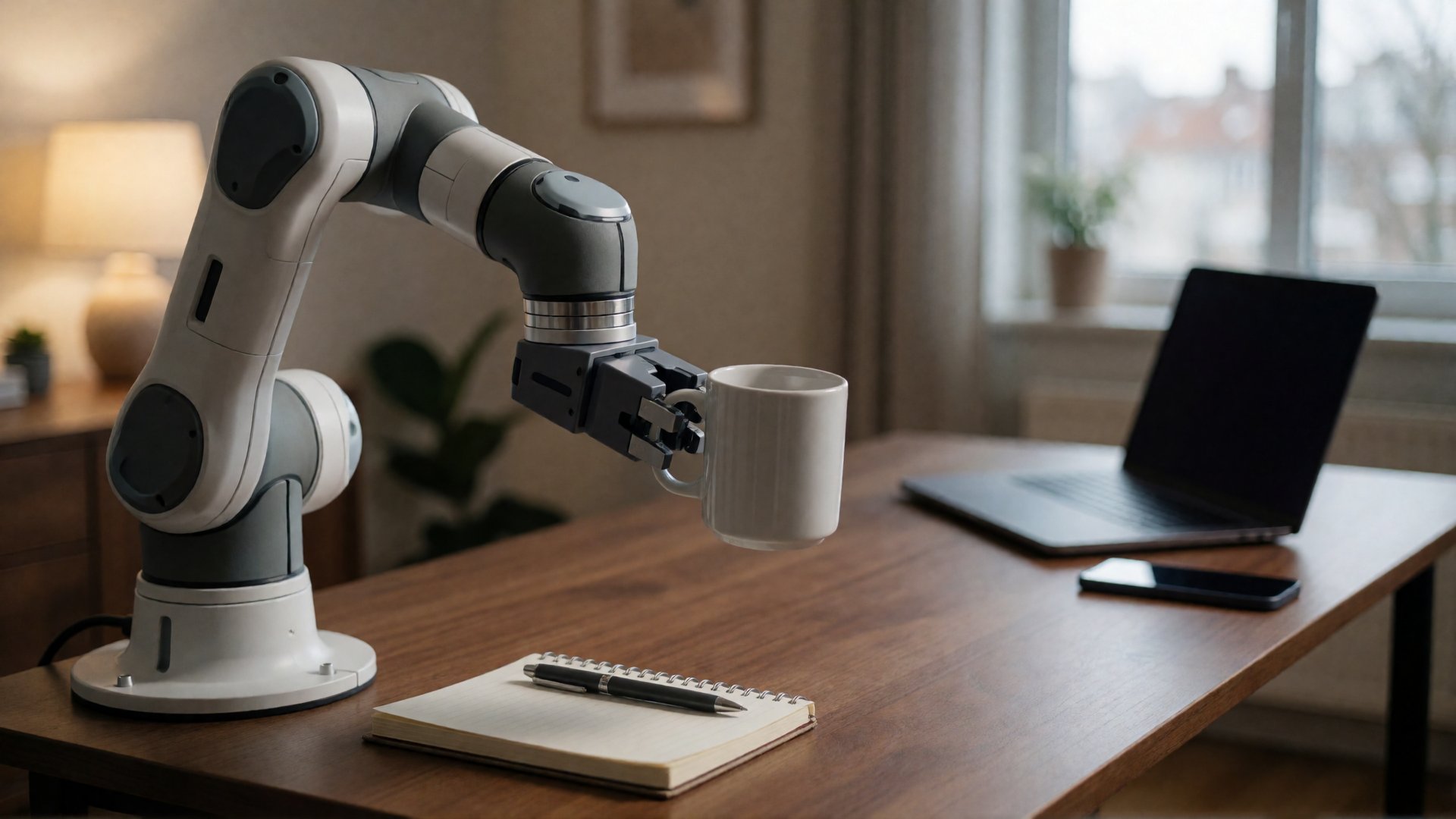
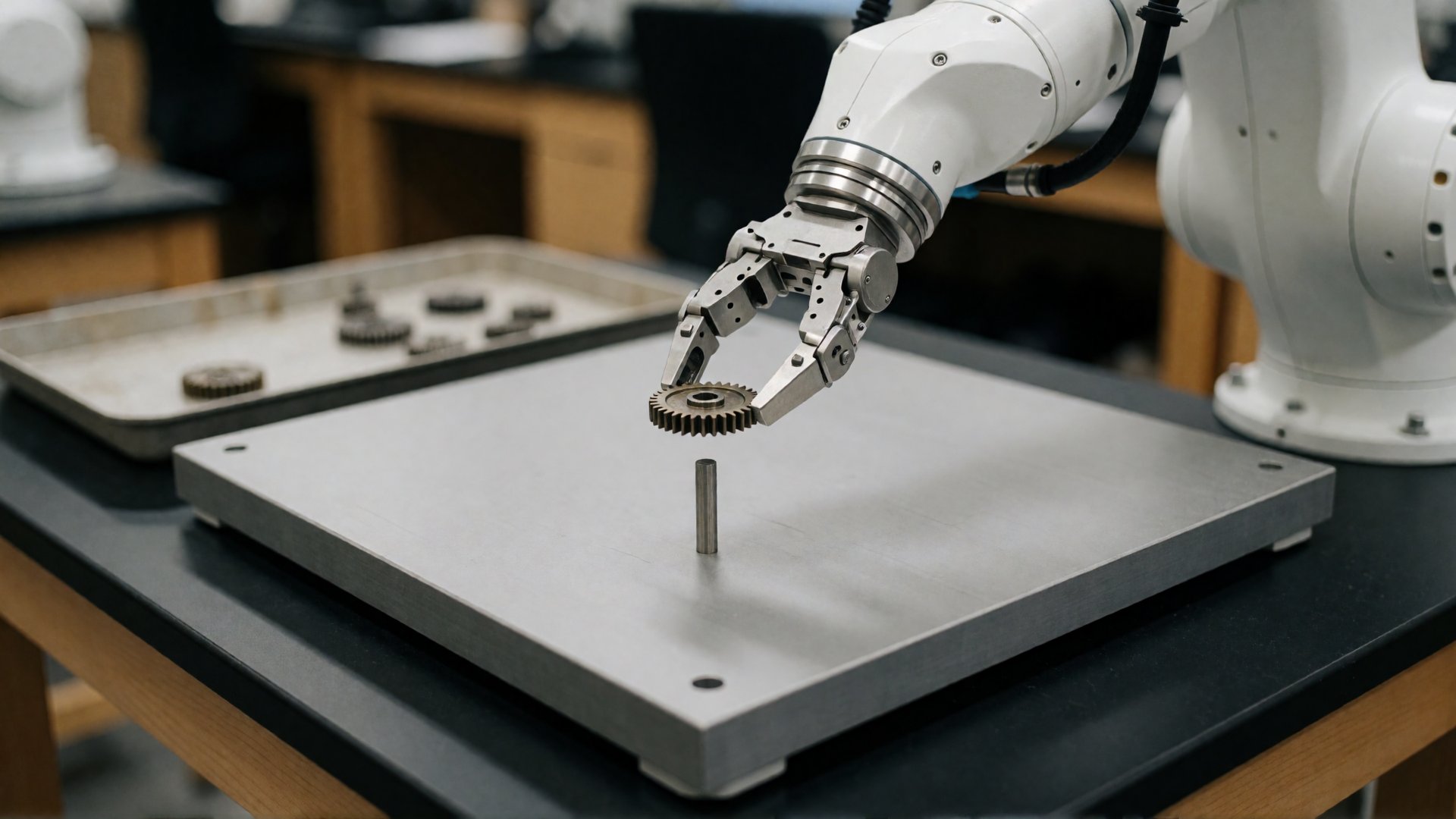
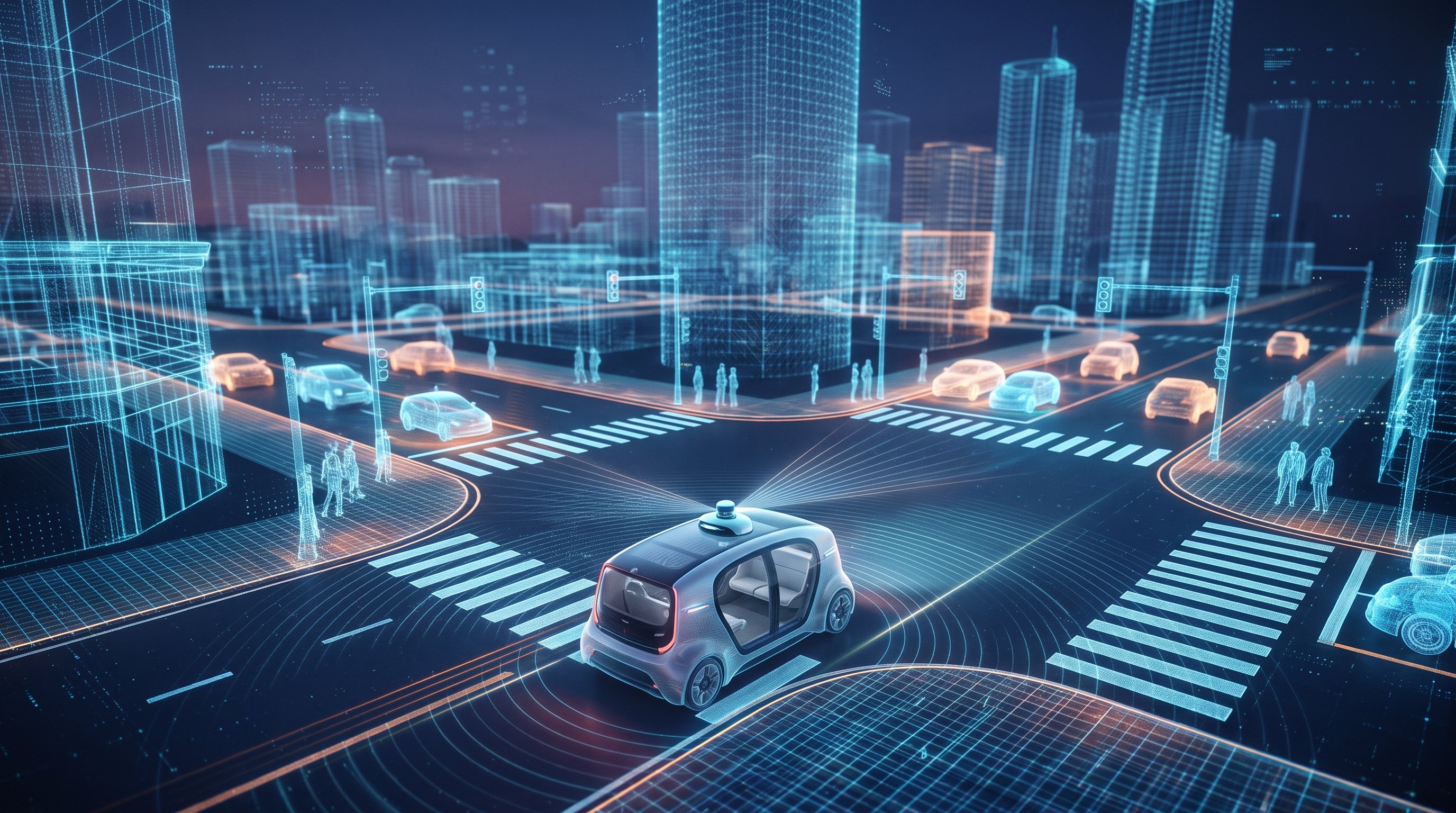
A simulation follows rules, for example from physics, to calculate what happens. A robot arm picking up a block, a car braking: the computer calculates how everything moves and shows it. The advantage is that you can repeat an experiment as often as you like, faster than in reality, and that you have precise control over the conditions. That makes a simulation useful for training and testing AI.
Why it matters
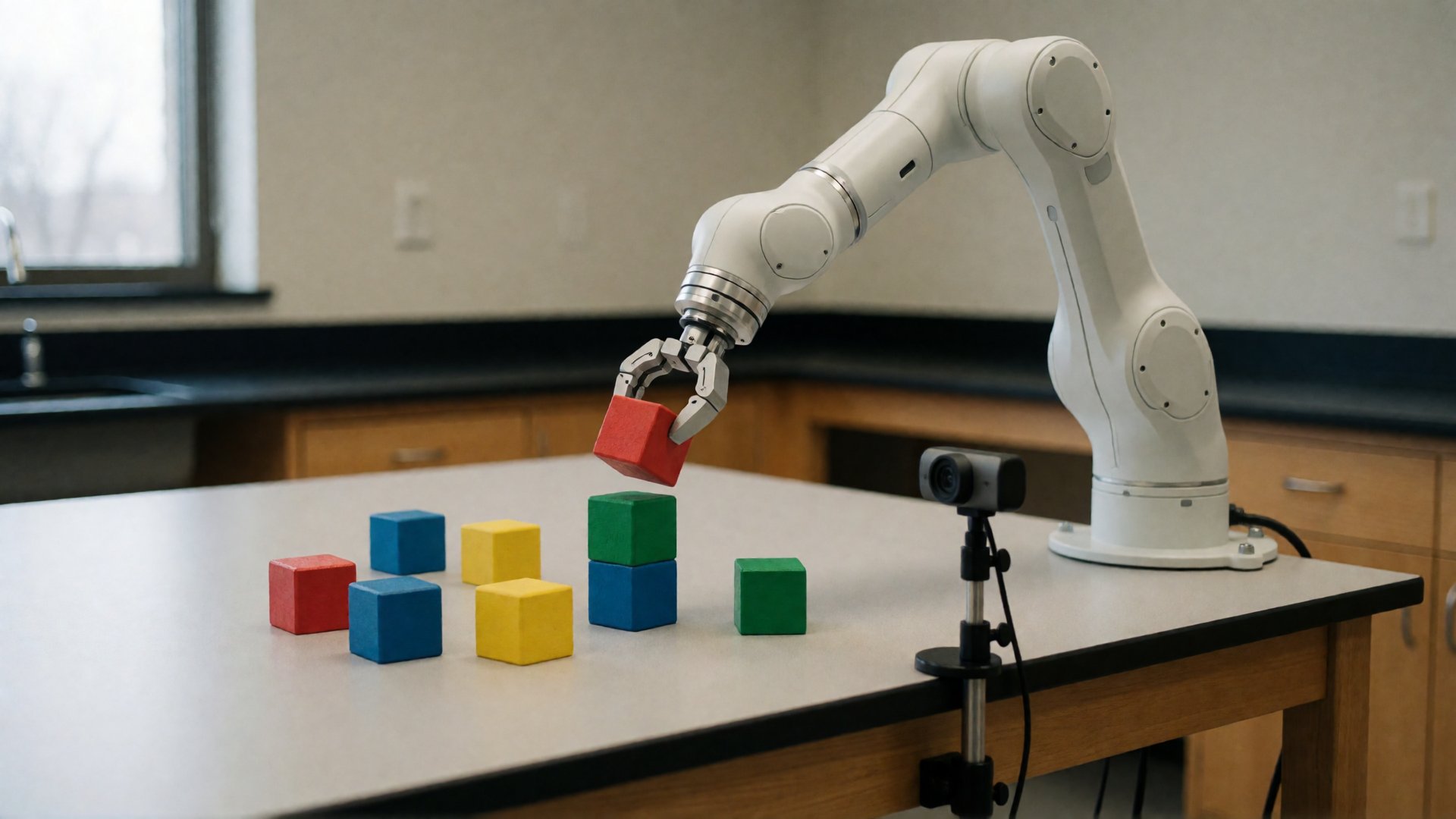
A robot often learns a task by looking at examples, and making those examples takes a lot of time. The Allen Institute for AI (Ai2) therefore built ToyBlocks, a simulation with a robot arm that moves blocks around on a table. The computer makes the examples itself, without a person controlling the robot. Hundreds of plans run at the same time on a single graphics card, up to 24 times as fast as in reality.
Because the world is simple, researchers can change the training data and repeat a test to see what makes a robot go wrong. According to Ai2, the first tests with three well-known robot models went badly as soon as the situation differed slightly from the practice runs. A full world model goes a step further, but even a simple simulation like this one helps to understand what a robot can really do.
Articles about Simulation
-
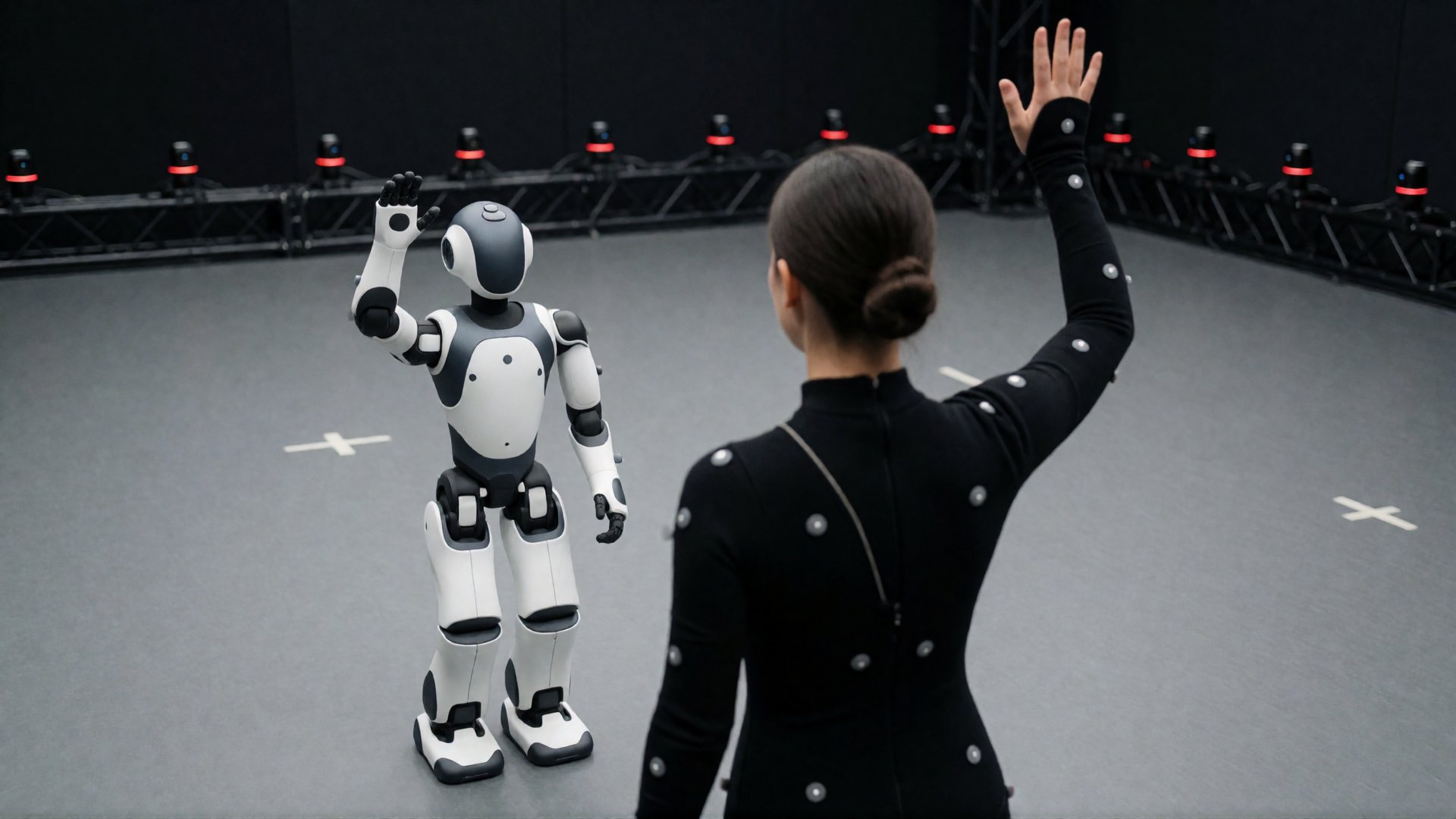
NVIDIA releases free software that adapts human movements for robots
With SOMA Retargeter, developers can take a recorded human movement, such as walking or waving, and adapt it to the body of a humanoid robot. Robots can then use that movement as an example to practise on a computer first.
-
Apple researchers train humanoid robot in a thousand virtual rooms
Apple researchers trained the control system of a humanoid robot mainly in a thousand virtual rooms. In six real spaces the robot had never seen, single tasks succeeded in 91 per cent of 360 trials, according to the researchers.
-
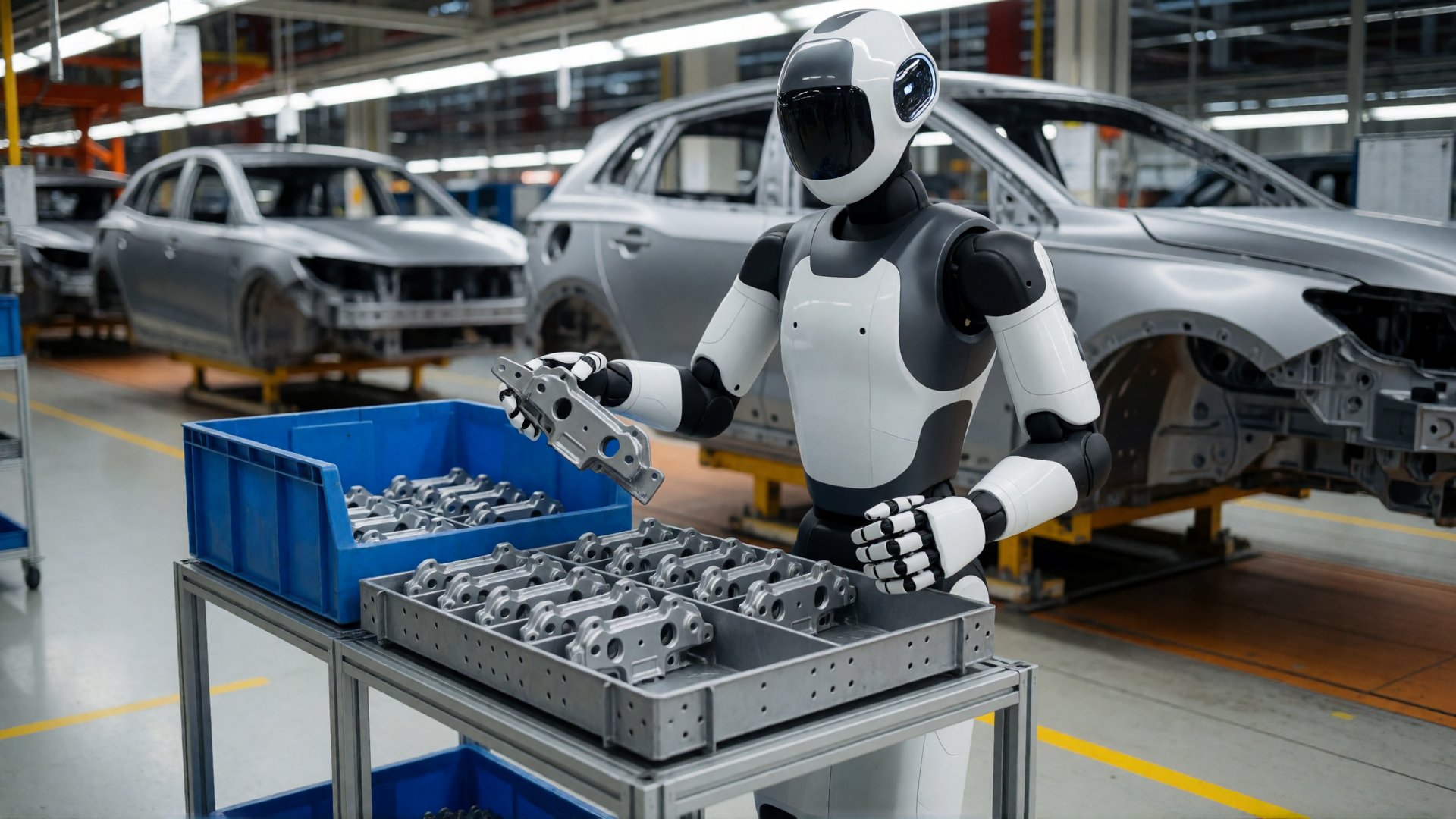
Google DeepMind tests Gemini Robotics 2.5 in Mercedes-Benz factories
Google DeepMind has presented Gemini Robotics 2.5, an AI model that makes robots more skilful with their hands. In a trial at Mercedes-Benz, a humanoid robot sorted car parts on a running production line. According to DeepMind, it succeeded 96 per cent of the time.
-
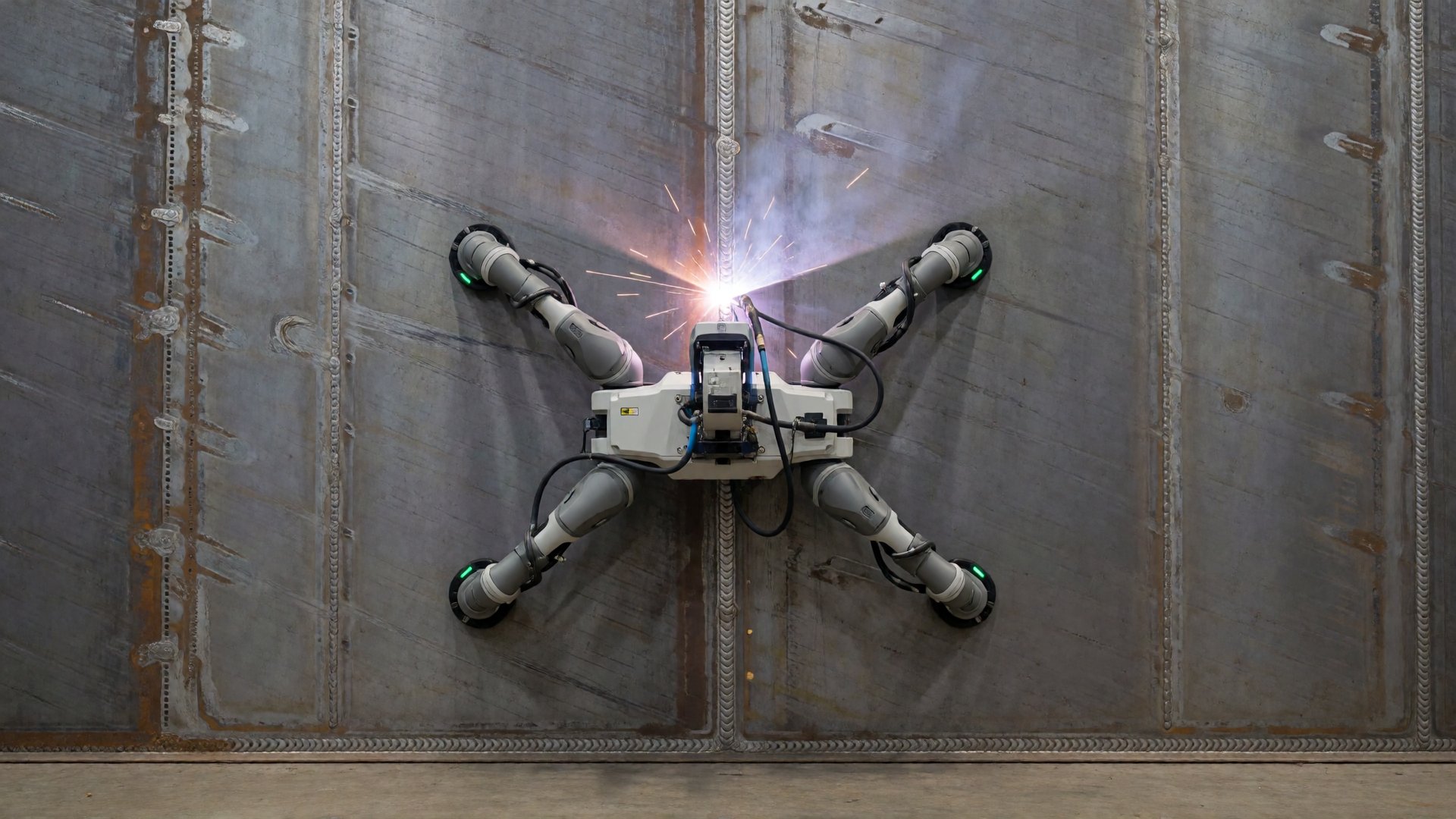
Four-legged robot climbs ship walls on magnetic feet to weld
South Korean company Diden Robotics has a robot that walks across steel walls and ceilings on magnetic feet while carrying welding equipment. According to the company, its welds are already part of ships that are being built now.
-
Skild AI releases fast simulator for training robots
Skild AI and Nvidia have released Steel: software that calculates on a computer how robots move. For a mix of many kinds of robot tasks, it is up to 13 times as fast as the widely used PhysX, according to the company's own measurements. Anyone can now use and test the code.
-
Anthropic releases Claude Fable 5.2 and Mythos 5.2
Anthropic has released two new AI models for demanding technical work. In the company's own tests, Fable 5.2 scores higher than the latest models from OpenAI and Google on most tests. Independent measurements still have to confirm this.
-
Robot works out what people really mean from a single correction
Researchers at MIT and New York University have built FLEX, a method that lets a robot work out from one ordinary sentence what a person really means. In simulations, a robot arm then also avoided objects that nobody had mentioned.
-
Researchers test robot code with AI agents in simulations
Researchers at UC Berkeley and NVIDIA let AI agents write, test and adjust robot programs in a virtual environment. According to the team, the code that was developed also worked on a real robot in one trial.
-
NVIDIA presents GR00T 2 and simulation tools for precise robot work
At the CoRL robotics conference, NVIDIA presents an open AI model and new practice software that let robots learn precise work in a simulated world, such as connecting cables and assembling small parts.
-
DeepMind: AI agents find two weak spots in outdated RSA-1024 encryption
AI agents from Google DeepMind, guided by humans, found two weak spots in outdated 1024-bit RSA encryption. It can therefore be attacked with less computing power than thought. Keys of 2048 bits or longer remain safe, according to DeepMind.
-
Ai2 releases open practice world for robots: a robot arm and a table full of blocks
The American research institute Ai2 has released ToyBlocks: an open, simulated world in which robots practise with blocks. According to Ai2, models trained only there also performed single actions on a real robot arm, in 81 per cent of the trials.
-
NVIDIA releases four AI models that let robots and self-driving cars practise in a simulated world
With four new Cosmos 3 models, researchers and companies can make video of a simulated world that reacts to what a robot or car does. The models are free to download. The next step is to measure where they are reliable enough.
-
Tiny memory component works at just 0.6 volts and survives a trillion switches
Researchers from South Korea, together with Samsung, made a memory component 5 nanometres thick that switches fast at just 0.6 volts and withstands a trillion switches. In time, this could lead to memory that uses less power, including in AI servers.
-
Baidu lets self-driving cars practise in a virtual city full of AI road users
The Chinese tech company Baidu has presented Apollo World: an AI system that builds a virtual traffic world where self-driving cars practise. Other cars and pedestrians there react by themselves to what the car does. Baidu is already testing its robotaxis with it.
-
Xpeng's small open AI model locates objects better than GPT-6 Astra
Carmaker Xpeng and several universities have released GroundingPI, an open AI model that helps robots and cars see exactly where things are. On 34 tests it scores slightly higher on average than OpenAI's much larger GPT-6 Astra, according to its makers.