Nederlands
Neuralink may start large US clinical study of brain implant in people with ALS
The US regulator FDA has given Neuralink permission for a clinical study of its brain implant in people with severe paralysis caused by ALS. The approval covers the research, not commercial sales.
Neuralink announced that the US Food and Drug Administration (FDA), the American regulator for food and medicines, has approved the LINK Pivotal Study. According to Neuralink, it is the first so-called pivotal study in the United States for a brain-computer interface that is placed inside the body.
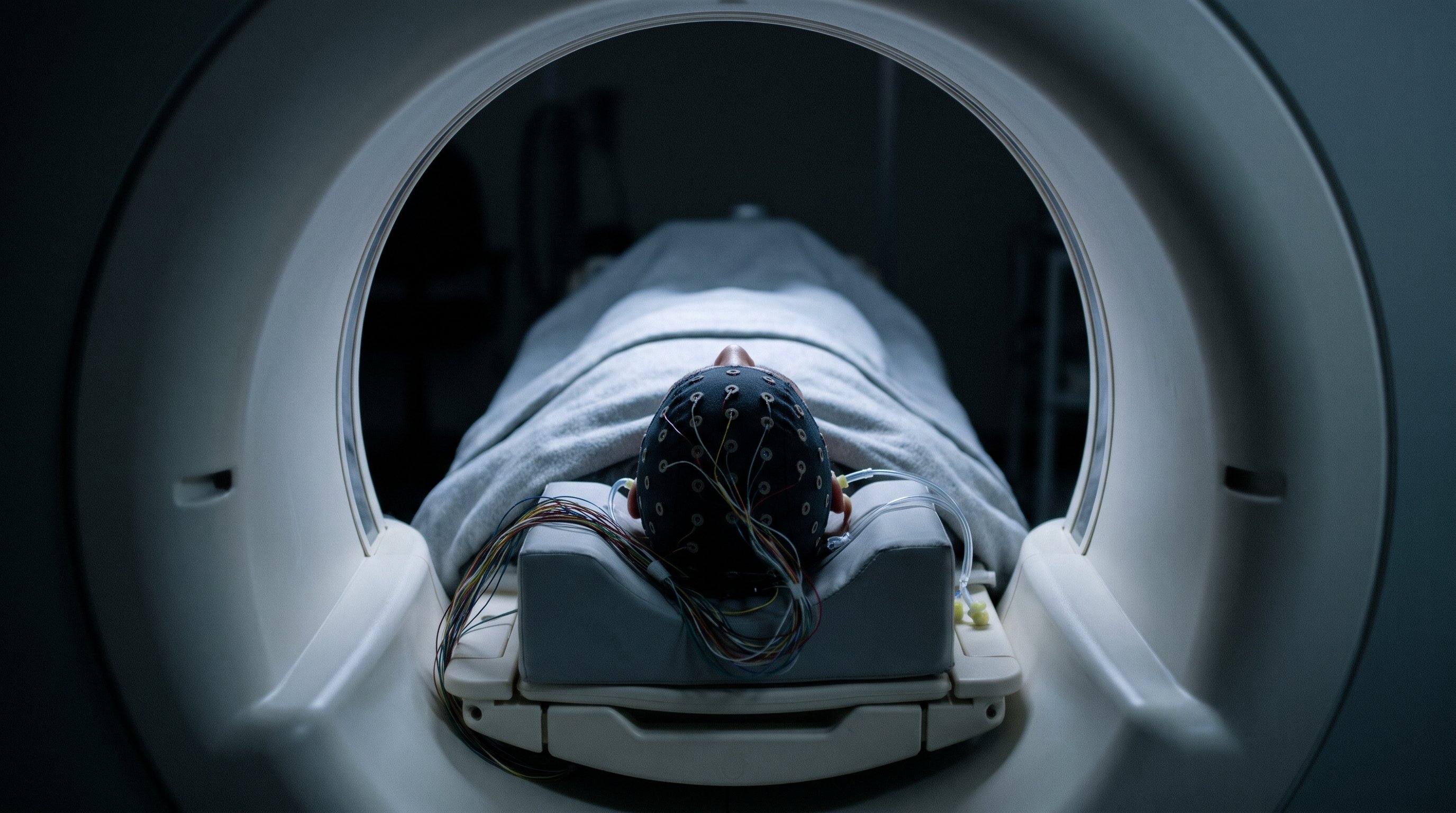
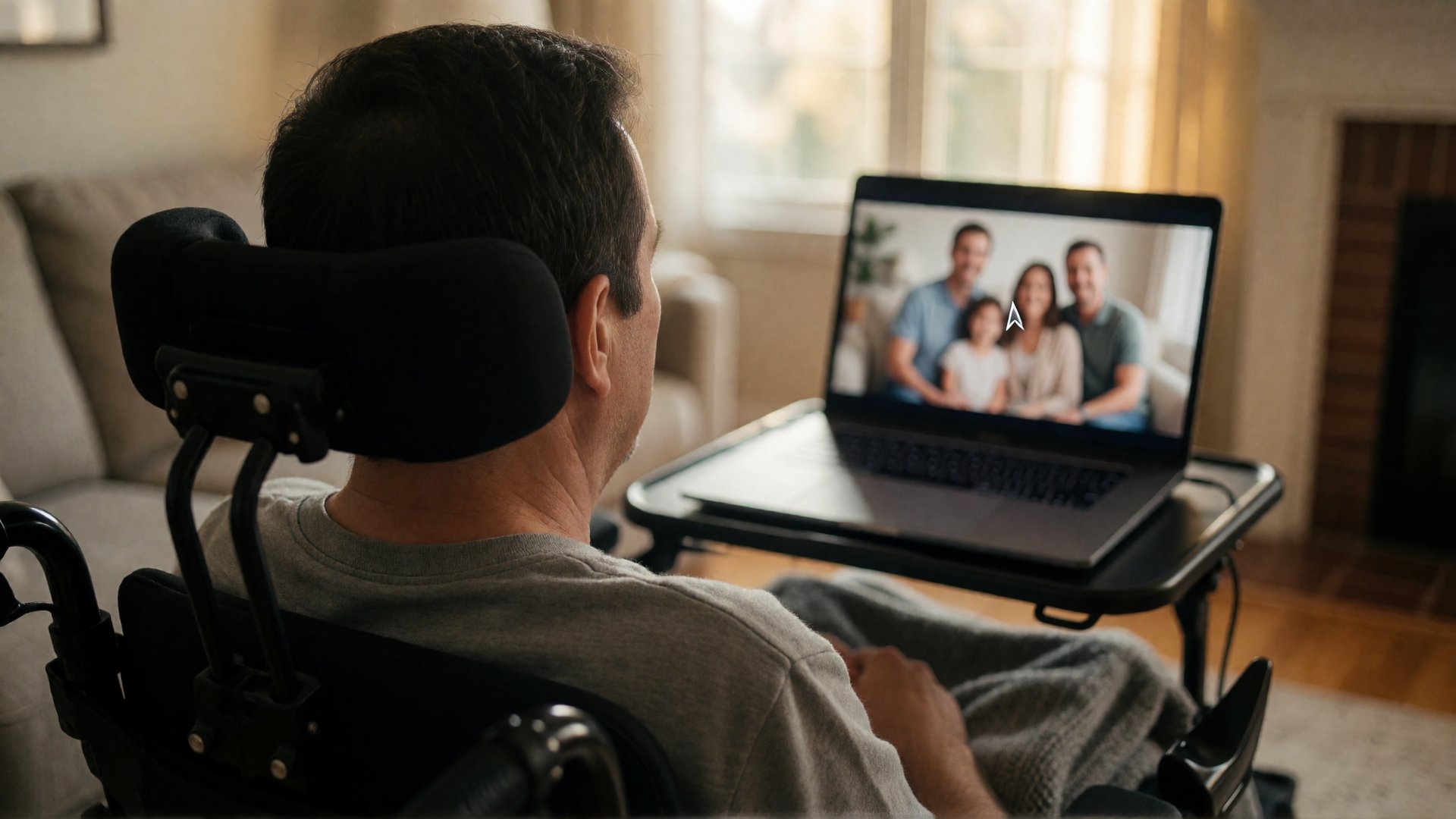
The study looks at the safety and performance of the system in adults with severe paralysis caused by amyotrophic lateral sclerosis (ALS), a nerve disease in which the muscles gradually stop working. Participants will try to control digital devices with their thoughts. The researchers will also look at how independently participants can manage daily life, and at safety and reliability over a longer period.
A pivotal study is a later phase of clinical research. Its results can serve as evidence in an application to bring a medical device to market. Even after a successful study, market approval is not guaranteed. Neuralink's implant is still being studied and is only available within approved clinical studies.
How does the implant work?
The N1 implant sits in the skull, without wires, connectors or an external battery. Threads thinner than a human hair run to the motor cortex, an area of the brain involved in movement. The implant records electrical signals linked to intended movements and turns them into commands for digital devices.
Participants can learn to move a computer cursor and click by imagining a hand movement. A brain surgeon places the implant; Neuralink's R1 surgical robot inserts the threads into the brain. The implant communicates wirelessly with a computer and is charged wirelessly through the scalp.
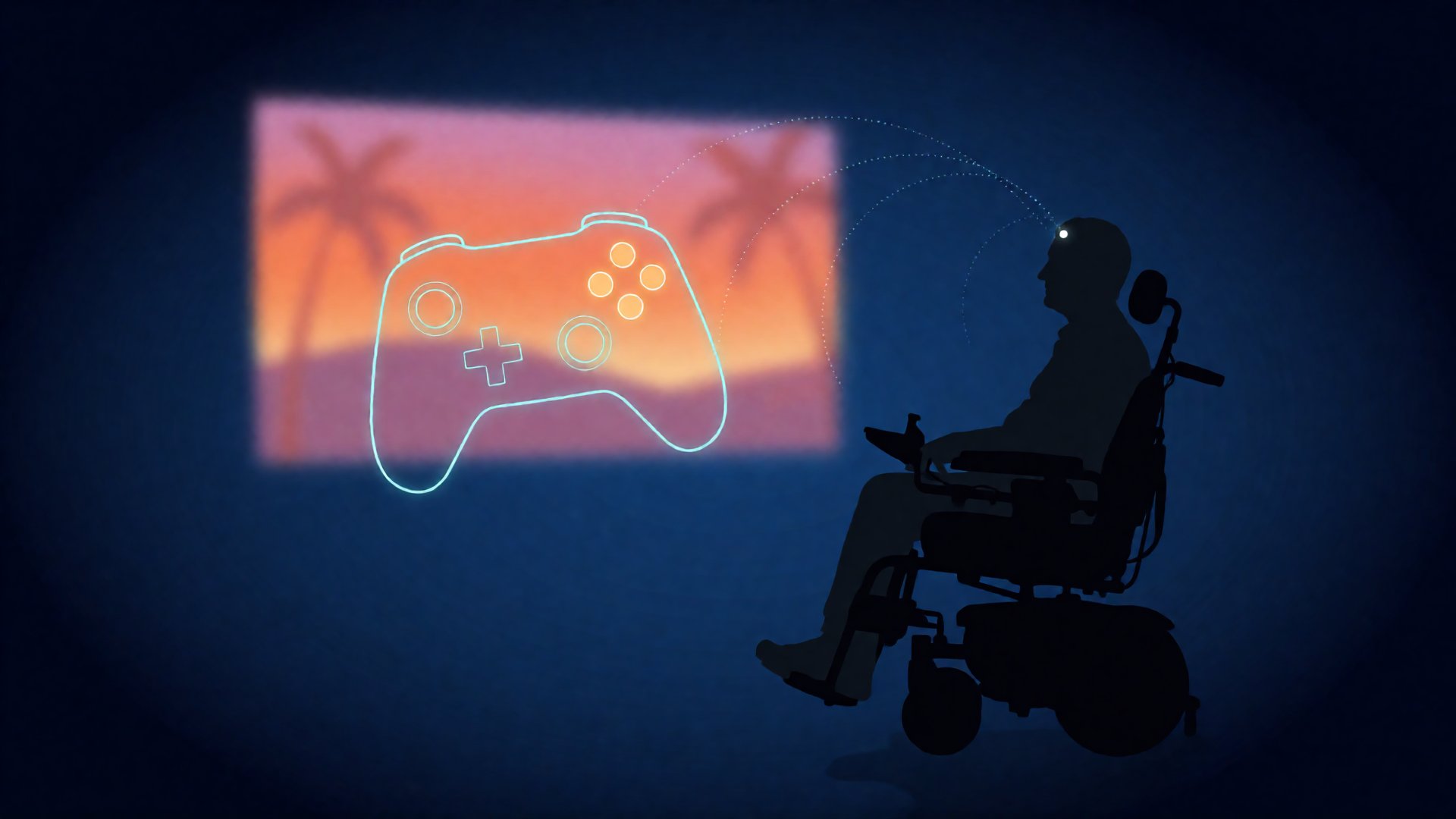
According to Neuralink, LINK builds on ongoing early feasibility studies in the US, Canada and the United Kingdom. More than 30 participants received an implant in those studies. Together they have used the interface for thousands of hours in daily life, for example to communicate with loved ones, to study and to play games.
Registration for LINK is open. Adults with ALS can read more about the study and sign up. Participants are followed for up to 24 months after the operation.
What does this mean for the road to the singularity?
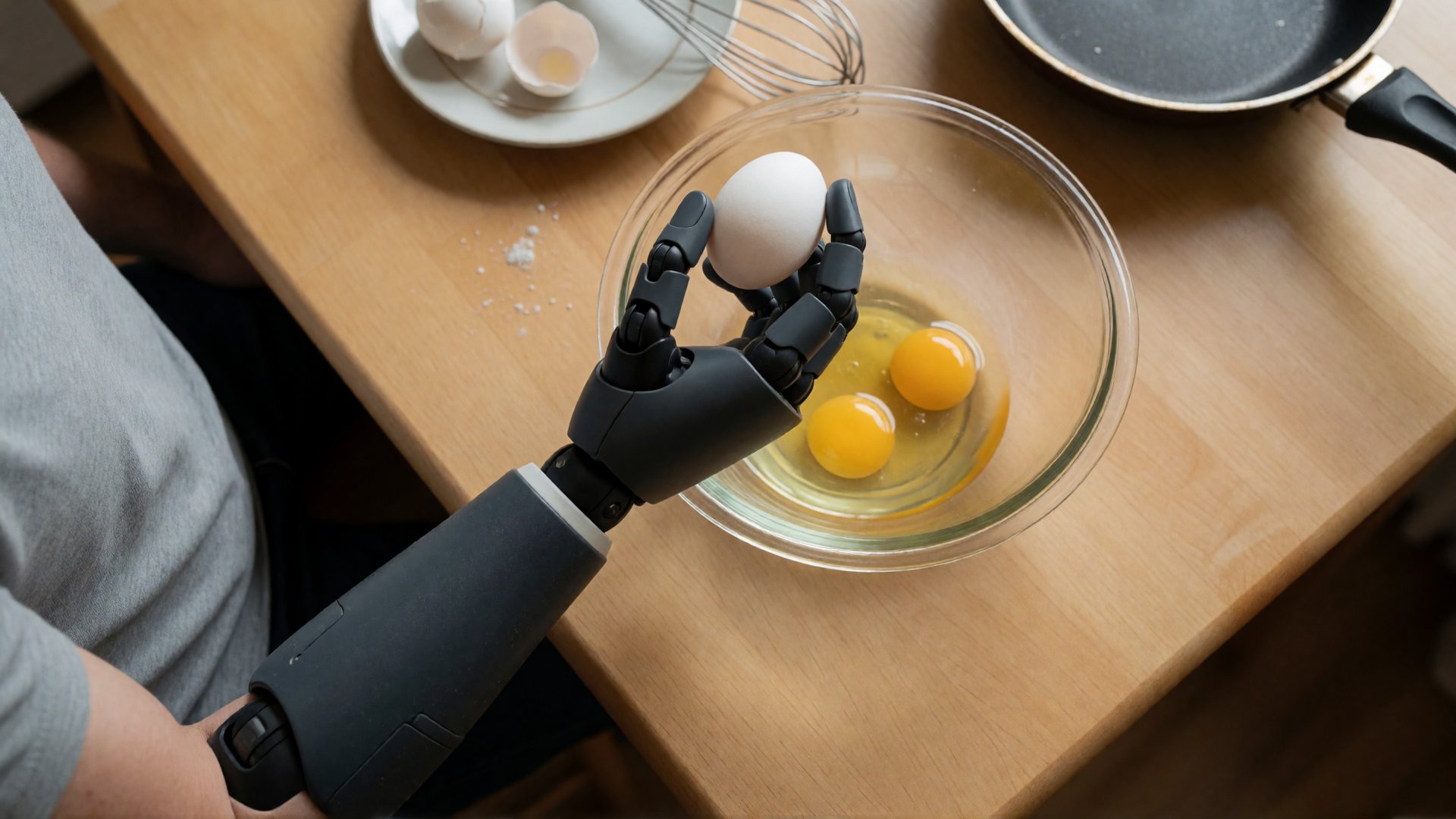
People can already control computers with their thoughts through a brain implant. The next question is whether that control also works safely and reliably enough over a longer period for people with severe paralysis. If it does, a computer can become a more accessible way for them to communicate and to carry out daily tasks on their own.
A study that provides convincing evidence for this can also help other developers understand what is needed to make such aids available responsibly. At the same time, patients and doctors must be able to weigh up what an operation and long-term use mean for them. As interfaces become more reliable and more people get access to them, they can open up what computers offer to people who cannot use a keyboard or mouse.
What is the technological singularity? Read the explanation →