Nederlands
Remedy wants to treat strokes remotely with a surgical robot
Remedy Robotics has raised 62 million dollars for the N1, a robot that lets a specialist elsewhere steer a catheter through the blood vessels. In Toronto the robot has already been used with ten patients. The first studies of treatments are now starting.
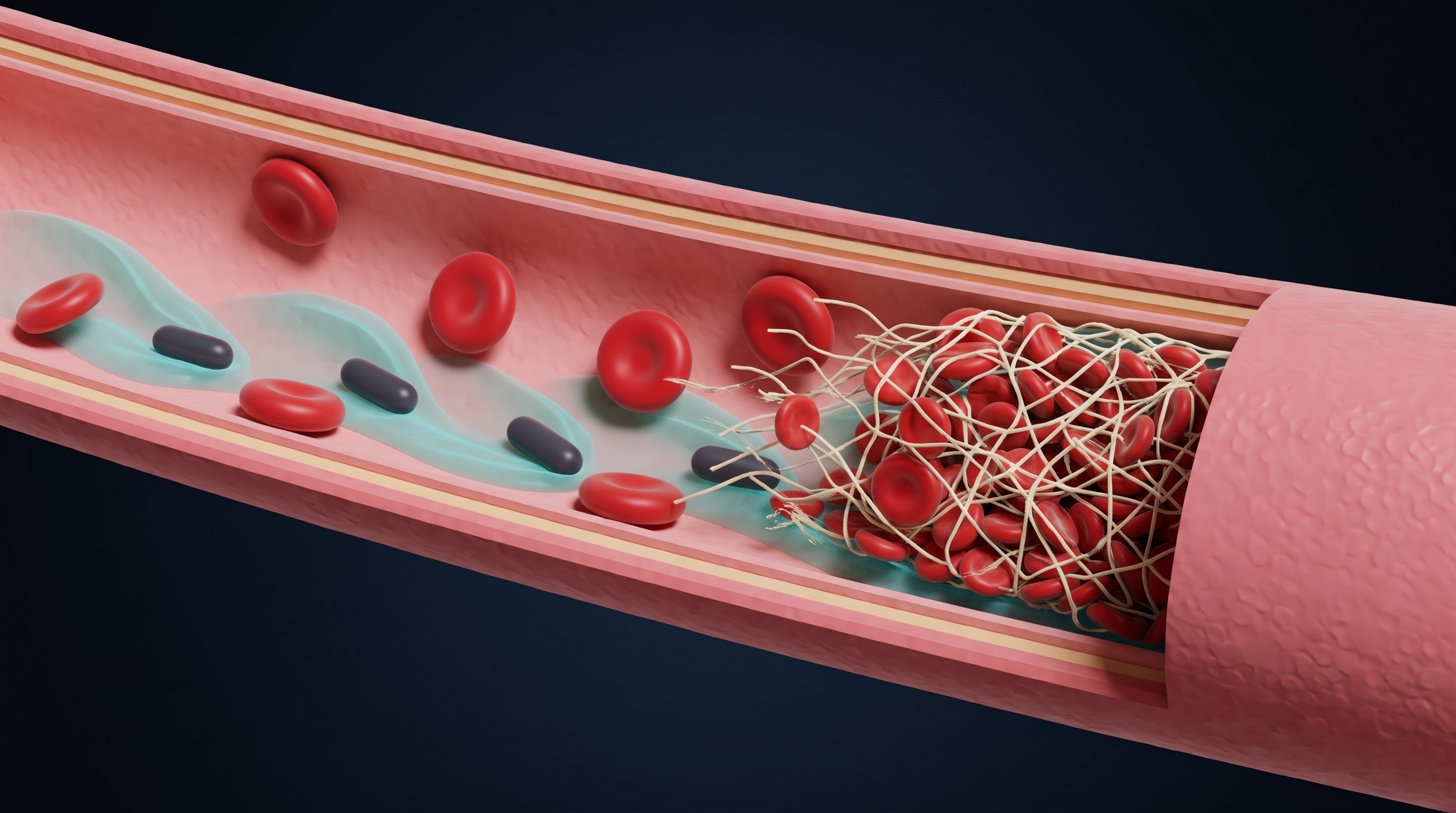
In an ischaemic stroke, the most common type of stroke, a blood clot blocks a blood vessel in the brain. Brain cells die every minute, so speed matters. One of the best treatments is thrombectomy: a doctor pushes a thin tube, a catheter, through a blood vessel up to the clot and removes it. Only a specialised doctor can do this, and that doctor usually works in a large hospital. Patients who live far away first have to be transferred, which can take hours. Of the patients who qualify for the procedure, about one in ten actually gets it.
A robot that steers the catheter
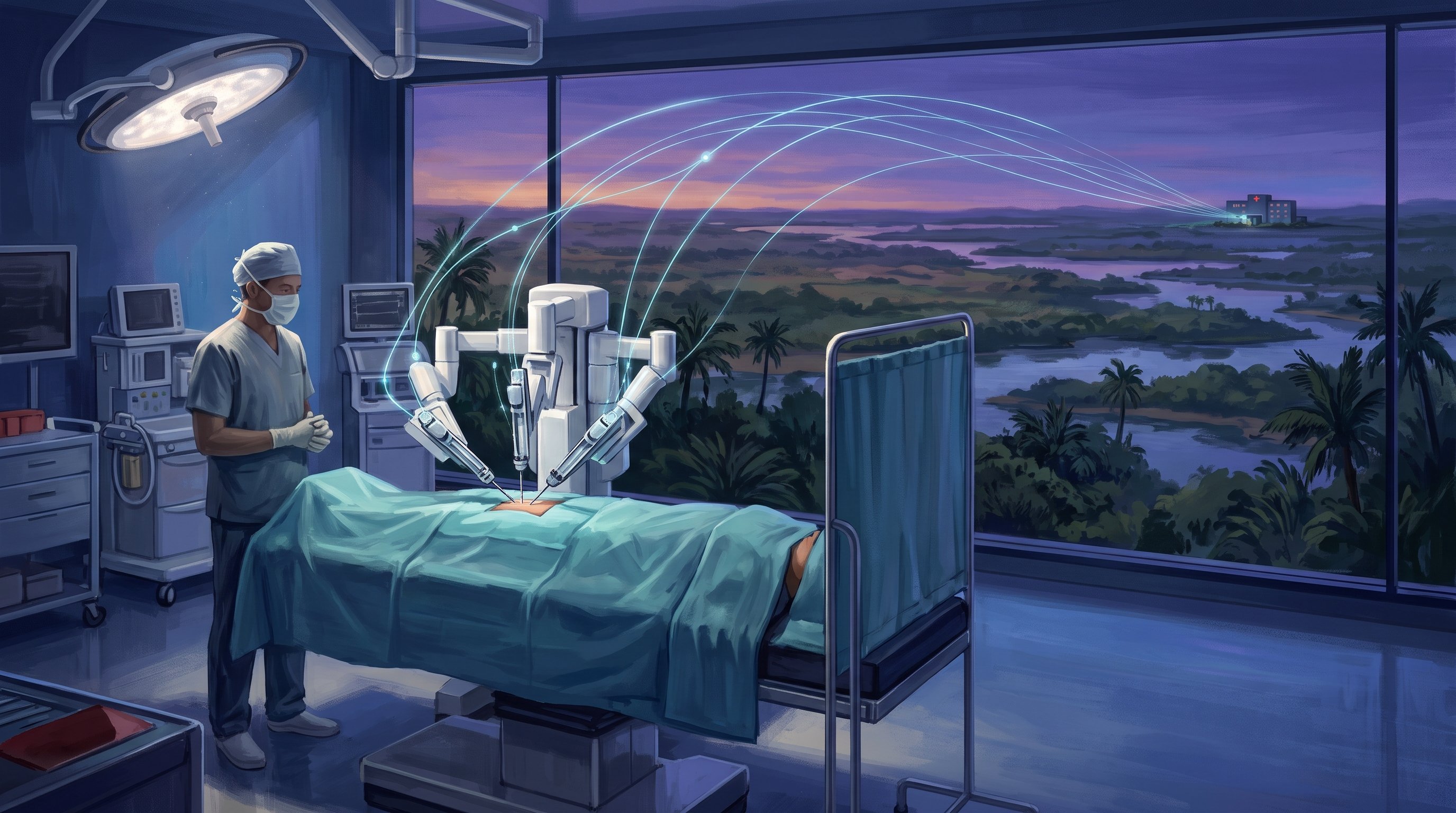
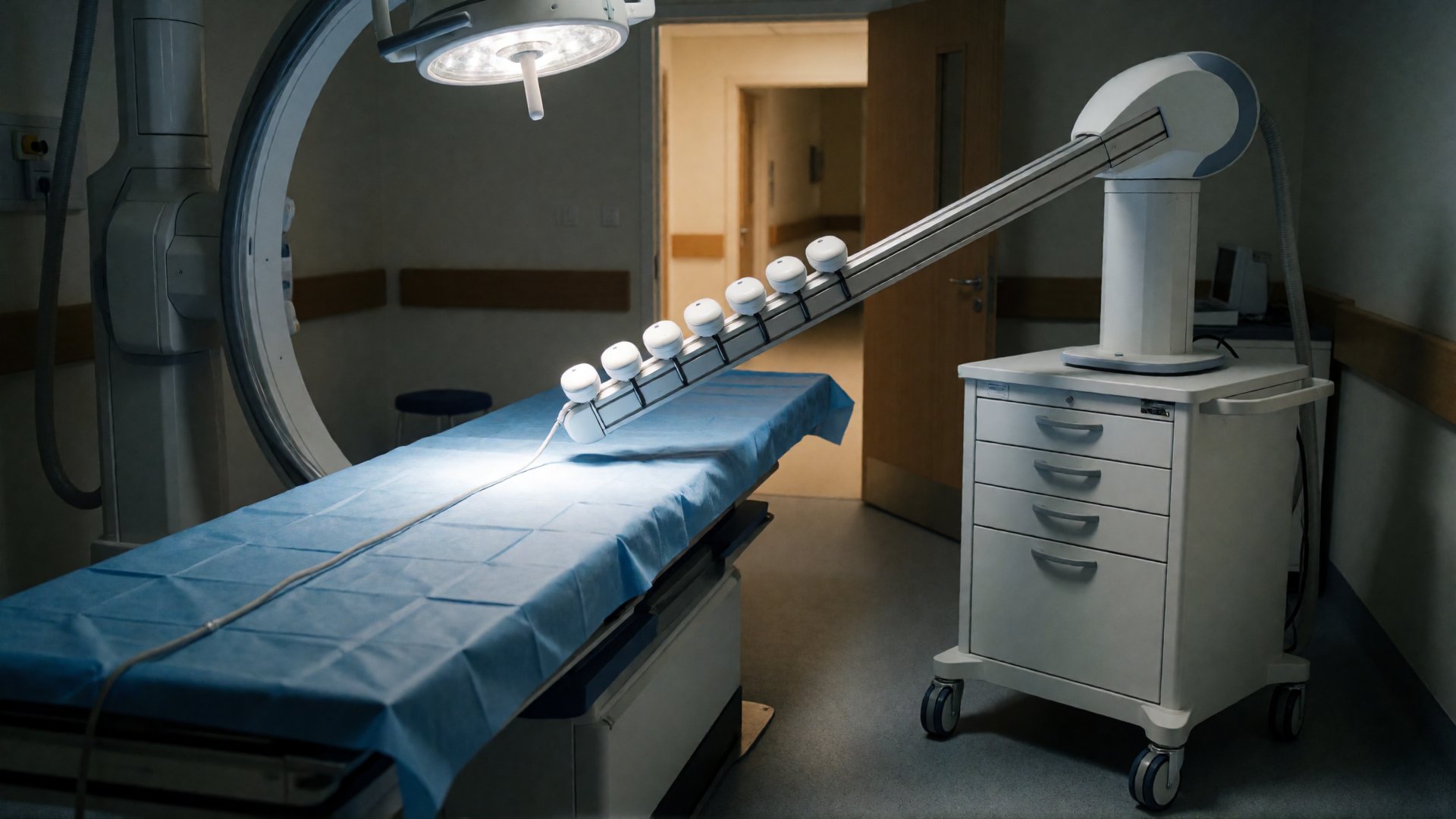
That is why Remedy Robotics from San Francisco, founded by doctor David Bell and engineer Jake Sganga, is building the N1. The robot stands next to the patient and pushes the catheter forward, while a specialist controls it remotely from a laptop. The tip of the catheter can be steered: thin wires pull it in the direction the doctor wants. Software recognises small markings on the catheter and uses them to track how it is turned, so that a command to steer right really does go right. A scan of the blood vessels made earlier can be laid over the X-ray image, so the doctor can see the route.
In 2025, neurosurgeon Vitor Mendes Pereira of Unity Health Toronto used the N1 with ten patients for an angiogram, an X-ray examination of the blood vessels in the brain. Six times he sat in the room next door, twice elsewhere in the same hospital and twice in another hospital in the city. These were planned examinations, not yet stroke treatments.
, Remedy announced that it has raised 62 million dollars (about 56 million euros), partly from the investment arm of the University of California. The money goes to the further development of the N1, which according to the company should be able to work on site, remotely and later also on its own. The first clinical studies involve planned procedures where the doctor is in the hospital, such as treating a weak spot in a blood vessel in the brain. The company expects remote procedures, in Australia or within the University of California, around the end of 2027. In Australia, Remedy works with the Australian Stroke Alliance, a partnership for stroke care.
A different approach
Sentante, a Lithuanian-American company, is working on a similar robot. At the end of 2025, a neurosurgeon in Florida used the system for a simulated thrombectomy on the body of a deceased person in Scotland, with a delay of about 120 milliseconds. The FDA, the US regulator for medicines and medical devices, gave the system Breakthrough Device status in September 2025. This speeds up the review, but it is not yet an approval. With Sentante, the doctor works with a control panel that feels like real catheters, including their resistance. It does not yet include AI that supports the movements; the company first wants to collect images and force measurements from procedures.
Remote surgery with a robot has been done before: in October a surgeon in Florida removed the prostate of a patient in a hospital more than 55 kilometres away. With a stroke there is also time pressure, and the catheter has to travel through the narrow blood vessels of the brain.
A stable connection remains essential. The N1 stops all movement as soon as a signal takes longer than 150 milliseconds to travel there and back. Robotics researcher Brad Nelson of ETH Zurich, who is not involved with Remedy, told IEEE Spectrum that procedures in the blood vessels are a good first use: if the connection drops, the catheter simply stays still. Staff are still needed with the patient, for example to prepare the procedure.
What does this mean for the road to the singularity?
Surgical robots are already common in hospitals, but the doctor stands next to them. What is new is that the specialist and the patient no longer have to be in the same place. With a stroke this counts twice: instead of transporting the patient for hours, a regional hospital can call in a specialist from elsewhere while the patient is already on the table.
If many hospitals have such robots, one specialist could help patients in several hospitals in a single day. Every procedure also produces images and movements that software can learn from, and Remedy is already designing its robot so that it can later do parts of the work itself. If that can be done safely, a skill that is now mostly found in large hospitals will come within reach of hospitals that could never attract such a specialist. This does require fast connections and well-trained staff with the patient, so that smaller towns can take part too.
What is the technological singularity? Read the explanation →