Nederlands
Honda builds a road that charges electric lorries while they drive
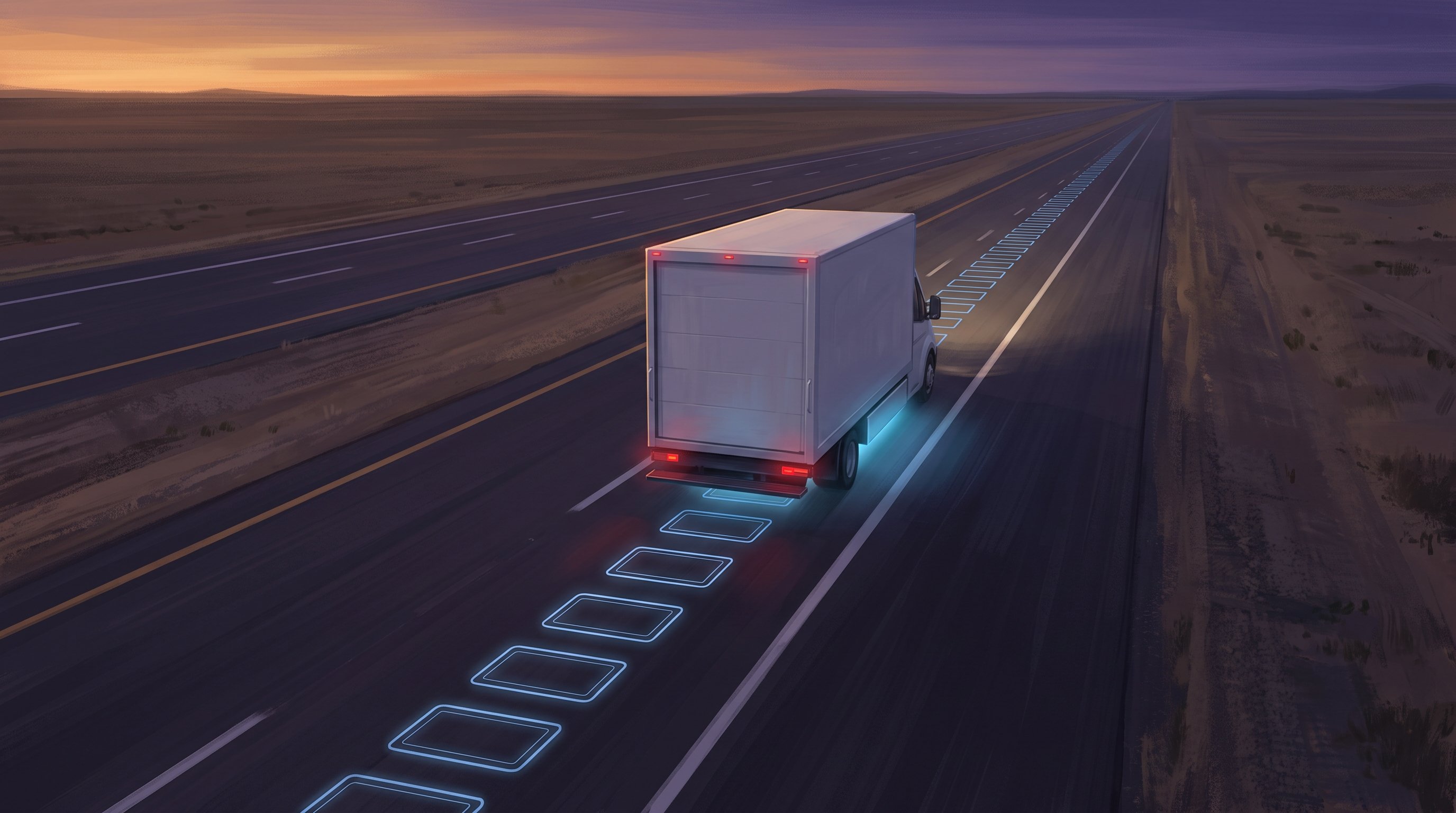
Honda and the Japanese construction companies Taisei and Taisei Rotec have the technology ready for a road that charges electric vehicles wirelessly while they drive. A test track follows at the end of 2026, and a trial on public roads from April 2027. Lorries come first.
Electric lorries have a tricky problem. To travel far, they need an enormous battery. It is heavy and expensive, and charging takes time that a haulier would rather spend on the road. What if the road itself could charge the lorry while it drives?
Honda is working on exactly that. In early October, the research company Honda R&D announced that the basic technology for such a charging road is ready. Honda is doing this together with the Japanese construction companies Taisei Corporation and Taisei Rotec. The company has been working on wireless charging while driving since 2021, and the three companies have been researching it together since 2025.
Charging without a plug
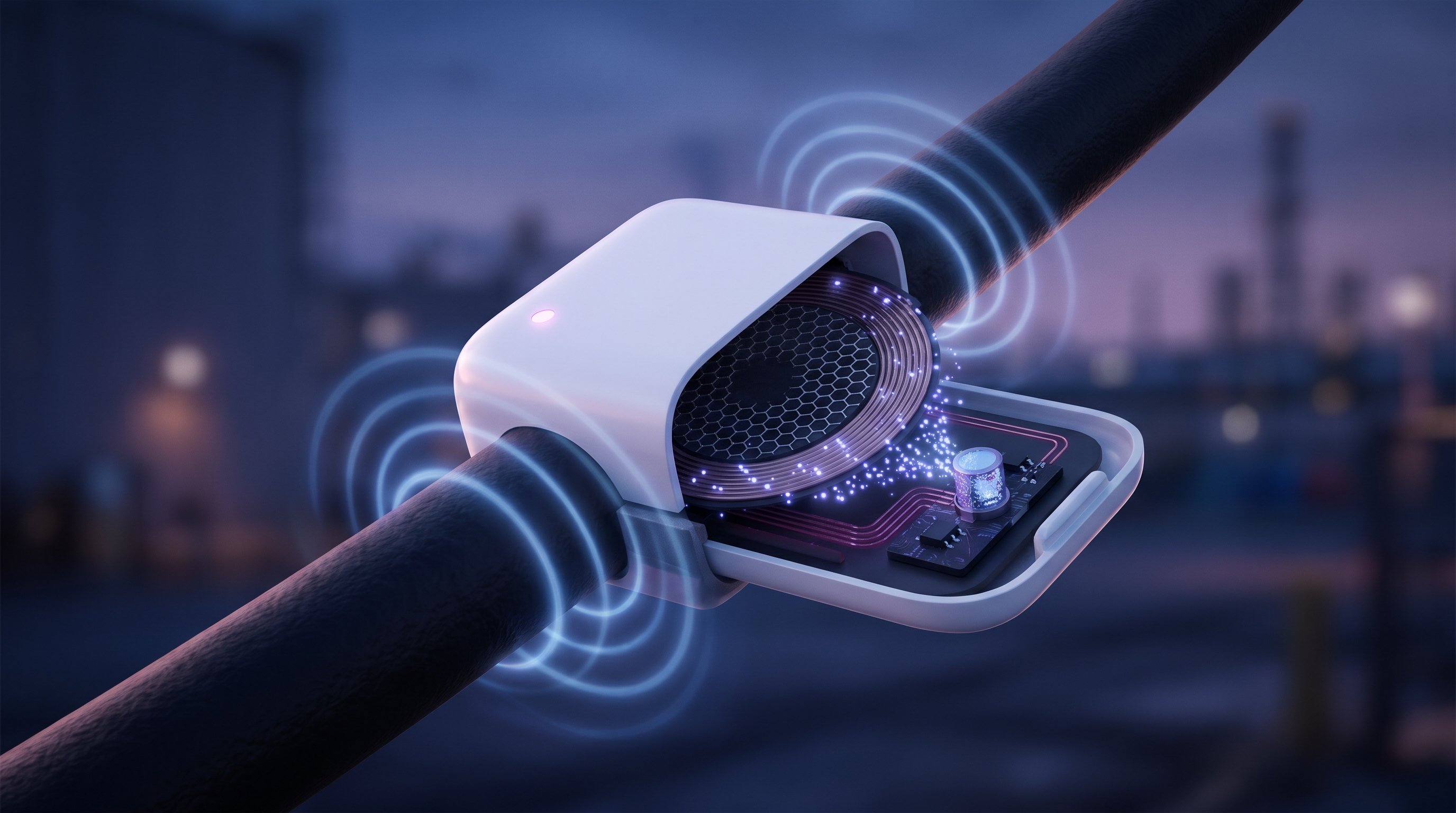
The system works with magnetism, like a wireless charger for a phone, but much bigger. Transmitter coils lie in the road surface. A receiver sits under the vehicle. When the vehicle drives over the coils, the energy jumps across to the receiver through a magnetic field, and the receiver charges the battery. No wire above the road and no sliding contact are needed.
Each company supplies its own part. Taisei builds the power supply along the road. Honda makes the transmitters in the road surface and the receiver under the vehicle. Taisei Rotec works out how to lay those transmitters in the road. According to Honda, they can be milled into an existing road surface, so that no new road is needed.
Honda says it is the first in the world to build the electronics and the coil together into one transmitter. That makes the technology more compact. The transmitters are connected to each other by direct current, which makes the cabling simpler. They are designed for lorries of about 20 tonnes.
Testing first, then onto the motorway
At the end of 2026, construction of a special test track begins in Japan. There, the companies will measure how much power gets across, with a target of 150 kilowatts for large lorries. That is comparable to a large fast charger along the motorway. They are also studying how to prevent the magnetic field from reaching beyond the road.
An important test is durability. The road surface with transmitters has to cope with the equivalent of a million passes of a heavy wheel, with real vehicles. This way the companies can see whether the road can handle heavy traffic for years. Tests at higher speeds will follow later.
From April 2027, the technology goes onto public roads. The Japanese motorway company NEXCO East will then test wireless charging while driving on the Tateyama Expressway in the Chiba region, east of Tokyo.
Freight transport comes first
Honda is focusing first on freight transport. According to the company, that is where the technology delivers the most: lorries drive many kilometres along the same routes. In the long run, the system should work for all electric vehicles, from cars to heavy trucks.
Honda is not the only one with this idea. In France, the companies Electreon and Vinci are already testing wireless charging on a stretch of motorway, and there is also a test road in the American city of Detroit. The coming tests should show how much energy a vehicle really picks up at speed, how many kilometres of charging road are needed and what such a road costs.
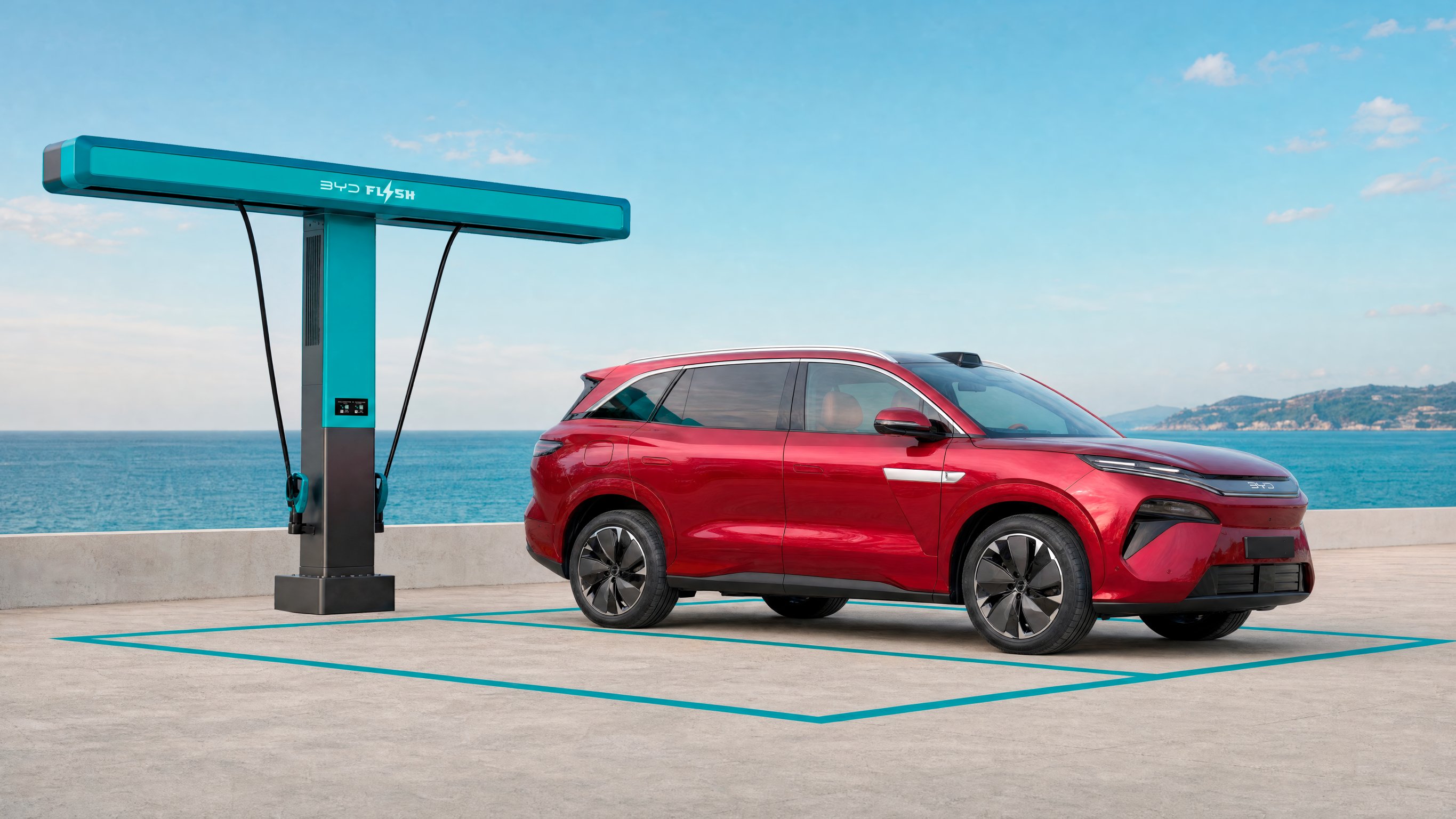
We wrote earlier about fast charging at a charging point: cars that are almost full in nine minutes are coming to Europe.
What does this mean for the road to the singularity?
A road that supplies energy changes how we think about transport. A lorry that tops up along the way can manage with a smaller and lighter battery. That saves raw materials and makes electric freight transport cheaper.
It also fits well with self-driving vehicles. A self-driving lorry or taxi only earns money when it is moving. If it never has to stop to charge again, it can keep going almost day and night. Smart software can then calculate exactly which route and speed deliver the most energy, and the power grid can better predict demand along the road. In this way, roads, vehicles and AI are slowly growing into one cooperating system.
What is the technological singularity? Read the explanation →