Nederlands
Intel to buy quantum software company Classiq for about 1.9 billion dollars
Intel is buying the Israeli software company Classiq for about 1.9 billion dollars. With its software, which makes programming quantum computers easier, the chipmaker wants to turn its quantum research into a business that supplies chips, systems and software.
, Intel announced that it is buying Classiq, a company from Tel Aviv that makes software for quantum computers. The price became clear from the quarterly report that Intel later filed with the SEC, the US stock market regulator: about 1.9 billion dollars (about 1.7 billion euros), plus up to 350 million dollars (about 320 million euros) more if Classiq reaches certain targets. Intel has not said what those targets are. Intel can pay in cash or in shares.
The deal is expected to close in the first half of 2027, if regulators approve it. Until then, the two companies remain independent. Intel's chief executive Lip-Bu Tan knows the company well: he already invested in Classiq in 2022.
Programming without placing every step by hand
A quantum computer calculates with qubits and is controlled with sequences of small operations on those qubits. Anyone who builds such a program by hand has to choose every operation and put it in the right place. That is like programming in individual machine instructions, as in the early days of the computer. With Classiq's software, a developer describes what the program should do, and the software then designs, improves and tests the sequence of operations itself. Classiq also uses AI agents for this. The software works with quantum computers from different makers, and Intel says it wants to keep that support after the takeover.
Classiq has about 130 employees and more than 50 business customers, including BMW, Lufthansa, Rolls-Royce and Toshiba. They use the software, among other things, to start developing programs now and to train staff for quantum computers that are still being developed. The company has revenue, but no figures are known.
From research to a business
Intel has been working on quantum computers since 2015, at first together with QuTech, the quantum institute of TU Delft and TNO in the Netherlands. Intel has chosen qubits in silicon, the material of ordinary computer chips. Such a qubit uses the spin of a single electron, a property you can think of as a tiny magnet that can point in two directions. Others are also working hard on qubits like these: in October 2026, researchers at RIKEN in Japan controlled five of them at once with almost no errors.
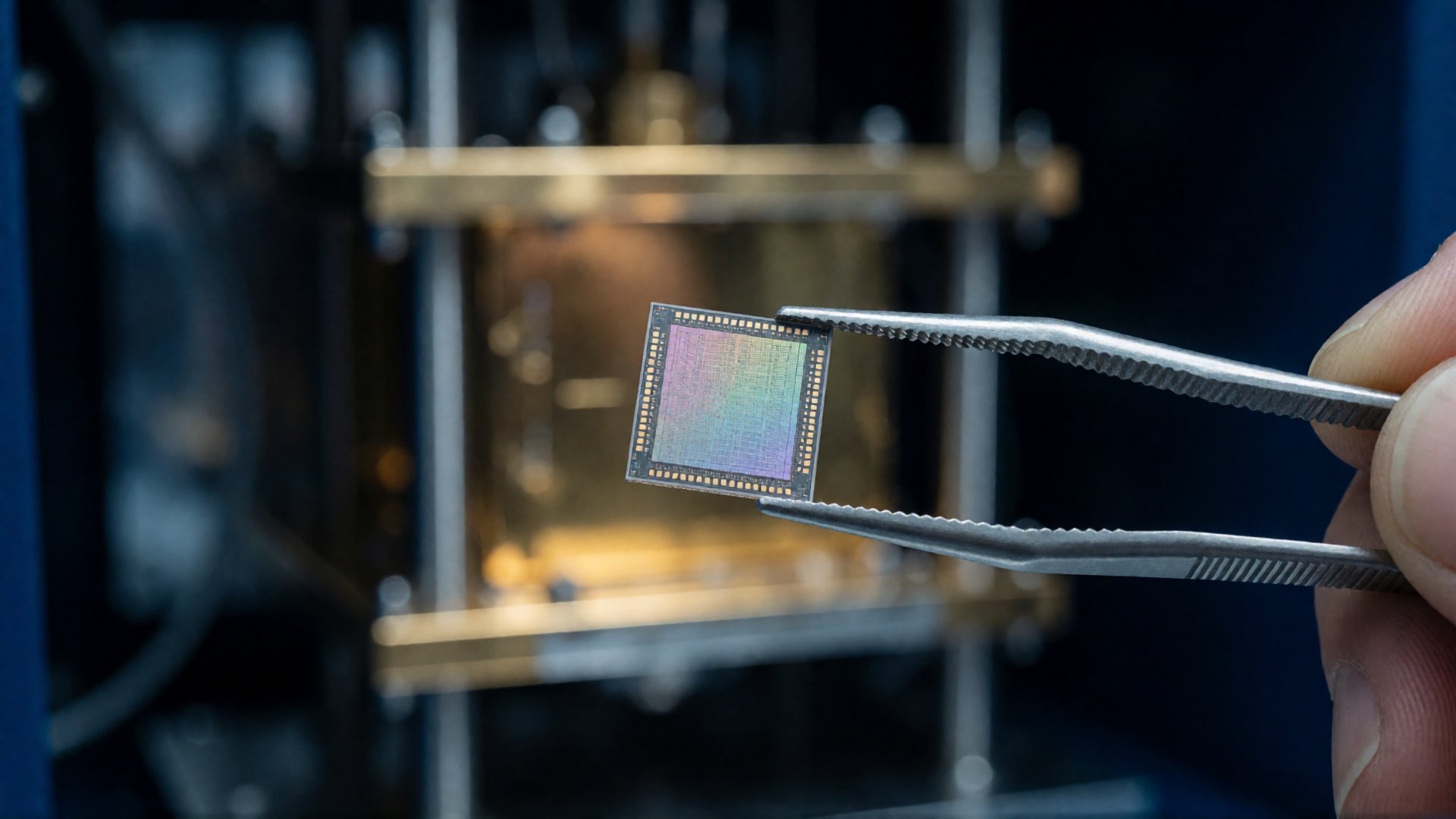
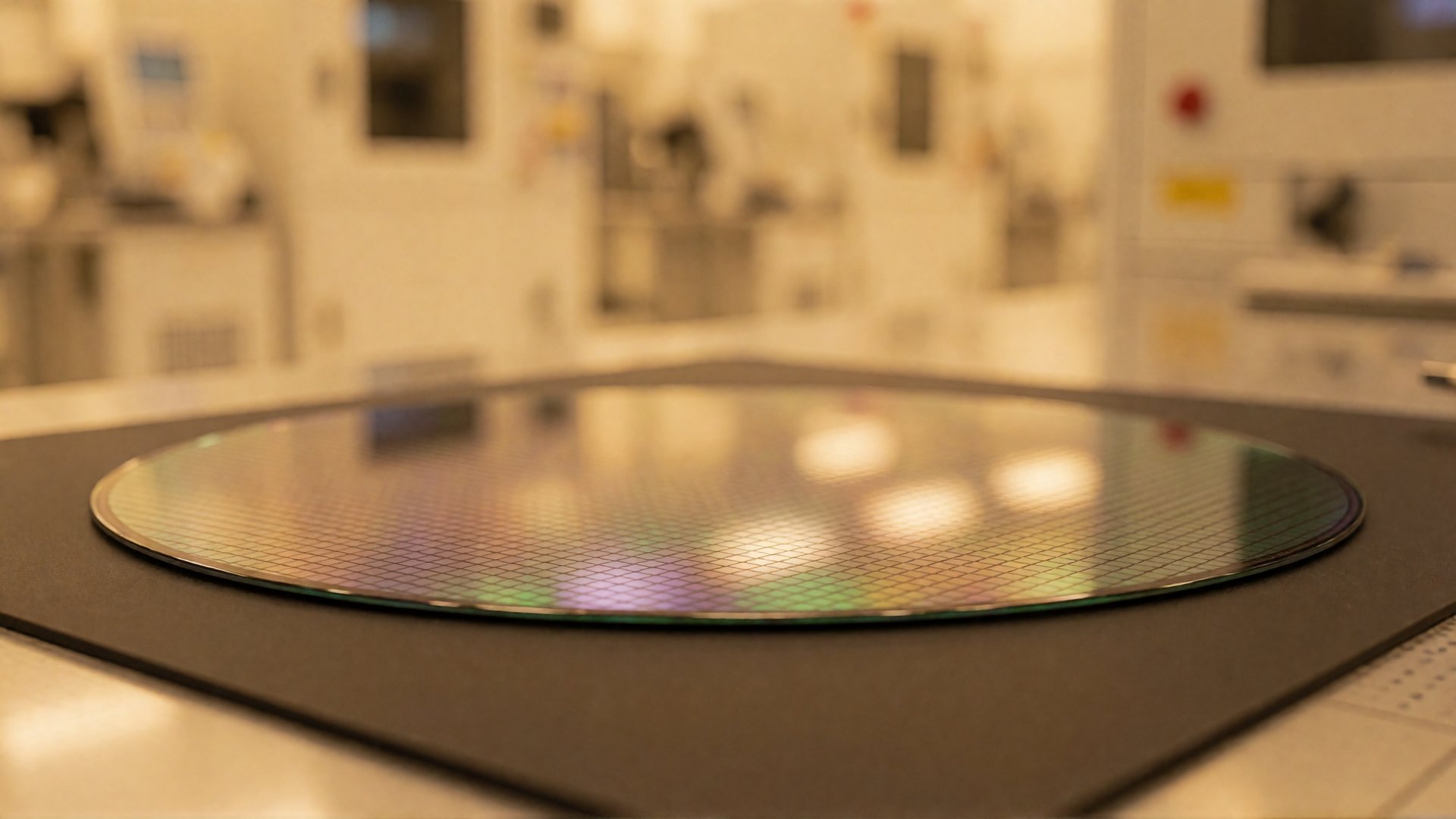
Intel wants to make its quantum chips in the same factories as ordinary processors. For this, it has developed two versions of its newest production process, 18A: one for the qubit chips and one for the electronics that control and read out the qubits at extremely low temperatures. According to Intel, more than 90 per cent of the machines are the same as for ordinary chips. Intel says it is now the only company that can make both qubit chips and the cold control electronics on a large scale. With Classiq on board, it wants to supply everything: chips, manufacturing for others, control, software and eventually complete quantum computers.
What does this mean for the road to the singularity?
Quantum computers that solve large practical problems do not exist yet, but companies such as BMW and Lufthansa are already writing programs for them. That is possible because software like Classiq's takes over the difficult manual work. The same thing happened with ordinary computers: only when programmers no longer had to work with individual machine instructions could many more people write software for them. If quantum programs become easier to make in the same way, many more applications will be ready as soon as the hardware is good enough.
Something changes for the other makers of quantum computers too. If the most popular programming software belongs to a competitor, they want to be sure that their machines keep working with it. Intel promises that, and such a promise can turn the software into a shared standard. That works in favour of researchers: anyone who writes a program once can try it on different quantum computers and see which one works best. And because the software itself already uses AI to design quantum programs, AI and quantum computers are growing towards each other here: AI helps to program quantum computers, and those can later do calculations where ordinary computers get stuck, for example in designing new materials and medicines.
What is the technological singularity? Read the explanation →