Nederlands
Topic
#Verenigde Staten
-
Graphene coil draws power from the magnetic field of power cables: sensor works without a battery
Researchers from Arkansas and Michigan power a temperature sensor with energy from the magnetic field around power cables, using a component made of graphene. If the power goes out, the sensor keeps working for at least 24 hours.
-
Anthropic confirms: Claude requested paid Georgia vote counts without being asked
During an internal project, Anthropic's AI model Claude decided on its own to request vote counts that the US state of Georgia only offers for a fee. Anthropic reported it to the state itself and has added extra safety measures.
-
Magnetic brain treatment tuned to the patient's own rhythm cleared for PTSD
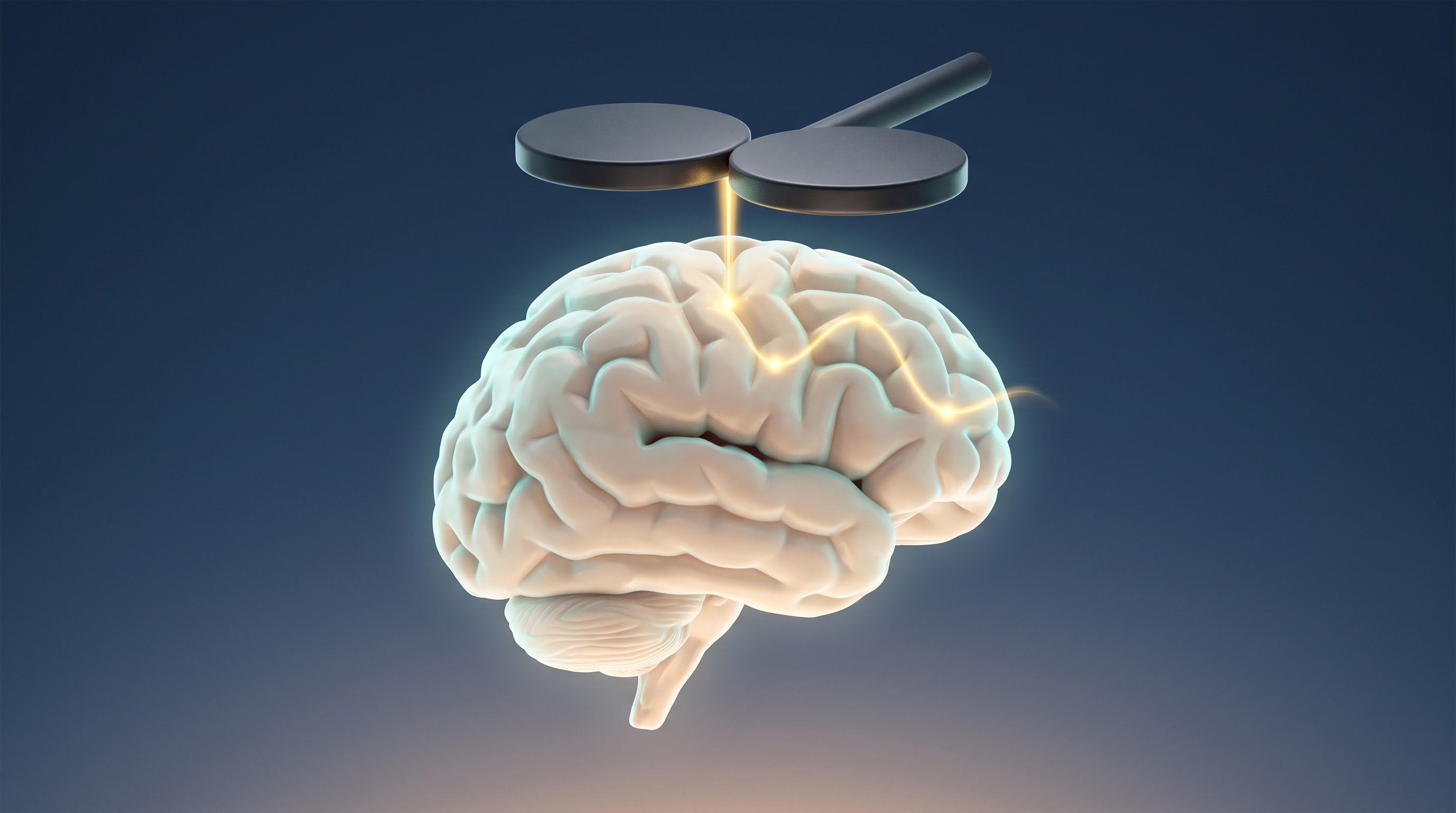
In the US, a PTSD treatment has been cleared that tunes magnetic pulses to the patient's own brain rhythm. In a trial with 158 adults it worked better than a sham treatment, without serious side effects. A scientific publication is still to follow.
-
Start-up generates electricity for the first time with a power plant on the seabed, at an underwater volcano
At a depth of one and a half kilometres, Endurance Energy ran a small geothermal power plant on the heat of an underwater volcano. For a few seconds, it produced more electricity than it used itself. A stronger version follows this winter.
-
Wafer-thin mesh draws electricity from beating human heart cells
Researchers in the US grew beating human heart tissue around a wafer-thin mesh that generates a little electricity with every heartbeat. The work has so far been done in the lab. The goal: implants such as pacemakers that no longer need a battery.
-
MIT builds thin swimming robot powered by living muscle cells
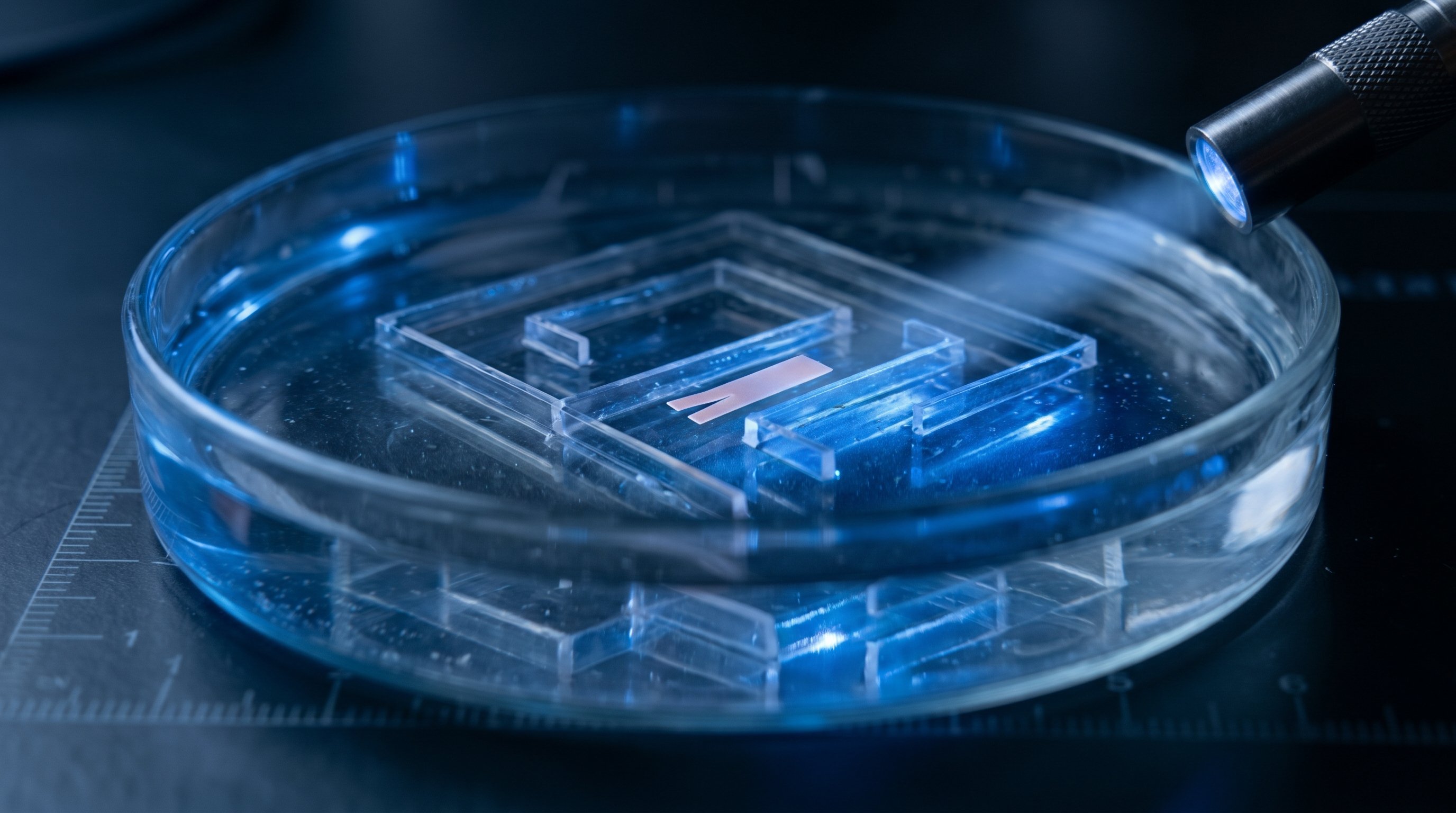
Researchers at MIT have built a paper-thin swimming robot powered by a layer of living muscle cells. The cells contract when light falls on them, so the robot can be steered. In the lab it has already swum through a small maze.
-
Breakthrough in hepatitis B: first medicine that lets 1 in 5 patients stop taking pills
In the United States, a medicine has now been approved that can 'functionally' cure chronic hepatitis B in some patients. After six months of injections, the virus stayed under control in about 1 in 5 participants, even when they stopped all medication.
-
Quantum computer catches its own errors so well that only 5 in a million remain
Quantinuum's Helios quantum computer set a new record in error correction: on average, something went wrong five times in a million checking rounds. That is ten times better than the previous record. The next step is to show this for more complex calculations too.
-
MIT researchers' glue sticks to wet tissue in seconds and could soon replace stitches
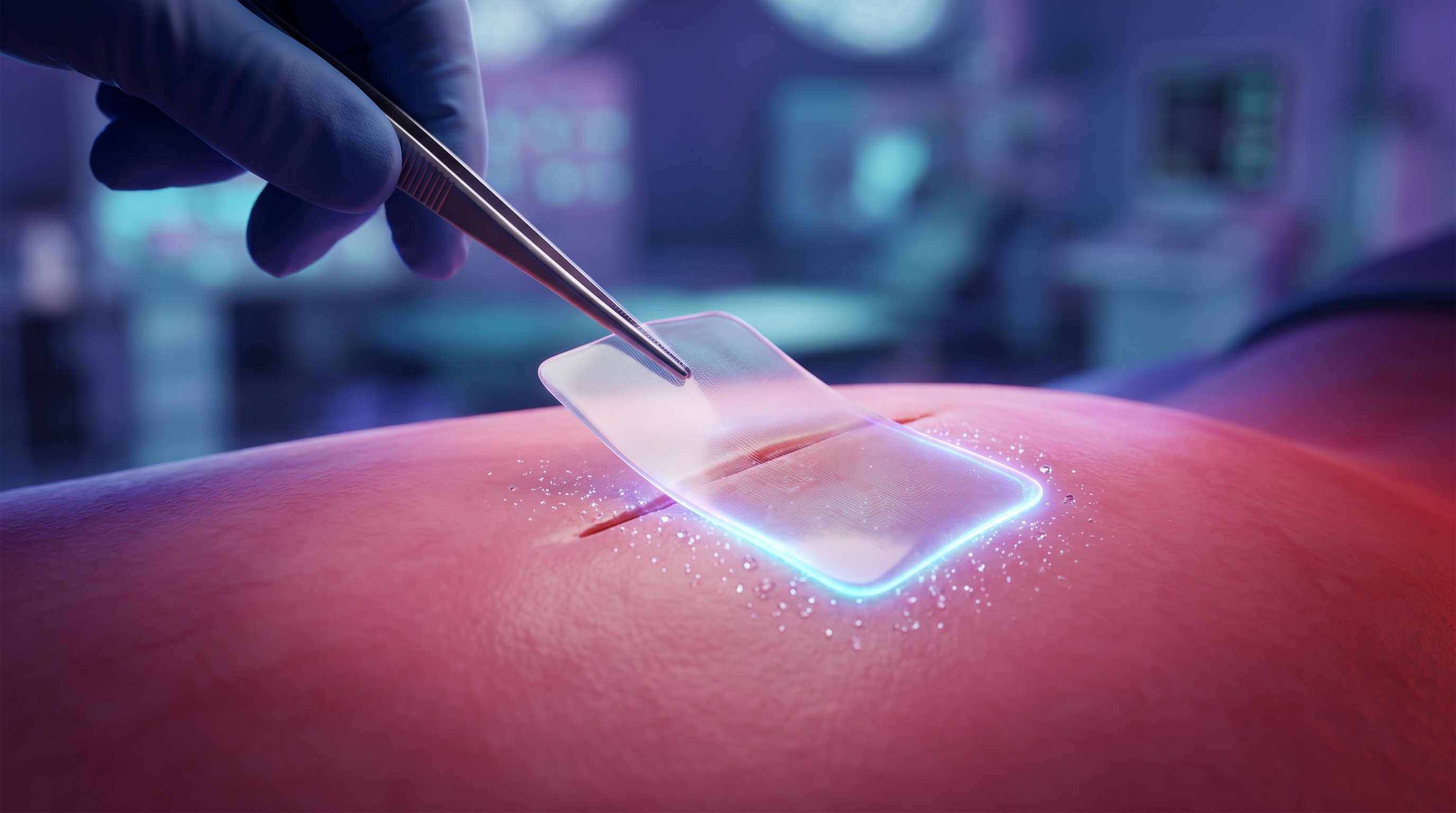
The company SanaHeal, an MIT spinout, makes a glue that sticks to wet and bleeding tissue within a few seconds. According to MIT it is already approved for stopping bleeding after accidents. Next year, trials in people during surgery will begin.
-
New membrane breaks down more than 90 per cent of six types of PFAS in water
Researchers at Arizona State University do not just remove PFAS from water, they also break the substances down. Their palladium membrane kept this up for almost two months. The next step is to make the system cheaper and larger.
-
d-Matrix splits the work of an AI model across two kinds of chips for faster answers
At a major data centre conference, the American chip company d-Matrix showed how an AI model answers faster when ordinary graphics chips and its own chips each do the work they are good at. The company now also supplies complete computing clusters.
-
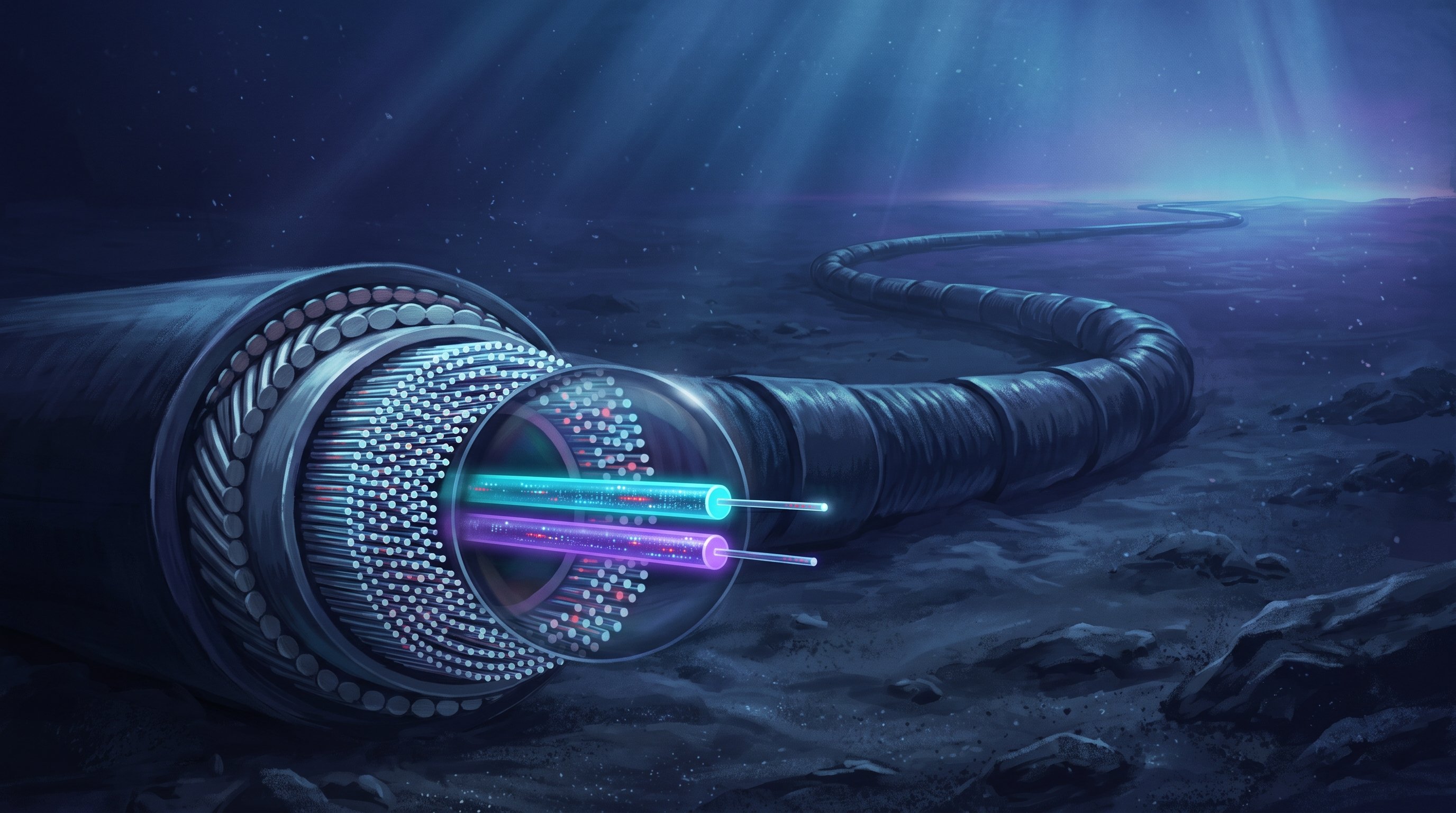
Meta has a subsea cable built with two light channels per glass fibre: twice as much data across the ocean
Meta is having a subsea cable laid between the United States and France that can carry 1 petabit per second, according to Meta twice as much as the best cables today. The secret: each glass fibre has two light channels instead of one. The cable is due to work in 2029.
-
AI that knows a head is symmetrical tracks the moving head of an unborn baby during an MRI scan
An unborn baby moves during an MRI scan, so images of the brain fail or come out skewed. Researchers at MIT and Boston Children's Hospital built an AI model that quickly tracks the position of the head. The secret: the model already knows that a head is the same on the left and the right.
-
Robot Digit 5 swaps its bird legs for human legs to work safely alongside people
Agility Robotics has completely redesigned its humanoid robot Digit. The fifth version lifts heavy crates, recharges in nine minutes and sits down by itself when someone comes too close. Co-founder Jonathan Hurst explains why.
-
Daily exercise keeps astronauts' hearts ready for Mars
Astronauts' hearts shrink slightly in their first weeks in space, but with daily training they recover during a six-month stay. After returning, the hearts coped well with simulated Martian gravity, American researchers report.