Nederlands
Narrower nanoribbons of niobium phosphide conduct better than copper of the same size
Stanford researchers made ribbons of niobium phosphide about 6 nanometres wide that conduct electricity better the narrower they get. With copper it is the other way round. This could help make the tiny wires inside chips more energy-efficient.
A chip contains billions of transistors: the tiny switches that do the calculations. They are connected to each other by tiny copper wires. A chip the size of a postage stamp can hold as much as 100 kilometres of wire. The smaller chips become, the thinner those wires have to be. That is where the problem lies. Very thin copper lets electricity through less easily, because the electrons (the particles that carry the current) then bump into the walls of the wire more often. That costs energy, and that energy turns into heat.
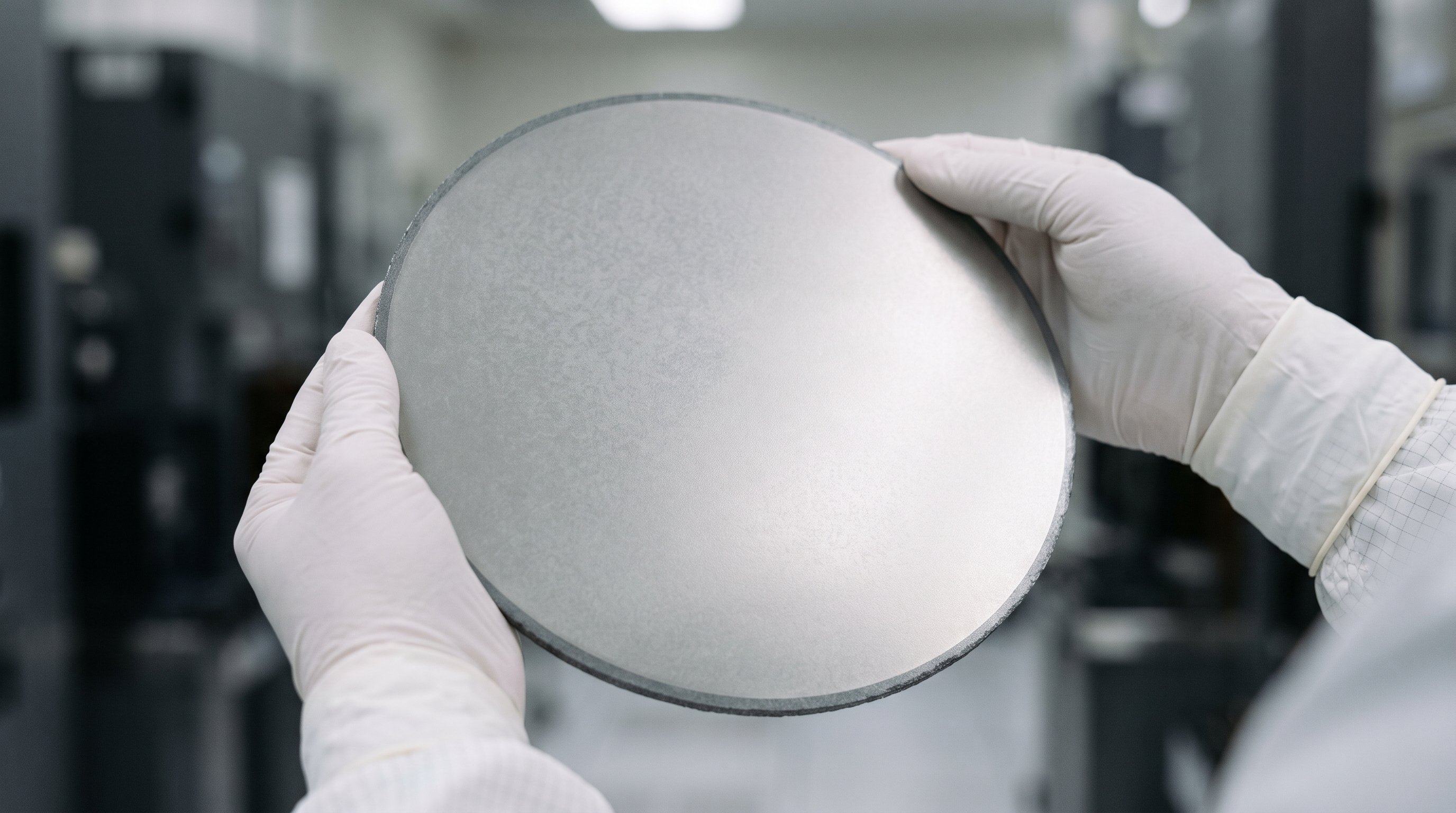
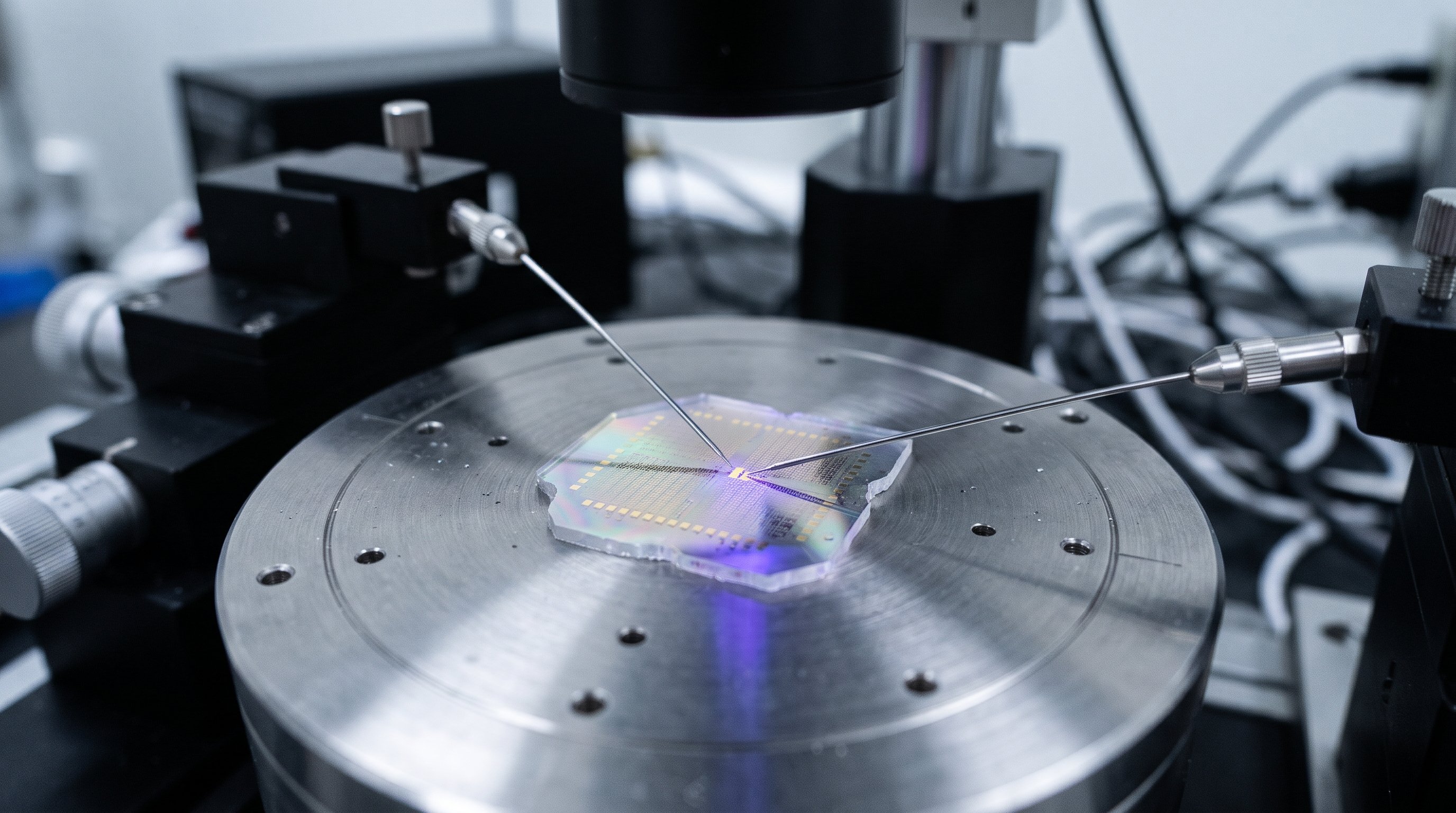
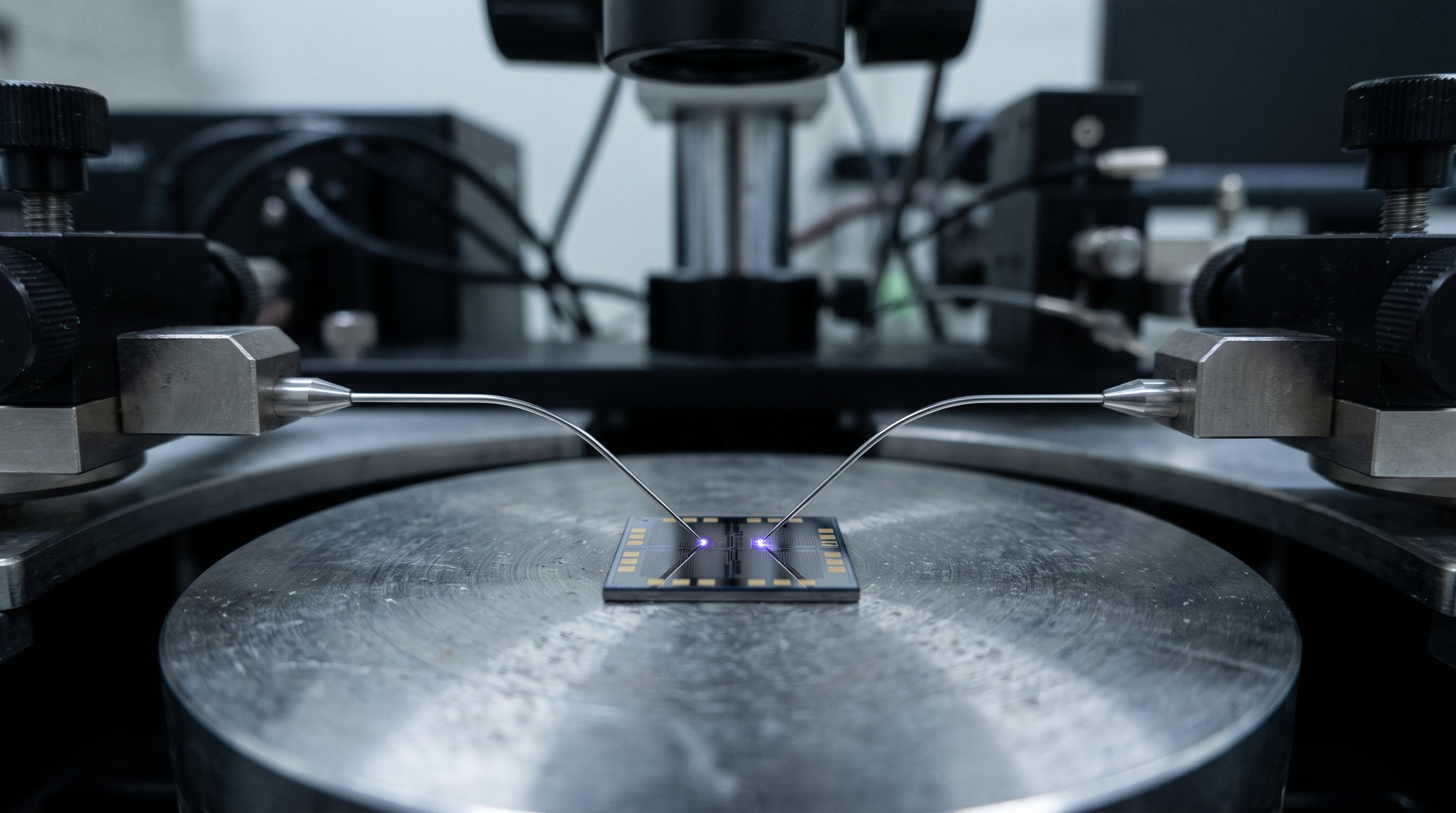
A team at Stanford University, led by electrical engineering professor Eric Pop, found a material that behaves the other way round. It is niobium phosphide (NbP), a compound of the metal niobium and phosphorus. The researchers made flat ribbons from it, 5 to 6 nanometres wide and about 1.5 nanometres thick. That is tens of thousands of times thinner than a human hair. The narrower the ribbons, the better they conduct electricity. According to the team, the narrowest ribbons do this better than copper or other metals of the same size, and at ordinary room temperature. The research was published in the scientific journal Nature.
Current along the edges
The researchers explain it like this. In copper, the current flows mainly through the core of the wire. NbP is a topological semimetal: a material in which a large part of the current flows along the surface and the edges instead. There, the electrons are bounced back less often. The narrower the ribbon, the larger the share made up of surface and edge. That is why the current then passes through more easily. This stayed true even when the edges were rough or the surface had been affected by oxygen.
The ribbons were made with techniques that chip factories already use today. The team first deposited a thin layer of NbP and then cut the ribbons out of it. The co-authors include researchers from TSMC, the world's largest chipmaker.
Not everyone is convinced yet
The explanation is still under discussion. Physicist Ching-Tzu Chen of IBM told the journal Science that everything depends on the assumption that NbP really behaves as a topological material. It is also possible that a thin layer of niobium on the surface determines the result. Judy Cha of Cornell University first wants to see more measurements. Pop acknowledges that other explanations are possible, but in his view the results fit a topological material.
The team is now studying how long the ribbons keep working well, how they behave at different temperatures and whether other semimetals work even better. Groups at IBM, Samsung and Cornell are also working on similar wires.
What does this mean for the road to the singularity?
Chips have been getting better for decades because everything on them keeps getting smaller. But the wires between the transistors are holding them back more and more: the thinner the copper, the more electricity is lost as heat. A material that actually conducts better as it gets thinner turns that problem around. If it also works in the factory, chipmakers can shrink the wiring further without the chip using more electricity.
That matters most for AI. An AI chip constantly sends huge amounts of data back and forth between its parts, and every piece of wire costs energy along the way. More efficient wiring means more computing for the same electricity, and so cheaper and faster AI. The fact that TSMC co-authored this research shows that the chip industry is seriously looking for a successor to copper. Whoever is first to put such a successor into production can make more efficient chips than the rest, and then the others have to follow. The next step is to show that the ribbons also keep working well for years in a complete chip.
What is the technological singularity? Read the explanation →