Nederlands
Neuralink reports first brain implant in a human
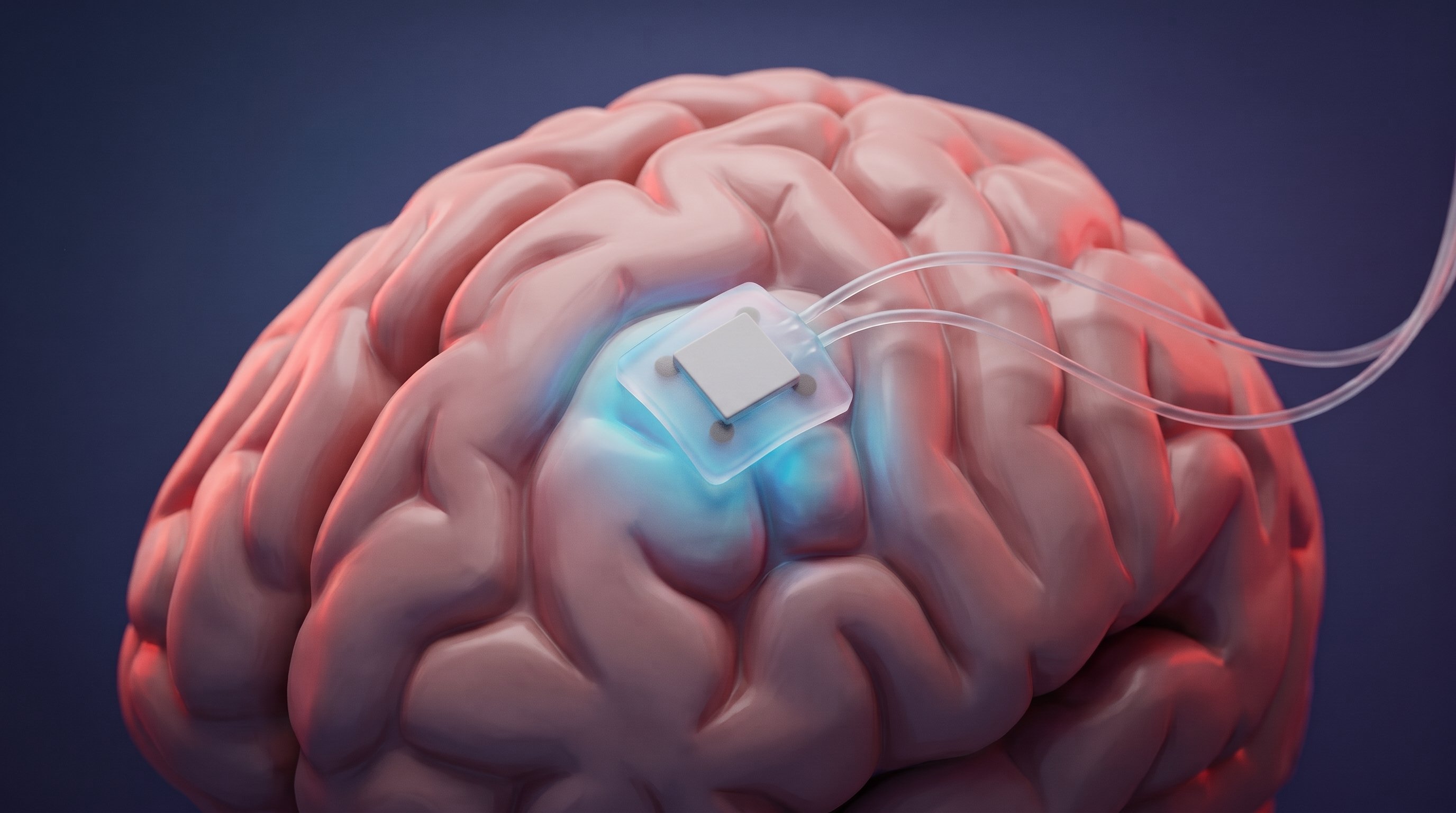
Neuralink has implanted a wireless brain chip in a person for the first time, says Elon Musk. The chip reads signals that should later let someone control a computer. Independent confirmation and details are still missing.
PHOENIX, JANUARY 2024 - The company Neuralink has implanted a brain chip in a human for the first time. Founder Elon Musk announced this on Monday 29 January on his account on X. The operation took place on Sunday 28 January. According to Musk, the patient, whose name is not known, is recovering well. He says first results show "promising neuron spike detection". Musk added that the first users are people who can no longer use their arms and legs.
There was no independent confirmation on Monday. The company also gave no details about the operation, the patient or the device. The US regulator FDA gave Neuralink permission for its first study in humans in May 2023, and the company has been looking for participants since September 2023.
Why a brain chip can work
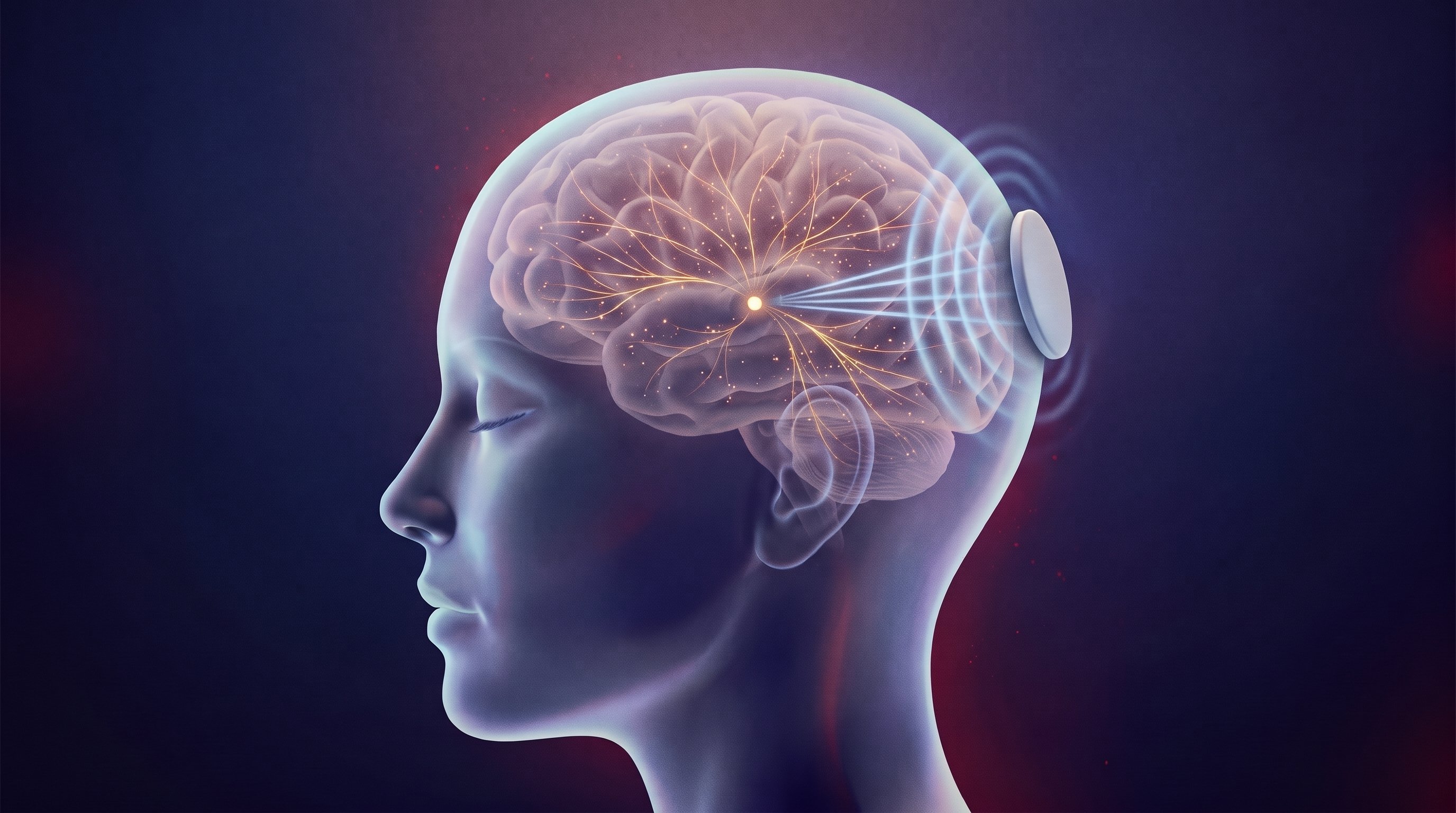
The idea is simpler than it seems. Brain cells talk to each other by sending very small electrical pulses, which researchers call spikes. When you want to move your hand, cells in the part of the brain that controls movement fire in a pattern that matches that movement. With a spinal cord injury, that command no longer reaches the muscles. The command in your head is still produced.
A chip with electrodes can pick up that pattern. It works in four steps:
- Thin wires with electrodes on the tip are placed between the brain cells. Each electrode records the spikes of cells nearby.
- A small chip amplifies these tiny signals and passes them on.
- A computer program works out which movement belongs to which pattern. The patient practises for this: he tries to imagine a movement, and the program learns to recognise the pattern.
- The program turns the pattern into a command, for example a cursor moving across a screen.
What Neuralink wants to do differently
This principle has existed for some time. In 2005, Matt Nagle moved a cursor and a robot arm just by thinking of a hand movement, using an implant with 96 electrodes. According to the company, Neuralink uses ultra-thin, flexible wires that a robot places in the brain area that plans movements. The idea is that these wires cause less damage than larger, stiff electrodes. The device is said to send the signals wirelessly to an app, so no cable has to pass through the skull. Musk calls the first product Telepathy: the aim is that someone can control a phone or computer just by thinking.
Other companies are working on this too. Precision Neuroscience placed its own device in a human in 2023. The Stentrode sends an electrode in through the blood vessels, without open brain surgery.
The next step
This is a first trial, meant to see whether it can be done and whether it is safe. In the coming months it should become clear what the patient can do with it and how the implant behaves in the body.
Looking back from 2026
In March 2024, Neuralink showed its first participant: Noland Arbaugh, then 29 years old, paralysed after a diving accident. He moved a cursor on a screen, controlled music and played online chess. In the following months, Neuralink reported that some wires had partly pulled back out of the brain tissue, which reduced the number of working electrodes. Software adjustments restored a large part of this, and in August 2024 a second participant received an implant.
The signals that such a chip picks up are turned into movement or text by programs. This decoding runs on machine learning, the branch of AI that recognises patterns. Neuralink has since also turned to speech. In October 2026, the company reported that a man with ALS makes a phone call through such an implant, with an implant in the part of the brain that controls the muscles used for speaking. That is a step beyond a cursor: being able to talk to a partner again.
This is how the line that began in January 2024 continues: a direct connection between brain and computer that lets paralysed people do things for themselves again.