Nederlands
Nvidia funds new production lines for AI chip packaging at SPIL
Nvidia is putting billions of dollars into new production lines at SPIL, a Taiwanese company that packages chips. The lines will also make the layer that connects an AI chip to its memory, work that until now was mostly done at TSMC.
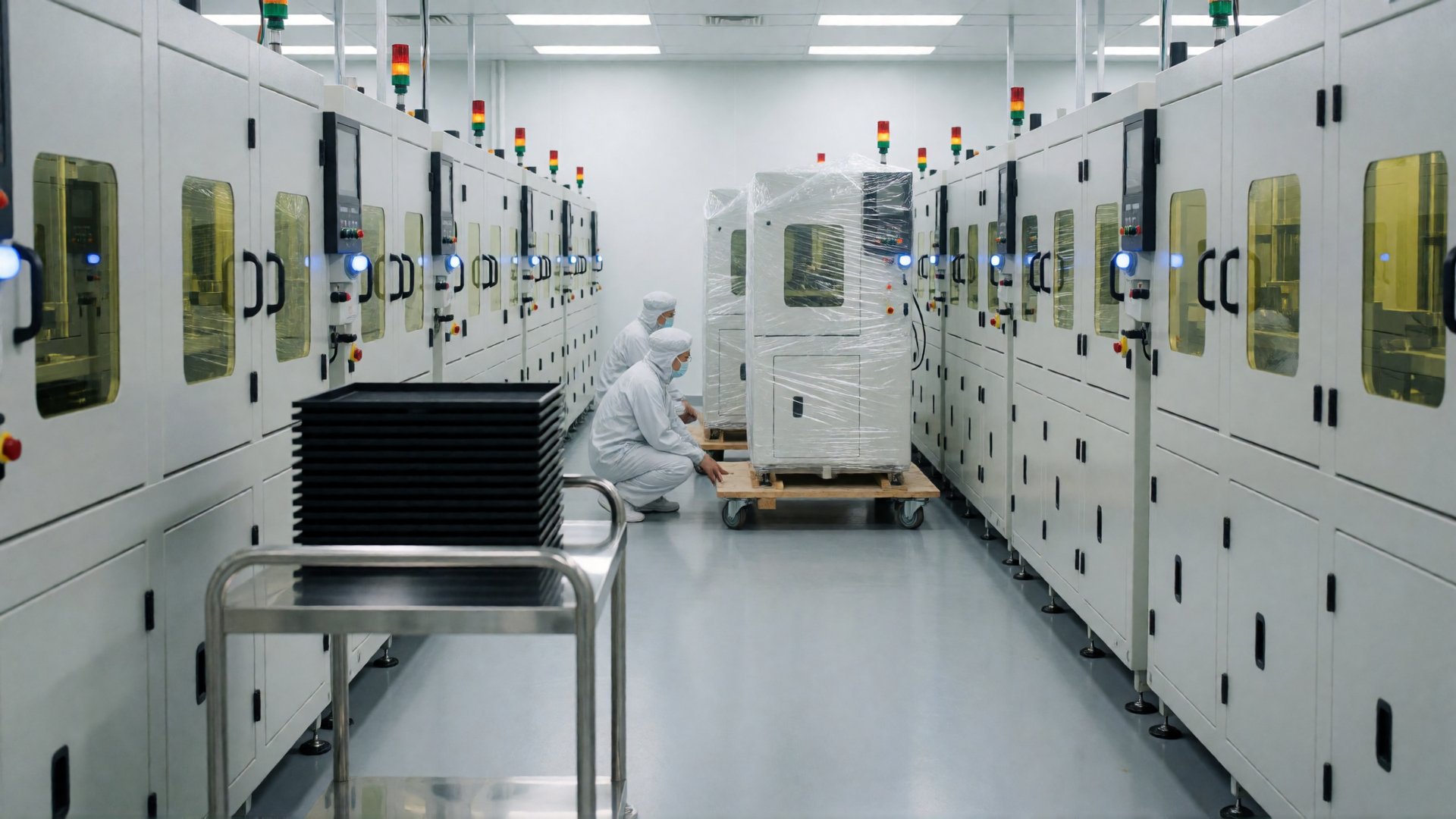
Nvidia will fund new production lines at Siliconware Precision Industries (SPIL), a Taiwanese company that packages and tests chips. Nvidia announced this on 17 November 2026, about an hour after it presented record results for the past quarter. With those results, Nvidia had already said that it is reserving production at suppliers for years ahead, including for memory and chip packaging. The new agreements with six suppliers show where part of that is going.
Why the packaging matters
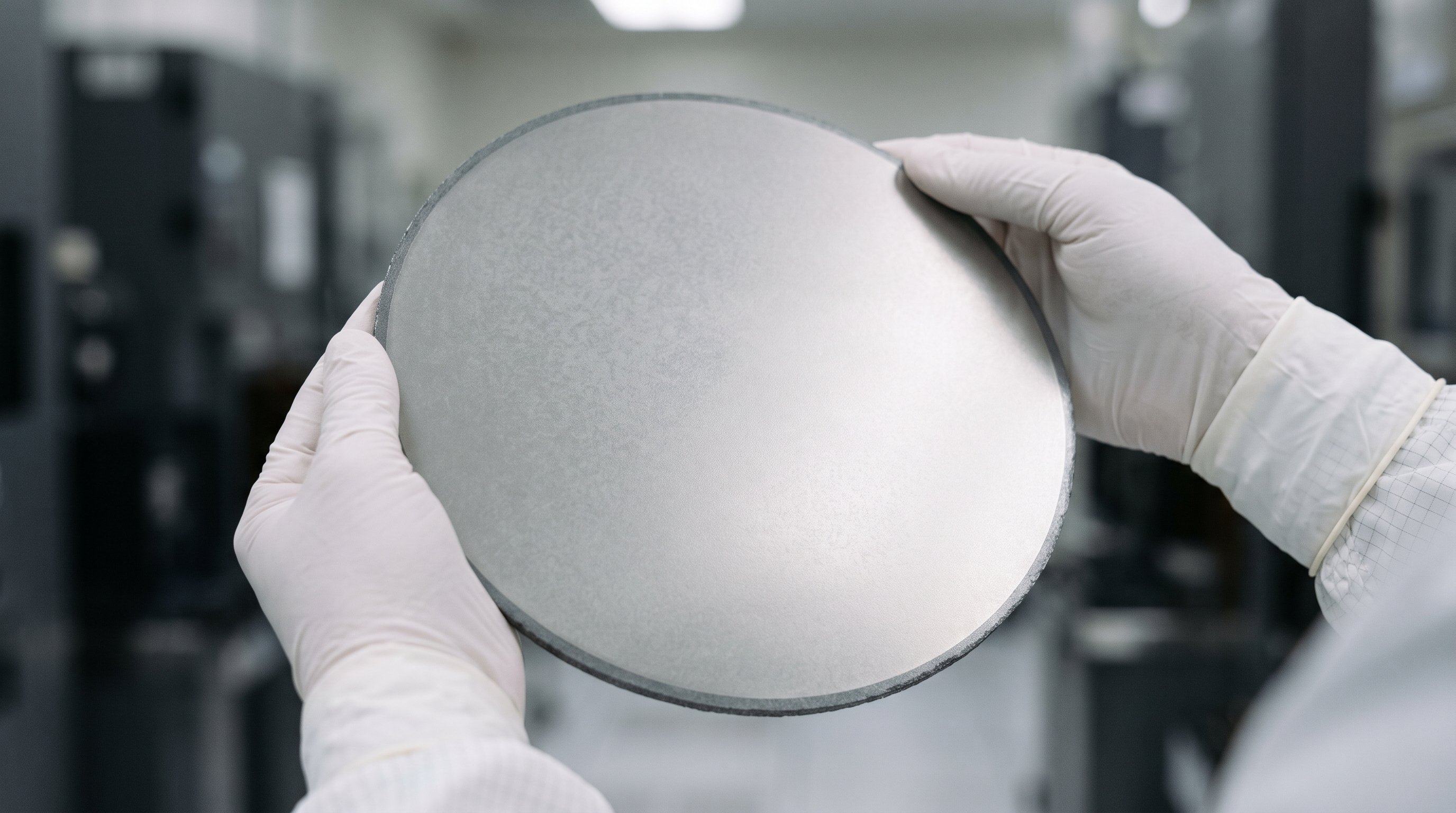
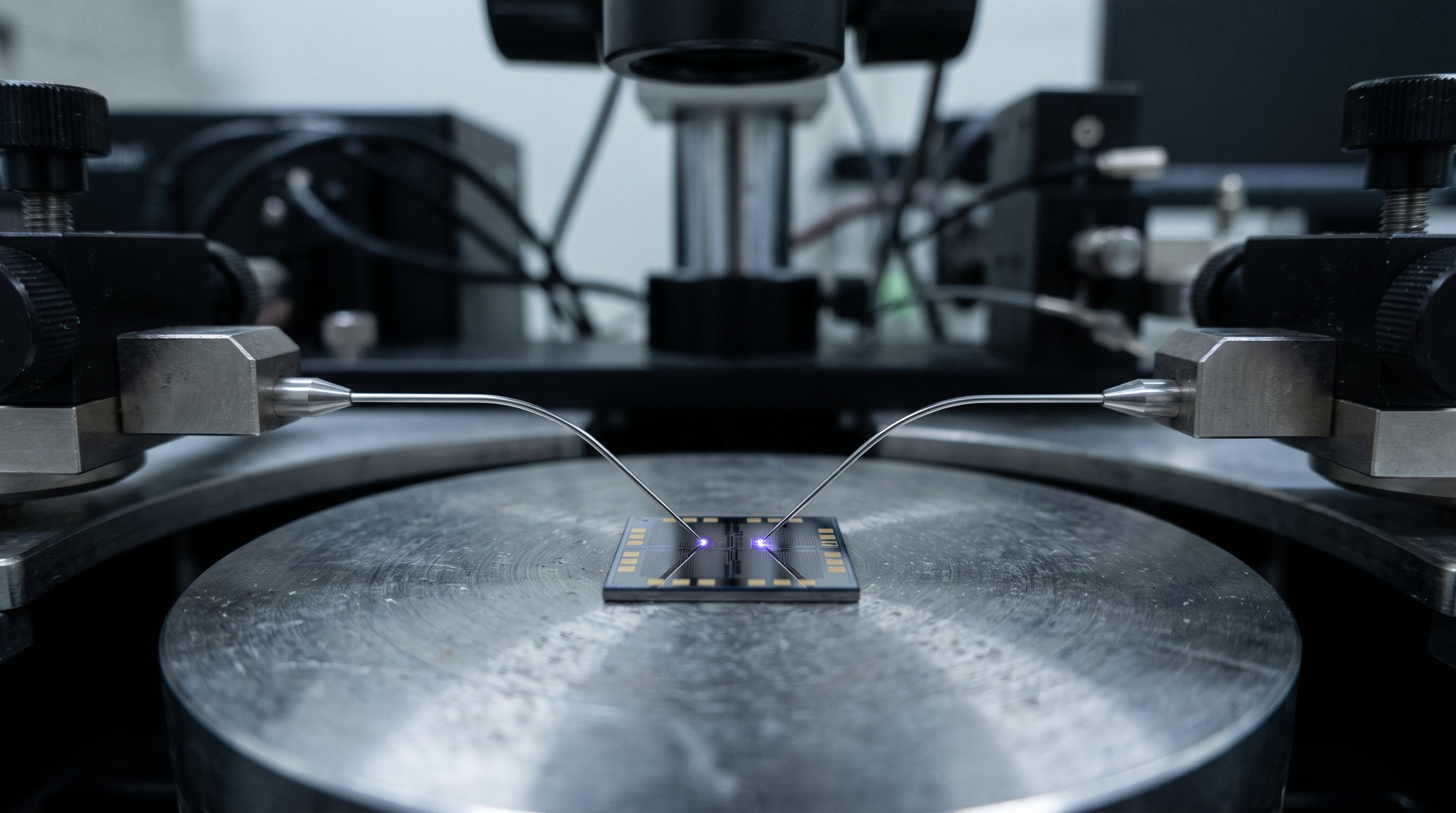
A modern AI chip is not a single piece of silicon. The computing chip and the memory chips sit side by side on a thin plate, an interposer, which links them with a very large number of fine connections. This lets the computing chip reach its data fast enough. Until now, making these interposers was usually a step in the packaging method of TSMC, the company that also makes Nvidia's chips. Because demand for AI chips is so high, this packaging step is exactly where production is tight.
The new lines at SPIL will cover every step: applying tiny solder bumps, making interposers, joining everything into one package, and testing. This gives Nvidia a second supplier for part of the work that is now mostly done at TSMC. TSMC remains one of the partners.
Nvidia says the funding runs into billions of dollars, but gives no exact amount. The capacity that SPIL reserves for Nvidia will grow until mid-2029. SPIL, which is part of ASE Technology Holding, speaks of three times as much capacity for advanced packaging by then, but does not say how much it has now.
The other agreements
Kinsus, a Taiwanese maker of the bases that a chip package is mounted on, plans to make its capacity for Nvidia at its site in Taoyuan more than 3.5 times larger. Production is expected to start in the second half of 2027; the extra capacity should be ready in the third quarter of 2028. Samsung Electro-Mechanics is adjusting an existing agreement on such bases for its factories in South Korea.
At Amkor, Nvidia is supporting the expansion of packaging plants in Arizona and South Korea. The agreements, from July and October 2026, are together worth almost 3 billion dollars (about 2.7 billion euros), including advance payments. With Foxconn and TSMC, Nvidia is continuing its work on future generations of chips and systems.
The agreements come shortly after founder Jensen Huang stepped down as chief executive. Chief financial officer Colette Kress is leading Nvidia for the time being.
What does this mean for the road to the singularity?
It was already known that Nvidia reserves memory and factory space years in advance. What is new is that it is paying a second company to build up a step that was mostly done at TSMC. If SPIL can make interposers in large numbers, building AI chips will depend less on a single company, and the number of chips can grow faster than one supplier could manage alone.
For competitors, this means that whoever pays now for the packaging capacity of the coming years is sure of a place, and whoever waits has to stand at the back of the line. Companies that have their own AI chips made therefore have a reason to make their own deals with packaging companies too, or to help new ones get started. If that works, there will be more places in the world where such chips can be finished. Computing power then becomes less scarce, so researchers and smaller companies can also get access more easily to train and use stronger AI.
What is the technological singularity? Read the explanation →