Nederlands
NVIDIA presents GR00T 2 and simulation tools for precise robot work
At the CoRL robotics conference, NVIDIA presents an open AI model and new practice software that let robots learn precise work in a simulated world, such as connecting cables and assembling small parts.
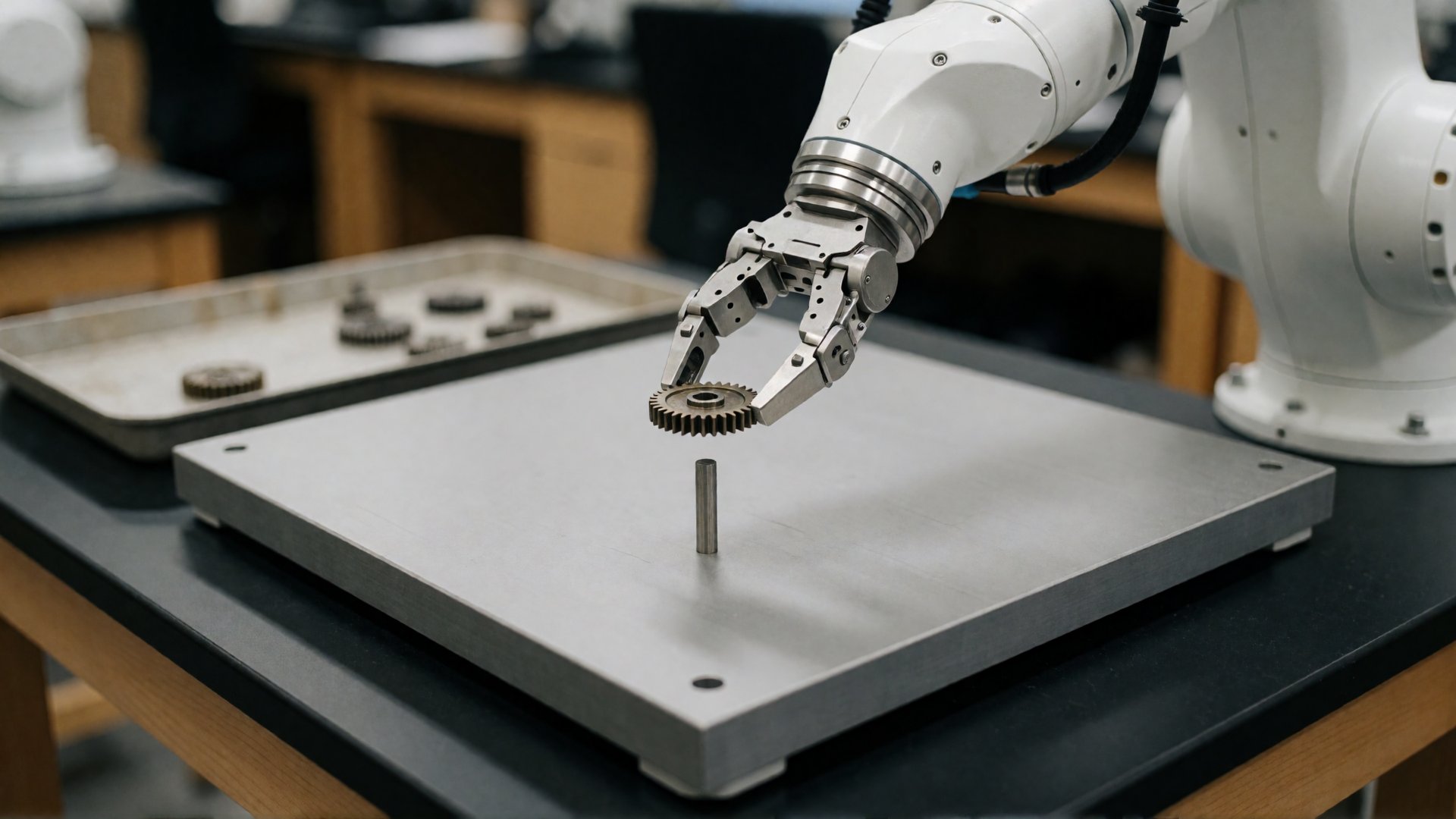
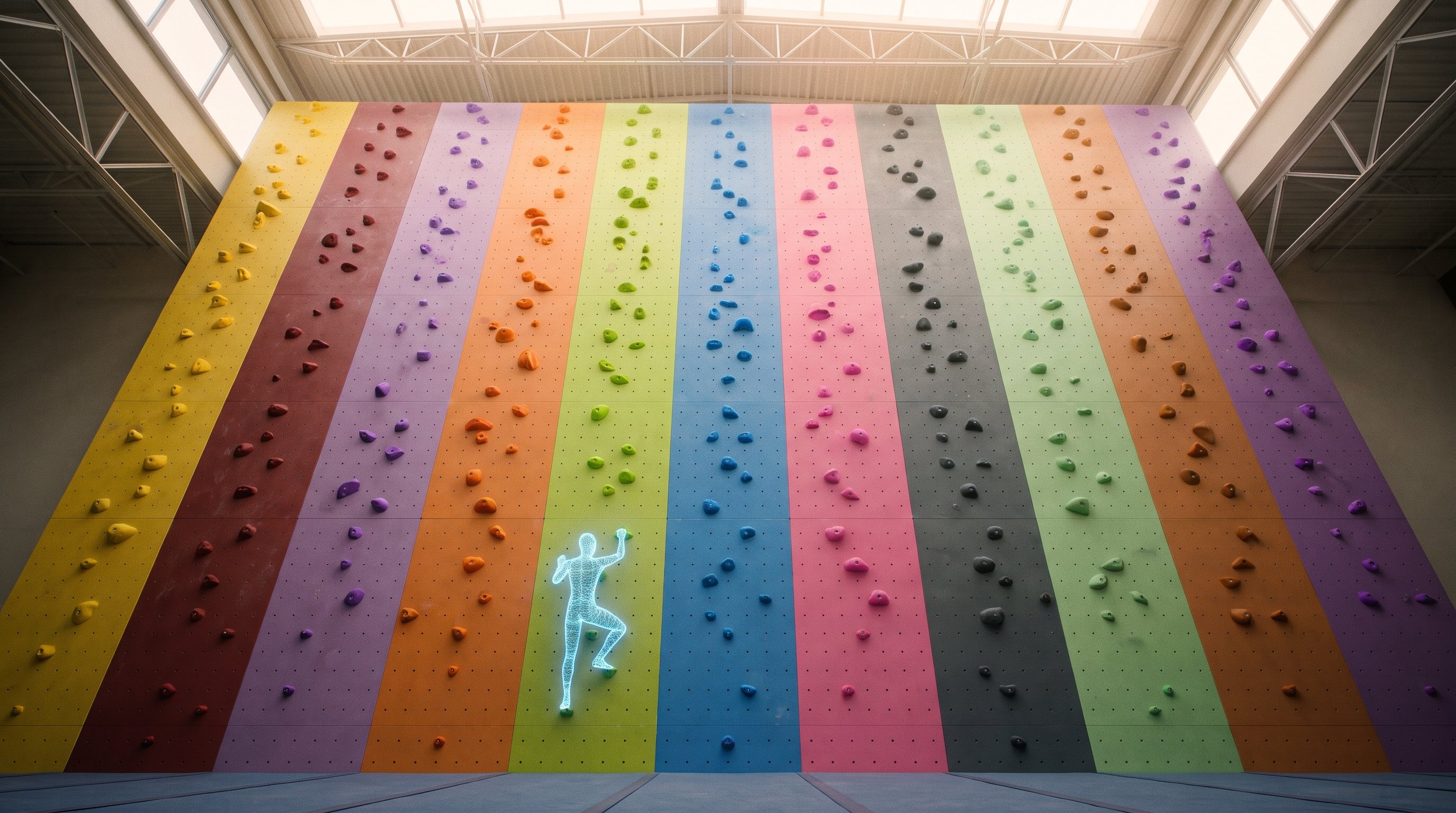
At the Conference on Robot Learning (CoRL) in Austin, Texas, NVIDIA is presenting tools in November 2026 that let researchers have robots practise precise work on a computer. Such a simulated world, called a simulation, has been used for some time to teach robots to walk, roll and jump. According to NVIDIA, the focus is now shifting to fine manual work: aligning gears, connecting cables and assembling small parts.
An open model for robot hands
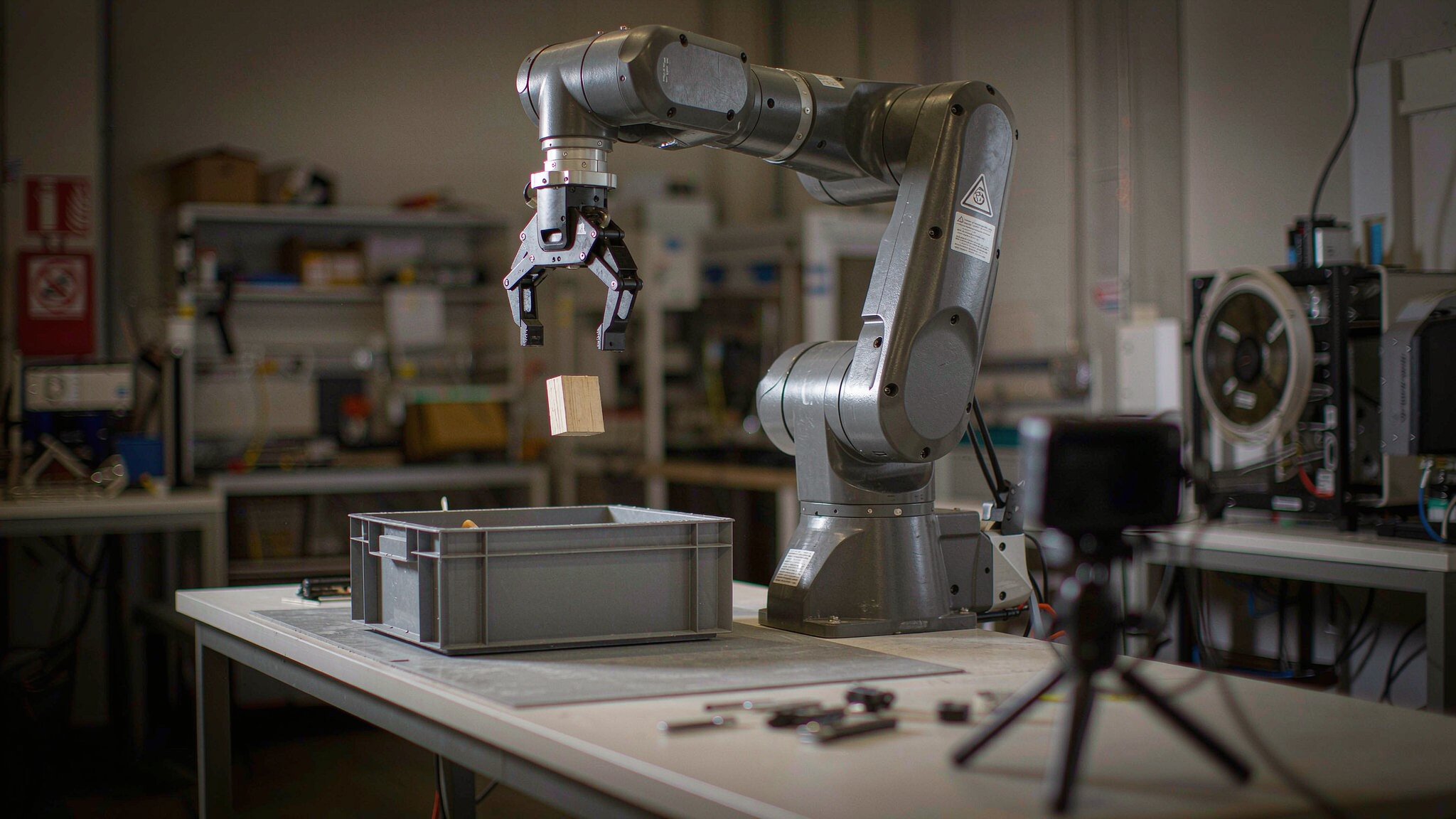
The main announcement is GR00T 2, an open AI model that tells a robot which movements to make. NVIDIA calls it a world action model: it predicts how the environment will react and chooses the actions to match. The model is built on Cosmos, NVIDIA's models for simulated worlds. It learned from data from robots and from people, including 100,000 hours of open video that people filmed from their own point of view.
According to NVIDIA, GR00T 2 carried out 40 of the 50 tested tasks correctly at least once without any example. Given one example per task, 71 per cent of attempts succeeded on average; with five examples, 95 per cent. According to NVIDIA, the model can also transfer skills it learned from people to robots with a different body, without examples from those robots. These results come from NVIDIA itself.
Companies are already trying it out. Nexuni is testing it for handling laundry, Foxconn is using it to automate factories where servers are made, and Siemens is exploring applications in industry.
Practising and testing in the computer
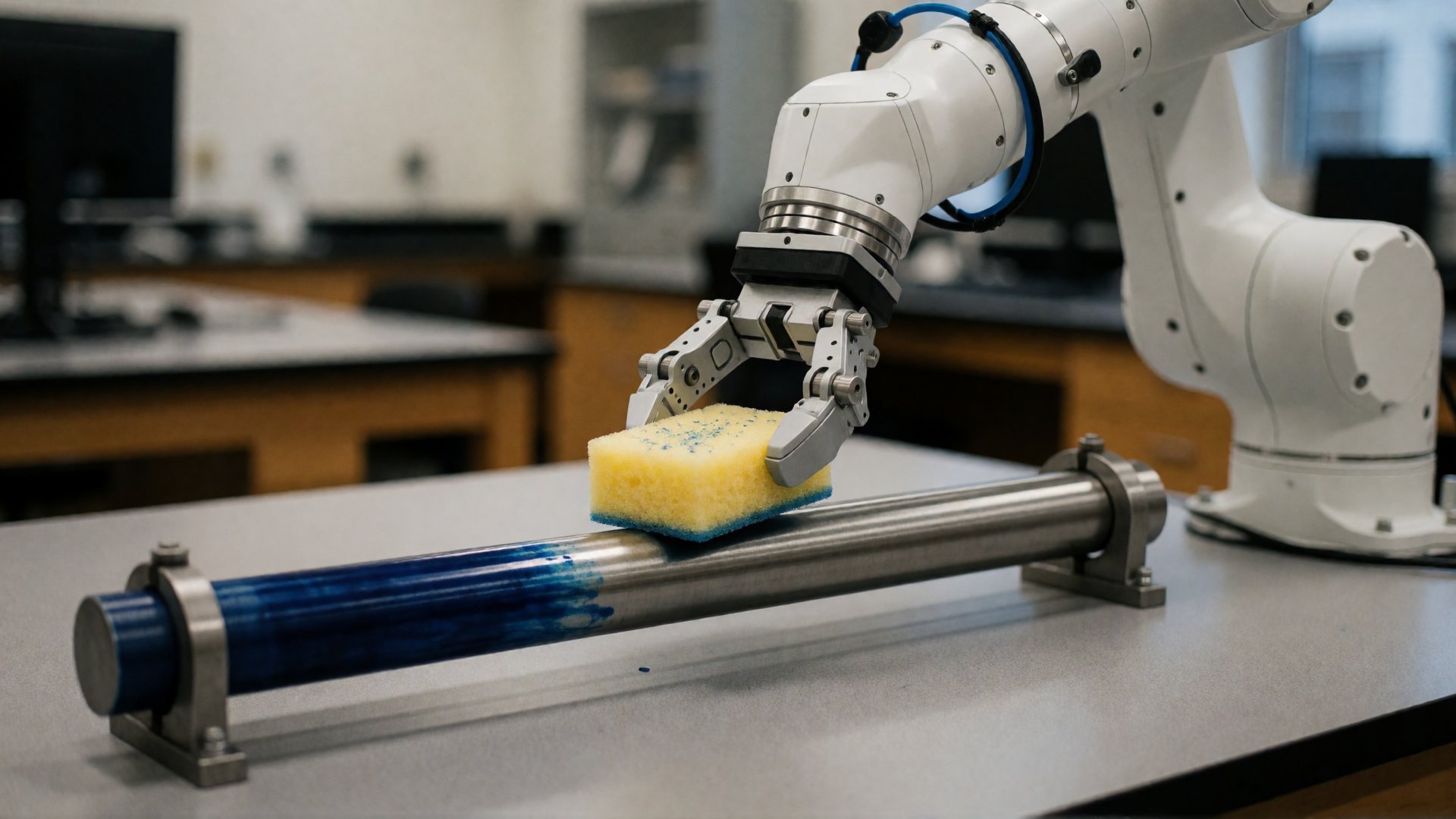
Isaac Lab 3.0 is also being released, a new version of NVIDIA's open software in which robots practise in simulation. Thanks to the open physics engine Newton, it can now also simulate flexible things, such as cables and fabric, and complex parts such as robot hands. In a test of dexterous grasping based on camera images, Isaac Lab 3.0 trained up to 2.5 times as fast as the previous version, according to NVIDIA.
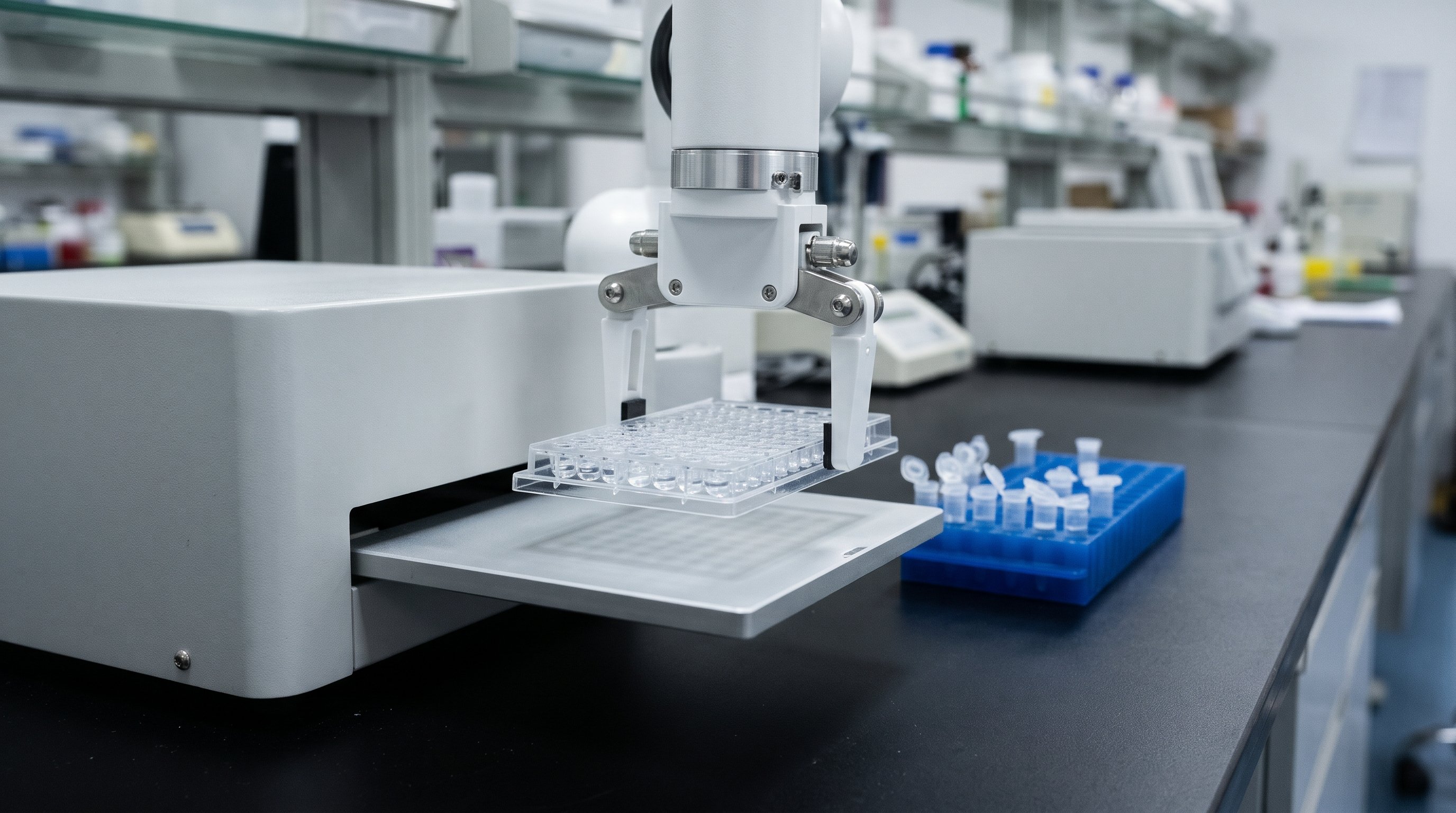
To measure how well a robot is doing, there is a preview version of Isaac Lab-Arena 0.4. With it, developers can test a learned skill in thousands of variations of a task and see under which conditions it goes wrong. Two new open test suites use this software: DexBench, made by RLWRLD with NVIDIA, with 15 tasks in areas such as shops, logistics and factories, and VABAR, from NVIDIA and the University of California, Berkeley, with six industrial tasks.
Berkeley also developed Graph-as-Policy, in which AI agents link separate robot skills into a program and test and improve it in simulation. How this worked out on a real robot is described in our article on the Berkeley research.
What does this mean for the road to the singularity?
Robots that can first practise fine work thousands of times in a computer need far fewer expensive trials with real machines. If a single model can also learn from people and transfer that knowledge to different robots, it becomes easier to teach robots new tasks quickly. That brings robots that do precise work on their own in factories and warehouses a step closer.
What is the technological singularity? Read the explanation →