Nederlands
Topic
#Medicijnontwikkeling
-
Researchers wake up silent, healthy genes in Prader-Willi syndrome
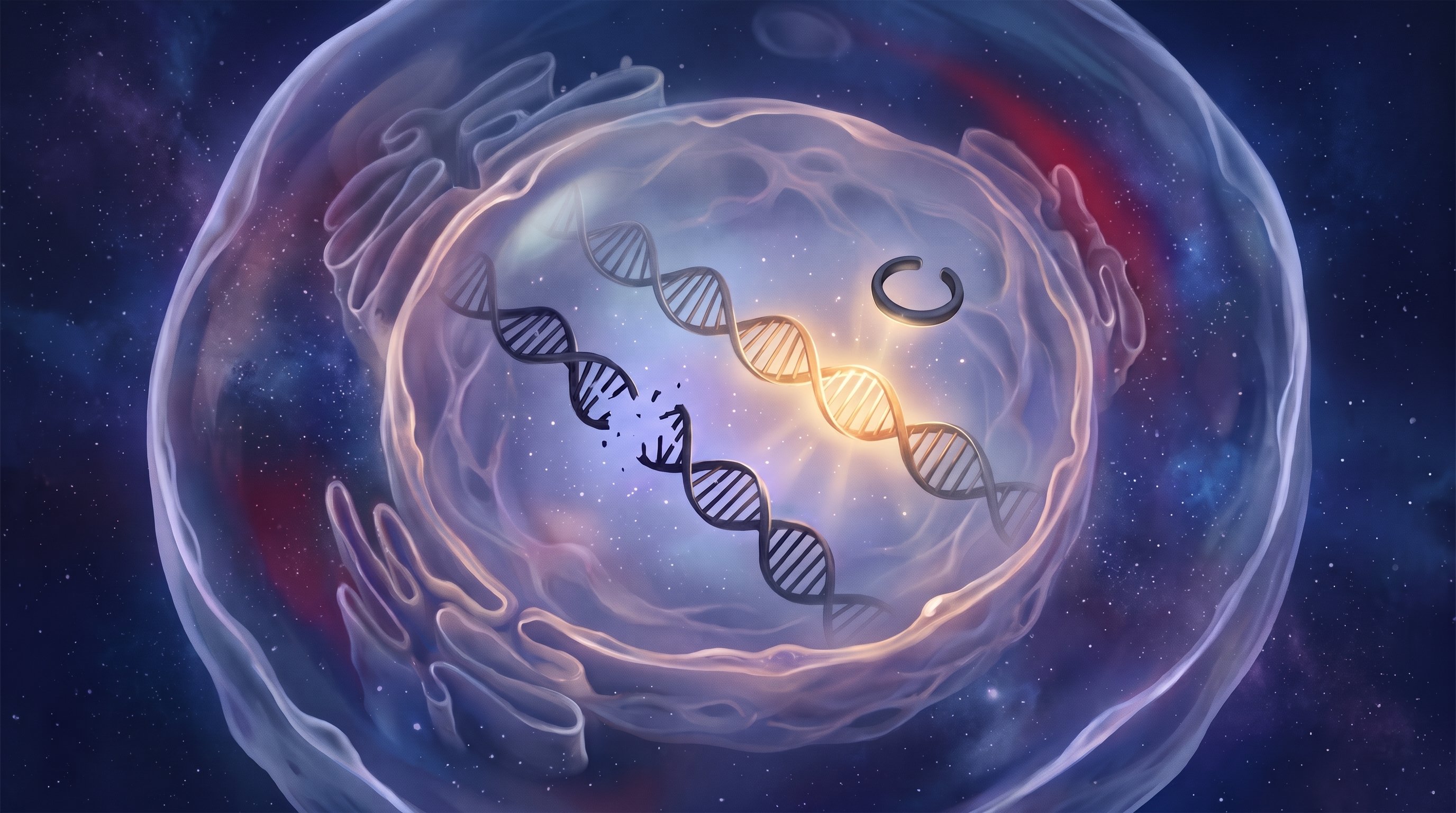
In Prader-Willi syndrome a group of genes does not work, even though every cell has a healthy back-up copy. Researchers in Melbourne switched that copy back on by removing one protein, in patient cells and in mice. Work on a medicine is now under way.
-
Personalised mRNA vaccine cuts the risk of melanoma returning by 42 per cent
A vaccine made to measure for each patient cut the risk of recurrence or death by 42 per cent in a large study of 1,137 people with melanoma. The full results have now been presented at the European cancer congress ESMO.
-
Hugging Face releases open AI model that lets researchers 'talk' to DNA
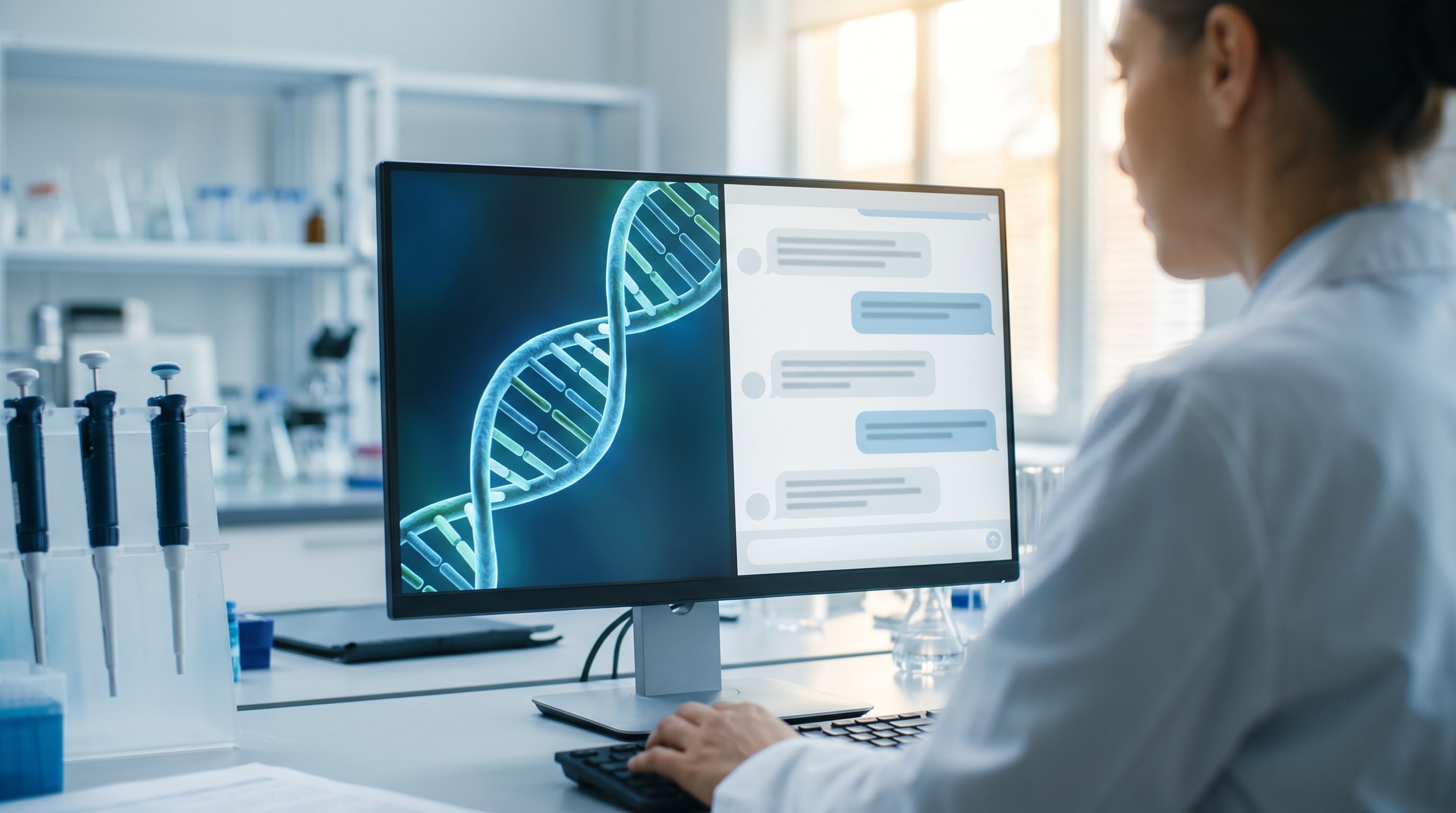
With Hugging Face's Carbon-X, researchers paste a piece of DNA into a chat and ask in plain language whether a change is likely to be harmful. The model is free and runs on a researcher's own computer. It is meant for research; the next step is testing in the lab.
-
Precise DNA correction used inside a patient's body for the first time
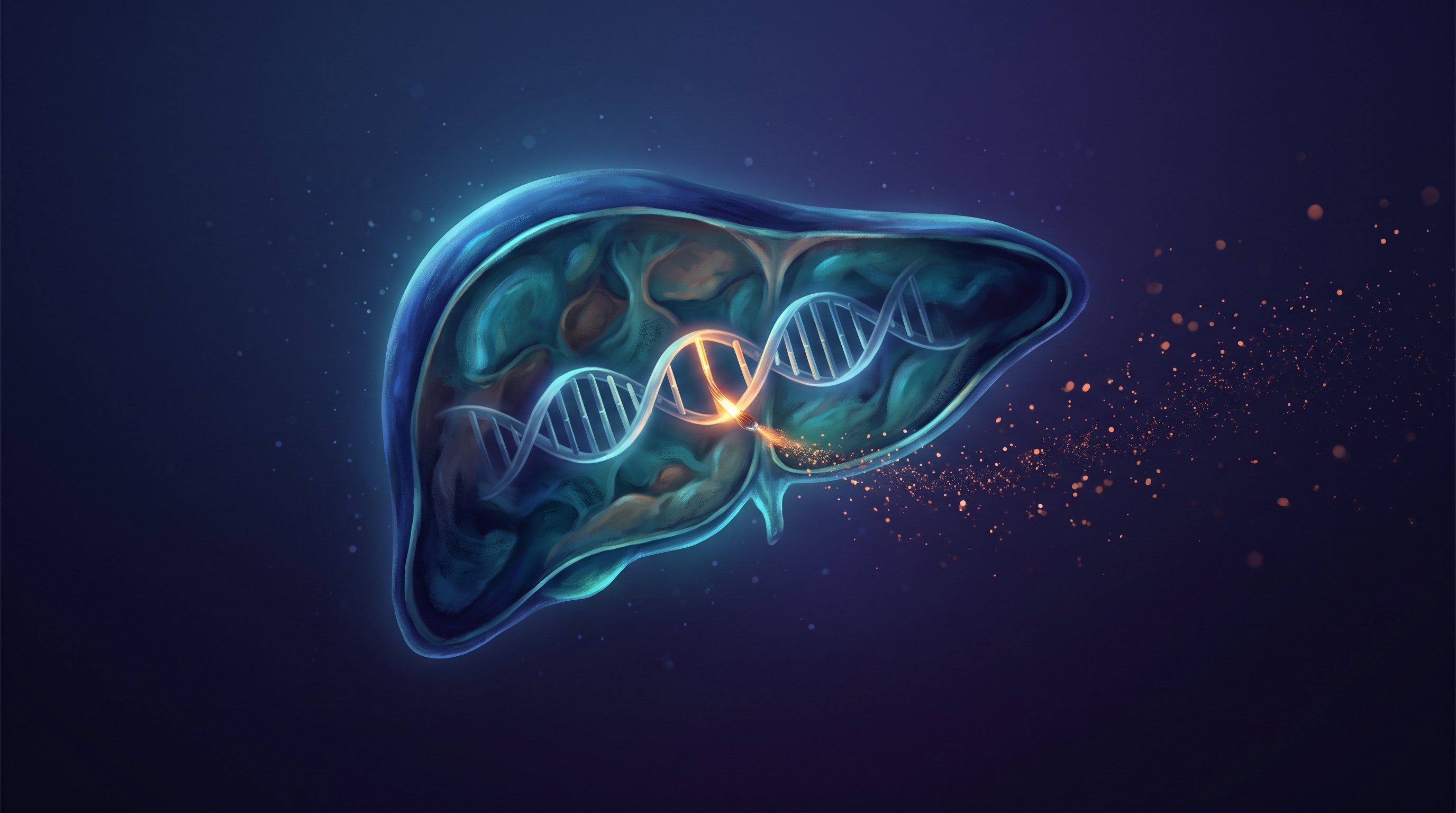
Prime Medicine has for the first time treated a patient with prime editing directly inside the body. A single infusion is meant to repair a DNA error in the liver in Wilson's disease, an inherited copper disorder. The study has just begun; first results are expected in 2027.
-
AI designs molecular scissors that cut disease proteins at a chosen spot
The lab of Nobel laureate David Baker used AI to design enzymes that cut other proteins at a preselected position, including the protein that clumps together in Alzheimer's disease. Some of those enzymes also work in living cells.
-
Nearly 2,000 AI agents from OpenAI work through an atlas of 7.7 million brain cells in 32 minutes
OpenAI had nearly 2,000 AI agents work at the same time on one large dataset of mouse brains. In 32 minutes they came up with explanations and new research ideas, work that would take people months. The next step is to test the best ideas in the lab.
-
Breakthrough in hepatitis B: first medicine that lets 1 in 5 patients stop taking pills
In the United States, a medicine has now been approved that can 'functionally' cure chronic hepatitis B in some patients. After six months of injections, the virus stayed under control in about 1 in 5 participants, even when they stopped all medication.
-
Claude designs proteins against scorpion venom in 64 hours: 17 bind to their target in the lab
A research version of Claude designed over 318,000 small proteins against five scorpion toxins in 64 hours. Two labs made 211 of them, and 17 bound firmly to their toxin. It is not yet an antidote, but it is a first step.
-
Antibody keeps immune cells out of the brain and slows Alzheimer's damage in mice
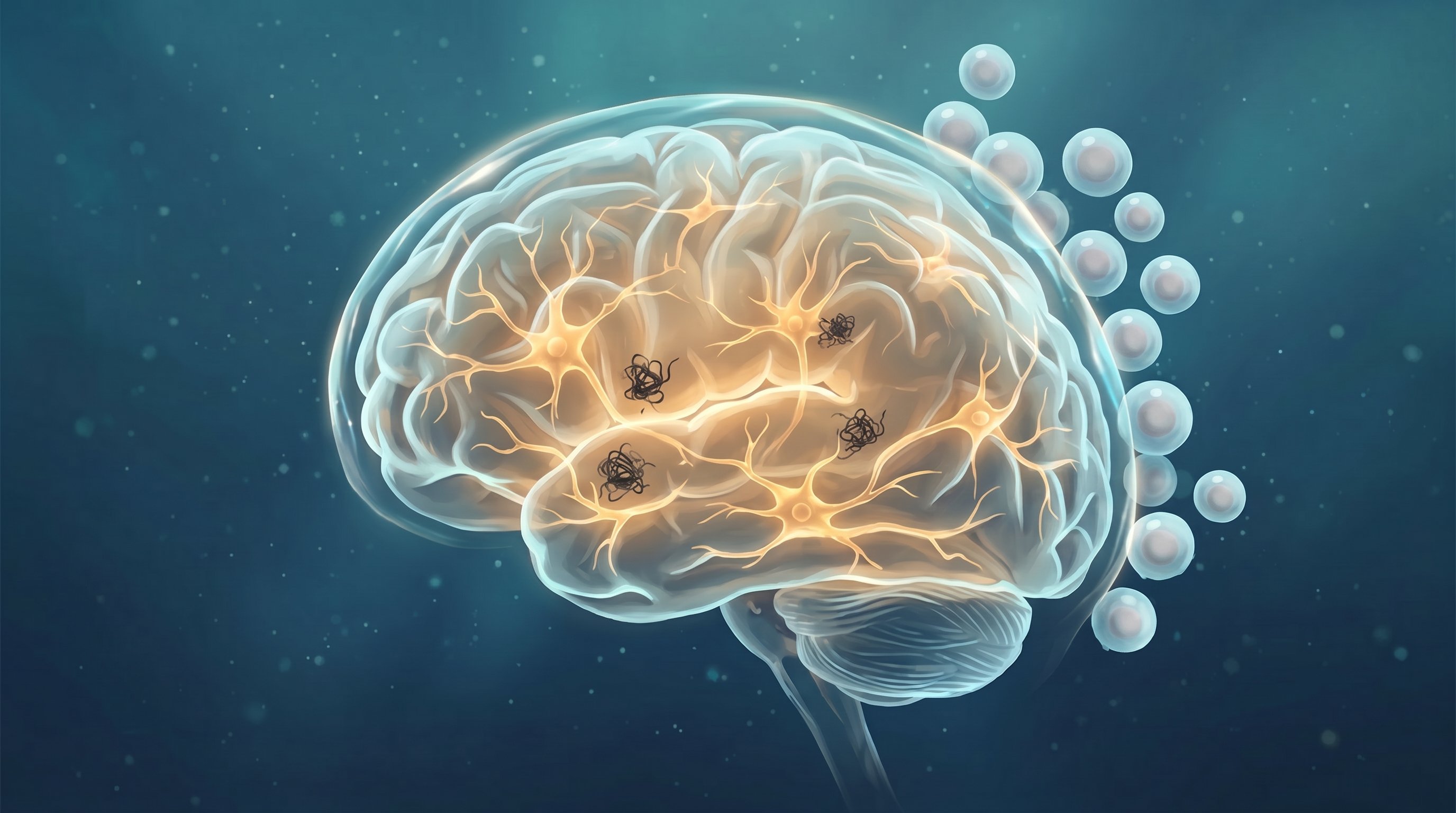
Researchers in St. Louis blocked the route immune cells take into the brain in mice. The mice kept about 40 per cent more brain tissue and remembered better, while the harmful protein tau simply stayed in place. The next step is finding out whether this can be done safely in people.
-
British biobank maps the immune systems of 80,000 people, as learning material for AI
The London company IMU Biosciences will measure the immune cells in 80,000 blood samples from UK Biobank in great detail. Linked to genes and health data, this should teach AI models which changes in the immune system signal diseases such as cancer or dementia.
-
Biologists search for new antibiotics with AI agents and find a first candidate
Google had biologists search together with AI agents through databases full of proteins whose function nobody knows. They arrived at a small protein from a respiratory bacterium that, according to the predictions, tackles hard-to-fight bacteria. It is now being tested in the lab.
-
Overlooked immune cells can recognise and kill small-cell lung cancer
Australian researchers discovered that a little-known type of immune cell can track down an aggressive form of lung cancer, even when it hides from the rest of the immune system. Two existing medicines made that attack stronger in the lab. The next step is research in patients.