Nederlands
Robot Digit 5 swaps its bird legs for human legs to work safely alongside people
Agility Robotics has completely redesigned its humanoid robot Digit. The fifth version lifts heavy crates, recharges in nine minutes and sits down by itself when someone comes too close. Co-founder Jonathan Hurst explains why.
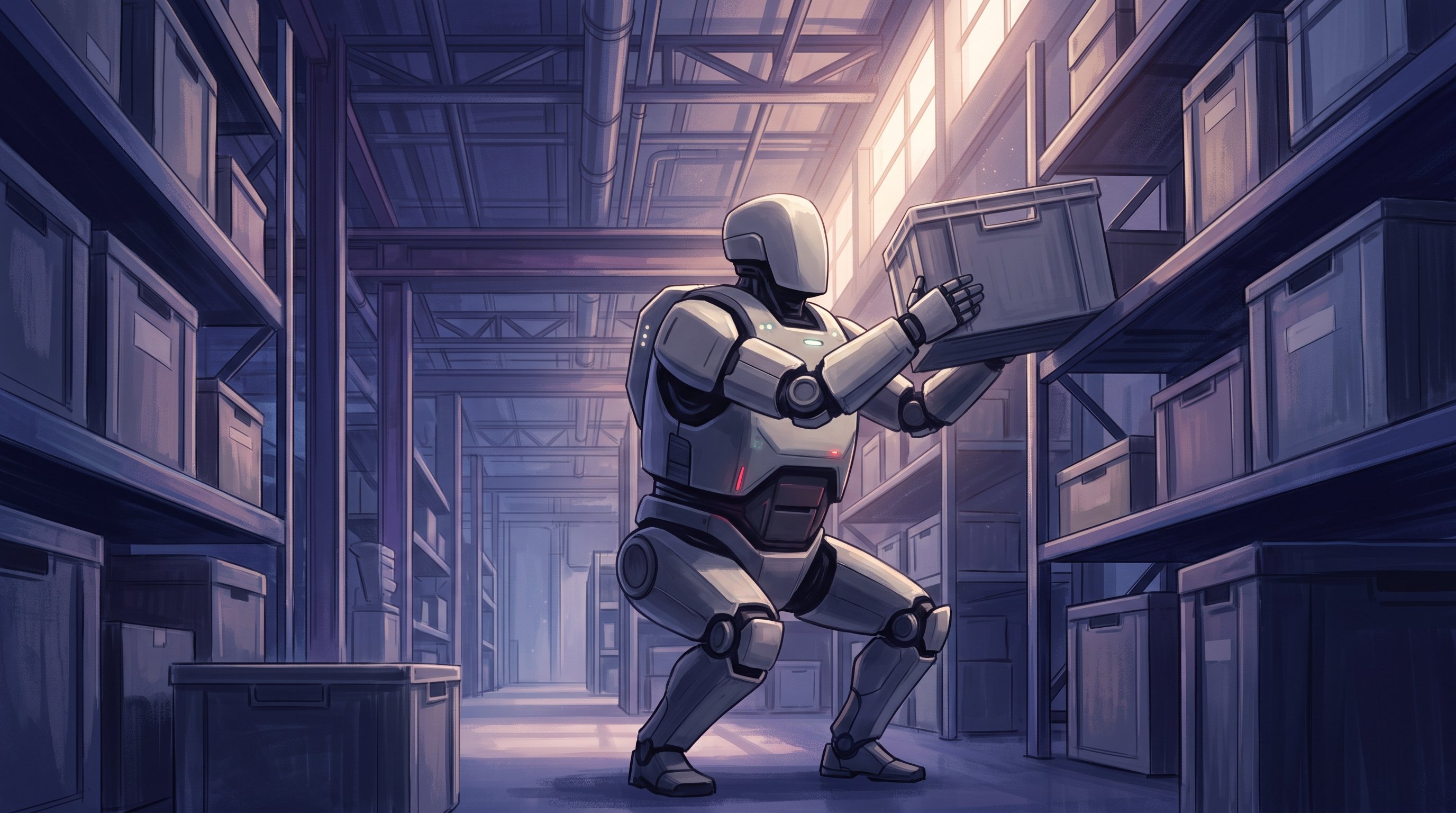
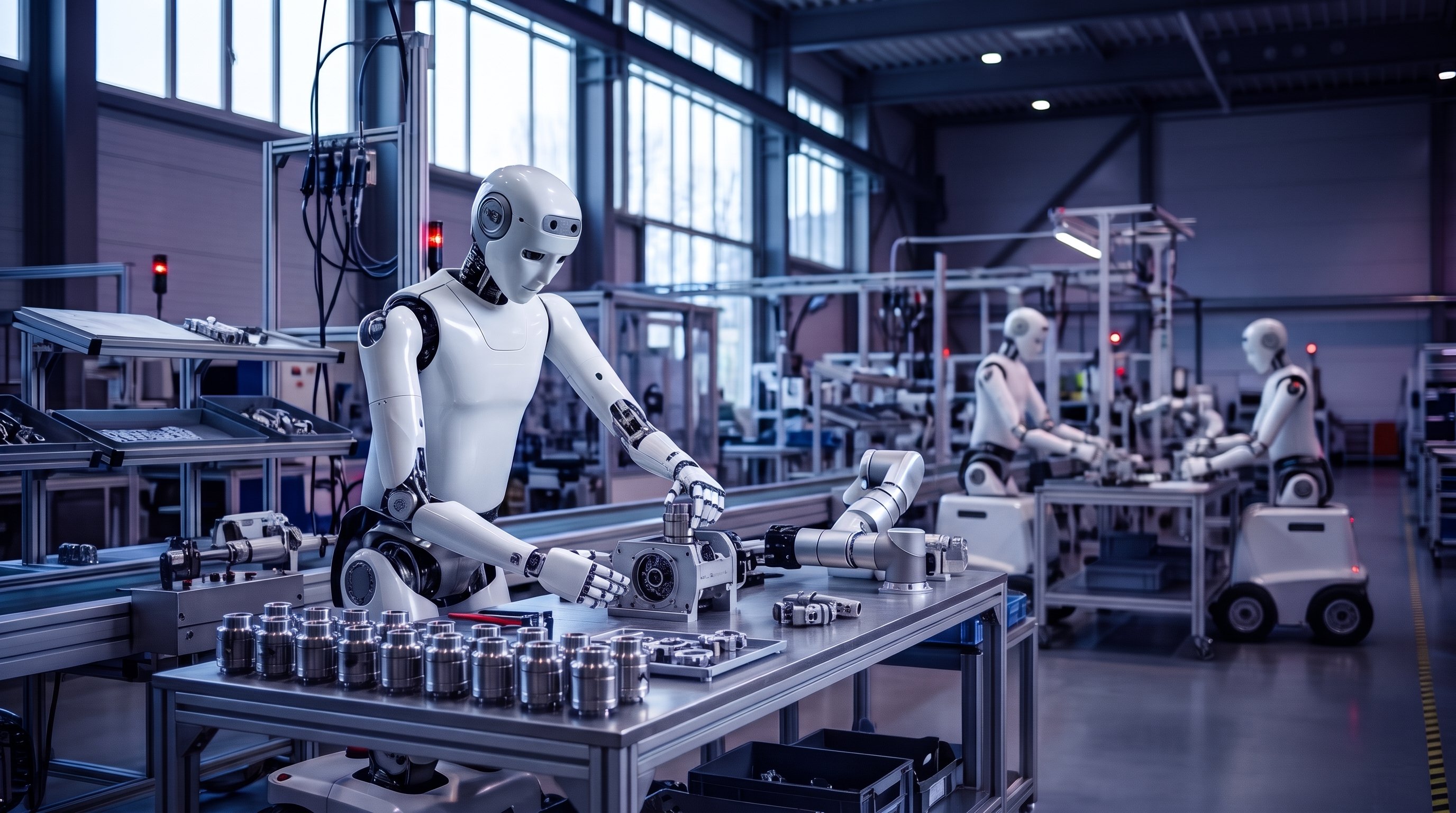
The American company Agility Robotics has been making the humanoid robot Digit for years: a robot with two legs and two arms that moves crates in warehouses. The fifth version, Digit 5, looks very different from its predecessors. In a detailed piece for the journal IEEE Spectrum, co-founder Jonathan Hurst explains why the company redesigned the robot from scratch.
Besides being co-founder, Hurst is also a professor of robotics at Oregon State University. Agility grew out of his lab there in 2015. The company showed Digit 5 for the first time on 15 September 2026.
The biggest problem: working safely alongside people
Earlier versions of Digit were already working at customers, such as the logistics company GXO. But the previous version had to work there behind fences or in a closed-off zone, separated from the people in the warehouse. That is impractical. A warehouse is precisely a place where people and machines move around together.
According to Hurst, the team worked for about two years on the question of how a humanoid robot can move safely among people. That produced a long list of requirements:
- Sensors that see people nearby, in sturdy housings.
- Separate computers that only take care of safety.
- A fixed behaviour when someone comes too close: the robot stops, puts down its load, sits on the floor and switches off its motors. If possible, it first walks around the person.
- Lights and sounds that show what the robot is about to do.
The robot also has to meet European and North American safety rules for electrical equipment. To achieve all that, a small adjustment to the old robot turned out not to be enough. It became a new design.
Human legs instead of bird legs
The most striking difference is in the legs. Earlier Digits had legs whose knees bend backwards, like an ostrich's. Digit 5 has legs that look more like a human's. This lets the motors in the hip and knee deliver power together to stand up from a deep squat, with a heavy crate in its arms.
According to Agility, Digit 5 lifts crates of more than 20 kilos and puts them on shelves up to about 1.75 metres high. It can reach as high as 2.2 metres. The robot itself weighs more than 120 kilos and is about 1.80 metres tall.
Something has also been given up. Digit 5 can no longer run or jump, and it looks much sturdier and less graceful than Hurst ever envisaged. He writes about that honestly: above all, the robot has to do its work reliably and cheaply, not move beautifully.
Full again in nine minutes
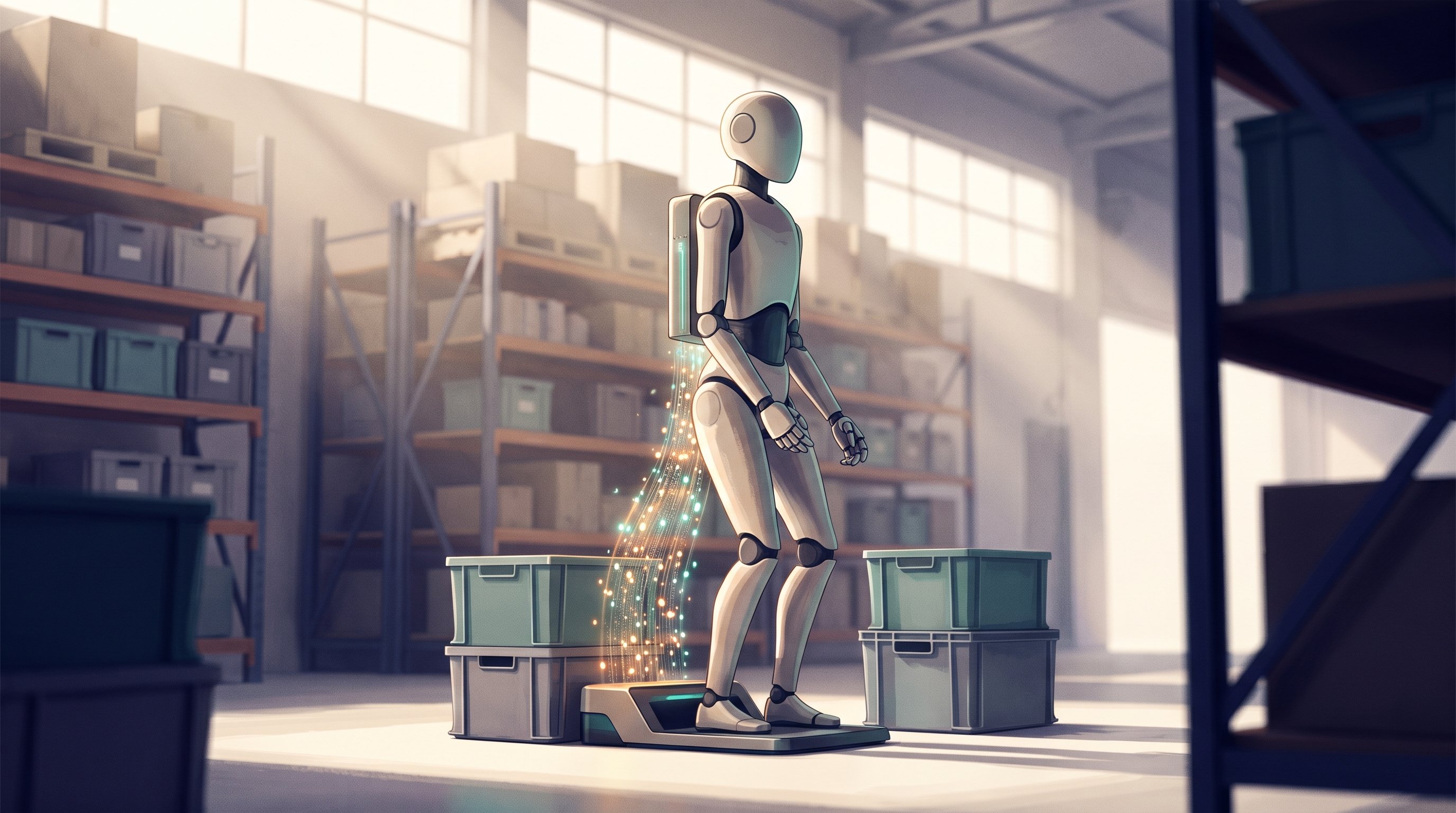
A robot that works all day has to be able to charge quickly. About three quarters of Digit 5's torso consists of the battery and the cooling, with fans that blow air through channels in the body. The charging station delivers a hefty current of 240 amperes.
According to Agility, after charging for about nine minutes the robot can work for about an hour and a half. With the previous version, working time was only twice as long as charging time; now it is ten times as long. This lets Digit 5 work up to about 20 hours a day.
The battery comes from the British company Nyobolt, which grew out of research at the University of Cambridge. The battery contains a different material from the usual graphite, into and out of which the electric charge can move much faster. Agility announced the partnership on 15 October.
Caveats and next steps
The figures on lifting, charging and working time come from Agility itself. Independent measurements will follow once customers start working with the robot. The first customers will get Digit 5 in the first half of 2027, and later that year it is due to be widely available for factories and warehouses.
Agility has its own factory in Salem, in the American state of Oregon, which according to the company can make more than 10,000 robots a year. Hurst calls Digit 5 the moment when the company really starts to scale up, with tens of thousands of robots as the goal. At first the robot will keep moving crates. After that, Agility wants it to pick individual products, refill machines and set out parts for assembly.
The company is also about to go public. On 2 November, shareholders will vote on a merger that is to give Agility a listing on the American stock exchange Nasdaq.
What does this mean for the road to the singularity?
Humanoid robots are often presented with flashy videos of dancing and somersaults. The story of Digit 5 shows the other side: to do real work among people, a robot above all has to be safe, strong and reliable. For that, Agility even gives up running and jumping. That is a mature choice, and a sign that these robots are moving out of the lab and onto the work floor.
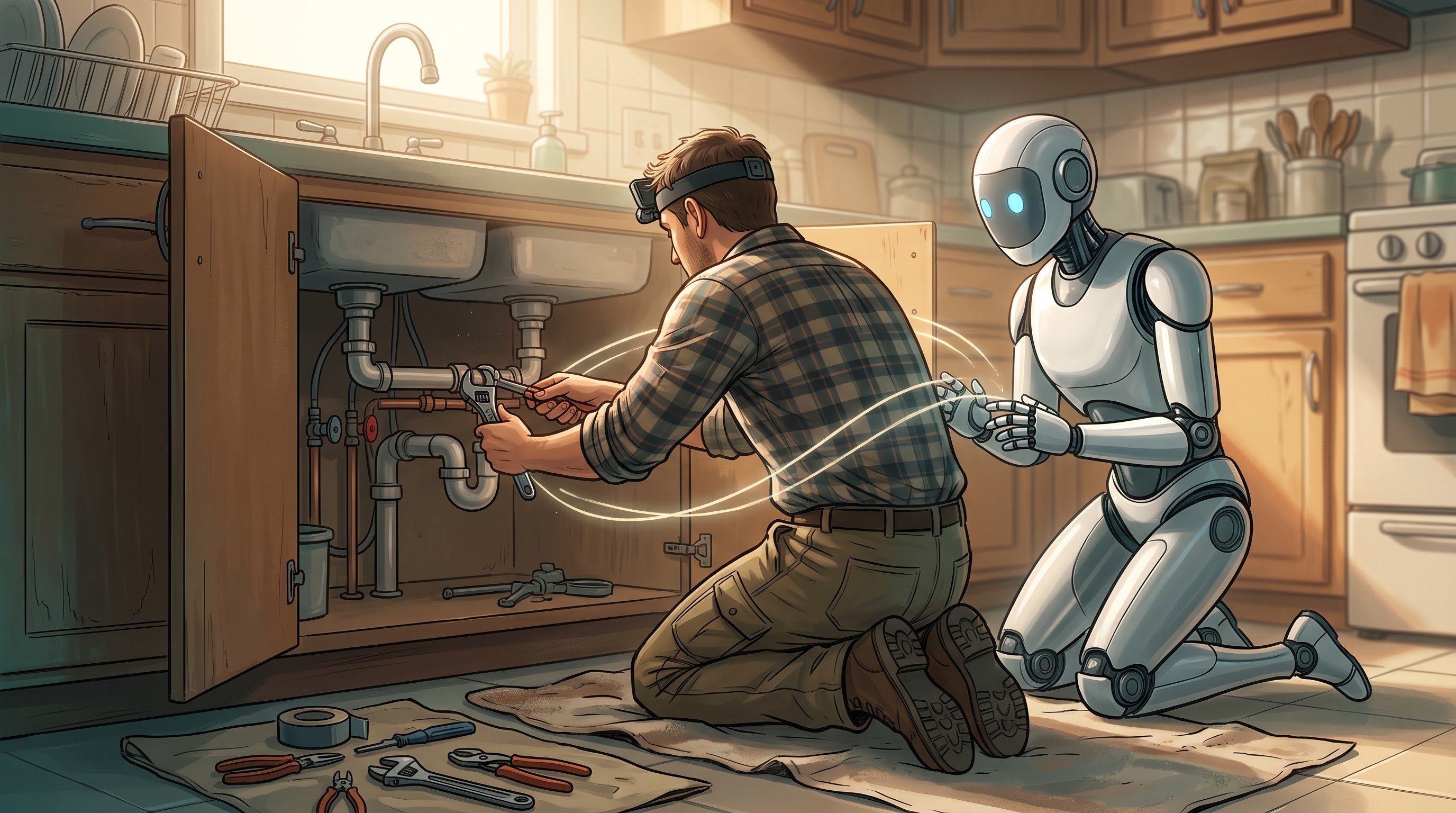
The intelligence of such robots increasingly comes from AI models that learn from what they see and do. A robot that is allowed to work safely alongside people can gain much more of that experience than a robot behind a fence. The more robots like Digit 5 do real work every day, the faster they learn, and the closer a general robot helper comes that lends a hand in factories, warehouses and later perhaps at home.
What is the technological singularity? Read the explanation →