Nederlands
Work robot Digit 5 recharges in nine minutes and can then keep going for an hour and a half
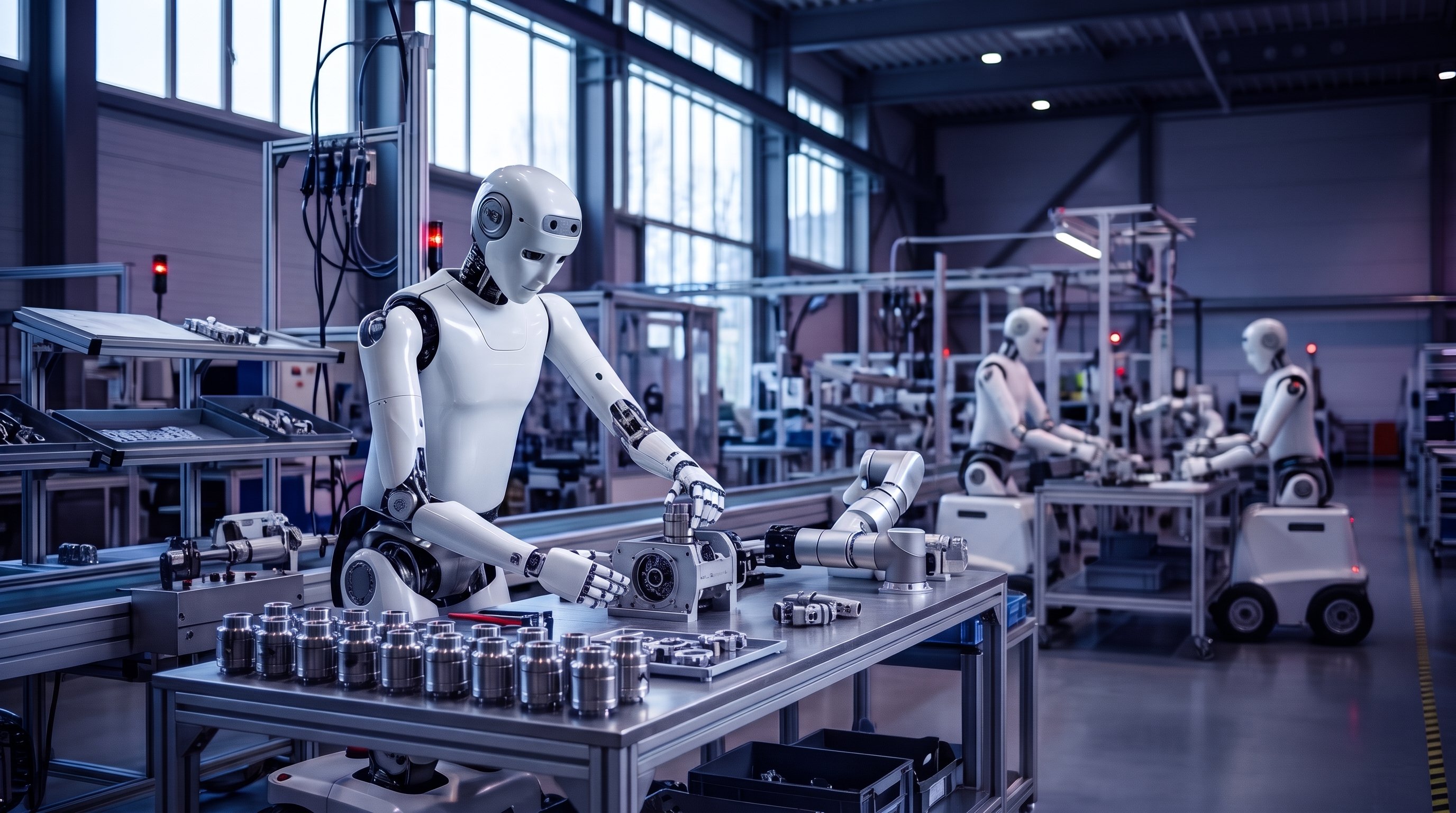
Agility Robotics is getting a fast-charging battery from the British company Nyobolt for its humanoid robot Digit 5. After nine minutes of charging, the robot works for another hour and a half. According to Agility, this lets it stay at work for more than twenty hours a day.
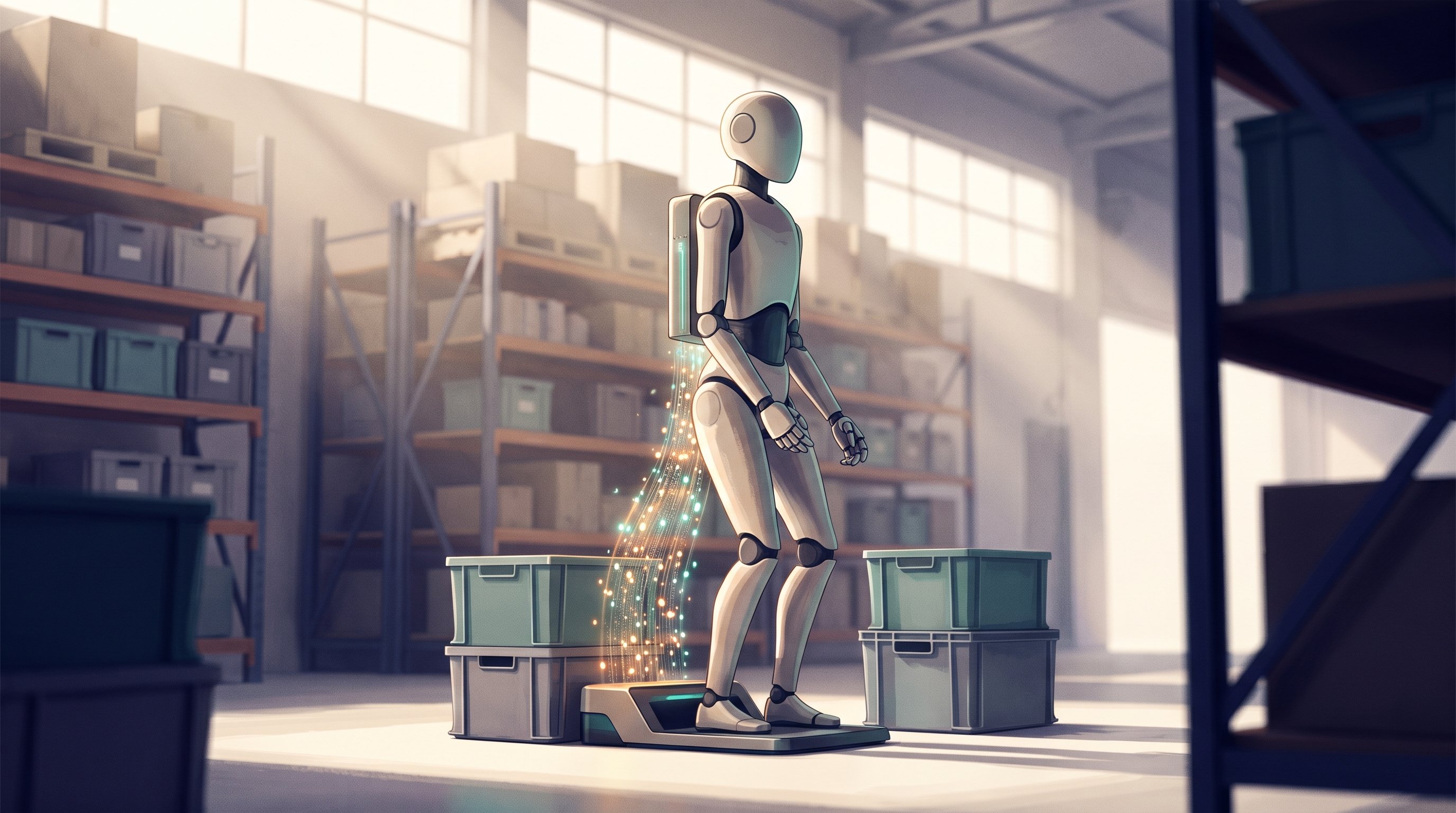
A robot that carries boxes in a warehouse is only really useful if it is not constantly standing still at the charger. With the previous version of the humanoid robot Digit, that was still a big drawback: for every hour of work, it had to charge for about half an hour.
The American company Agility Robotics now has a solution for that. On 15 October 2026, the company announced that the British company Nyobolt from Cambridge will supply the battery for the new Digit 5. According to both companies, that battery recharges in nine minutes, after which the robot can work for an hour and a half.
Working ten times as long as charging
With Digit 4, the ratio between working and charging was 2 to 1. With Digit 5 it becomes 10 to 1. Agility calculates that this lets the robot be productive for more than twenty hours in every 24. That is enough for more than two full work shifts.
That matters for customers, says Daniel Diez, who is in charge of the business side at Agility. According to him, the whole business model revolves around how long a robot is actually at work. Agility often rents out its robots as a service: the customer pays for the work the robot does, not for the robot itself.
Nyobolt's chief executive Sai Shivareddy says Digit 5 needs more power from a smaller and lighter battery pack, and in environments where the robot must always be reliable.
A material from the Cambridge lab
Nyobolt is a spin-off from the University of Cambridge. The company was co-founded by chemist Clare Grey, who has been researching better battery materials for years.
In 2018 her team described in the journal Nature a family of materials made of niobium, tungsten and oxygen. These materials can serve as the negative electrode in a lithium-ion battery. During charging, lithium particles have to get into that negative electrode. In the usual graphite electrode, they have to squeeze between thin layers of carbon. That is difficult during fast charging and can damage the battery.
The new materials have a structure with open channels, a bit like the lanes in a multi-storey car park. The lithium particles can move through them much faster: according to the research, hundreds of times as fast as in common materials. What is more, it works with ordinary, fairly large grains. Other fast-charging materials often have to be ground into tiny nanoparticles, which makes them hard to pack closely together.
What still has to happen
The figures on running time and charging time come from the companies themselves. They will be tested in practice from the first half of 2027. Then the first customers will get access to Digit 5 with the new battery. In the six to nine months after that, the robot is due to become more widely available for factories, warehouses and distribution centres.
The twenty working hours a day are a calculation by Agility. How many it will be in a real warehouse also depends on maintenance and on how well charging fits into the work schedule. The first customers will have to show that.
What does this mean for the road to the singularity?
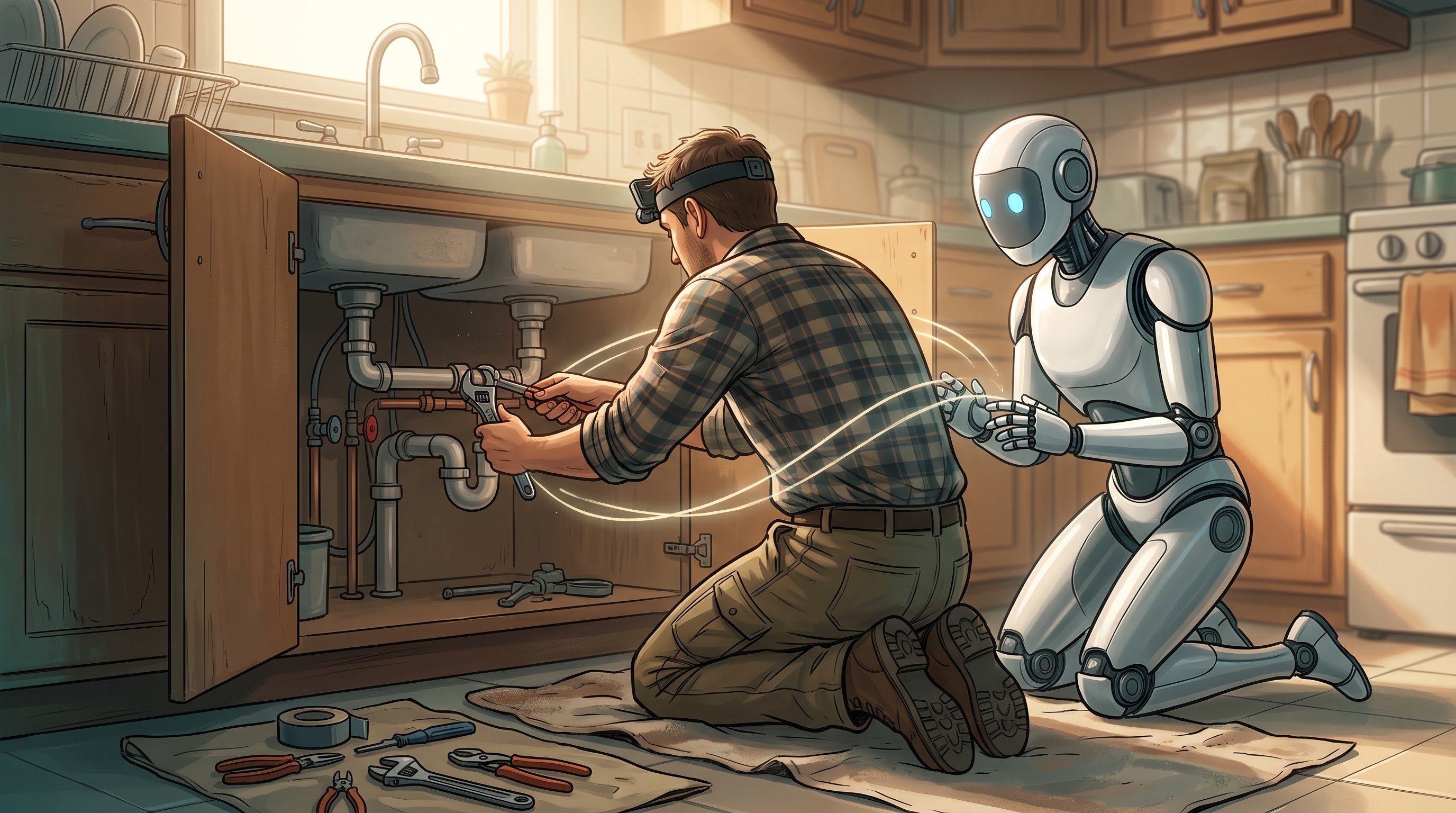
Robots that can think and move on their own need a lot of energy. However smart the software becomes, a robot that is always at the charger helps nobody. Fast, strong batteries are therefore a quiet but important building block for robots that really work alongside people in factories and warehouses.
What stands out in this story is the route: a discovery from a university lab ends up in a work robot eight years later. AI can make such a route shorter in future. An AI model can calculate thousands of possible materials before anyone starts in the lab, and connect knowledge from chemistry with the demands of robot builders. In this way the next, better battery may come not in eight years, but in a few years.
What is the technological singularity? Read the explanation →