Nederlands
Uber and Momenta start a robotaxi trial in Munich
Since 18 November, selected passengers in Munich can ride for free in a self-driving taxi from Uber and the Chinese company Momenta. It is the first such trial through Uber in Germany; every car carries a staff member who can step in.
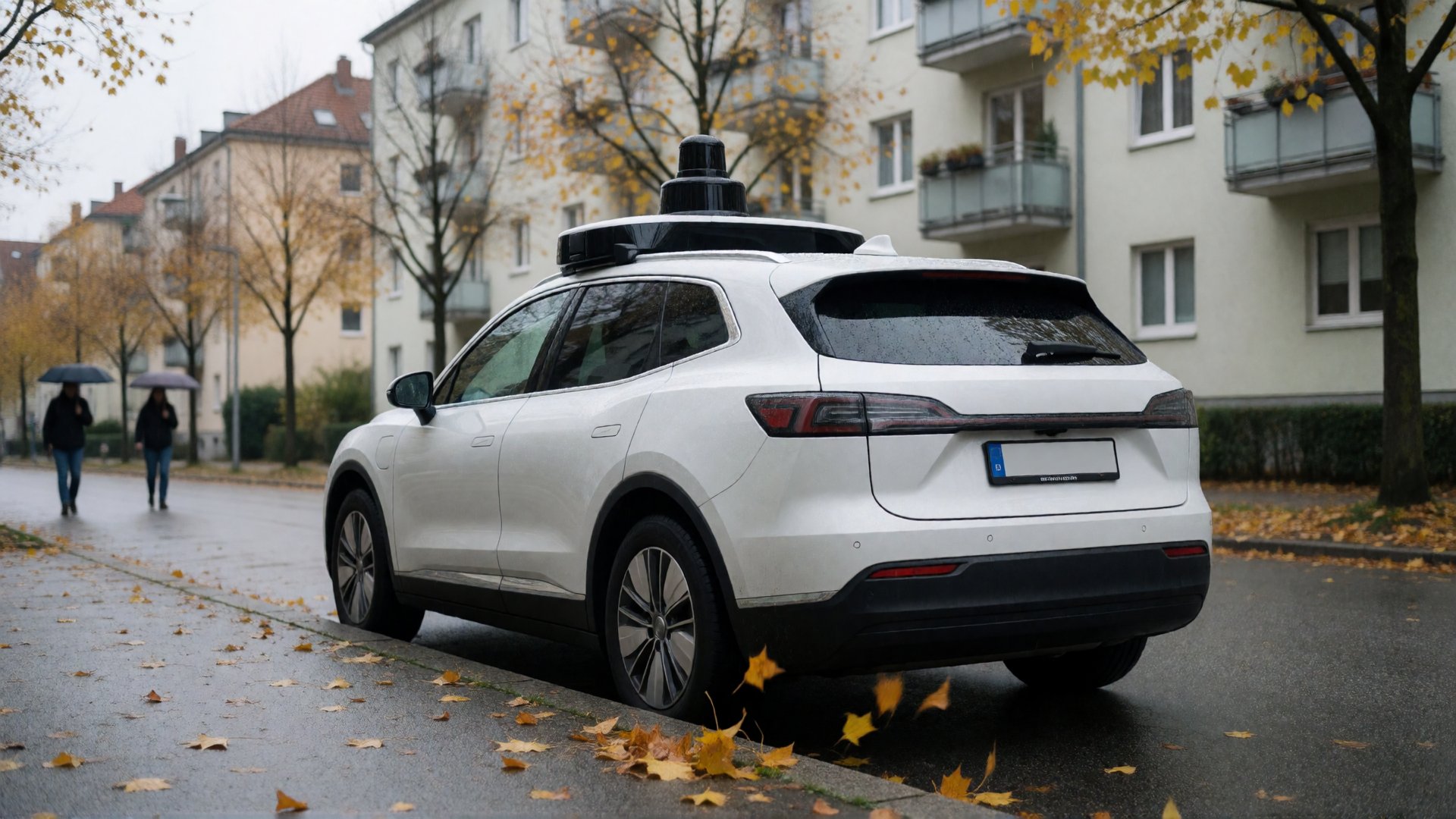
Uber and the Chinese company Momenta, which makes software for self-driving cars, started a robotaxi trial in Munich . It is the first time that passengers in Germany can get a ride in a self-driving car through the Uber app. The cars drive in a defined area in the north of the city, including around the Olympiapark.
Taking part is only possible after signing up. Selected passengers who book an ordinary ride may be assigned a self-driving car. Passengers get in and out at fixed stops. The rides are free, because the permit does not yet allow paid rides. Uber and Momenta want to expand the area and the number of participants step by step. People who live in Munich can join the waiting list in the Uber app, in the ride settings.
A staff member on board
Every car carries a trained safety operator. This person does not steer, but can step in if something goes wrong. In July 2026, Germany's federal road transport authority, the Kraftfahrt-Bundesamt, gave Momenta a permit to test at level 4 anywhere in Germany. At that level, a car drives entirely by itself within a defined area. It is a test permit: it does not yet cover a paid service without a staff member on board.
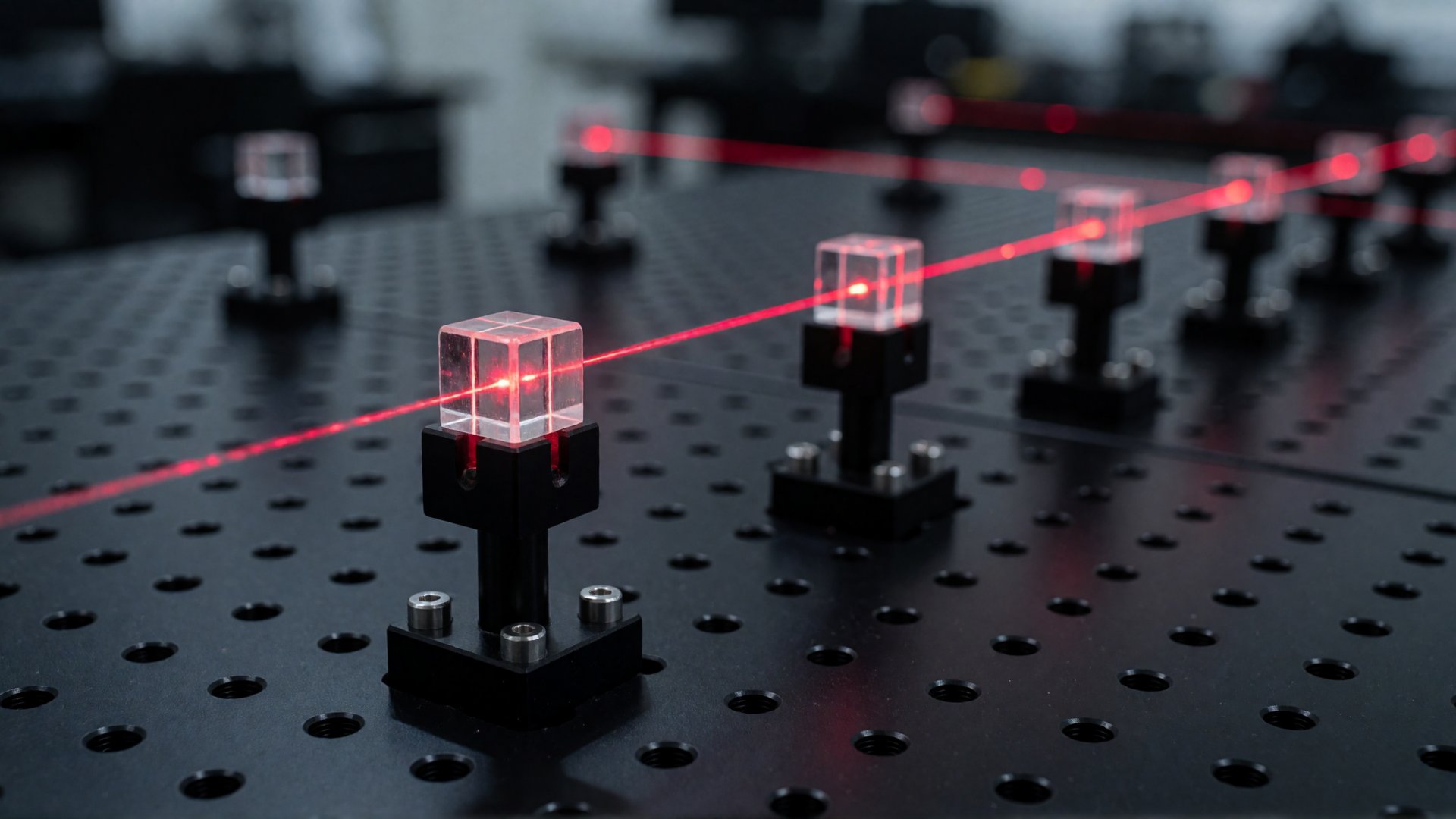
The cars sense their surroundings with cameras, radar and lidar. Lidar uses laser beams to measure how far away everything around the car is, so the car gets a three-dimensional picture. Momenta also makes driver-assistance systems, which help the driver while driving. According to the company, these are in more than 1.4 million cars, including models from Mercedes-Benz, BMW, Audi and Volkswagen. Momenta uses what those cars encounter on the road to train its robotaxi software.
Munich as a testing ground
This makes Munich a testing ground for self-driving taxis in Europe. Uber is also testing a system there from Autobrains and the chipmaker Nvidia, which finds its way with cameras and aerial photos, without lidar. Waymo, the robotaxi company of Google's parent company Alphabet, is mapping the city and wants to start a driverless service there at the end of 2027. In London, Baidu and Lyft chose the same approach as in Munich: a trial with a safety driver on board, with the aim of driving without a driver in 2027.
What does this mean for the road to the singularity?
In China and the US, robotaxis already drive with nobody on board, such as those of Pony.ai and Toyota in Guangzhou. What is new is that the technology is now also taking to the streets under European rules, and that a large ride-hailing platform does not build the software itself, but lets several makers try side by side. Uber is testing two systems in one city at the same time. For the makers, that becomes a race for Uber's customers: whoever first drives safely and cheaply enough gets the rides. In this way, Uber avoids depending on a single supplier.
Momenta also shows why the pace could pick up. Every ordinary car with driver assistance works like a small classroom: what well over a million cars encounter on the road makes the robotaxi smarter. If that trend continues, a robotaxi in Munich will learn from traffic situations in many countries at once. A ride without a driver then first becomes an ordinary choice in the app, and after that something cities can plan their transport around. People will continue to decide where, and under which rules, such cars may drive.
What is the technological singularity? Read the explanation →