Nederlands
Uber, Nuro and Lucid robotaxis now drive around San Francisco with nobody on board
Since 24 November, Nuro, Lucid and Uber have been testing their self-driving taxis without a safety driver on public roads south of San Francisco. Customers should be able to book a ride in the first quarter of 2027.
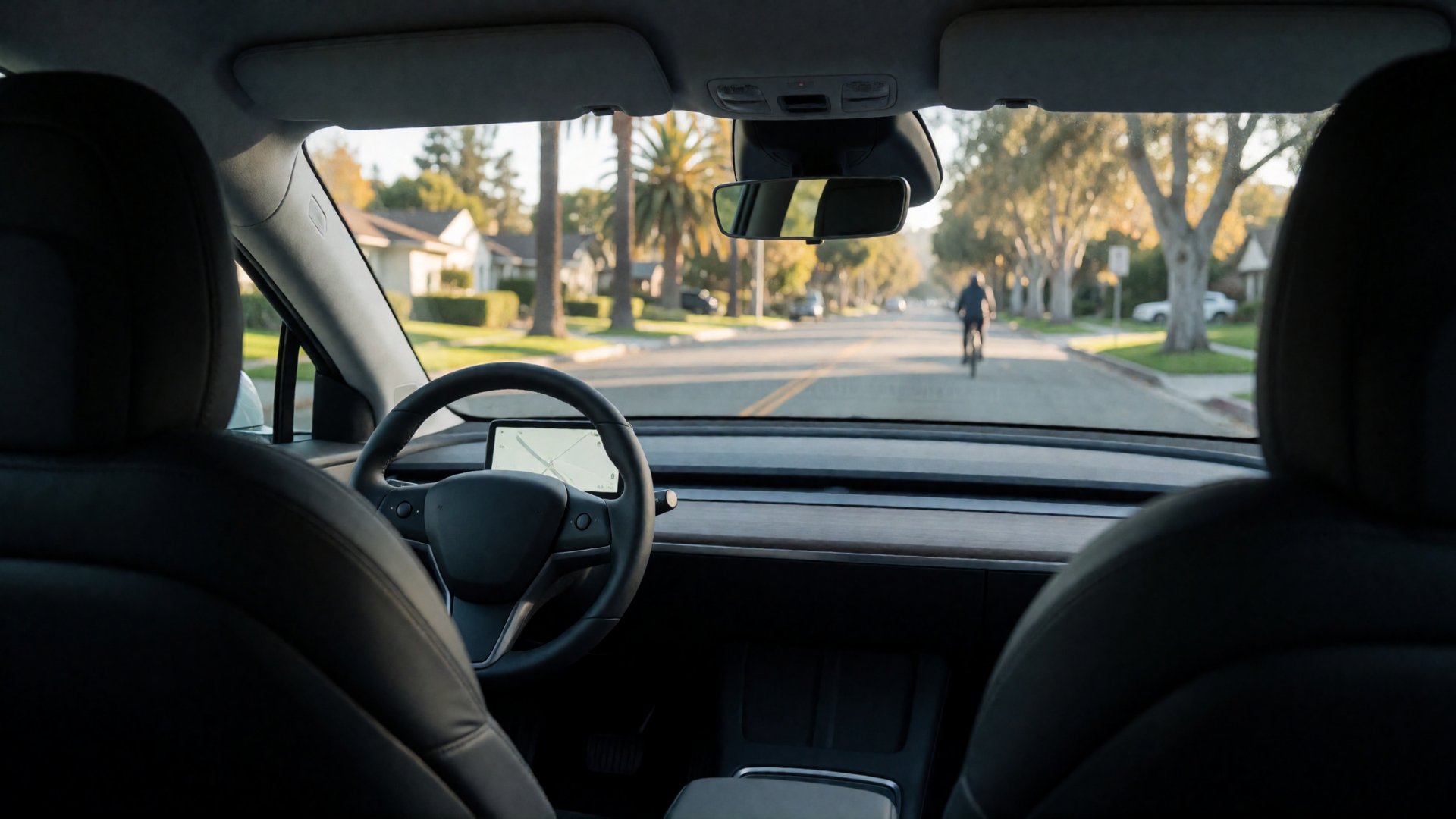
Software company Nuro, American carmaker Lucid and ride-hailing platform Uber have taken the safety driver out of their robotaxis. They announced this on 24 November 2026. The electric Lucid Gravity SUVs now drive entirely by themselves on public roads in Palo Alto, Mountain View, Los Altos and Sunnyvale. These are cities in the region around San Francisco. The test area is set to grow in 2027.
Before this, the cars drove for almost a year with an employee behind the wheel who could take over. Soon, company employees will also be able to ride in the cars with no driver. Nuro received the permit for this in May 2026 from the DMV, the Californian agency in charge of vehicles and driving licences.
How the car sees its surroundings
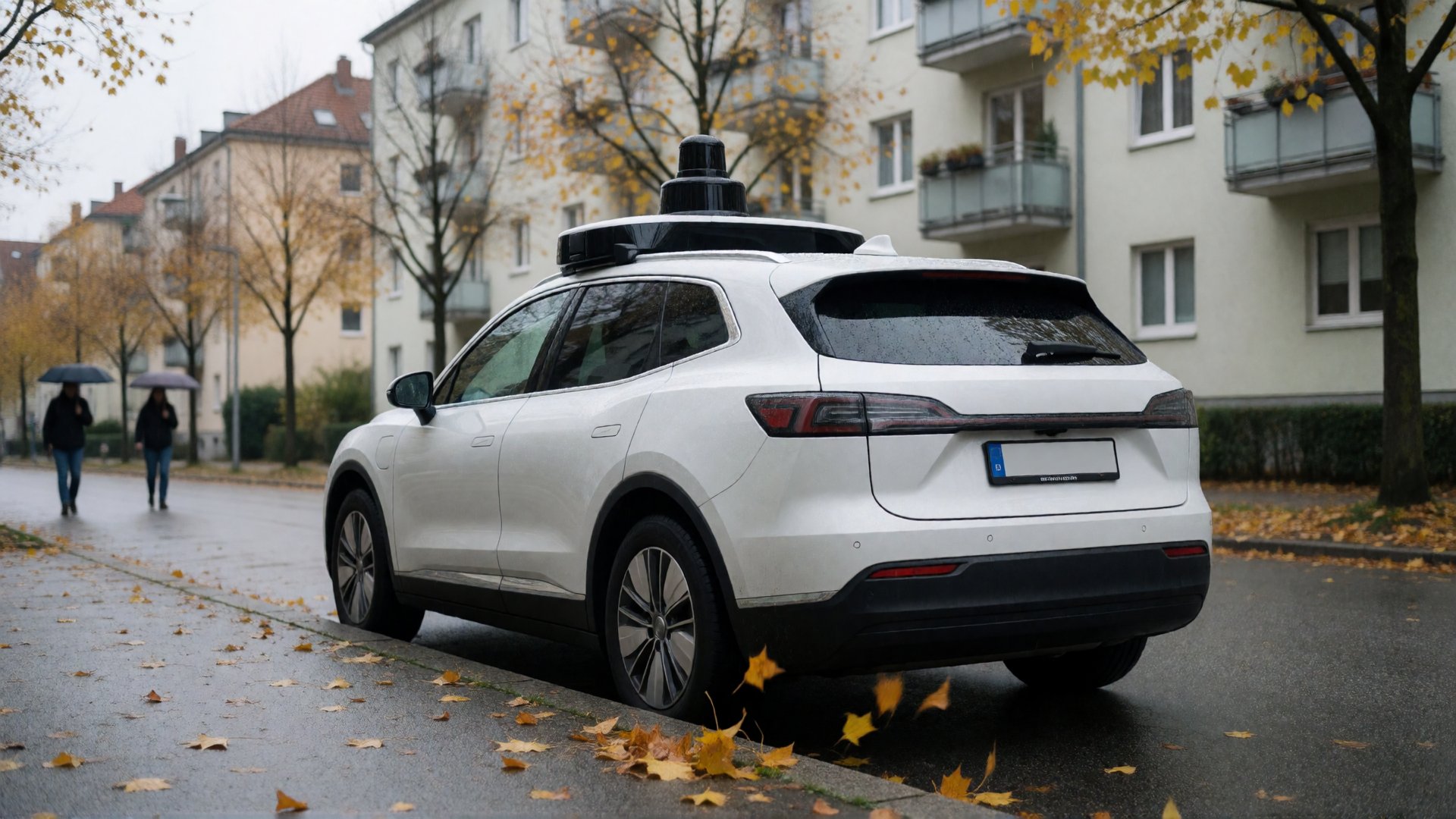
Lucid has now delivered more than 100 cars for the tests. Nuro supplies the software that drives the car. The car looks around with cameras, radar and lidar. Lidar uses laser light to measure how far away everything around it is. On the roof is a ring of lights that can show the passenger's initials, so they can recognise the right car.
Customers in the region should be able to book a ride through the Uber app in the first quarter of 2027. At first the companies aimed for the end of 2026. According to Andrew Chapin, Nuro's chief operating officer, the delay is small: the last permits and the work on the service are taking a little more time. Houston is set to follow later in 2027. In the longer term, Uber wants to deploy at least 35,000 of these Lucid cars over six years, according to Nuro.
A paid service without a driver in California still needs two more permits. That is the next step.
What does this mean for the road to the singularity?
Robotaxis with nobody on board already drive in a few American and Chinese cities. What is new is that a ride-hailing platform is now getting its own fleet, built especially for its app, with a carmaker that can produce the cars in large numbers. In an ordinary taxi ride, passengers mainly pay for the driver's time. Without a driver, the price of the car and the electricity largely decide what a ride costs. If such cars come off the production line at scale, a short ride could become a serious alternative to owning a car.
In Europe, Uber is still one step behind. In Munich, the company recently started a trial with robotaxis that still carry an employee on board. What is now being tested without a driver in California shows where that could go. Then the question is no longer whether the car can drive itself, but how cities organise their streets, parking spaces and public transport when a taxi no longer needs a driver. People who cannot drive or are not allowed to, such as older people or people with a disability, could then get around more easily. Regulators will keep deciding where this is allowed and under which rules.
What is the technological singularity? Read the explanation →