Nederlands
Volvo teaches humanoid robots factory work in Ghent
Volvo Cars is training two humanoid robots from Hexagon at its factory in Ghent. They learn the work by copying staff. If the training and tests succeed, they will join real production from mid-2027.
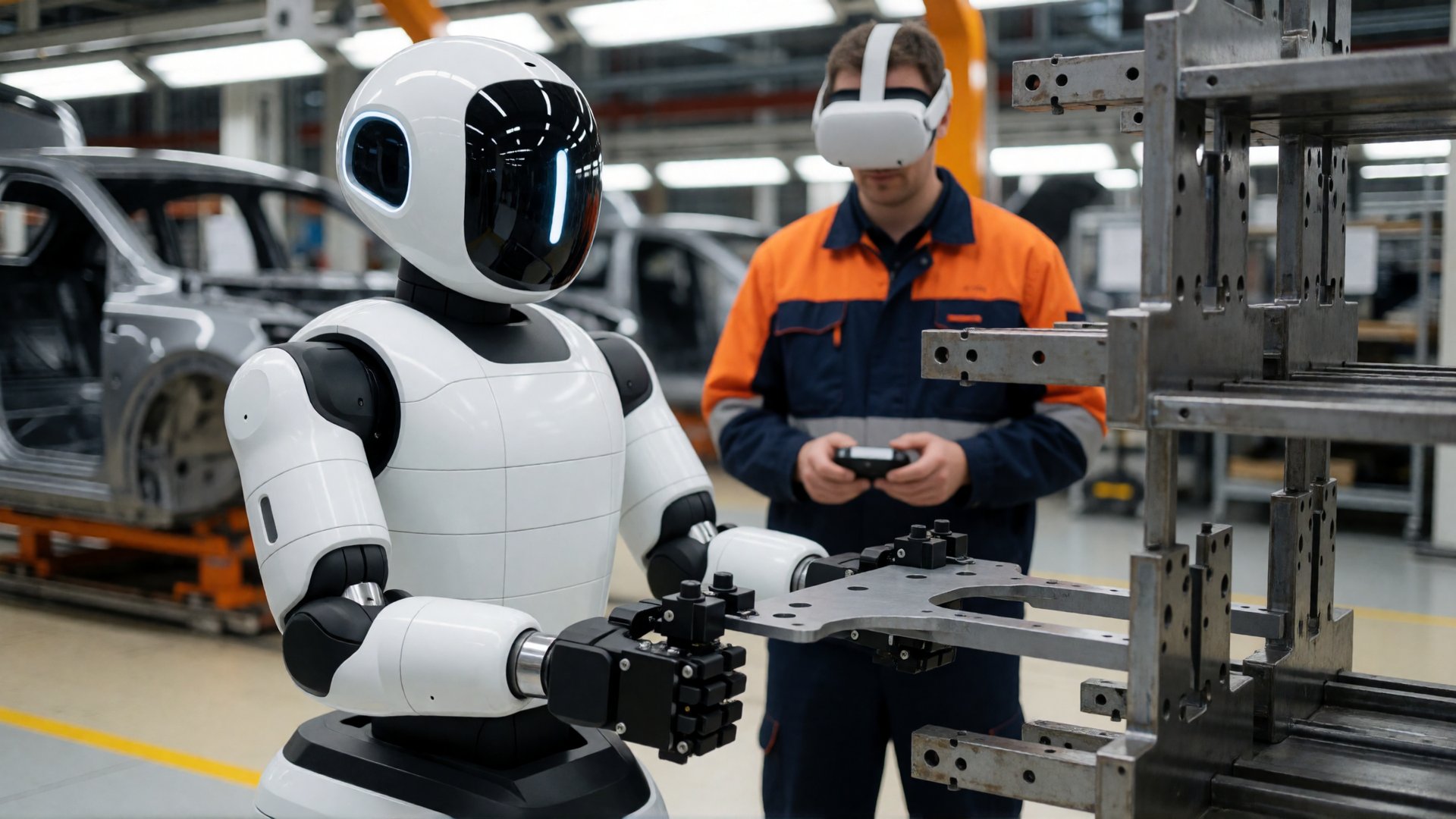
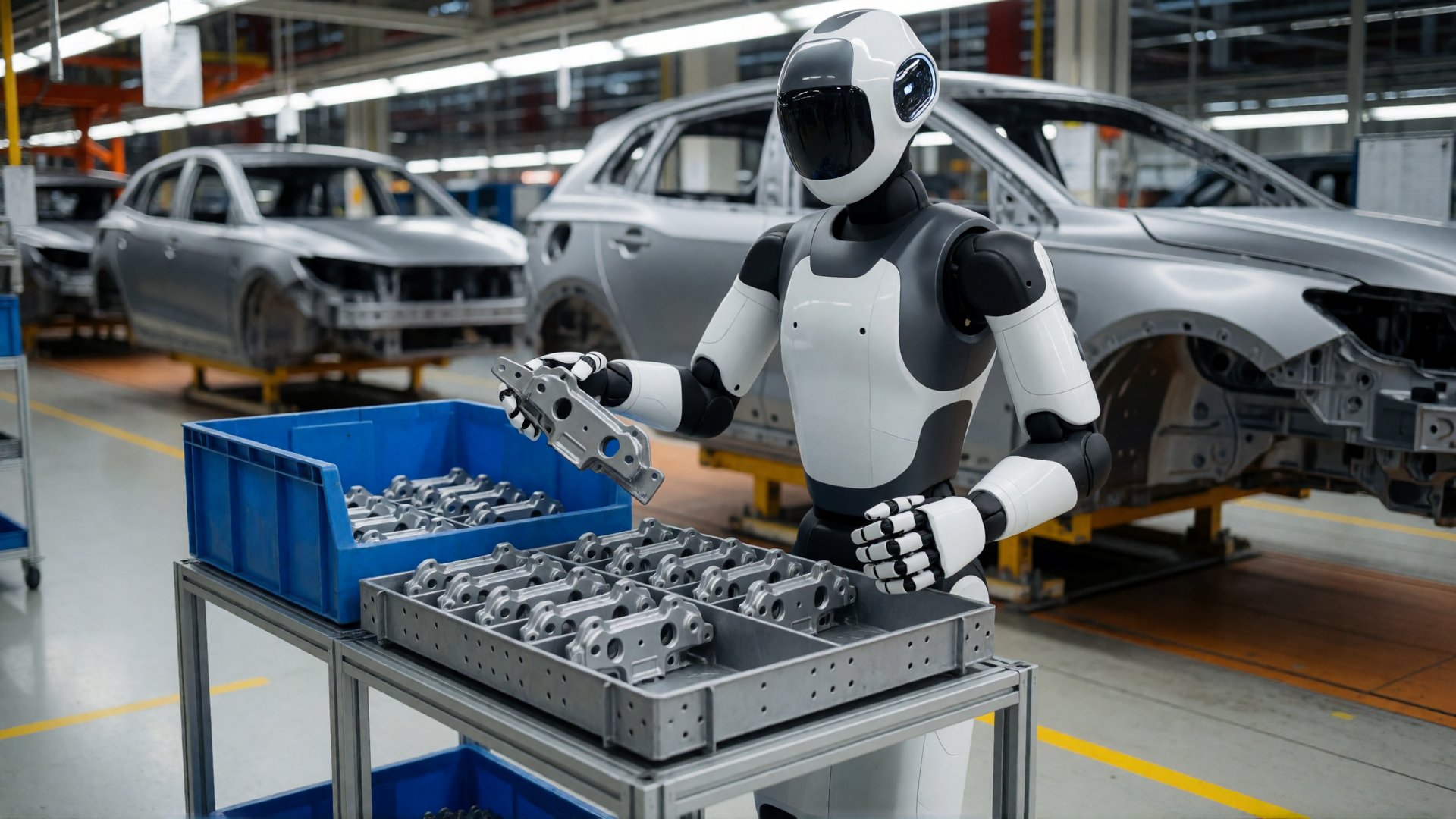
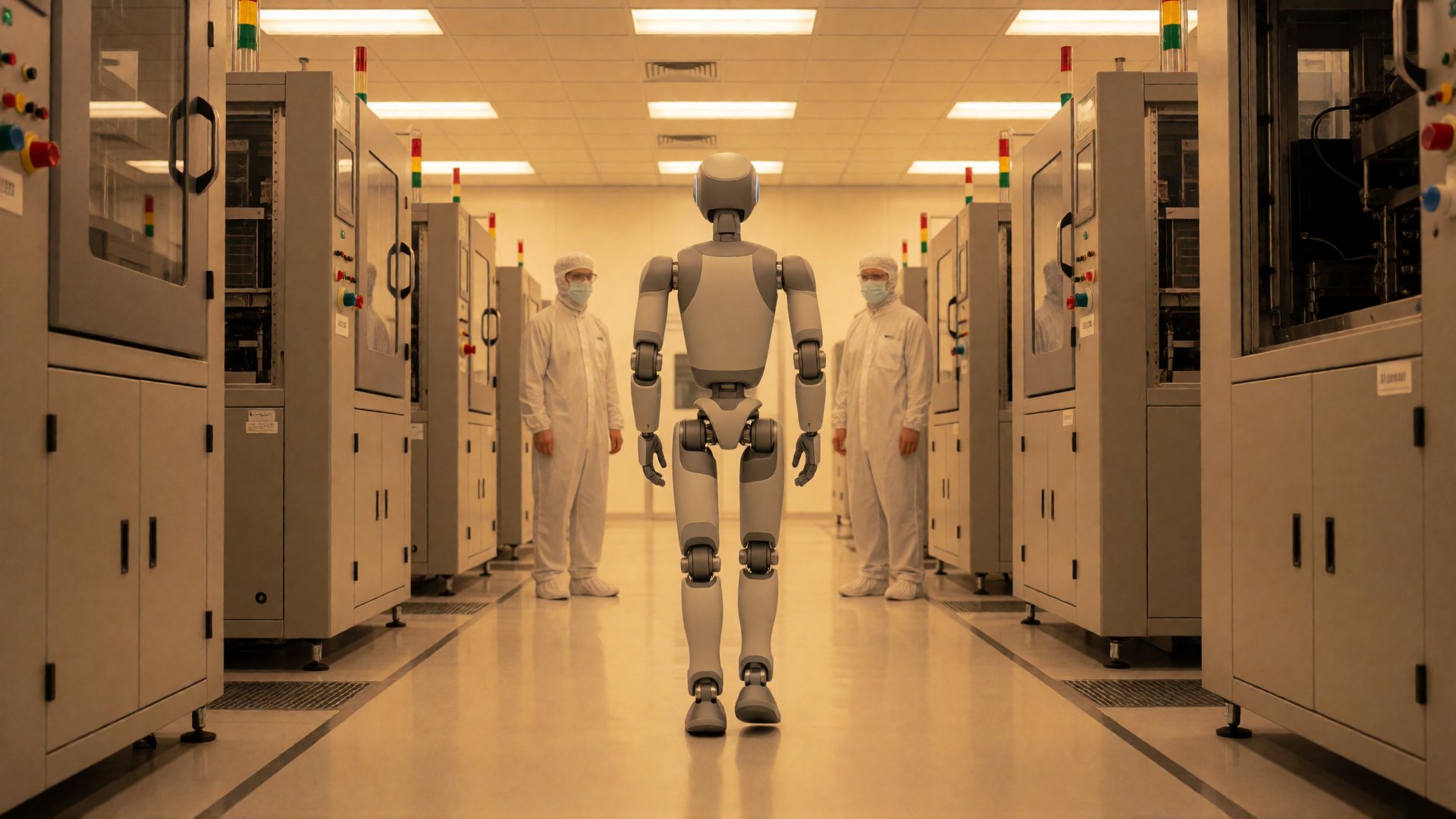
Volvo Cars' factory in Ghent, Belgium, is the carmaker's first site to test humanoid robots. A Volvo team is training two robots of the AEON type there, together with Hexagon Robotics, the robotics division of the Swedish technology company Hexagon. The robots learn their work alongside staff and the machines already in the factory.
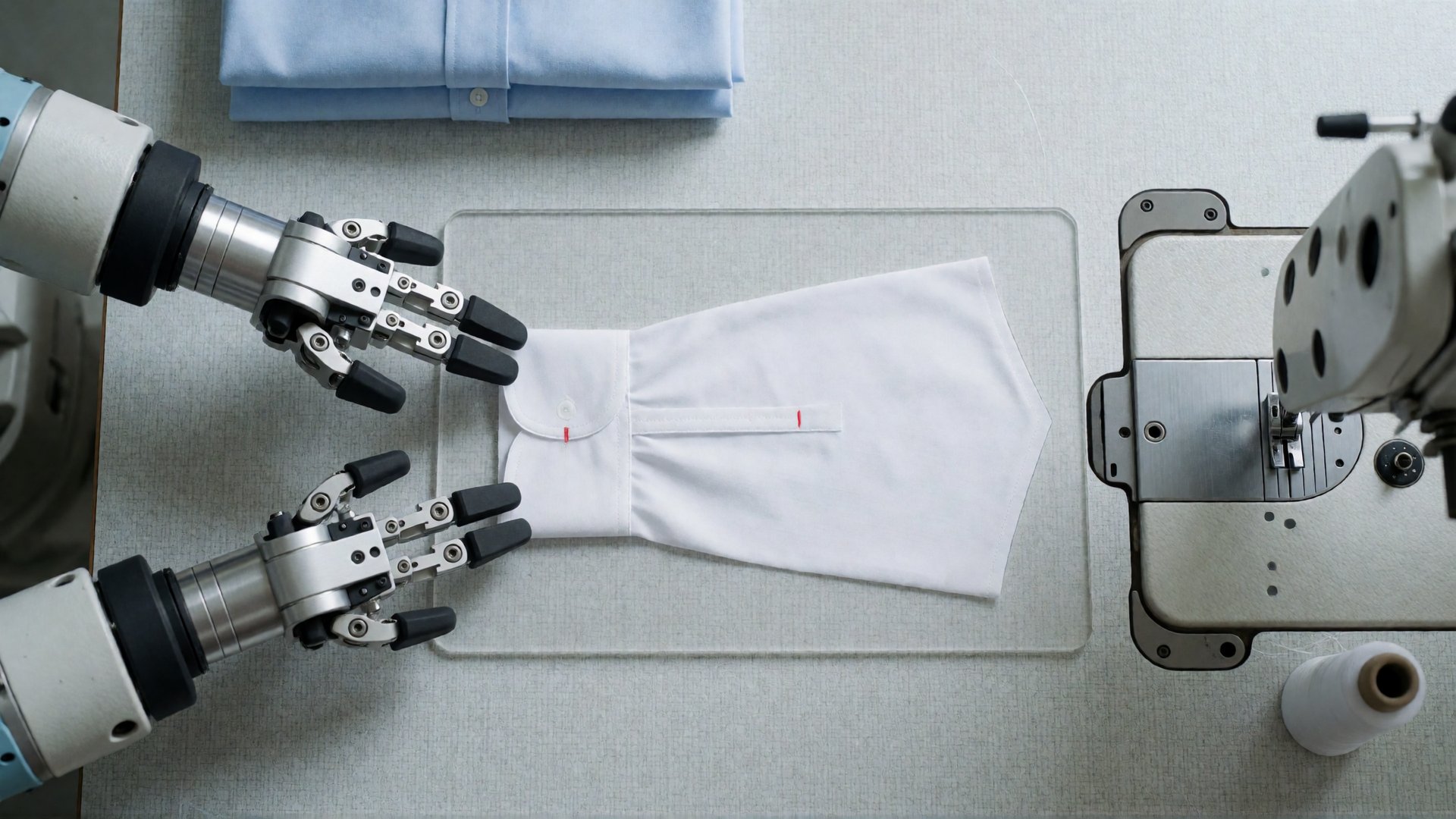
The first task is to place a part precisely in a fixed frame. The robots learn this by copying how staff do the job. Once that step works, the tasks get harder. The robots will then have to learn to handle different parts, move around the factory and work together with the automated systems.
From training to production
In the first half of 2027, more AEON robots will arrive in Ghent for a trial with more tasks. Volvo wants to use them in real production from mid-2027, if the training and tests succeed. If that goes well, the company wants to increase the number of humanoid robots step by step.
AEON is 1.65 metres tall and weighs 60 kilograms. Cameras and sensors let the robot see its surroundings and help it grip parts. Instead of feet it has wheels, on which it can move at up to 2.4 metres per second. According to Hexagon, it works for five hours on one charge and swaps its own battery in a minute.
Volvo has long used robot arms and fixed robots for repetitive work in one place. Humanoid robots are meant for heavy work that involves moving around. Thanks to their human shape, they fit into the existing factory, next to staff and machines. Replacing staff is not the aim, says spokesperson Barbara Blomme. The robots are meant to take over work that is physically demanding. According to Blomme, humanoid robots are already common in Chinese car factories.
What does this mean for the road to the singularity?
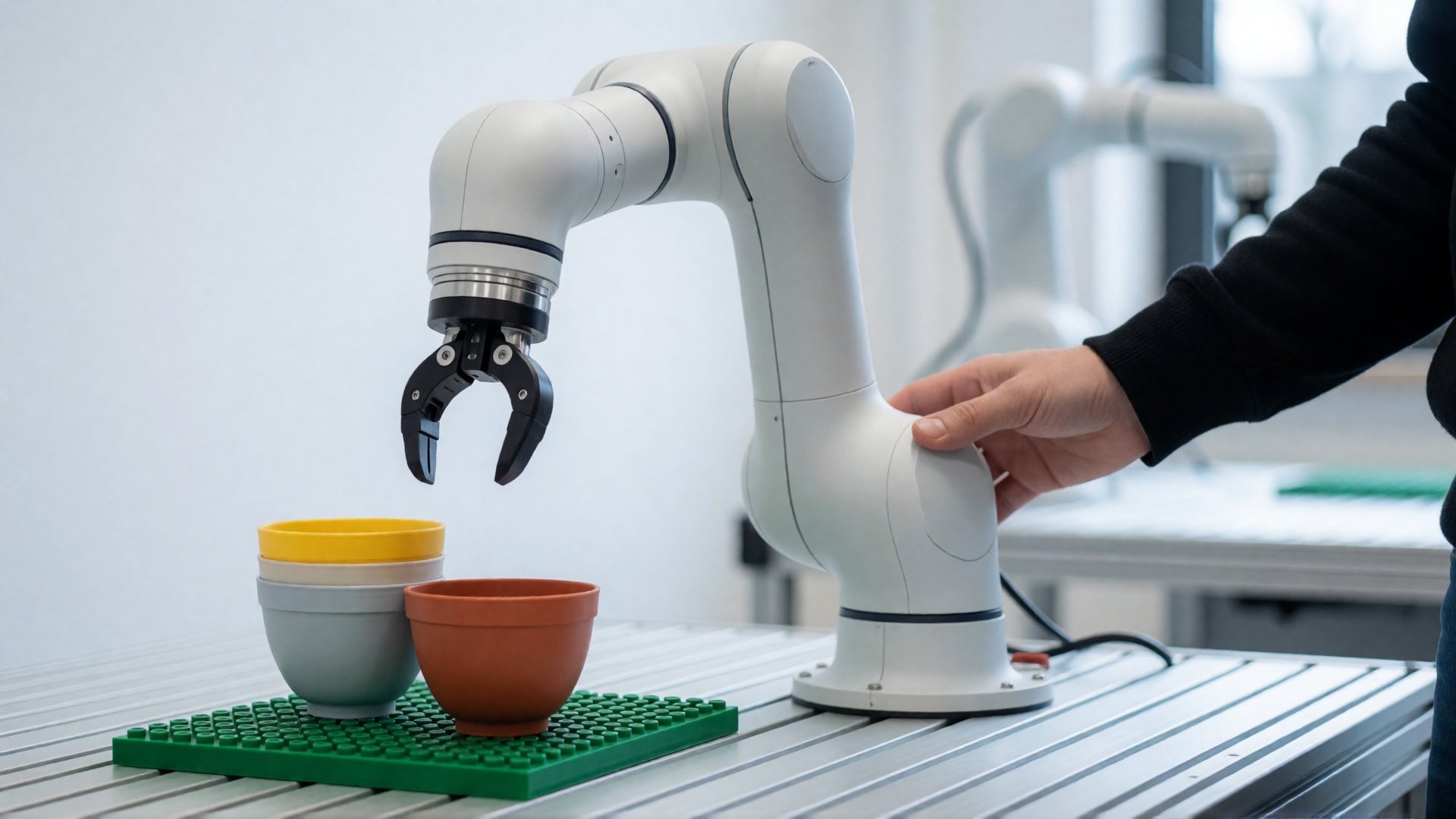
A fixed robot arm does one thing in one place, and for every new task a factory has to build and set up a machine again. A robot that learns work by copying a person works differently: the knowledge then sits with the staff on the factory floor. Anyone who has mastered a task can demonstrate it, and the robot takes it over. If that works reliably, a factory can adapt much faster to a new model or a new part.
For European factories, it is also a matter of keeping up. If Chinese car factories already use such robots as a matter of course, European manufacturers are under pressure to follow. A trial in Ghent shows whether a European factory can take that step with the people who already work there. If it succeeds, staff can hand over the heaviest work and use their experience to teach the robots what to do.
What is the technological singularity? Read the explanation →