Nederlands
Chipmaker GlobalFoundries to test the humanoid robot Atlas
Chipmaker GlobalFoundries will try out Boston Dynamics' humanoid robot Atlas in its factories from early 2027. It is the first customer outside the car industry to test Atlas.
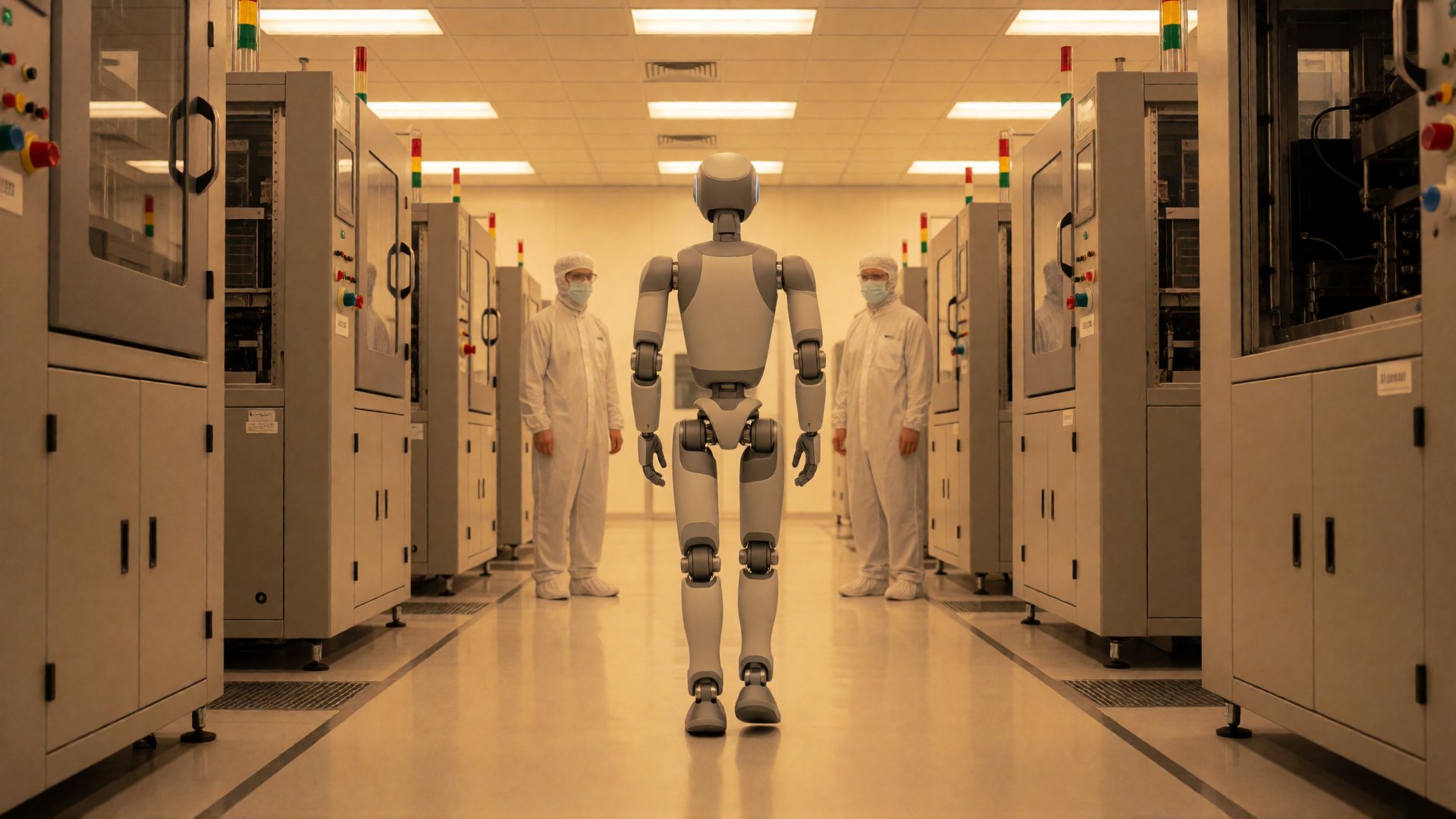
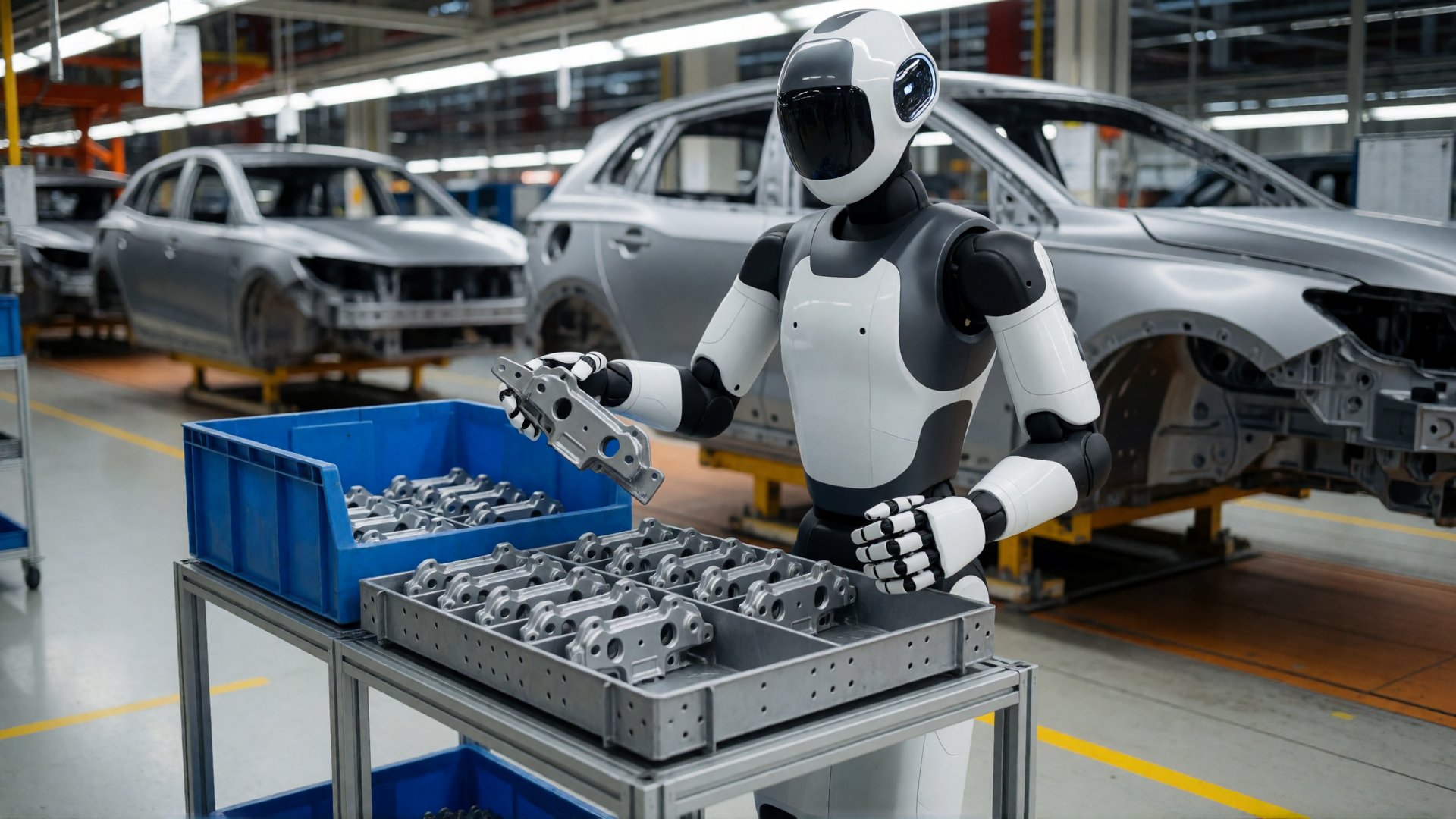
Boston Dynamics and the chipmaker GlobalFoundries announced that they are expanding their partnership. From early 2027, GlobalFoundries will test Atlas, Boston Dynamics' humanoid robot, in its own factories. Until now, Atlas has only worked for the car industry.
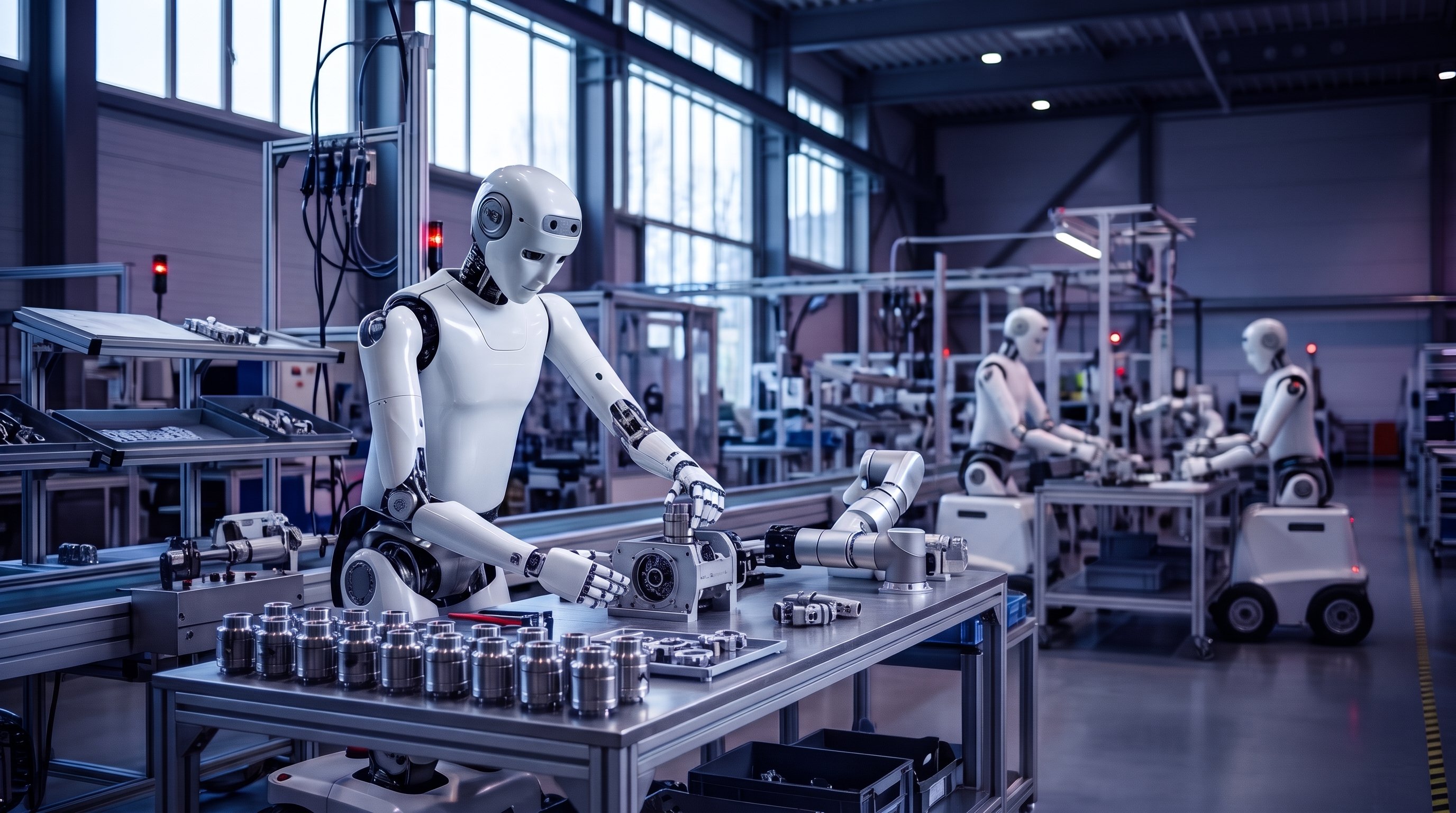
First, the two companies will work out which tasks in chip production suit the robot and what needs to change in a factory before it can join the work there. After that, they will teach Atlas those tasks. So this is a trial: the robot is not yet making chips.
Spot already does rounds through the factory
GlobalFoundries has worked with Spot, Boston Dynamics' four-legged robot, for some time. At the factory in Singapore, two Spot robots have been doing inspection rounds since April 2026 through the areas beneath the production floor, where pumps, motors and compressed-gas equipment stand. According to the companies, together they have covered almost 900 kilometres, carried out more than 90,000 inspections and completed 99 per cent of their rounds successfully.
Spot carries sensors past the equipment. For example, it uses a thermal camera to check whether a motor is getting too hot, and it reads dial gauges. This way, GlobalFoundries does not need to install a fixed sensor at every measuring point. The company is now also bringing Spot into its other factories: in Dresden in Germany and in the US states of New York and Vermont.
From car factory to chip factory
Boston Dynamics showed the commercial version of the electric Atlas in January 2026 at the CES technology fair in Las Vegas. The first robots that year went to the car group Hyundai and to Google DeepMind, Google's AI lab, which builds its AI models for robots into Atlas.
In September 2026, Boston Dynamics opened a centre at a Hyundai factory in the US state of Georgia where Atlas is trained. There, the robot first learns to lay out parts in the right order. Hyundai wants to use 25,000 Atlas robots in Hyundai and Kia factories over the coming years.
Meanwhile, Boston Dynamics continues to improve the robot. In early October 2026, Atlas got a new hand with four fingers instead of three. With it, the robot can not only grip objects but also turn them in its hand and use tools.
What does this mean for the road to the singularity?
A robot trained for car factories that now moves into a chip factory is more than a new customer. Every new factory brings new tasks to practise. If Boston Dynamics can use what Atlas learns in one factory in another, the robot gets better with every customer. A better robot in turn attracts new customers, and so the process speeds itself up. This means other makers of humanoid robots cannot stay with their first customer: whoever practises the fewest kinds of work falls behind.
There is also an appealing cycle here. Chip factories make the chips that AI runs on. Spot already checks the machines there. If Atlas later takes over tasks there too, robots with AI will help make the chips that in turn make AI more powerful. Which work stays with whom in those factories is something factories and their staff will have to work out together once such robots really join in. If that goes well, heavy and repetitive work can go to the robot, and people keep their hands free for the work that needs insight.
What is the technological singularity? Read the explanation →