Nederlands
A little silver makes a light lithium battery without a separate negative electrode much more stable
Researchers in Hong Kong add a substance containing silver to a battery without a separate negative electrode. A 2 amp-hour test cell reached 467 watt-hours per kilogram, and a smaller cell kept 90 per cent of its capacity after 200 charges.

The more energy fits into a kilogram of battery, the further an electric car, drone or robot gets on one charge. A promising way to make batteries lighter is to leave out the negative electrode. Researchers at the Hong Kong University of Science and Technology (HKUST) have now found a way to make such a battery work much more stably: with a little silver in the battery's liquid. Their study appeared in the scientific journal Nature Communications.
A battery without a negative electrode
An ordinary lithium battery has two electrodes, a positive one and a negative one. When charging, lithium particles move from the positive to the negative electrode; when the battery is used, they go back again. The negative electrode is usually a layer of graphite or lithium metal. That layer adds weight, but does not supply any extra energy itself.
In a so-called anode-free battery (anode is the technical word for the negative electrode), researchers leave that layer out. There is only a thin sheet of copper that carries the current away. During the first charge, the lithium settles on that copper by itself and so forms the negative electrode. This saves weight and makes the battery simpler to build.
The problem: lithium does not stick well to copper. As a result, it settles unevenly, in lumps and thin needles. Those needles can damage the battery and even cause a short circuit. The thin protective layer that forms on the lithium by itself is also not strong in these batteries. With every charge, a little lithium is lost this way and the battery quickly wears out.
What the silver does
The team led by Professor Shao Minhua adds a substance containing silver to the liquid through which the lithium particles travel. Once the battery has been assembled, that substance does three things by itself:
- The silver settles on the copper. Because of this, lithium does stick well to it and lays itself down as a smooth, even layer, without needles.
- The other part of the substance helps to form a stronger protective layer.
- That same part makes some of the liquid set into a kind of gel. This keeps the electrodes and the liquid in good contact with each other.
According to Shao, the strength lies in the combination: it is not about loose silver or a separate additive, but about one substance that carries out several tasks step by step after the battery has been built. Earlier attempts with a silver layer on the copper needed extra pressure on the battery or so much silver that it became expensive. This approach happens inside the battery itself and is therefore simpler to produce.
The results
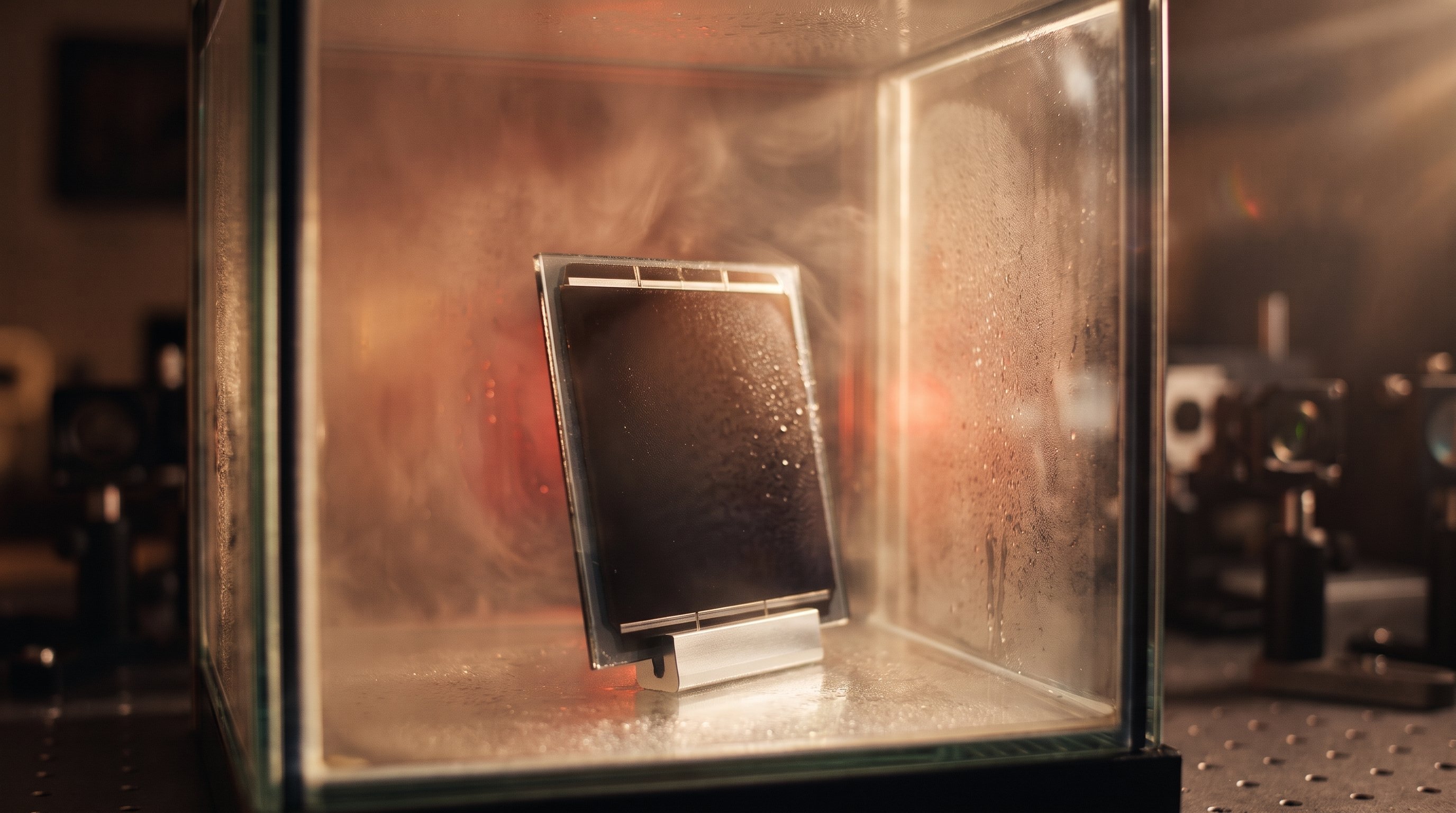
A small test cell, a coin cell, still had 90 per cent of its capacity left after being charged and discharged 200 times. A larger, flat cell of 2 amp-hours, the kind of cell that is also used in real battery packs, reached 467 watt-hours per kilogram, calculated over the weight of the whole cell. With one kilogram of such cells, you could run a 2,000-watt kettle for about 14 minutes.
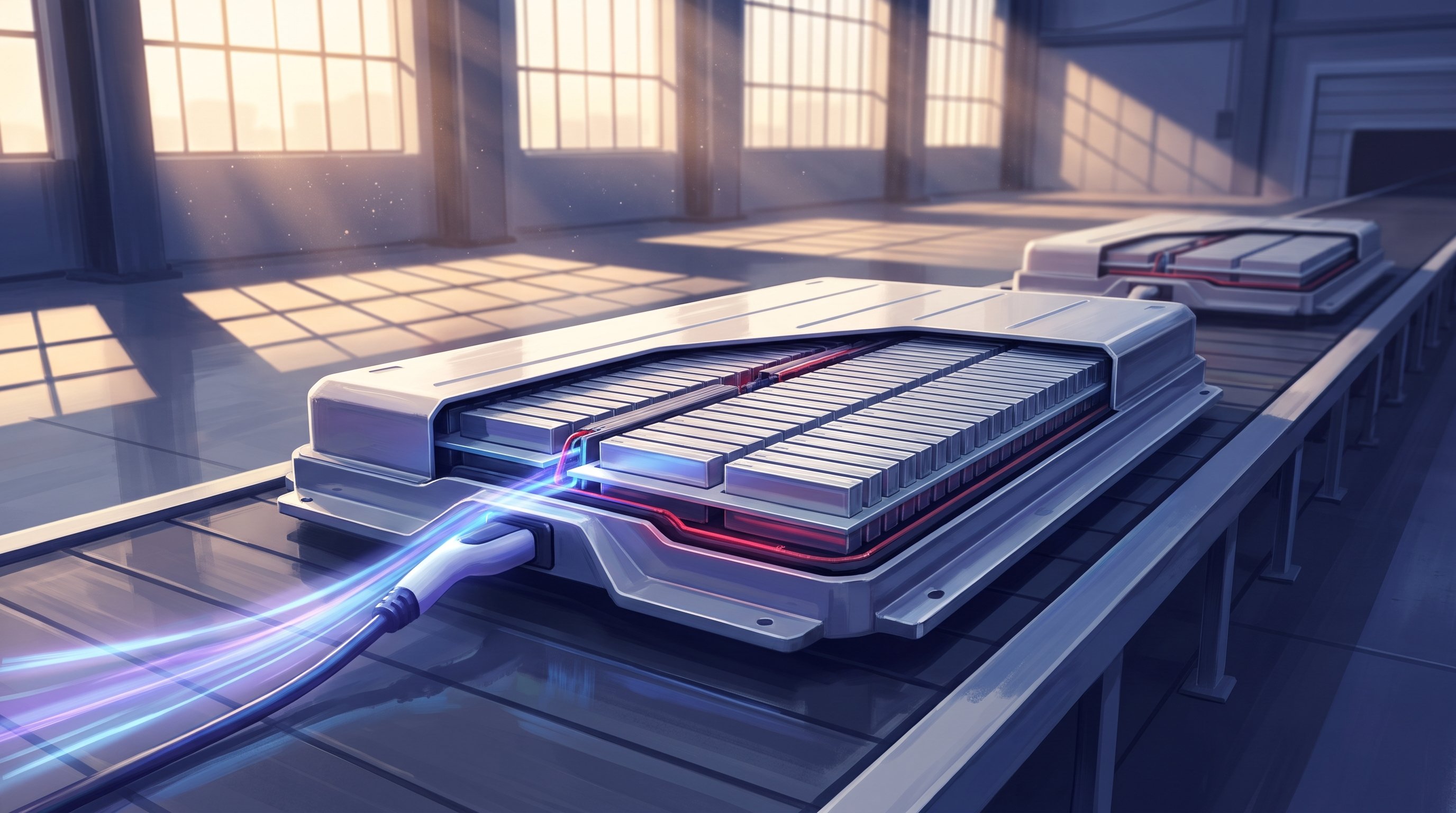
The Chinese battery maker Svolt is now mass-producing car batteries with a partly solid electrolyte that, according to the company, reach 300 watt-hours per kilogram. In the Hong Kong cell, part of the liquid has also become firm, but the researchers go a step further by leaving out the negative electrode as well. In the lab, this gets them more than one and a half times as much energy per kilogram.
So far the research has been done in the lab. The 200 charges were measured with slow charging, in about ten hours. The next step is to show that the battery also keeps working well with faster charging and over many more charges, and that it can be made in large numbers.
What does this mean for the road to the singularity?
More energy per kilogram is exactly what machines need that drive, fly or walk around on their own. A battery without a negative electrode removes the weight that contributes nothing, and a partly firm liquid makes it more robust. The fact that the Hong Kong researchers tackle both the needles and the weak protective layer with one clever additive makes the road to such batteries a lot shorter. If the step from the lab to the factory succeeds, lighter batteries for cars, drones and robots will come within reach.
What is the technological singularity? Read the explanation →