Nederlands
AlphaGenome 2 predicts what a DNA difference does in each type of cell
Google DeepMind has presented AlphaGenome 2. The AI model predicts, for each type of cell, how a small difference in DNA changes the way genes work. According to DeepMind, it finds almost twice as many of these differences as earlier tools.
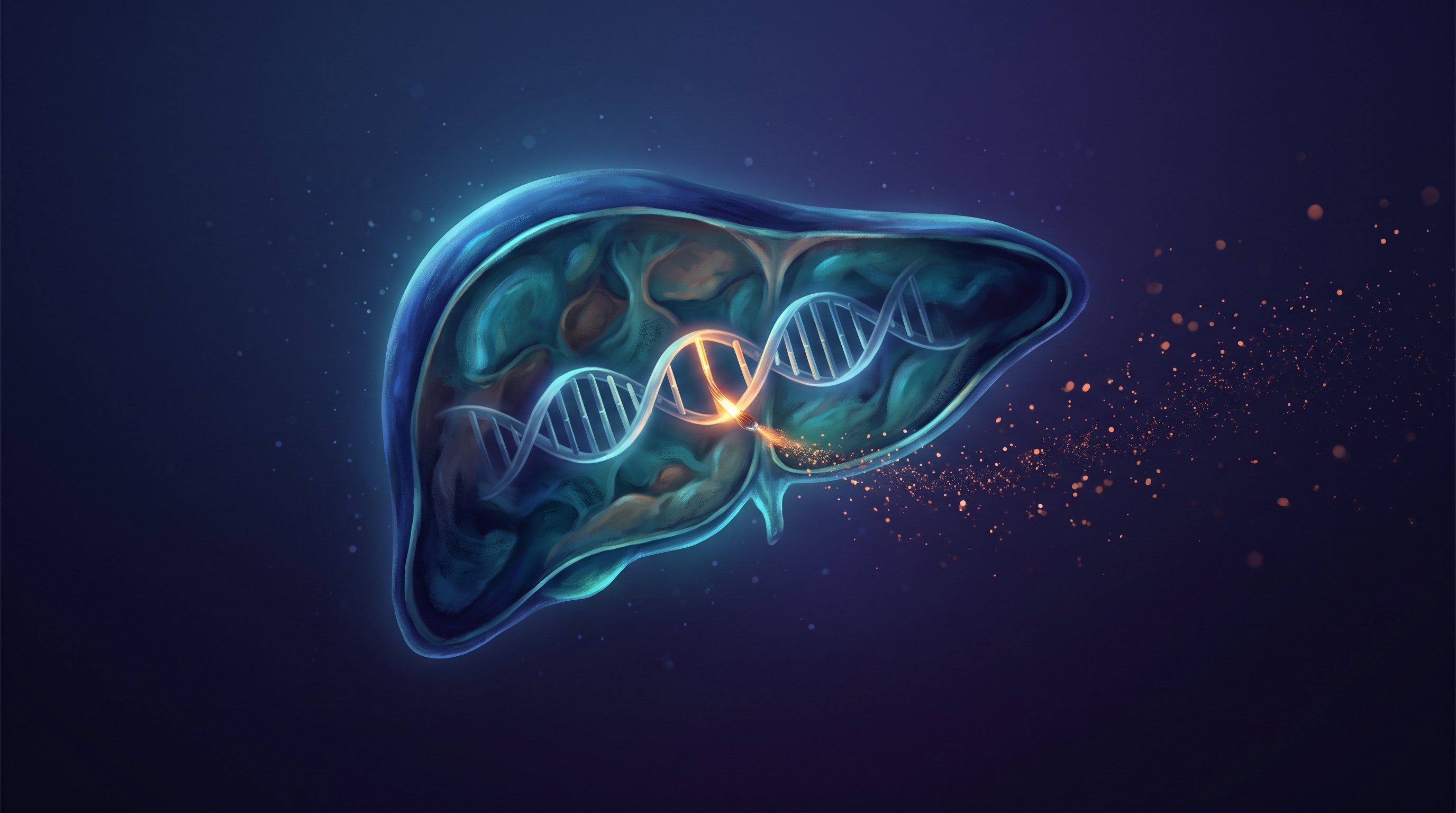
On 11 November 2026, Google DeepMind presented AlphaGenome 2, the successor to AlphaGenome. That first model reads a stretch of DNA one million letters long and predicts what a small change in that code does. It did this for whole tissues, such as blood or gut. The new model can also do it for each type of cell, and even for a cell in a particular state.
Why each type of cell?
Everyone has small differences in their DNA, called genetic variants. Most of them do nothing. A few make a piece of DNA more active or less active, and that can contribute to a disease.
Such a piece of DNA with the instructions for one part of the cell is called a gene. All cells in the body have the same genes, but an immune cell uses different genes from a brain cell. So a variant can do a lot in one type of cell and nothing in another. Looking only at the average of a whole tissue misses such an effect. An immune cell that has just been activated also uses its genes differently from the same cell at rest.
That is why AlphaGenome 2 always gets one extra instruction along with the piece of DNA: for which tissue, which type of cell or which state it should make its prediction. The model was trained on data from humans and mice, including measurements of more than 100 million individual cells from 68 tissues. Researchers can also feed in their own measurements of a few dozen cells. According to DeepMind, the model can then also make predictions for cells it has never seen before, without having to be retrained.
What it delivers
DeepMind tested the model on a large collection of measurements of 28 types of immune cells. According to DeepMind, AlphaGenome 2 found 30 per cent of the variants that really change how a gene works. The previous model, given extra training on measurements of individual cells, and other specialised programs reached 16 per cent. The new model was also almost twice as good at telling whether a variant turns a gene up or down: 43 versus 23 per cent.
The model also repeated a known discovery. In 2024, researchers found a variant that contributes to chronic inflammation of the gut. This variant turns one gene up, and only in a particular type of immune cell in the gut. AlphaGenome 2 picked out that variant by itself and predicted that the effect is mainly in those cells, while other cells hardly change. Using measurements from a study of the coronavirus vaccine, which the model had never seen, it could also tell apart immune cells activated by the vaccine from cells at rest.
These figures come from DeepMind itself. The next step is for other researchers to check them with their own data. AlphaGenome 2 does need more computing power than its predecessor, DeepMind researcher Žiga Avsec told The Verge. That is why the first model stays in use.
From now on, researchers can use AlphaGenome 2 through AlphaGenome's online interface for non-profit research. For companies, there is a private test version. The model is meant for research only, not for examining patients or making a diagnosis.
What does this mean for the road to the singularity?
An AI model that predicts what a DNA difference does in each type of cell helps researchers choose which variants to test in the lab. According to DeepMind, it can also predict what a measurement that has not yet been made would show, so researchers can better choose which experiment will tell them the most. In this way, part of the search moves from the lab to the computer. That could make the road from a DNA difference to understanding a disease, and later to a medicine, a lot shorter.
What is the technological singularity? Read the explanation →