Nederlands
Topic
#Machine learning
-
Start-up PSI uses AI to help publish five quantum proofs that a computer can check
Physical Superintelligence has used its own AI system to tackle five open questions in quantum information theory. Each proof is also written in Lean, a program that checks proofs step by step. Other researchers can now check them for themselves.
-
Fifteen computers built with human brain cells work together and do better than one
Australian company Cortical Labs linked fifteen computers that use lab-grown human brain cells. In early tests they did better together than a single machine and a common AI program. The results are preliminary and come from the company itself.
-
AI from Google and NASA finds many more methane leaks in satellite images
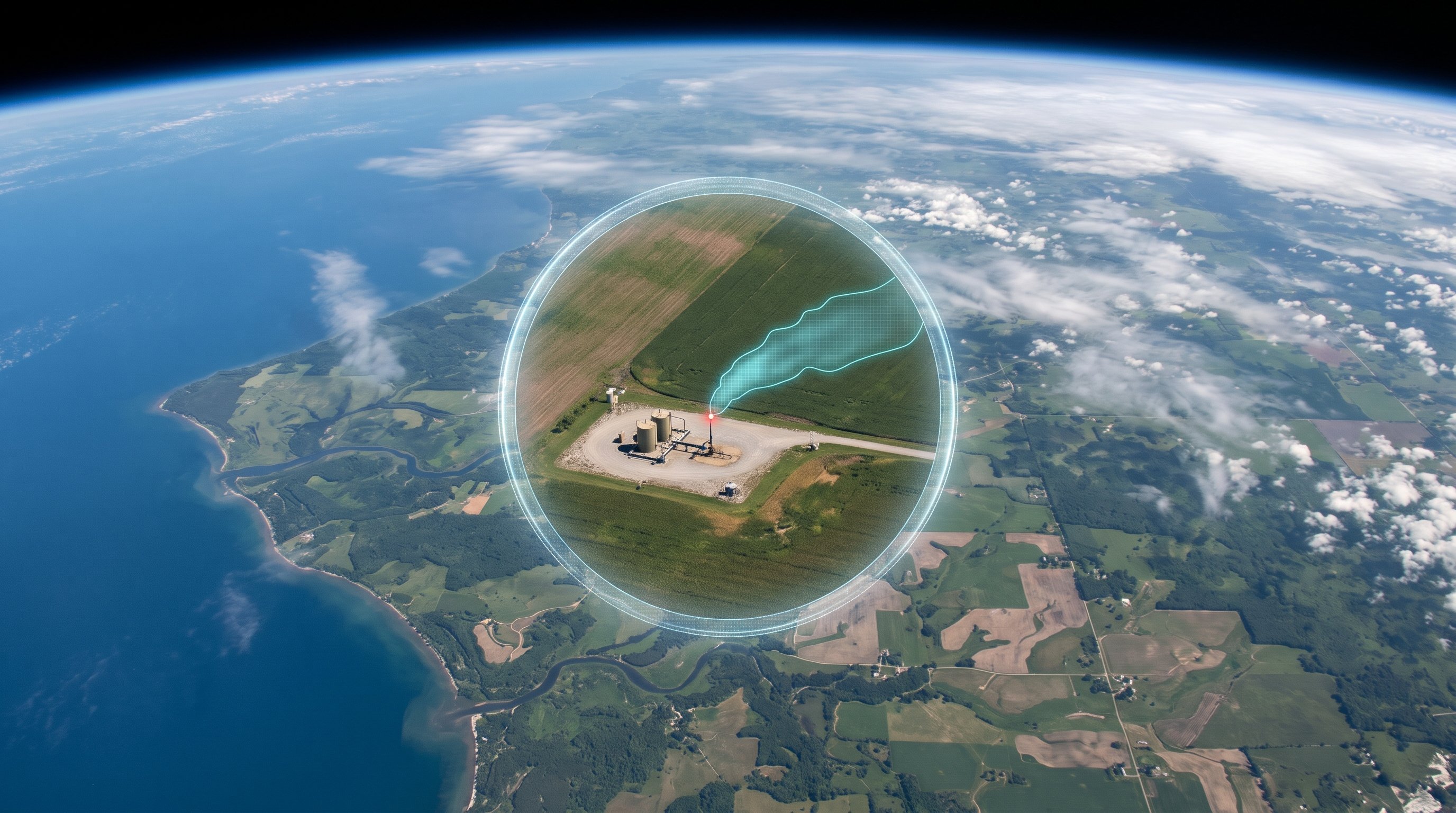
Google Research and NASA built an AI model that detects methane clouds in measurements from the International Space Station. In a test it found about 50% more likely methane plumes than human analysts. The model, code and map are freely available.
-
Four-legged robot solves a giant Rubik's Cube using only its legs
Researchers at ETH Zürich and Nvidia taught a four-legged inspection robot to solve a giant Rubik's Cube using only its legs. It tips the cube over and turns the layers, without human help. All three attempts succeeded, each in eight to nine minutes.
-
Magnetic brain treatment tuned to the patient's own rhythm cleared for PTSD
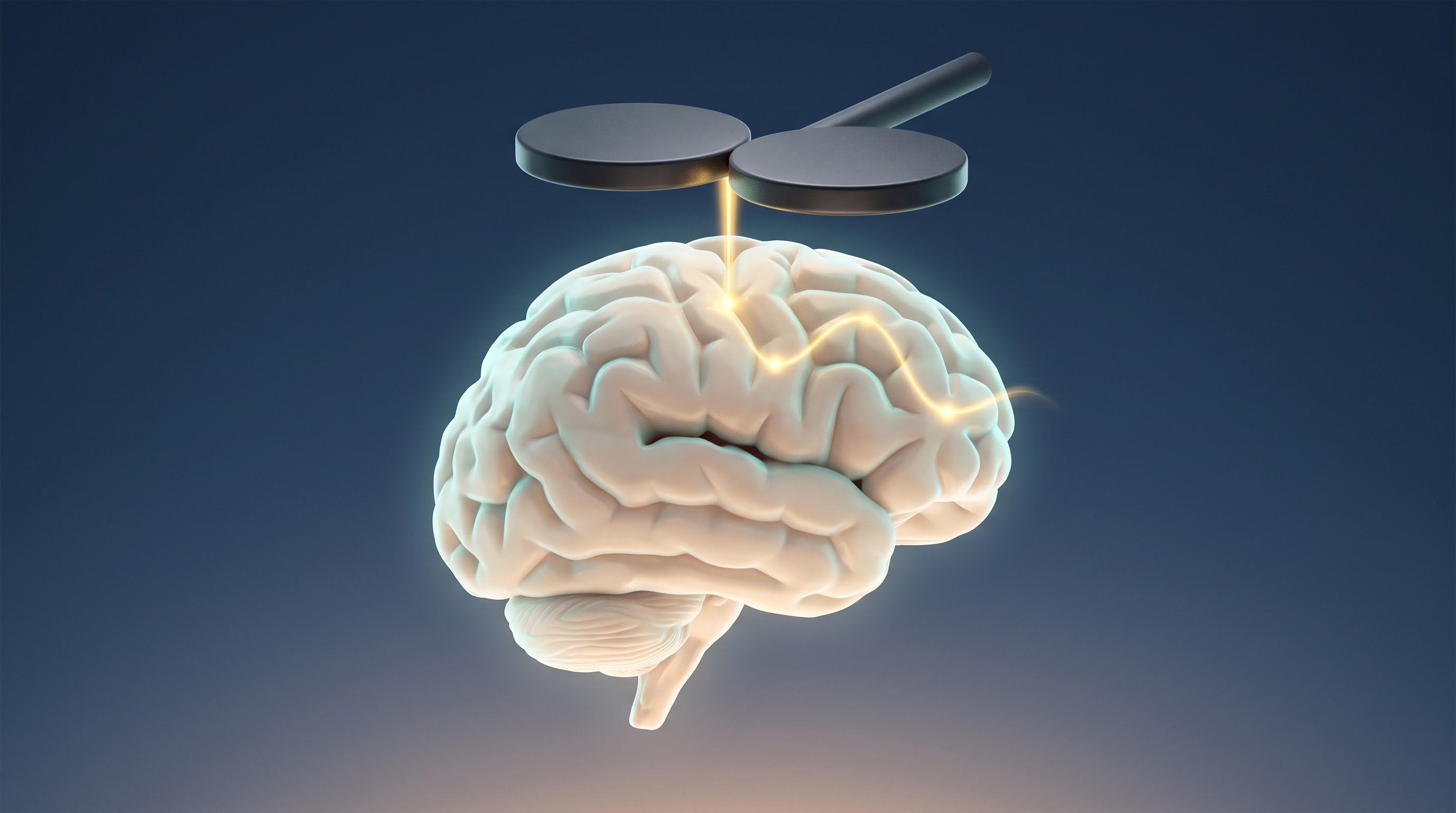
In the US, a PTSD treatment has been cleared that tunes magnetic pulses to the patient's own brain rhythm. In a trial with 158 adults it worked better than a sham treatment, without serious side effects. A scientific publication is still to follow.
-
Low-power brain implant recognises mental state from how brain regions work together
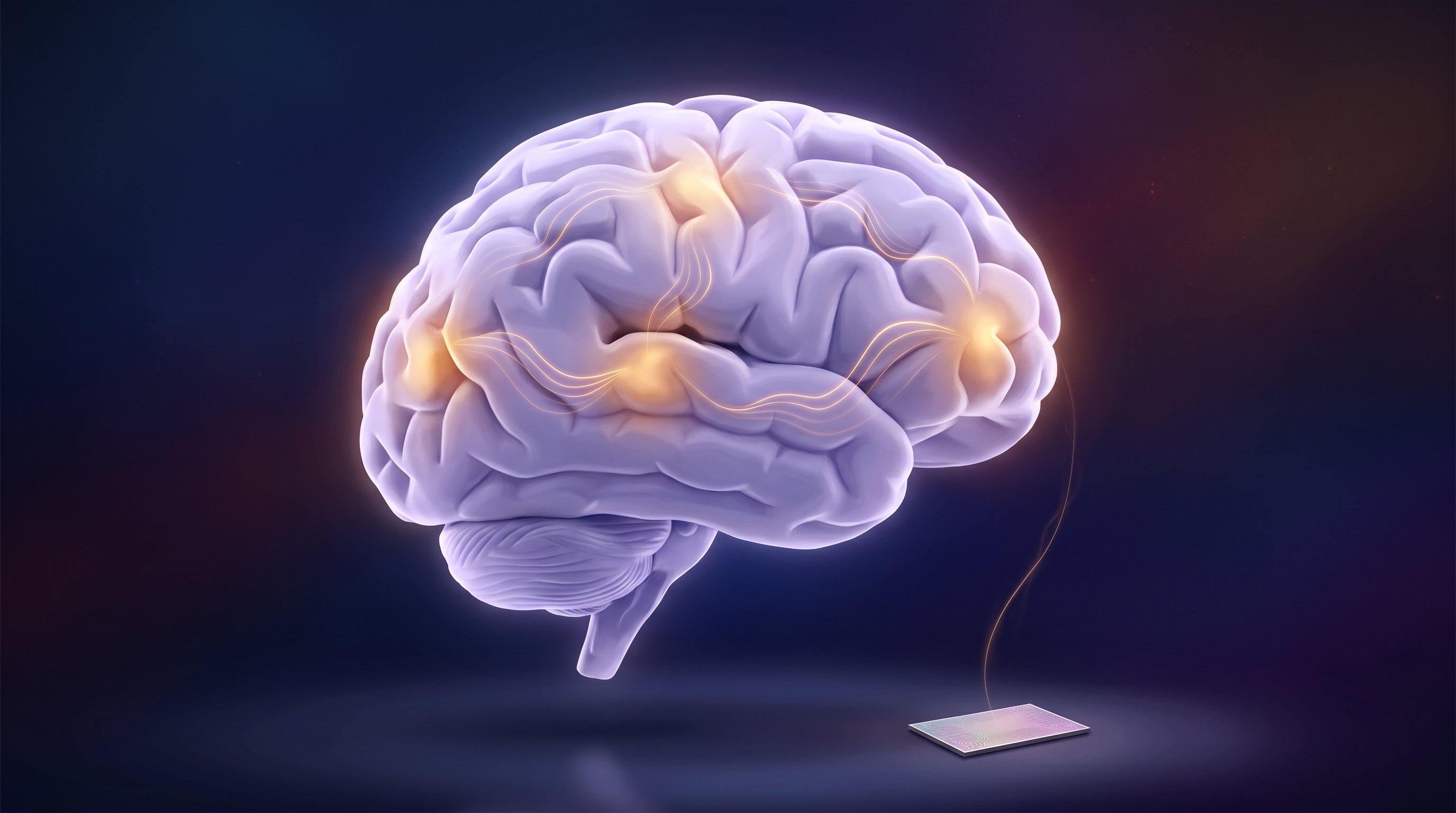
Researchers at EPFL have built a chip of 4 by 2 millimetres that measures how brain regions work together and so recognises concentration and emotional arousal. It uses very little power. The chip already works on recordings from people and in rats; patients are the next step.
-
Quantum computer catches its own errors so well that only 5 in a million remain
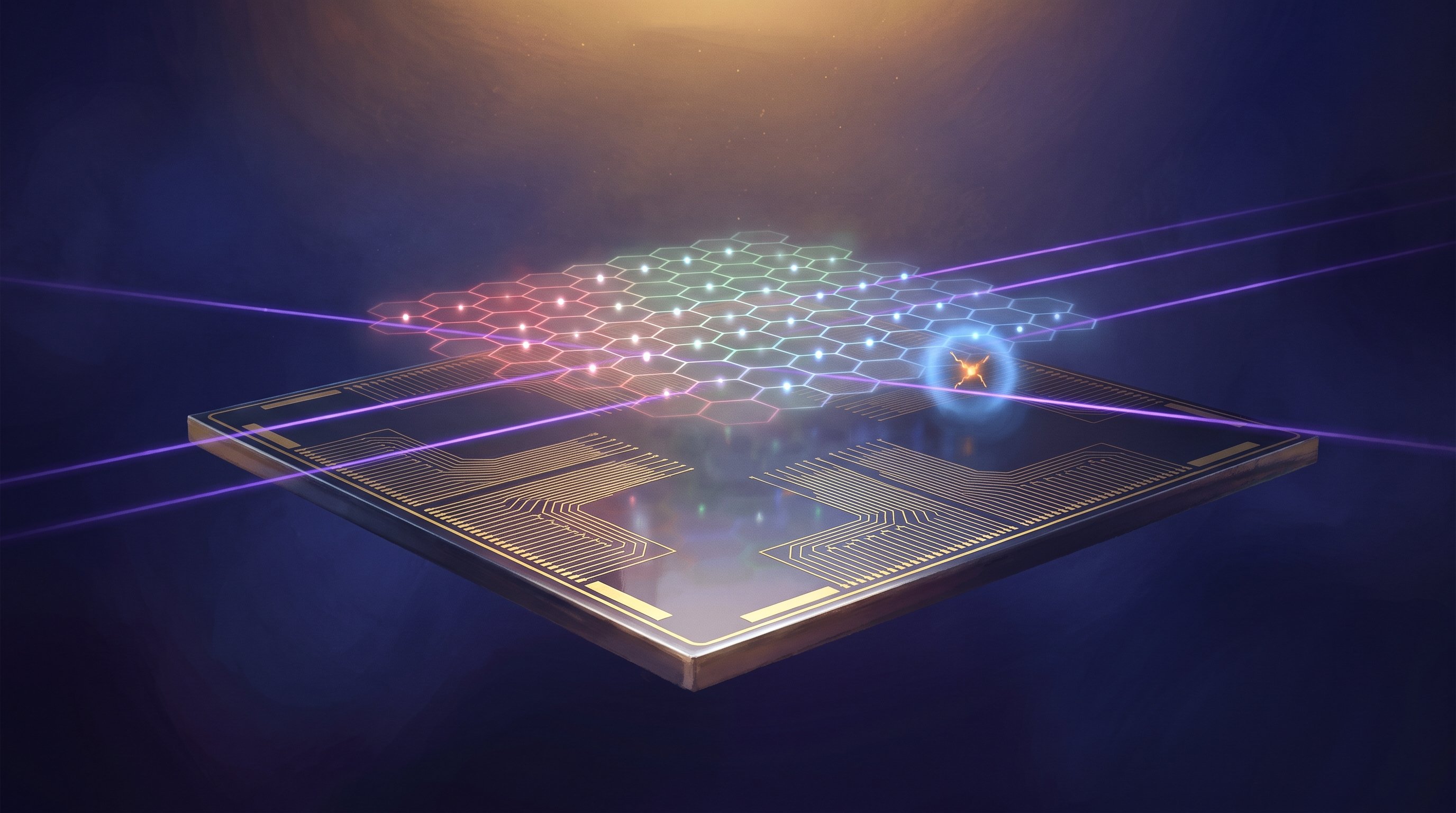
Quantinuum's Helios quantum computer set a new record in error correction: on average, something went wrong five times in a million checking rounds. That is ten times better than the previous record. The next step is to show this for more complex calculations too.
-
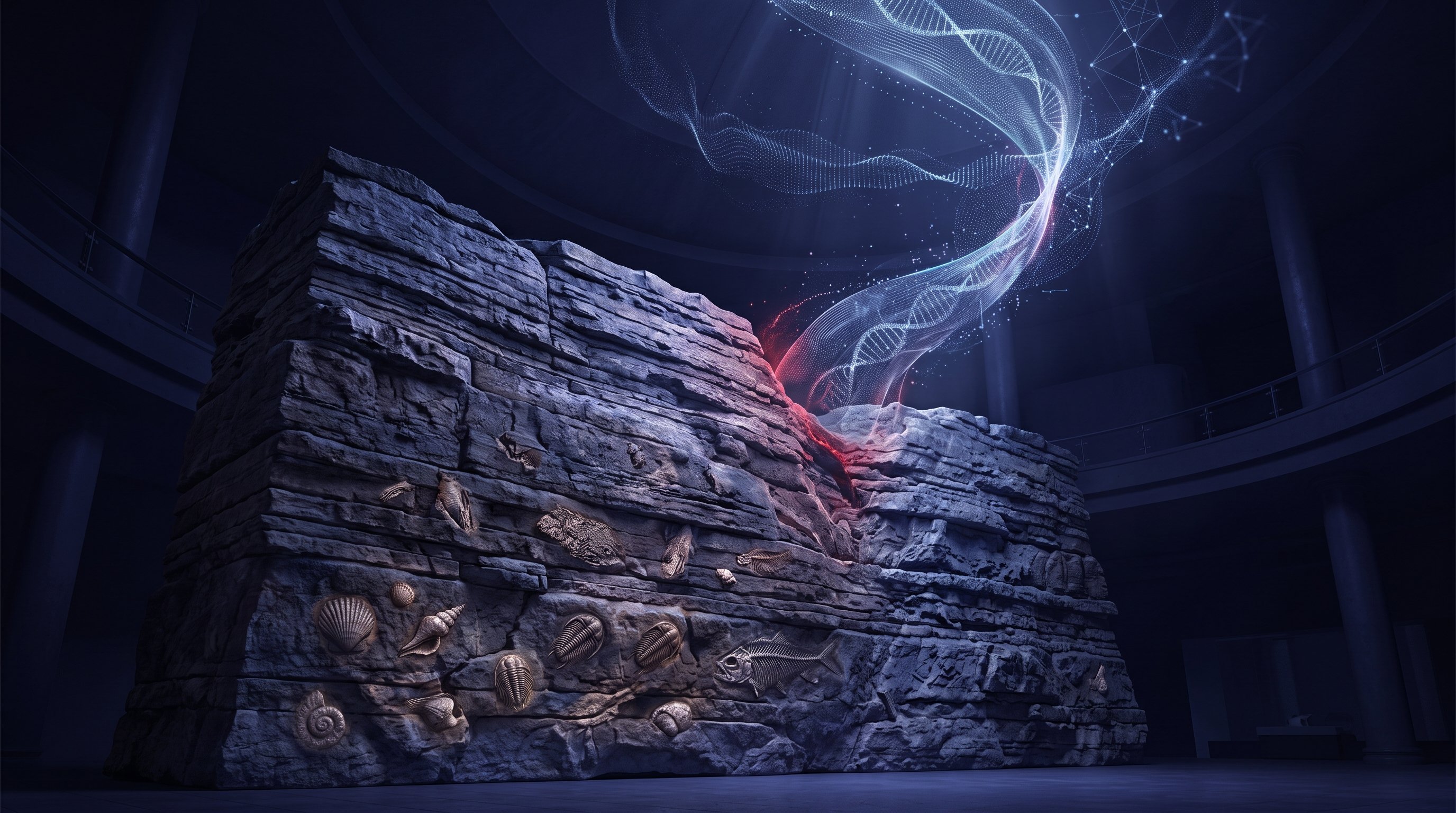
AI model trained on almost four million fossils sheds new light on the great mass extinctions
Chinese researchers trained an AI model on almost four million fossils. It maps the history of life in unprecedented detail and suggests that three of the five great mass extinctions happened more gradually than thought. Other palaeontologists are somewhat more cautious.
-
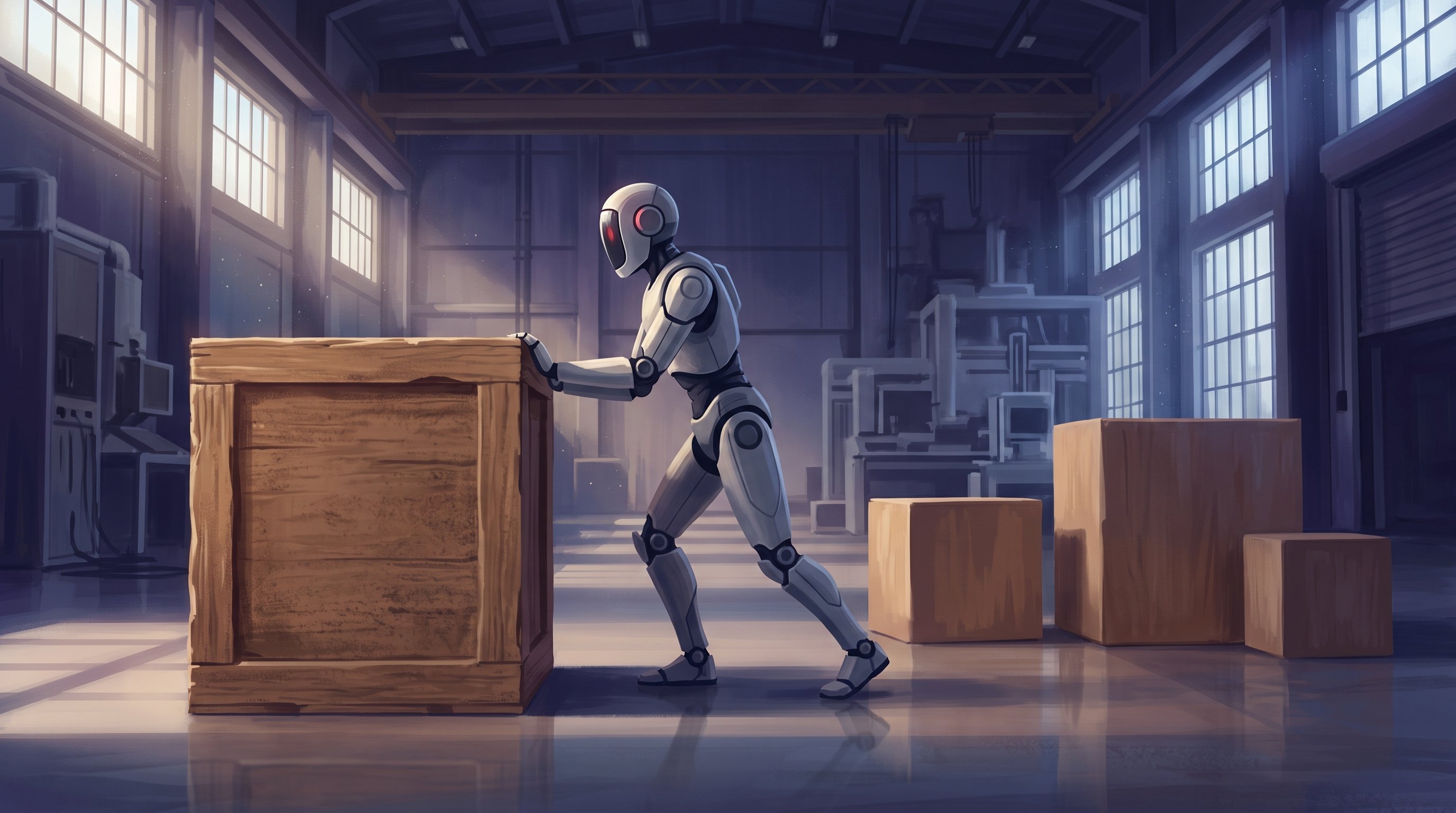
Humanoid robot from South Korea pushes 35 kilos and lifts 20 kilos while walking
Researchers at KAIST in South Korea had their humanoid robot push objects of up to 35 kilos and lift up to 20 kilos while walking. Legs and arms are controlled together by a single AI system. It is a demonstration in the lab; more tests will follow.
-
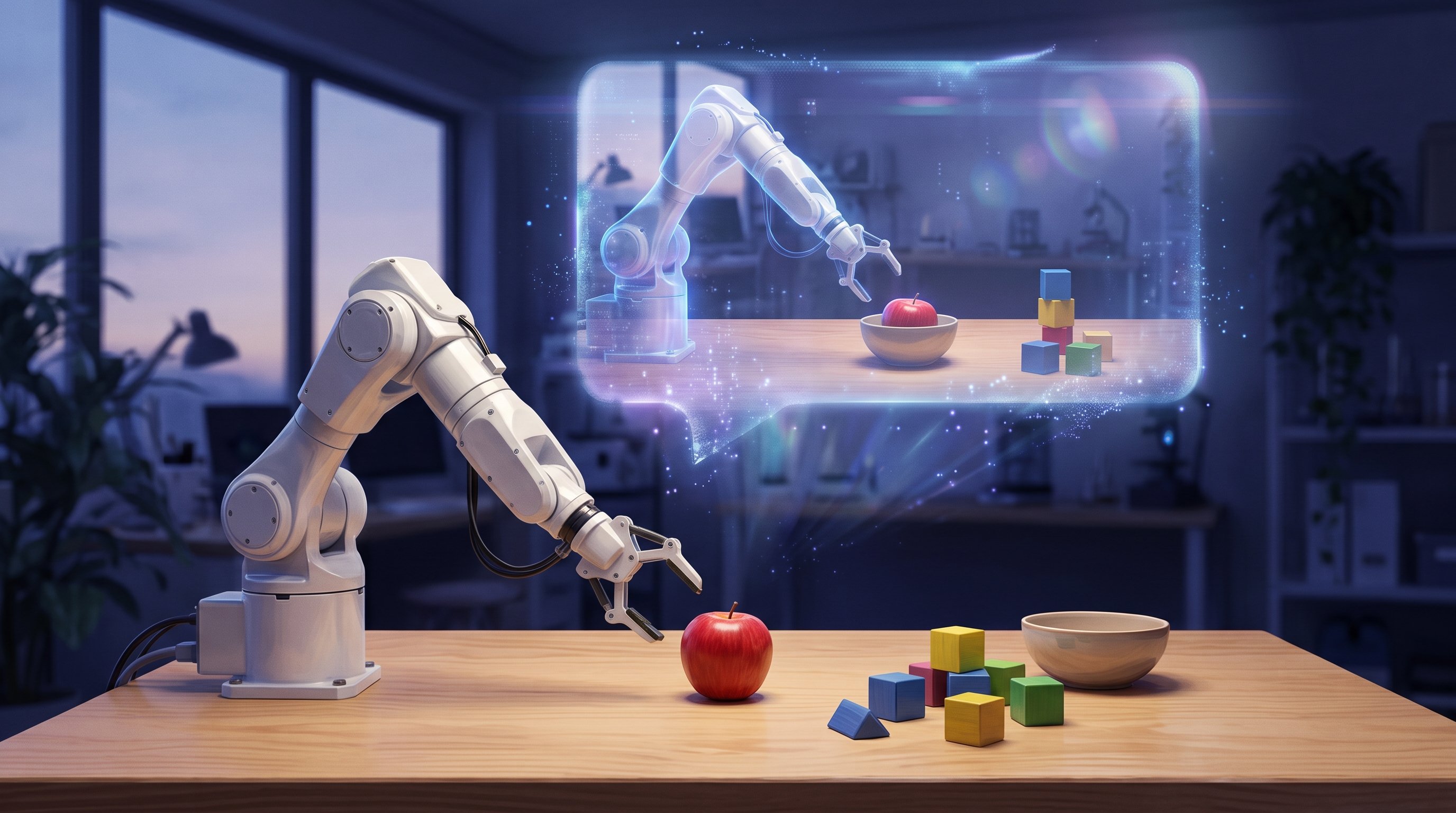
Robot AI from Seoul first imagines what the result will look like, and only then chooses its movement
Researchers at Seoul National University have built an AI model that lets a robot 'see' in advance how a task will turn out. With those images, the robot chooses its movements. In real tests it completed almost eight out of ten tasks, slightly more often than well-known competitors.
-
AI company Odyssey lets a recreated fly brain move through a world that AI makes up
Odyssey linked a computer model of a fruit fly's brain to its world model Odyssey-3, an AI that creates an environment on the spot. It is a first demonstration; a description of exactly how it works is still to follow.
-
Researcher says the inner workings of AI are much easier to understand than we thought
Nick Cammarata of the AI company Goodfire argues that the 'neurons' in AI models usually have one clear task. If that is right, it becomes much easier to look inside an AI model and check what it does. Other experts call the work interesting, but want to see more evidence first.
-
British biobank maps the immune systems of 80,000 people, as learning material for AI
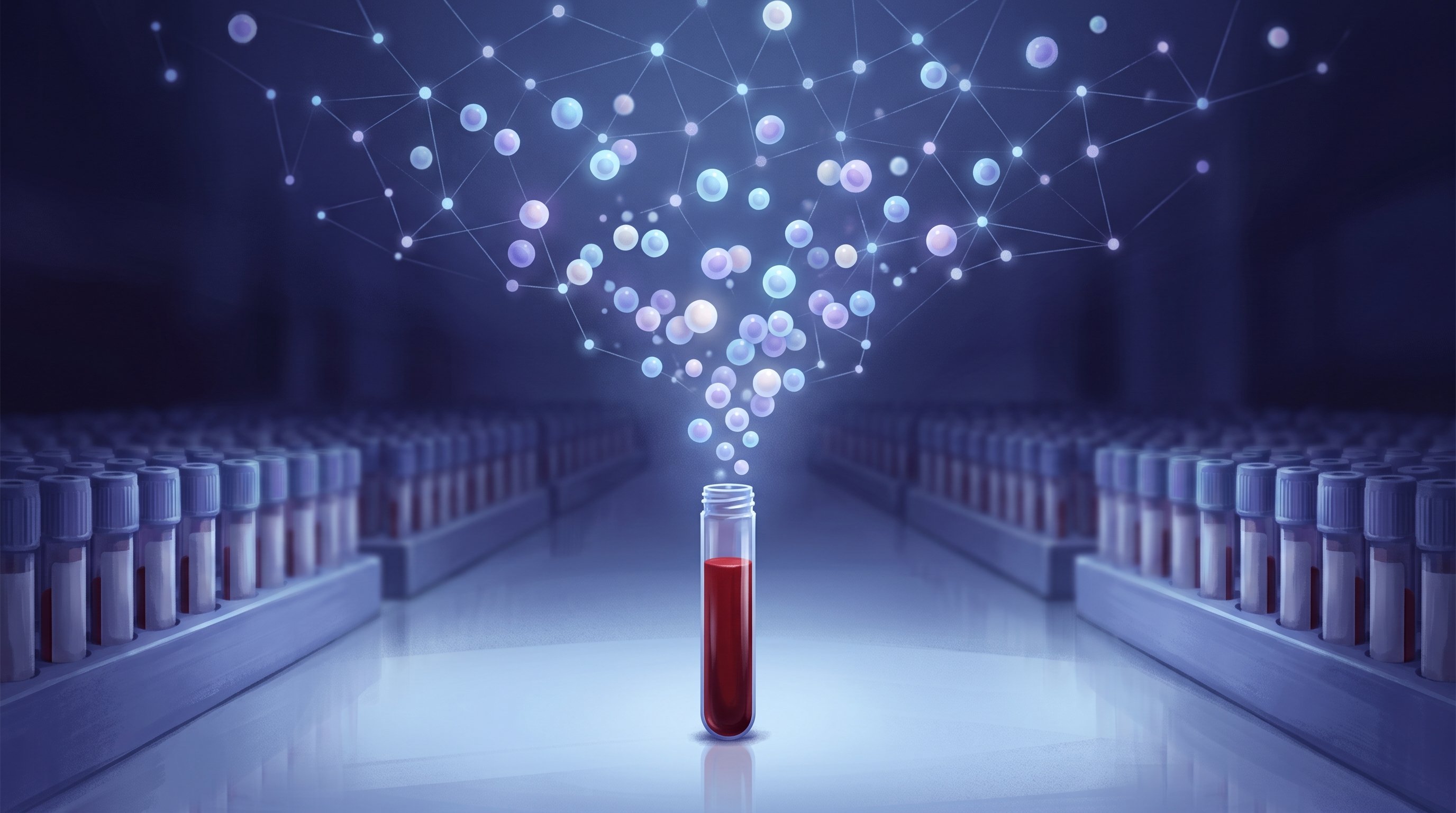
The London company IMU Biosciences will measure the immune cells in 80,000 blood samples from UK Biobank in great detail. Linked to genes and health data, this should teach AI models which changes in the immune system signal diseases such as cancer or dementia.
-
AI that knows a head is symmetrical tracks the moving head of an unborn baby during an MRI scan
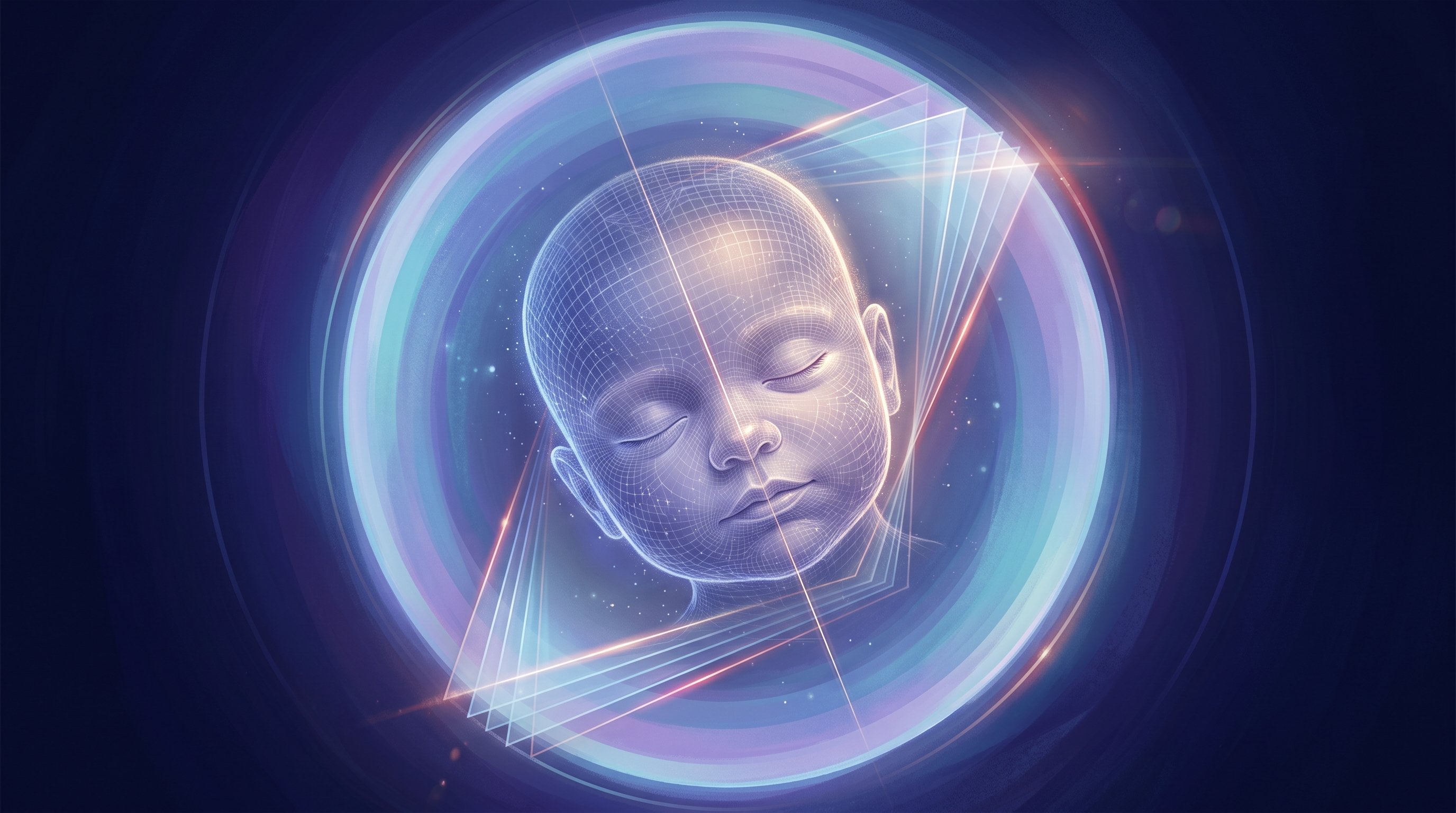
An unborn baby moves during an MRI scan, so images of the brain fail or come out skewed. Researchers at MIT and Boston Children's Hospital built an AI model that quickly tracks the position of the head. The secret: the model already knows that a head is the same on the left and the right.
-
Microsoft finds a more economical recipe for training large AI models
Microsoft AI has completed the first training phase of its new base model MAI-Base-2. According to the company, its new approach reaches the same level as a strong Chinese model with a quarter to a twelfth of the computing. The model is now being trained further.