Nederlands
Delft researchers control a qubit made of Majorana states for the first time
Researchers at QuTech in Delft have built and controlled a qubit that stores its information in Majorana states. This qubit is not yet protected against disturbances, but it is a first step towards quantum computers that make far fewer errors.
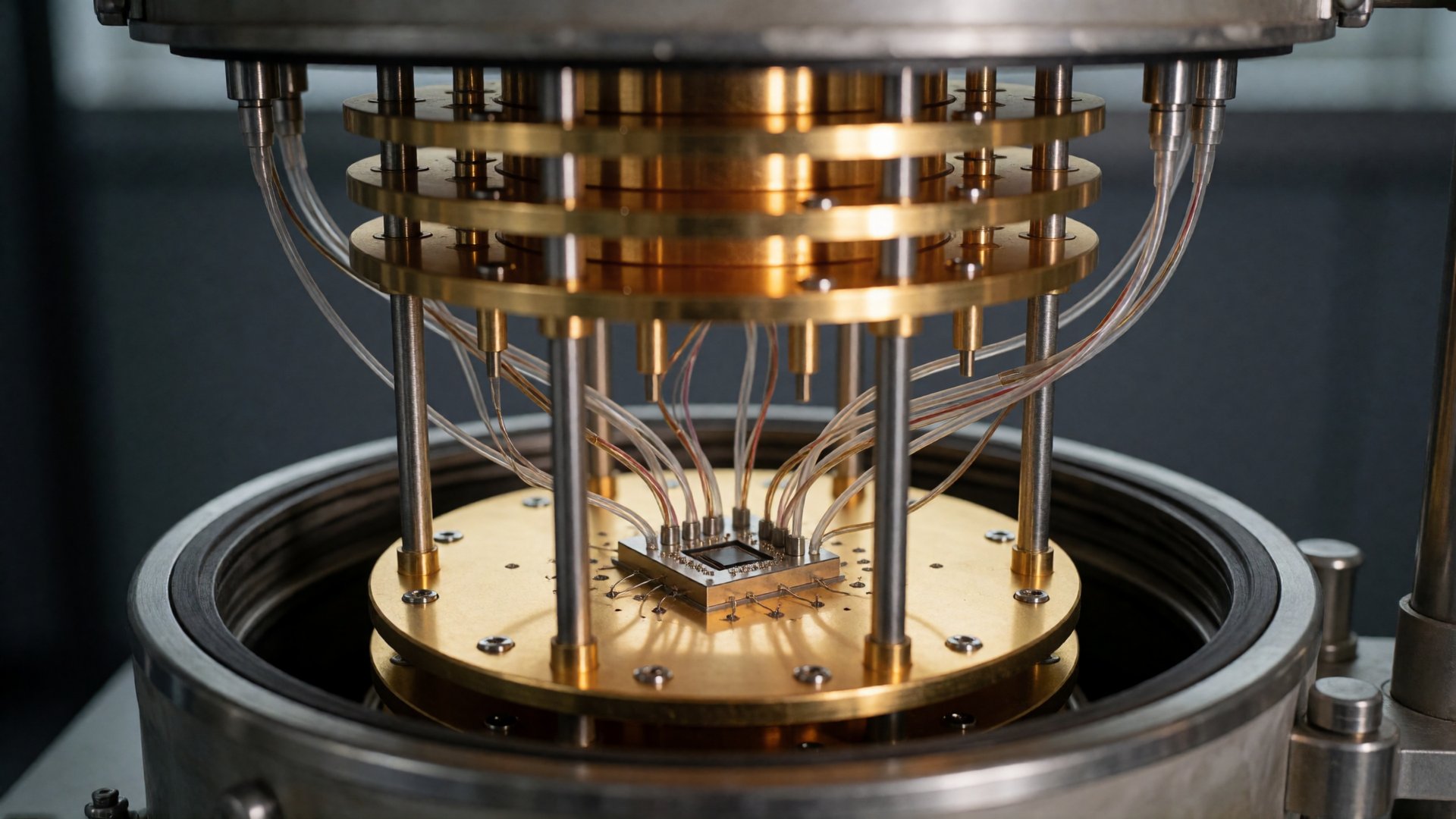
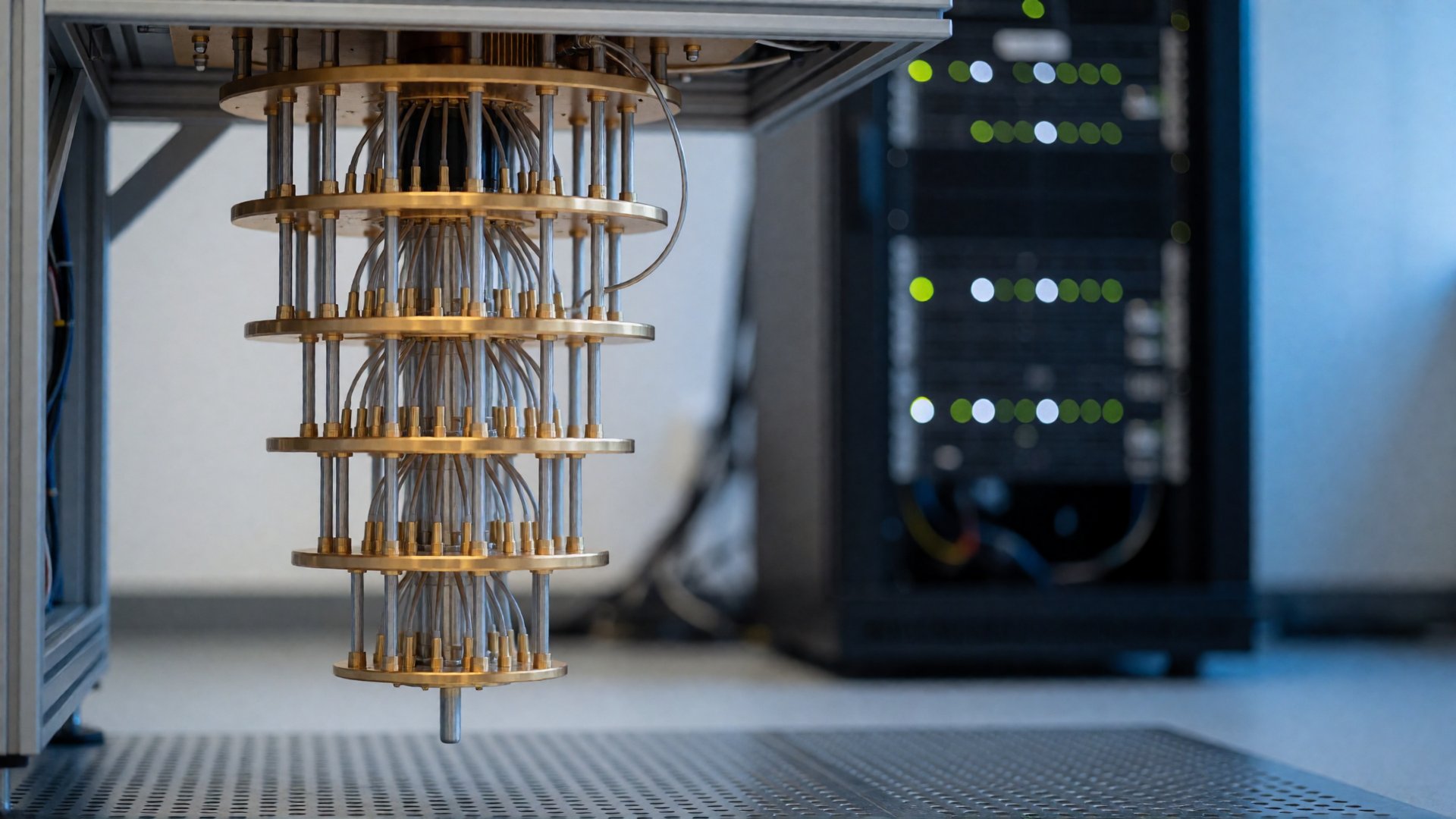
A qubit is the basic unit of calculation in a quantum computer. The big problem with qubits is that they are very sensitive to disturbance. A little heat or a vibration is enough to make the information disappear. That is why researchers have been looking for about 25 years for a qubit that is naturally better at resisting disturbance.
One candidate is a qubit that works with a Majorana state. This is a special state that can appear at the ends of a chain. The qubit then spreads its information over two ends that lie some distance apart. A disturbance in one place cannot simply wipe out that information. In theory, the further apart the ends are, the better this protection works.
A chain of two tiny islands
The researchers at QuTech, a research institute of Delft University of Technology and the Dutch applied research organisation TNO, built such a chain from tiny islands in which they can trap single electrons. These islands sit against a superconductor, a material that conducts electricity without resistance when it is extremely cold. A chain of two islands is the shortest possible version. In 2023, researchers from the group of Leo Kouwenhoven had already shown that such a short chain can create Majorana states.
Now they linked two of these chains together. Together, the two chains have four ends with a Majorana state. The qubit stores its information in something very simple: whether the whole system holds an even or an odd number of electrons.
The qubit does what it is told
The team made the qubit switch back and forth between these two states at a regular pace, the way a pendulum swings back and forth. This can be seen in the measurements, which the researchers describe in the scientific journal Nature. The paper appeared online . How fast the qubit switched depended on how strongly the two chains were linked. That matched the calculations made beforehand.
According to the researchers, this is the first time a qubit made of Majorana states has been controlled in such a targeted way. This qubit does not yet have the protection against disturbance, because the chains are too short. According to QuTech, the switching now fades out within a few tens of billionths of a second. The next step has already started: the team is experimenting with chains of three islands. With these, it wants to measure whether longer chains really protect the qubit better.
What does this mean for the road to the singularity?
Quantum computers that are truly useful have to carry out a very large number of operations in a row without errors. Today's qubits make too many errors for that. That is why a working qubit is now built from many separate qubits that check each other's errors. That takes an enormous number of extra qubits. A qubit that is already protected on its own could greatly reduce that extra work.
If longer chains really provide that protection, the Majorana route could catch up with the approaches that are ahead today. A useful quantum computer might then become smaller and cheaper than is now expected. Such a machine could, for example, simulate new materials and medicines in a way that is too demanding for ordinary computers. That this work is happening in Delft, with open measurement data that others can check, makes Europe a serious player in that race.
What is the technological singularity? Read the explanation →