Nederlands
First medicine made with CRISPR approved in Britain
The British regulator MHRA has approved Casgevy, a gene therapy for sickle cell disease and beta thalassaemia. It is the first medicine in the world made with CRISPR. In the studies, almost everyone had no serious symptoms for the following year.
LONDON, NOVEMBER 2023 - The British medicines regulator MHRA has approved a medicine made with CRISPR, the technique that lets scientists change the DNA of a cell at a chosen spot. It is the first time anywhere in the world that such a medicine may be used. It is called Casgevy and is meant for people aged 12 and over with sickle cell disease or beta thalassaemia. The MHRA announced the decision on 16 November.
What goes wrong in the blood
Red blood cells carry oxygen with the help of a protein called haemoglobin. In both diseases, there is a fault in the genetic material that holds the recipe for that protein. In sickle cell disease, one building block of the protein is swapped. As a result, the proteins in the cell clump into stiff chains, and the red blood cell takes the shape of a sickle. Such cells can block small blood vessels. This causes severe attacks of pain and can lead to dangerous infections and anaemia.
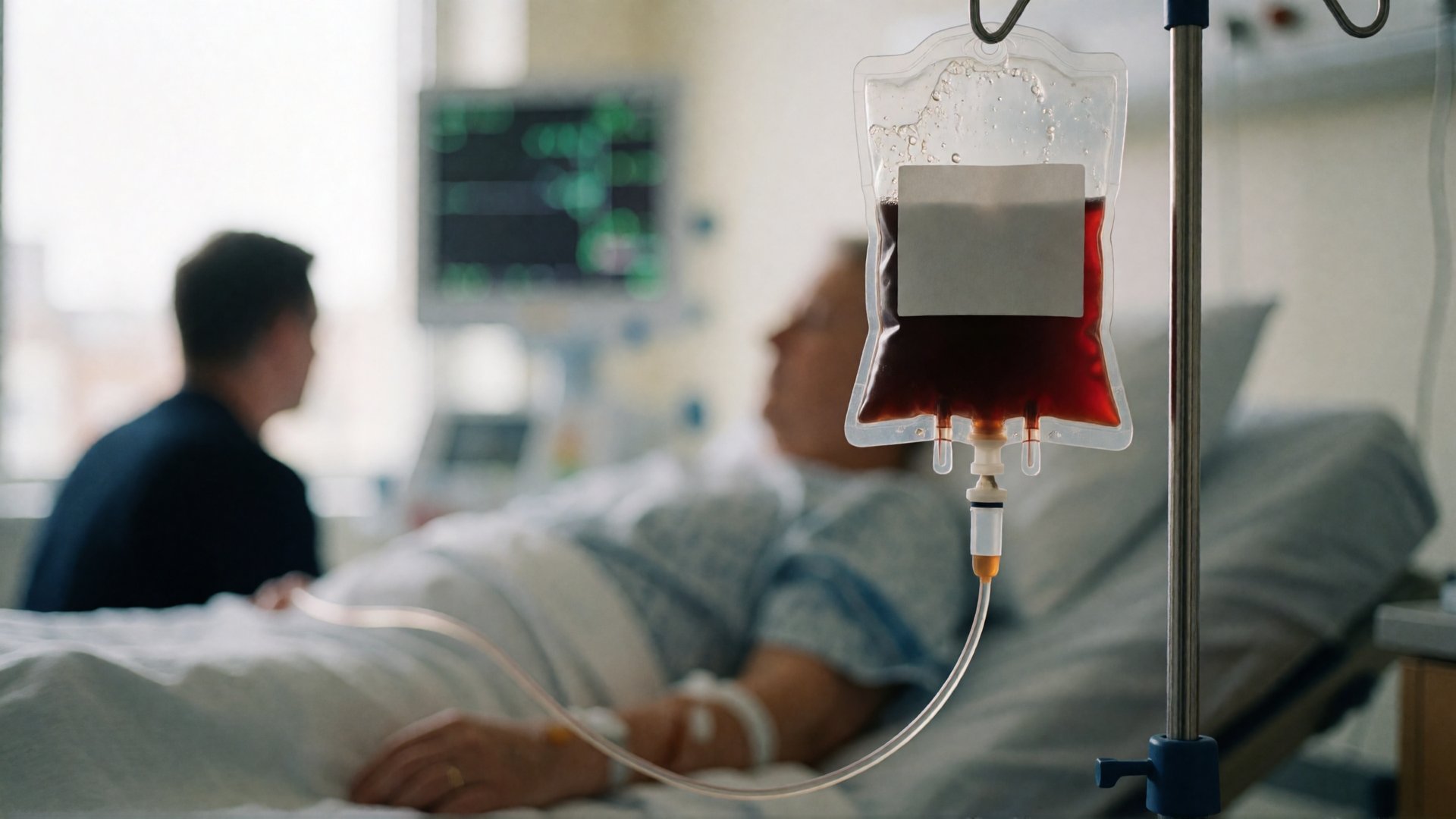
In beta thalassaemia, severe anaemia develops, and patients often need a blood transfusion every three to five weeks. Until now, a bone marrow transplant was the only treatment that could stop the disease for good. It needs a donor with matching bone marrow, and the body can reject the donor marrow. In the United Kingdom, about 15,000 people have sickle cell disease.
A back-up plan the body already has
The body knows another form of haemoglobin. Unborn children make foetal haemoglobin. Red blood cells with that protein do not take a sickle shape. Soon after birth, the body switches off its production. A gene called BCL11A acts as a brake in this process.
From 2008, researchers, including at Boston Children's Hospital, found that switching off that brake restarts the production of foetal haemoglobin. They also found that a piece of DNA next to that gene works like a switch, and that it turns the gene on only in red blood cells. Switching off only that switch leaves the rest of the body alone. This proved to be a safer target than the whole gene.
How CRISPR switches off that piece of DNA
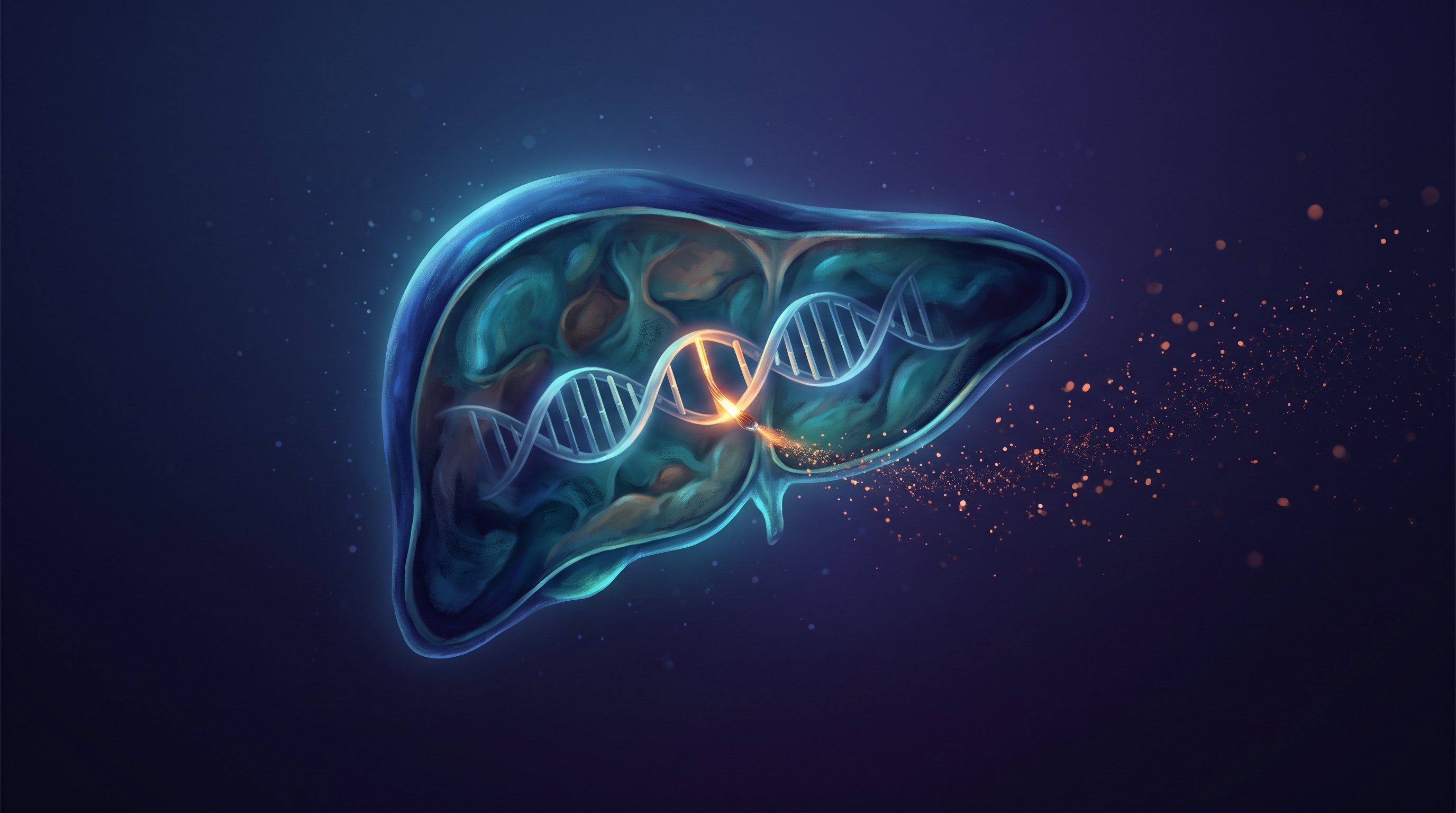
CRISPR is derived from a defence system of bacteria and has two parts. The first is a short piece of RNA of about 20 letters. It searches the cell for the piece of DNA with the same letters. The second is the protein Cas9, which cuts both strands of the DNA there. The cell then repairs the break itself and often makes a small mistake in doing so, which stops that piece of DNA from working. With Casgevy, this is exactly the aim: the switch fails, the brake comes off, and the red blood cells make foetal haemoglobin again.
How the treatment works
Doctors first take stem cells from the patient's bone marrow. These are the cells from which all blood cells grow. In the laboratory, a team edits these cells with CRISPR. Meanwhile, the patient receives a treatment to prepare their own bone marrow. Then the edited cells go back into the body and settle in the bone marrow. Patients stay in hospital for at least a month afterwards, until the cells make new red blood cells. They are the patient's own cells, so no donor is needed.
The results
In two studies, which are still running, these were the interim results. Of 29 people with sickle cell disease who had taken part long enough, 28 had no severe pain attacks for at least 12 months. Of 42 people with beta thalassaemia, 39 needed no blood transfusion for at least 12 months. The other three needed more than 70 per cent fewer transfusions. The side effects were similar to those of other stem cell transplants, such as nausea, tiredness, fever and a higher risk of infection. The researchers saw no serious safety problems. The MHRA continues to monitor safety after approval.
Looking back from 2026
Other countries followed soon after the British decision. The US regulator FDA approved Casgevy for sickle cell disease on 8 December 2023, and later also for beta thalassaemia. In the European Union, approval followed in February 2024. In July 2026, the FDA extended the approval to children from the age of two.
The story began in 2012, when Jennifer Doudna and Emmanuelle Charpentier showed that CRISPR can be programmed to cut DNA at a chosen spot. In 2020, they received the Nobel Prize in Chemistry for this. Between that discovery and this medicine lie eleven years, in which researchers mainly searched for the safest piece of DNA to edit.
The importance goes beyond one disease. Casgevy shows that genetic material can be edited in a patient and that this is safe enough to use as a medicine. Finding the right spot in the DNA remains the difficult part. In June 2025, Google DeepMind presented AlphaGenome, an AI model that predicts what a small change does in exactly such controlling parts of the DNA.