Nederlands
MIT builds soft snake robot that crawls through the small intestine
Researchers at MIT have made a soft robot that moves through the small intestine like a snake, taking images, spraying medicine and collecting tissue samples. In tests on pigs it crawled about two metres; the next step is better control.
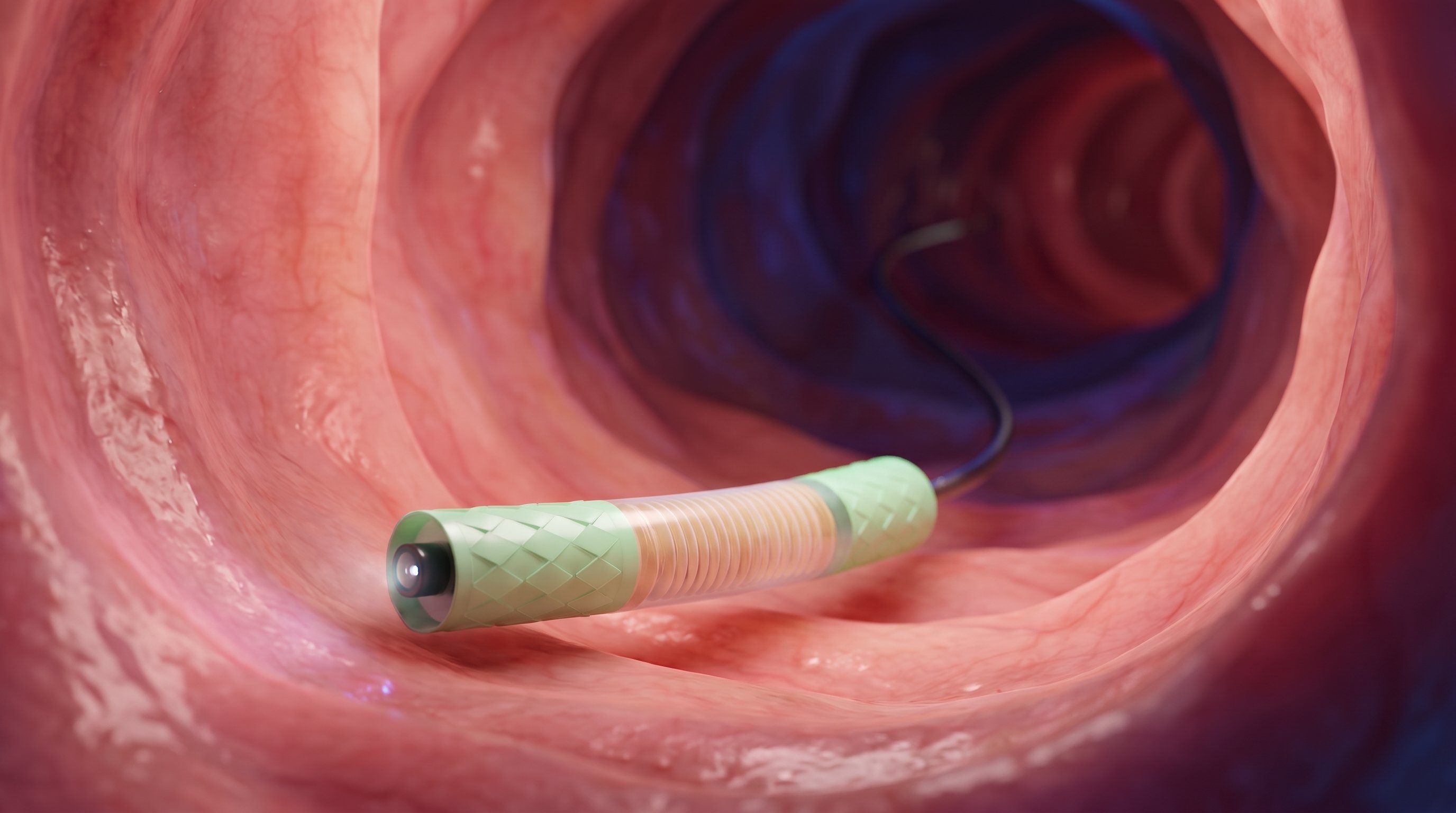
Researchers at the Massachusetts Institute of Technology (MIT) have made a soft robot that can crawl through the small intestine. On its way it can take images, spray medicine on one spot and remove small pieces of tissue or polyps. The research appeared on 28 October 2026 in the journal Science Robotics. The team was led by Giovanni Traverso, professor of mechanical engineering at MIT and a gastroenterologist at Brigham and Women's Hospital in Boston.
Playing loads YouTube, which may set cookies. More information
Why the small intestine is so difficult
The small intestine is more than six metres long, about 2.5 centimetres wide and lies deep in the abdomen. This makes it much harder for doctors to reach than the stomach or the large intestine. Yet they often need to look inside, for example in cases of bleeding, small wounds or blockages.
Today this is usually done with a tube with a camera and two balloons. A doctor inflates and deflates the balloons in turn, so that the tube moves forward bit by bit. This works, but it is slow and heavy work. According to Traverso, the big challenge is to examine those six to eight metres of intestine in a more automatic way.
Moving like a snake
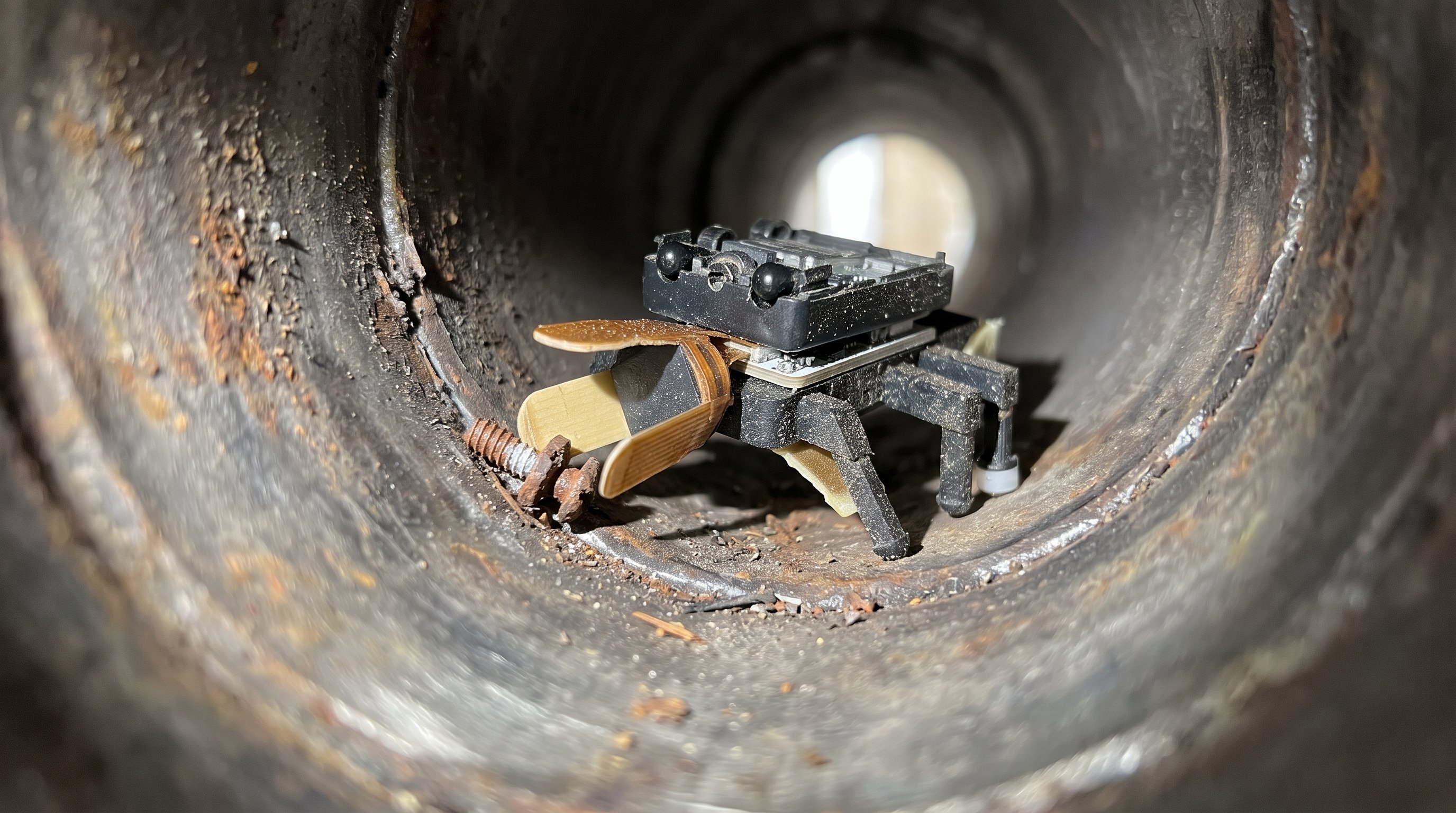
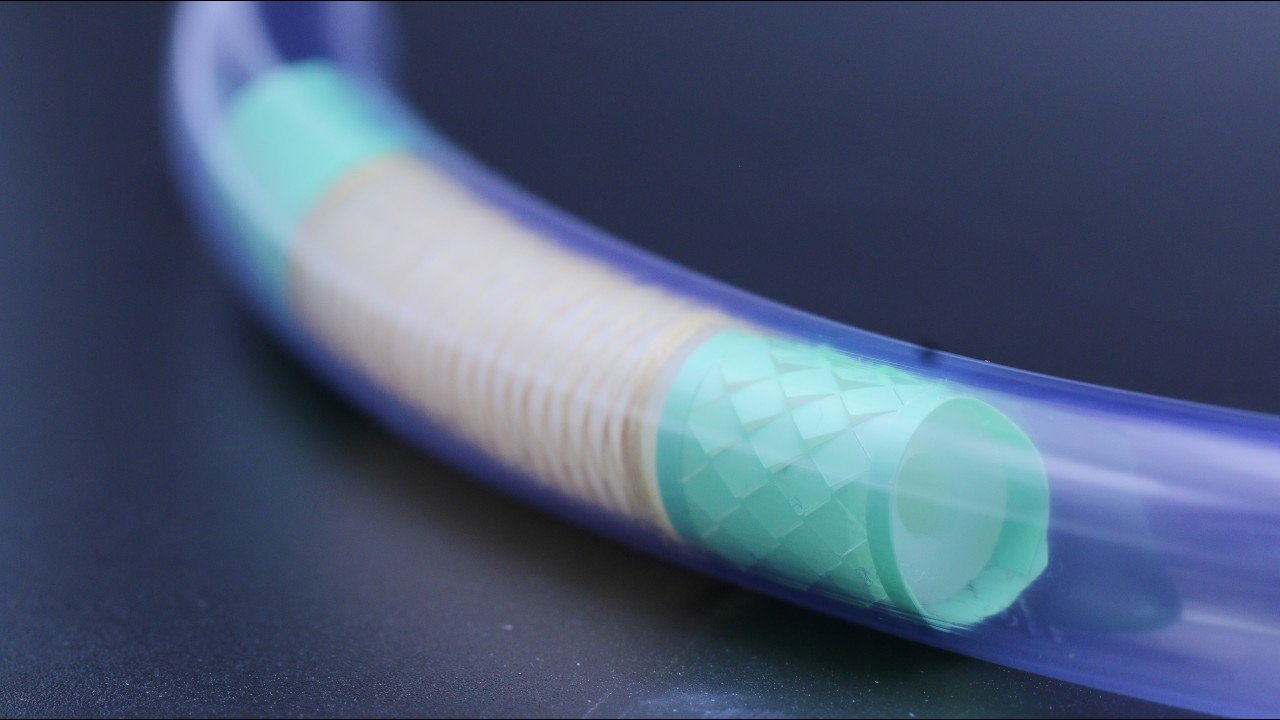
The robot is called BIOSENTER and, according to Popular Science, is about 9 centimetres long and a little over 1 centimetre thick. It copies the way a snake moves. The tube-shaped body contains four chambers that are inflated in different combinations. This lets the tube stretch or bend in any direction.
In the head and the tail there are balloons that inflate in turn and anchor themselves in the intestine, so that the robot can pull itself forward. Around these balloons is a sleeve with small cuts, based on kirigami, the Japanese art of folding and cutting paper. When the balloon inflates, the cuts open and small points stick out. These give grip on the smooth intestinal wall, just as the scales of a snake give grip on the ground.
The robot is attached by a cable to equipment outside the body and can enter through the mouth or the anus. A doctor steers it with a hand control that looks like a game controller. On board are a camera, a nozzle for medicine and small clamps to grab tissue.
Tested on pigs
The researchers tested the robot in the intestines of anaesthetised pigs, whose intestines are similar to those of humans. The robot covered about two metres; according to Popular Science this took eleven minutes. It showed that the camera, the clamps and the nozzle work.
The team is now working on better control and is looking into what else the robot can be used for in the small intestine. Studies in humans are needed after that, before doctors can use it.
What does this mean for the road to the singularity?
Robots that find their own way through a difficult environment are an important step towards machines that take over work in the real world. The human body is such an environment: soft, smooth, winding and fragile. This robot shows that a cleverly designed soft body can move there and, at the same time, look, treat and take samples. If it can later be made to navigate more independently, an examination of the intestine that now takes a lot of manual work could be done faster and more often.
What is the technological singularity? Read the explanation →