Nederlands
SpaceX gets permission for up to one million data centre satellites
The US regulator FCC has given SpaceX permission for up to one million satellites that do computing work for AI in orbit around the Earth. The first one must be working by 2033 at the latest. Astronomers and satellite experts are concerned.
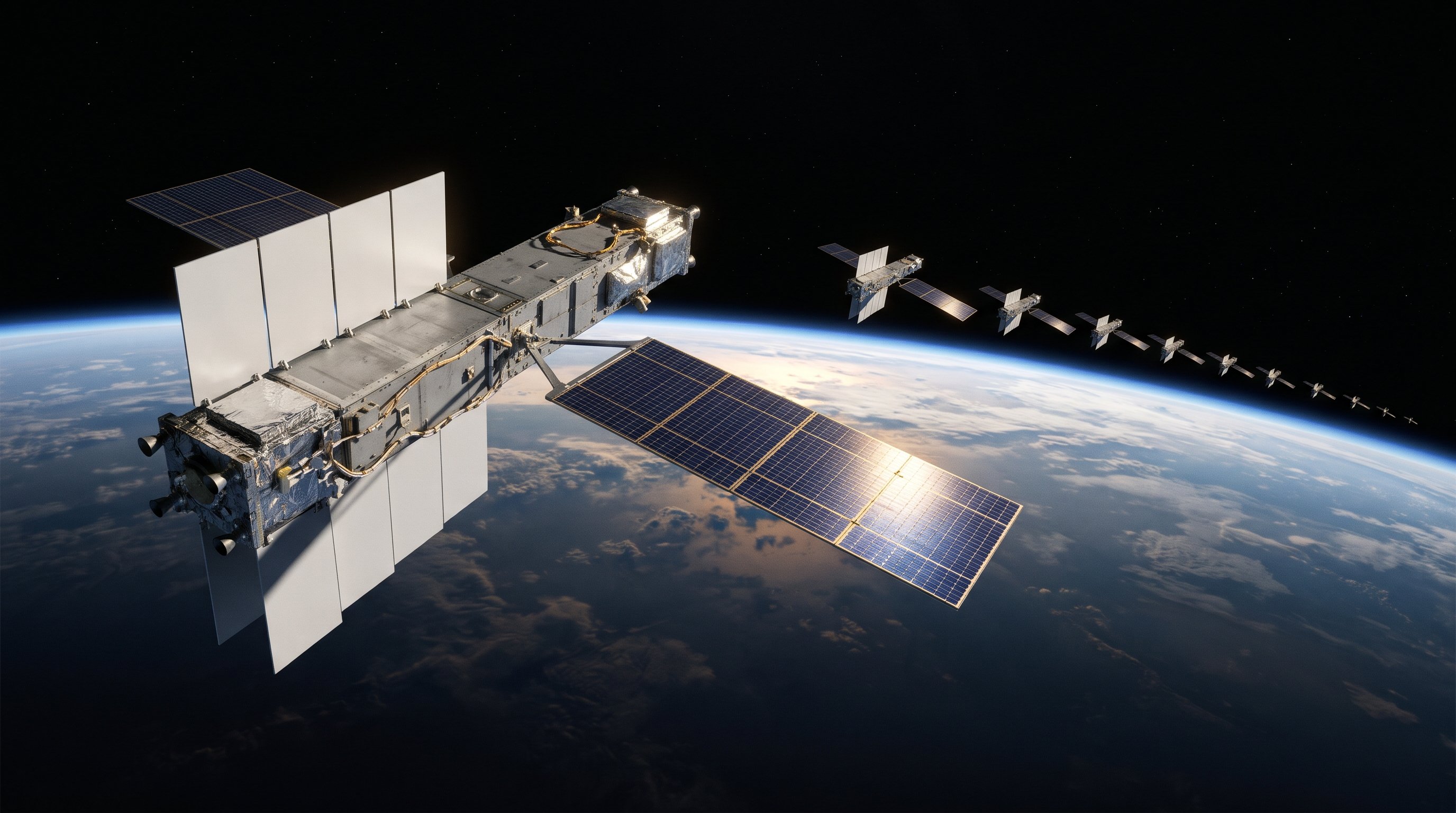
The US communications regulator, the FCC, approved SpaceX's Starmind plan . The plan covers up to one million satellites that together form a data centre in space. They are meant to do computing work for AI and send the results back to Earth. FCC chair Brendan Carr calls it a historic first: it is the first approval of such a network in the United States.
SpaceX, Elon Musk's space company, submitted the plan in February 2026. The permission comes with conditions. The first computing satellite must be working by 25 November 2033 at the latest. By 2035, ten per cent of the network must be in space, and half of it by 2038. By 25 November 2040, the whole network must be working. The satellites will fly at an altitude of 500 to 2,000 kilometres.
Solar panels and large radiators
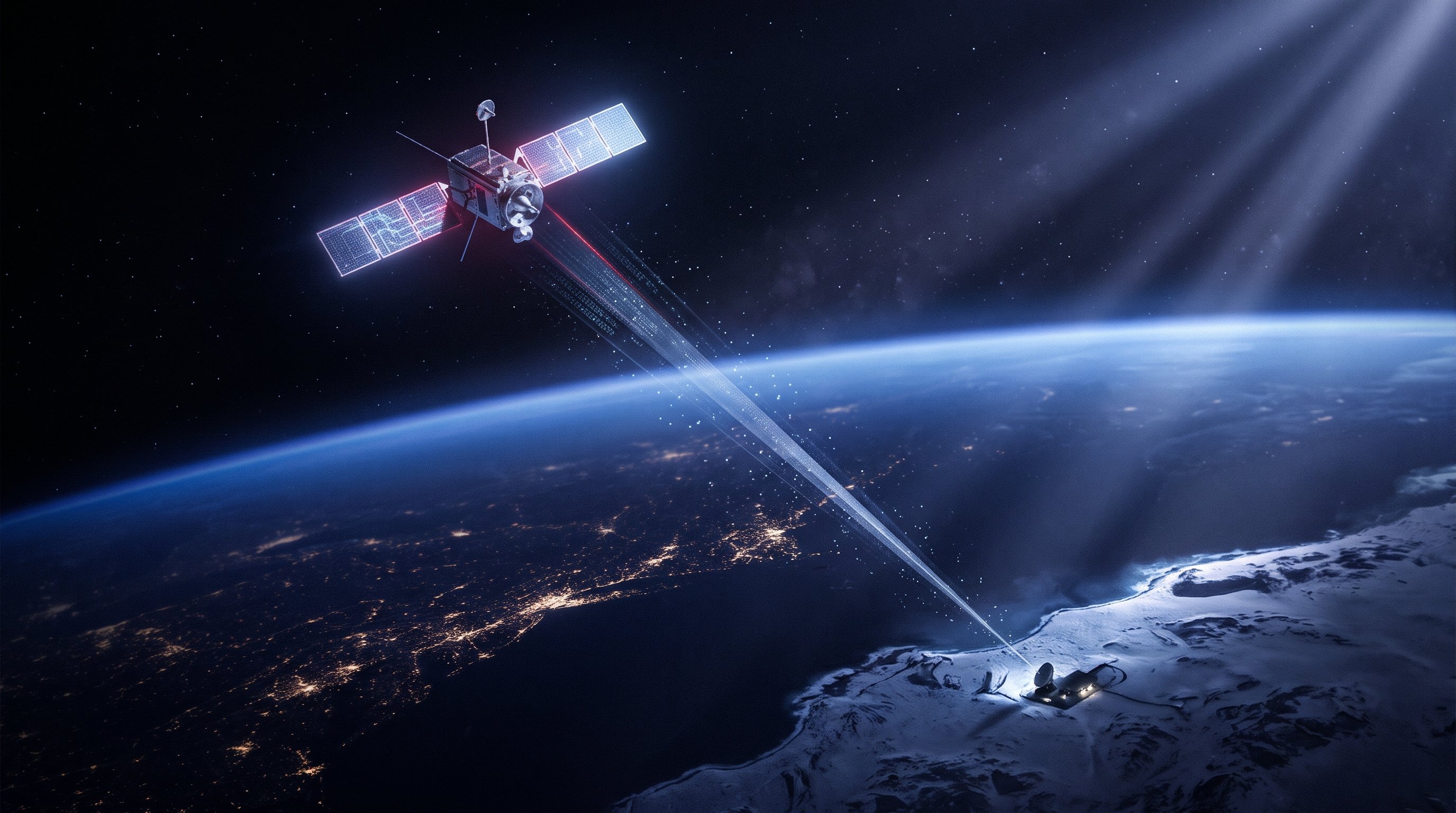
Each satellite will measure 30 by 75 metres, about a quarter of the area of the International Space Station (ISS). Solar panels supply 210 kilowatts, and at its peak the computing work needs up to 250 kilowatts. Fold-out radiators of 160 square metres have to get rid of the heat. The satellites send their data by laser beam to Starlink, SpaceX's existing network of internet satellites, with radio links as a backup.
Musk sees the network as an answer to the resistance against data centres on Earth. They use a lot of electricity and cooling water, and they make a constant hum. In space, nobody hears that hum and the Sun always shines. Experts doubt, however, whether the satellites can get rid of their heat. In a vacuum, heat can only escape as radiation, and that has never been done on this scale.
Concerns about crowding in space
Amazon Leo, Viasat and the American Astronomical Society asked the FCC to reject the plan. The astronomers fear interference with radio telescopes, a brighter night sky and extra heat radiation that disturbs observations. They also point to pollution from launches and to the risk of collisions.
Satellite expert Marco Langbroek of Delft University of Technology told the Dutch public broadcaster NOS that the US military can already barely track the roughly 17,000 satellites in orbit today. He fears chain reactions of collisions, in which debris causes new collisions. When satellites fall back into the atmosphere, they also leave behind aluminium particles that can damage the ozone layer.
The FCC says the plan meets its rules against space debris. SpaceX wanted to move old satellites to other orbits instead of letting them burn up in the atmosphere. The FCC has not yet decided on that request, because SpaceX gave too little explanation. The FCC is also looking at plans from other companies. Alphabet, Google's parent company, and Blue Origin are working on similar networks.
What does this mean for the road to the singularity?
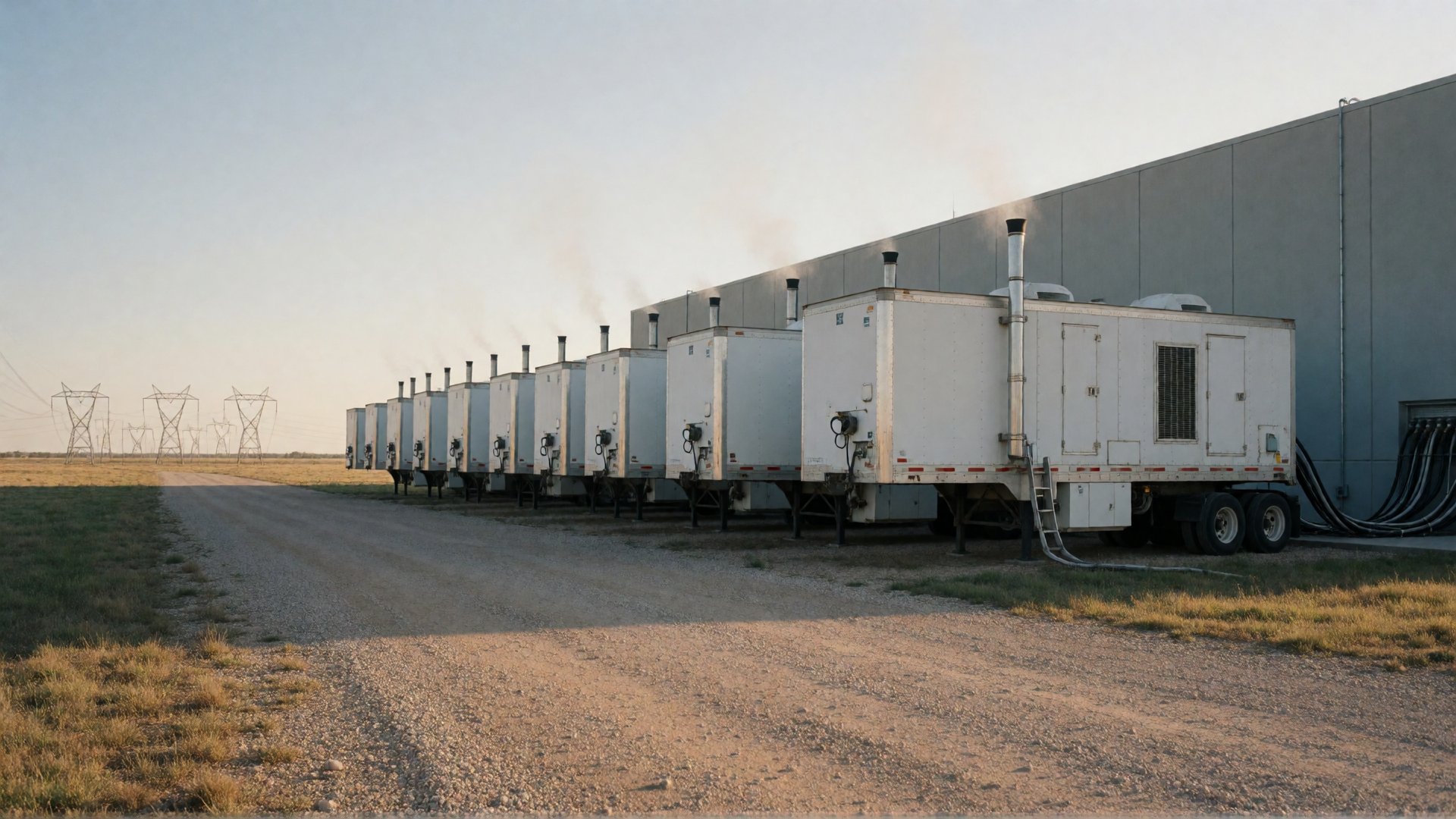
On Earth, AI is running into limits: power grids are filling up, and local residents vote against new data centres. That is why SpaceX is also building on the ground, such as an air-cooled computing centre in Arizona worth 50 billion dollars (about 46 billion euros). With this licence, the company gets a way out that no local council can block. If it works, the growth of AI will depend less on local electricity and permits.
The FCC is also opening the door for Alphabet and Blue Origin. Whoever flies first takes the best orbits. That turns it into a race, and in a race nobody waits for the others. Yet the space around the Earth belongs to everyone. Each extra satellite benefits its owner, while the risk of collisions rises for everyone who uses that space. Without agreements between countries, that risk grows the faster the race goes.
What is the technological singularity? Read the explanation →