Nederlands
TSMC considers a 22.6 billion dollar chip factory in Texas
TSMC, the world's largest chipmaker, has applied for a tax break in Texas for a possible chip factory worth 22.6 billion dollars (about 20.6 billion euros). From 2031 it would make chips of 2 nanometres or more advanced. No decision to build has been made yet.
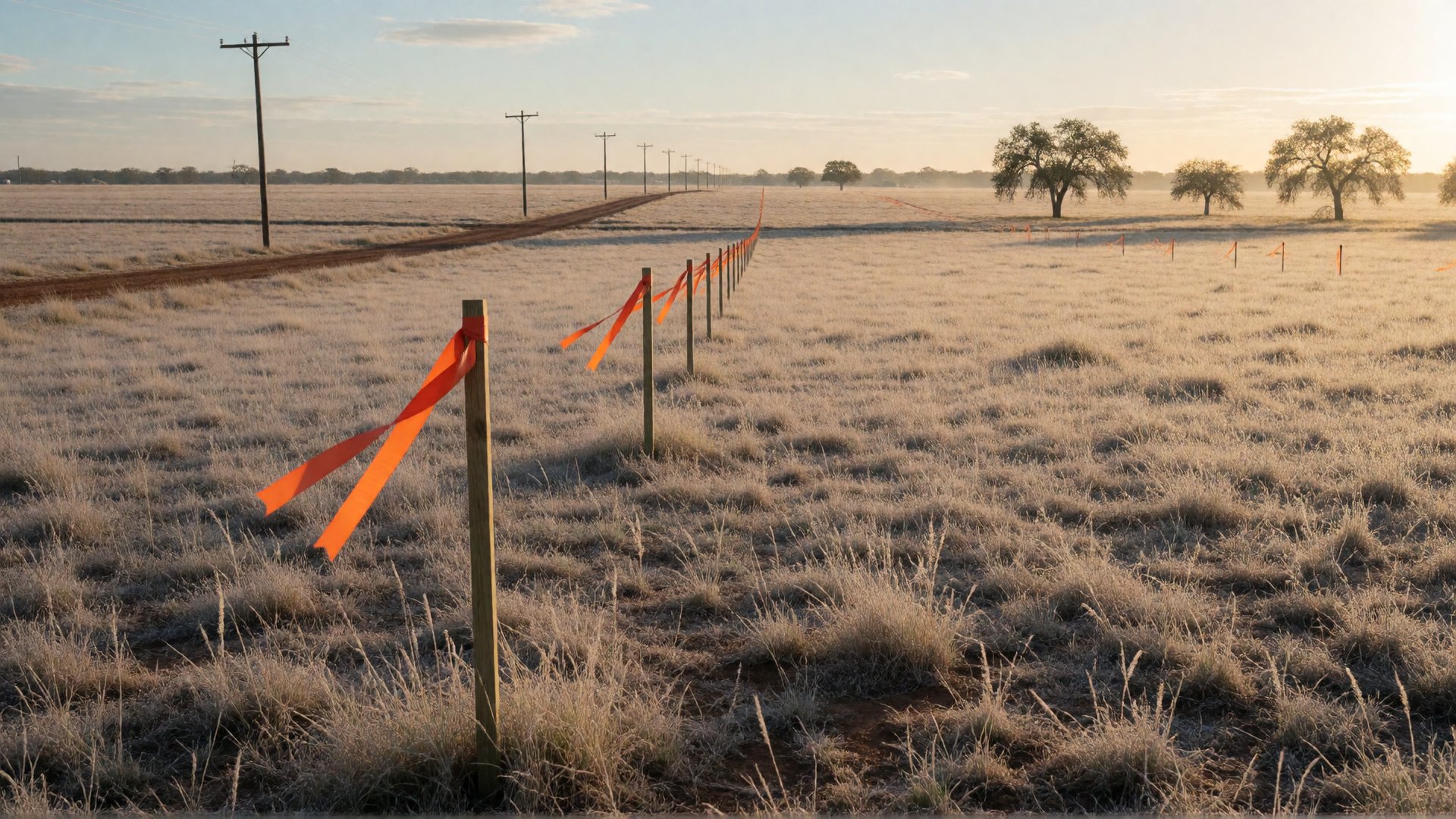
Taiwan's TSMC makes most of the world's advanced chips, including chips for NVIDIA and Apple. The company is now considering a chip factory near College Station in the US state of Texas, on a site of about 1,300 hectares. It would be TSMC's second US location for advanced chips, and the first outside Arizona.
, TSMC Arizona, the company's US subsidiary, submitted an application to the Comptroller, the financial and tax authority of Texas. It concerns a tax break on property tax. In the US, this tax does not go to the local council, but mostly to the school district: the body that runs the public schools in an area. A Texas scheme lets companies that make a large investment pay less of this tax for ten years. For TSMC, the tax break would be worth about 354 million dollars (about 320 million euros).
The Comptroller has since advised the school district to approve the application. The board of College Station ISD, the local school district, makes the decision itself. After that, the Governor of Texas also has to agree. The school district can decide in mid-December at the earliest.
Construction is not yet certain
The application does not oblige TSMC to buy the land or build the factory. The land has, however, already been reserved under conditions. As an alternative, TSMC is looking at a new plot of land in Arizona. That is where the company's suppliers and workforce are already based. According to TSMC, whether it invests in Texas depends on the tax break.
Construction would start in 2027. About 14 billion dollars (about 12.8 billion euros) of the total would go to machines, most of it in 2030. The factory would create up to 2,099 jobs at TSMC itself. Local officials point to the engineers from the nearby Texas A&M University as an important reason for the choice.
Production from 2031
The factory would start making chips of 2 nanometres or more advanced in 2031. The smaller that number, the newer and more energy-efficient the technology. In Taiwan, TSMC has been making 2-nanometre chips in large numbers since late 2025. The next generation, A14, is due to go into production there in 2028. If Texas starts with 2 nanometres in 2031, the factory will be at least one generation behind the newest factories in Taiwan.
What does this mean for the road to the singularity?
Almost all advanced chips for AI currently come from Taiwan. That makes the whole AI world dependent on one island. This is why TSMC is already building factories in Arizona, Japan and Germany. A second US location spreads production further, even if it is a generation behind.
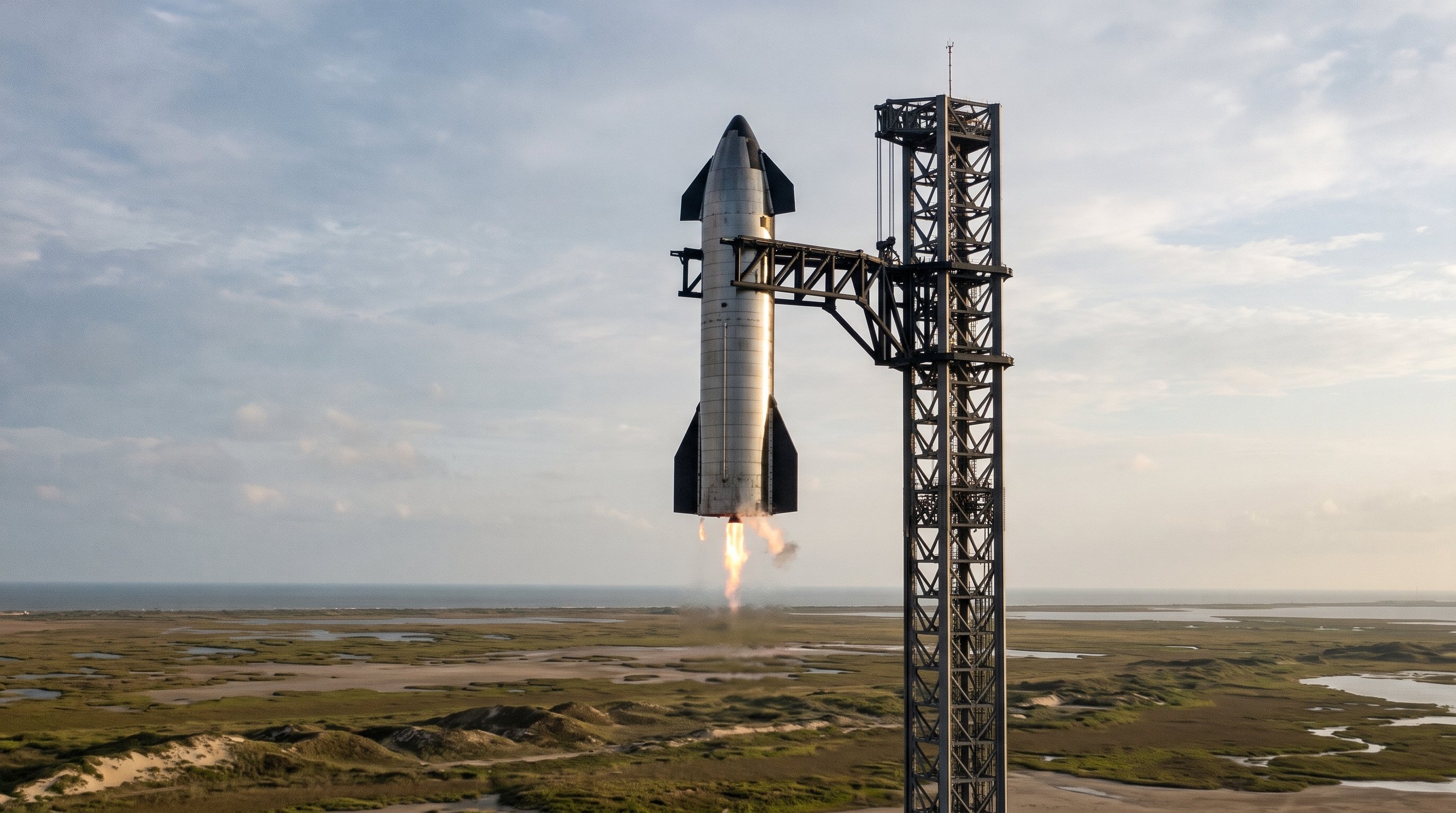
What stands out is how the states compete for such a factory. Texas and Arizona both offer benefits, and TSMC can play them off against each other. In this way, governments help pay for the computing power behind AI. In the neighbouring region, SpaceX is also planning its own chip factory, Terafab. If both are built, a new chip hub will grow there. Such a hub attracts suppliers and engineers, so the next factory can be built there even faster.
What is the technological singularity? Read the explanation →