Nederlands
Lenders wanted SpaceX's AI chips to stay on Earth
SpaceX has raised the money to lease new AI chips from Nvidia: about 44 billion dollars in bonds. The lenders wanted an agreement that the chips, their collateral, stay on Earth. Whether that is in the contracts is not known.
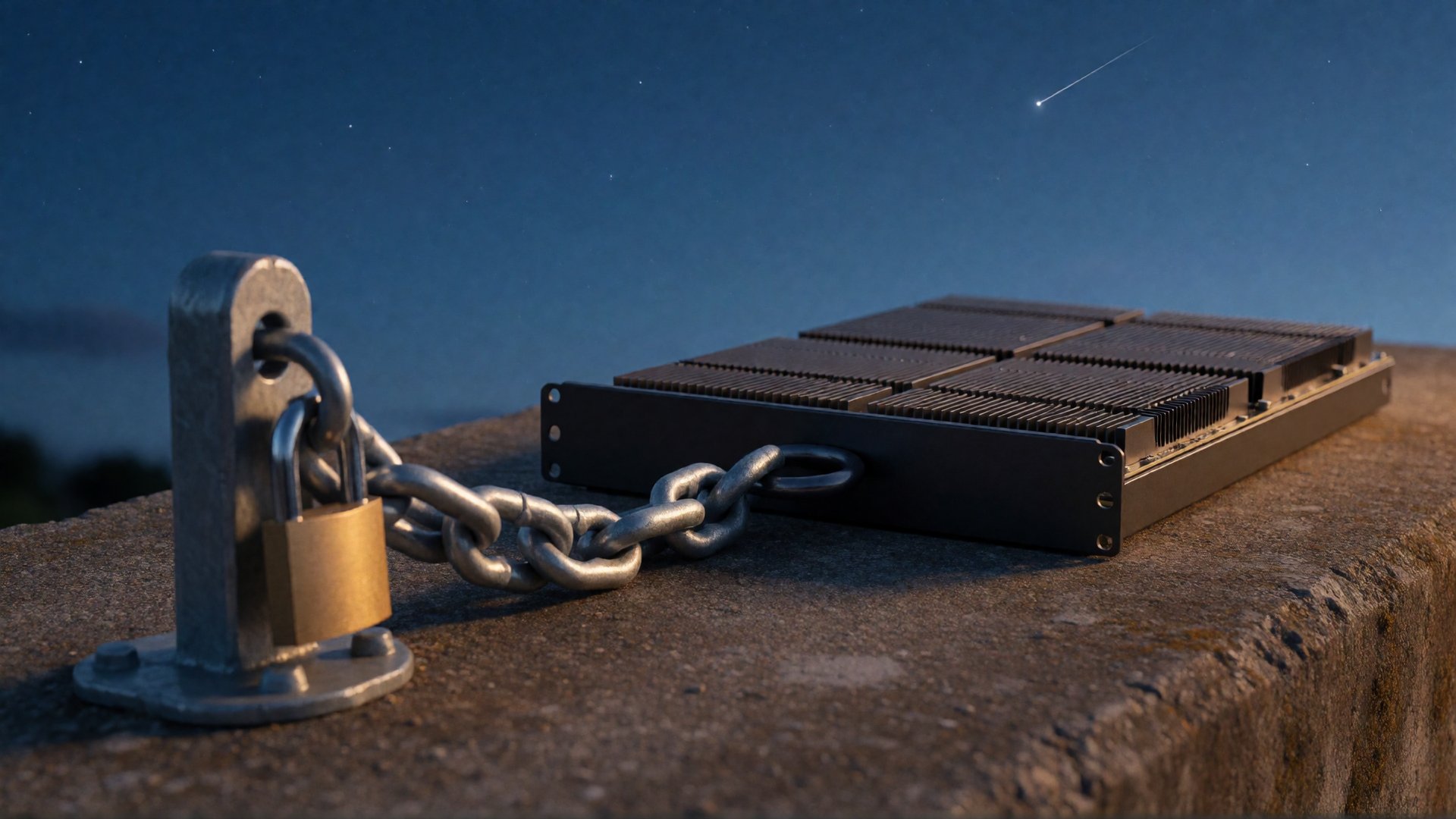
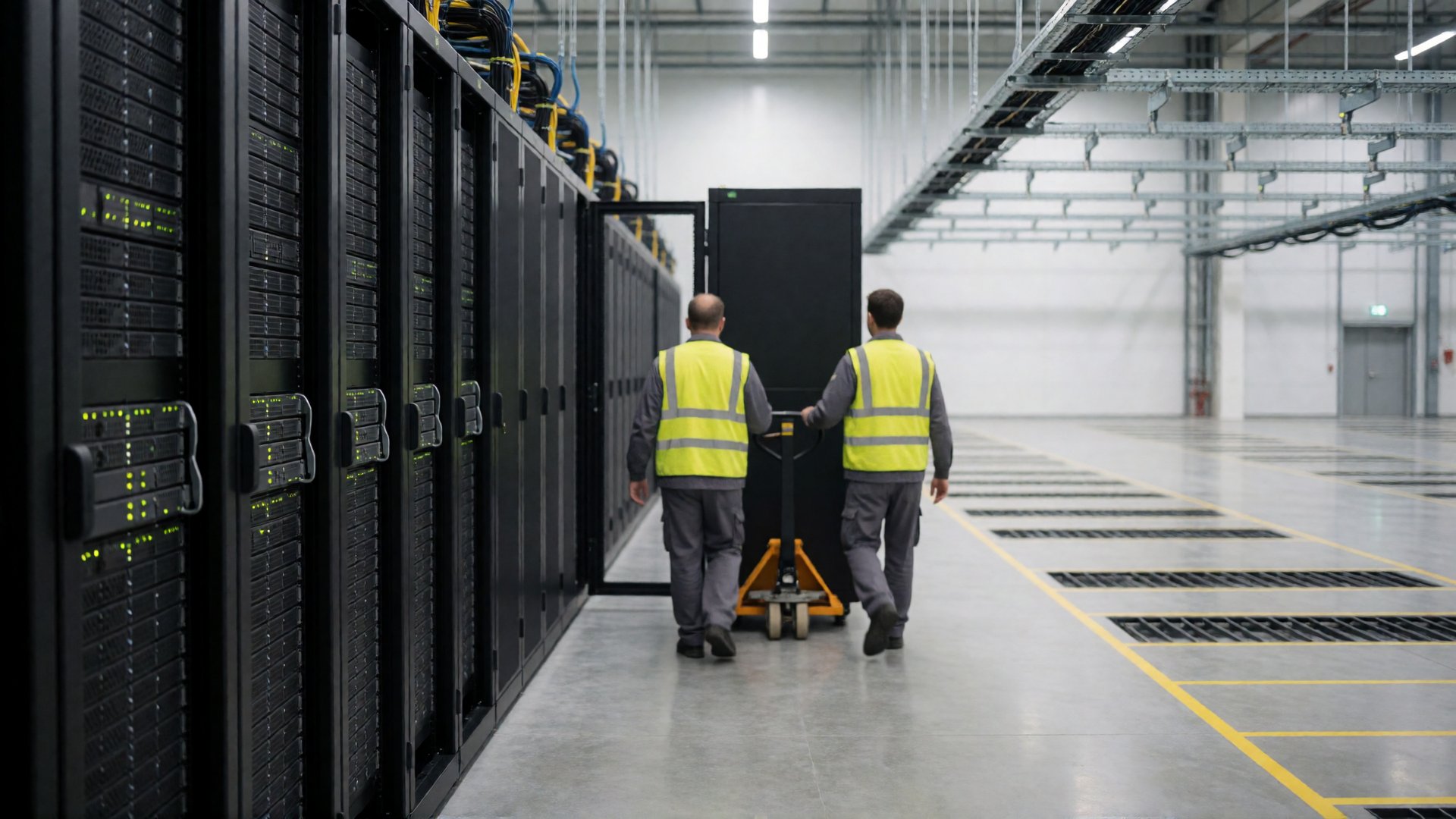
At the end of October, SpaceX signed an agreement to lease Nvidia AI chips worth about 40 billion dollars (about 36 billion euros) from a company managed by the investor Apollo. Now the money for it has been raised: , Apollo and the bank Goldman Sachs sold about 44 billion dollars (about 40 billion euros) in bonds. Bonds are loans that investors buy and that are paid back with interest. The chips will provide computing power on Earth, where SpaceX is building a growing number of its own computing centres, such as the planned campus in Arizona worth 50 billion dollars (about 45 billion euros).
Why the lenders are worried
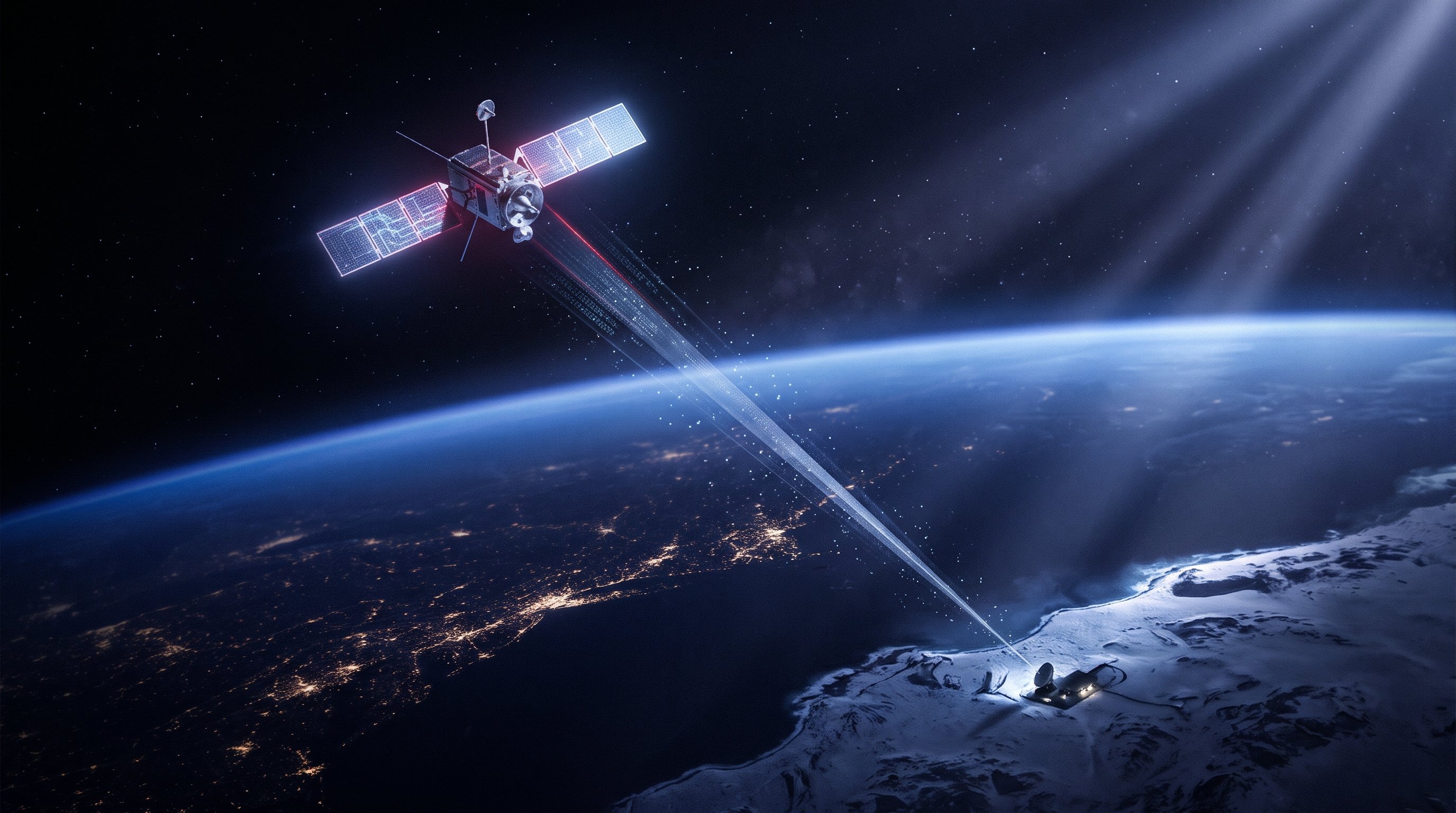
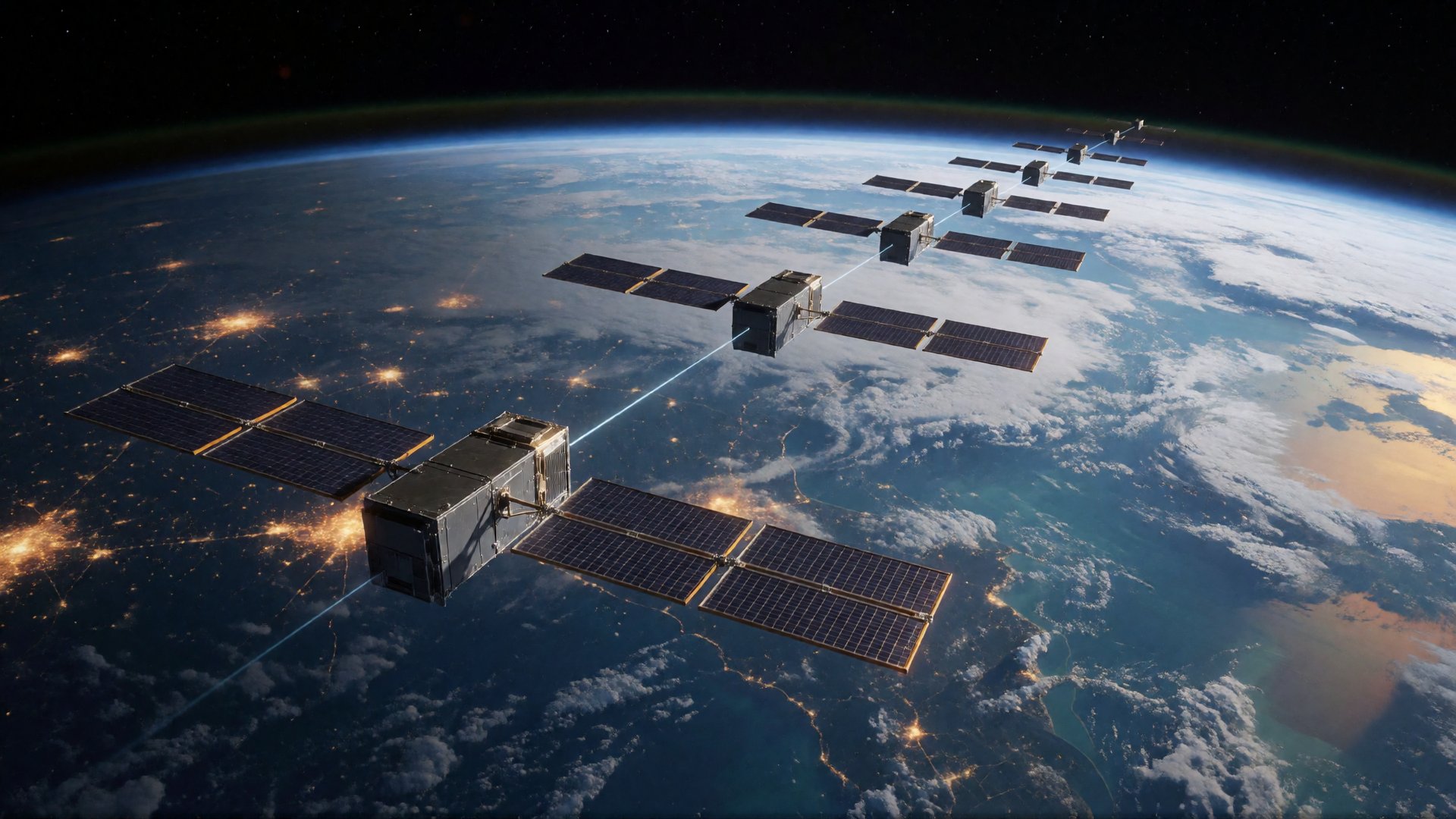
The chips are the collateral for the loan. If SpaceX stops paying, the lenders may take them back and sell them. But in the longer term SpaceX also wants to build data centres in orbit around the Earth, and a chip inside a satellite cannot simply be brought back. So the lenders tried to agree that these chips stay on Earth. It is not clear whether that agreement is in the final contracts.
SpaceX plans to use the chips on Earth. The credit rating agency Moody's writes that they will go into American data centres that are largely owned and run by SpaceX.
Leased like an aircraft
The package is called Project Saturn and works like the financing of aircraft. A company set up for this purpose, Saturn Funding Trust, buys the chips: systems with Vera Rubin, Nvidia's newest generation of graphics chips. That company belongs to the financier WHCO, which is separate from SpaceX. It leases the chips to SpaceX for about five years, and SpaceX pays every quarter. SpaceX must keep paying even if the chips break down or become outdated. Because the borrowed money sits with a separate company, the debt is not on SpaceX's balance sheet. The first chips will arrive in the first half of 2027.
Investors were keen to take part: demand was greater than supply, so the package was made larger. Funds from BlackRock, Goldman Sachs Asset Management and KKR made large commitments, and Pimco took 4 billion dollars (about 3.6 billion euros). The largest part, about 25 billion dollars (about 23 billion euros), pays investors around 8.3 per cent interest a year. That is more than one percentage point above what SpaceX pays on its own bonds that run until 2031. Apollo calls it the largest financing of graphics chips so far.
The agreement about space and Pimco's amount come from insiders who spoke to the Financial Times. They have not been officially confirmed.
What does this mean for the road to the singularity?
This turns chips for AI into an ordinary investment product, just like aircraft. An airline often does not buy its planes itself, but leases them from a financier that raises the money from investors. Now the same is happening with computing power. As a result, the growth of AI depends less on the money one company has itself, and more on what pension funds, insurers and investment funds are willing to lend. If this works for SpaceX, other builders of data centres will want the same. Financiers will then compete with each other for those loans, and that can make the money for chips cheaper. Cheaper computing power makes training and using AI models affordable for more companies.
There is a tension, though. Chips become outdated quickly, while a five-year lease simply keeps running. And anyone who lends money wants to be able to take back their collateral. As long as that is not possible with a chip in orbit, data centres in space will probably have to be paid for with the builders' own money. If lenders and companies find a solution for that, for example with insurance or agreements on bringing satellites back, the same flow of money that is now building data centres on Earth could also pay for computing power in space.
What is the technological singularity? Read the explanation →