Nederlands
Machine learning
Machine learning is a way of getting computers to learn from examples instead of fixed rules. A model finds patterns in lots of data on its own and uses them for new cases.
With machine learning, nobody writes out all the rules of a program. Instead, the computer is given many examples and finds the patterns itself. You can compare it to how a child learns what a dog is: not from a definition, but by seeing a great many dogs.
How does it work?
It starts with training data: a large collection of examples, such as photos with the right name attached, or weather maps from the past. A model, often a neural network, makes a prediction. It checks how far off it was and adjusts small settings within itself, the parameters. This repeats millions of times, until the predictions are good enough. A neural network has many layers of such settings. When a network has many layers, we speak of deep learning.
After training, you use the model on new cases it has never seen. It can do more than just recognise things: language models predict the next piece of text, and other models can design images, proteins or materials.
Why it matters
Almost all the AI that makes the news is machine learning. The idea is older than you might think: as early as 1950, Alan Turing proposed building not an adult mind but a childlike machine that you bring up. In doing so he wanted to replace the question of whether machines can think with a test: can an interrogator, using a teleprinter, tell a machine from a human (link)?
Today AI learns from the most varied kinds of data. Researchers at Microsoft, MIT and the European weather centre ECMWF, among others, taught a computer to recognise and correct the fixed errors of weather models. As a result, forecasts two to six weeks ahead get considerably better (link). Chinese researchers did very different work: they trained a model on nearly four million fossils. That mapped the history of life in unprecedented detail, and it suggests that three of the five great mass extinctions unfolded more gradually than thought. Other palaeontologists are somewhat more cautious (link). In every case the result is only as good as the examples the model learned from.
Articles about Machine learning
-
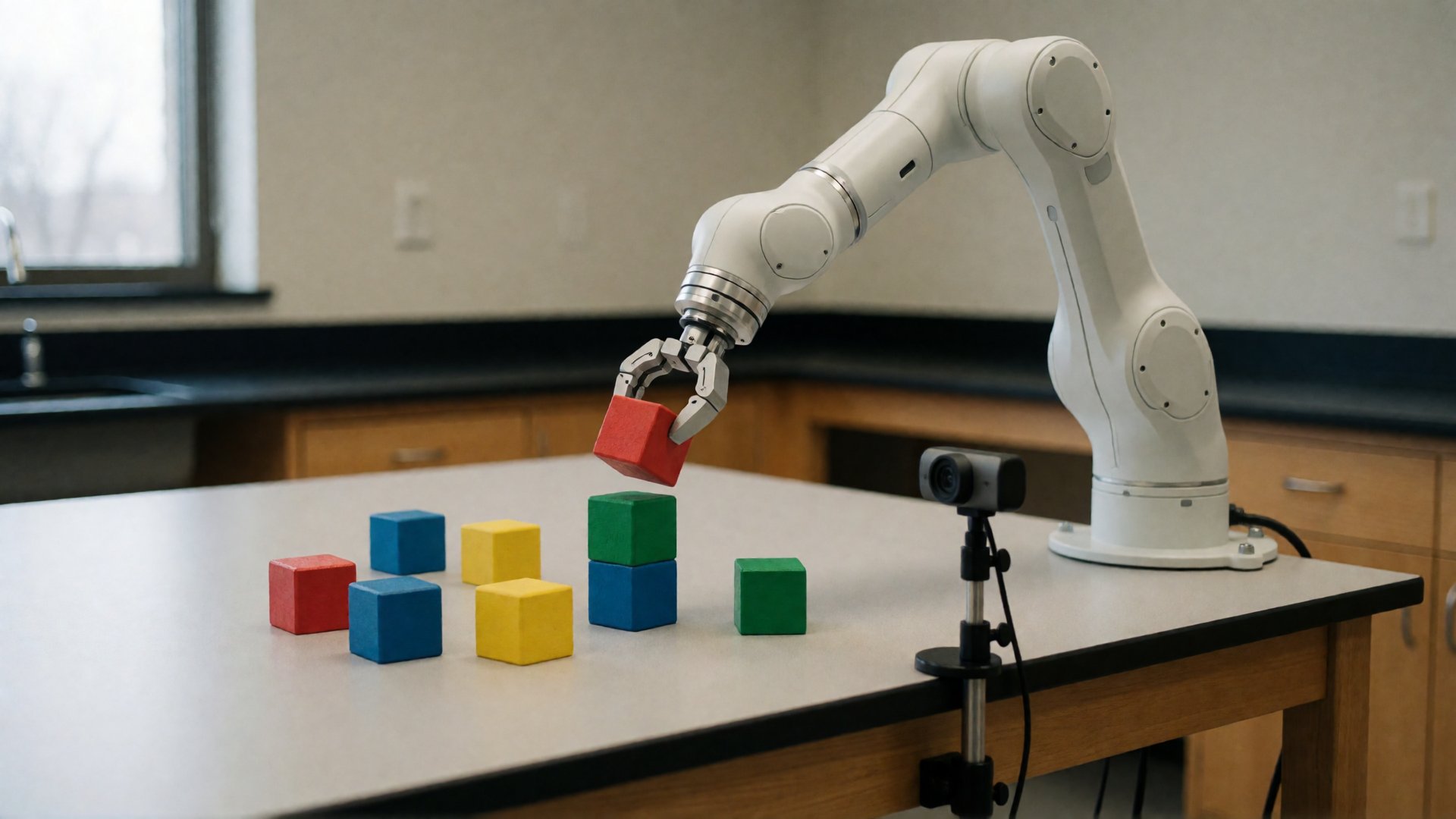
Ai2 releases open practice world for robots: a robot arm and a table full of blocks
The American research institute Ai2 has released ToyBlocks: an open, simulated world in which robots practise with blocks. According to Ai2, models trained only there also performed single actions on a real robot arm, in 81 per cent of the trials.
-
New AI memory condenses a whole stack of documents into 16 tokens for each question
Researchers from Stanford and other institutions built Memorilla, a memory that condenses a whole collection of documents into 16 tokens for each question. In their own tests, a language model usually scores better with it than with all the text, and answers much faster. Exact names are sometimes lost.
-
AI learns to predict from self-made exercises, without any real data
Researchers from Tel Aviv and Stanford let two AI models practise with self-made sequences, without a single real text or photo. Afterwards, one of the models also recognised patterns in real text, music and DNA. It is a first test with small models.
-
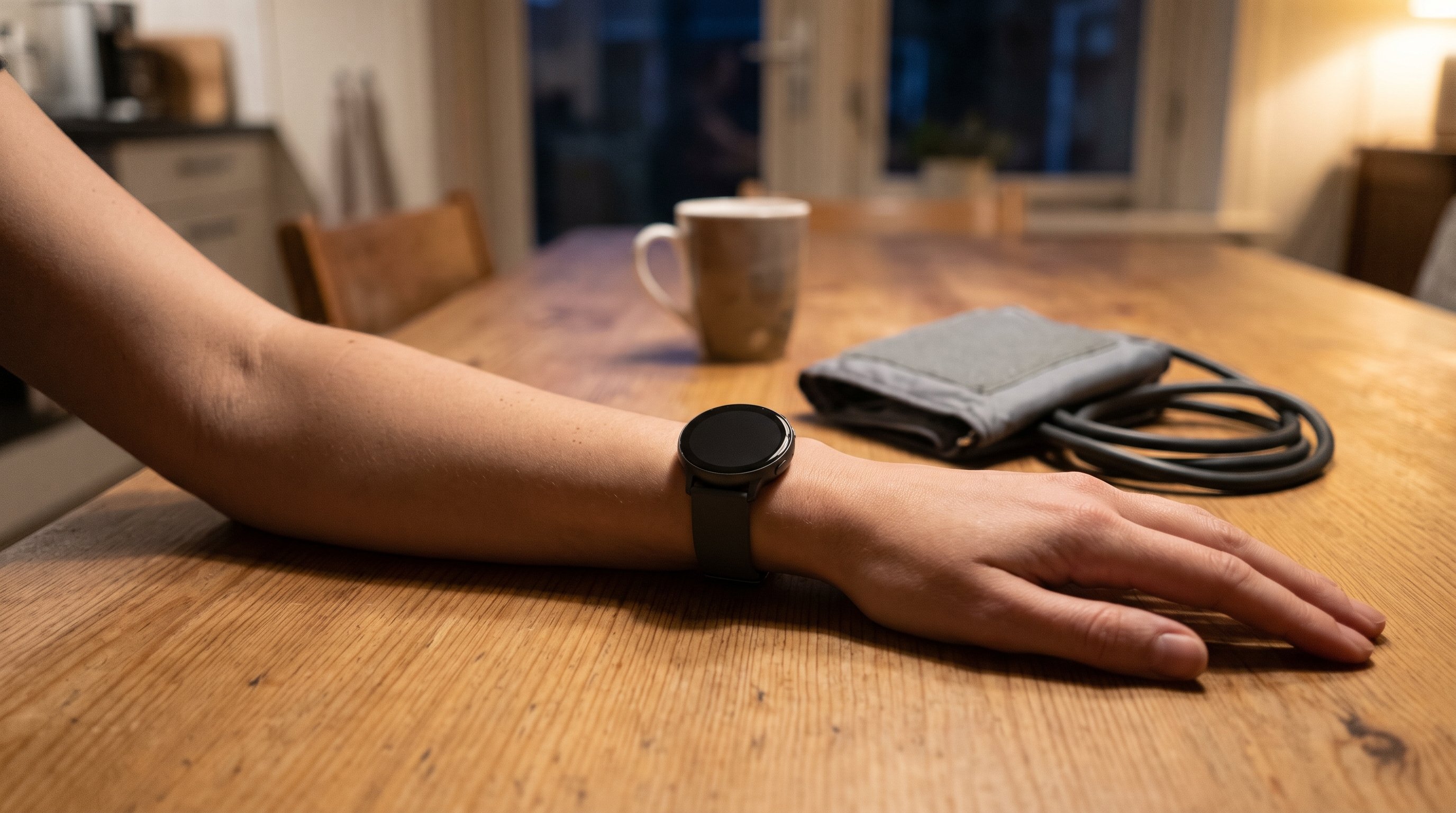
Google AI finds signs of high blood pressure with an ordinary smartwatch, without a blood pressure cuff
An AI system from Google looks for signs of high blood pressure using the sensors of an ordinary smartwatch, without a blood pressure cuff. In a first study with 196 people, it found more cases than a first measurement at the doctor's. Larger studies now have to confirm this.
-
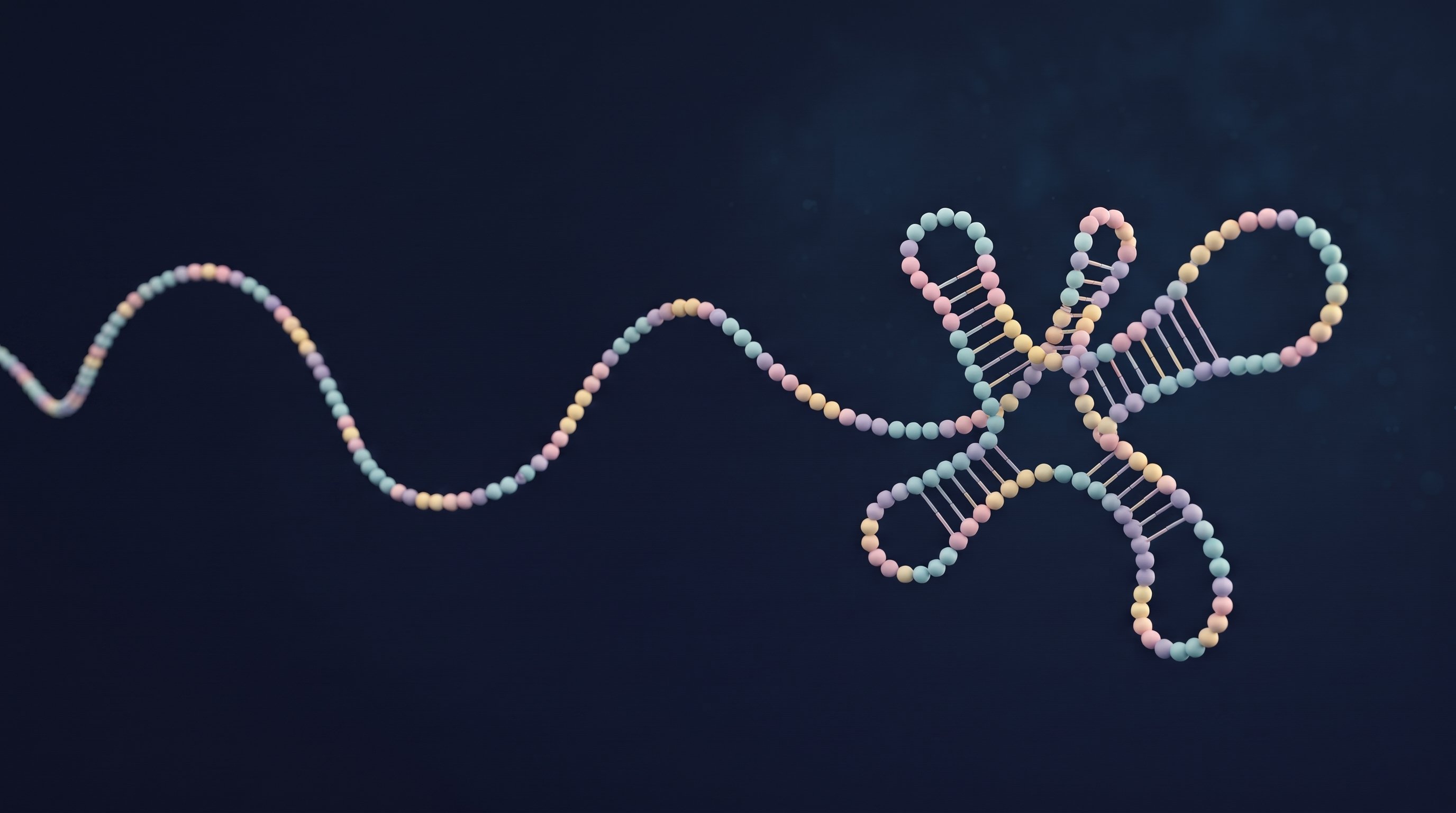
Open AI model predicts how RNA folds, trained on 21 million examples
Researchers from China present structRFM in Nature, an AI model that learns how RNA molecules fold. In tests, it matches Google DeepMind's AlphaFold3, according to its makers. Data, model and code are freely available.
-
US research labs let AI run X-ray experiments on its own
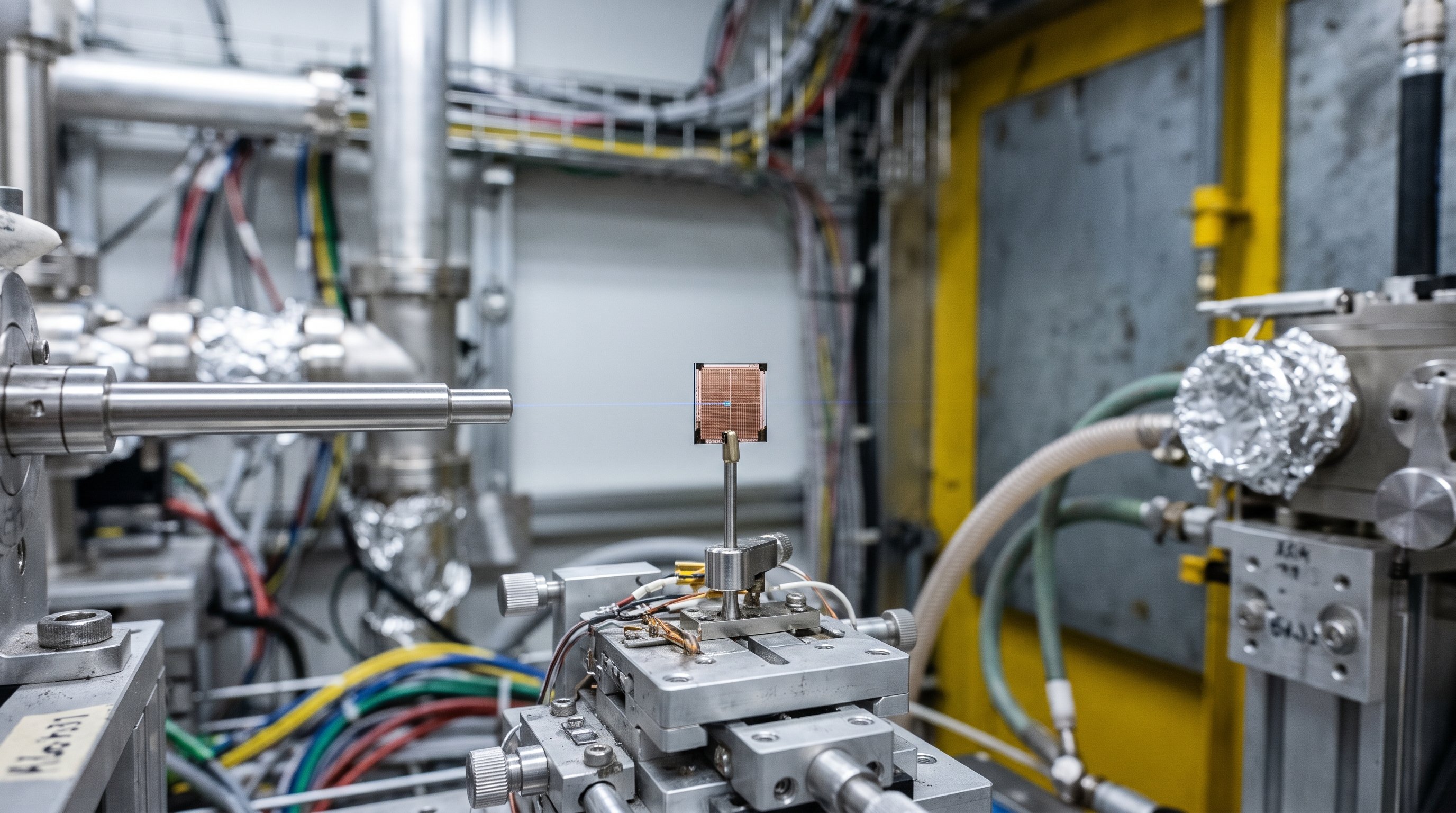
Five US national laboratories let AI build X-ray images in real time, pick interesting spots in a chip by itself and operate the measuring equipment in plain language. This helps researchers get more out of scarce measuring time.
-
FlexiQuad: ETH Zurich builds a soft drone that can survive a collision
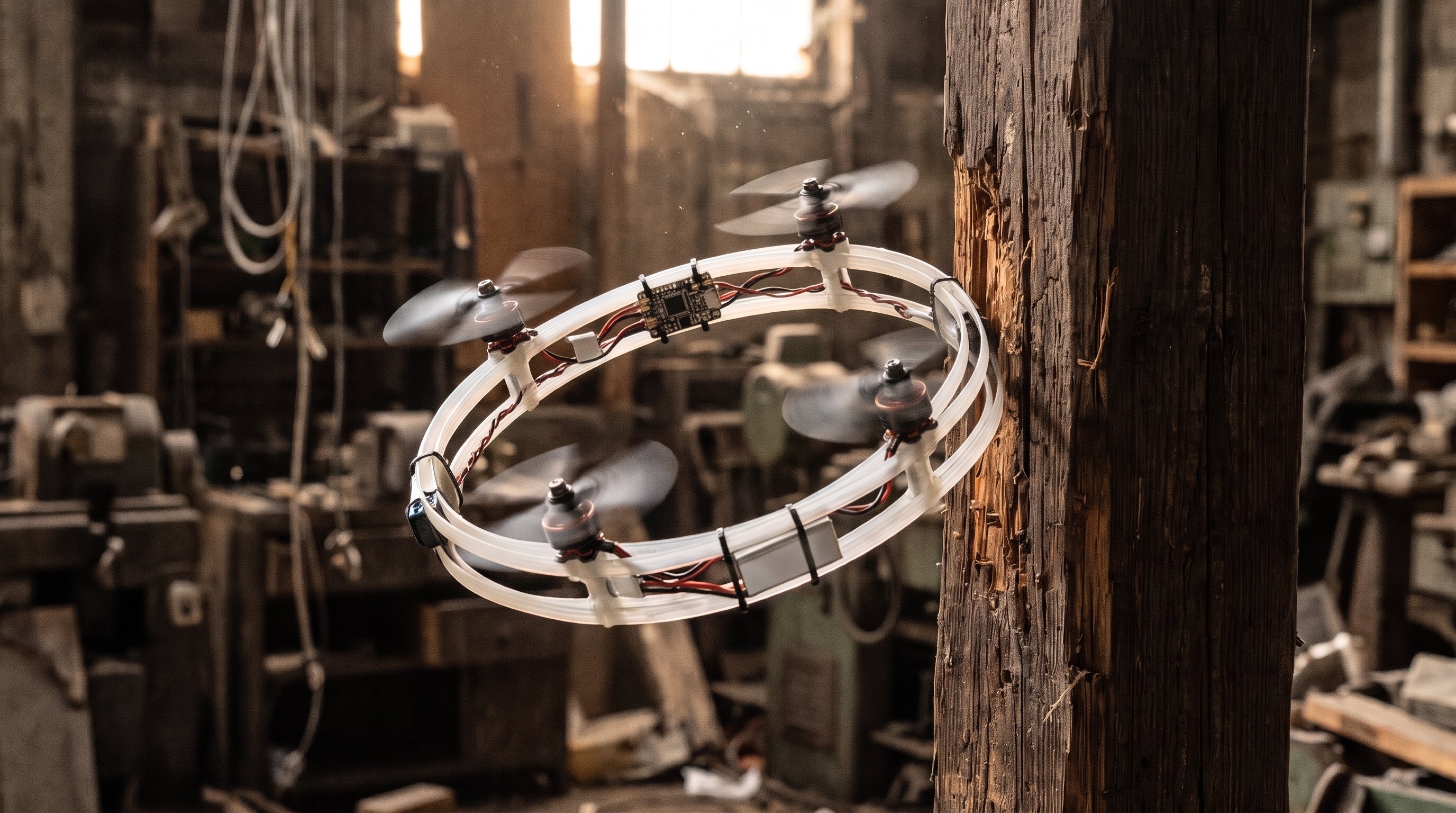
Researchers at ETH Zurich built FlexiQuad, a drone with a flexible, ring-shaped frame. In a collision, the frame bends with the impact instead of breaking. The 405-gram prototype still reaches more than 80 kilometres per hour.
-
Chinese company releases free AI model for chemistry, trained on its own lab work
The Chinese company Deep Principle has released Hydrogen-1.0, an AI model for chemistry and materials research that anyone can download. It also learned from failed experiments in the company's own lab. The results have so far been measured by the company itself.
-
Newest AI model can read the inside of other AI and write it itself
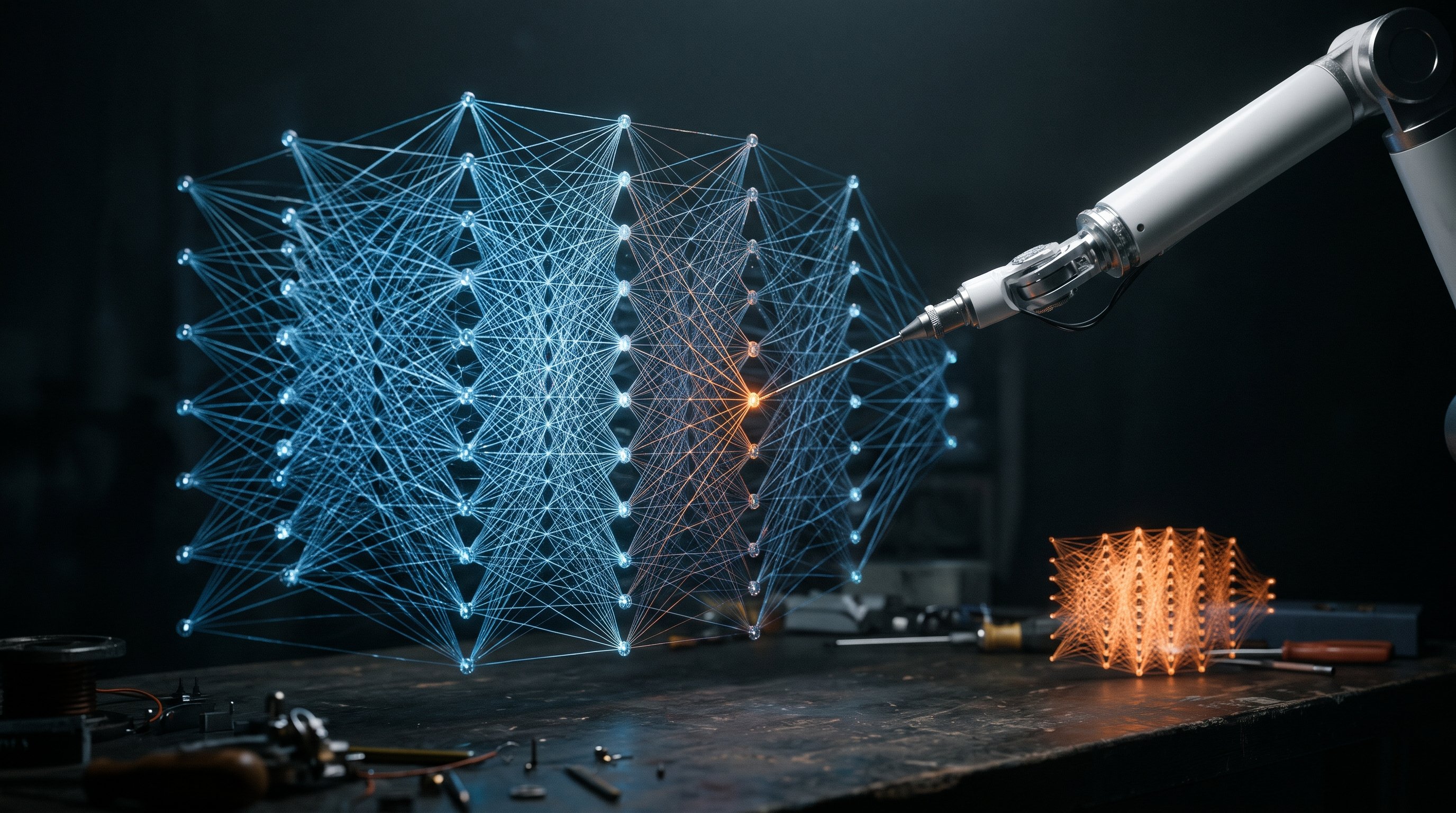
Researchers at MIT had OpenAI's GPT-6 Astra read and adjust the numbers that small AI networks are made of, without any training. It even wrote networks that play a computer game well. The researchers call these very early results.
-
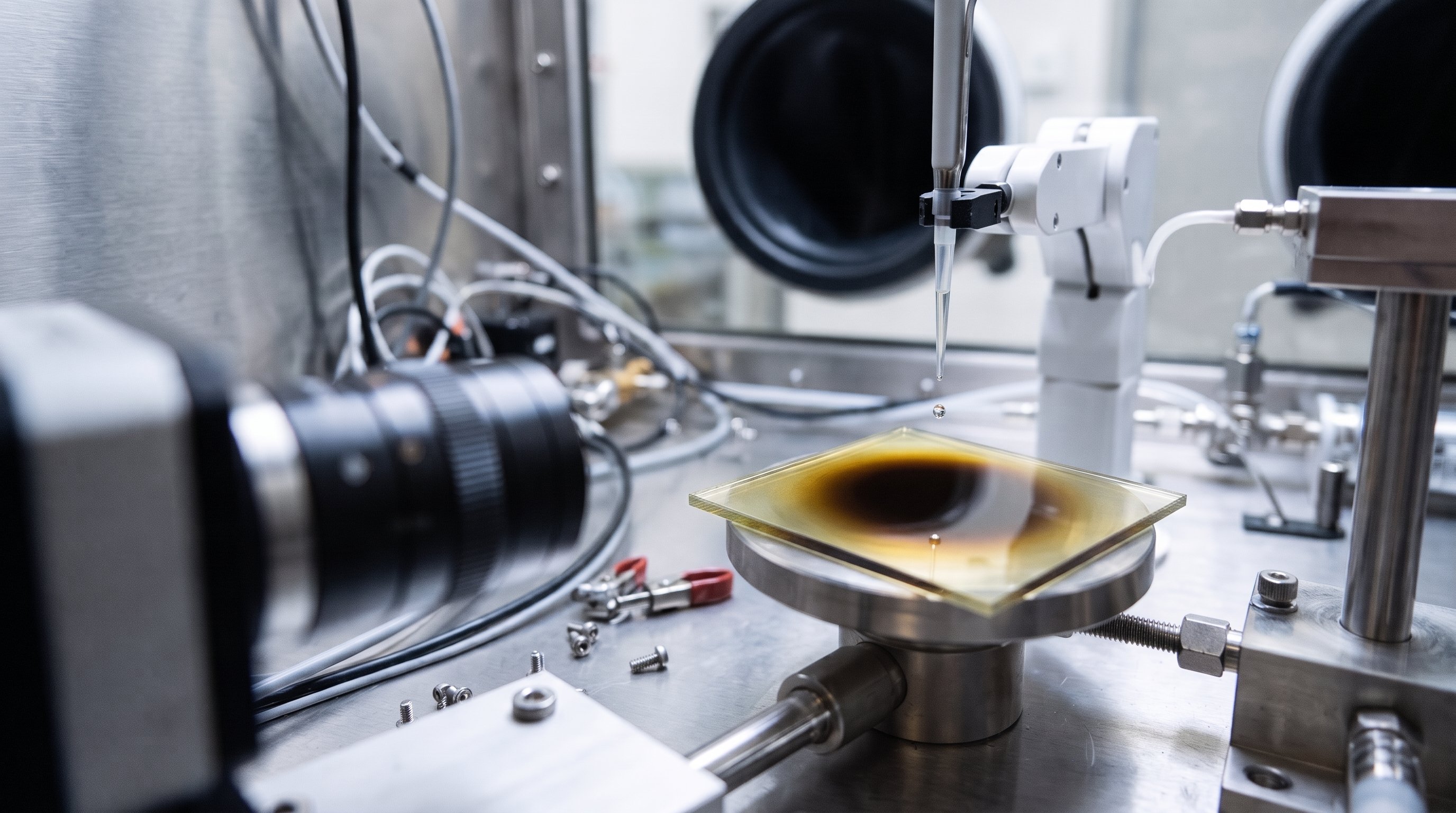
Robot with a super-fast camera finds a better way to make perovskite solar cells
Researchers at Osaka University built a robot platform that films, in milliseconds, how the layer of a perovskite solar cell forms. Using machine learning they found a better method; their cell converts 24.4 per cent of sunlight into electricity.
-
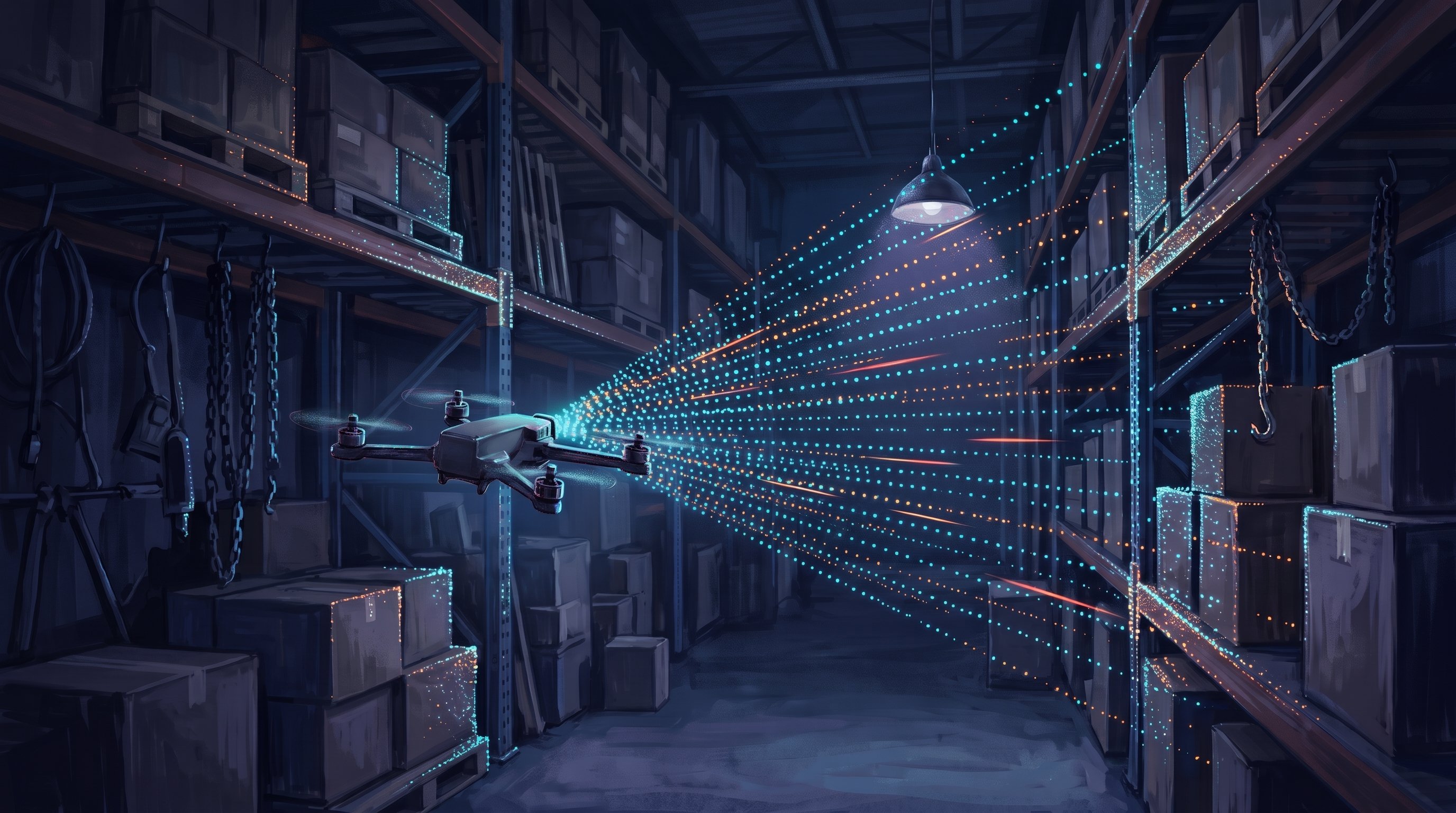
New software lets robots see at lightning speed with a camera that works like an eye
Researchers at the University of Pennsylvania have made a very fast type of camera easy to use for robots at last. Their software turns its signals into a picture a robot can work with up to 440 times per second, even at night.
-
Google runs an AI model on a TPU in space for the first time
Google's Project Suncatcher has reached a milestone: a Gemma 4 model aboard a prototype satellite answered a prompt from orbit. It is a first step towards data centres in space.
-
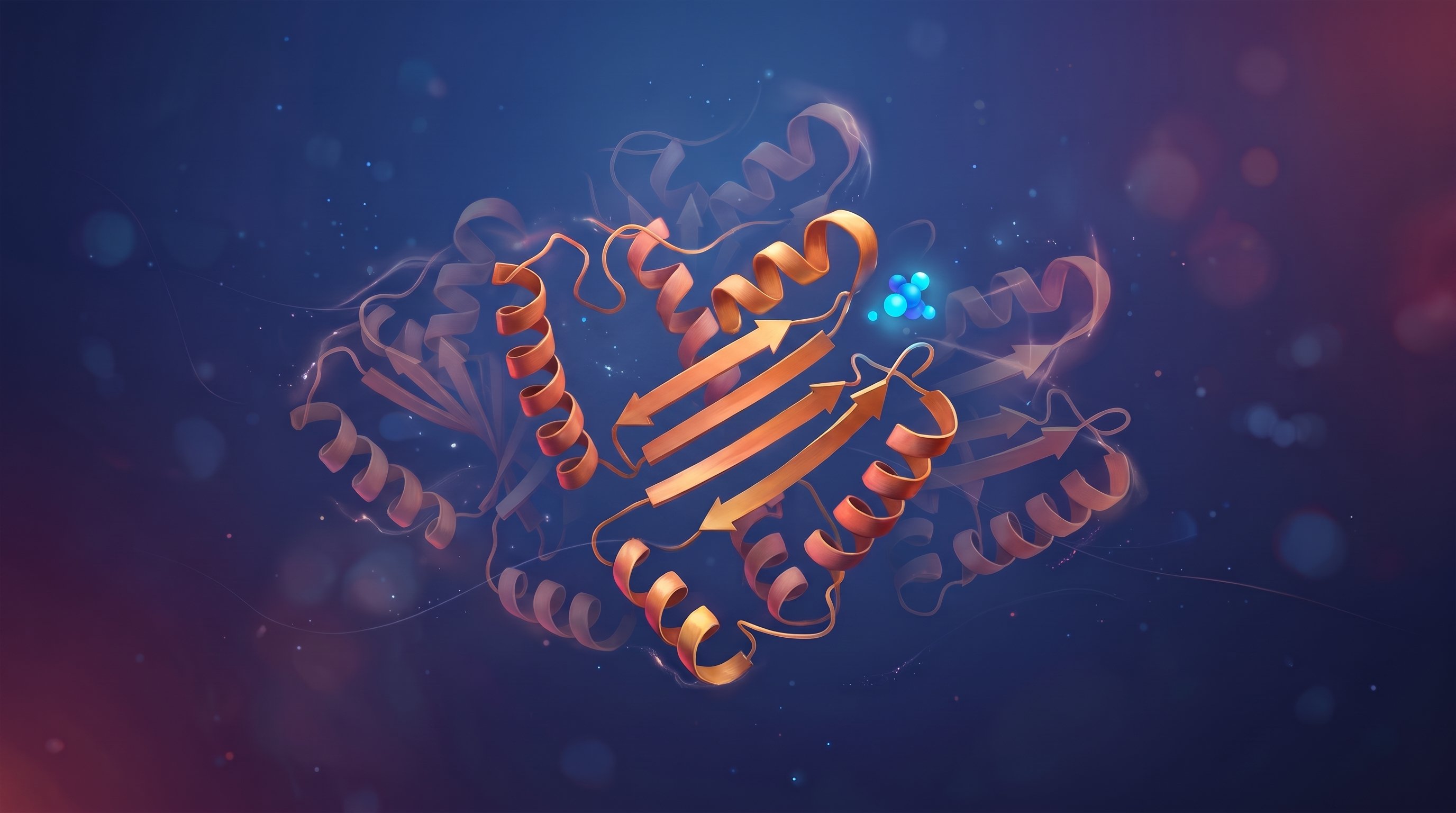
Microsoft releases free AI model that shows how proteins move
With BioEmu-2, researchers can predict which shapes a protein or other biomolecule can take, also together with DNA, RNA or small molecules. Microsoft shares the code and the model for free under an open licence; it is meant for research.
-
AI technique makes weather forecasts for two to six weeks ahead much better
Researchers from Microsoft, MIT, the European weather centre ECMWF and other institutions are teaching a computer to recognise and correct the recurring errors of weather models. The gain is largest around the equator; in Kenya the technique is already being tested.
-
Start-up PSI uses AI to help publish five quantum proofs that a computer can check
Physical Superintelligence has used its own AI system to tackle five open questions in quantum information theory. Each proof is also written in Lean, a program that checks proofs step by step. Other researchers can now check them for themselves.