Nederlands
Topic
#Machine learning
-
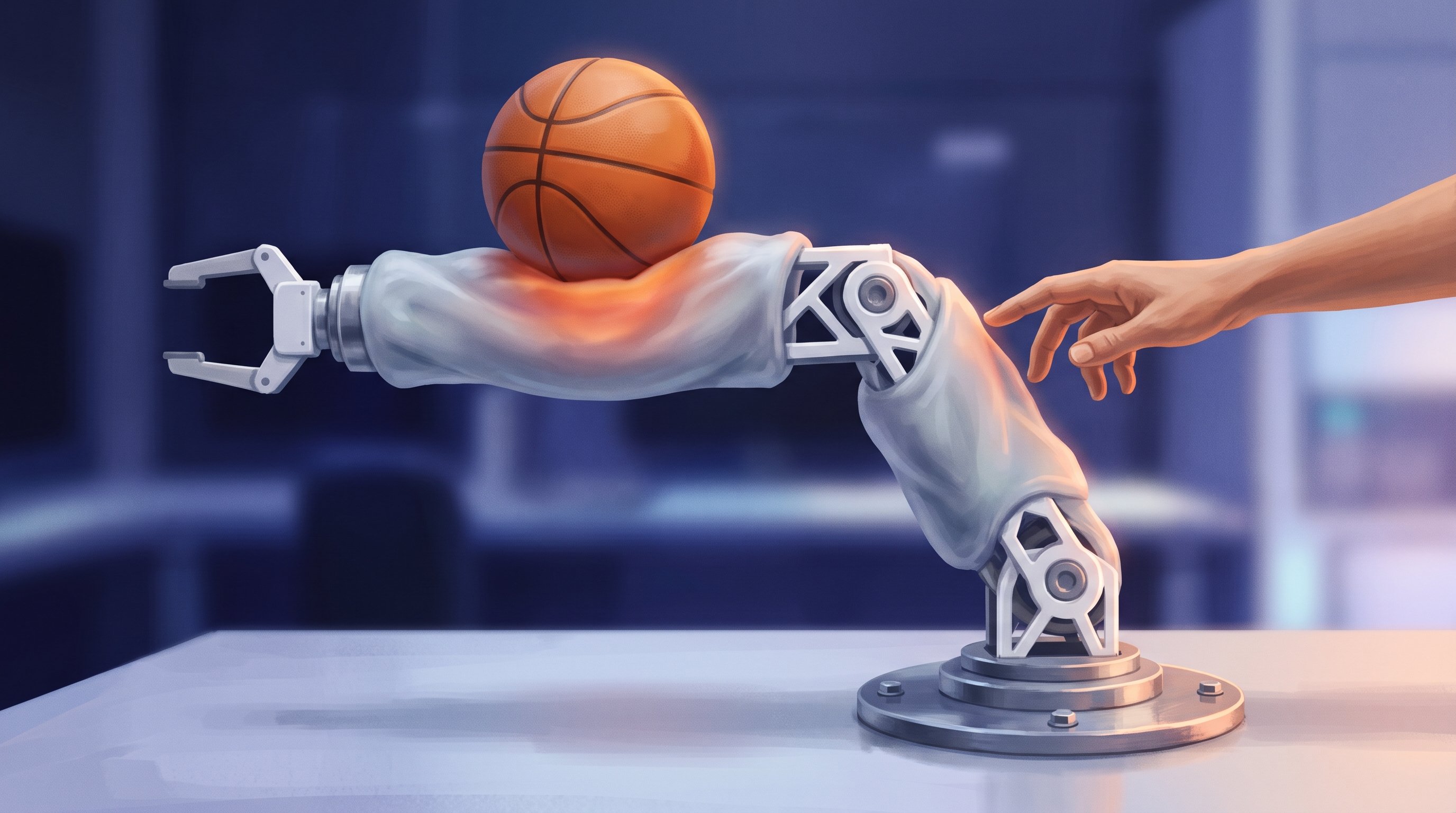
Robot arm with artificial skin feels where it is touched, even without looking
Researchers in Hong Kong built a robot arm with a soft skin that feels touch over almost the whole arm. This lets the arm balance a ball and stop when a hand is in the way, even when its camera sees nothing.
-
KAIST's AI fills in the ground beneath clouds on satellite images
Researchers at South Korea's KAIST built an AI model that learns what the Earth looks like from above, including location and scale. This lets it remove clouds from satellite photos and turn radar images into ordinary photos. That will help with disasters and nature management.
-
Does Claude learn by playing on a desert island?
MIT researchers let the AI assistant Claude loose on a virtual island for thirty hours without any task. It invented its own games, made drawings with blocks and did small experiments. With that experience, it later did better on most new tasks than a version of Claude without that play experience.
-
Researchers let an AI agent think partly without words: faster and cheaper
Researchers from Stanford and Together AI let an AI agent do part of its thinking without writing it out. It only switches to text to look something up or to answer. According to them, it works up to 2.6 times faster this way and scores better than comparable systems.
-
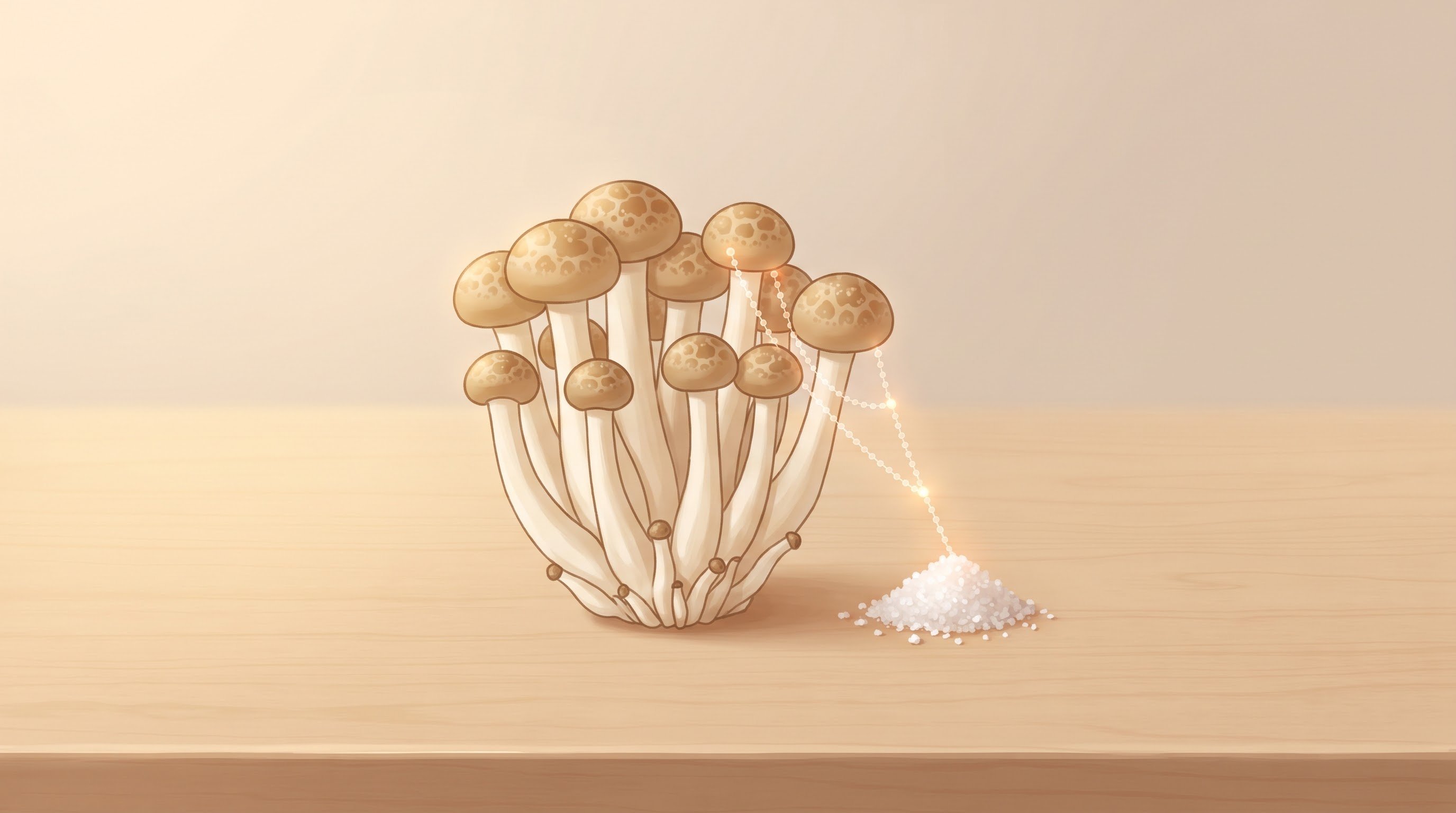
Substance from the beech mushroom makes salt taste much saltier
Chinese researchers found three small protein fragments in the beech mushroom that make salt water taste saltier, the strongest by almost 71 per cent. AI helped with the search. The next step is to test them in real food, and to find out how much salt can then be left out.
-
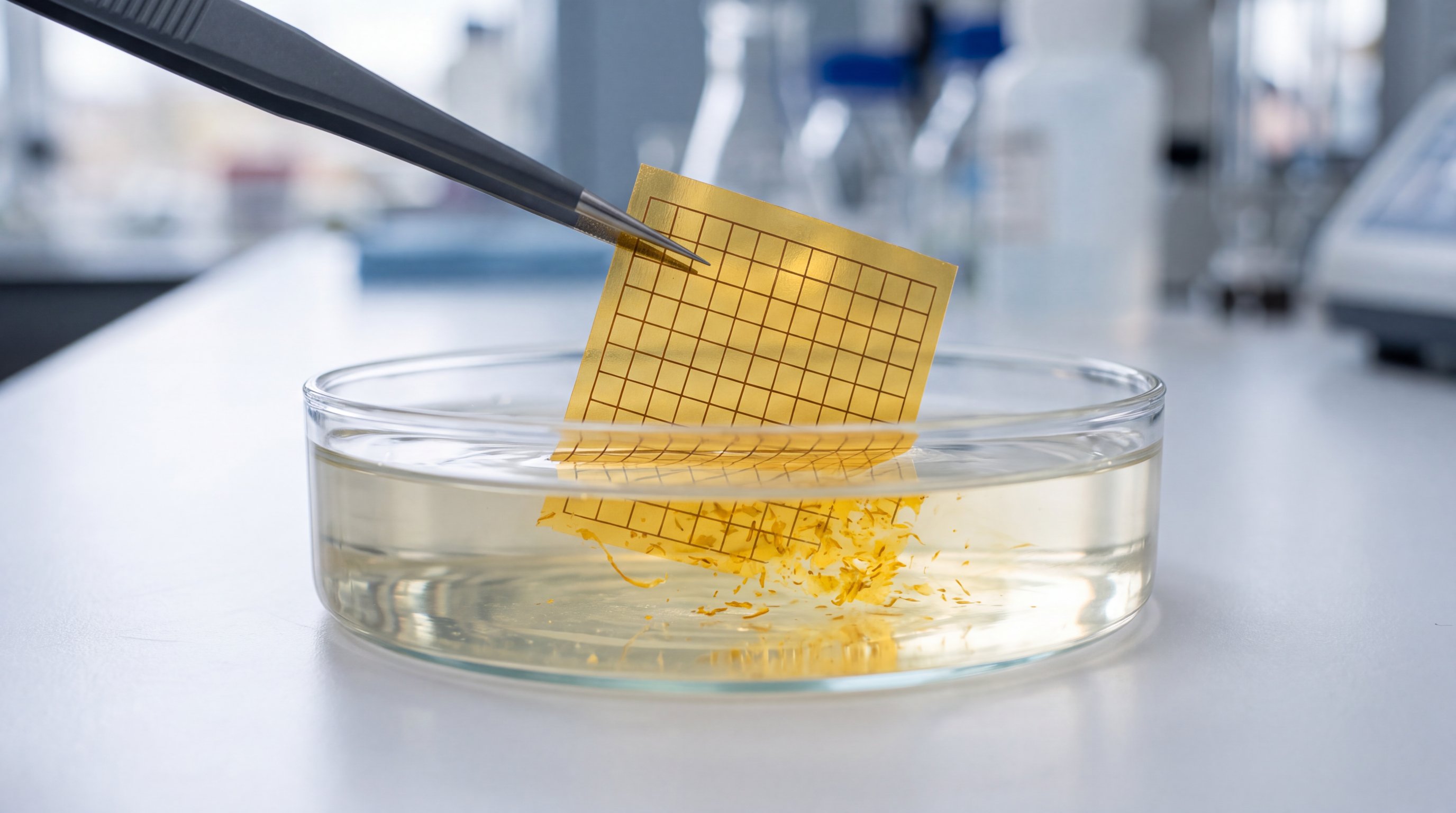
Printed brain-inspired chip dissolves in six minutes after use
Researchers in China have printed a flexible chip that, like our brain, calculates and remembers in the same place. It recognises handwritten digits almost as well as ordinary software and dissolves in six minutes after use.
-
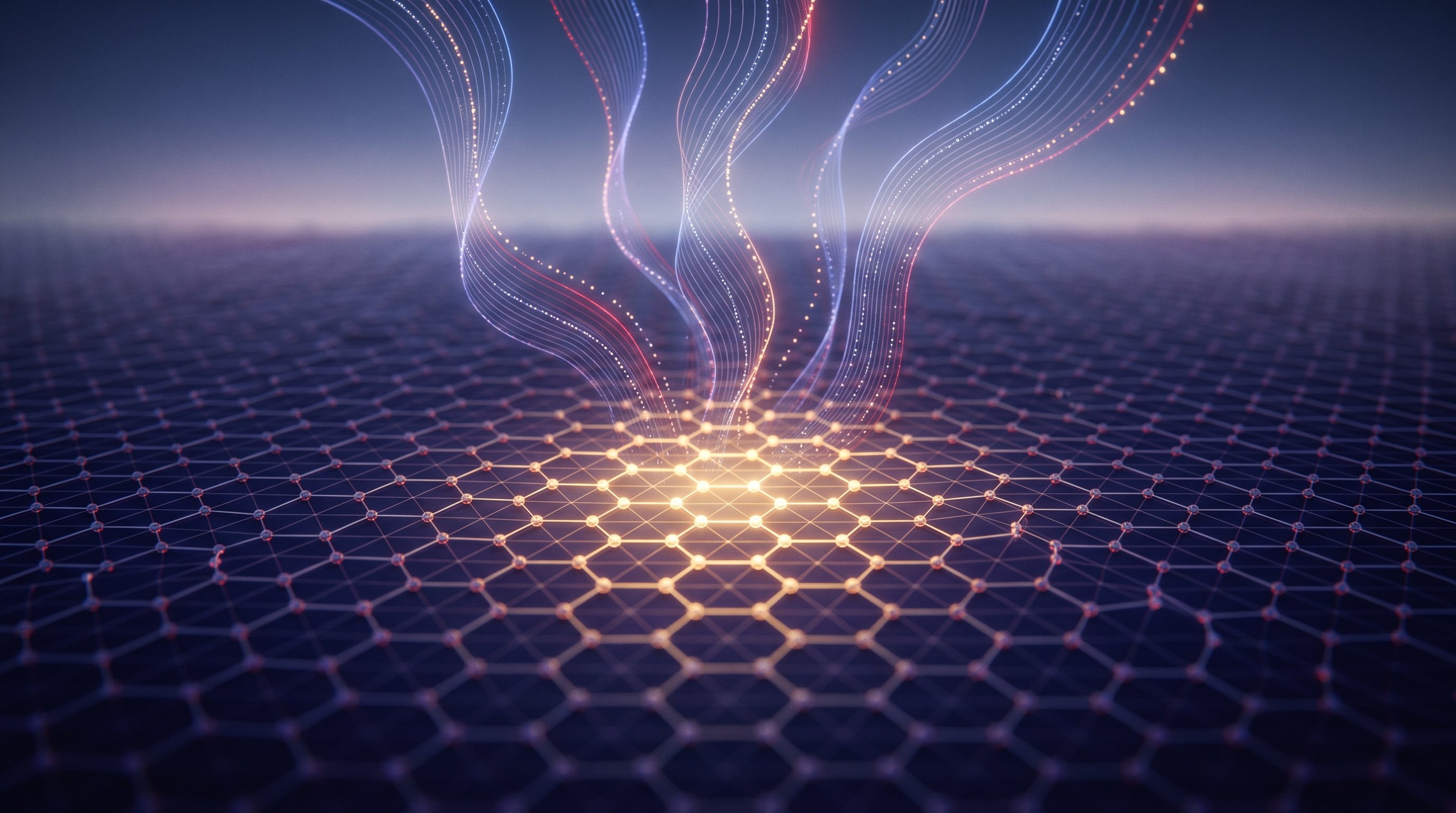
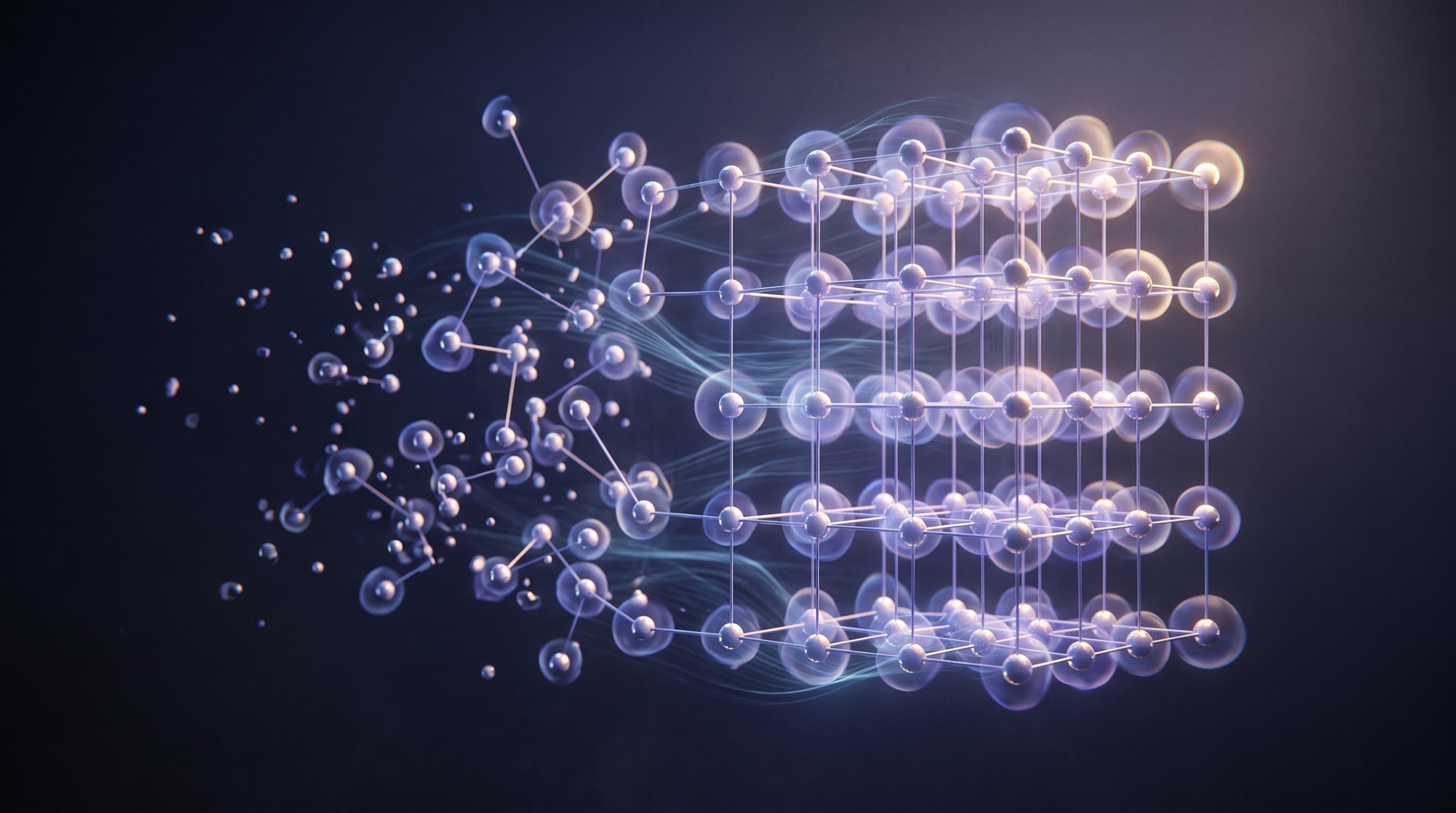
MIT teaches AI to see how crystals are built, and that helps the search for new materials
Language models know a lot about materials, but cannot 'see' how a crystal is built. MIT researchers linked 3D structures to descriptions in plain language. As a result, their model finds better candidates, for example for batteries.
-
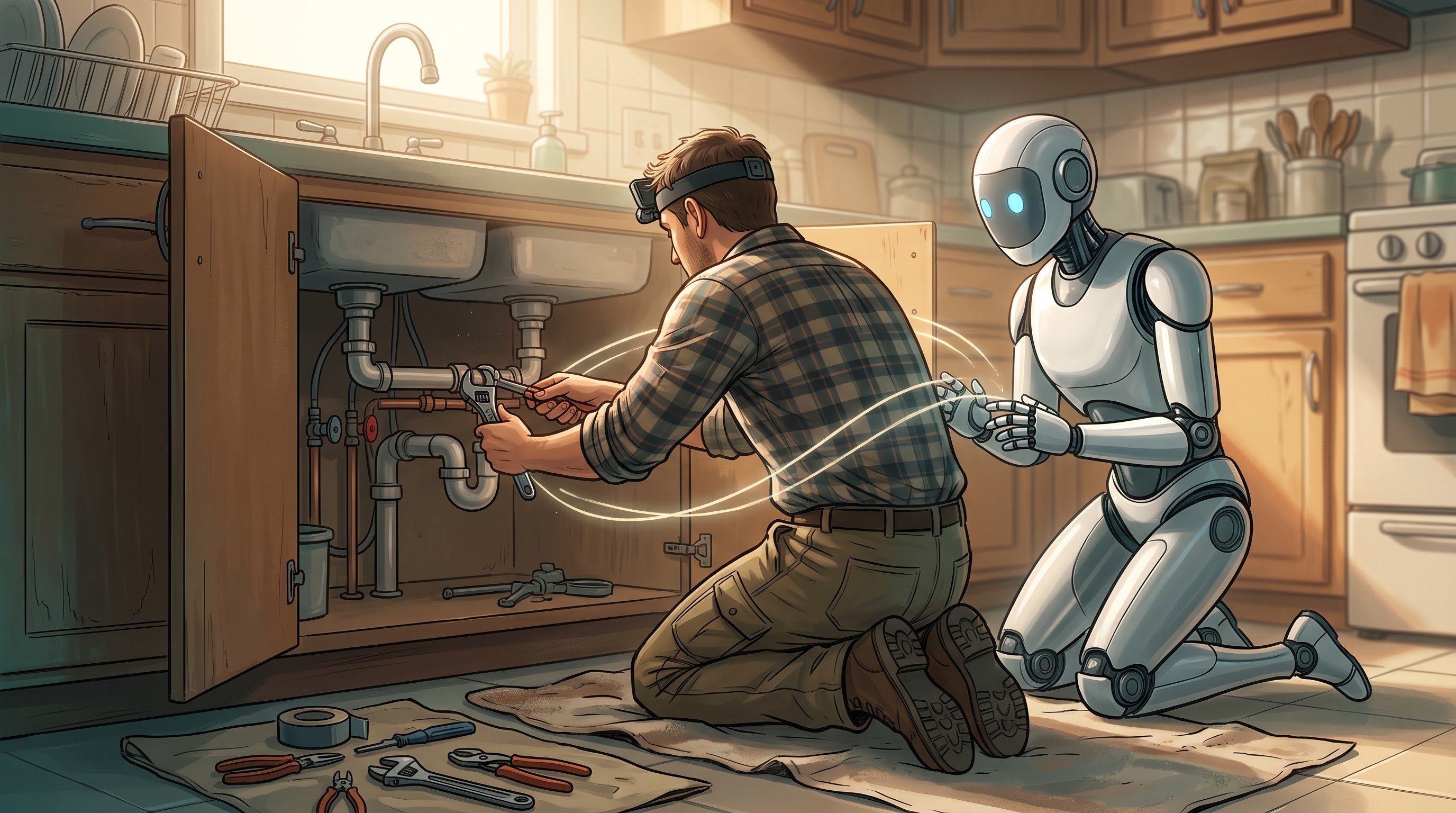
AI company pays plumbers and technicians to teach robots home repairs
The American data company HUMXN is paying for repairs to plumbing, electrics and heating and cooling systems in Minneapolis, Chicago and Miami. The technician wears a camera during the job, so that robots can learn how skilled workers solve problems. The resident gets the job done for free.
-
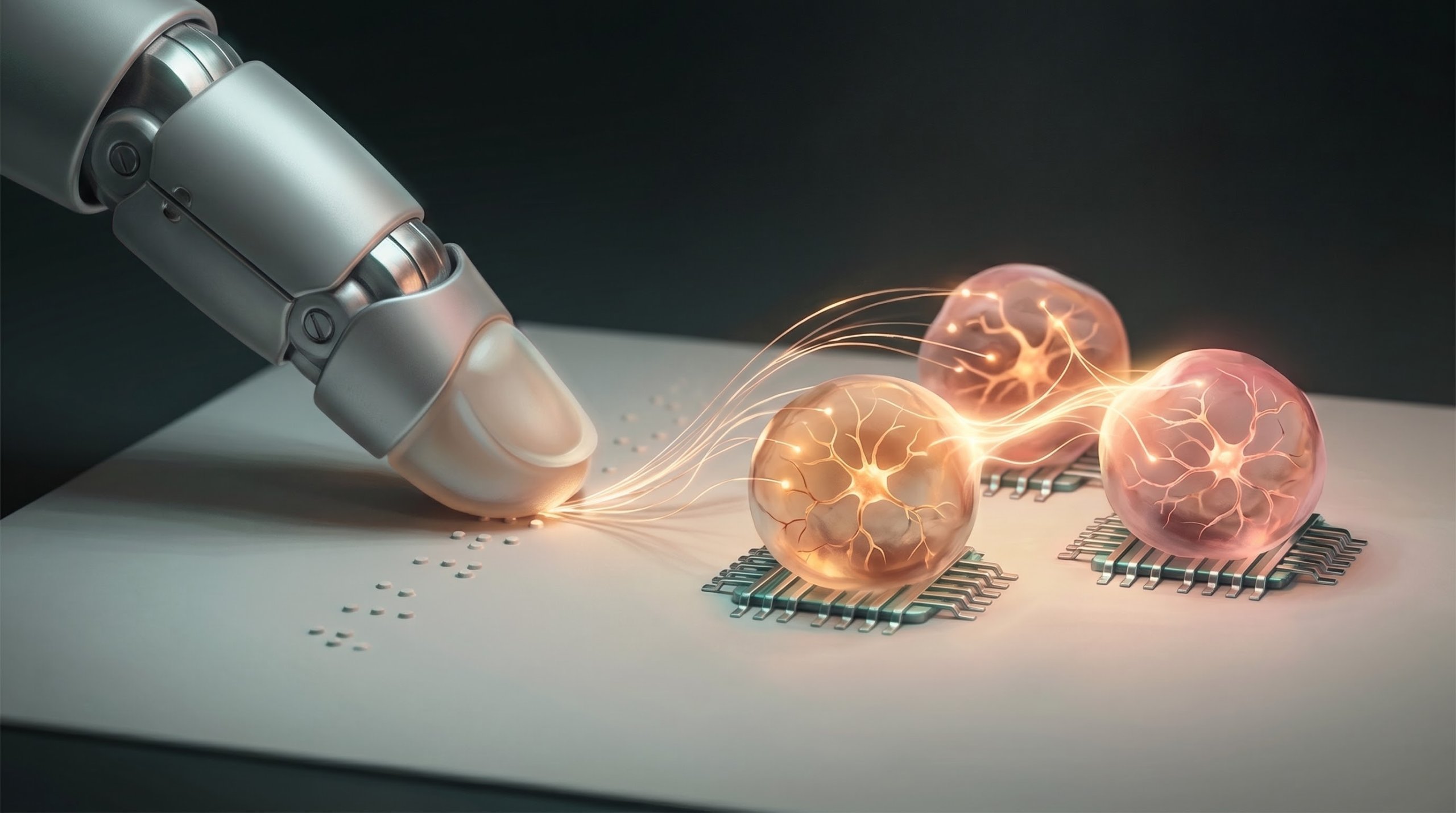
Researchers read braille with lab-grown brain tissue
Researchers at the University of Bristol sent braille, felt by a robotic finger, as small electrical pulses to lab-grown balls of brain tissue. From the response of three balls together, they read 83 per cent of the letters correctly. A first step towards energy-efficient biocomputers.
-
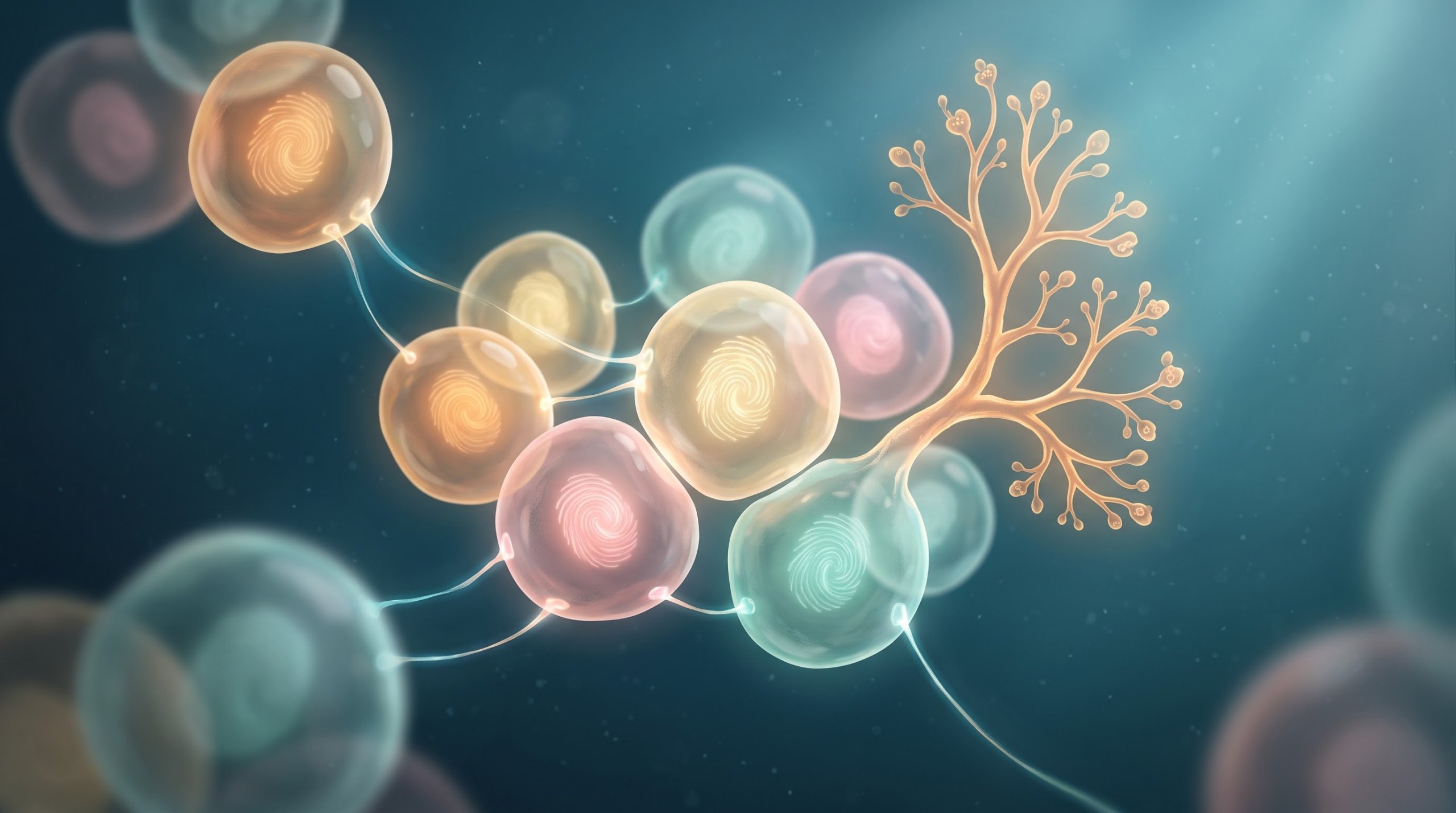
AI model IRIS reads which signals cells in an embryo have received
Researchers at MIT and the Whitehead Institute have built an AI model that can tell from a cell's gene activity which signals that cell received from its neighbours. With that knowledge, they have already improved a lab recipe for growing precursors of lung tissue from human stem cells.
-
AI designs new materials better when it also looks at the electrons
Researchers at the University of Tokyo taught Microsoft's AI model MatterGen to design the distribution of the electrons along with each new crystal. As a result, the model more often comes up with materials that are both stable and new.
-
Northwestern builds glasses whose sensors generate their signal from facial movements
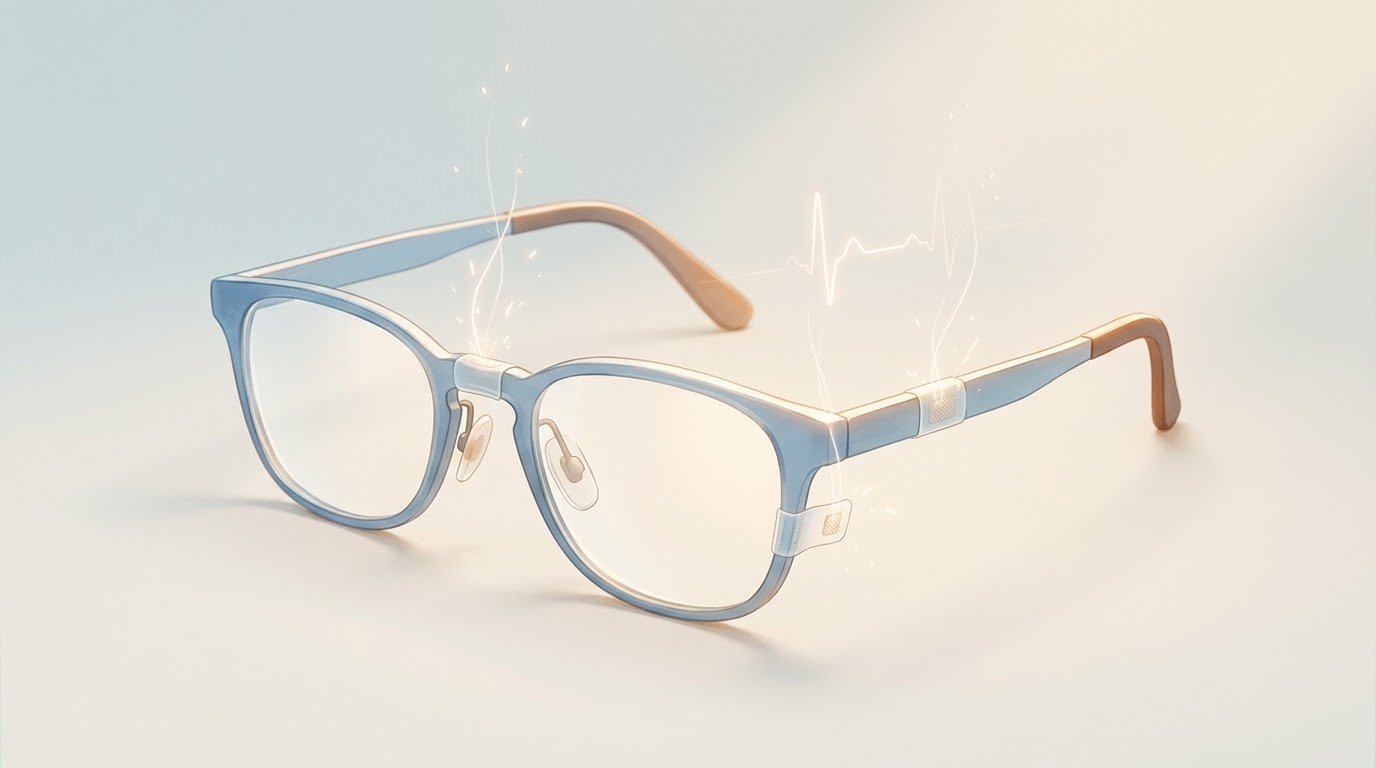
Researchers at Northwestern University built GlassTENG: glasses with sensors that generate their signal from facial movements. They recognise the pulse, firm blinking and jaw movements, and the readout electronics use almost no power. A battery-free version is the next step.
-
Lab-grown human brain tissue learns to balance a virtual pole with an AI coach
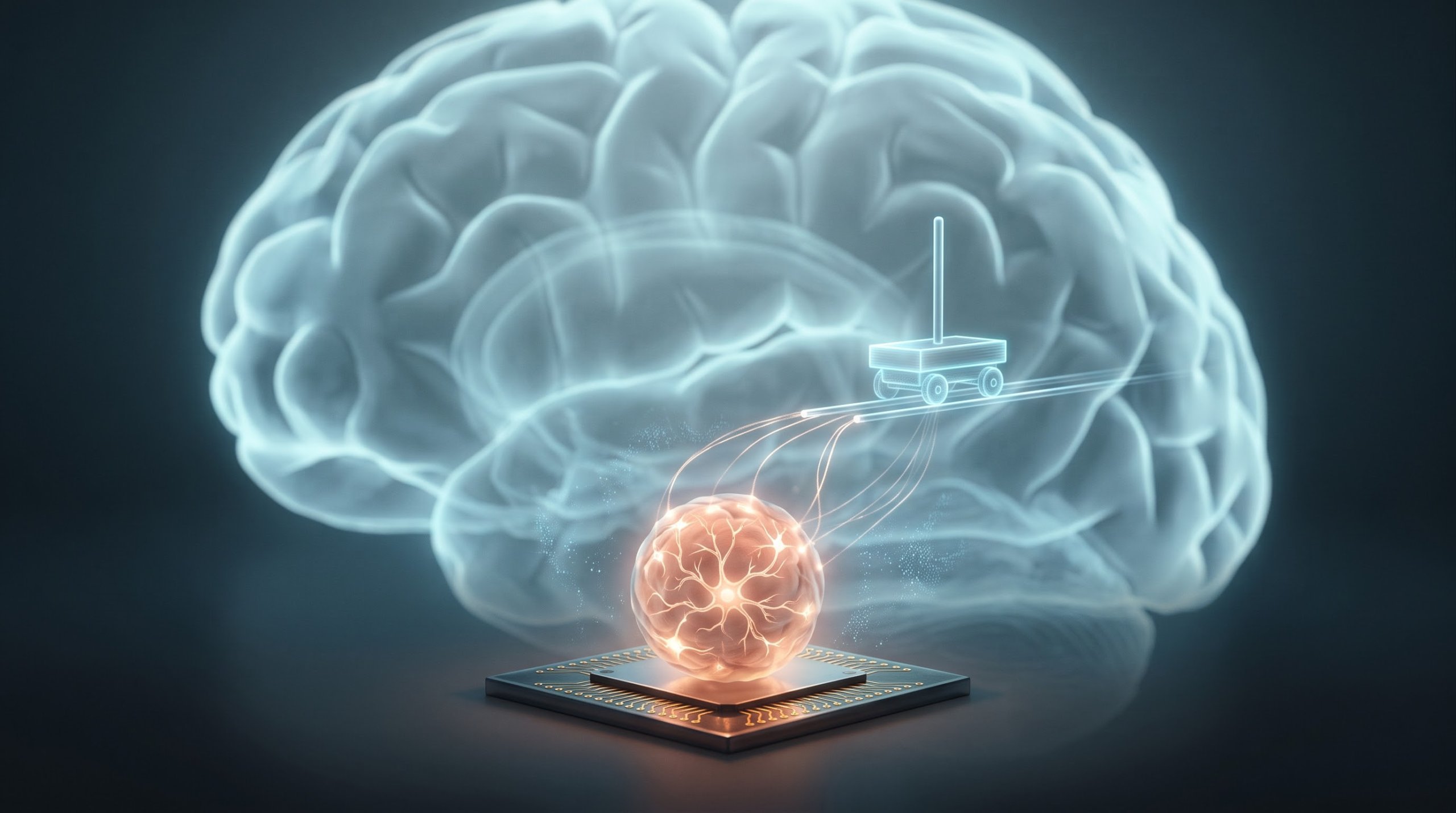
At a meeting in Silicon Valley, a team from UC Santa Cruz showed how cultured human brain tissue learns a classic control task: keeping a pole upright on a cart. An AI algorithm acts as the coach. A volunteer with a keyboard could barely keep up with the tissue.