Nederlands
Section
Research
Fundamental breakthroughs that fit nowhere else.
-
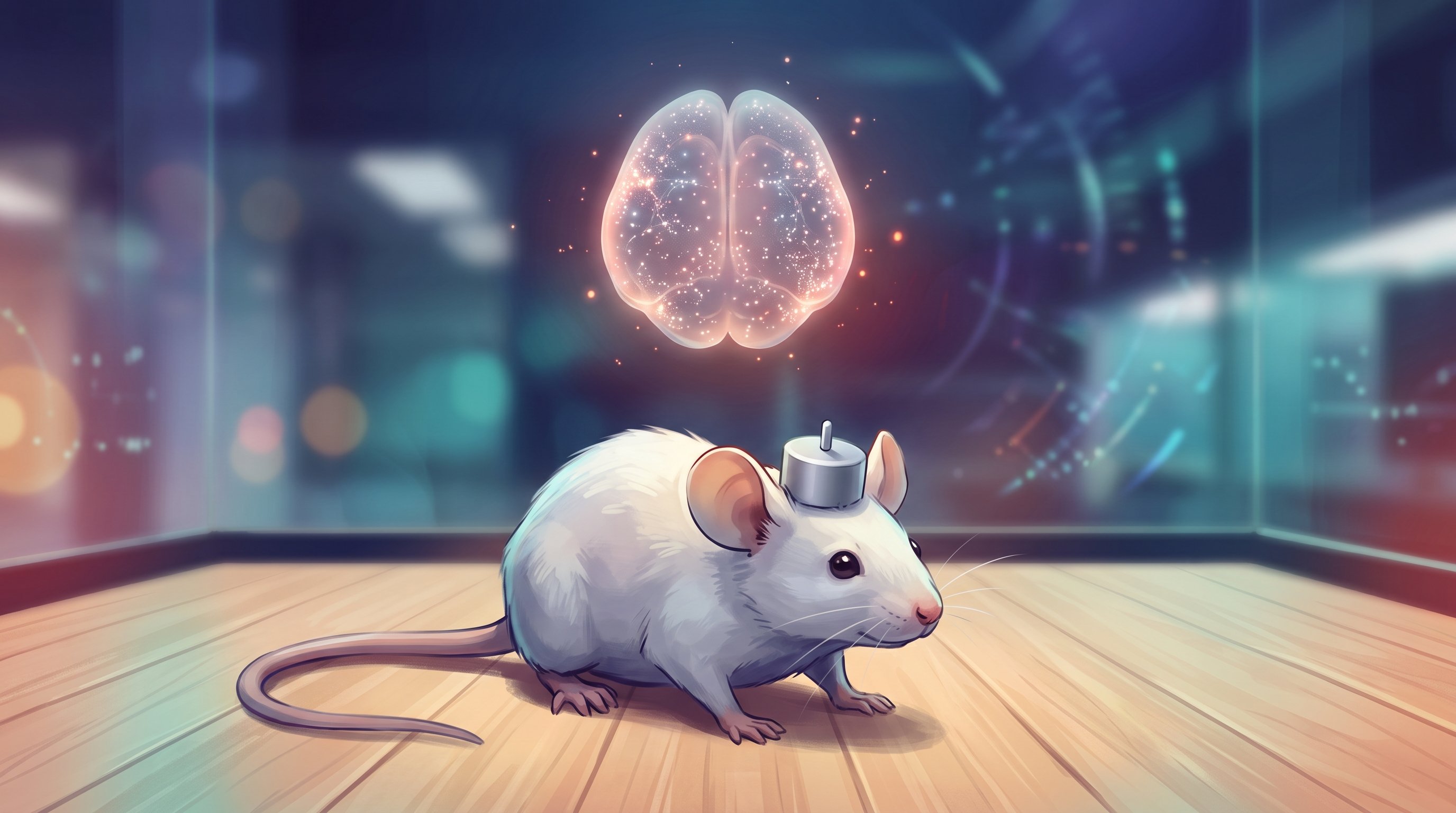
One-gram wireless microscope follows thousands of brain cells in freely moving mice
Chinese researchers built a one-gram microscope that a mouse wears on its head. Without cables, it films the activity of more than 8,500 brain cells at once while the mouse walks around, swims and interacts with other mice.
-
Physicist lets AI swap calculation methods between fields: 36 papers in three months
Harvard physicist Matthew Schwartz had the AI model Claude apply calculation tricks from one field in another. With 19 colleagues, that produced 36 scientific papers in three months, from sunspots with a life expectancy to a rainforest that changes faster than expected.
-
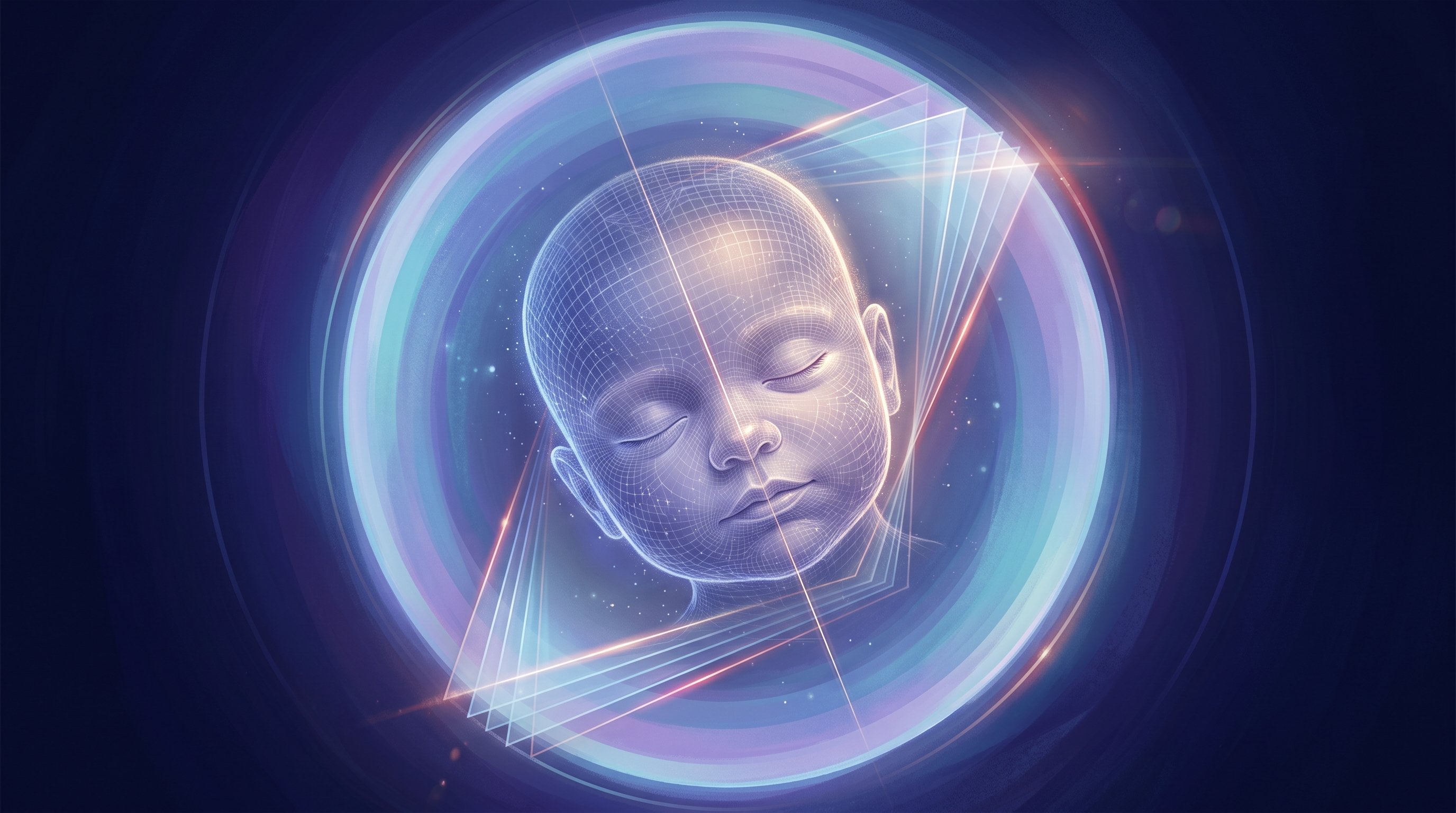
AI that knows a head is symmetrical tracks the moving head of an unborn baby during an MRI scan
An unborn baby moves during an MRI scan, so images of the brain fail or come out skewed. Researchers at MIT and Boston Children's Hospital built an AI model that quickly tracks the position of the head. The secret: the model already knows that a head is the same on the left and the right.
-
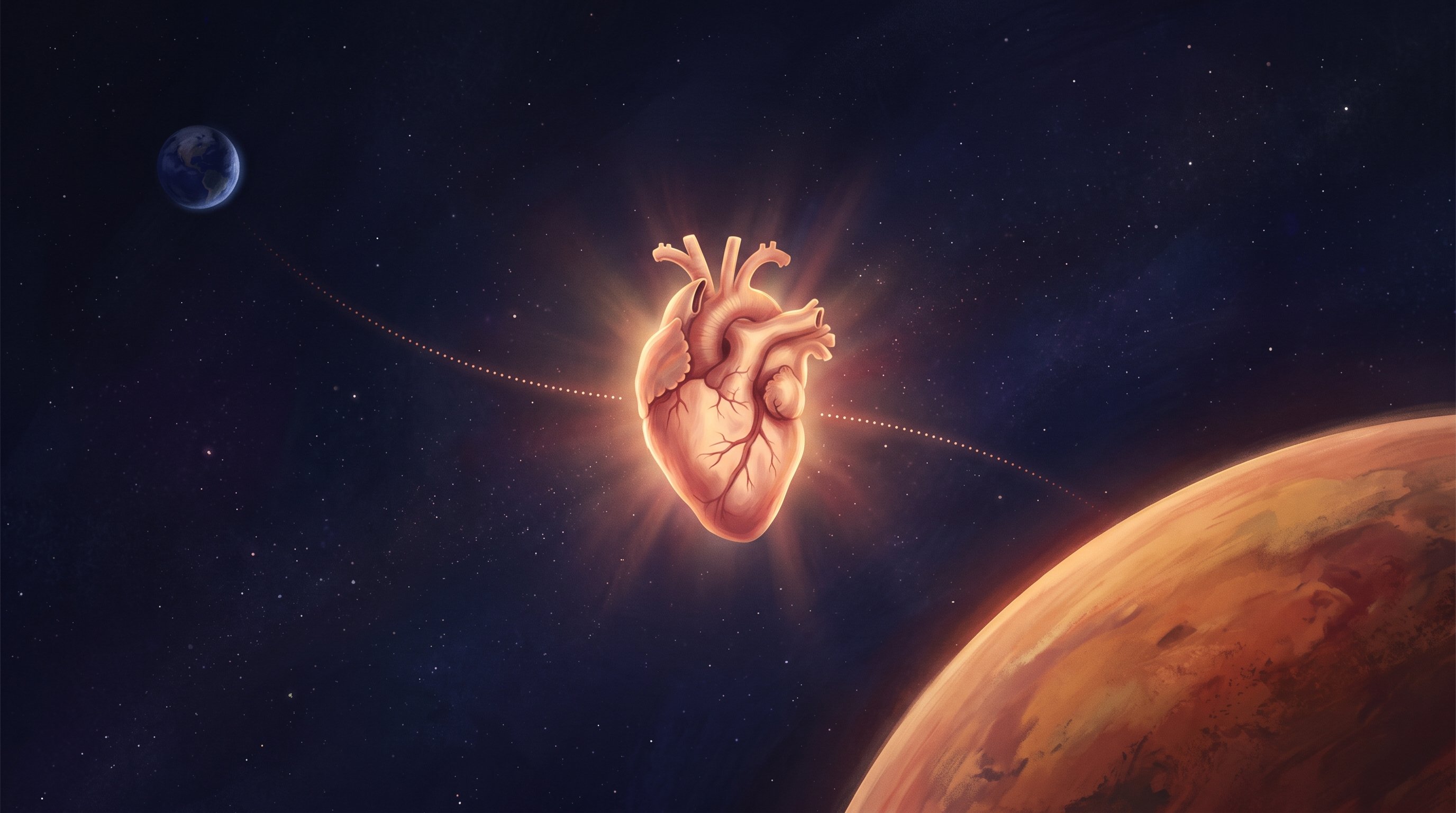
Daily exercise keeps astronauts' hearts ready for Mars
Astronauts' hearts shrink slightly in their first weeks in space, but with daily training they recover during a six-month stay. After returning, the hearts coped well with simulated Martian gravity, American researchers report.
-
Oxford keeps a quantum link between atoms in two places alive for more than ten seconds
Physicists at the University of Oxford linked atoms of strontium and calcium in two places into a single quantum state. By passing the link on to calcium, it lasted more than ten seconds instead of milliseconds. A step towards networks of quantum computers.
-
KAIST's AI fills in the ground beneath clouds on satellite images
Researchers at South Korea's KAIST built an AI model that learns what the Earth looks like from above, including location and scale. This lets it remove clouds from satellite photos and turn radar images into ordinary photos. That will help with disasters and nature management.
-
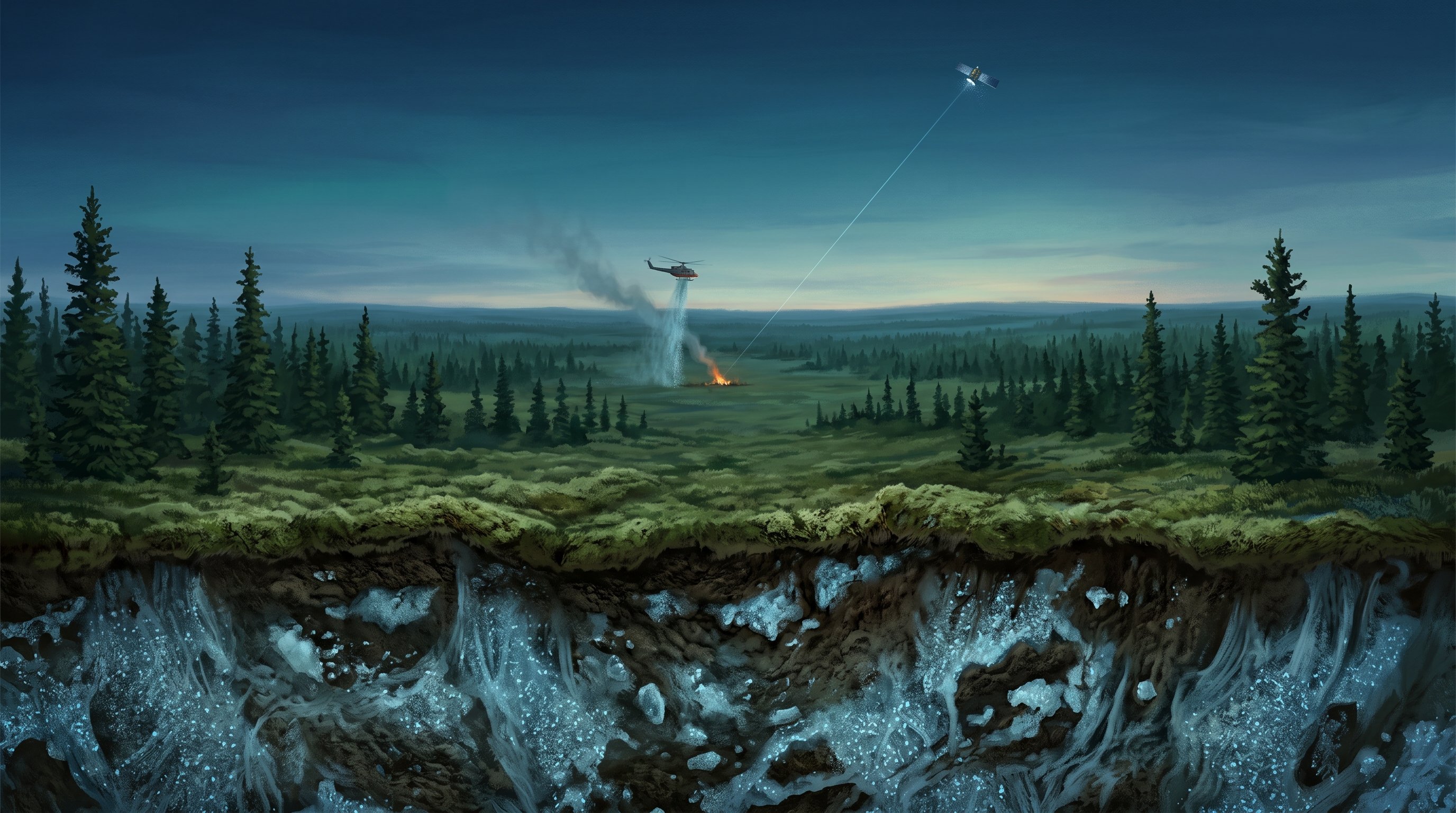
Firefighters in Alaska put out forest fires to protect frozen ground and its carbon
In the north of Alaska and Canada, researchers and firefighters are trying to stop forest fires before they thaw the permanently frozen ground. That keeps a lot of carbon in the soil. New satellites and maps should help; how well it works is now being studied.
-
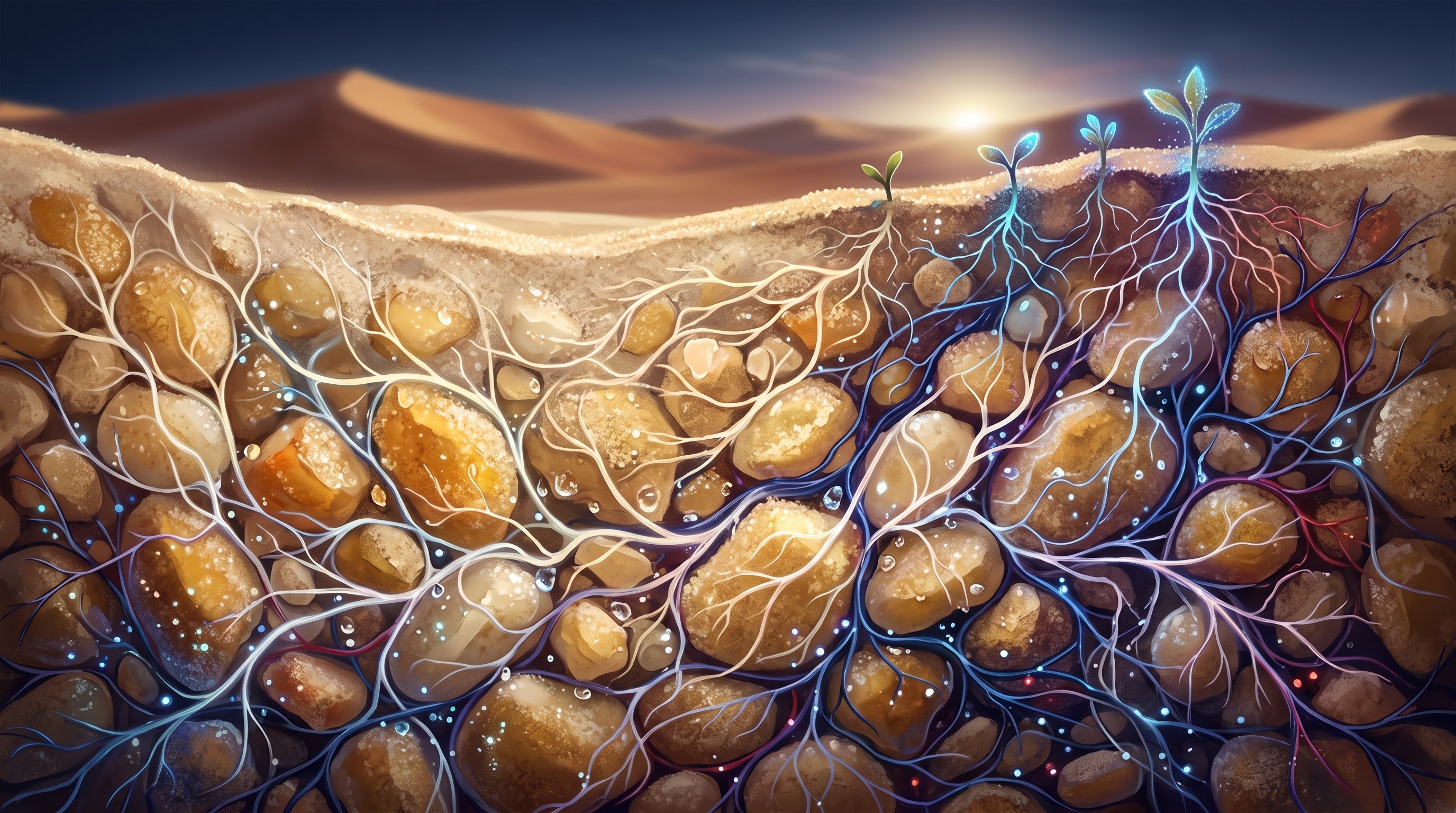
Bacteria and fungi make 'living desert sand' that holds water for longer
Researchers from Switzerland and Abu Dhabi let bacteria and fungi make fibres between grains of sand. As a result, water drains away up to six times more slowly, and with layers of bacterial cellulose even 28 times. It is a first step in the lab; trials with plants will follow.
-
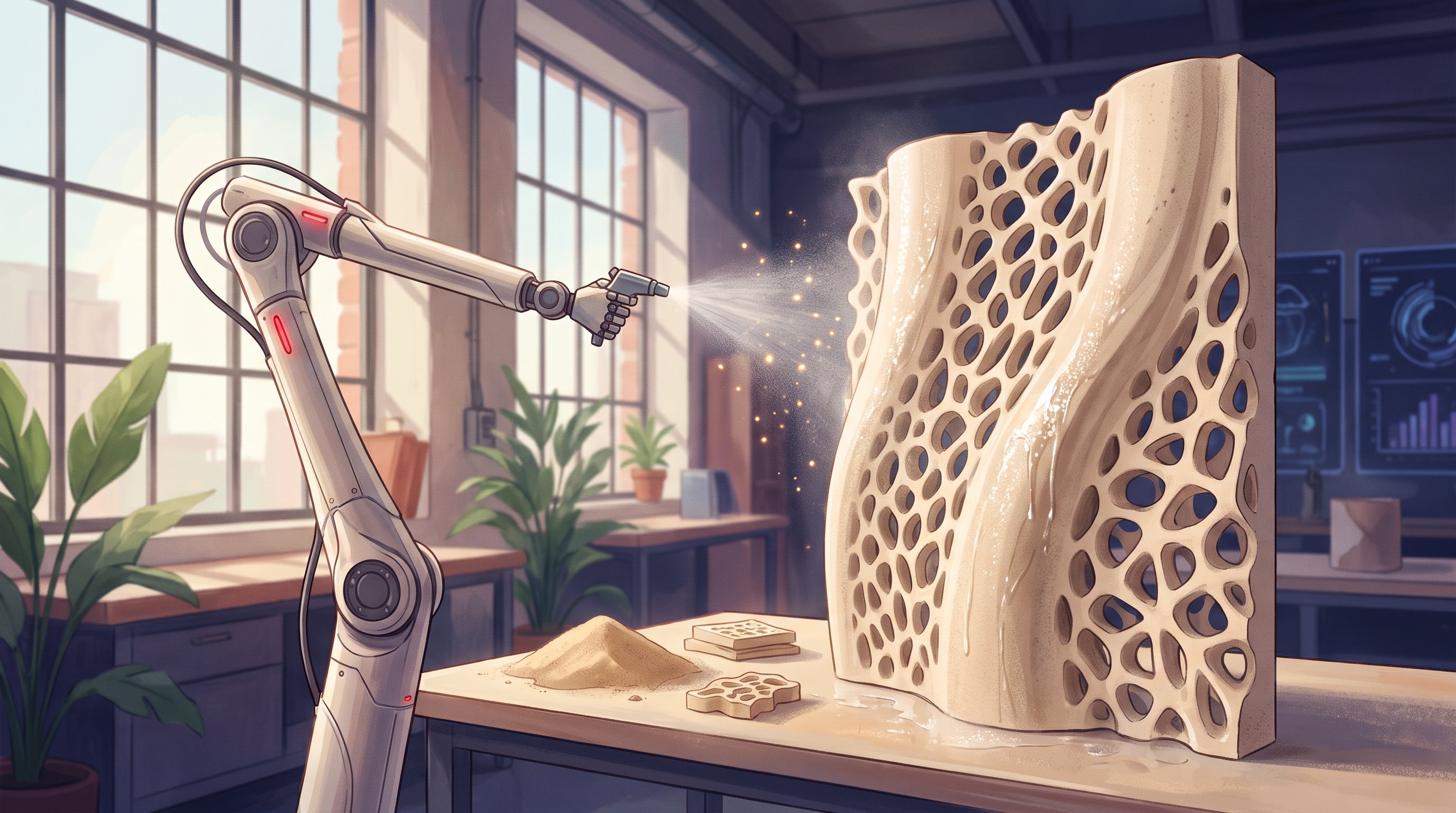
Bacteria turn sand into building material, without a hot kiln
Researchers at ETH Zurich let bacteria glue grains of sand together into a kind of stone, at room temperature. They print and spray facade and wall elements with it. The material is now about as strong as mortar; the next step is to make it stronger and cleaner.
-
Does Claude learn by playing on a desert island?
MIT researchers let the AI assistant Claude loose on a virtual island for thirty hours without any task. It invented its own games, made drawings with blocks and did small experiments. With that experience, it later did better on most new tasks than a version of Claude without that play experience.
-
Made-up company data with a known answer teaches AI agents to analyse better
Researchers from Meituan and Chinese universities build fake worlds full of messy files, and they know exactly what lies behind them. That makes it possible to check whether an AI agent really draws the right conclusion. A model that practised with them became clearly better at data analysis.
-
Researchers let an AI agent think partly without words: faster and cheaper
Researchers from Stanford and Together AI let an AI agent do part of its thinking without writing it out. It only switches to text to look something up or to answer. According to them, it works up to 2.6 times faster this way and scores better than comparable systems.
-
Electron pairs survive after superconductivity is gone
Physicists saw that electrons in a metal keep forming pairs even when it is just too warm for superconductivity. That helps to understand how electricity without losses comes about. The next step is to see whether it also happens inside the material.
-
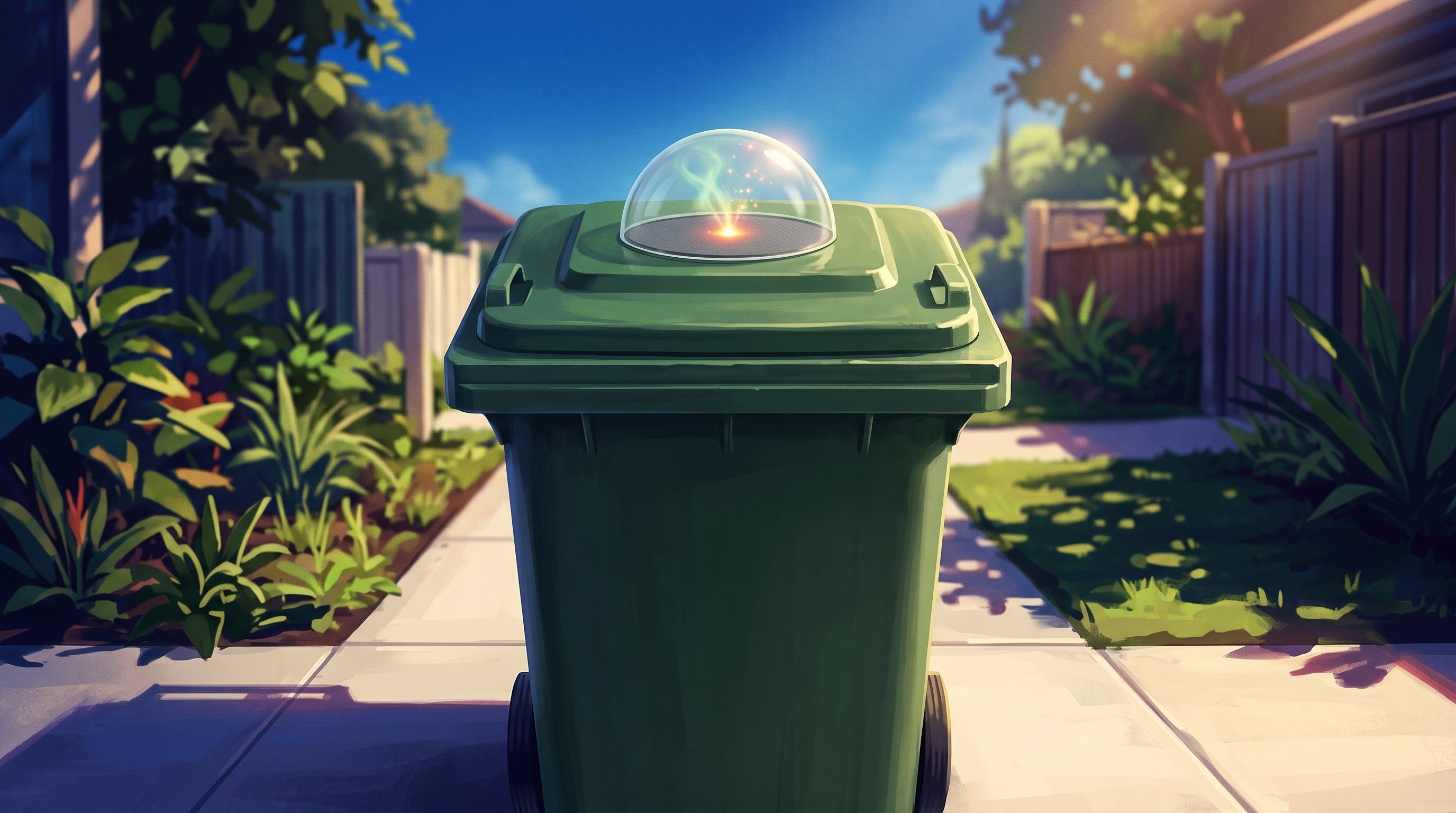
Lid insert with a sunlight catalyst takes the stink out of the bin
Chinese researchers have built a transparent insert for the lid of a wheelie bin. A lens focuses sunlight onto a cheap catalyst, which breaks down the sour smell of rotting waste. In an outdoor test it did so for more than 40 days in a row.
-
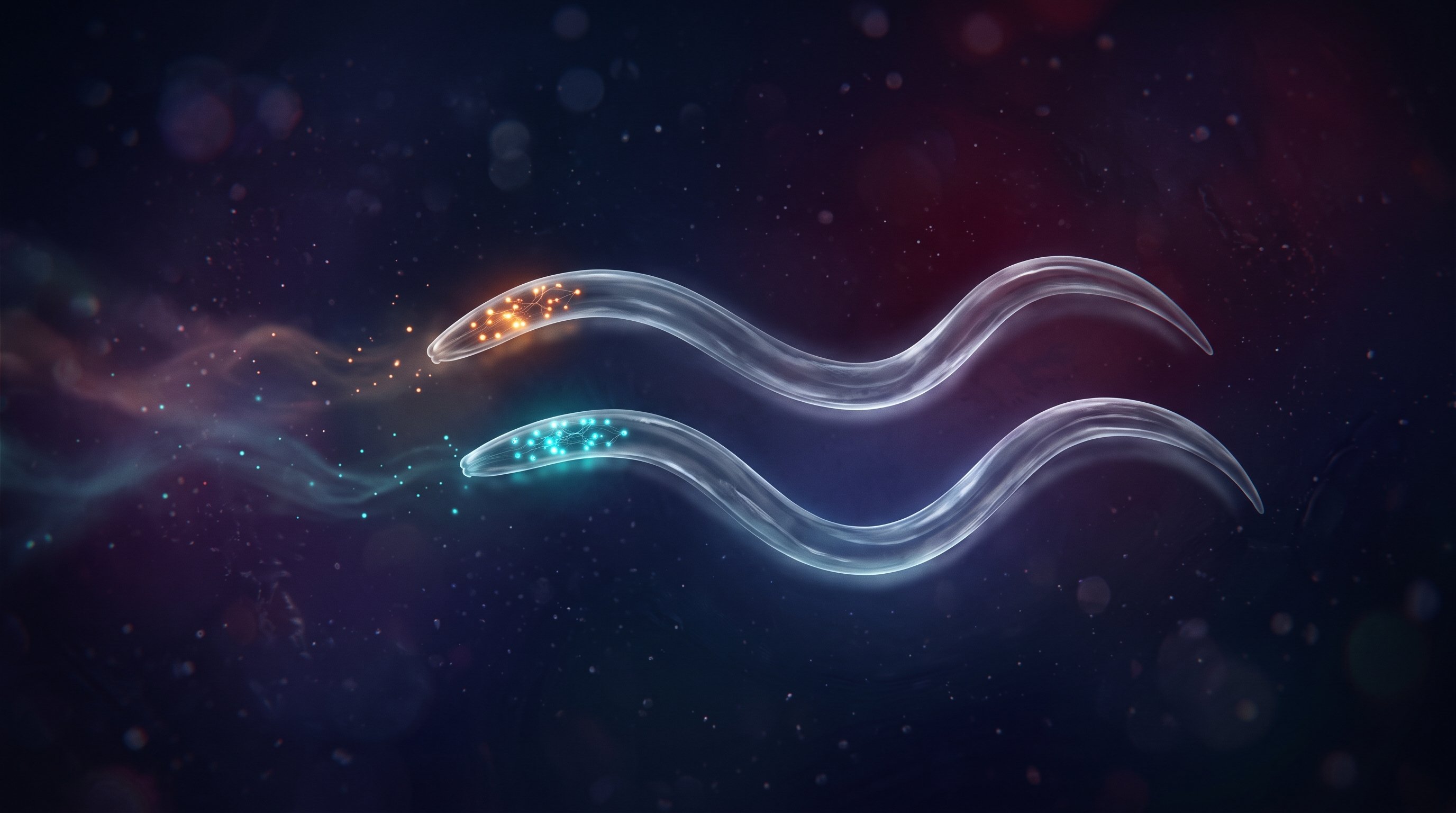
Brains of male and hermaphrodite worms respond differently to smell and taste
For the first time, researchers followed all the brain cells in the head of a tiny worm at once. In males and hermaphrodites, almost all sensory cells respond differently to smells and tastes. That difference does not show up in how the cells are connected to each other.