Nederlands
Section
Research
Fundamental breakthroughs that fit nowhere else.
-
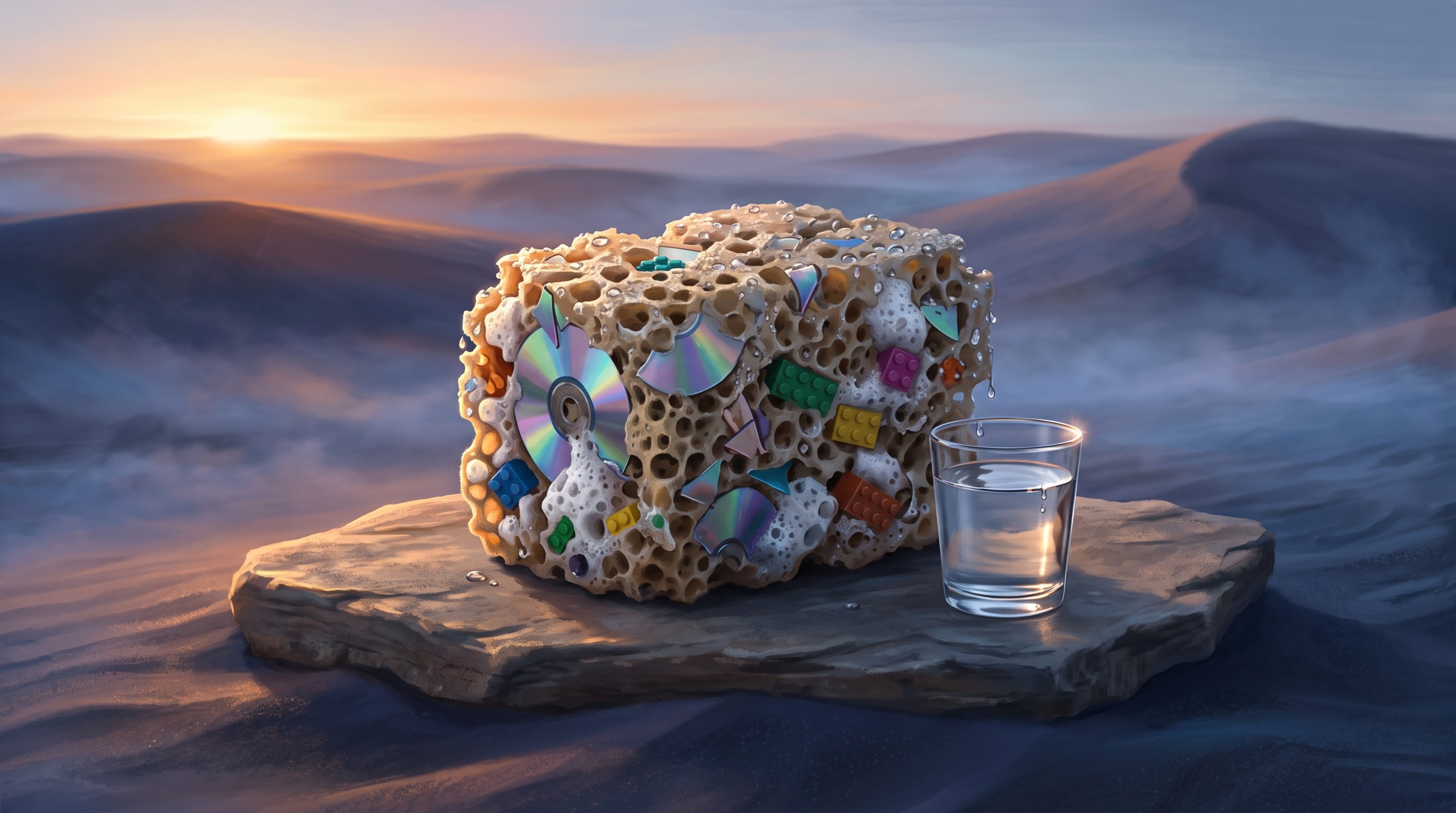
Old CDs, Lego bricks and packaging become a sponge that pulls water from the air
Chemists at the University of Vienna turn plastic waste into a sponge that captures water vapour from the air, even when the air is dry. With a little heat, for example from the sun, the water comes out again. The next step is to test how long the material lasts.
-
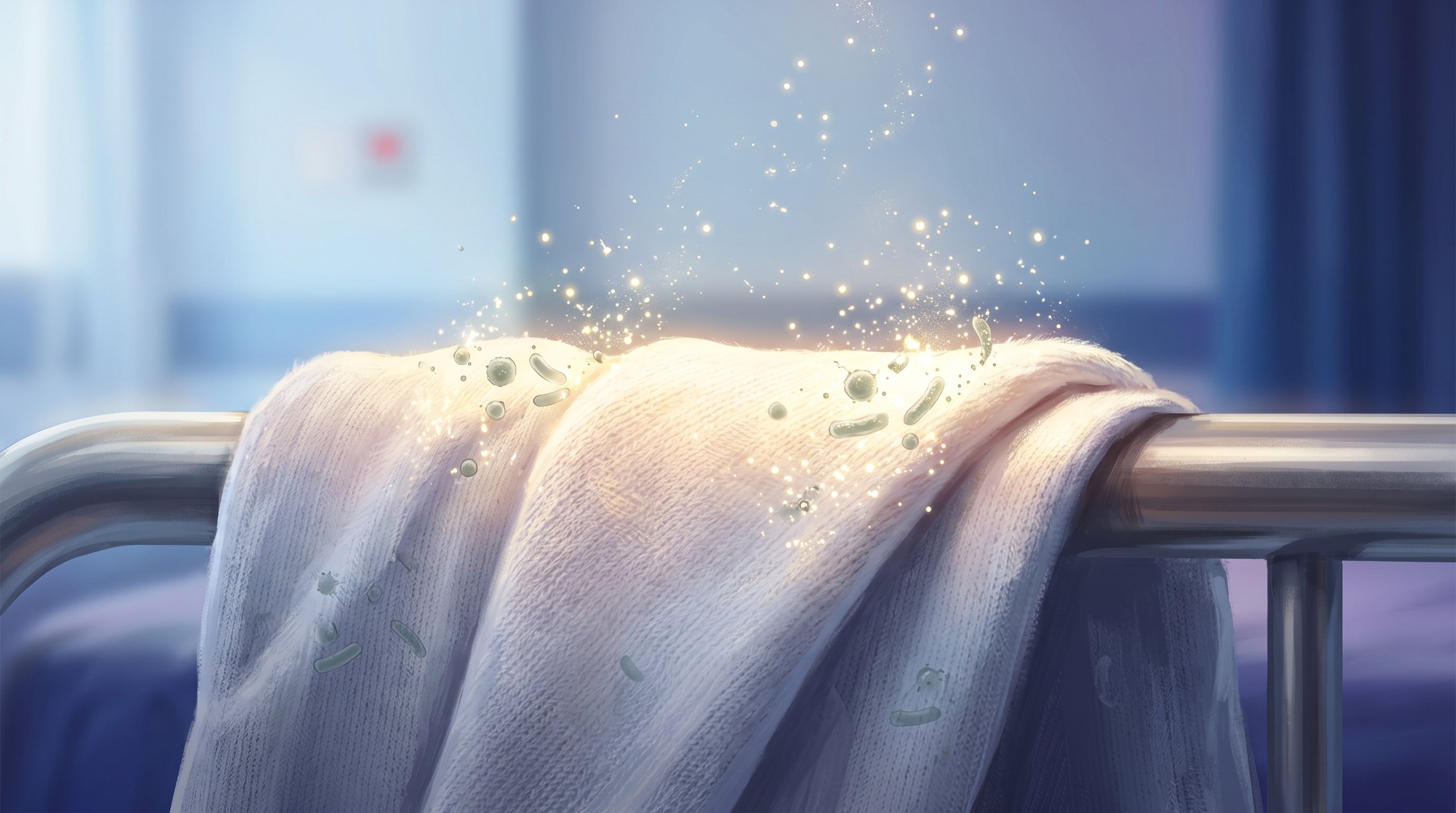
Cotton that disinfects itself with ordinary lamplight, tested in a hospital
Researchers in Valencia have made cotton that kills bacteria and fungi as soon as light falls on it. In a trial in hospital rooms, 75 per cent fewer microbes remained on the fabric than on ordinary cotton. It still works after twenty washes.
-
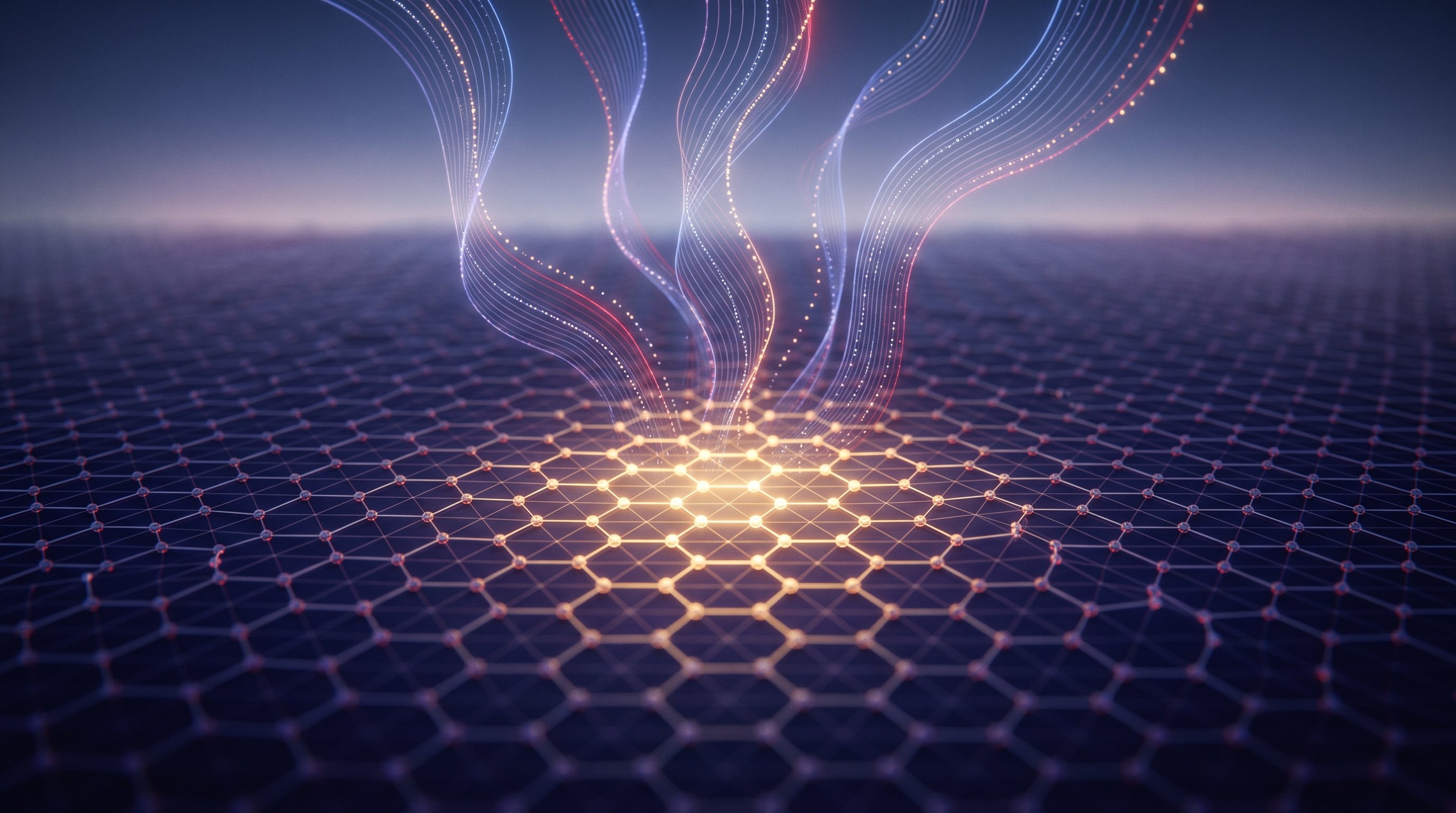
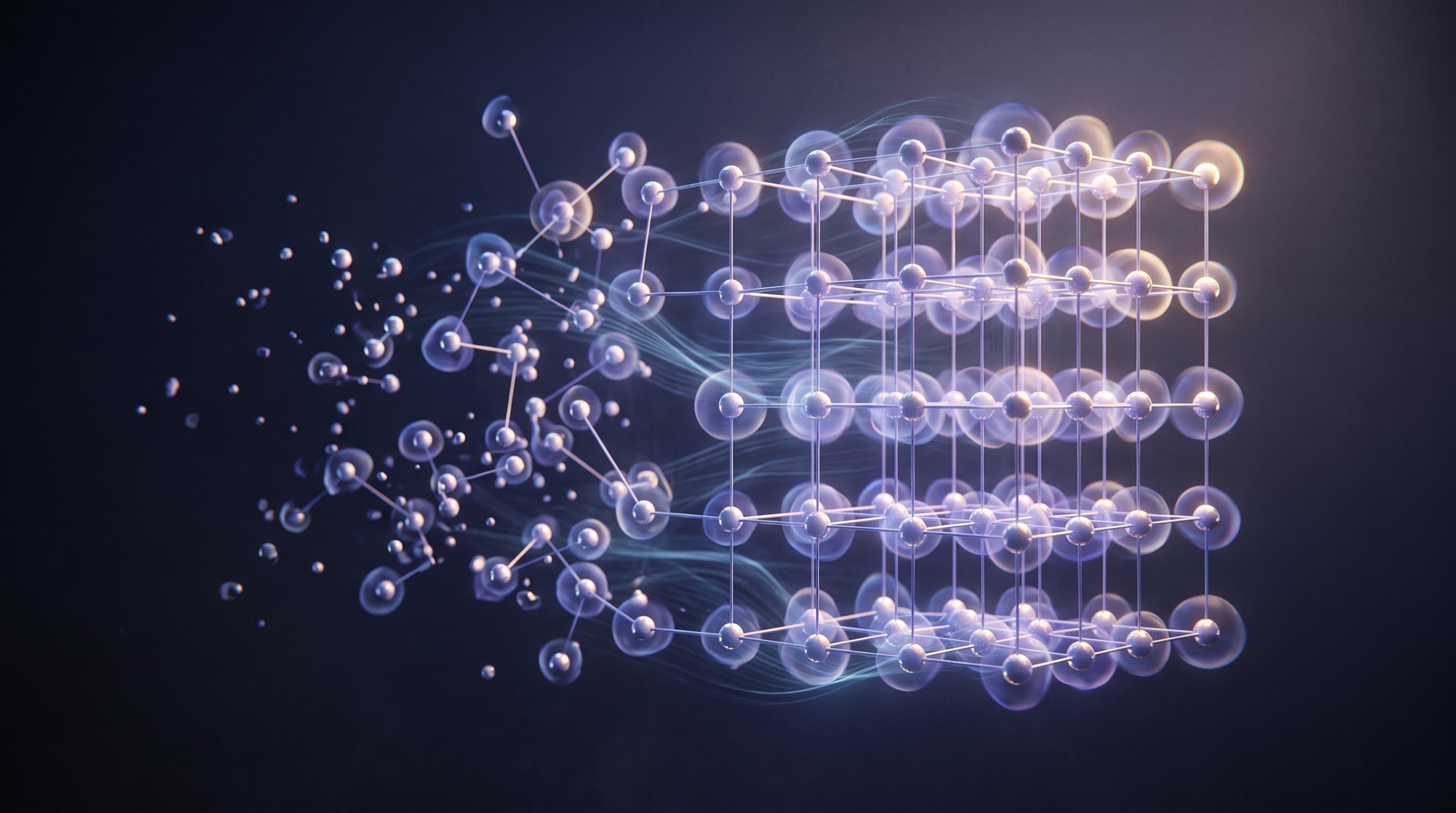
MIT teaches AI to see how crystals are built, and that helps the search for new materials
Language models know a lot about materials, but cannot 'see' how a crystal is built. MIT researchers linked 3D structures to descriptions in plain language. As a result, their model finds better candidates, for example for batteries.
-
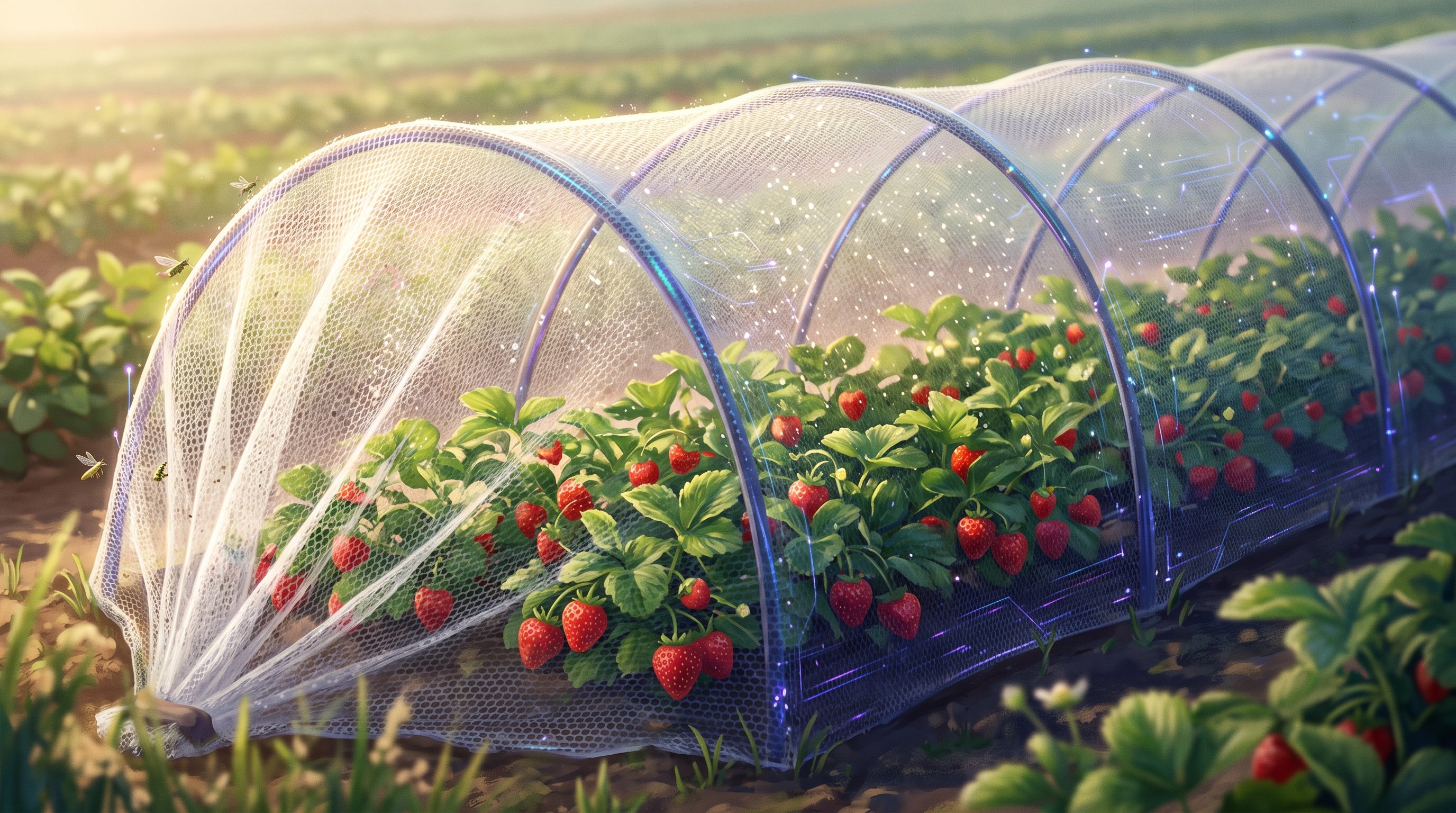
Anti-mosquito fabric makes strawberry plants produce three times as much fruit
A knitted fabric, originally designed for military uniforms, keeps insects away from strawberry plants and lets light, air and rain through. In trials at NC State, plants under it produced 3.56 times as much fruit. Tests with real growers come next.
-
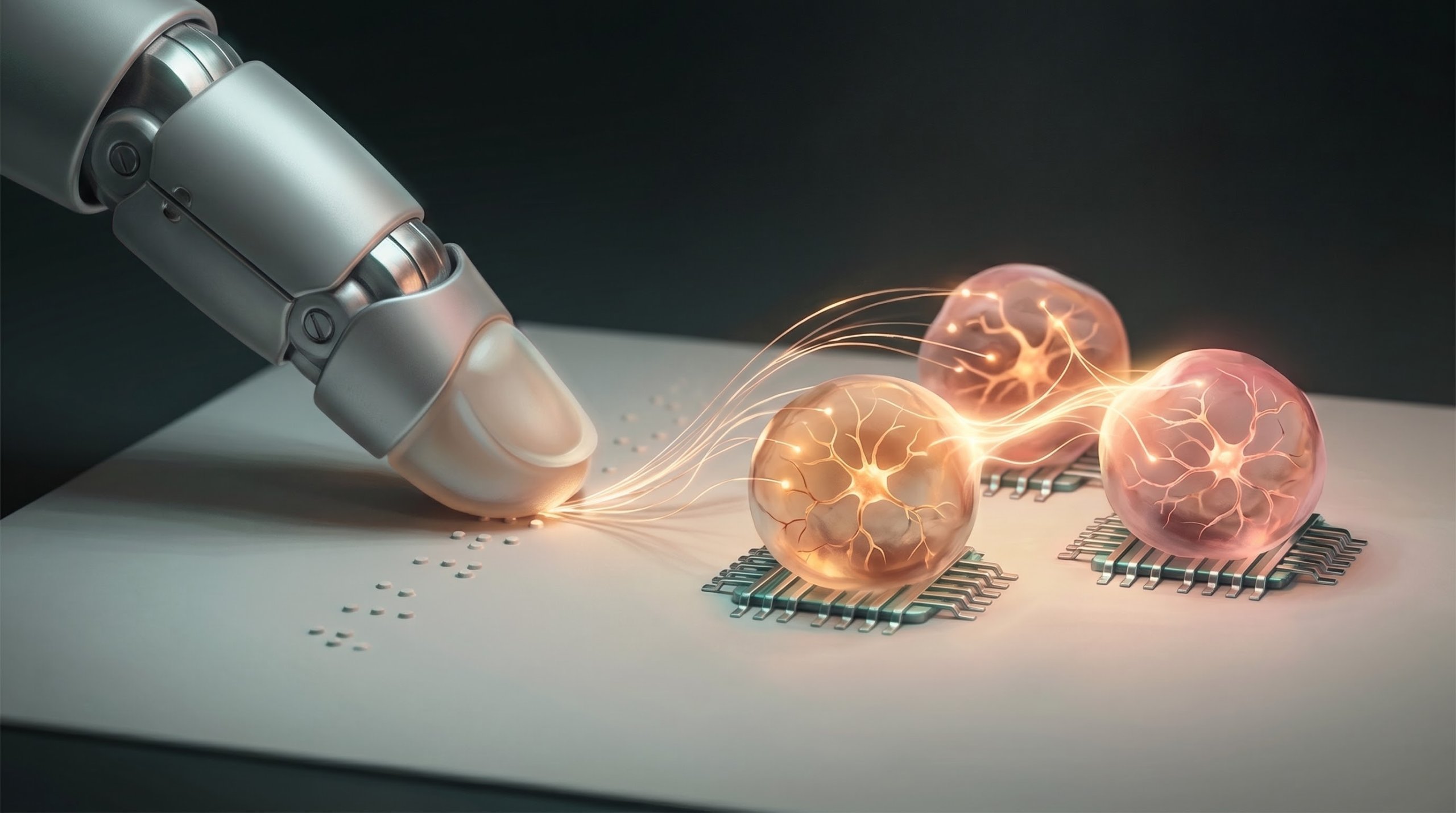
Researchers read braille with lab-grown brain tissue
Researchers at the University of Bristol sent braille, felt by a robotic finger, as small electrical pulses to lab-grown balls of brain tissue. From the response of three balls together, they read 83 per cent of the letters correctly. A first step towards energy-efficient biocomputers.
-
AI designs new materials better when it also looks at the electrons
Researchers at the University of Tokyo taught Microsoft's AI model MatterGen to design the distribution of the electrons along with each new crystal. As a result, the model more often comes up with materials that are both stable and new.
-
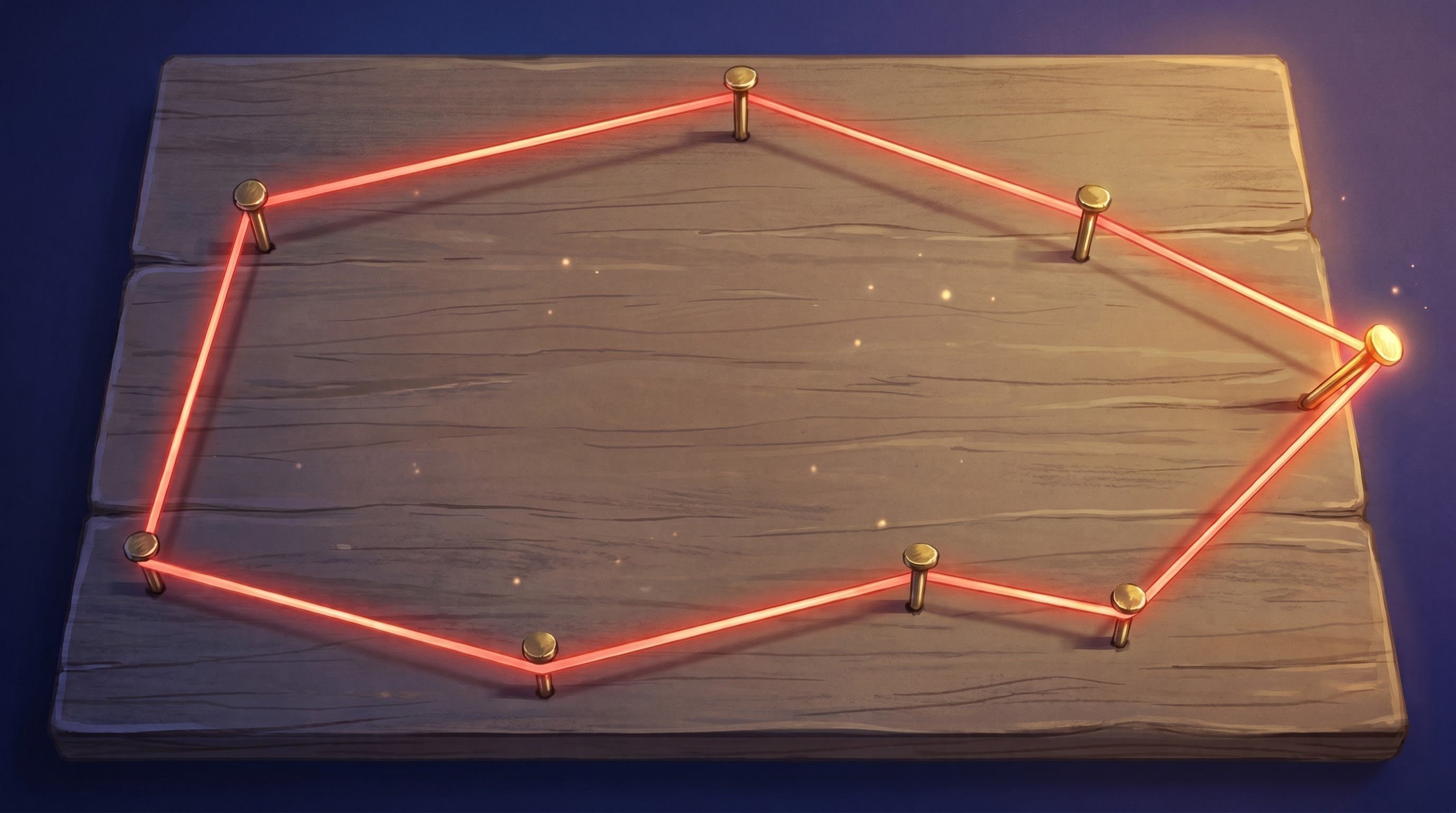
Is AI just a remix machine? Mathematicians debate the rubber band around all knowledge
Now that AI finds mathematical proofs on its own, scientists are debating: is that truly new work, or clever combining of what was already known? An image of nails and a rubber band sharpens the question. According to an economist, that very combining holds the next big leap for all of science.
-
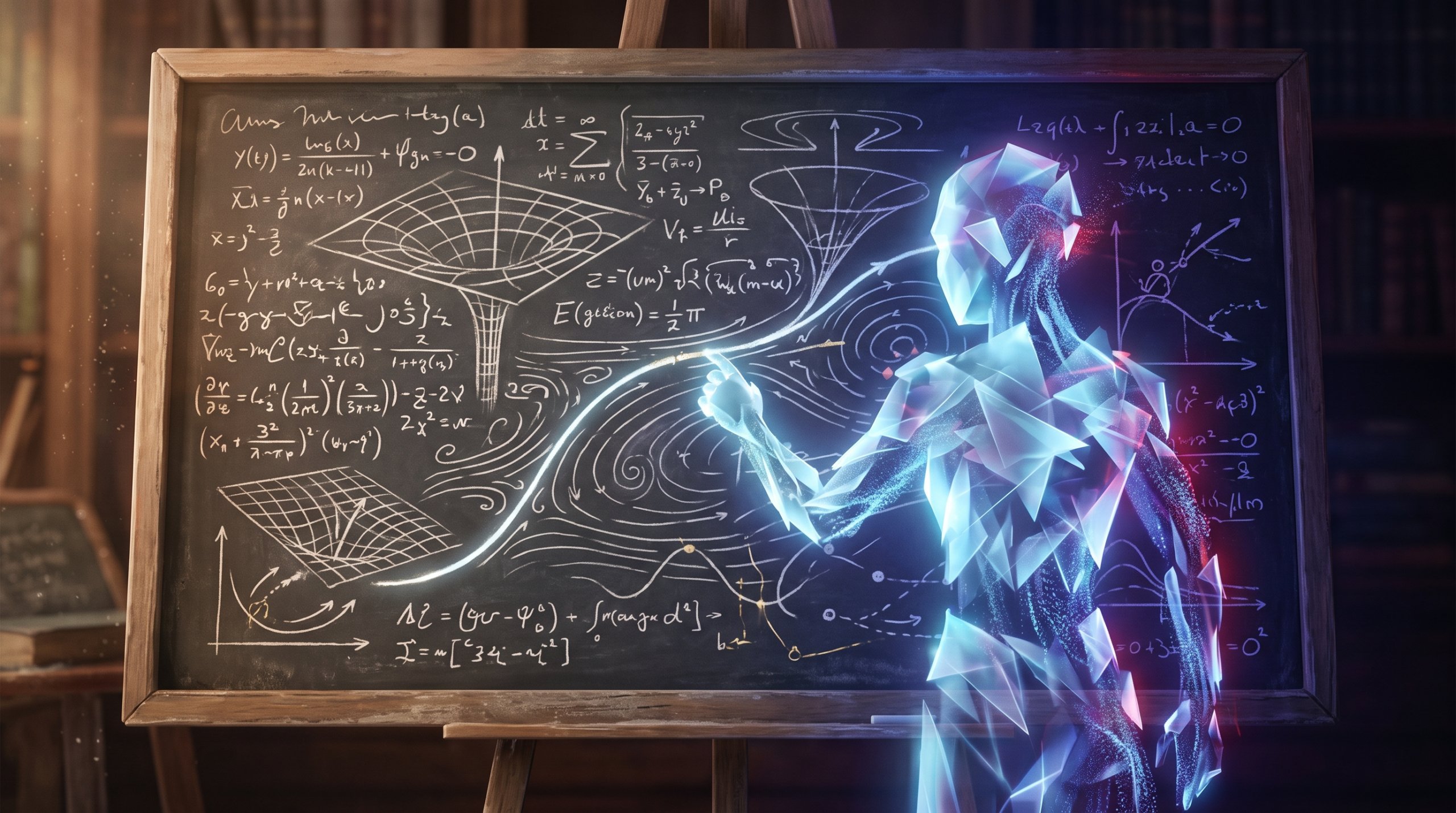
AI agent solves 49 of 50 new research problems in theoretical physics
An AI agent based on GPT-6 Astra solved 49 of 50 unpublished physics problems, for less than 3 dollars each. These are heavy calculations that would take a top expert a day. The researchers mainly see a powerful calculation assistant.
-
OpenAI publishes 719 mathematical manuscripts from a not-yet-released AI model
OpenAI has published 719 mathematical manuscripts on GitHub, produced by an unreleased internal model. According to the advisory group AGMAI, they contain solutions to 'hundreds' of open questions. Independent review has yet to begin.
-
AI agents find two candidate magnets for a new kind of computer memory
More than ninety Claude Opus 5.5 agents at Vals AI spent three days calculating magnets for future computer memory. They arrived at two candidates, including a substance from 1999. It remains calculations only: nobody has measured the predicted properties yet.
-
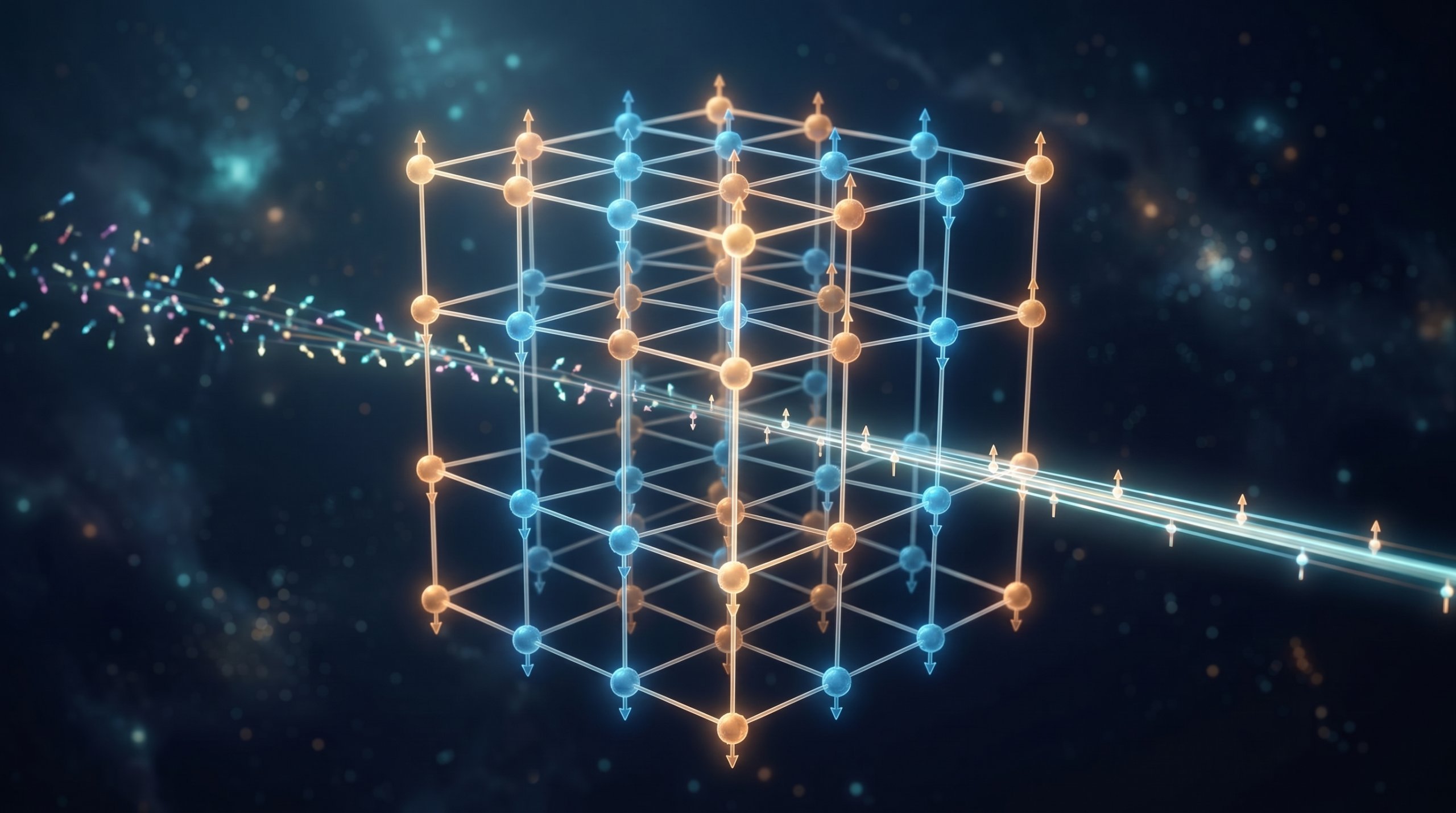
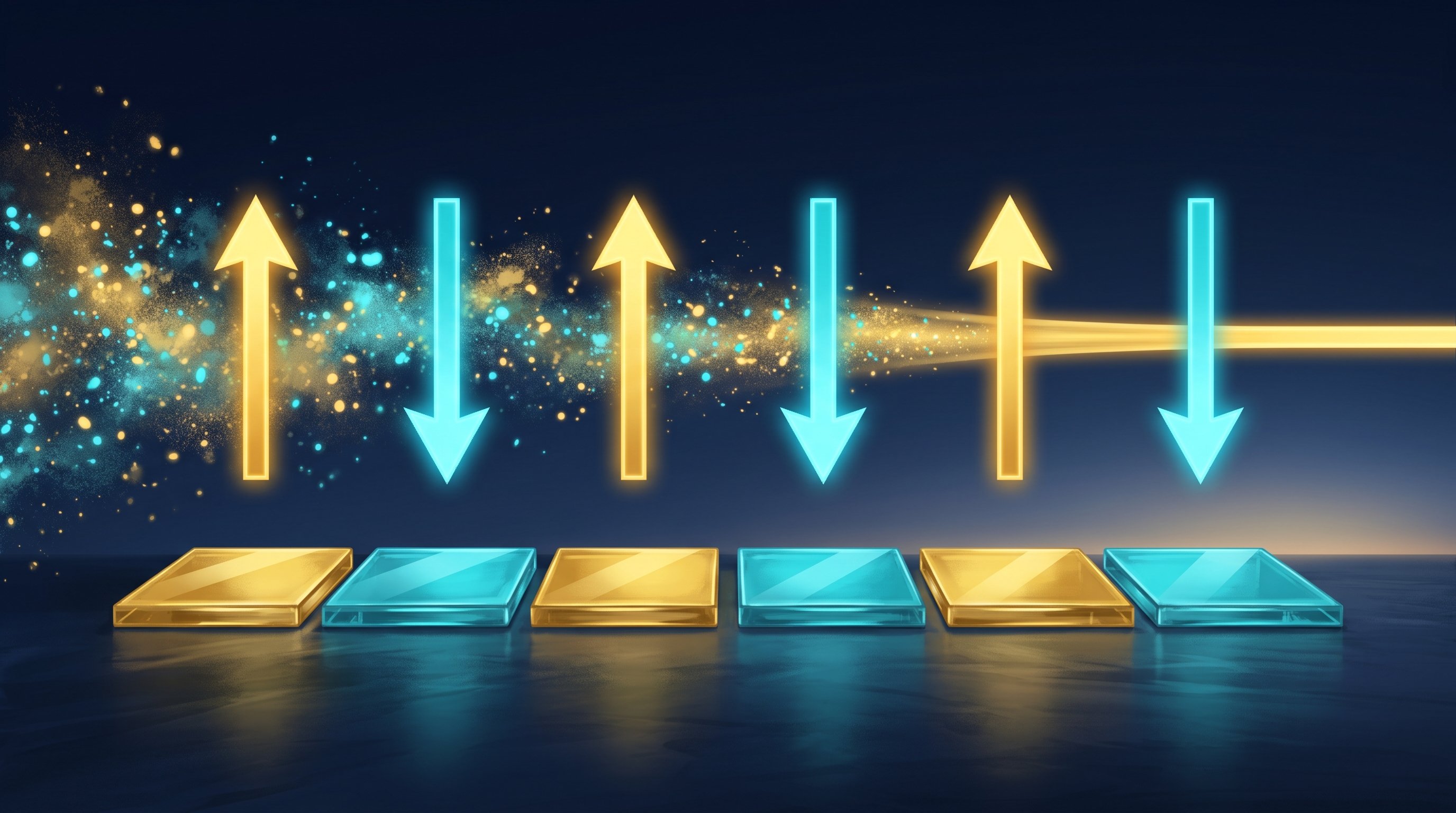
European physics prize for the discoverers of a third kind of magnetism
Three physicists receive the Europhysics Prize 2026 for altermagnetism: magnets that attract nothing from outside, yet sort electrons like an ordinary magnet. This opens the way to smaller, faster and more energy-efficient computer memory.
-
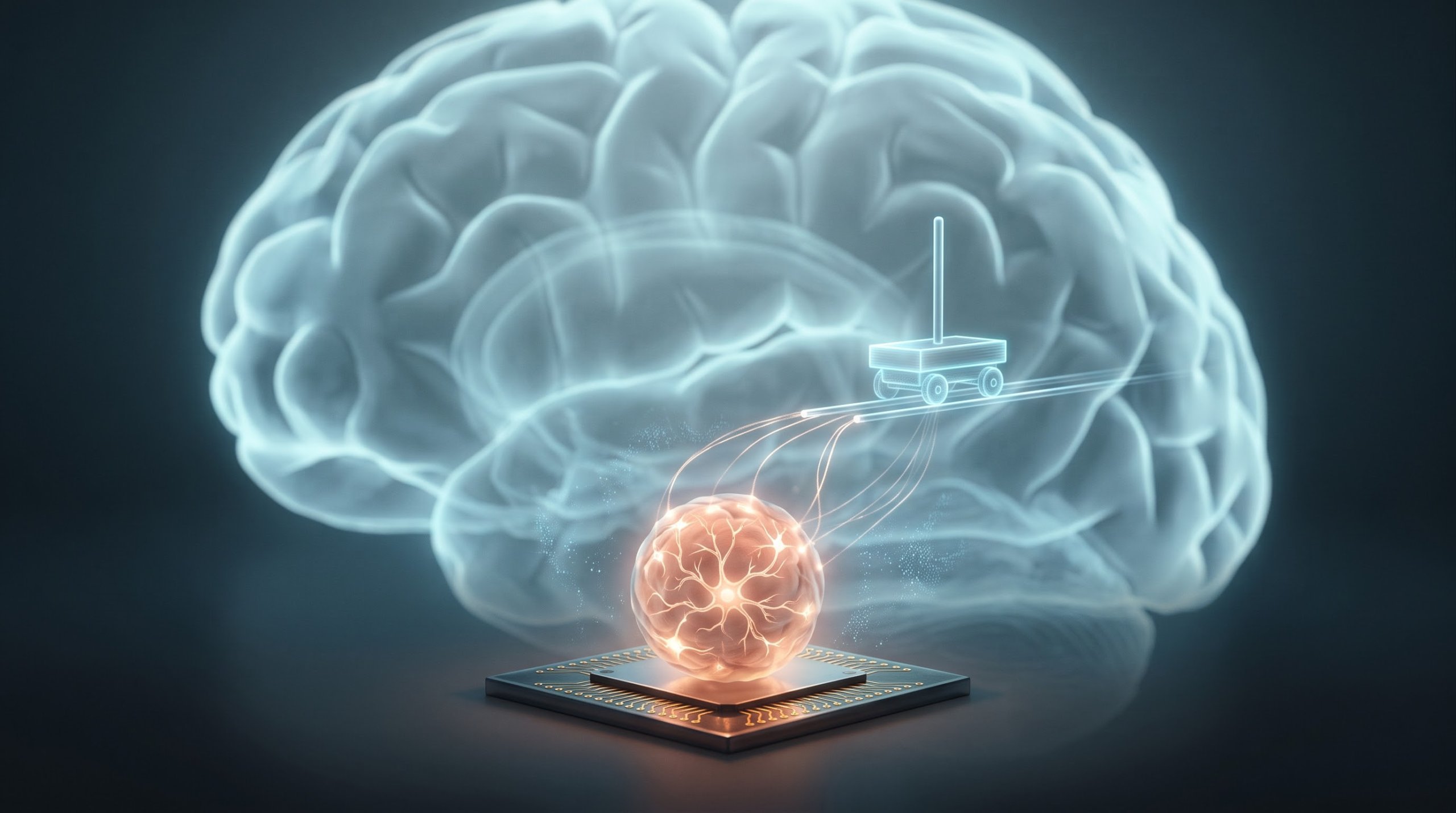
Lab-grown human brain tissue learns to balance a virtual pole with an AI coach
At a meeting in Silicon Valley, a team from UC Santa Cruz showed how cultured human brain tissue learns a classic control task: keeping a pole upright on a cart. An AI algorithm acts as the coach. A volunteer with a keyboard could barely keep up with the tissue.
-
'Can machines think?' Alan Turing proposes an imitation game
In the journal Mind, Alan Turing proposes replacing the question of whether machines can think with a test: can an interrogator using a teleprinter tell a machine from a human?