Nederlands
Section
Research
Fundamental breakthroughs that fit nowhere else.
-
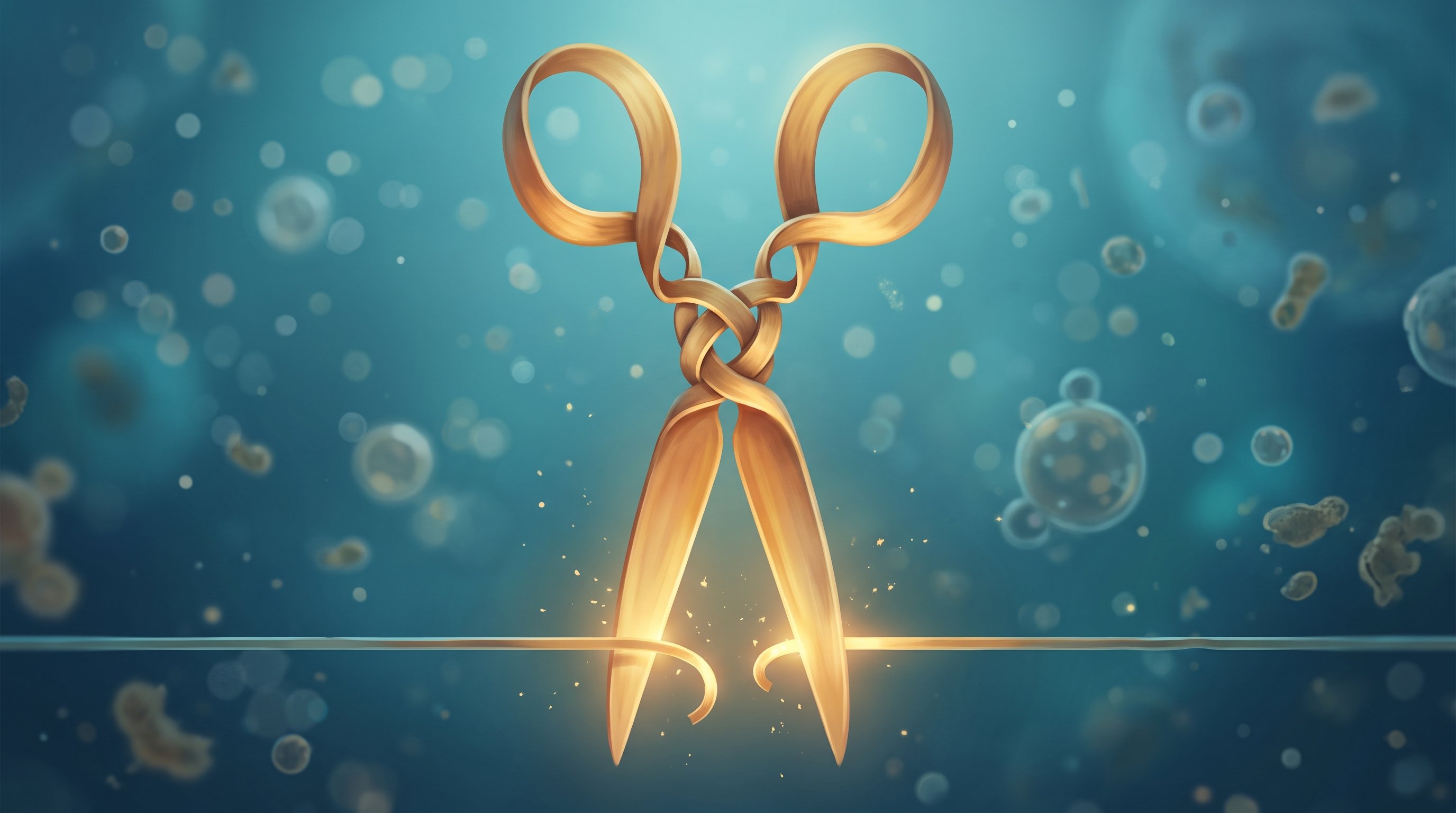
AI designs molecular scissors that cut disease proteins at a chosen spot
The lab of Nobel laureate David Baker used AI to design enzymes that cut other proteins at a preselected position, including the protein that clumps together in Alzheimer's disease. Some of those enzymes also work in living cells.
-
Nearly 2,000 AI agents from OpenAI work through an atlas of 7.7 million brain cells in 32 minutes
OpenAI had nearly 2,000 AI agents work at the same time on one large dataset of mouse brains. In 32 minutes they came up with explanations and new research ideas, work that would take people months. The next step is to test the best ideas in the lab.
-
AI model trained on almost four million fossils sheds new light on the great mass extinctions
Chinese researchers trained an AI model on almost four million fossils. It maps the history of life in unprecedented detail and suggests that three of the five great mass extinctions happened more gradually than thought. Other palaeontologists are somewhat more cautious.
-
Laser flash turns plastic into trillions of tiny diamonds
German physicists fire a powerful laser at a thin sheet of the plastic that soft-drink bottles are made of. Each flash produces about 10 trillion tiny diamonds averaging 3 millionths of a millimetre, almost all the same size. The next step is making enough of them to work with.
-
Forgotten neutrino may have changed how matter won out over antimatter
Physicists from Southampton and Kanpur calculated that a heavy particle almost nobody looked at may have made the young universe expand differently. That changes the calculation behind a great mystery: why matter was left over after the Big Bang. New detectors can partly test the idea.
-
AI researcher learns from its own work and comes up with better and better hypotheses
The young company PhAI Labs built a team of AI agents that comes up with research ideas, tests them and keeps track of what worked. The system learns from that record, and its hypotheses improved after two rounds. The code and model are publicly available online.
-
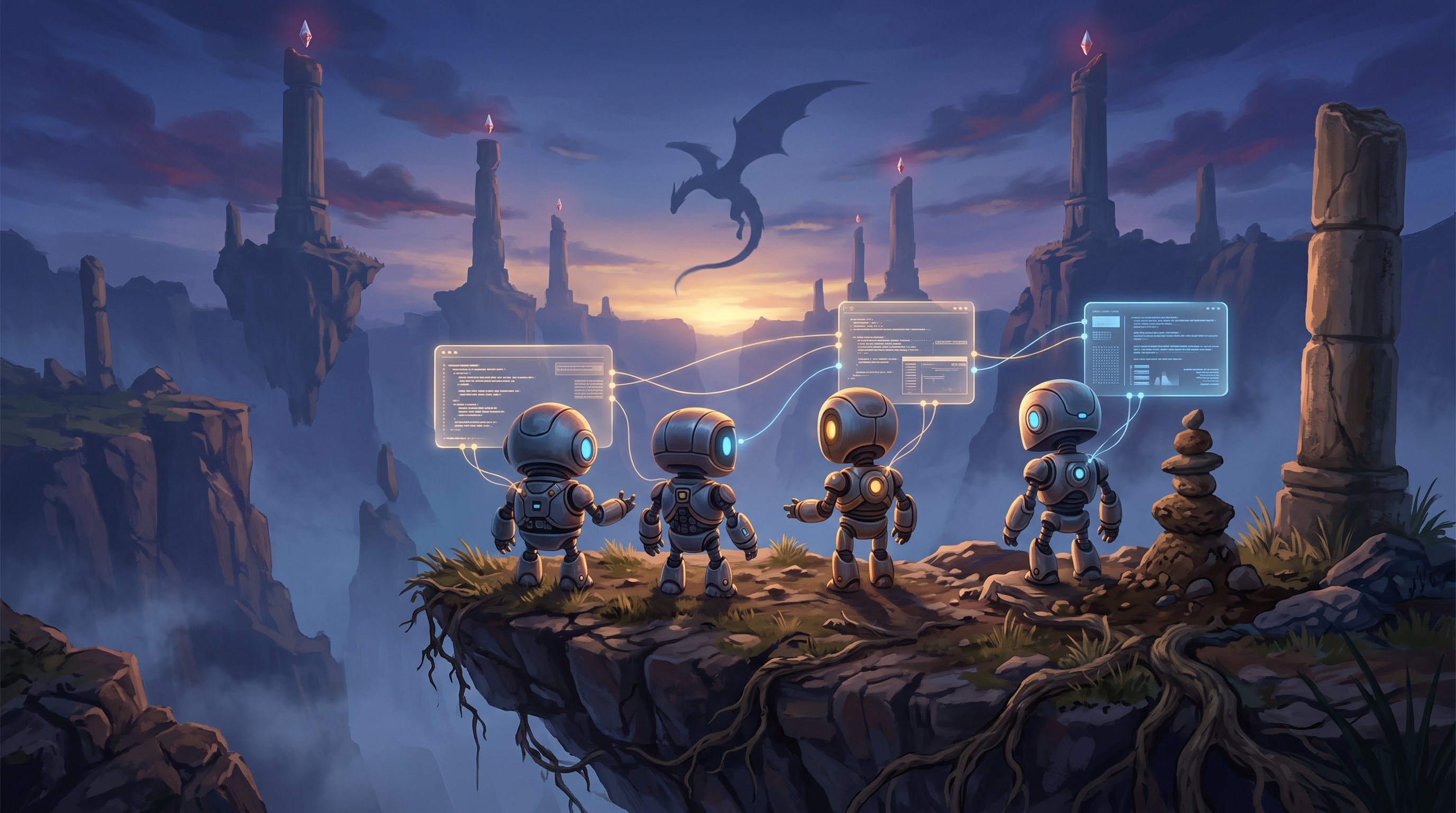
Four AI agents finish Minecraft together using programs they wrote themselves
Four AI agents from Google DeepMind have finished Minecraft on their own. In just over 27 hours they shared out the work through chat, wrote 2,783 programs of their own and defeated the final boss. They played on easy mode, with software that tells them exactly what is around them.
-
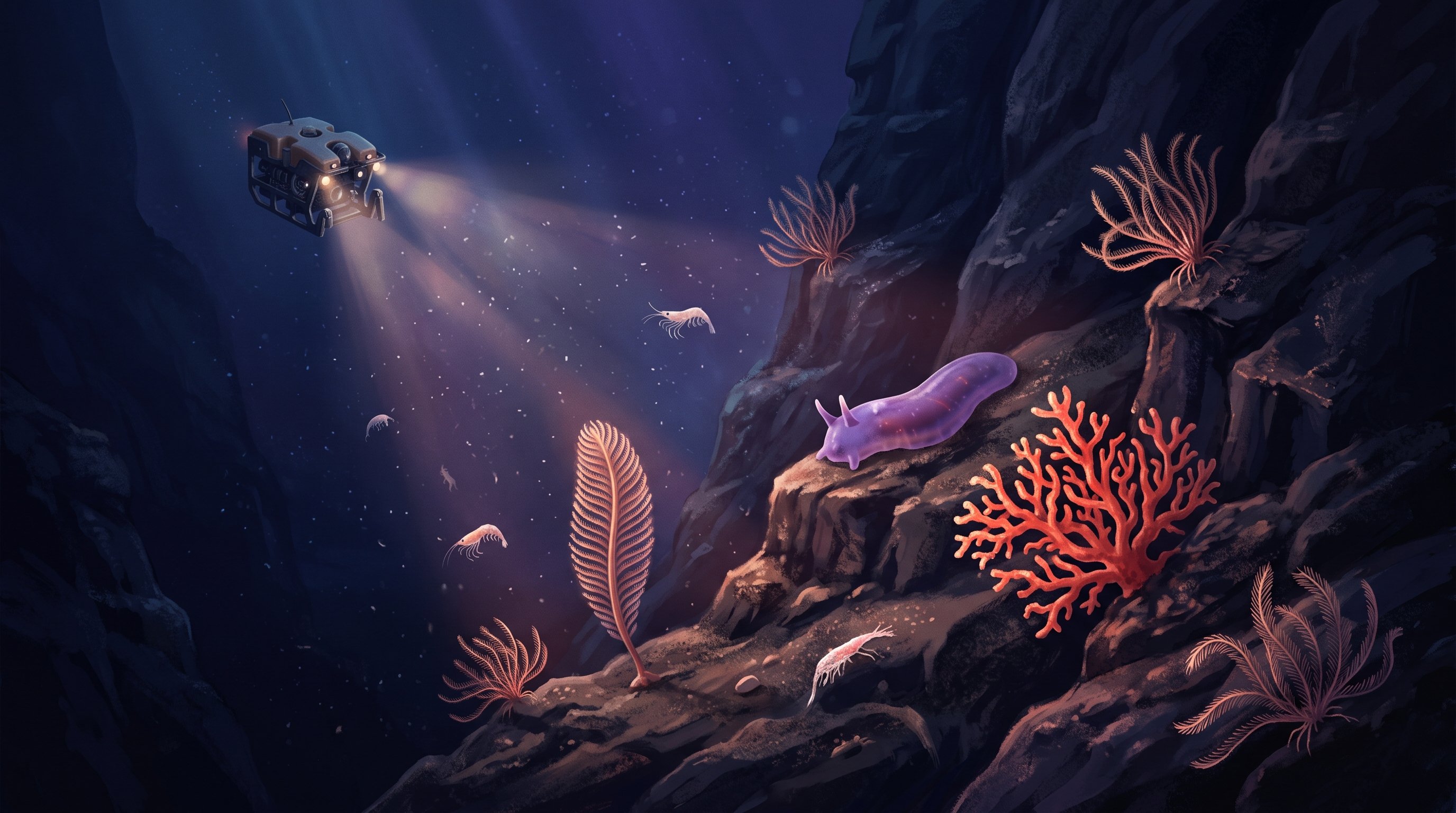
Deep-sea expedition off Argentina yields 57 new animal species
In a deep underwater canyon off the coast of Argentina, biologists have found 57 animal species that nobody knew, from sea cucumbers to corals. Millions of people watched live as an underwater robot filmed the animals.
-
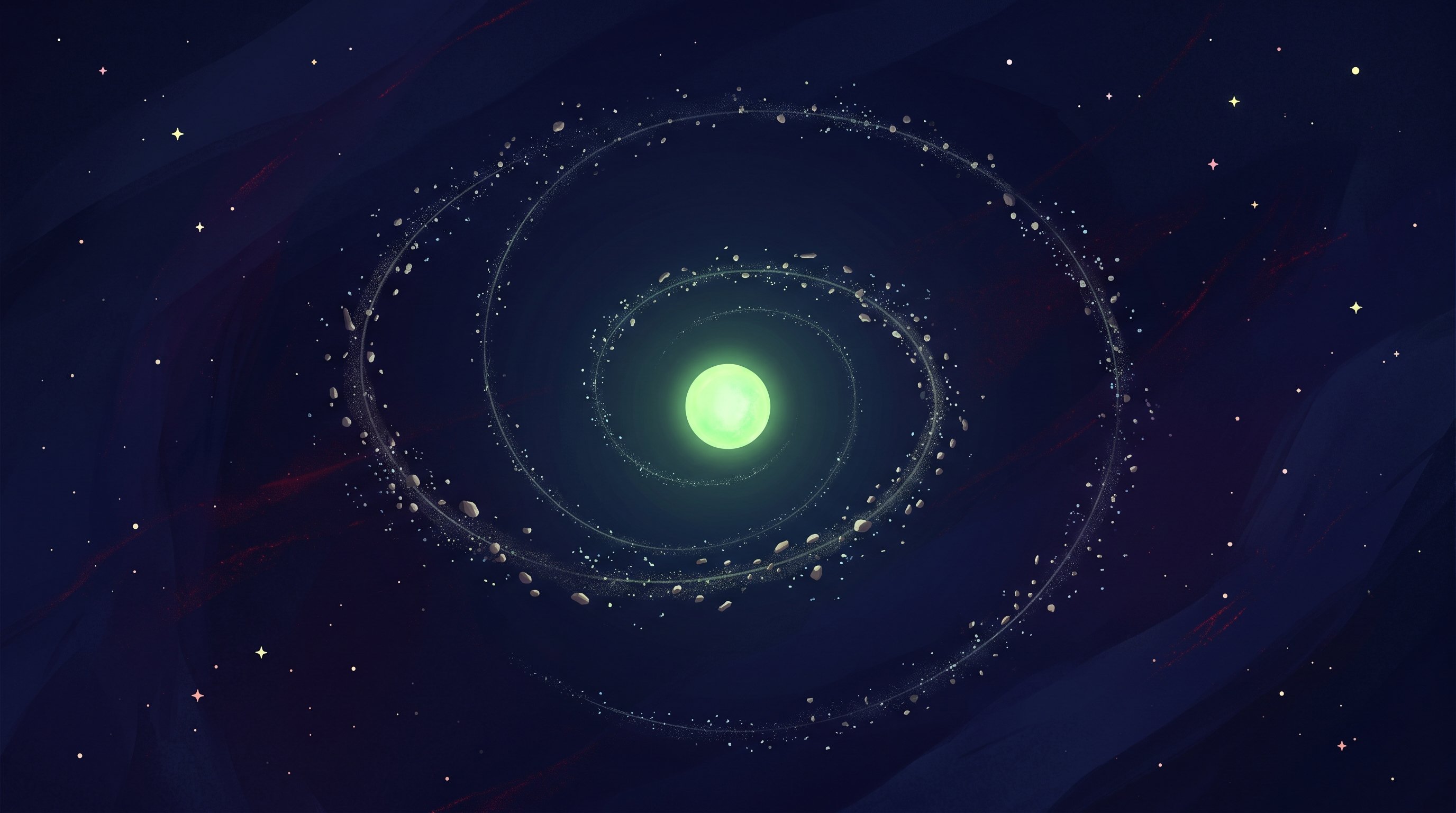
Astronomers find the first star that would look green
A burnt-out star full of dust from rocky planets would glow green to the human eye. Astronomers at the University of Warwick calculated this. It is the first star for which a green colour has been credibly reported.
-
Nvidia simulates a 104-qubit quantum circuit on a European supercomputer, real errors included
Nvidia and the German research centre Jülich used the JUPITER supercomputer to simulate how a 104-qubit quantum computer makes an important building block, including the errors that real hardware makes. This lets designs be tested before they are built.
-
AI company Odyssey lets a recreated fly brain move through a world that AI makes up
Odyssey linked a computer model of a fruit fly's brain to its world model Odyssey-3, an AI that creates an environment on the spot. It is a first demonstration; a description of exactly how it works is still to follow.
-
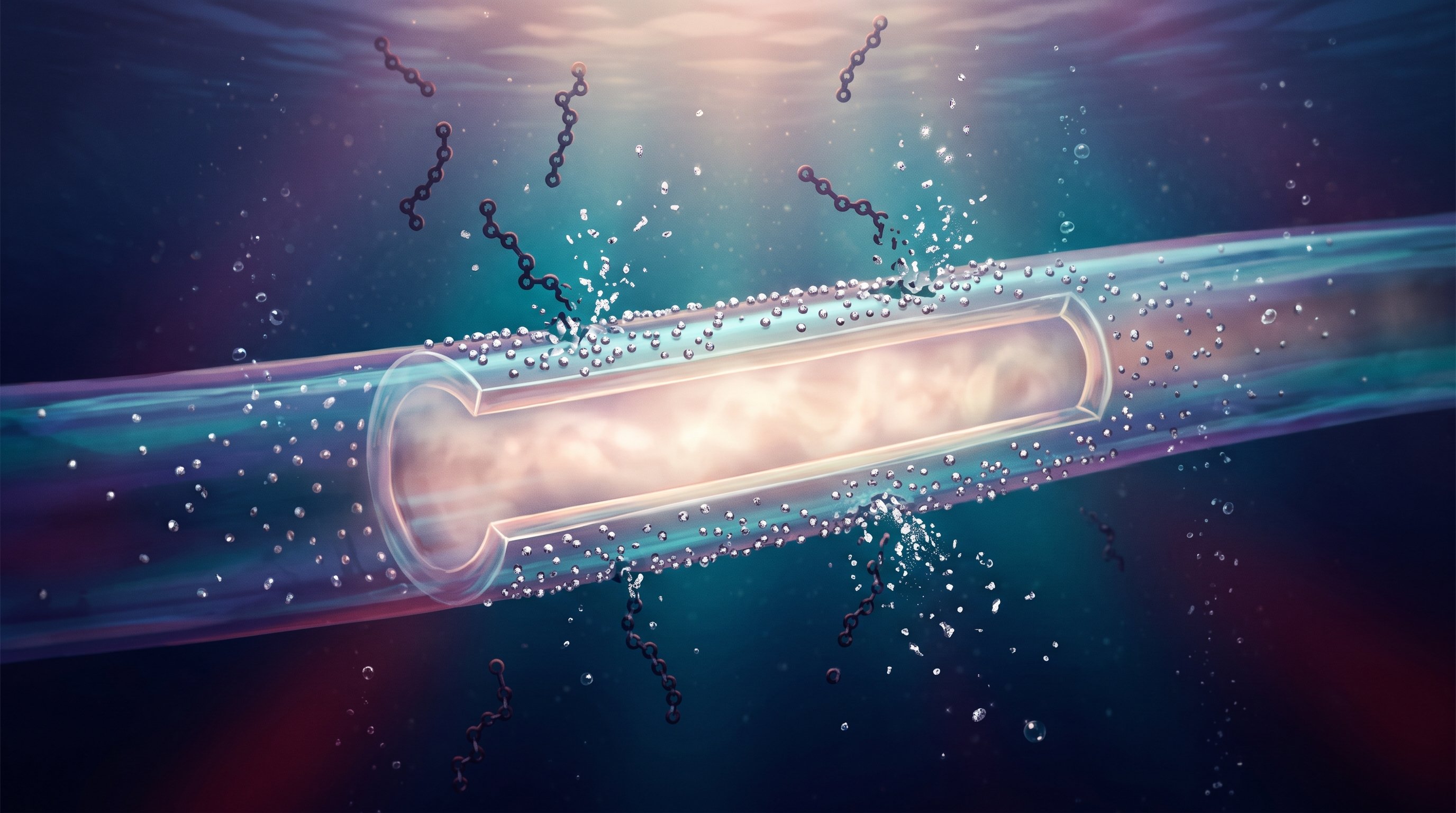
New membrane breaks down more than 90 per cent of six types of PFAS in water
Researchers at Arizona State University do not just remove PFAS from water, they also break the substances down. Their palladium membrane kept this up for almost two months. The next step is to make the system cheaper and larger.
-
Researcher says the inner workings of AI are much easier to understand than we thought
Nick Cammarata of the AI company Goodfire argues that the 'neurons' in AI models usually have one clear task. If that is right, it becomes much easier to look inside an AI model and check what it does. Other experts call the work interesting, but want to see more evidence first.
-
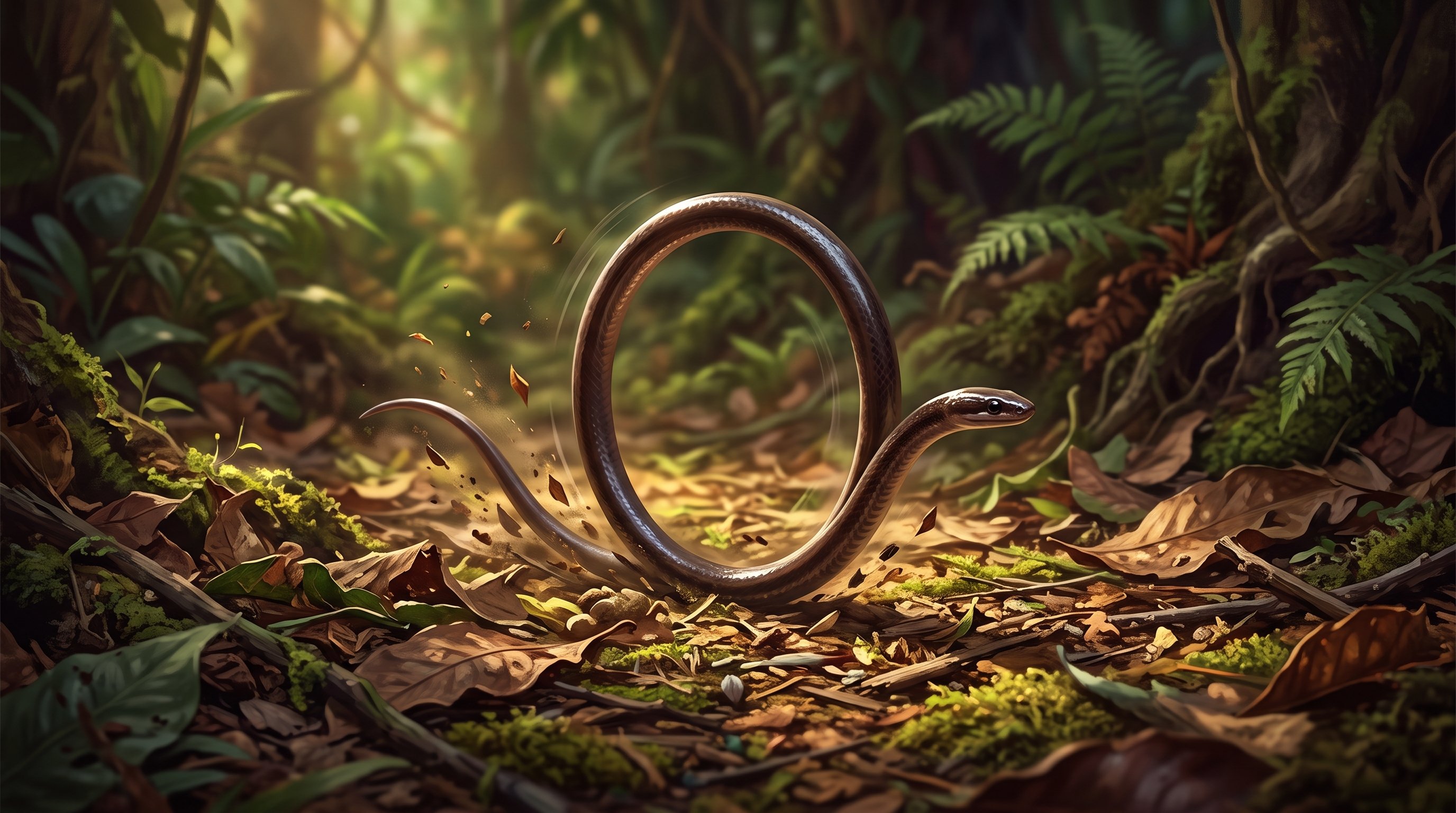
Small snakes on Borneo escape by doing cartwheels, with their head pointing straight ahead
Japanese researchers filmed dwarf reed snakes that roll away like a wheel when in danger. That is four times as fast as ordinary slithering. The clever part: while the body spins round, the head keeps looking steadily ahead.
-
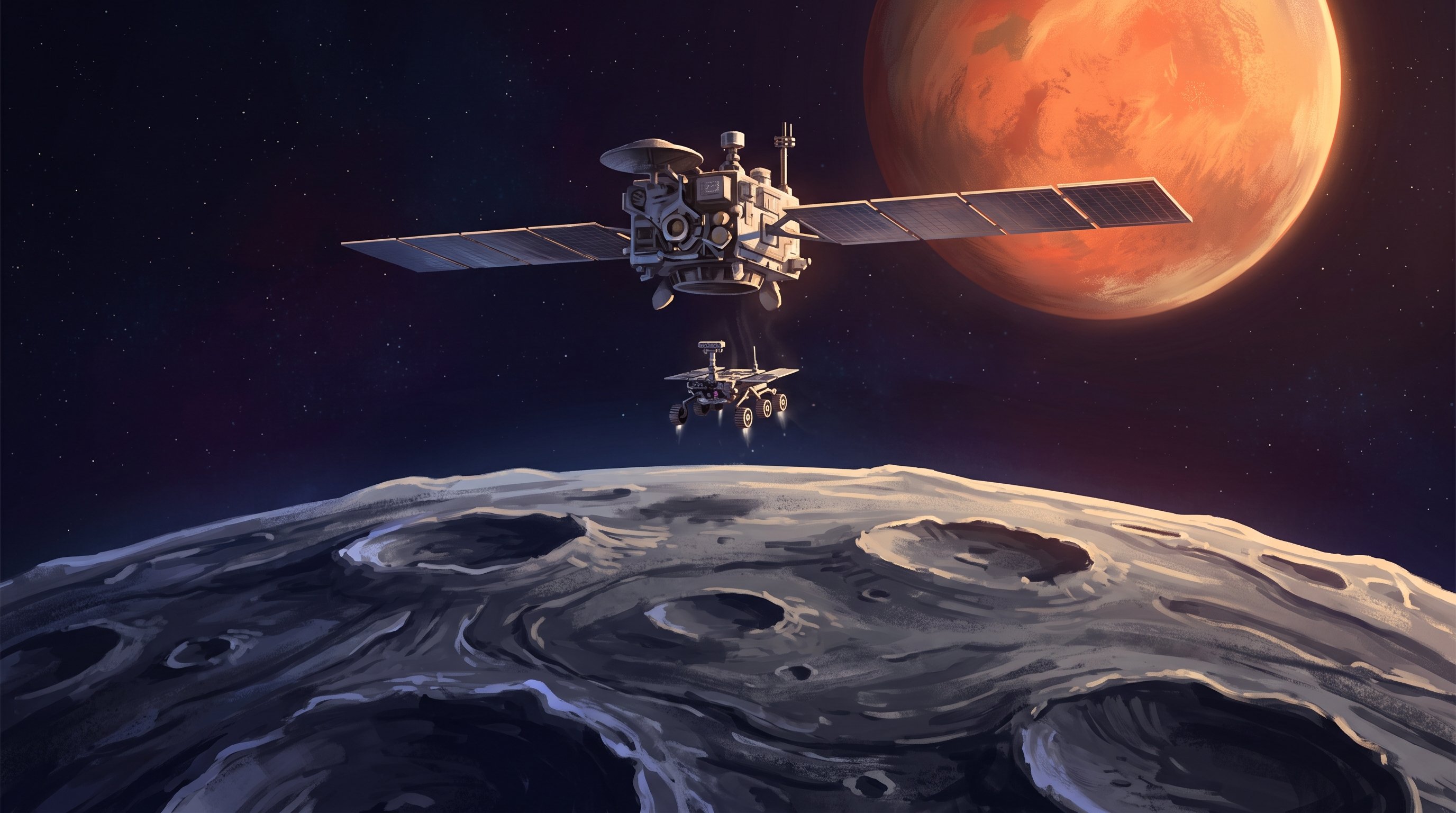
Japan launches space probe that is to be the first to bring soil from a moon of Mars to Earth
The Japanese space agency JAXA has launched the probe MMX. In 2031 it is to bring at least 10 grams of soil from the Martian moon Phobos to Earth. That has never been done before, and it could explain how the moons of Mars came to be.