Nederlands
Machine learning
Machine learning is a way of getting computers to learn from examples instead of fixed rules. A model finds patterns in lots of data on its own and uses them for new cases.
With machine learning, nobody writes out all the rules of a program. Instead, the computer is given many examples and finds the patterns itself. You can compare it to how a child learns what a dog is: not from a definition, but by seeing a great many dogs.
How does it work?
It starts with training data: a large collection of examples, such as photos with the right name attached, or weather maps from the past. A model, often a neural network, makes a prediction. It checks how far off it was and adjusts small settings within itself, the parameters. This repeats millions of times, until the predictions are good enough. A neural network has many layers of such settings. When a network has many layers, we speak of deep learning.
After training, you use the model on new cases it has never seen. It can do more than just recognise things: language models predict the next piece of text, and other models can design images, proteins or materials.
Why it matters
Almost all the AI that makes the news is machine learning. The idea is older than you might think: as early as 1950, Alan Turing proposed building not an adult mind but a childlike machine that you bring up. In doing so he wanted to replace the question of whether machines can think with a test: can an interrogator, using a teleprinter, tell a machine from a human (link)?
Today AI learns from the most varied kinds of data. Researchers at Microsoft, MIT and the European weather centre ECMWF, among others, taught a computer to recognise and correct the fixed errors of weather models. As a result, forecasts two to six weeks ahead get considerably better (link). Chinese researchers did very different work: they trained a model on nearly four million fossils. That mapped the history of life in unprecedented detail, and it suggests that three of the five great mass extinctions unfolded more gradually than thought. Other palaeontologists are somewhat more cautious (link). In every case the result is only as good as the examples the model learned from.
Articles about Machine learning
-
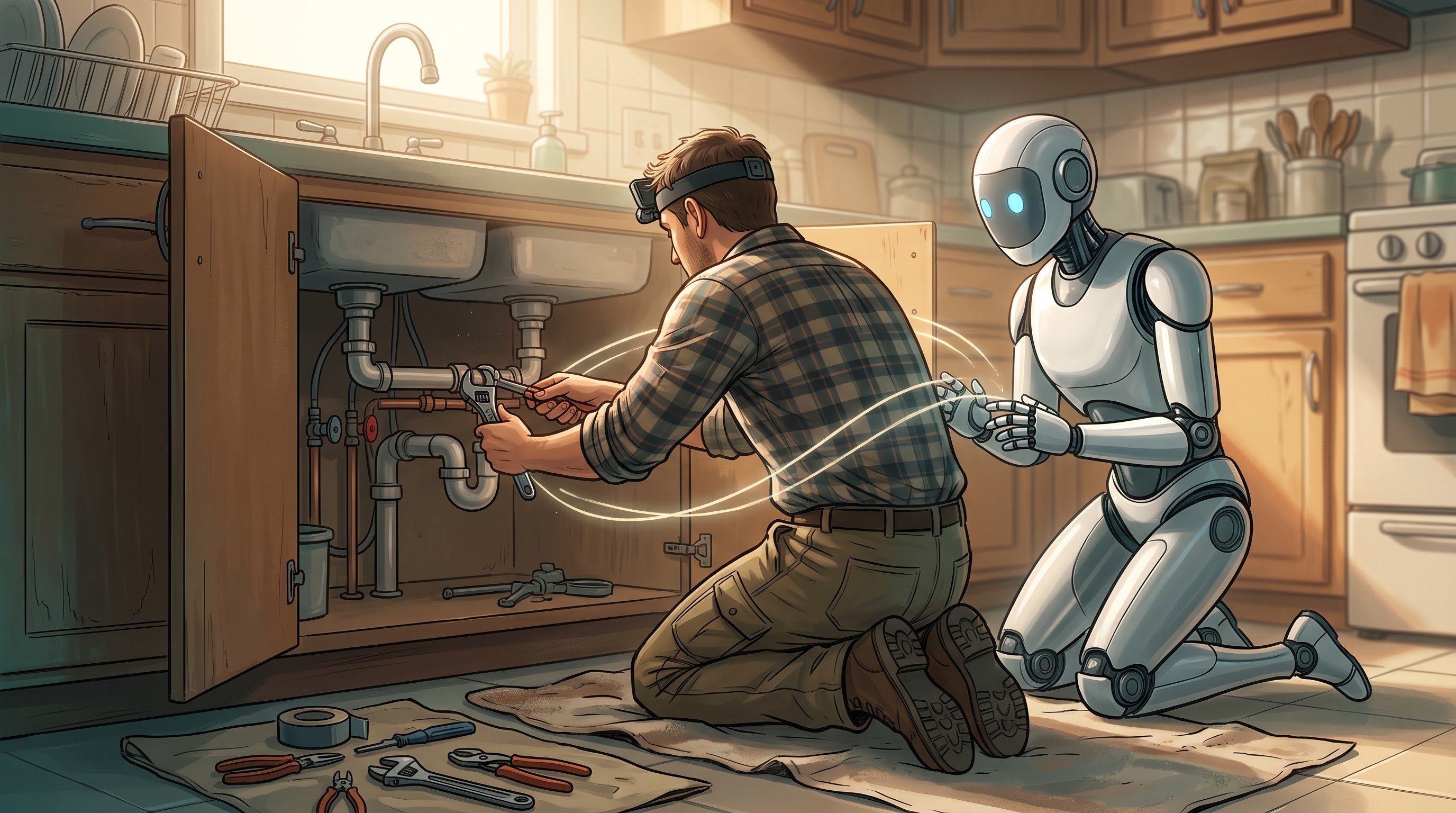
AI company pays plumbers and technicians to teach robots home repairs
The American data company HUMXN is paying for repairs to plumbing, electrics and heating and cooling systems in Minneapolis, Chicago and Miami. The technician wears a camera during the job, so that robots can learn how skilled workers solve problems. The resident gets the job done for free.
-
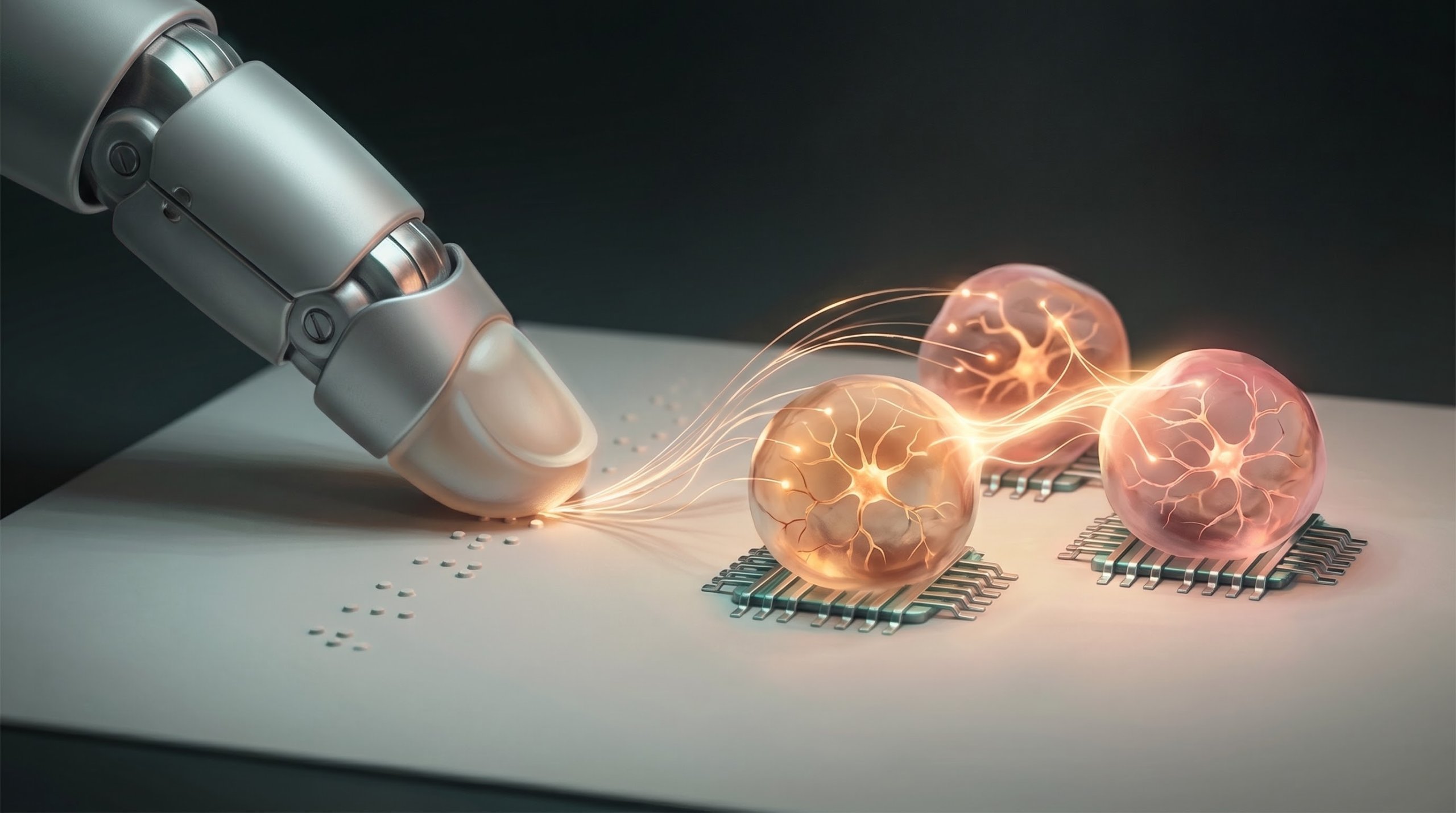
Researchers read braille with lab-grown brain tissue
Researchers at the University of Bristol sent braille, felt by a robotic finger, as small electrical pulses to lab-grown balls of brain tissue. From the response of three balls together, they read 83 per cent of the letters correctly. A first step towards energy-efficient biocomputers.
-
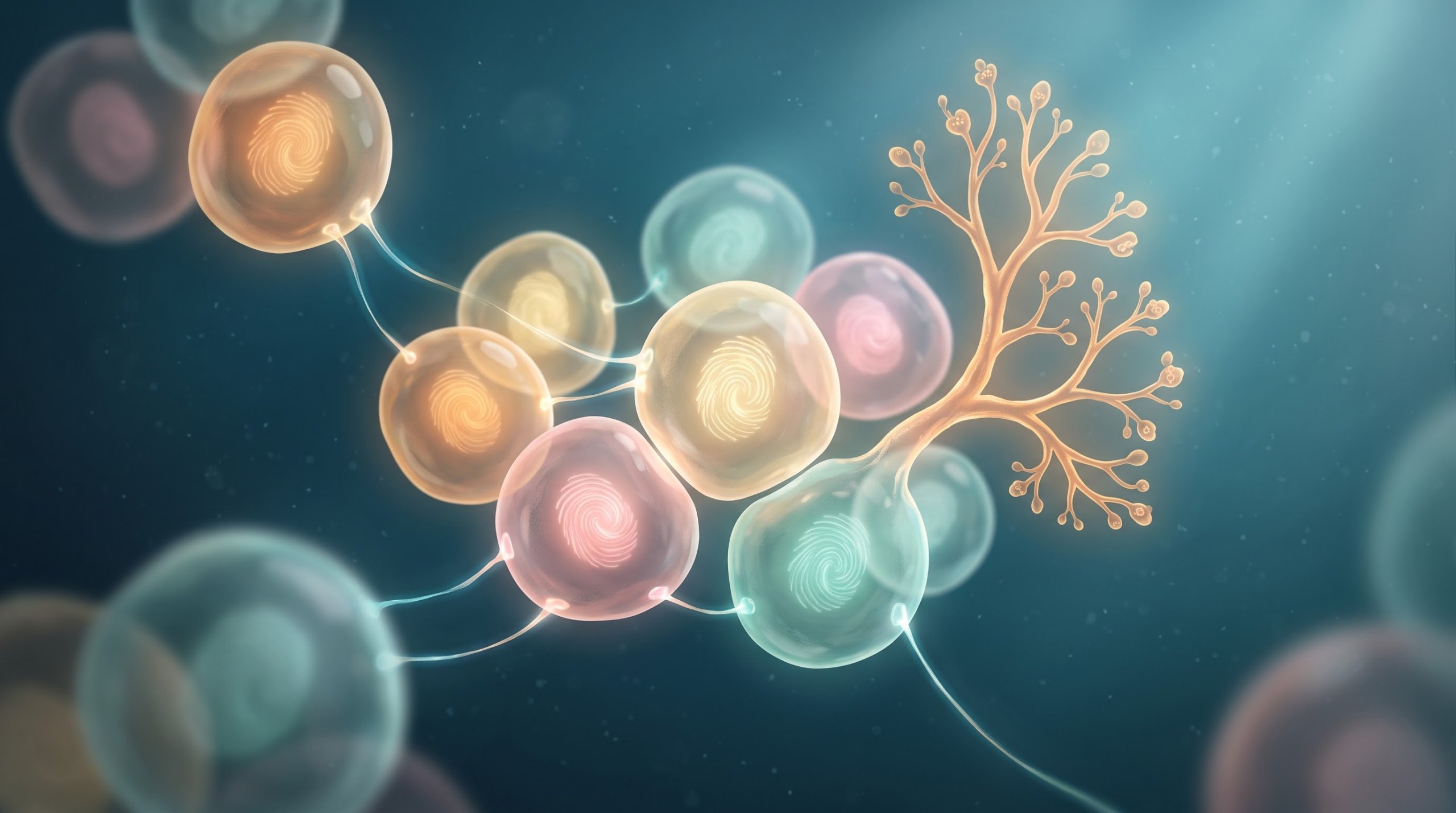
AI model IRIS reads which signals cells in an embryo have received
Researchers at MIT and the Whitehead Institute have built an AI model that can tell from a cell's gene activity which signals that cell received from its neighbours. With that knowledge, they have already improved a lab recipe for growing precursors of lung tissue from human stem cells.
-
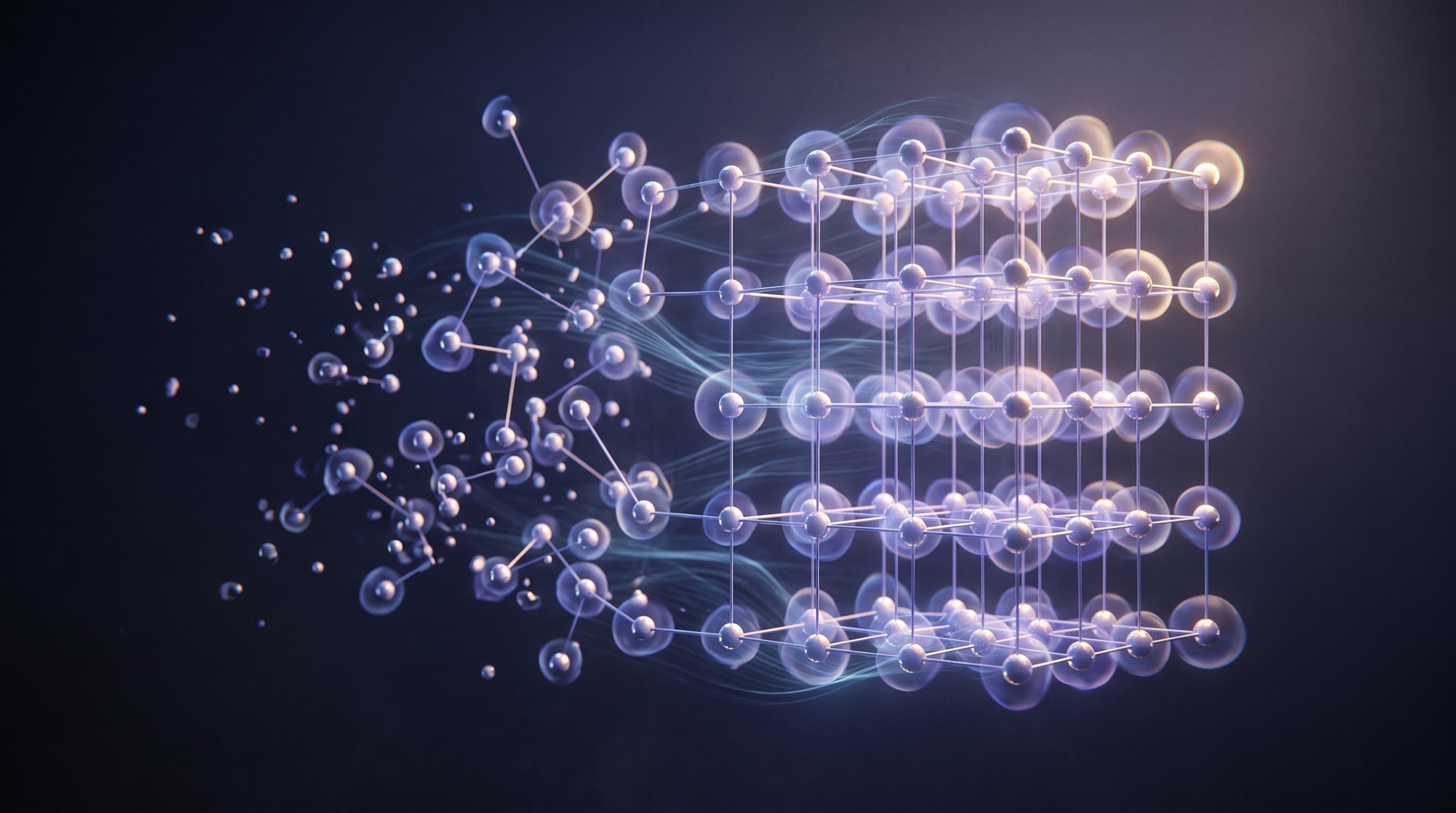
AI designs new materials better when it also looks at the electrons
Researchers at the University of Tokyo taught Microsoft's AI model MatterGen to design the distribution of the electrons along with each new crystal. As a result, the model more often comes up with materials that are both stable and new.
-
Northwestern builds glasses whose sensors generate their signal from facial movements
Researchers at Northwestern University built GlassTENG: glasses with sensors that generate their signal from facial movements. They recognise the pulse, firm blinking and jaw movements, and the readout electronics use almost no power. A battery-free version is the next step.
-
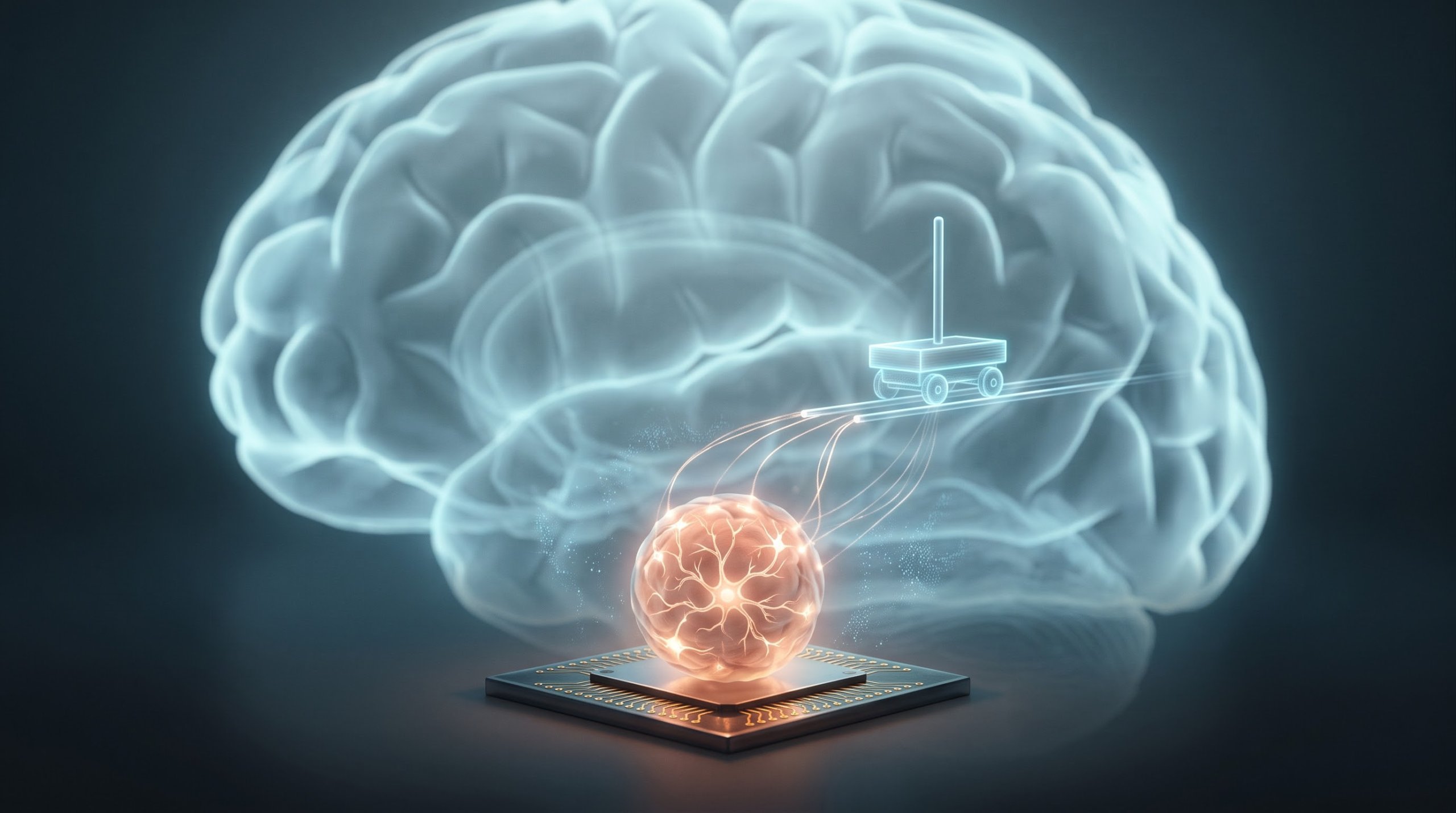
Lab-grown human brain tissue learns to balance a virtual pole with an AI coach
At a meeting in Silicon Valley, a team from UC Santa Cruz showed how cultured human brain tissue learns a classic control task: keeping a pole upright on a cart. An AI algorithm acts as the coach. A volunteer with a keyboard could barely keep up with the tissue.
-
'Can machines think?' Alan Turing proposes an imitation game
In the journal Mind, Alan Turing proposes replacing the question of whether machines can think with a test: can an interrogator using a teleprinter tell a machine from a human?