Nederlands
Machine learning
Machine learning is a way of getting computers to learn from examples instead of fixed rules. A model finds patterns in lots of data on its own and uses them for new cases.
With machine learning, nobody writes out all the rules of a program. Instead, the computer is given many examples and finds the patterns itself. You can compare it to how a child learns what a dog is: not from a definition, but by seeing a great many dogs.
How does it work?
It starts with training data: a large collection of examples, such as photos with the right name attached, or weather maps from the past. A model, often a neural network, makes a prediction. It checks how far off it was and adjusts small settings within itself, the parameters. This repeats millions of times, until the predictions are good enough. A neural network has many layers of such settings. When a network has many layers, we speak of deep learning.
After training, you use the model on new cases it has never seen. It can do more than just recognise things: language models predict the next piece of text, and other models can design images, proteins or materials.
Why it matters
Almost all the AI that makes the news is machine learning. The idea is older than you might think: as early as 1950, Alan Turing proposed building not an adult mind but a childlike machine that you bring up. In doing so he wanted to replace the question of whether machines can think with a test: can an interrogator, using a teleprinter, tell a machine from a human (link)?
Today AI learns from the most varied kinds of data. Researchers at Microsoft, MIT and the European weather centre ECMWF, among others, taught a computer to recognise and correct the fixed errors of weather models. As a result, forecasts two to six weeks ahead get considerably better (link). Chinese researchers did very different work: they trained a model on nearly four million fossils. That mapped the history of life in unprecedented detail, and it suggests that three of the five great mass extinctions unfolded more gradually than thought. Other palaeontologists are somewhat more cautious (link). In every case the result is only as good as the examples the model learned from.
Articles about Machine learning
-
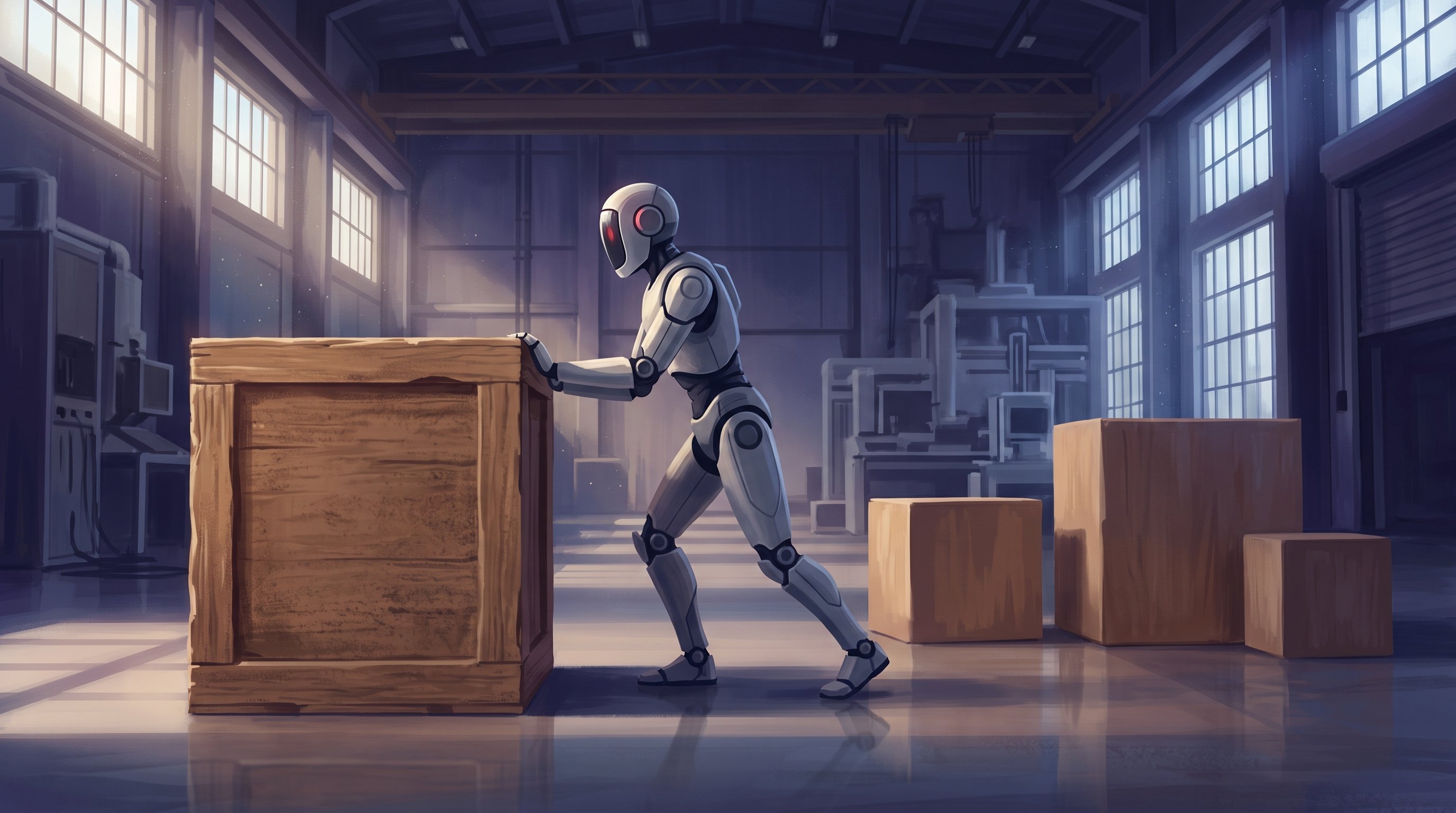
Humanoid robot from South Korea pushes 35 kilos and lifts 20 kilos while walking
Researchers at KAIST in South Korea had their humanoid robot push objects of up to 35 kilos and lift up to 20 kilos while walking. Legs and arms are controlled together by a single AI system. It is a demonstration in the lab; more tests will follow.
-
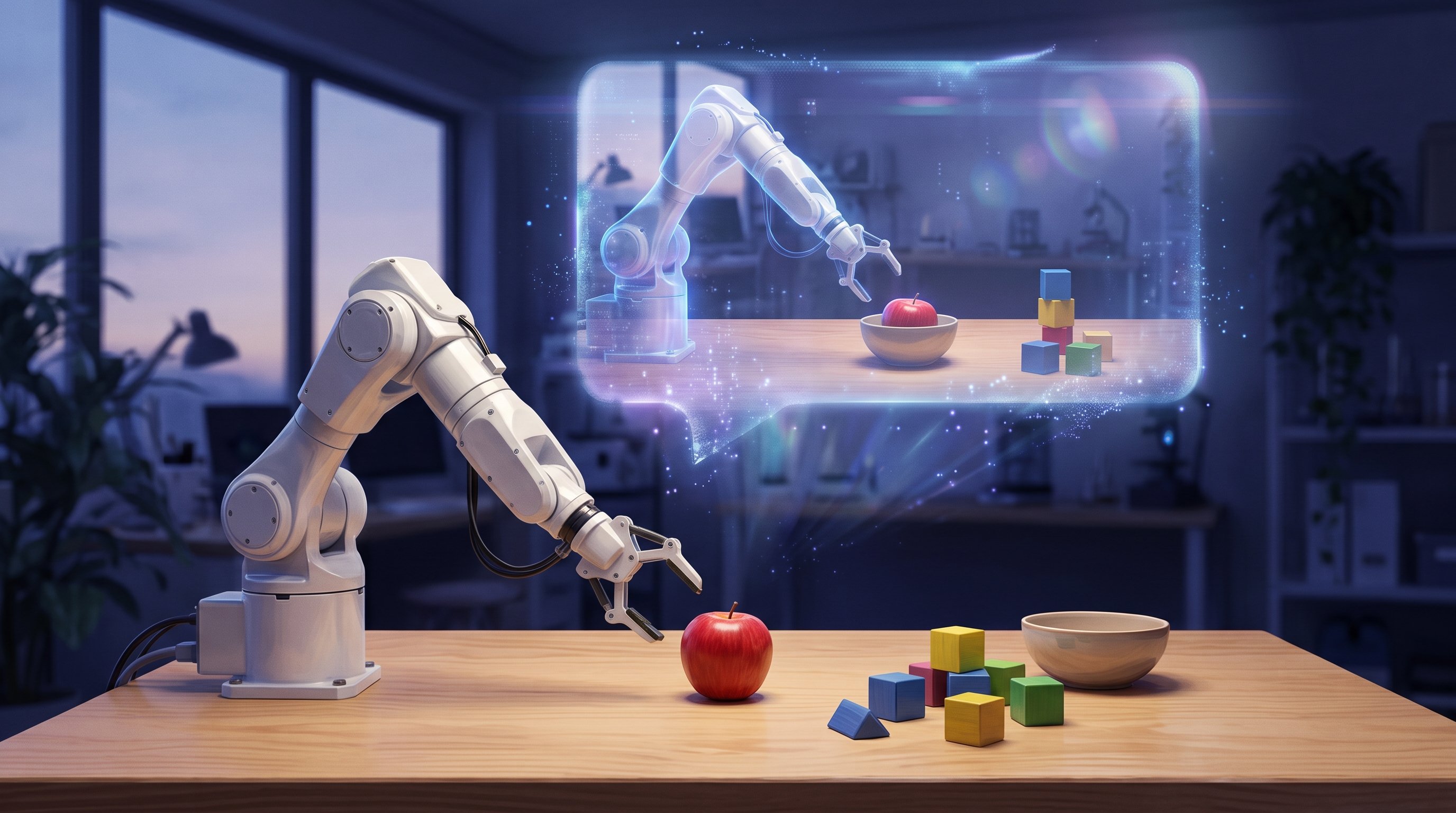
Robot AI from Seoul first imagines what the result will look like, and only then chooses its movement
Researchers at Seoul National University have built an AI model that lets a robot 'see' in advance how a task will turn out. With those images, the robot chooses its movements. In real tests it completed almost eight out of ten tasks, slightly more often than well-known competitors.
-
AI company Odyssey lets a recreated fly brain move through a world that AI makes up
Odyssey linked a computer model of a fruit fly's brain to its world model Odyssey-3, an AI that creates an environment on the spot. It is a first demonstration; a description of exactly how it works is still to follow.
-
Researcher says the inner workings of AI are much easier to understand than we thought
Nick Cammarata of the AI company Goodfire argues that the 'neurons' in AI models usually have one clear task. If that is right, it becomes much easier to look inside an AI model and check what it does. Other experts call the work interesting, but want to see more evidence first.
-
British biobank maps the immune systems of 80,000 people, as learning material for AI
The London company IMU Biosciences will measure the immune cells in 80,000 blood samples from UK Biobank in great detail. Linked to genes and health data, this should teach AI models which changes in the immune system signal diseases such as cancer or dementia.
-
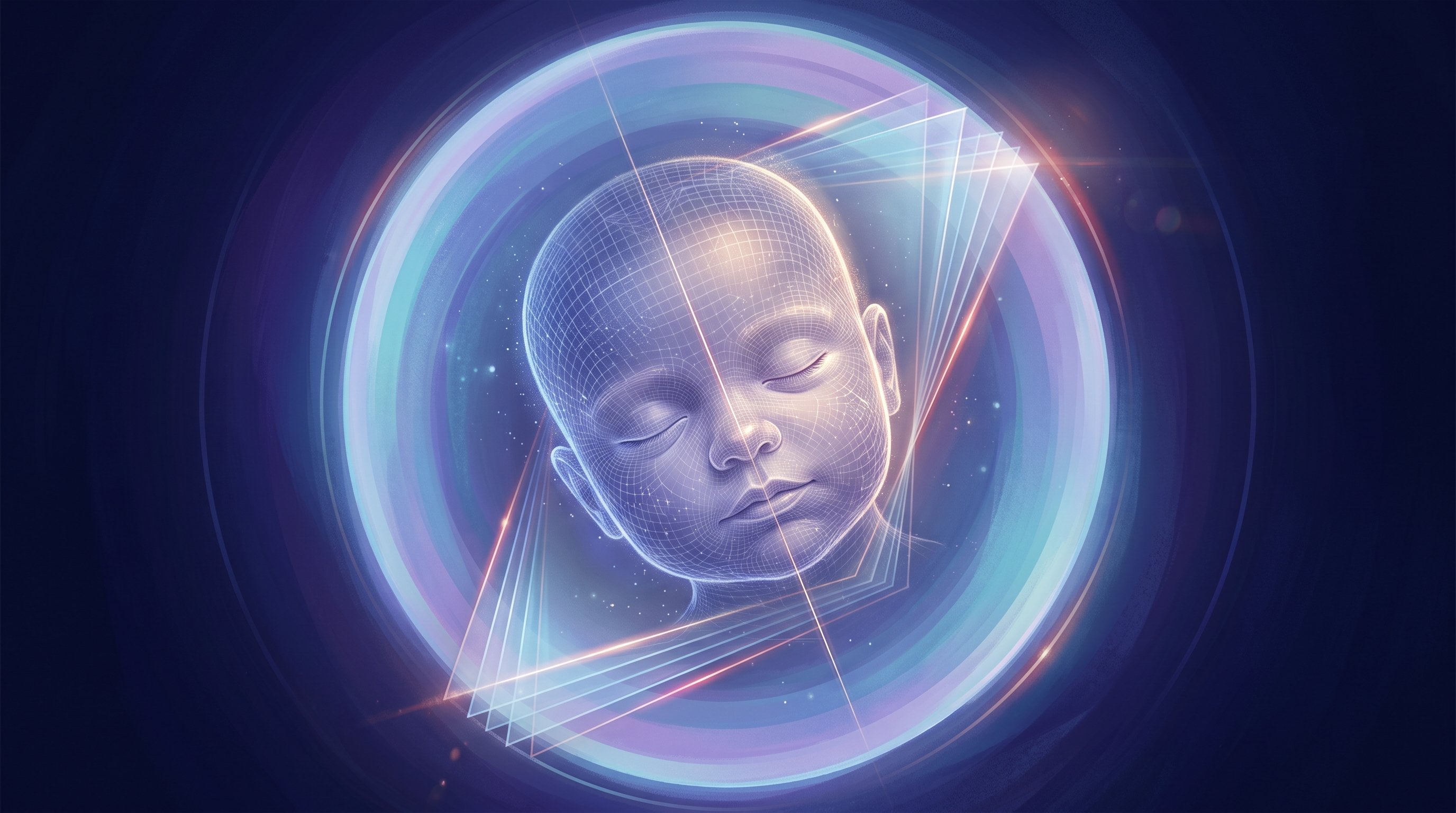
AI that knows a head is symmetrical tracks the moving head of an unborn baby during an MRI scan
An unborn baby moves during an MRI scan, so images of the brain fail or come out skewed. Researchers at MIT and Boston Children's Hospital built an AI model that quickly tracks the position of the head. The secret: the model already knows that a head is the same on the left and the right.
-
Microsoft finds a more economical recipe for training large AI models
Microsoft AI has completed the first training phase of its new base model MAI-Base-2. According to the company, its new approach reaches the same level as a strong Chinese model with a quarter to a twelfth of the computing. The model is now being trained further.
-
Robot arm with artificial skin feels where it is touched, even without looking
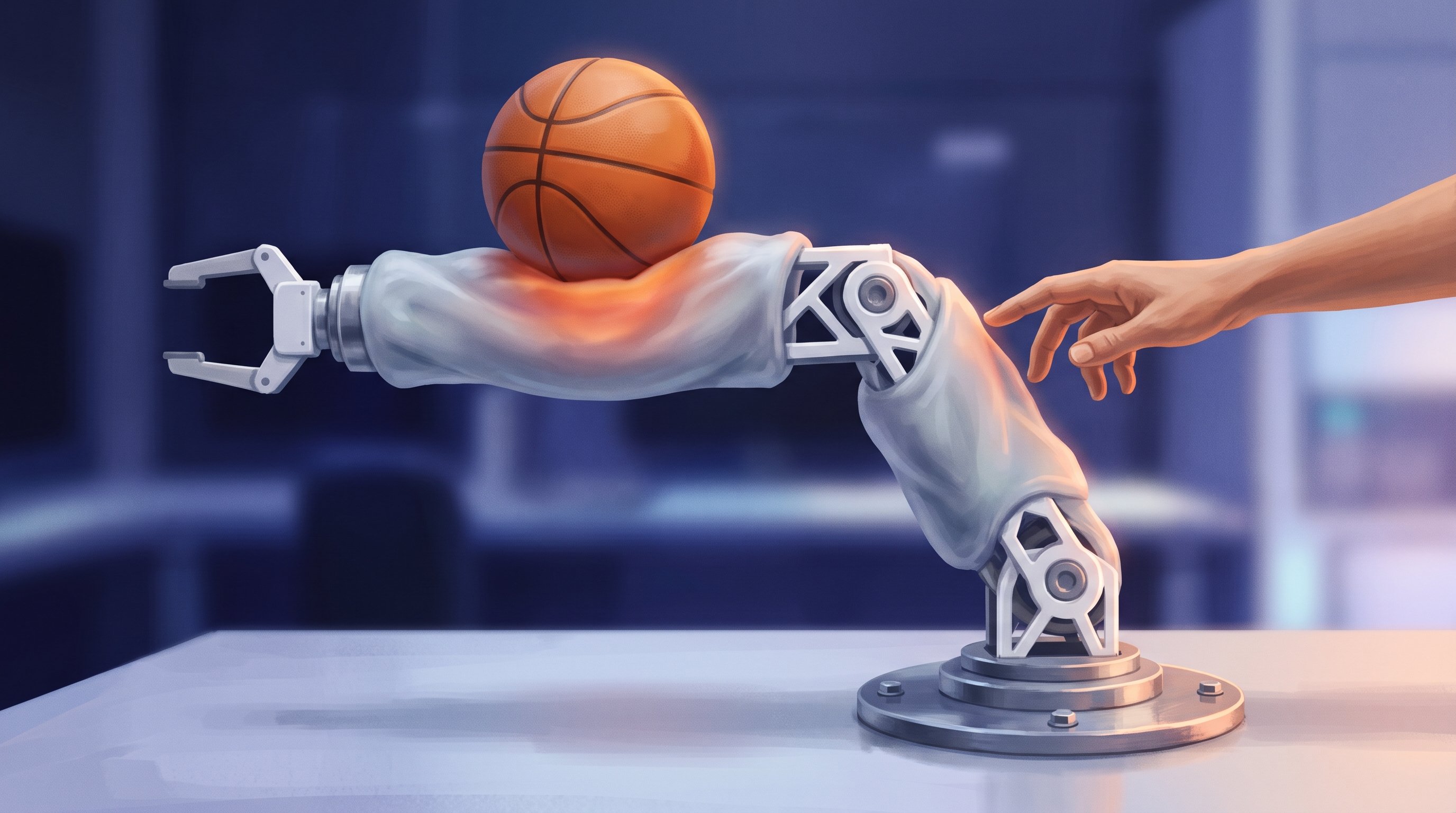
Researchers in Hong Kong built a robot arm with a soft skin that feels touch over almost the whole arm. This lets the arm balance a ball and stop when a hand is in the way, even when its camera sees nothing.
-
Nvidia releases open AI models for digital assistants on servers and laptops
Nvidia has released three new open AI models for assistants that carry out tasks on their own. The largest runs in companies' data centres; the smaller ones simply work on a laptop. According to Nvidia, the large model beats top models on specialist tasks after extra training.
-
KAIST's AI fills in the ground beneath clouds on satellite images
Researchers at South Korea's KAIST built an AI model that learns what the Earth looks like from above, including location and scale. This lets it remove clouds from satellite photos and turn radar images into ordinary photos. That will help with disasters and nature management.
-
Does Claude learn by playing on a desert island?
MIT researchers let the AI assistant Claude loose on a virtual island for thirty hours without any task. It invented its own games, made drawings with blocks and did small experiments. With that experience, it later did better on most new tasks than a version of Claude without that play experience.
-
Researchers let an AI agent think partly without words: faster and cheaper
Researchers from Stanford and Together AI let an AI agent do part of its thinking without writing it out. It only switches to text to look something up or to answer. According to them, it works up to 2.6 times faster this way and scores better than comparable systems.
-
Substance from the beech mushroom makes salt taste much saltier
Chinese researchers found three small protein fragments in the beech mushroom that make salt water taste saltier, the strongest by almost 71 per cent. AI helped with the search. The next step is to test them in real food, and to find out how much salt can then be left out.
-
Printed brain-inspired chip dissolves in six minutes after use
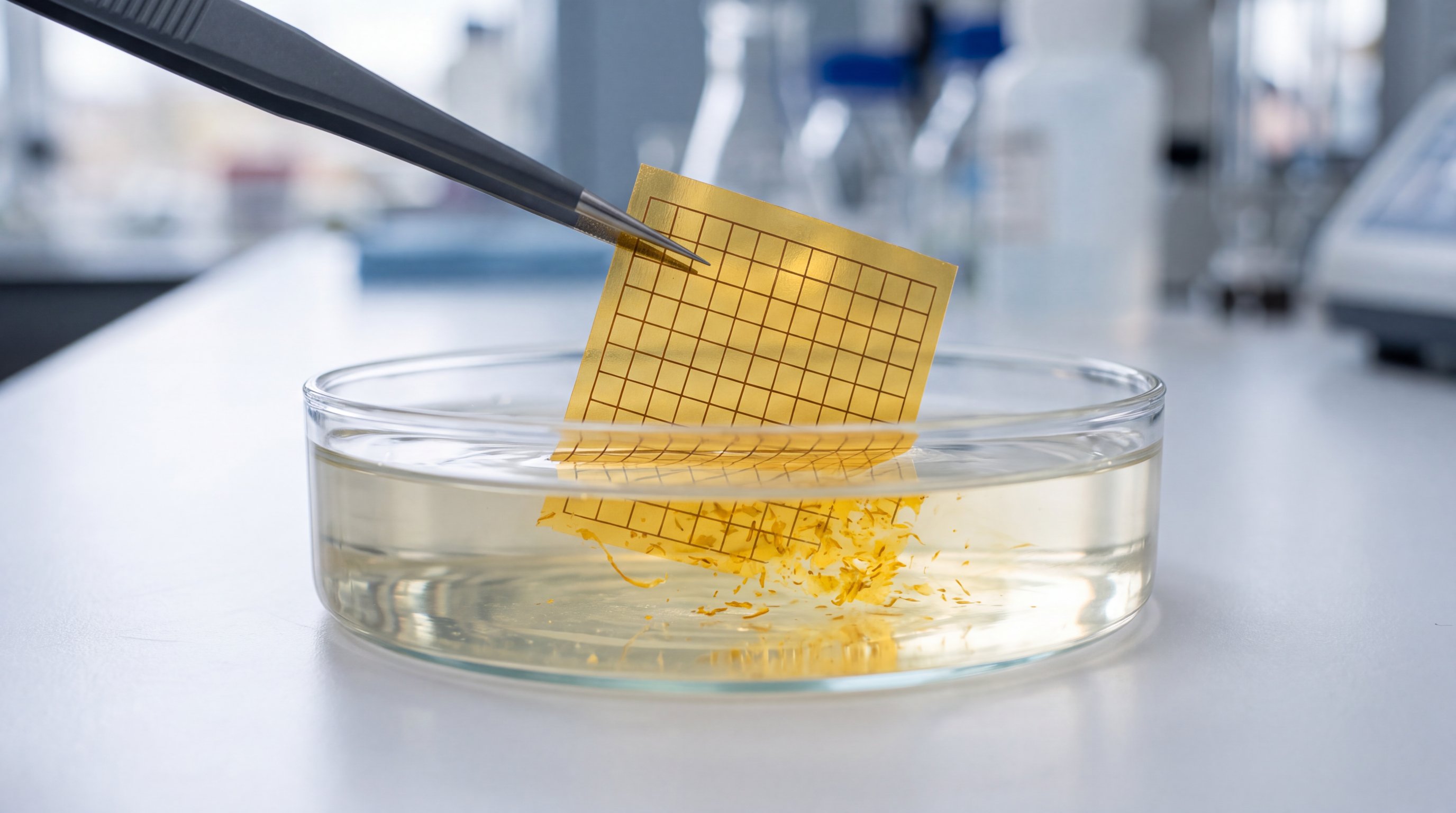
Researchers in China have printed a flexible chip that, like our brain, calculates and remembers in the same place. It recognises handwritten digits almost as well as ordinary software and dissolves in six minutes after use.
-
MIT teaches AI to see how crystals are built, and that helps the search for new materials
Language models know a lot about materials, but cannot 'see' how a crystal is built. MIT researchers linked 3D structures to descriptions in plain language. As a result, their model finds better candidates, for example for batteries.