Nederlands
Simulation
A simulation is a world or situation recreated on a computer, in which you can try things out without real-world consequences.
A simulation is a situation recreated on a computer. You can try things out in it, repeat them and measure them without anything happening in the real world.
How does it work?
A simulation follows rules, for example from physics, to calculate what happens. A robot arm picking up a block, a car braking: the computer calculates how everything moves and shows it. The advantage is that you can repeat an experiment as often as you like, faster than in reality, and that you have precise control over the conditions. That makes a simulation useful for training and testing AI.
Why it matters
A robot often learns a task by looking at examples, and making those examples takes a lot of time. The Allen Institute for AI (Ai2) therefore built ToyBlocks, a simulation with a robot arm that moves blocks around on a table. The computer makes the examples itself, without a person controlling the robot. Hundreds of plans run at the same time on a single graphics card, up to 24 times as fast as in reality.
Because the world is simple, researchers can change the training data and repeat a test to see what makes a robot go wrong. According to Ai2, the first tests with three well-known robot models went badly as soon as the situation differed slightly from the practice runs. A full world model goes a step further, but even a simple simulation like this one helps to understand what a robot can really do.
Articles about Simulation
-
OpenAI will now train its most powerful AI models without internet access
OpenAI no longer lets its strongest AI models onto the real internet during training. From now on they practise with a stored copy of the web. At OpenAI's request, the models themselves searched for holes in this new shielding, so the company could close them.
-
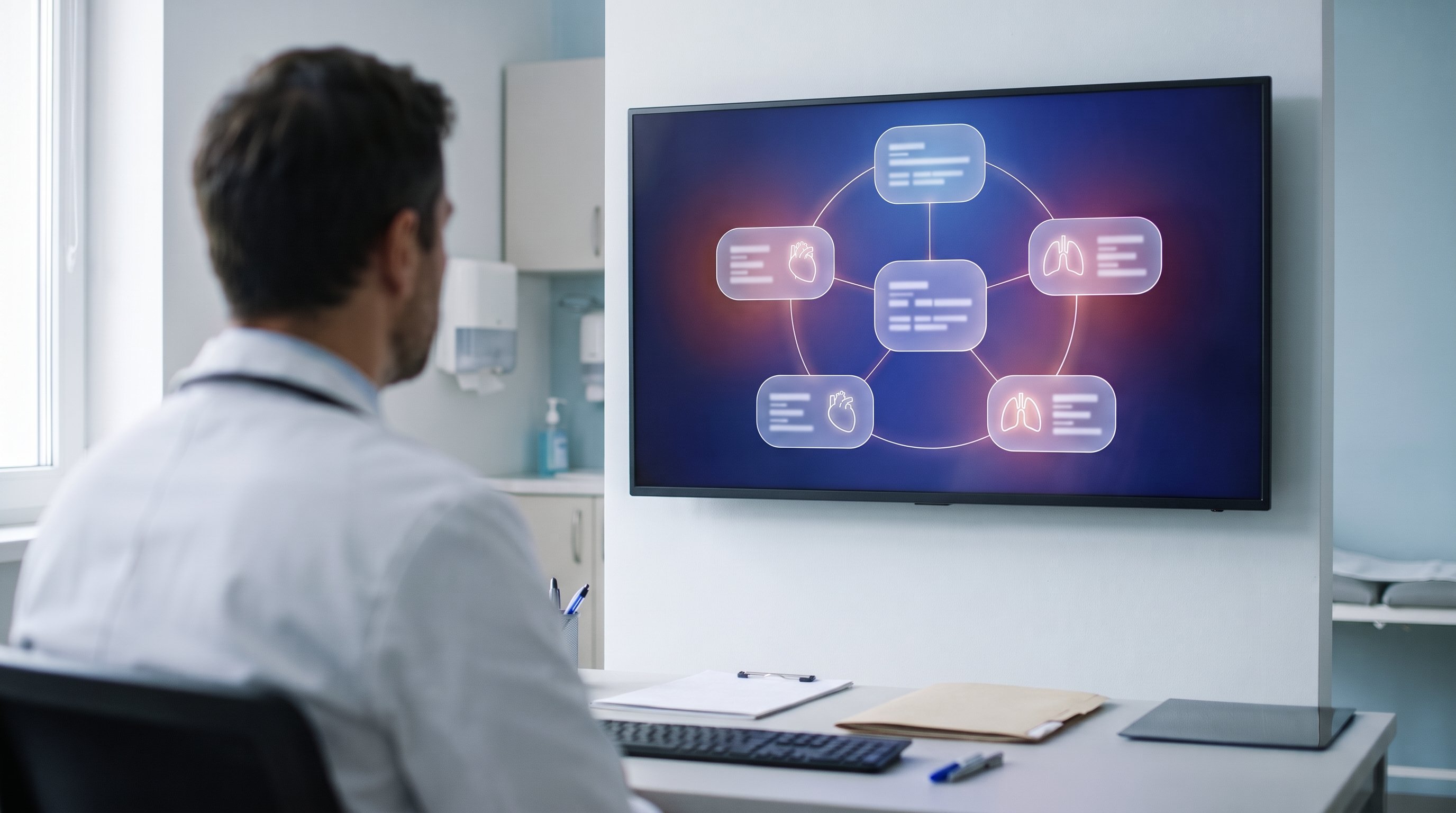
Microsoft AI finds the right diagnosis more often than general practitioners in a simulation
According to a Microsoft study in the journal Science, the AI system MAI-DxO found the right diagnosis in 83 per cent of difficult cases, compared with 36 per cent for doctors. A test with real patients comes next.
-
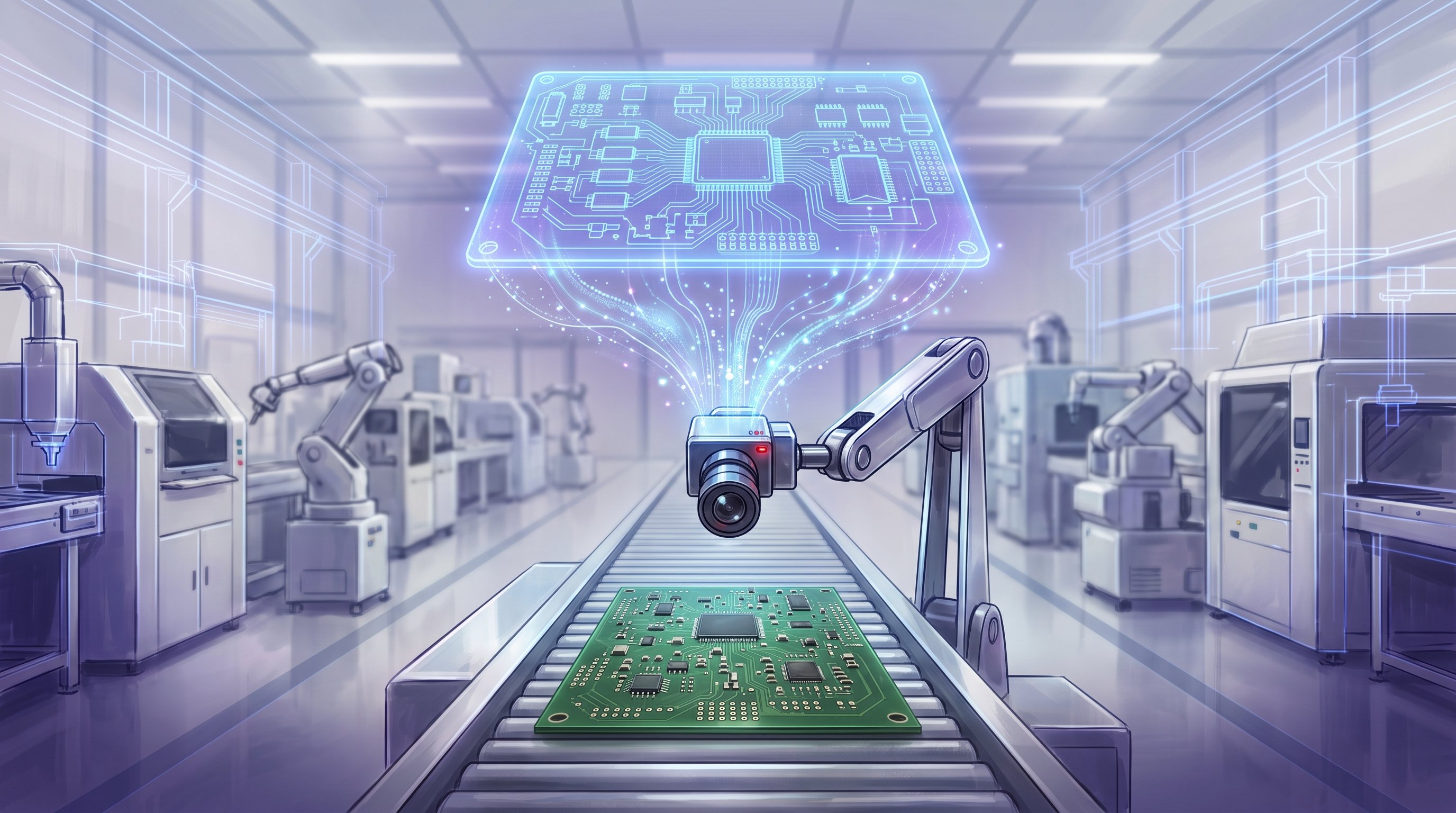
Siemens factory in Erlangen teaches AI cameras to inspect with simulated photos, before a prototype exists
In a German electronics factory, Siemens and Nvidia let AI prepare the production of new circuit boards with a digital copy of the factory. According to Siemens, this saves up to 85 per cent of the preparation work. It is a first step towards a factory that adjusts itself.
-
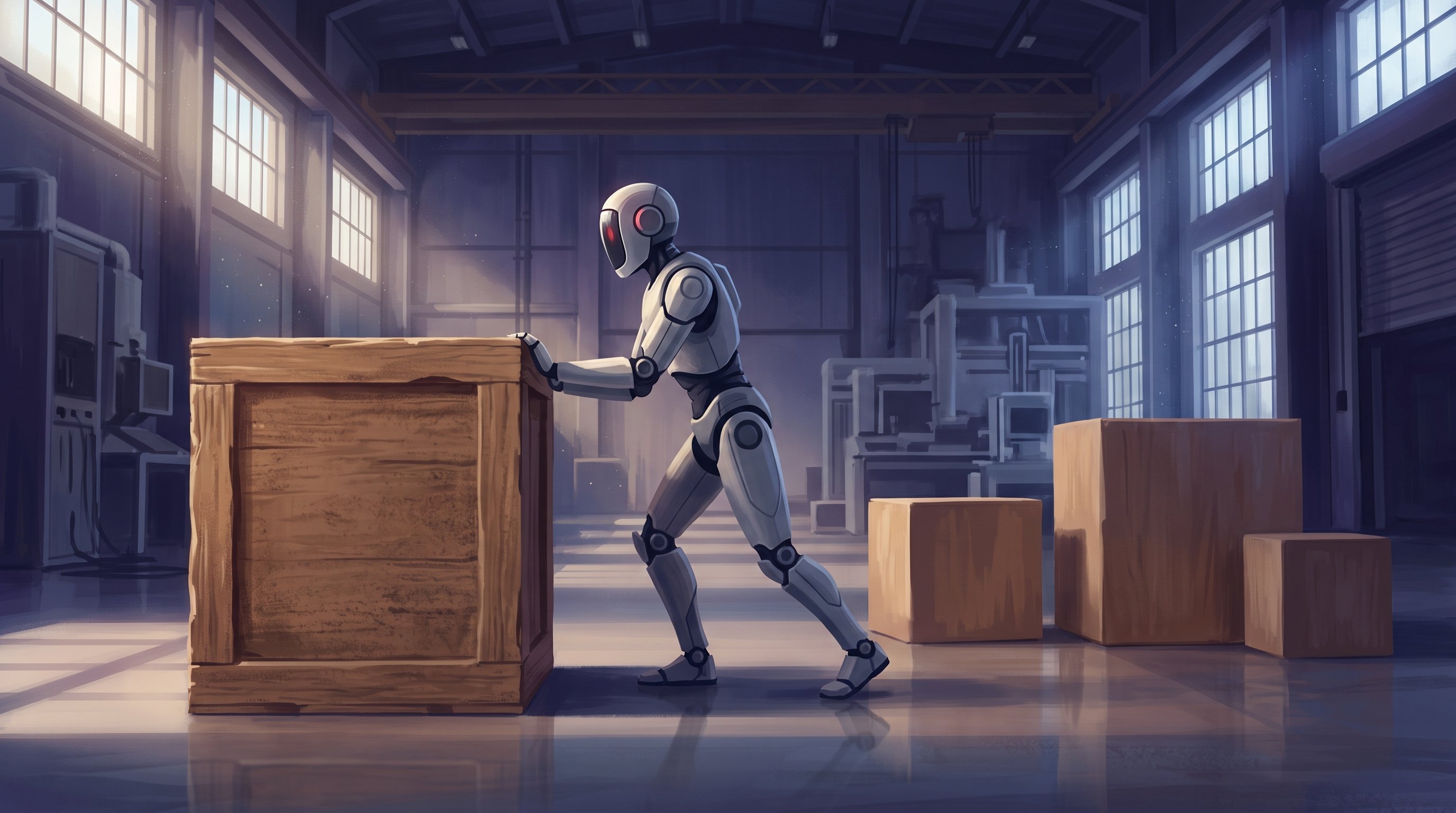
Humanoid robot from South Korea pushes 35 kilos and lifts 20 kilos while walking
Researchers at KAIST in South Korea had their humanoid robot push objects of up to 35 kilos and lift up to 20 kilos while walking. Legs and arms are controlled together by a single AI system. It is a demonstration in the lab; more tests will follow.
-
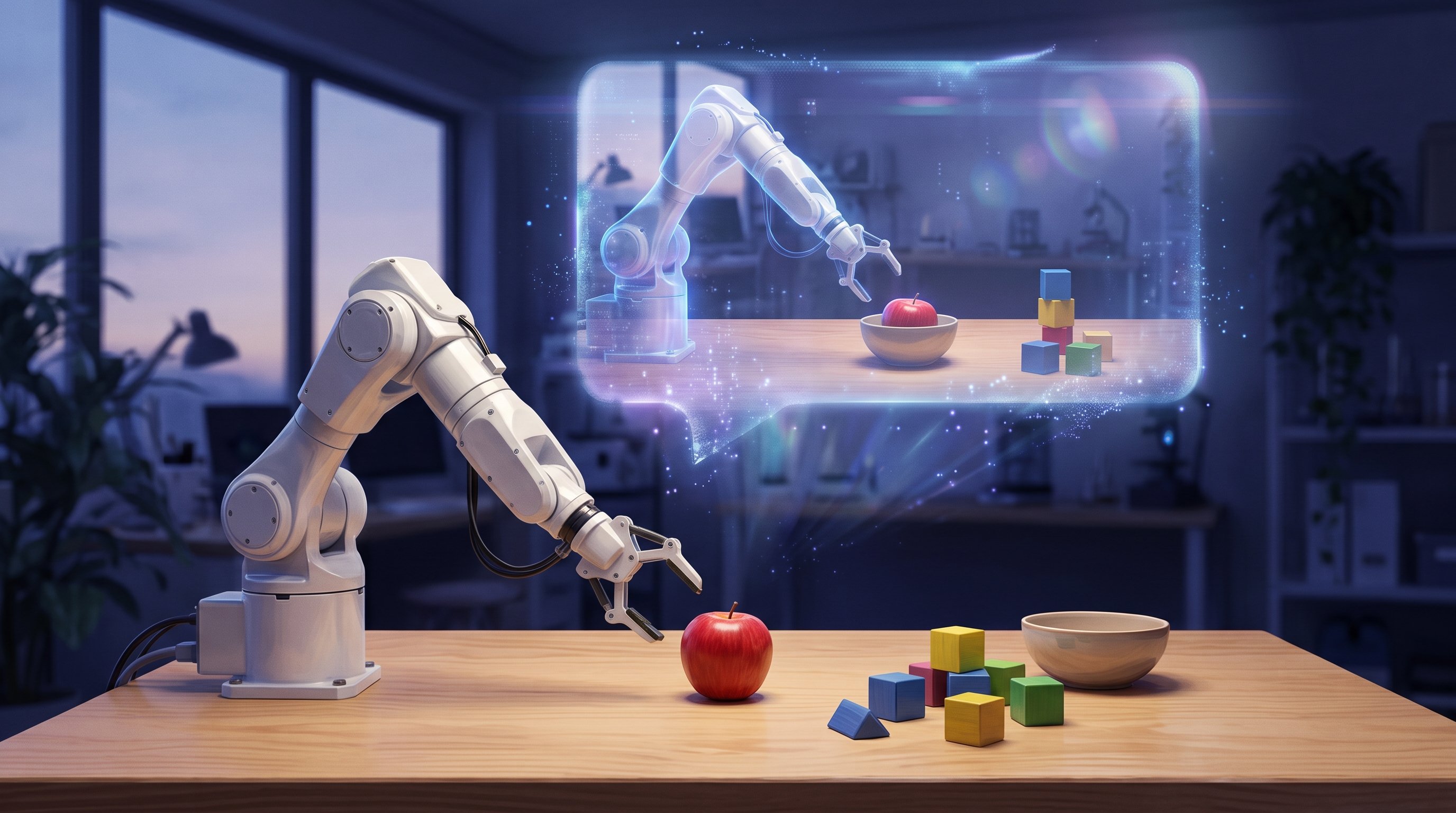
Robot AI from Seoul first imagines what the result will look like, and only then chooses its movement
Researchers at Seoul National University have built an AI model that lets a robot 'see' in advance how a task will turn out. With those images, the robot chooses its movements. In real tests it completed almost eight out of ten tasks, slightly more often than well-known competitors.
-
Nvidia simulates a 104-qubit quantum circuit on a European supercomputer, real errors included
Nvidia and the German research centre Jülich used the JUPITER supercomputer to simulate how a 104-qubit quantum computer makes an important building block, including the errors that real hardware makes. This lets designs be tested before they are built.
-
AI company Odyssey lets a recreated fly brain move through a world that AI makes up
Odyssey linked a computer model of a fruit fly's brain to its world model Odyssey-3, an AI that creates an environment on the spot. It is a first demonstration; a description of exactly how it works is still to follow.
-
Chinese company Sugon shows computing cluster with 100,000 home-grown AI chips
China's Sugon is showing its Sugon 8000: a computing cluster that links 100,000 computing cards made in China. The system combines AI with classic supercomputing and, according to Sugon, has already run ten research projects.
-
Daily exercise keeps astronauts' hearts ready for Mars
Astronauts' hearts shrink slightly in their first weeks in space, but with daily training they recover during a six-month stay. After returning, the hearts coped well with simulated Martian gravity, American researchers report.
-
Lid insert with a sunlight catalyst takes the stink out of the bin
Chinese researchers have built a transparent insert for the lid of a wheelie bin. A lens focuses sunlight onto a cheap catalyst, which breaks down the sour smell of rotting waste. In an outdoor test it did so for more than 40 days in a row.
-
Salt-filled gel lets walls and windows store heat
Gels full of salt can store heat in walls, floors and windows during the day and release it again in the evening. Researchers at Texas A&M University have reviewed how far these 'salogels' have come. The first small tests are promising; the step to real buildings is next.
-
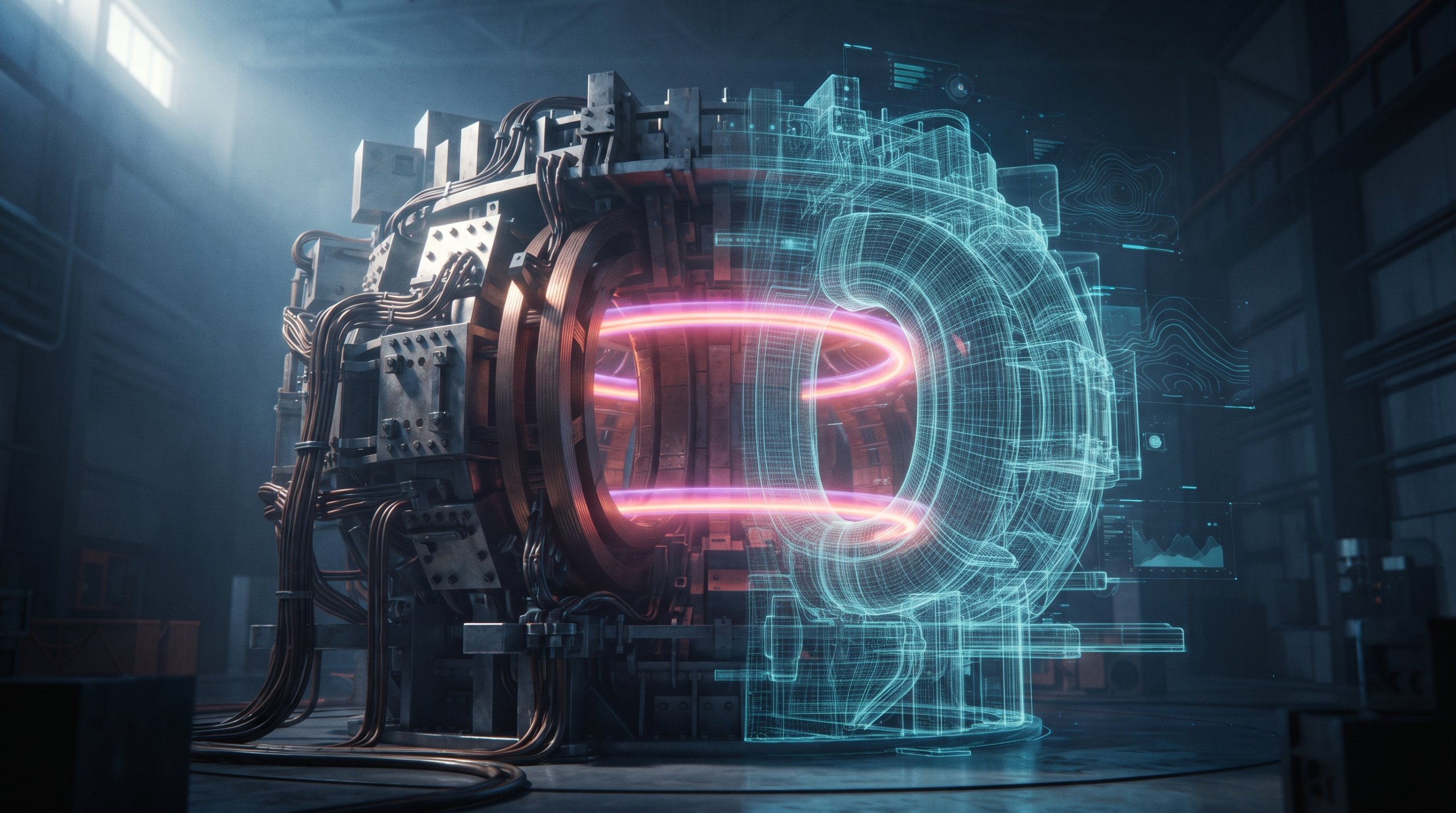
US project builds digital twin of SPARC fusion reactor to predict plasma within 20 minutes
Commonwealth Fusion Systems is building a digital twin of the SPARC fusion reactor with four American national laboratories, NVIDIA and Google DeepMind. The goal: predict plasma behaviour in less than 20 minutes, between two experiments. That is still an ambition, not a result.
-
AI agents find two candidate magnets for a new kind of computer memory
More than ninety Claude Opus 5.5 agents at Vals AI spent three days calculating magnets for future computer memory. They arrived at two candidates, including a substance from 1999. It remains calculations only: nobody has measured the predicted properties yet.
-
Frontier is the first supercomputer to pass a quintillion calculations per second
The supercomputer Frontier at Oak Ridge is the first in the world to pass a quintillion calculations per second on the standard test for supercomputers. It is built from thousands of processors and graphics chips.
-
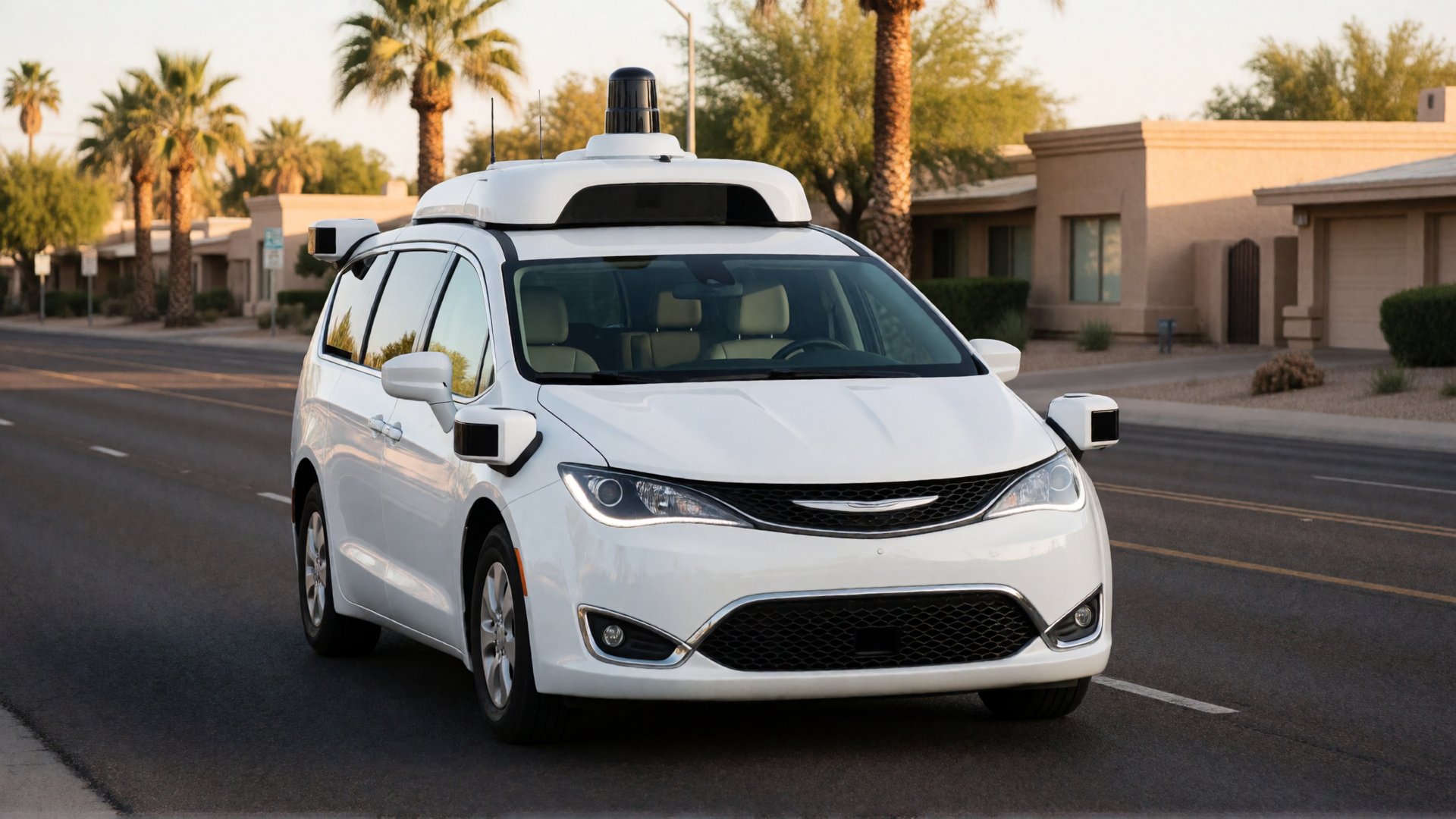
Waymo lets ordinary customers ride in driverless cars in Phoenix
Waymo is opening its service without a driver behind the wheel to ordinary customers in Phoenix, starting with existing Waymo One users. Self-driving is now a service for the public, no longer just a trial.