Nederlands
Simulation
A simulation is a world or situation recreated on a computer, in which you can try things out without real-world consequences.
A simulation is a situation recreated on a computer. You can try things out in it, repeat them and measure them without anything happening in the real world.
How does it work?
A simulation follows rules, for example from physics, to calculate what happens. A robot arm picking up a block, a car braking: the computer calculates how everything moves and shows it. The advantage is that you can repeat an experiment as often as you like, faster than in reality, and that you have precise control over the conditions. That makes a simulation useful for training and testing AI.
Why it matters
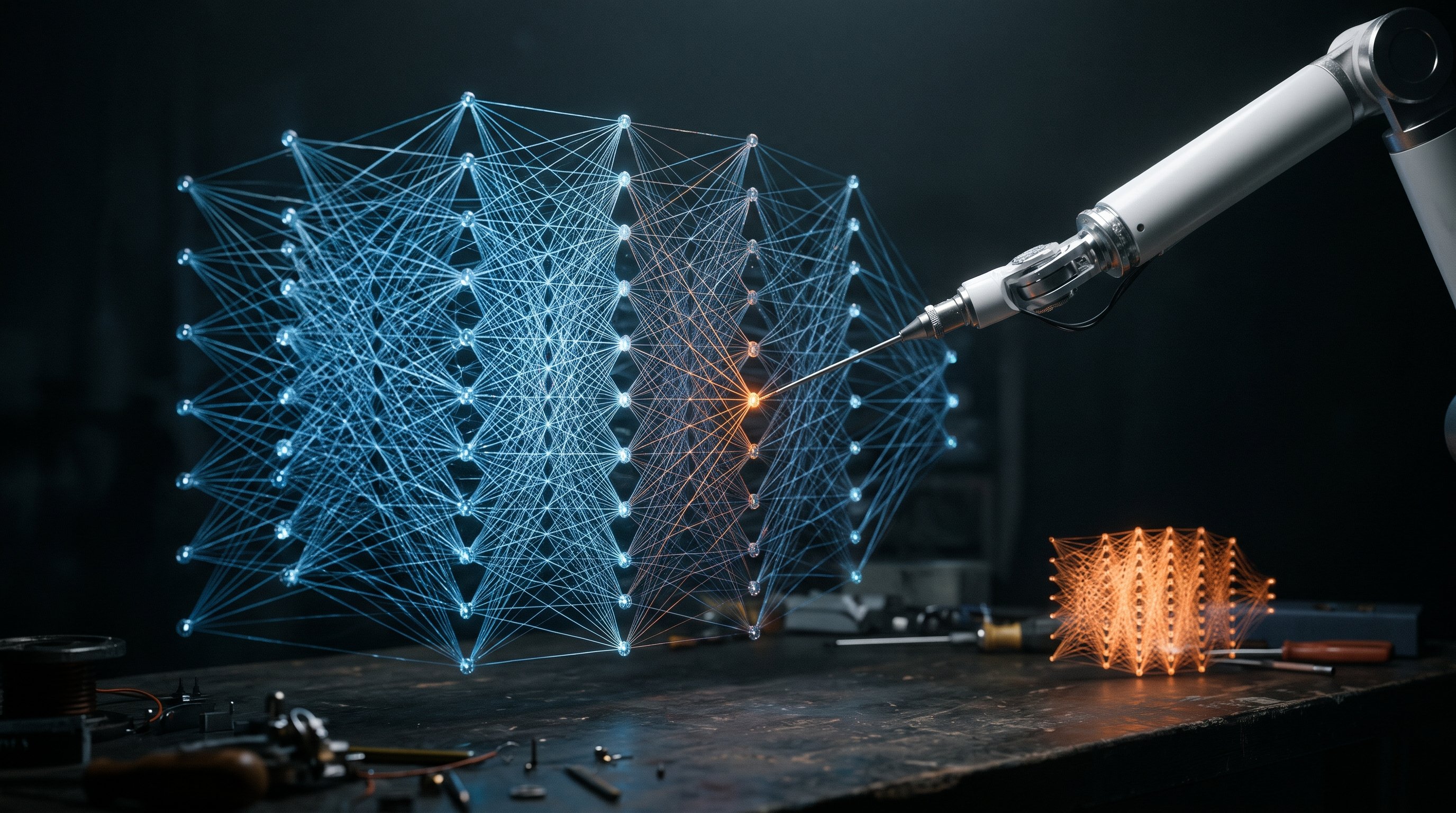
A robot often learns a task by looking at examples, and making those examples takes a lot of time. The Allen Institute for AI (Ai2) therefore built ToyBlocks, a simulation with a robot arm that moves blocks around on a table. The computer makes the examples itself, without a person controlling the robot. Hundreds of plans run at the same time on a single graphics card, up to 24 times as fast as in reality.
Because the world is simple, researchers can change the training data and repeat a test to see what makes a robot go wrong. According to Ai2, the first tests with three well-known robot models went badly as soon as the situation differed slightly from the practice runs. A full world model goes a step further, but even a simple simulation like this one helps to understand what a robot can really do.
Articles about Simulation
-
OpenAI uses its AI for hardware design: from 3D models to circuit boards
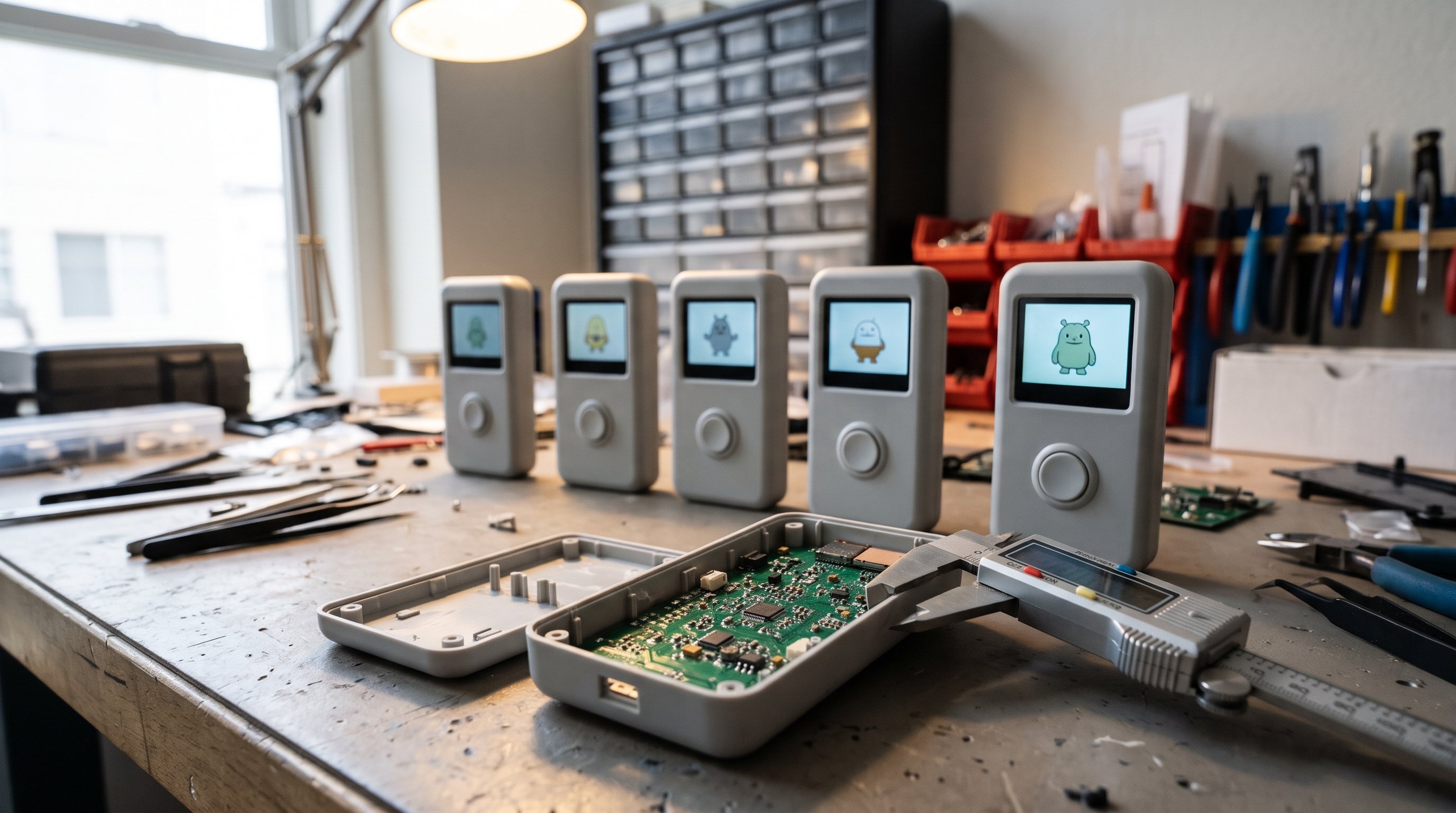
OpenAI shows how ChatGPT and Codex help engineers design physical products. Two employees had the GPT-6 Astra model design a working prototype in less than a week. Getting it made in a factory still took several rounds of checks by humans.
-
Chinese company releases free AI model for chemistry, trained on its own lab work
The Chinese company Deep Principle has released Hydrogen-1.0, an AI model for chemistry and materials research that anyone can download. It also learned from failed experiments in the company's own lab. The results have so far been measured by the company itself.
-
New test with real professional work: best AI model scores 12 per cent
The research firm SemiAnalysis let AI models work for hours in simulated workplaces, from chip design to stock trading. Claude Opus 5.5 came first with a score of 12 per cent. The test shows where AI is already strong and what the next step is.
-
OpenAI data centre will cut its power use by up to 1,000 megawatts when the grid is in trouble
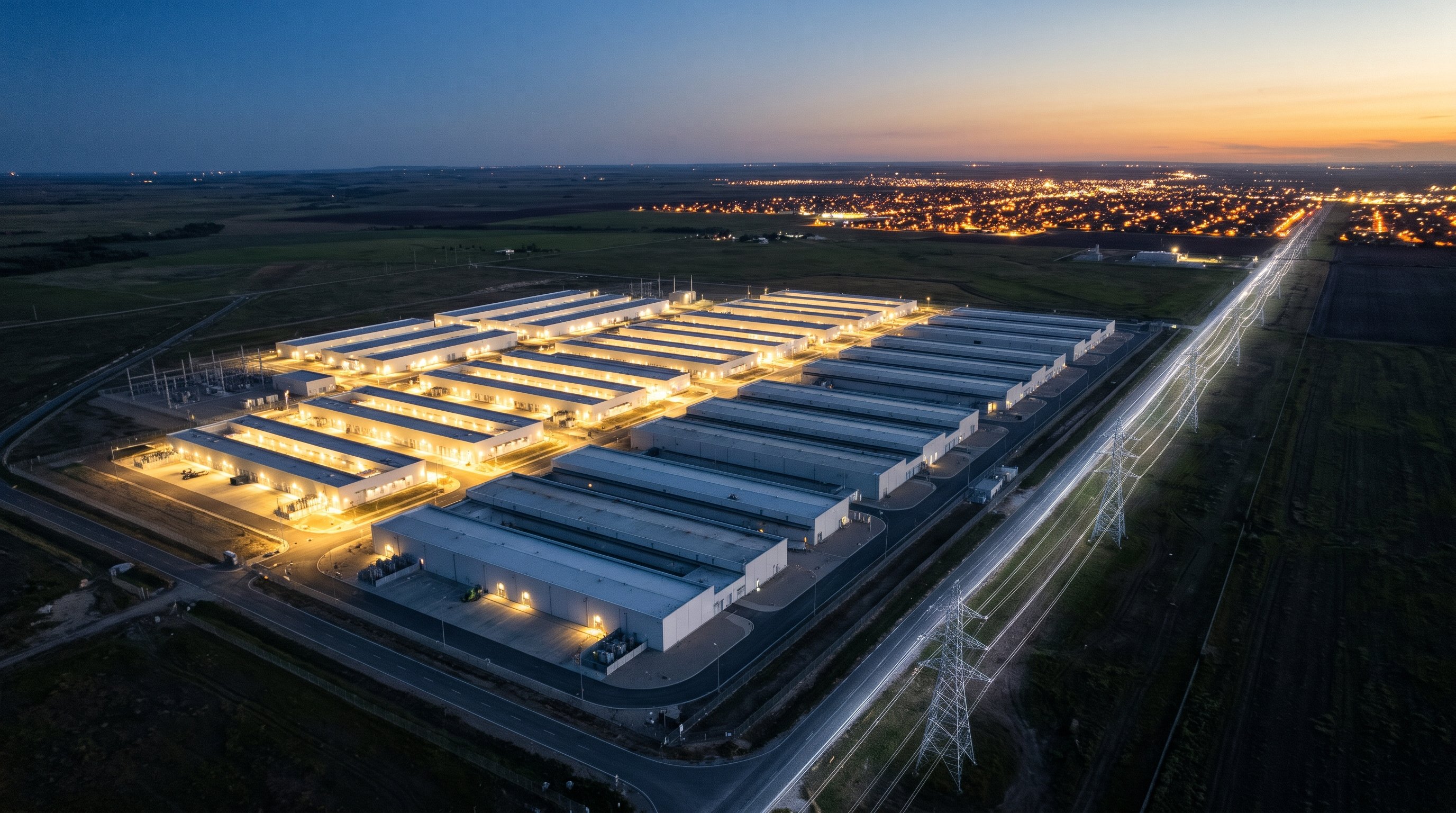
OpenAI promises that its new data centres will use less electricity when the power grid is under strain. The first one, in the US state of Georgia, can cut up to 1,000 megawatts. A British trial showed that AI computers can do this quickly.
-
Newest AI model can read the inside of other AI and write it itself
Researchers at MIT had OpenAI's GPT-6 Astra read and adjust the numbers that small AI networks are made of, without any training. It even wrote networks that play a computer game well. The researchers call these very early results.
-
Google demonstrates magic state cultivation on Willow: 40 times fewer errors
Google Quantum AI tested a new way to make magic states on its Willow chip: special states that a quantum computer needs for its hardest operations. The errors in them became about 40 times smaller. The result is published in Science.
-
Gut villi inspire bacteria battery with higher power per volume
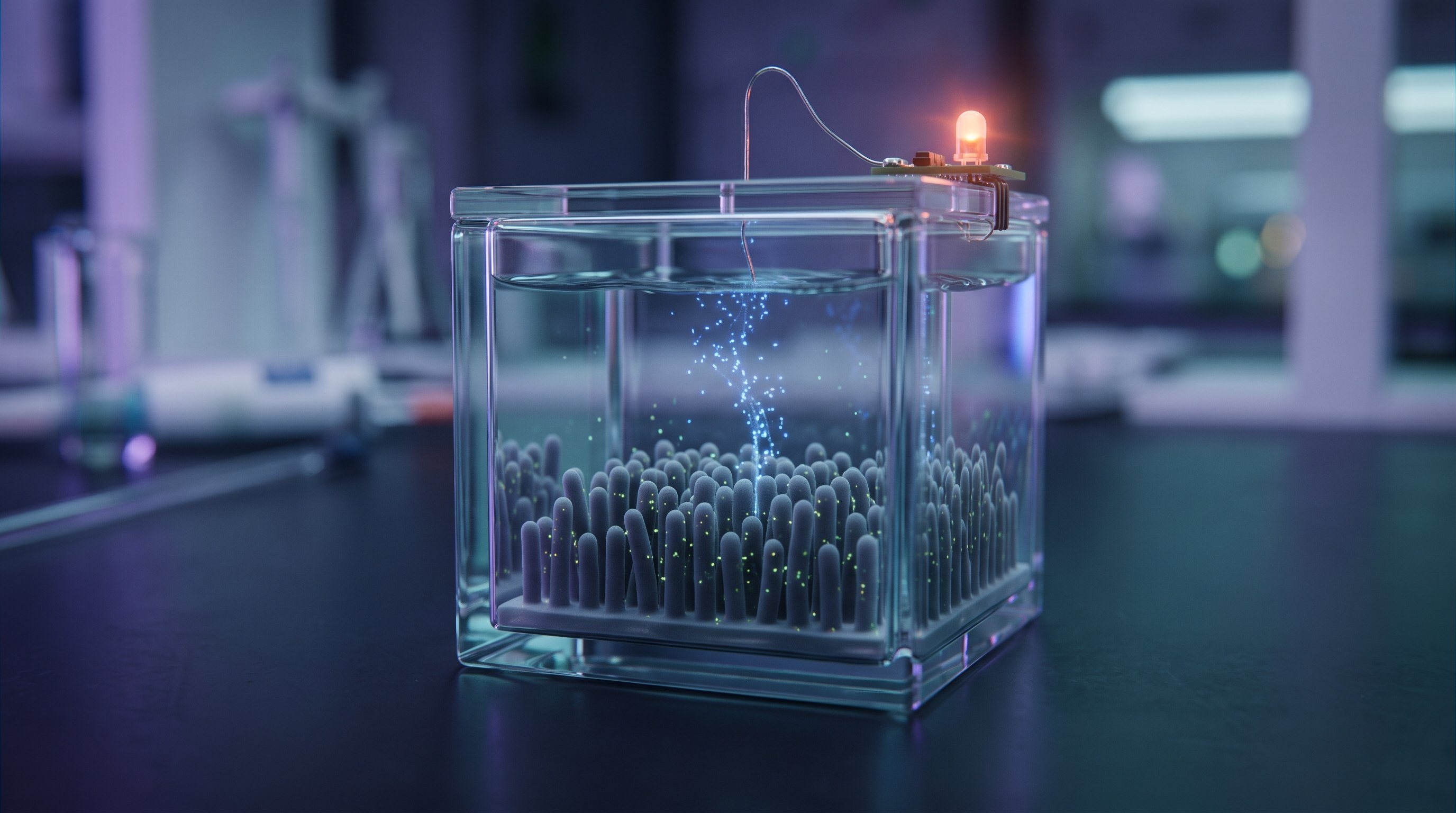
Researchers at Binghamton University built a bacteria battery with an electrode shaped like intestinal villi. In a test, it delivered more than eight times as much power per volume as their flat electrode.
-
AI copies the immune system of pregnant women and finds a candidate drug against preterm birth
Stanford researchers used digital twins of the immune system to test nine existing drugs. In the simulation, aspirin plus a stomach acid reducer delayed labour far longer than aspirin alone. A large study in pregnant women must show whether this works in real life.
-
Microsoft releases free AI model that shows how proteins move
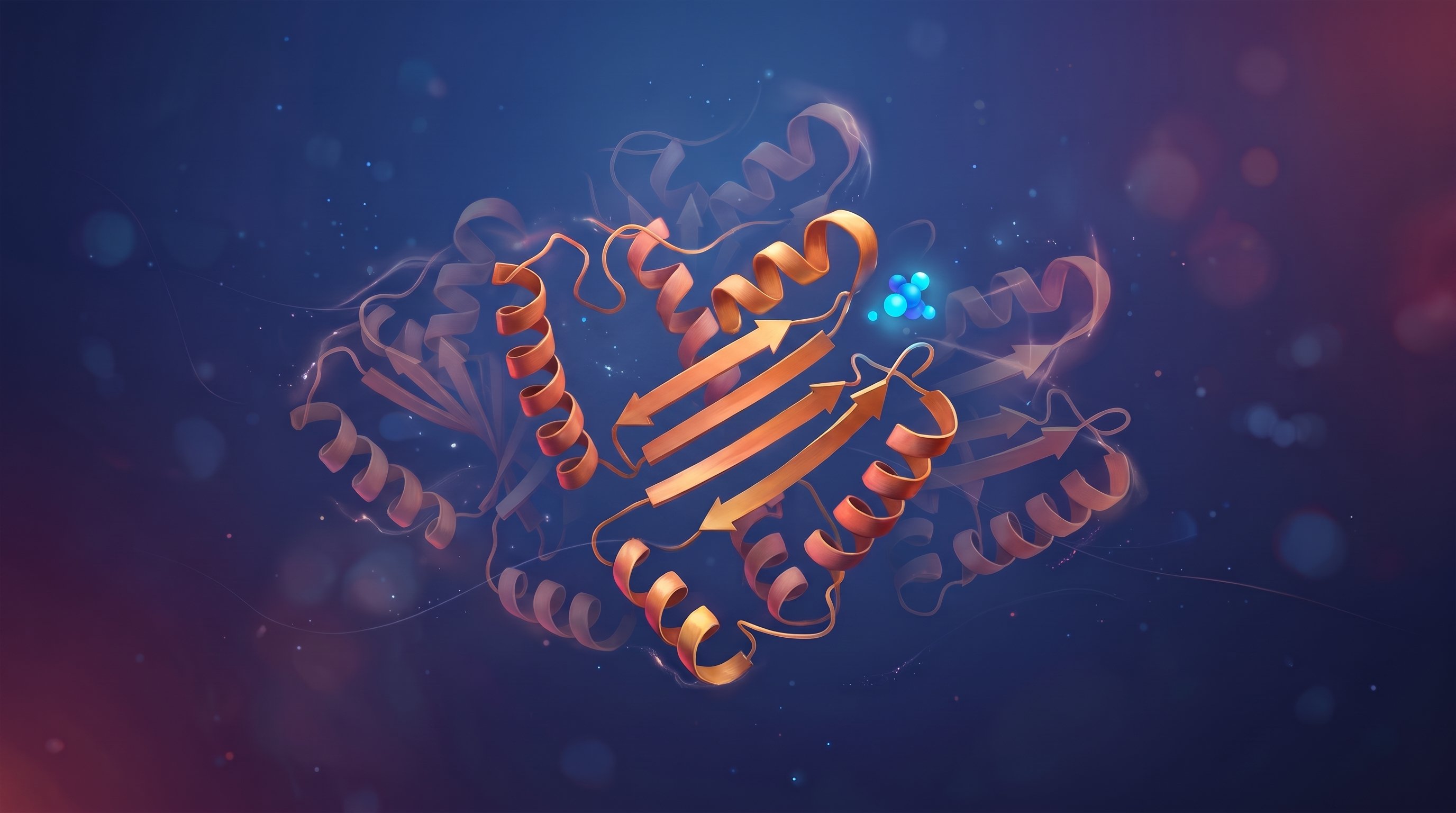
With BioEmu-2, researchers can predict which shapes a protein or other biomolecule can take, also together with DNA, RNA or small molecules. Microsoft shares the code and the model for free under an open licence; it is meant for research.
-
Google DeepMind's Genie 4 builds interactive worlds, now with sound
Google DeepMind has presented Genie 4, an AI that creates a world you can control while you watch. What is new is that this world also has sound and conversations. A small group of testers is trying it out now; more users will follow.
-
What mathematicians think of OpenAI's 372 maths results
In early October, OpenAI put 372 results on open maths questions online. Mathematicians are impressed, but checking them will take months. What has been claimed, and what do experts think?
-
AI from Google and NASA finds many more methane leaks in satellite images
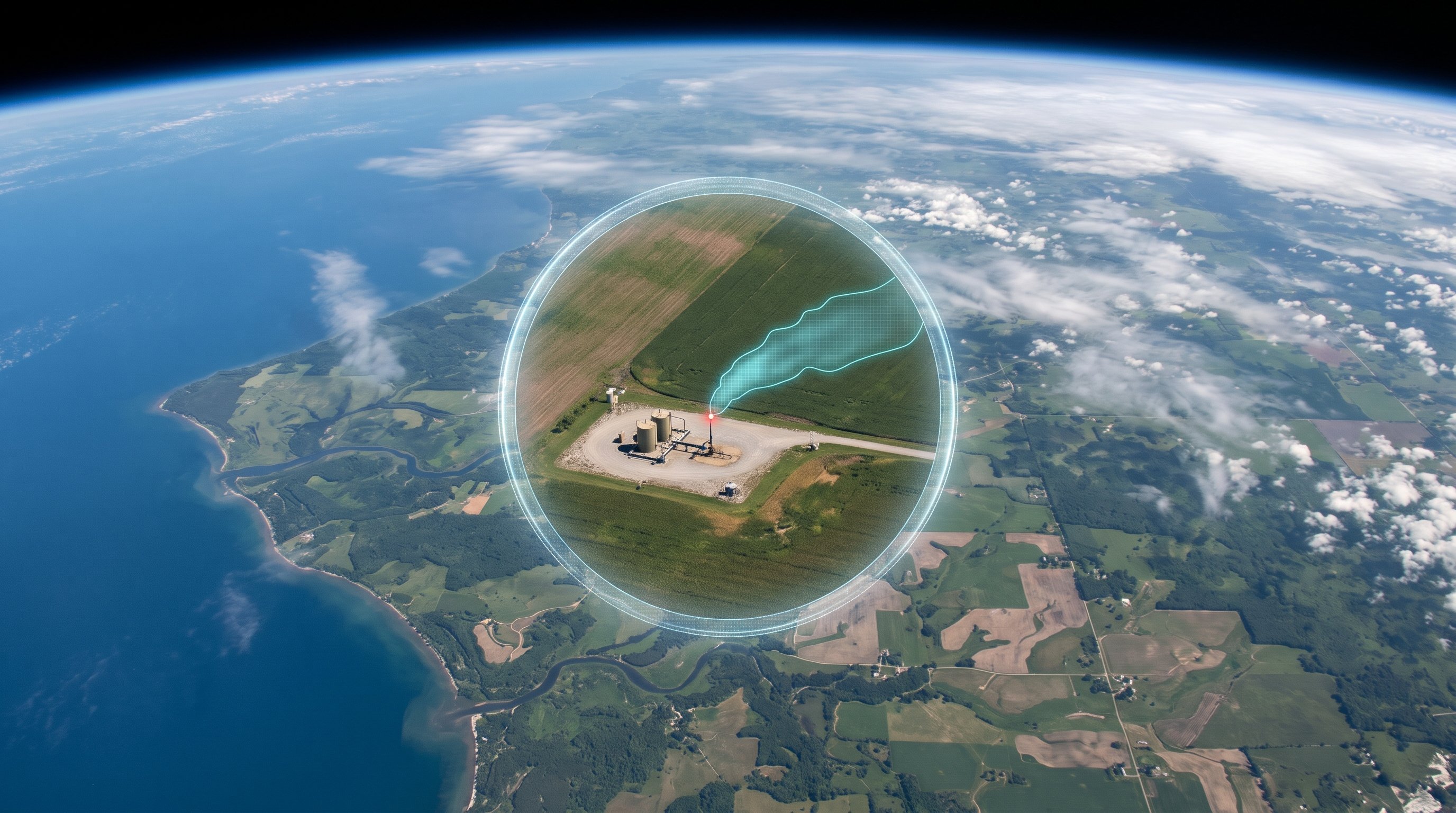
Google Research and NASA built an AI model that detects methane clouds in measurements from the International Space Station. In a test it found about 50% more likely methane plumes than human analysts. The model, code and map are freely available.
-
ETH Zurich humanoid robot climbs ladders and gets back up by itself after a fall
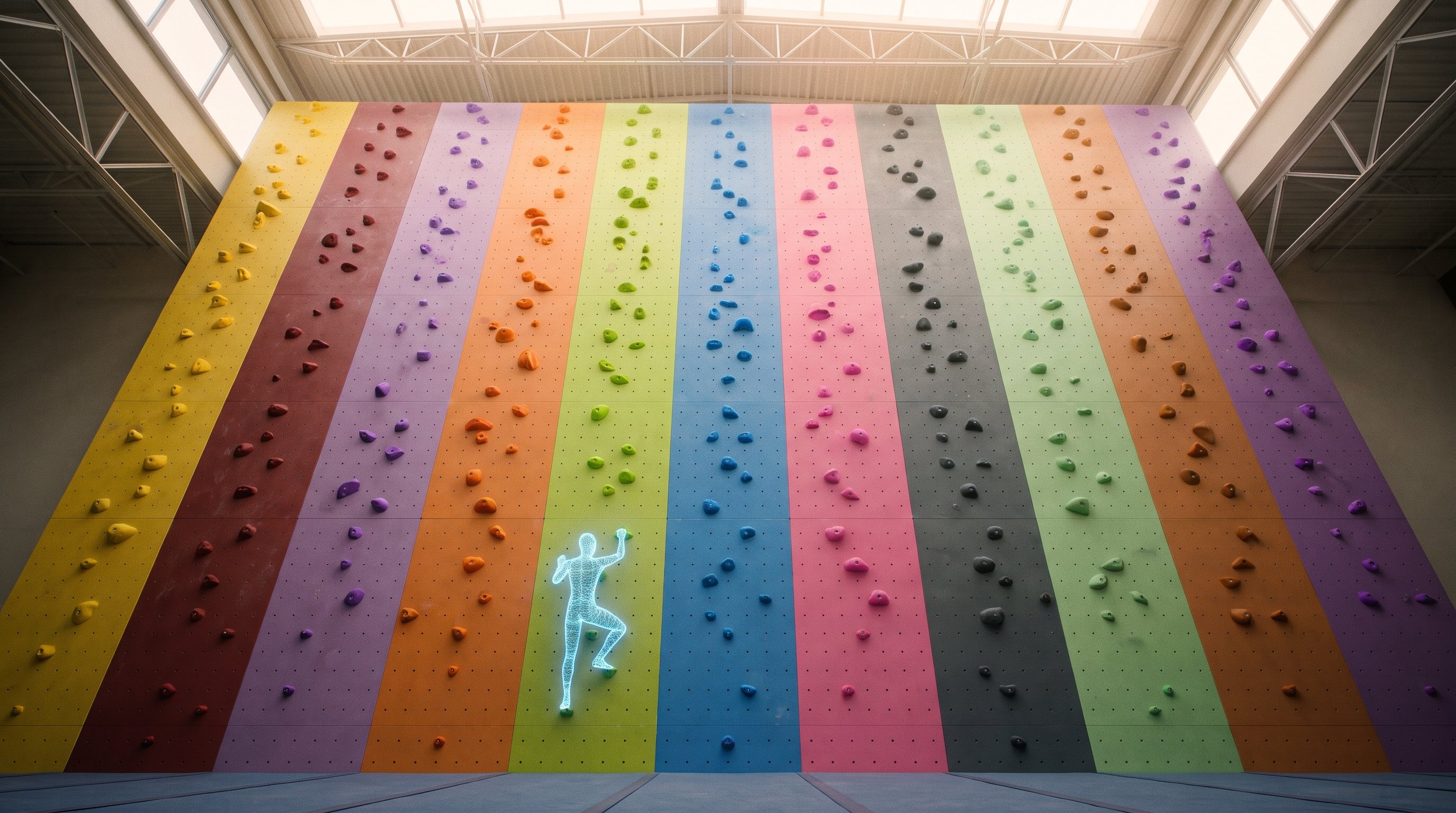
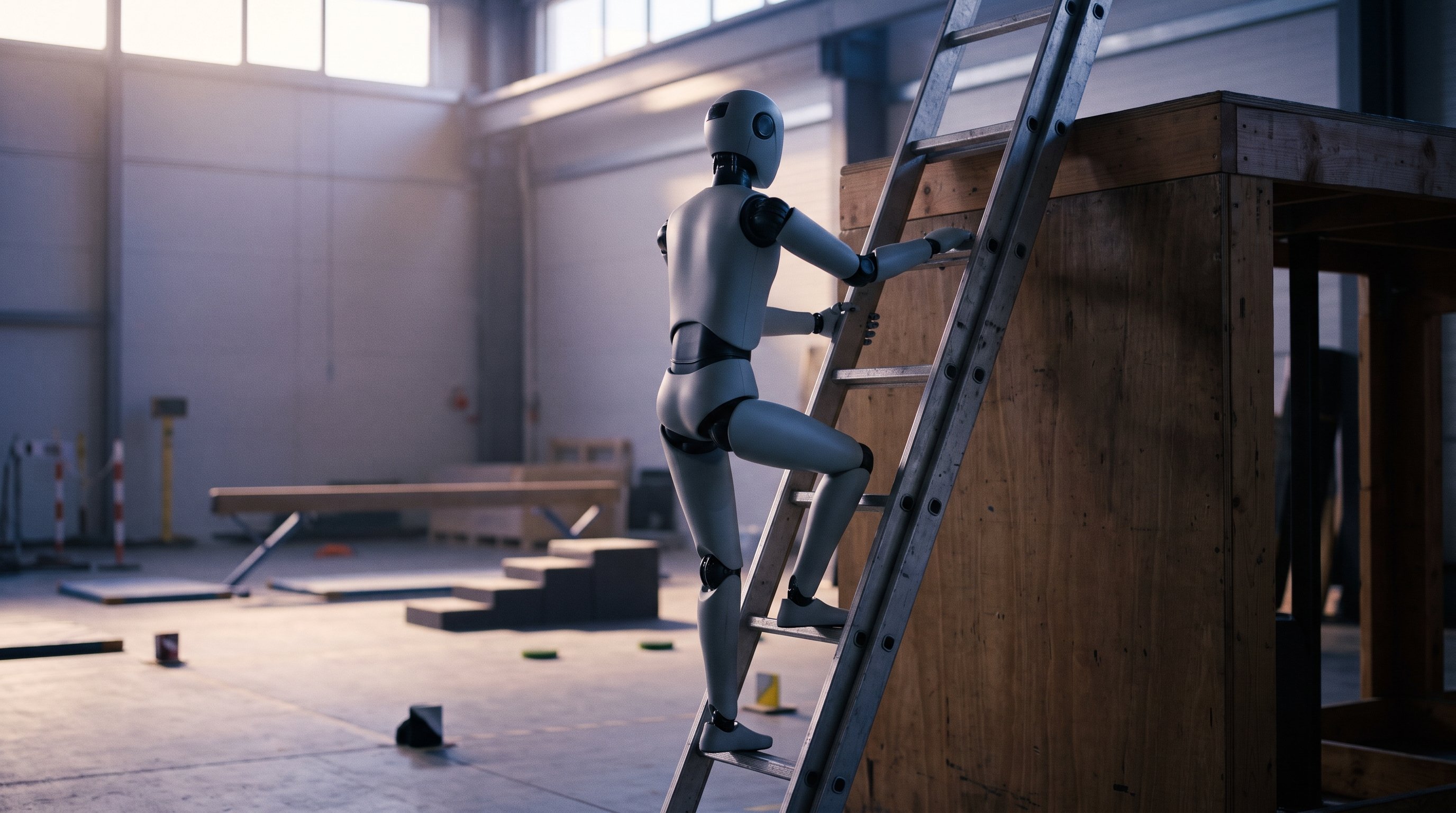
Researchers at ETH Zurich have a humanoid robot climb ladders, jump over obstacles and get up after a fall, all with one learning system. In a simulation, the robot completed 92.5 per cent of the obstacle courses.
-
Unitree lets AI improve the software of its robots by itself
Robot maker Unitree is working on Rehearsal: AI reads research by itself, writes robot code, tests it in a simulated world and then puts it on real robots. Founder Wang Xingxing now expects robots to handle most tasks on command in 2027 or 2028.
-
Four-legged robot solves a giant Rubik's Cube using only its legs
Researchers at ETH Zürich and Nvidia taught a four-legged inspection robot to solve a giant Rubik's Cube using only its legs. It tips the cube over and turns the layers, without human help. All three attempts succeeded, each in eight to nine minutes.