Nederlands
CRISPR treatment inside the body still works after four years; US decision due in 2027
According to its maker Intellia, a single infusion with the gene-editing technique CRISPR still protects people with the inherited disease angioedema after four years. The US FDA will decide by 10 March 2027 whether it becomes the first CRISPR treatment that works inside the body.
People with hereditary angioedema keep getting attacks of painful swelling, in the skin, the belly and sometimes the throat. Swelling in the throat can be life-threatening. Many patients take medicines all their lives to prevent attacks.
The US company Intellia Therapeutics has developed a treatment that works with a single infusion: lonvoguran ziclumeran, or lonvo-z for short. According to Intellia, it is still working in the first patients more than four years after the infusion. The full figures from that long follow-up have not yet been reviewed by other researchers in a scientific journal.
The US medicines regulator FDA is giving the application for approval priority review and will decide by 10 March 2027. If lonvo-z is approved, it will be the first treatment in which CRISPR changes the DNA directly inside the patient's body.
Switching off one gene in the liver
The attacks happen because the body makes too much of a substance that makes blood vessels leak. Fluid then seeps into the tissue and causes the swelling. Making that substance requires a protein that the liver produces.
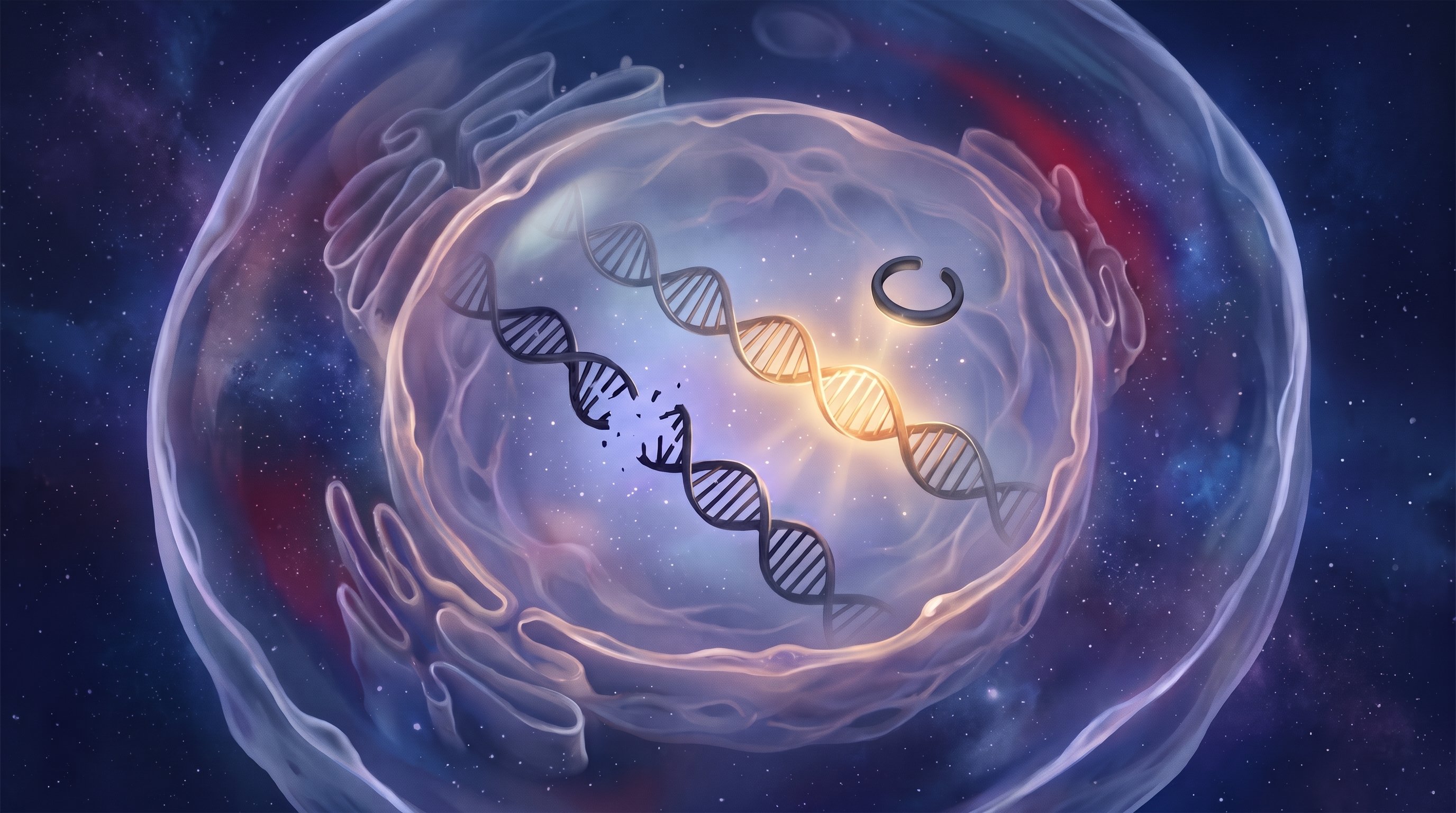
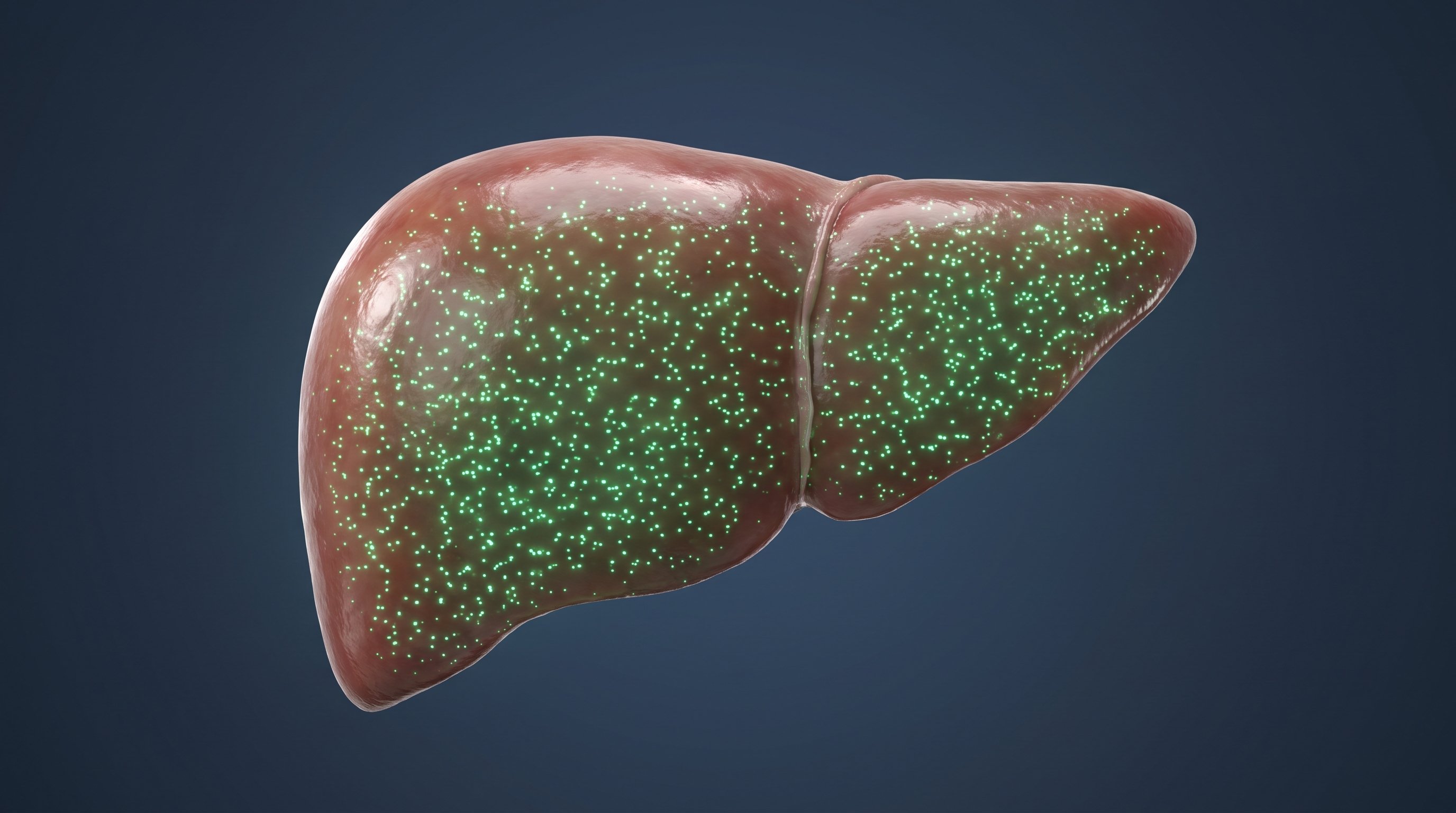
Lonvo-z switches off the gene in the liver that is responsible for that protein. Tiny fat bubbles carry the instructions for the CRISPR scissors through the blood to the liver cells. There, the scissors cut the gene so that it no longer works, and the liver makes less of the protein. Because the change is in the DNA, the effect lasts after a single treatment.
In a large study of 80 patients, some received lonvo-z and some a dummy treatment, without patients or doctors knowing who got what. The treated group had 87 per cent fewer attacks per month than the group with the dummy treatment. In the six months that followed, 62 per cent of treated patients had no attacks at all and no longer needed preventive medicines, compared with 11 per cent in the other group. There were no serious side effects. Most side effects were mild, such as a reaction to the infusion, headache and tiredness.
Different from the first CRISPR treatment
The only CRISPR treatment already approved, Casgevy, which is used against sickle cell disease among other conditions, works outside the body. Doctors take stem cells from the blood, change them in the lab and give them back. Before that, the patient has to undergo heavy chemotherapy. Lonvo-z skips those steps.
Working inside the body does raise its own questions. Doctors cannot check the cells in advance for a wrong cut somewhere else in the DNA, and the immune system can react strongly. The FDA temporarily halted two other Intellia studies, with a similar treatment against a different disease, after an older participant with other health problems developed liver damage and died. That halt was lifted after Intellia took extra safety measures.
What does this mean for the road to the singularity?
Gene editing can already treat diseases, but so far only through a demanding process in which cells have to be taken out and put back. That is only possible in specialised centres. An approved infusion would turn gene editing into something an ordinary hospital can give, in a single day.
If lonvo-z becomes the first, other developers will find the path already cleared. The fat bubbles that reach the liver can also target other genes in the liver, and what the FDA learns here about safety and long follow-up will help them too. For makers of a medicine that has to be taken every day or every month, it will be hard to compete with a single treatment for life. If that trend continues, many inherited liver diseases will become something people have treated once, instead of something they live with all their lives.
What is the technological singularity? Read the explanation →