Nederlands
Microsoft releases free AI model that shows how proteins move
With BioEmu-2, researchers can calculate which shapes a protein or other biomolecule can take, also together with DNA, RNA or small molecules. Microsoft shares the code and the model for free, for research.
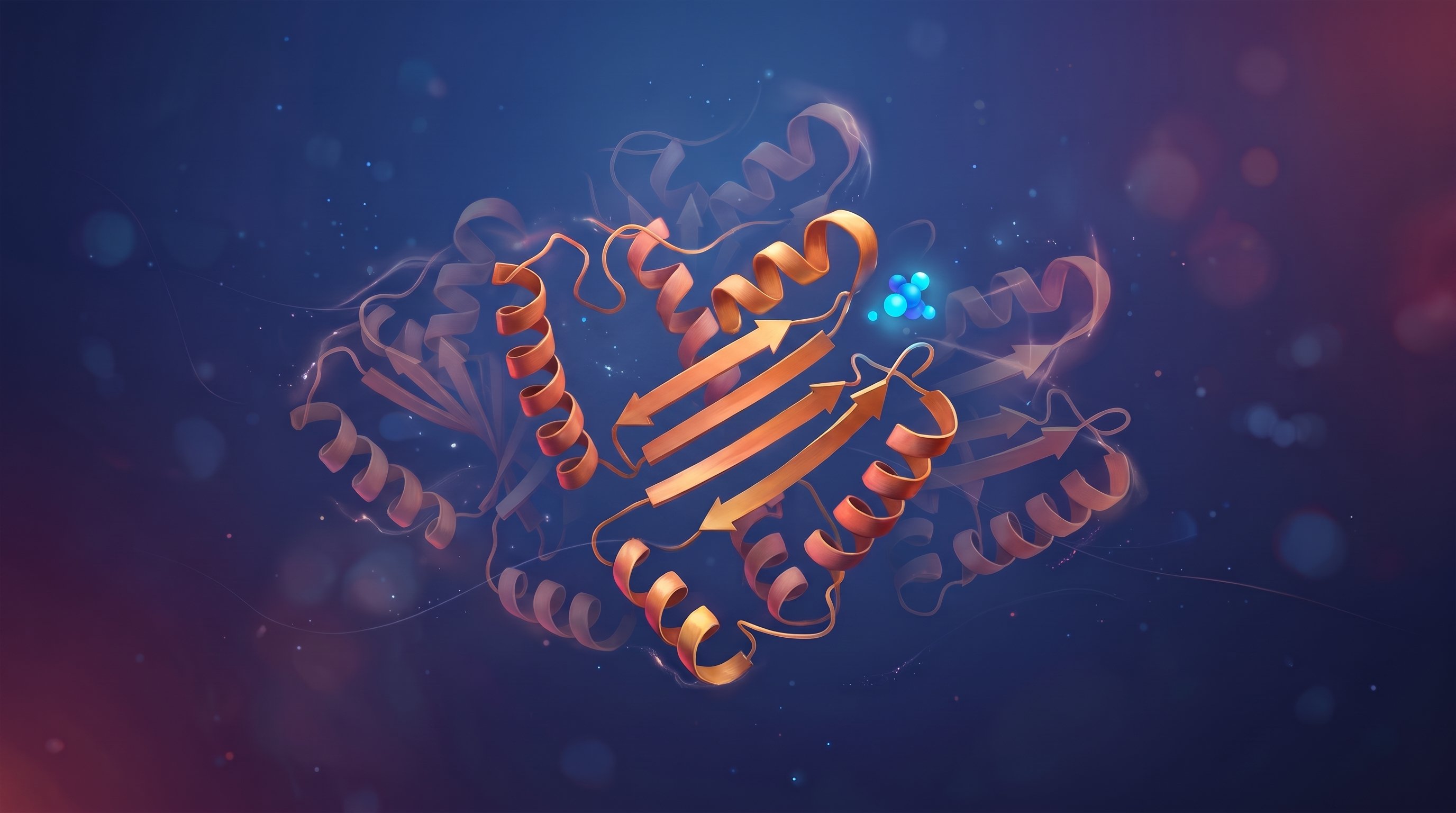
Proteins do almost all the work in our bodies. They break down food, carry oxygen and pass on signals. What a protein does depends on its shape: a long chain of building blocks that folds up into a tangle. For a few years now, AI models have been able to predict that shape well. But a protein is not a still image. It moves, opens and closes, and changes shape when it attaches to another molecule. Those movements are exactly what matters, for example to understand where a medicine might attach itself.
To help with this, Microsoft Research has now released BioEmu-2, as a preview version for researchers. The name stands for biomolecular emulator: a program that imitates the behaviour of biomolecules.
Not one shape, but a whole range
An ordinary prediction model gives one shape per protein, a kind of passport photo. BioEmu-2 gives a whole range of shapes the molecule can take, down to the level of individual atoms. That is more like a short film than a photo. The model can also calculate how a shape develops further over time.
Normally, researchers calculate such movements with simulations that work out the forces between all the atoms step by step. That takes a lot of computing time on large computers. A model like BioEmu-2 learns from such simulations and can then suggest similar shapes much faster.
The first BioEmu, which appeared in the journal Science in July 2025, focused on single proteins. The new version can also work with combinations: several protein chains together, proteins with DNA or RNA, and proteins with small molecules such as possible medicines. Researchers can also steer the model, for example by specifying that two atoms must lie close together.
Free, for research
The code is available for free on GitHub under an open licence, and the model itself can be downloaded. It does need a powerful computer with an Nvidia graphics card and (of all things) the Linux operating system.
Microsoft trained the model on public data: protein shapes that researchers determined through experiments, shapes predicted by AlphaFold, and simulations that Microsoft ran itself.
Microsoft is clear about what the model is for: research into the structure and movement of molecules. According to the company, the shapes the model produces are good starting points for further research, not measurements. The model is not meant for decisions about patients, nor for designing new medicines or proteins. It works best for proteins that have already been studied well; for proteins about which little is known, it becomes less reliable. With very large combinations of molecules, it can also produce odd shapes.
Microsoft compared the model with other AI models that predict shapes. The company carried out those comparisons itself; now that the model is freely available, other researchers can test it for themselves.
What does this mean for the road to the singularity?
AI models that predict the shape of proteins have already sped up biological research considerably in recent years. The next step is showing how molecules move and work together, something that until now required a lot of computing time on large computers. Because Microsoft shares BioEmu-2 for free, smaller research groups can also start using it. That could help scientists understand more quickly how diseases work and where a medicine can take effect.
What is the technological singularity? Read the explanation →