Nederlands
Targeted fix restores signals between nerve cells in ALS research
In almost everyone with ALS, the protein TDP-43 goes missing from the nerve cells. British researchers show in Nature that repairing one error this causes lets lab-grown nerve cells pass on signals again. A drug with the same approach is already being tested in patients.
ALS is a disease in which the nerve cells that control the muscles slowly die. In about 97 per cent of people with ALS, the protein TDP-43 disappears from the nucleus of those nerve cells. The same happens in about half of people with frontotemporal dementia (FTD), a form of dementia that mainly affects behaviour and language.
Normally, TDP-43 helps the cell make proteins. The recipe for such a protein is stored in a gene, a short piece of DNA.
The cell first makes a working copy of that recipe, the RNA. From this copy, the cell cuts out pieces that do not belong there. Without TDP-43, this cutting goes wrong in hundreds of genes.
One error with big consequences
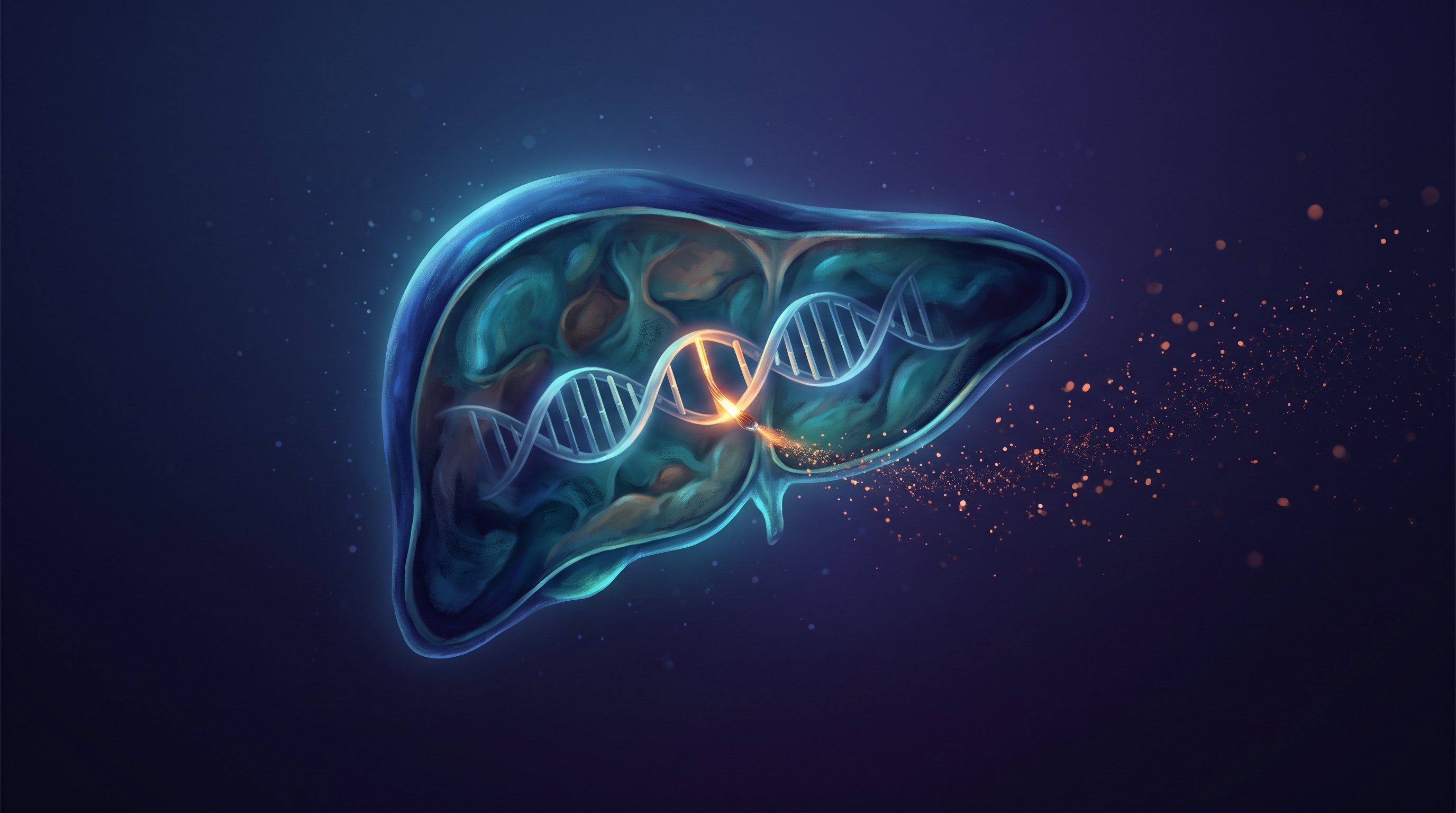
An important error is in the gene UNC13A: a small piece that does not belong there stays in the working copy. The cell then makes much less of the protein UNC13A. That protein is needed at the synapses, the places where nerve cells pass signals to each other. There, it prepares the tiny sacs of signalling substances that a nerve cell releases to pass a signal to the next cell.
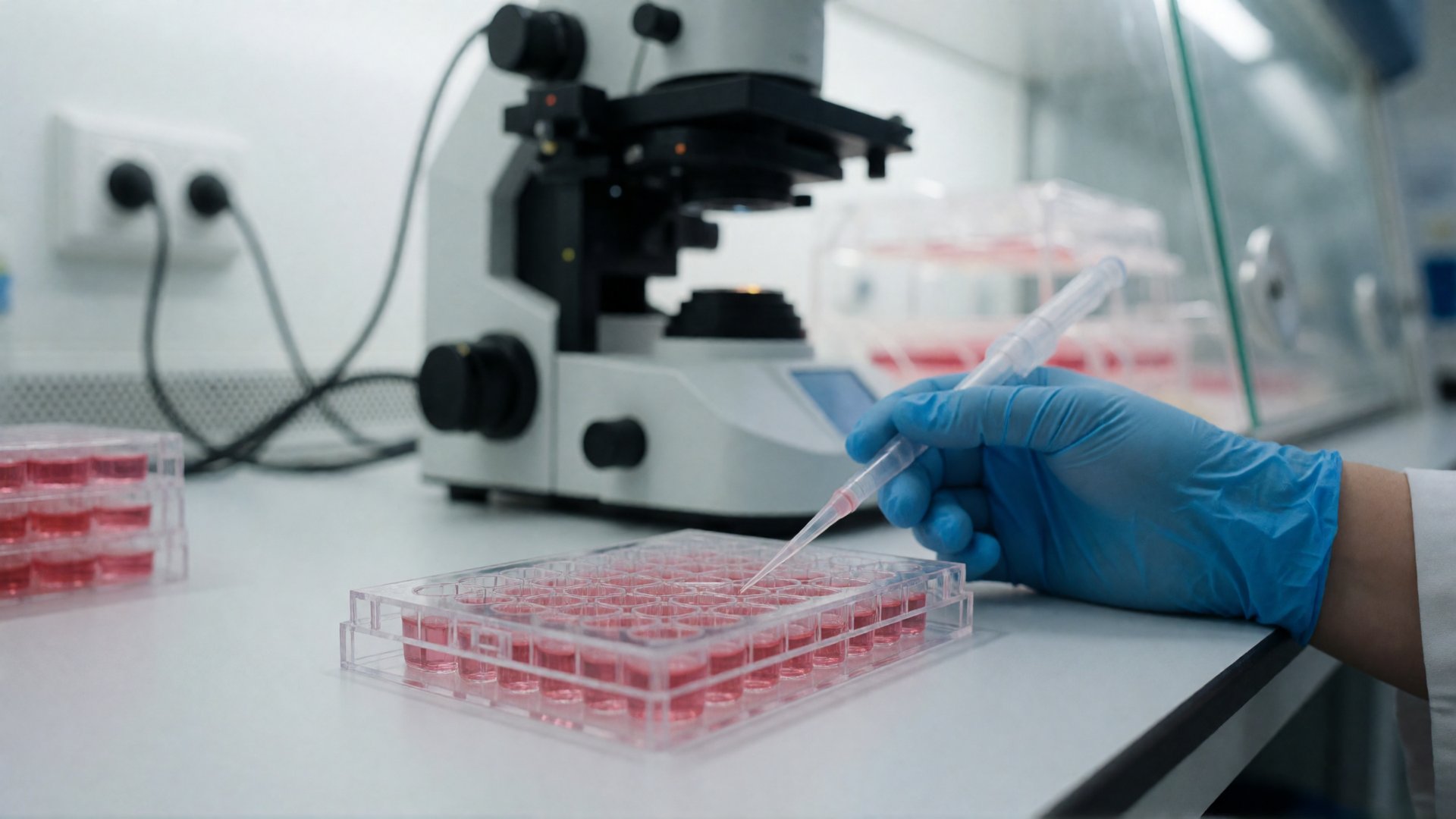
The researchers grew human nerve cells from stem cells and removed TDP-43 from them. The cells stayed intact, but were much worse at passing signals to each other. According to the researchers, this is a stage before the cells really break down. When they used gene editing, a technique to change DNA very precisely, to remove the piece of DNA that causes the error, the problems with passing on signals were solved.
A drug that steers the working copy
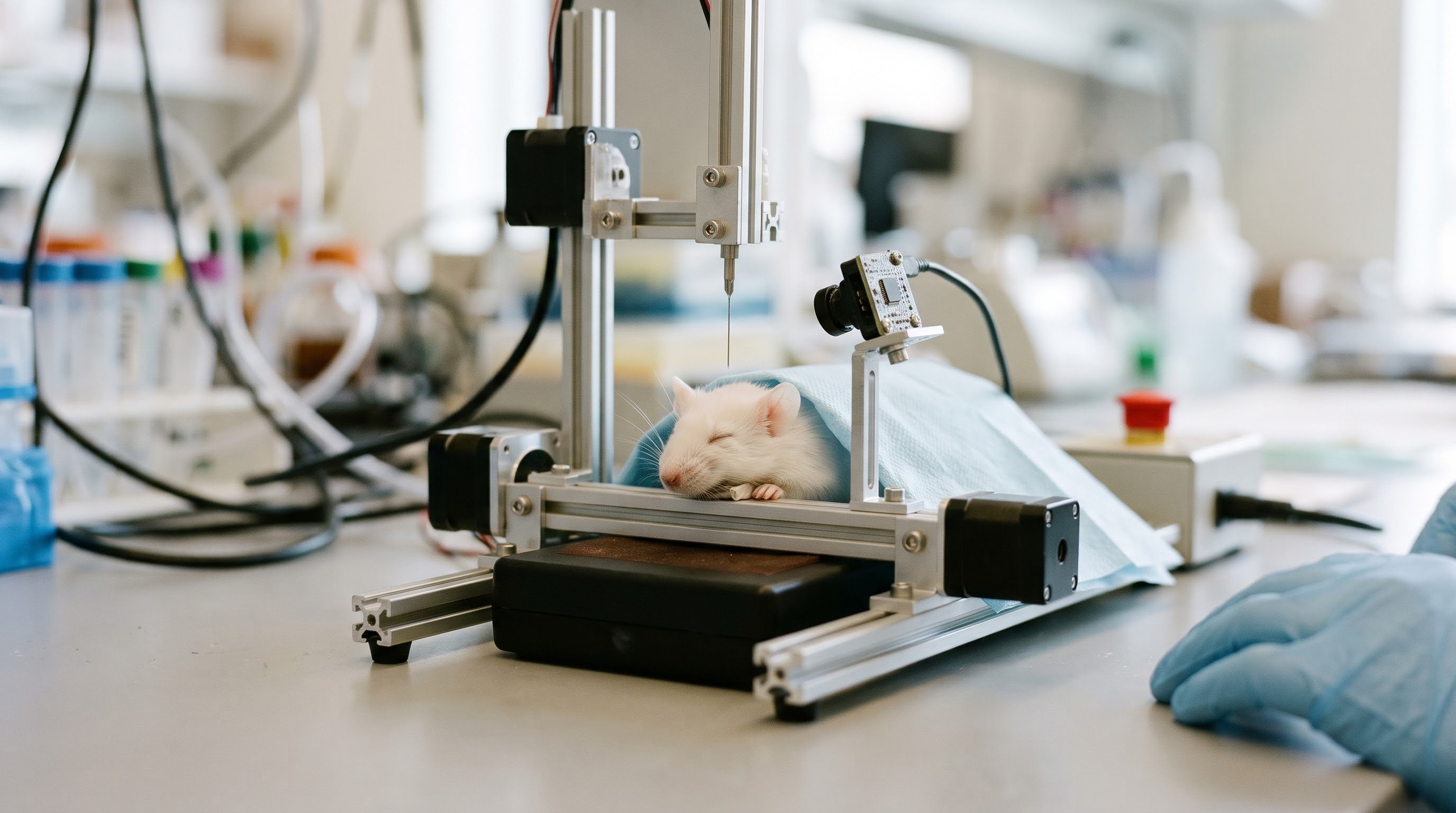
Next, the researchers made antisense oligonucleotides, ASOs for short: short, artificial pieces of genetic material that attach to a working copy and so steer how the cell cuts it. Their ASOs made sure the working copy of UNC13A was cut correctly again. This worked in human nerve cells from the cerebral cortex and from the spinal cord, and in specially modified mice. In the human nerve cells, signalling between the cells then started up again. Groups of cells also fired signals at the same time again, as healthy nerve cells do.
The work comes from University College London and King's College London, among others. A first version was posted online in June 2024; it has now appeared, after review by other scientists, in the scientific journal Nature.
A drug in the first study in humans
The American company Trace Neuroscience, which took part in the research and was co-founded by research leader Pietro Fratta, is already testing an ASO against the same error in UNC13A in people with ALS. The drug is called TRCN-1023. In the FUNCTION ALS study, which has been approved in countries including the United Kingdom and the Netherlands, about 25 people receive the drug. This study mainly looks at whether it is safe. In China, the first patients have already received it in a separate study. The new research shows why this approach can work. The next step is for the studies in patients to show whether the drug also slows the disease.
What does this mean for the road to the singularity?
This is a step towards living longer in good health. The researchers point to one error that disrupts the signals between nerve cells, and show that a targeted drug can repair that error. Such a treatment starts at the cause instead of at the symptoms. Because TDP-43 goes wrong in almost everyone with ALS, such a drug could help many more patients than the current ASO drugs. According to the researchers, those only work in rare inherited forms of ALS, together fewer than 3 per cent of patients.
What is the technological singularity? Read the explanation →