Nederlands
XPENG shows humanoid robot IRON and plans in-store training in 2027
The Chinese carmaker XPENG has shown its humanoid robot IRON to the public in Guangzhou. From the first quarter of 2027, the robot is to learn to work as a shop assistant in XPENG's own stores.
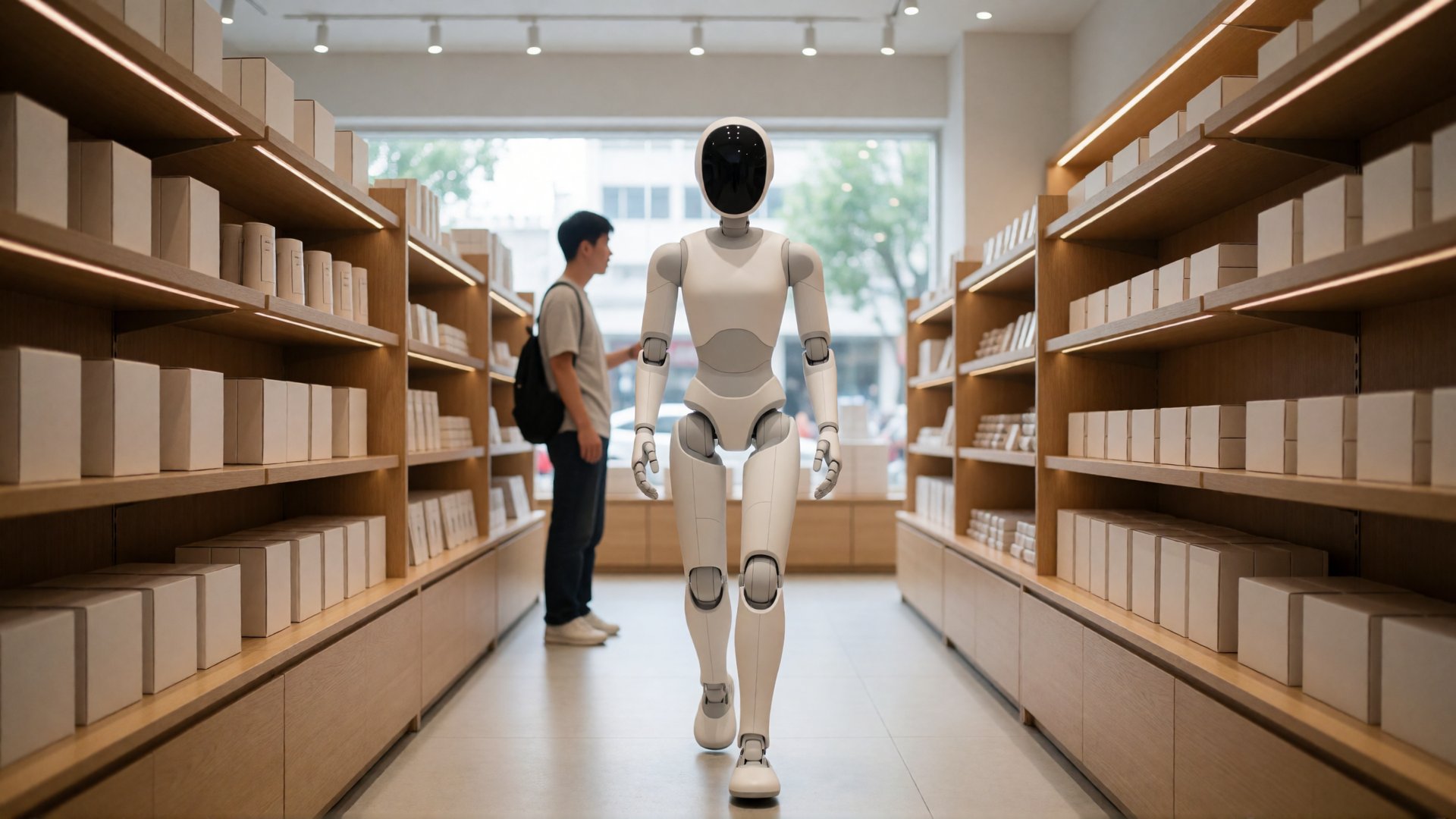
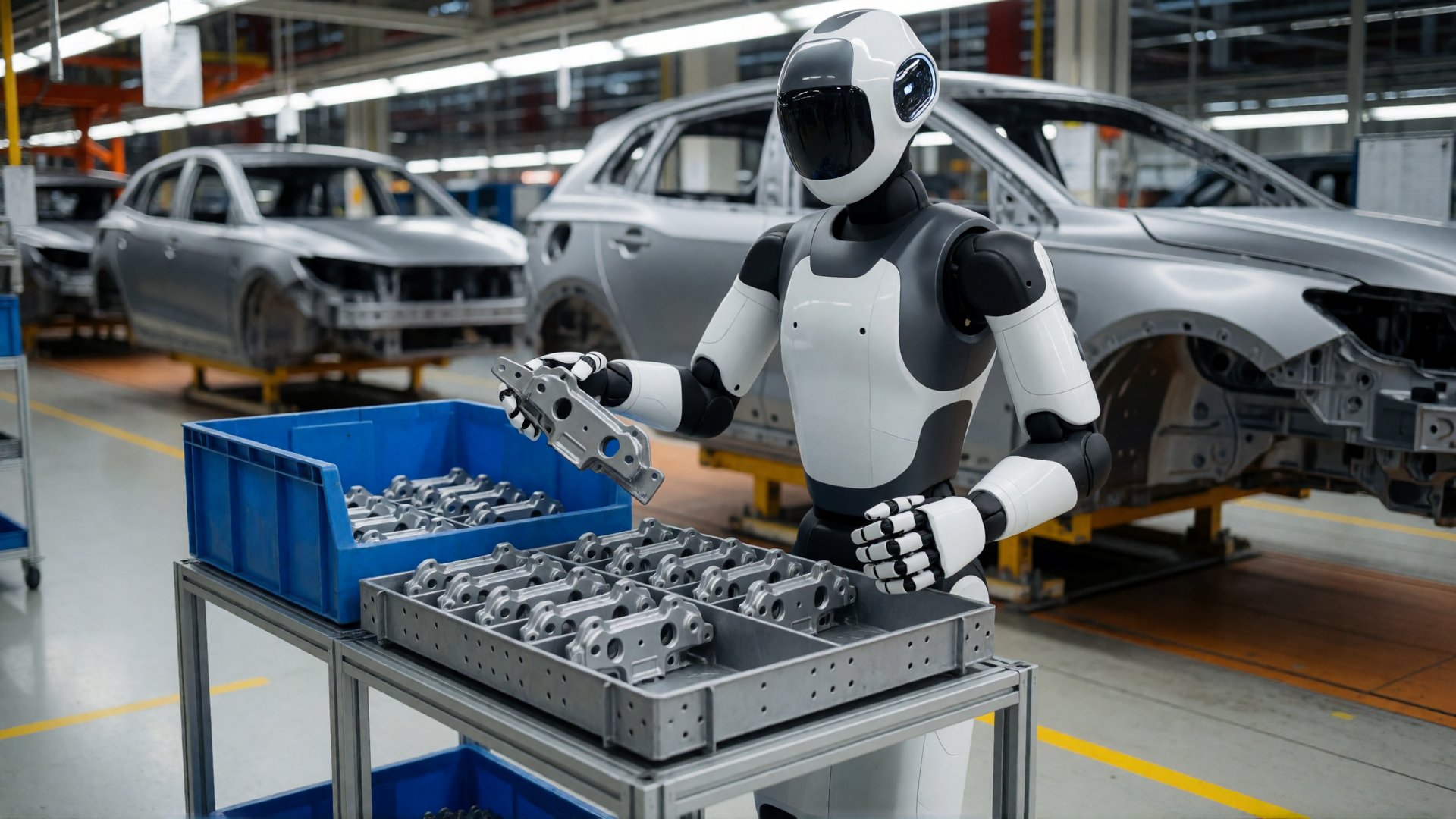
XPENG presented IRON at its eighth AI Day in Guangzhou. A humanoid robot is a robot built like a human: two arms, two legs and a head. According to XPENG, IRON has 76 degrees of freedom. That is the number of movements the robot can make independently of each other. It also has more than 1,500 touch points, which together cover over 80 per cent of the main parts of its body. This lets the robot feel where it touches something and how hard it is squeezing.
IRON contains three chips that XPENG designed itself. The company says that together they deliver up to 2,250 TOPS, or 2,250 trillion calculation steps per second. As a result, the AI models run inside the robot itself, and nobody needs to control it remotely.
IRON can walk around on its own and receives tasks by voice or through an app. It charges itself, reports when something is wrong and keeps track of its own technical condition.
Three layers for thinking and moving
The robot works with what XPENG calls the Turing Physical AI Architecture, also known as VLA 3.0. It consists of three layers. The fastest layer controls the body itself: the power supply, the communication and the control of the motors. A second layer, with XPENG's AI model VLA 2.0, turns what the robot sees directly into movements. The slowest layer plans bigger tasks with a model that combines images and language. That layer decides what needs to happen and in what order. XPENG uses the same foundation for its cars and for the robotaxi YOYO-01, which is due to appear in 2027.
From factory to shop floor
In September 2026, XPENG started using a production line in Guangzhou for this new generation of IRON. More than 80 per cent of the key steps there are automated. At the time, the company said mass production would begin at the end of 2026.
From the first quarter of 2027, IRON is to learn to work as a shop assistant in XPENG's own stores. The official public launch is planned for the second quarter of 2027. For training and testing, XPENG uses a robot data factory with more than 250 situations and 15 types of work. The company wants to earn money by selling robots, with software subscriptions and with an open platform. On that platform, partners can build and test new skills for the robot. XPENG has not yet announced a price.
What does this mean for the road to the singularity?
Humanoid robots are already working on a trial basis in factories and warehouses, where the work is predictable. A shop is harder. Customers move about in all directions, ask unexpected questions and pick things up. If XPENG lets its robot work there, the company collects exactly the experience that robots still lack. Every robot on the shop floor produces data that makes the next version better. If that works, the maker with the most robots doing real work learns the fastest.
That puts other robot makers under pressure. XPENG has its own chips, its own software, its own factory and its own shops to test the robot in. Competitors will then have to get their robots working quickly too, or they will fall behind. If that race continues, humanoid robots will become cheaper and usable for more tasks. They could then do work that still needs people today, such as showing customers the way or setting out products. The next step is for such robots to show in practice that they can work safely among people.
What is the technological singularity? Read the explanation →