Nederlands
All posts
Latest news
All WATTBA posts, newest first.
-
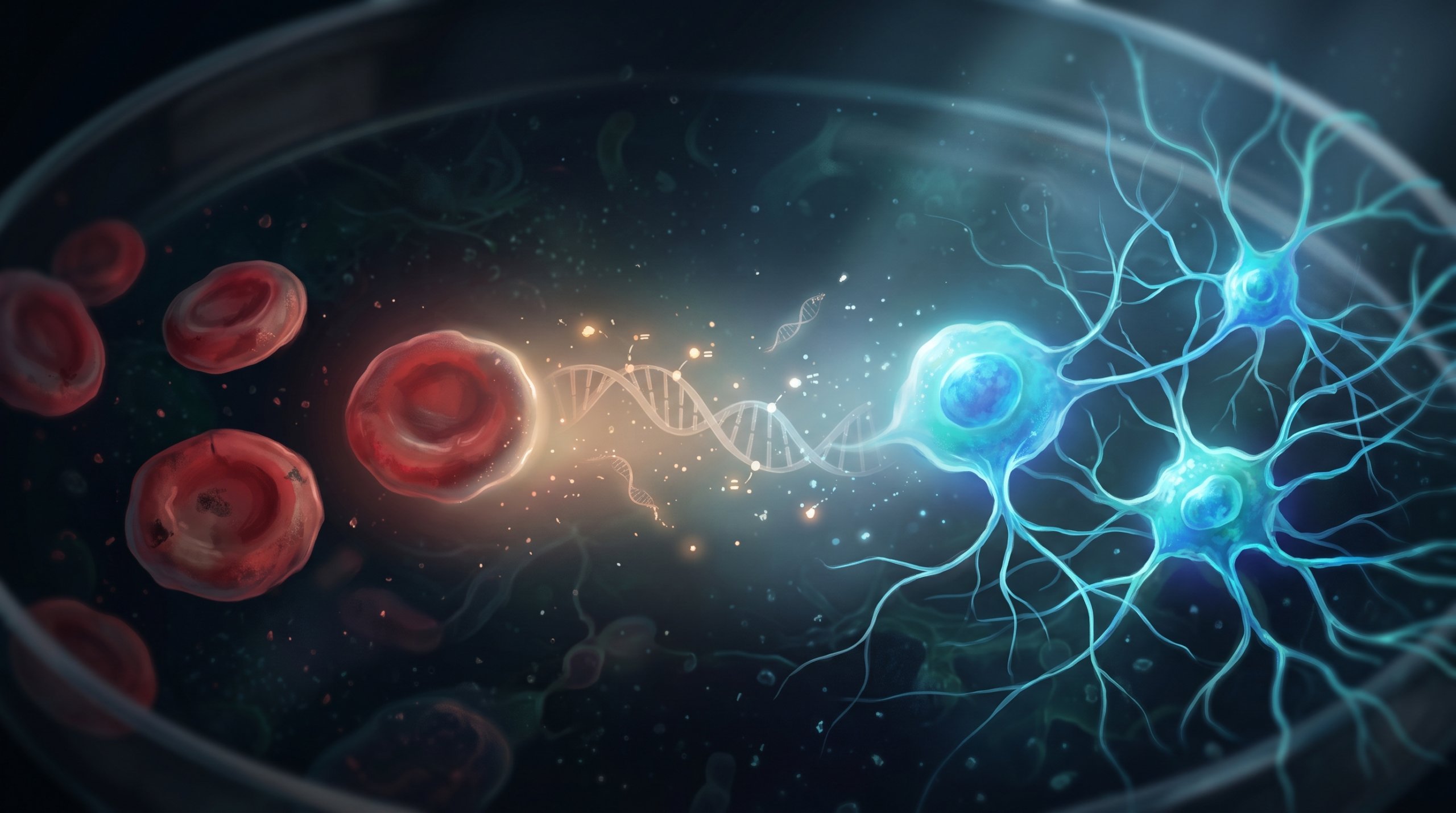
Blood cells from an 80-year-old become young brain stem cells in the lab
Researchers in Bonn have directly converted blood cells from an 80-year-old into neural stem cells with a molecular age of under 20. The rejuvenation happened gradually, and that is exactly what makes it a useful model for unravelling how cells become younger.
-
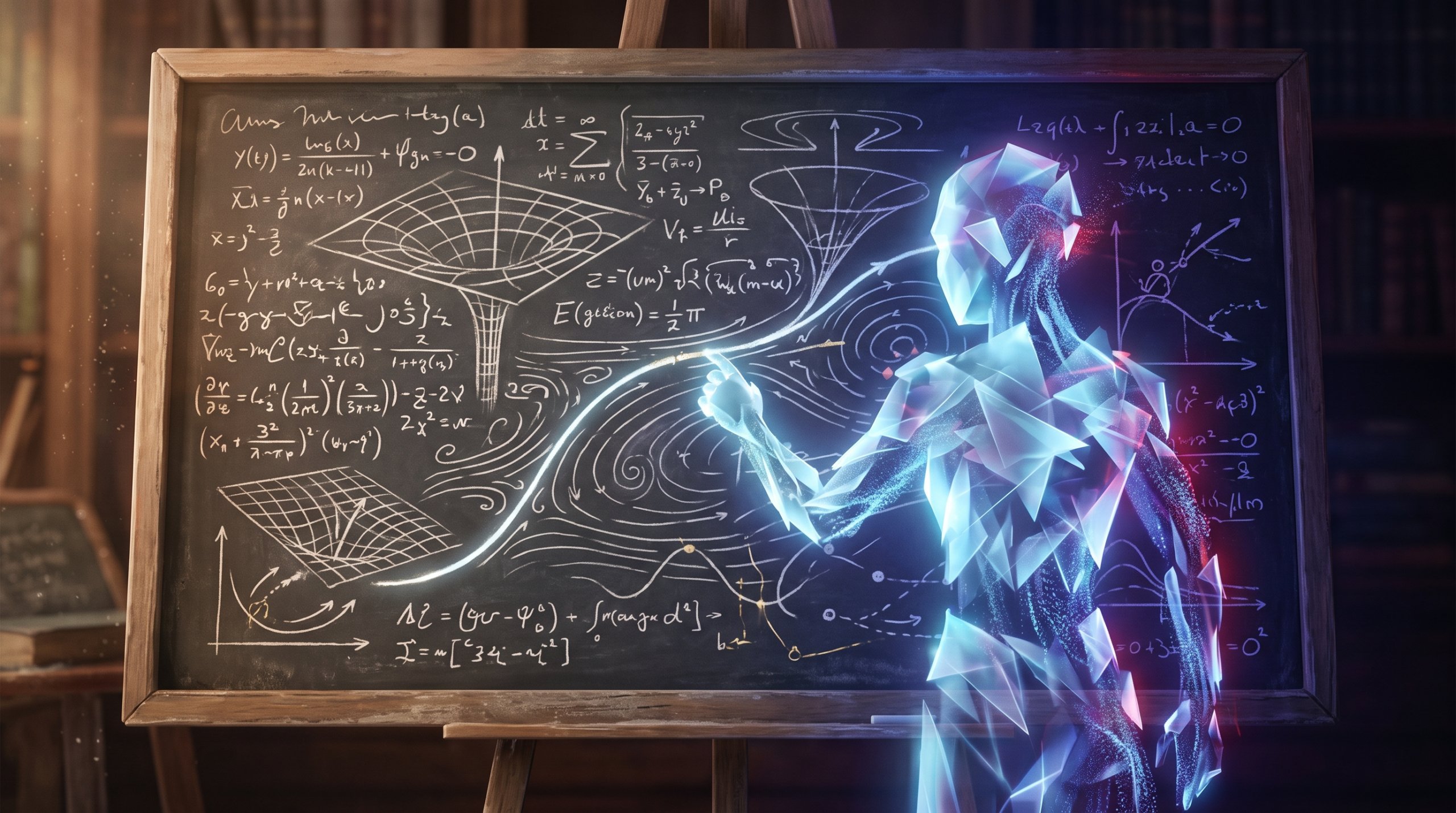
AI agent solves 49 of 50 new research problems in theoretical physics
An AI agent based on GPT-6 Astra solved 49 of 50 unpublished physics problems, for less than 3 dollars each. These are heavy calculations that would take a top expert a day. The researchers mainly see a powerful calculation assistant.
-
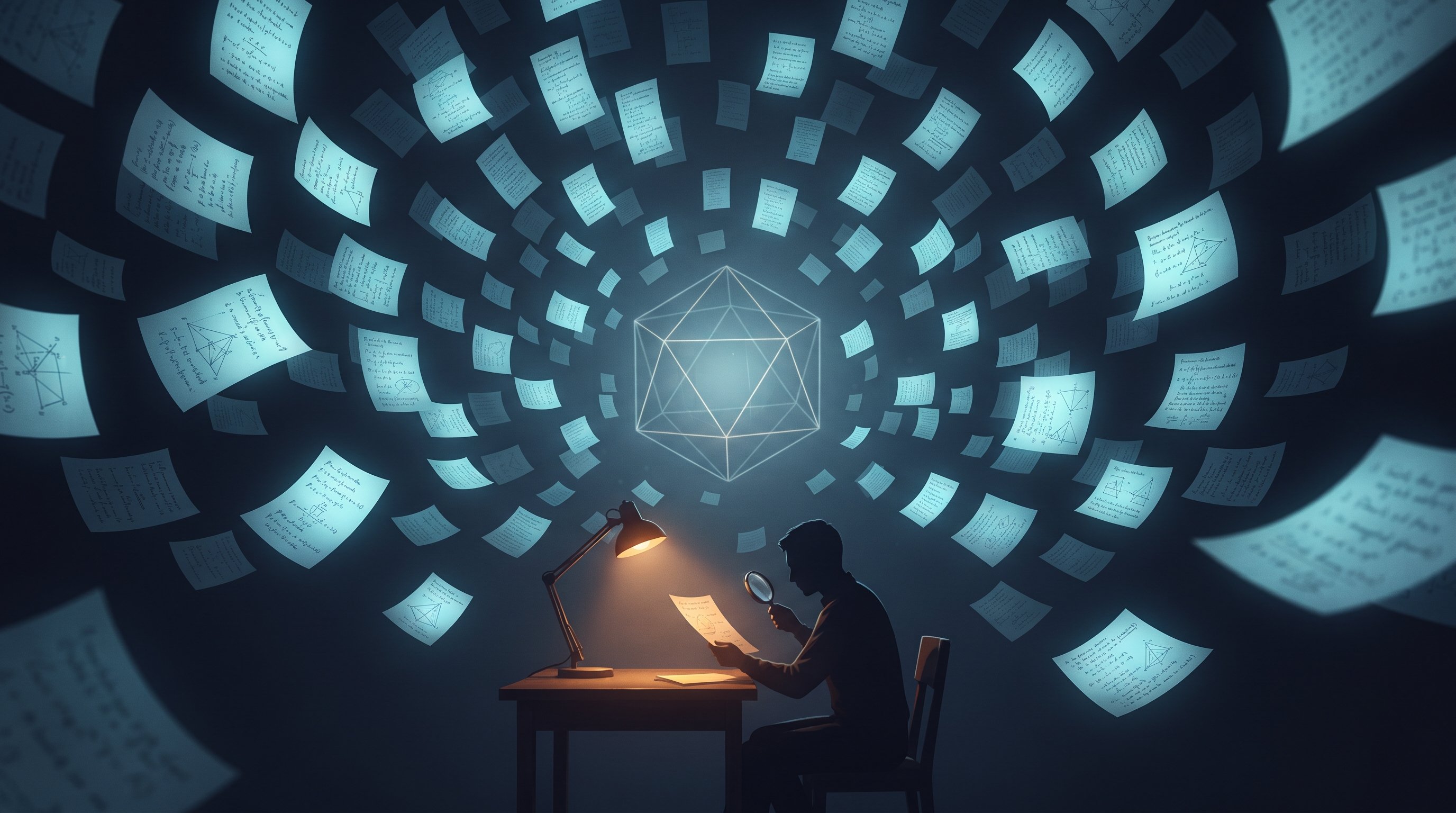
OpenAI publishes 719 mathematical manuscripts from a not-yet-released AI model
OpenAI has published 719 mathematical manuscripts on GitHub, produced by an unreleased internal model. According to the advisory group AGMAI, they contain solutions to 'hundreds' of open questions. Independent review has yet to begin.
-
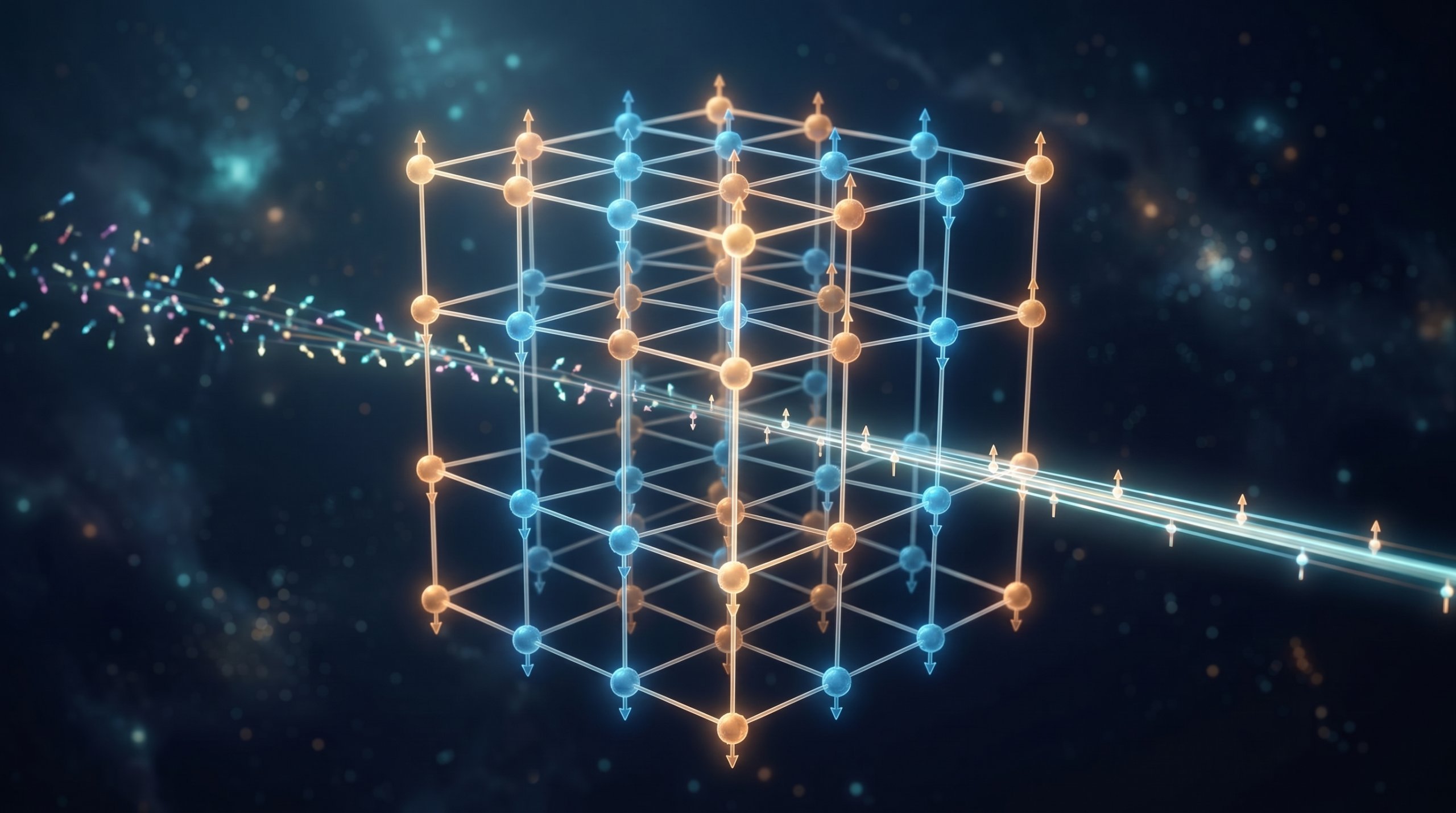
AI agents find two candidate magnets for a new kind of computer memory
More than ninety Claude Opus 5.5 agents at Vals AI spent three days calculating magnets for future computer memory. They arrived at two candidates, including a substance from 1999. It remains calculations only: nobody has measured the predicted properties yet.
-
European physics prize for the discoverers of a third kind of magnetism
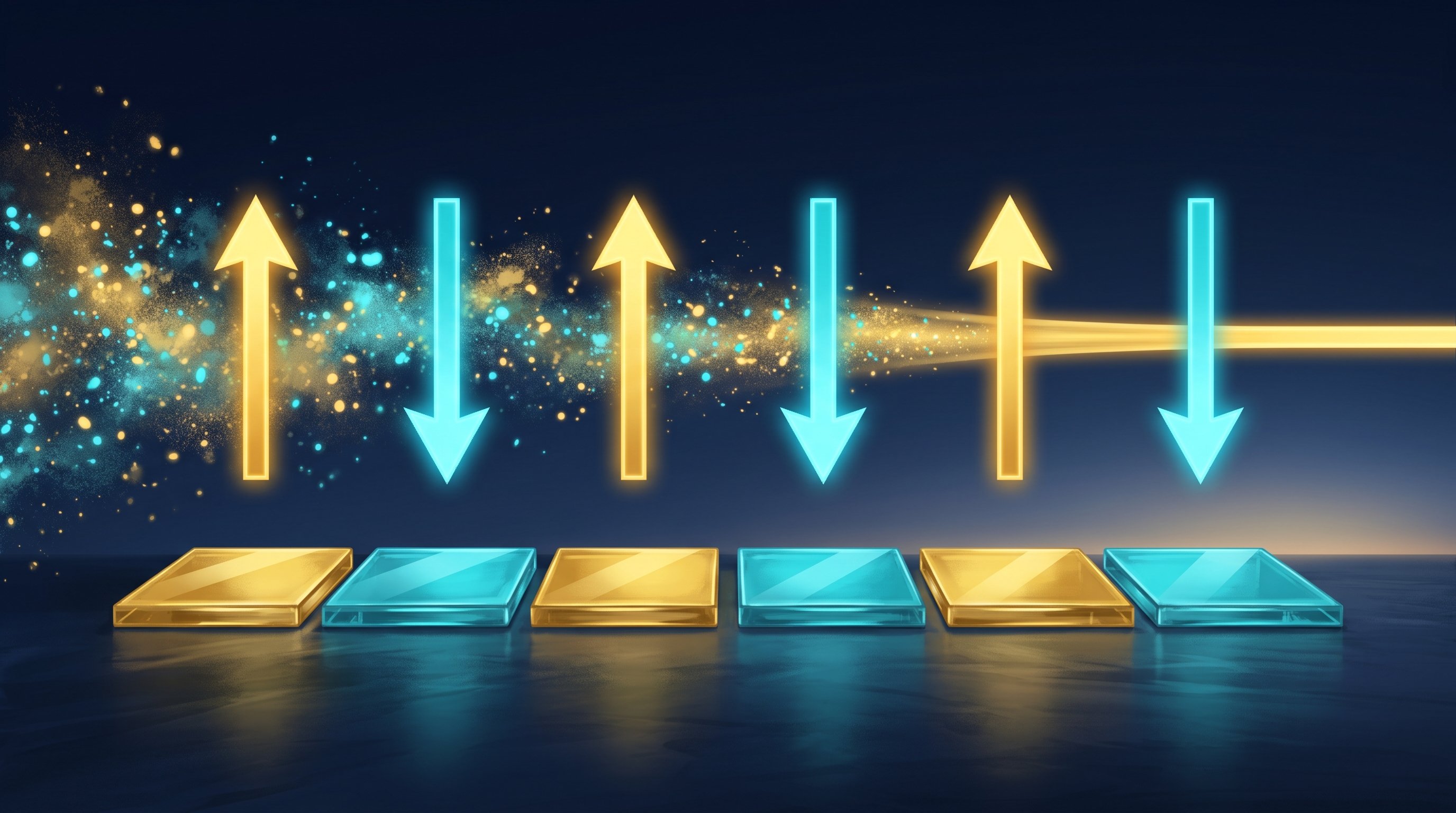
Three physicists receive the Europhysics Prize 2026 for altermagnetism: magnets that attract nothing from outside, yet sort electrons like an ordinary magnet. This opens the way to smaller, faster and more energy-efficient computer memory.
-
Lab-grown human brain tissue learns to balance a virtual pole with an AI coach
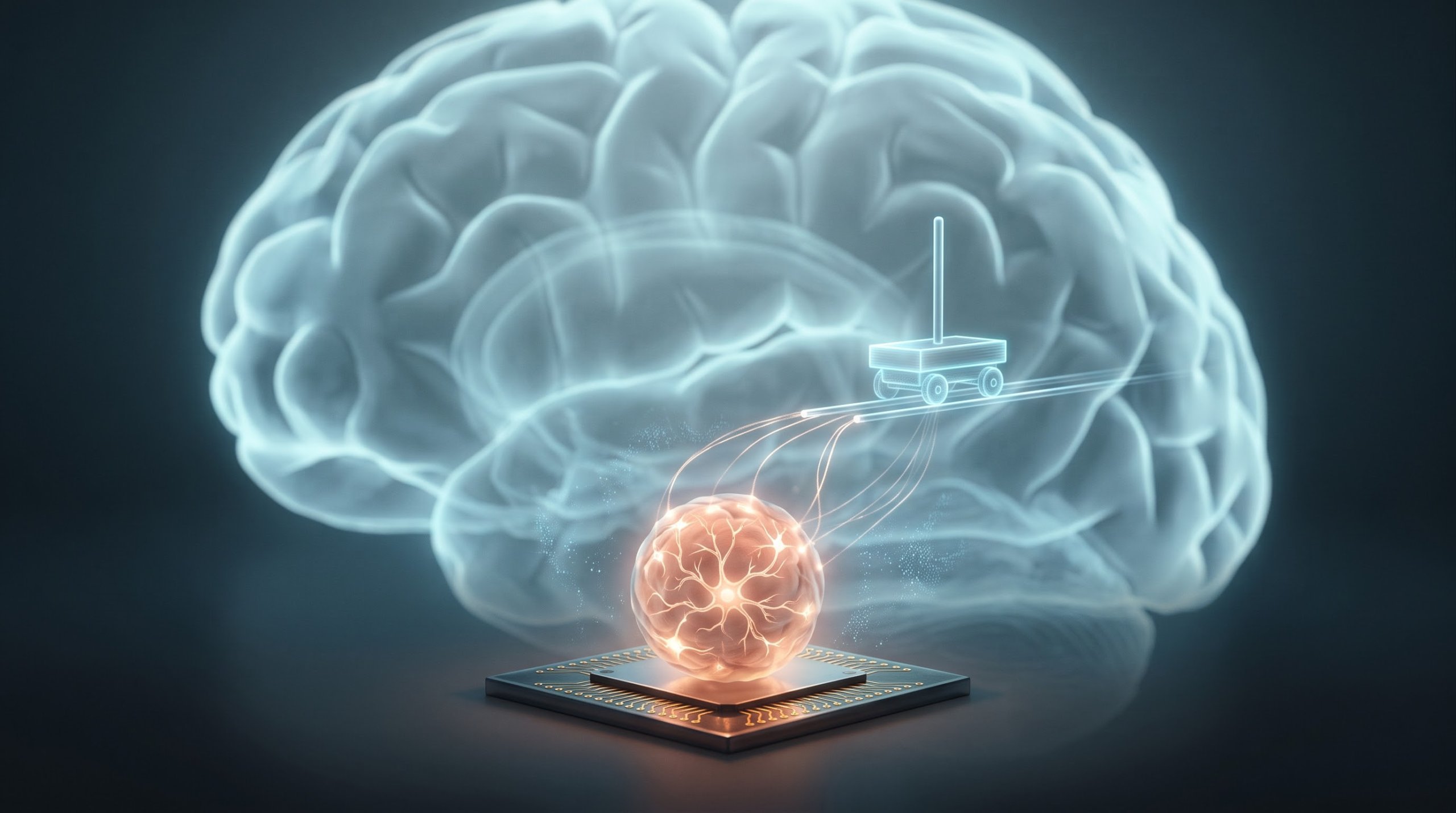
At a meeting in Silicon Valley, a team from UC Santa Cruz showed how cultured human brain tissue learns a classic control task: keeping a pole upright on a cart. An AI algorithm acts as the coach. A volunteer with a keyboard could barely keep up with the tissue.
-
'Can machines think?' Alan Turing proposes an imitation game
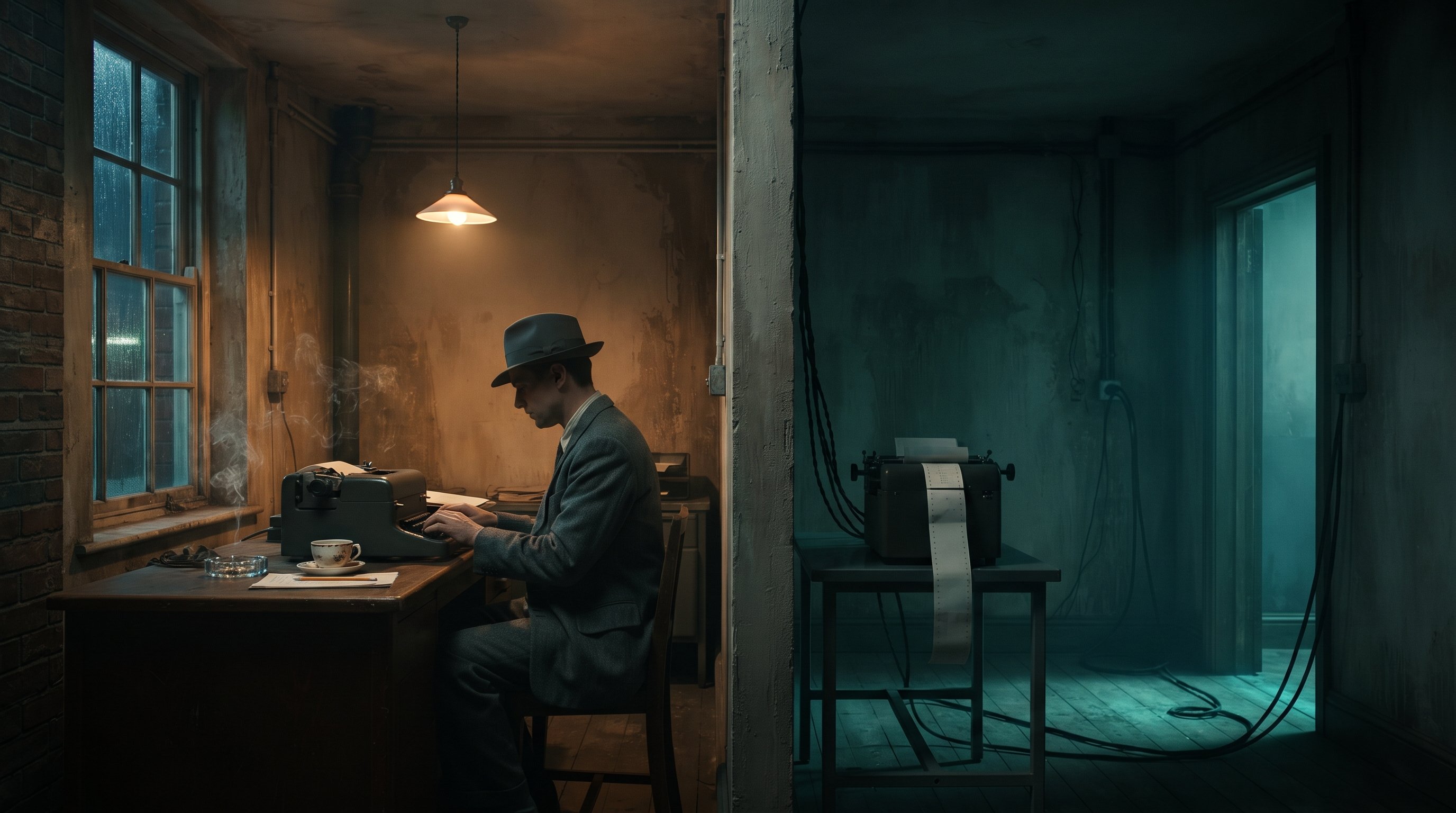
In the journal Mind, Alan Turing proposes replacing the question of whether machines can think with a test: can an interrogator using a teleprinter tell a machine from a human?
-
Chess-playing automaton amazes the court in Vienna
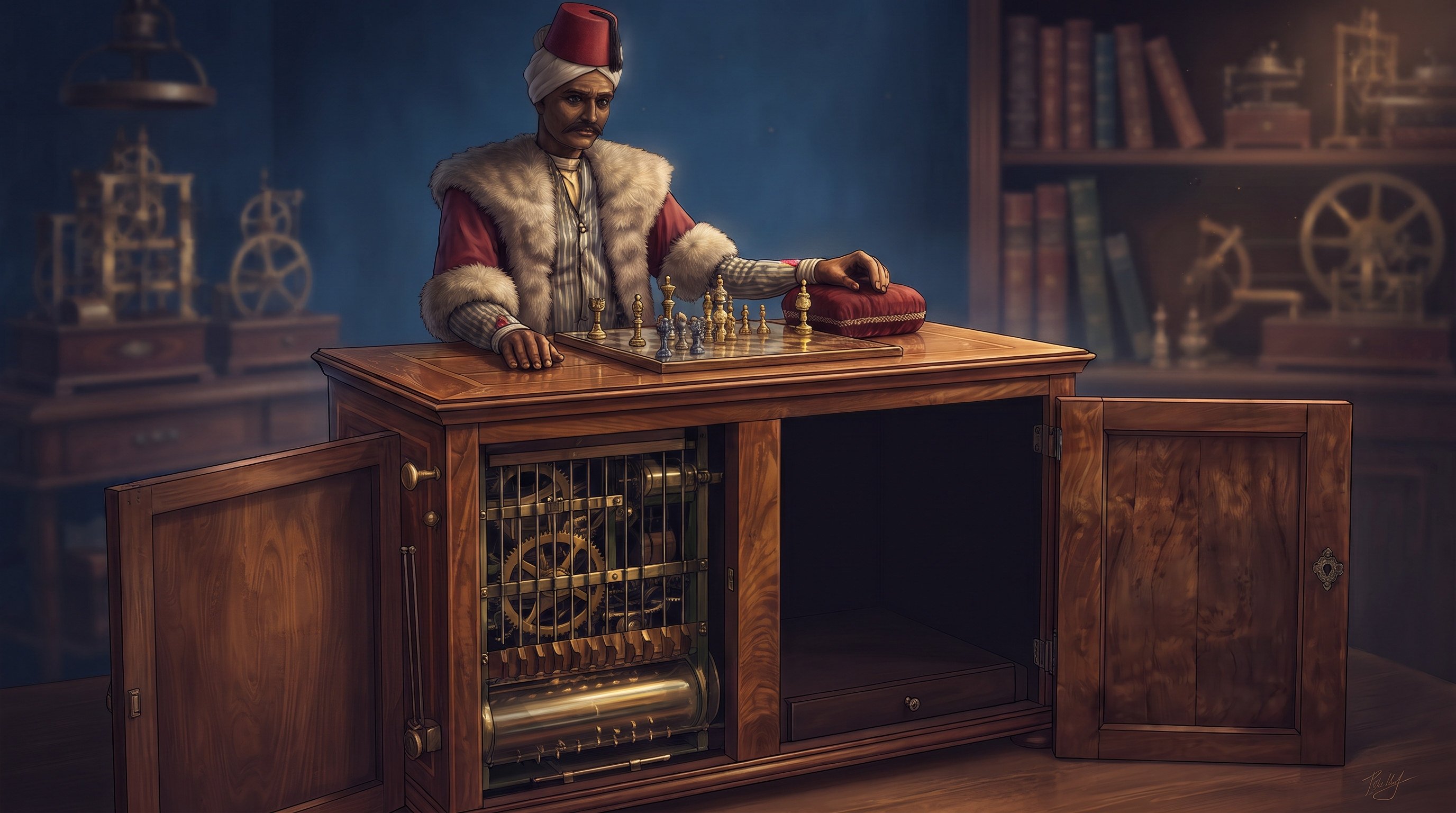
A machine that can play chess has been presented at the court of Empress Maria Theresa. Wolfgang von Kempelen's automaton beats most opponents, but the inventor keeps secret how it works.