Nederlands
All posts
Latest news
All WATTBA posts, newest first.
-
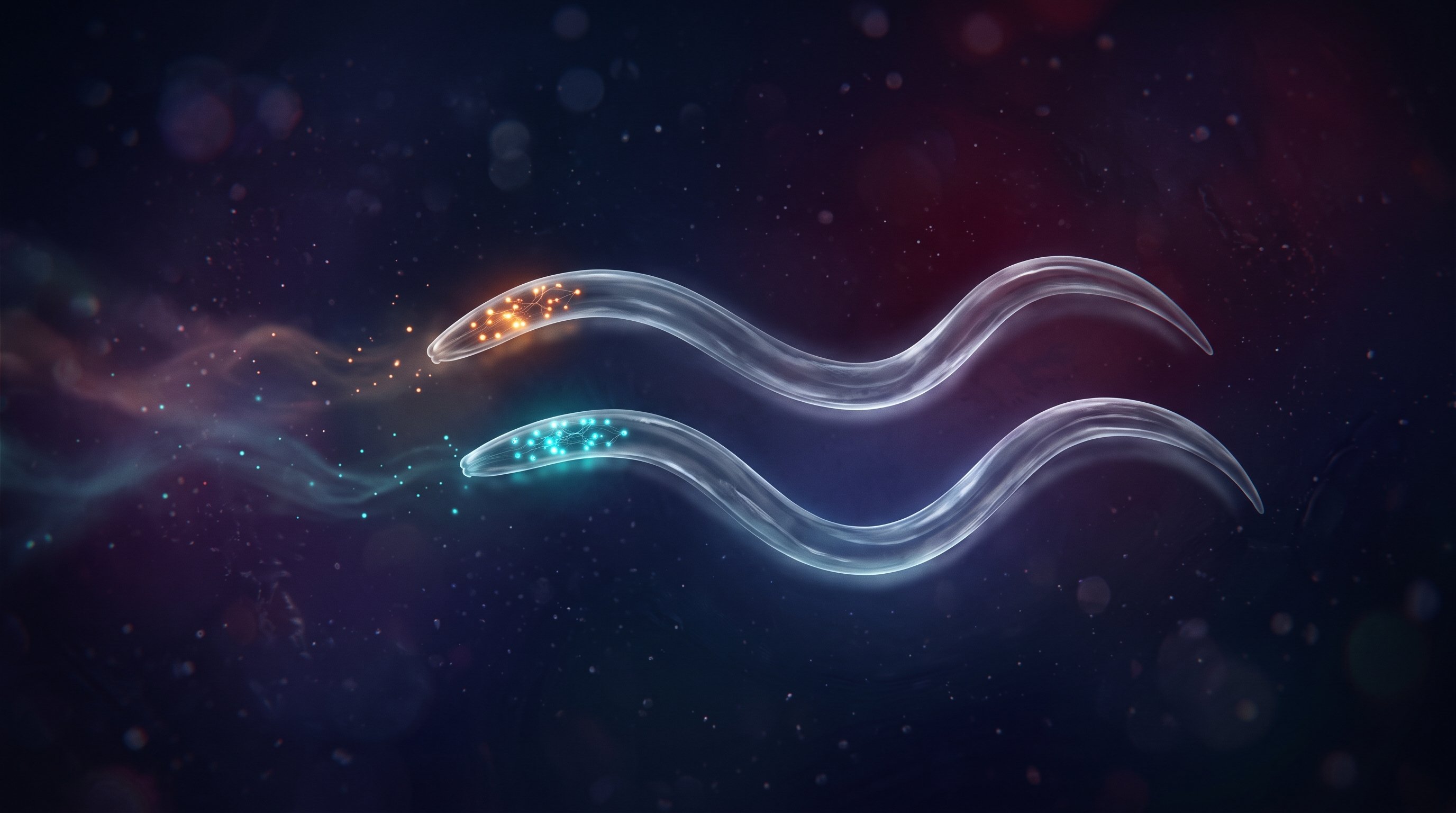
Brains of male and hermaphrodite worms respond differently to smell and taste
For the first time, researchers followed all the brain cells in the head of a tiny worm at once. In males and hermaphrodites, almost all sensory cells respond differently to smells and tastes. That difference does not show up in how the cells are connected to each other.
-
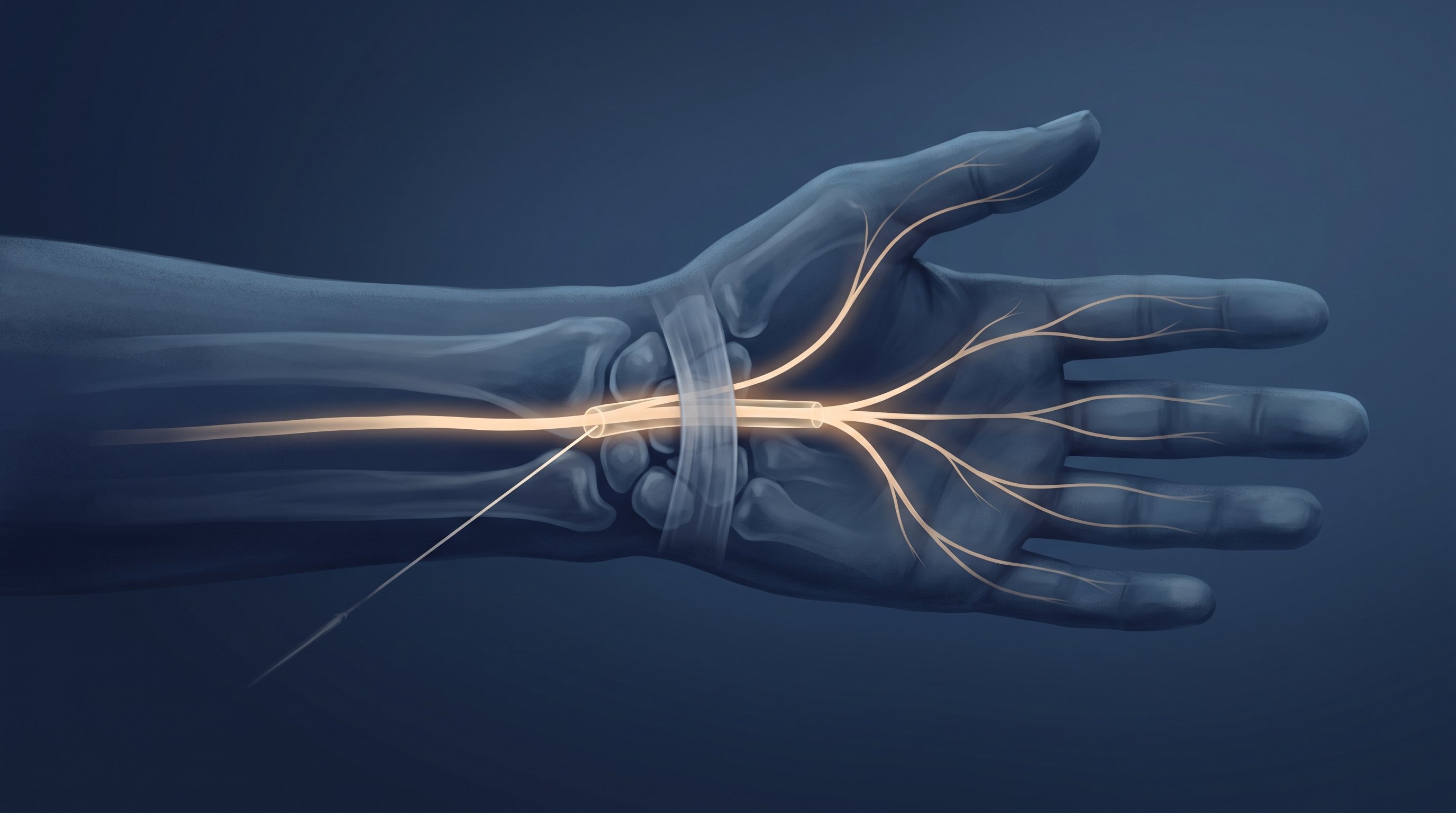
Saline injection gives longer relief from carpal tunnel syndrome than an anti-inflammatory
In carpal tunnel syndrome, a nerve in the wrist is trapped. Indian doctors freed that nerve with an injection of salt water, guided by ultrasound. After six months it was still helping, while the complaints came back after an anti-inflammatory. Larger studies now need to confirm this.
-
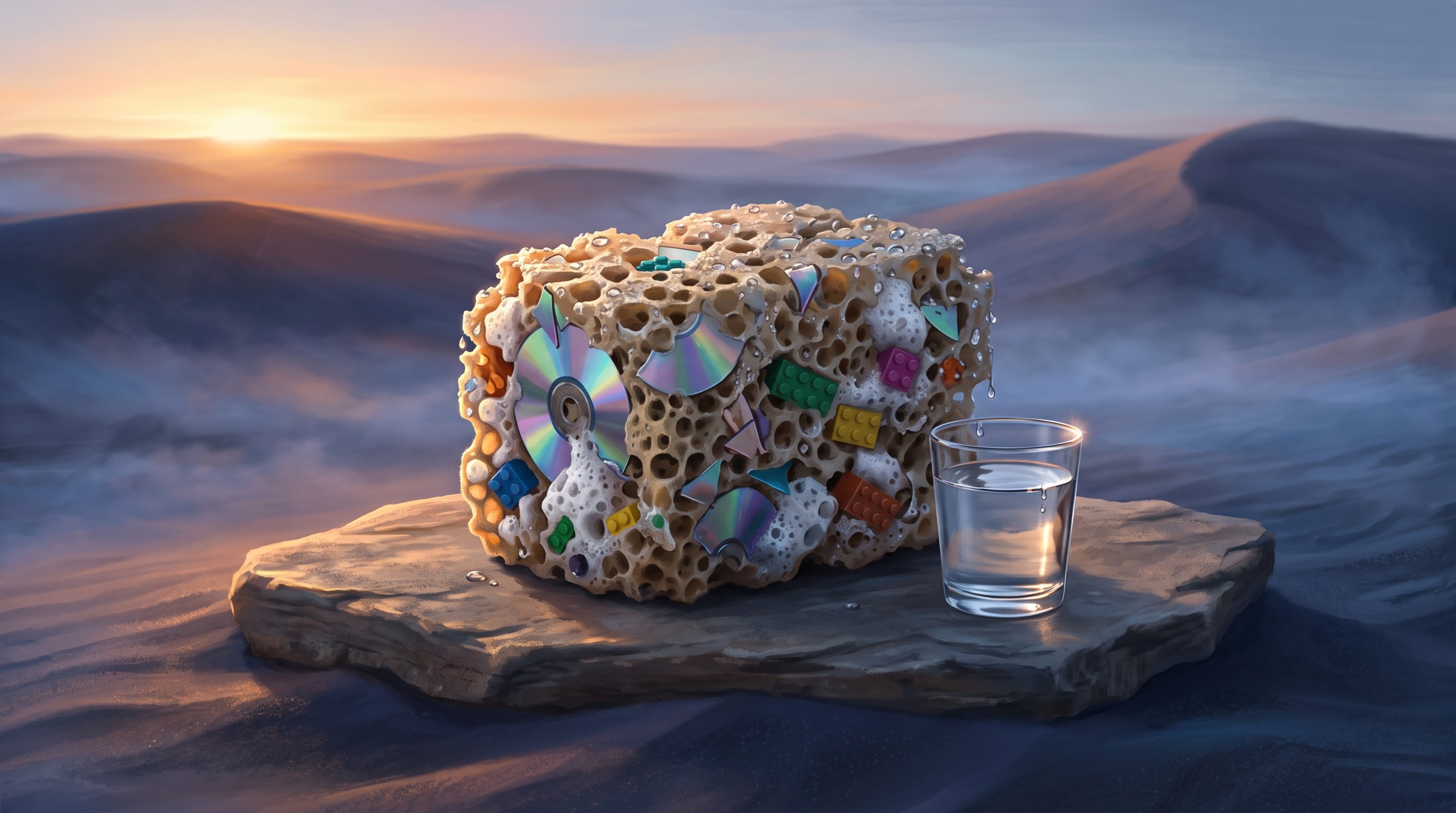
Old CDs, Lego bricks and packaging become a sponge that pulls water from the air
Chemists at the University of Vienna turn plastic waste into a sponge that captures water vapour from the air, even when the air is dry. With a little heat, for example from the sun, the water comes out again. The next step is to test how long the material lasts.
-
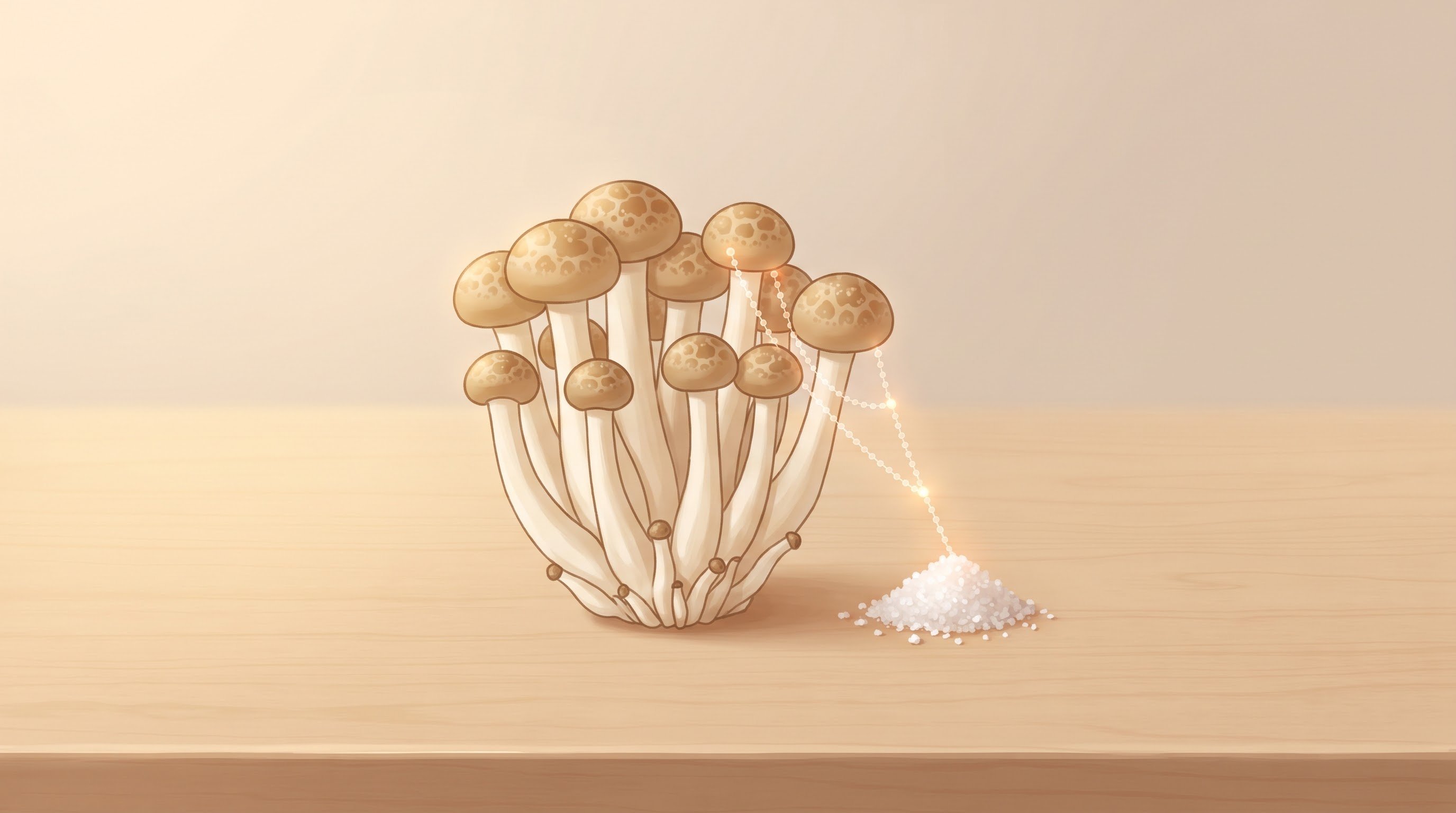
Substance from the beech mushroom makes salt taste much saltier
Chinese researchers found three small protein fragments in the beech mushroom that make salt water taste saltier, the strongest by almost 71 per cent. AI helped with the search. The next step is to test them in real food, and to find out how much salt can then be left out.
-
Salt-filled gel lets walls and windows store heat
Gels full of salt can store heat in walls, floors and windows during the day and release it again in the evening. Researchers at Texas A&M University have reviewed how far these 'salogels' have come. The first small tests are promising; the step to real buildings is next.
-
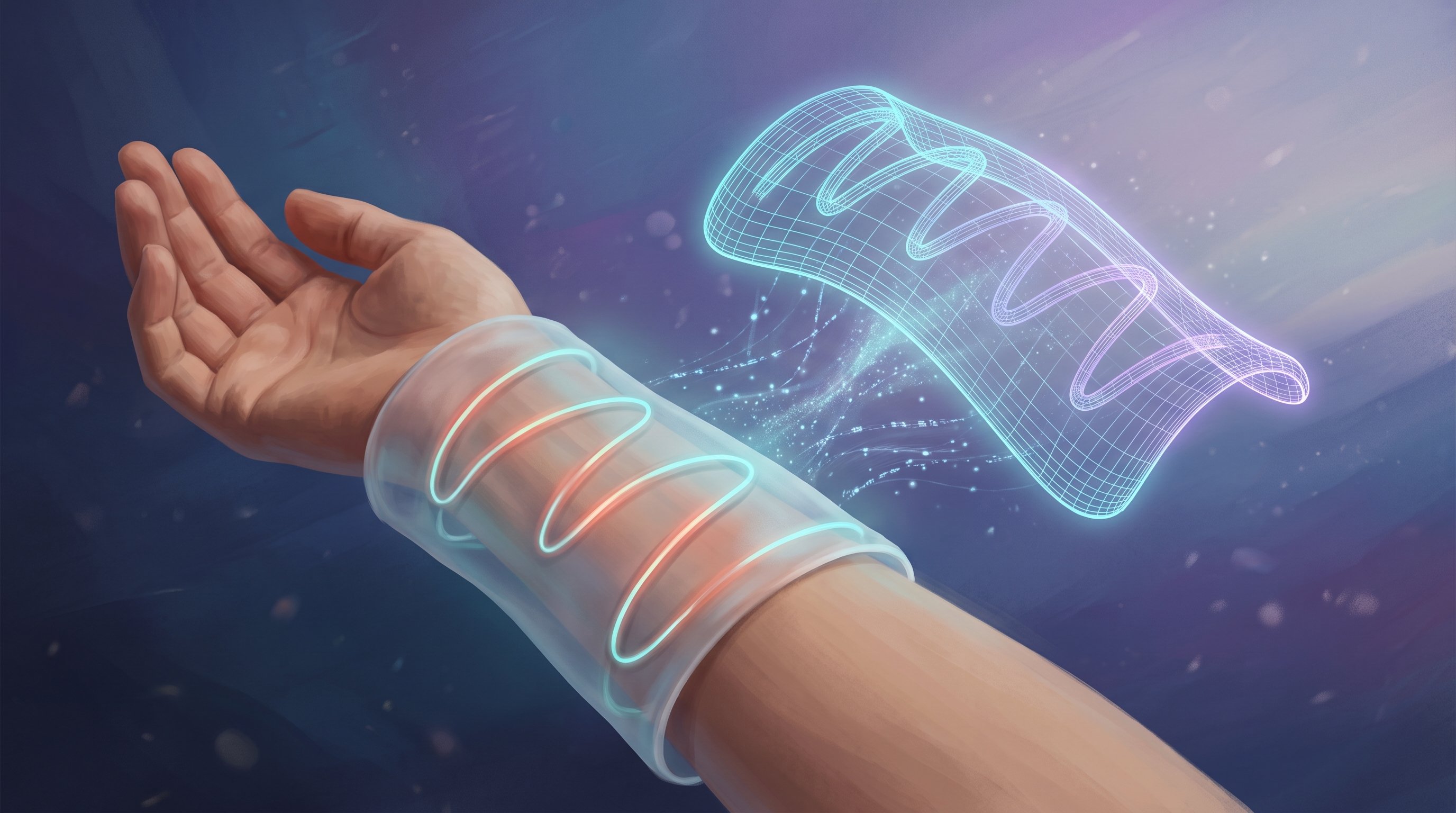
Soft sheet measures how it bends and twists
MIT researchers have made a soft, stretchy sheet with light-guiding fibres that measures how it bends and twists. A computer turns that into a 3D model, accurate to less than half a centimetre. It could later help with physiotherapy, games and robots.
-
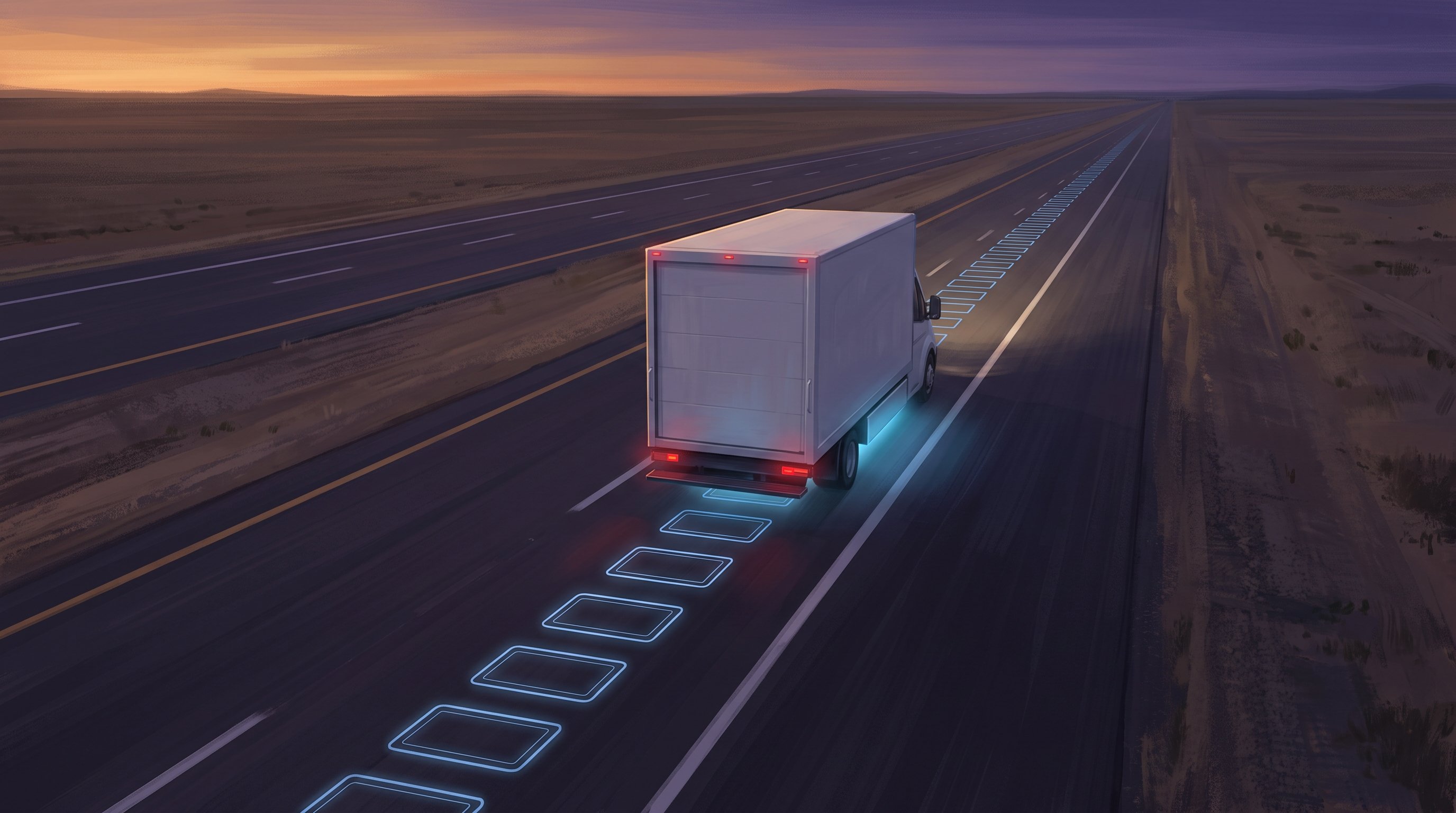
Honda builds a road that charges electric lorries while they drive
Honda and the Japanese construction companies Taisei and Taisei Rotec have the technology ready for a road that charges electric vehicles wirelessly while they drive. A test track follows at the end of 2026, and a trial on public roads from April 2027. Lorries come first.
-
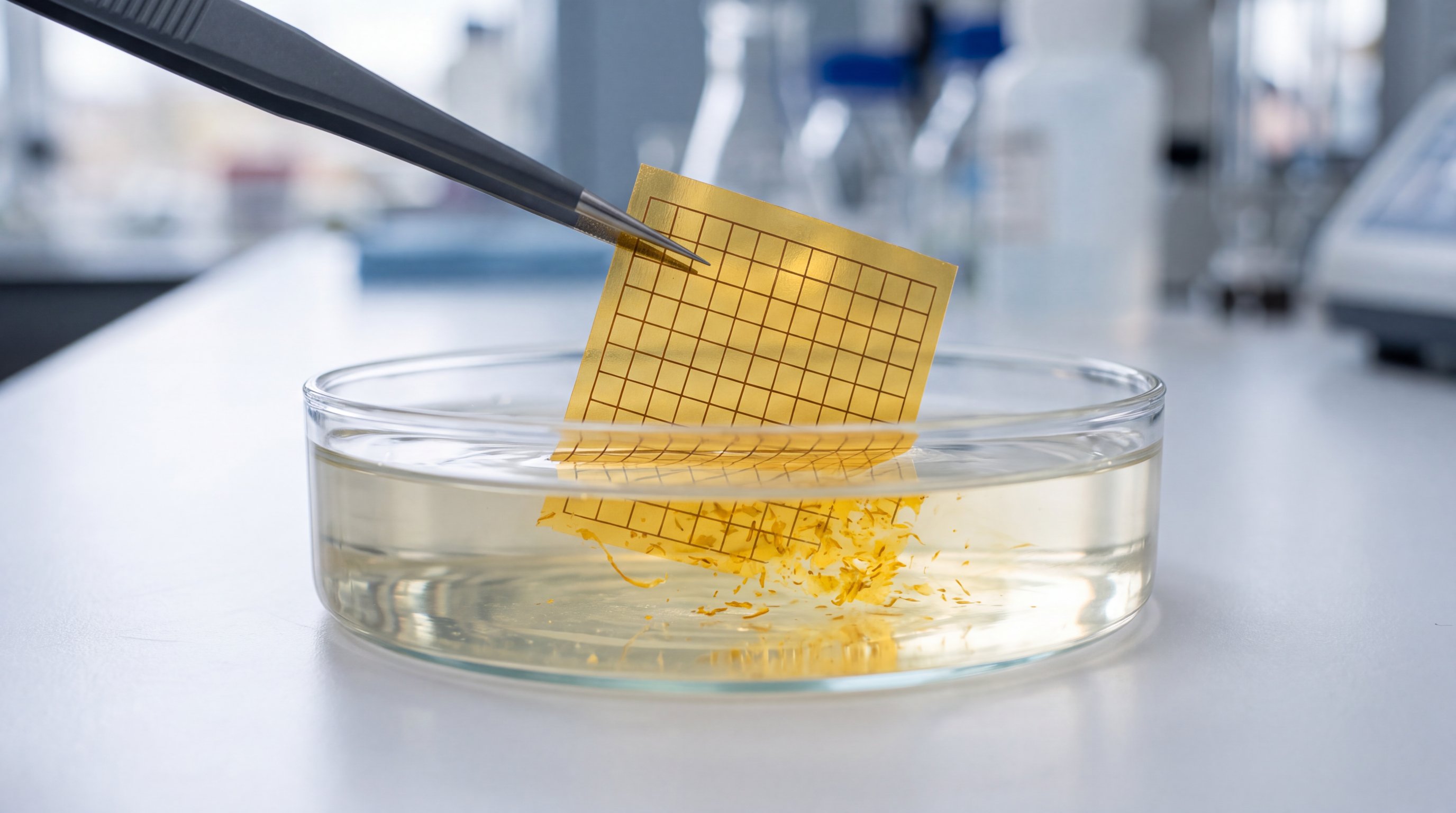
Printed brain-inspired chip dissolves in six minutes after use
Researchers in China have printed a flexible chip that, like our brain, calculates and remembers in the same place. It recognises handwritten digits almost as well as ordinary software and dissolves in six minutes after use.
-
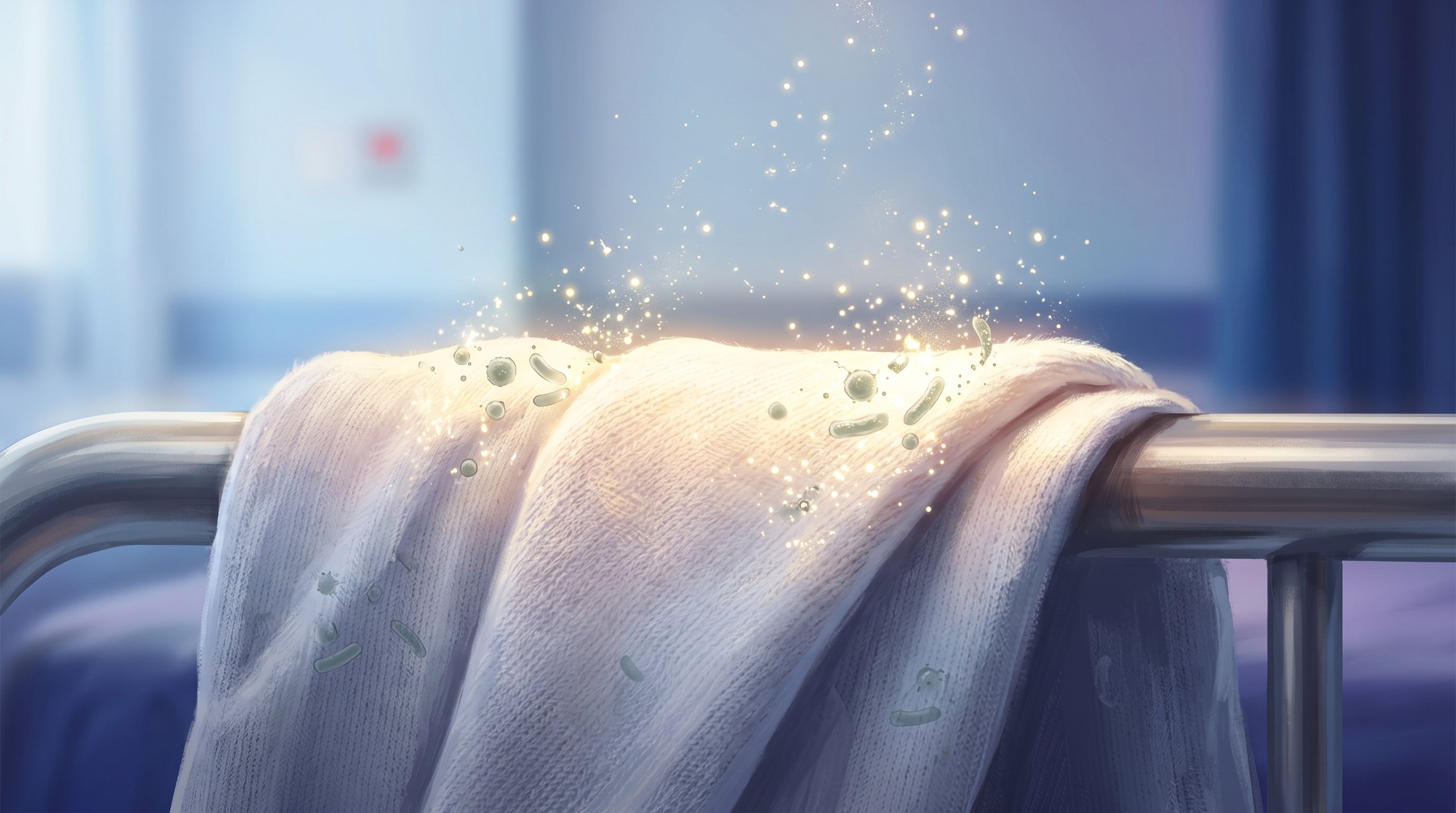
Cotton that disinfects itself with ordinary lamplight, tested in a hospital
Researchers in Valencia have made cotton that kills bacteria and fungi as soon as light falls on it. In a trial in hospital rooms, 75 per cent fewer microbes remained on the fabric than on ordinary cotton. It still works after twenty washes.
-
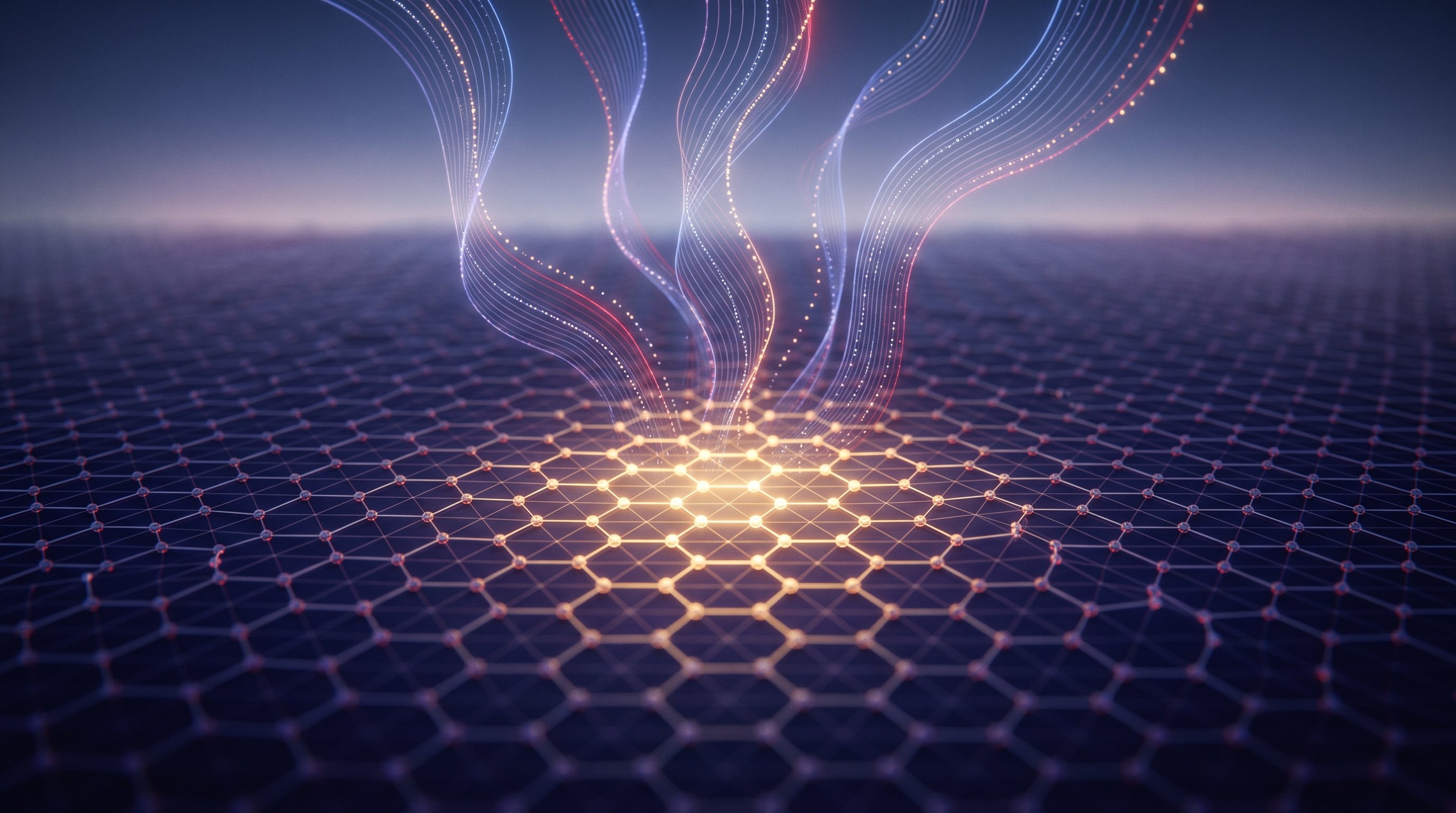
MIT teaches AI to see how crystals are built, and that helps the search for new materials
Language models know a lot about materials, but cannot 'see' how a crystal is built. MIT researchers linked 3D structures to descriptions in plain language. As a result, their model finds better candidates, for example for batteries.
-
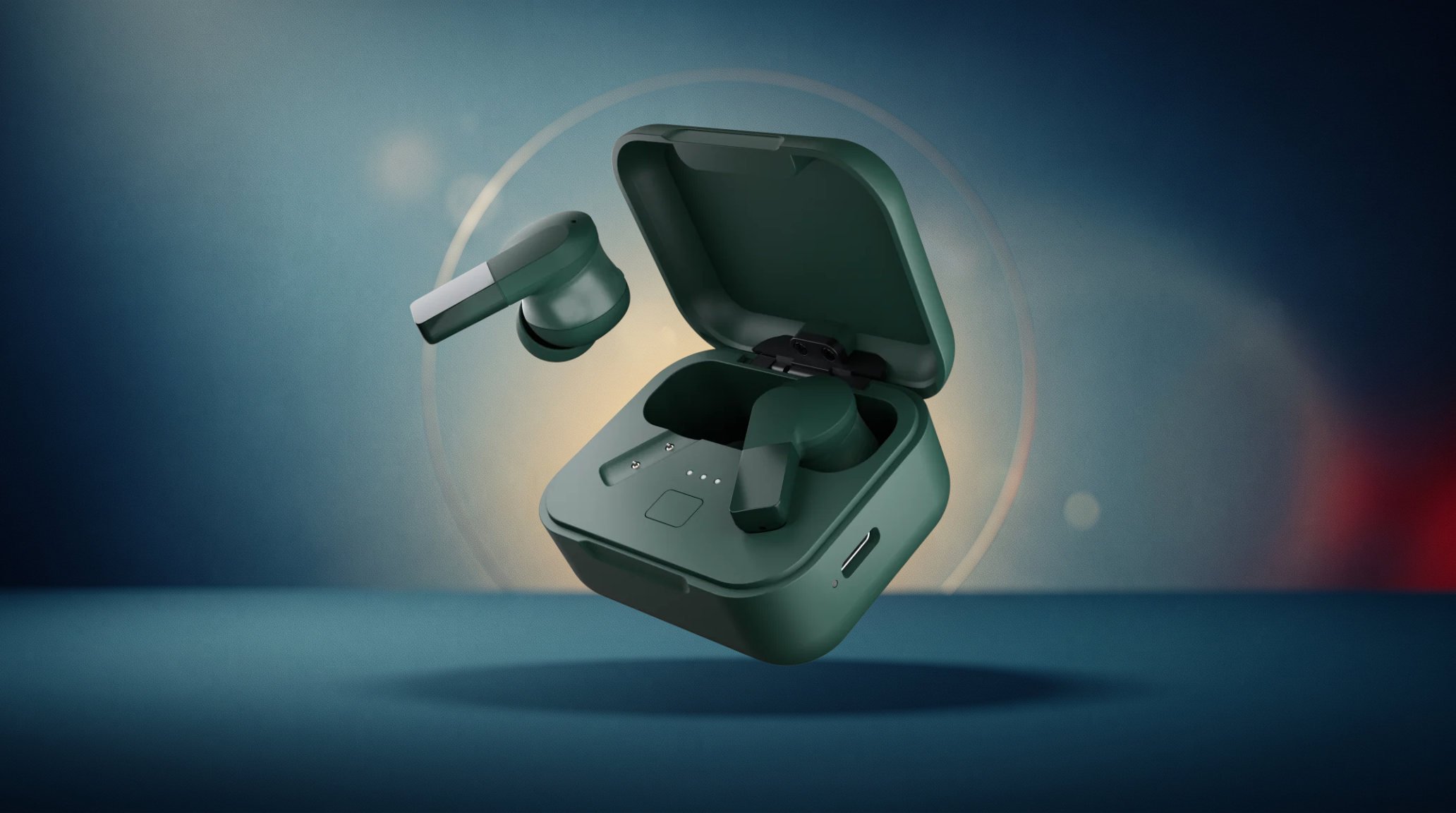
Fairphone launches new earbuds with batteries users can replace themselves
Amsterdam-based Fairphone has launched the Fairbuds 2: wireless earbuds whose batteries, in both the buds and the charging case, can be replaced by the user. They last longer on one charge, have noise cancelling and are cheaper than the first version.
-
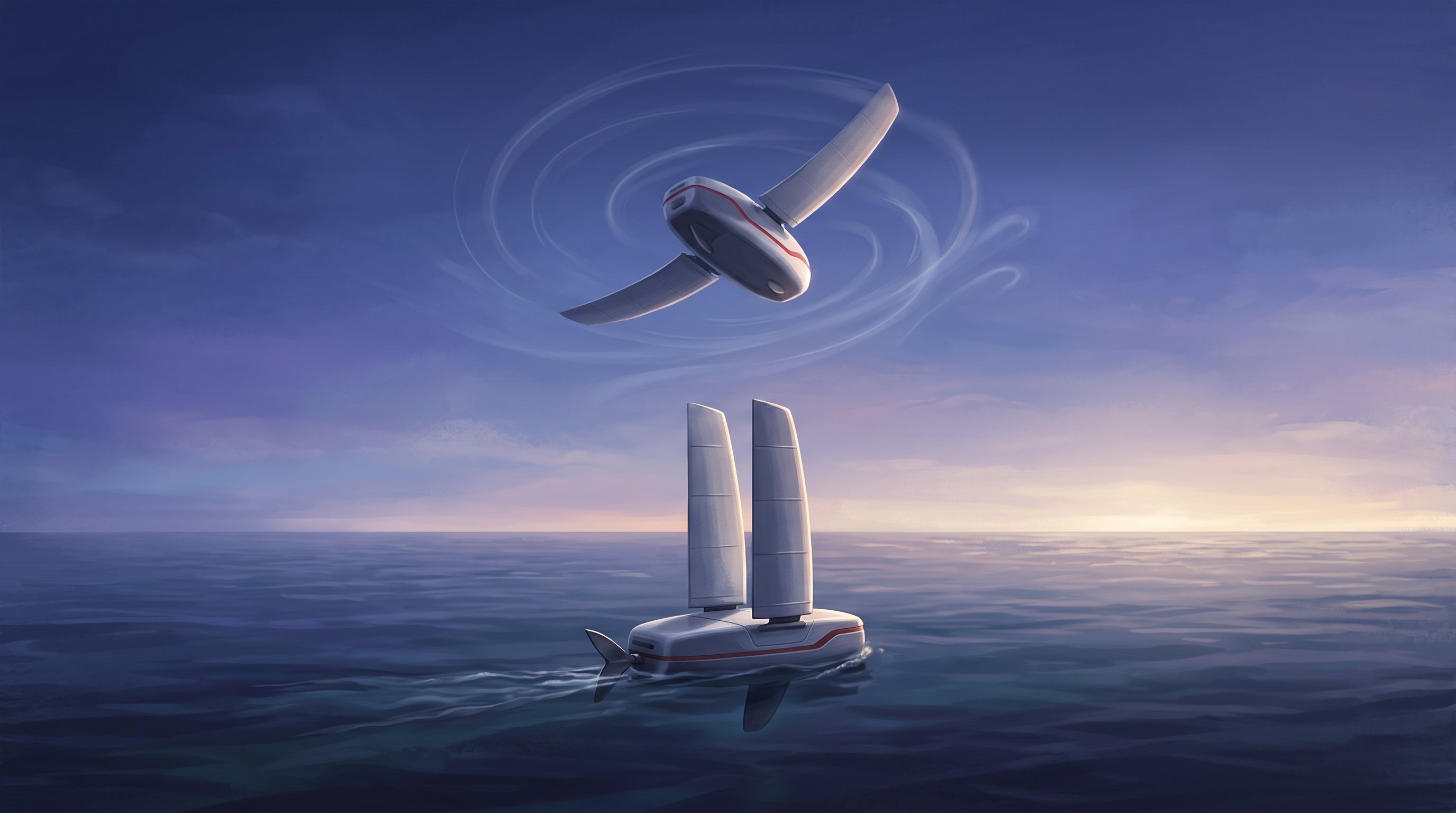
Sailing robot falls from the sky like a maple seed and then sails on by itself
Researchers in Singapore have built a small sailing robot that can be dropped from the air. Its wings spin like a maple seed and so slow its fall. On the water they become sails. The first trials on a reservoir have succeeded; the open sea comes next.
-
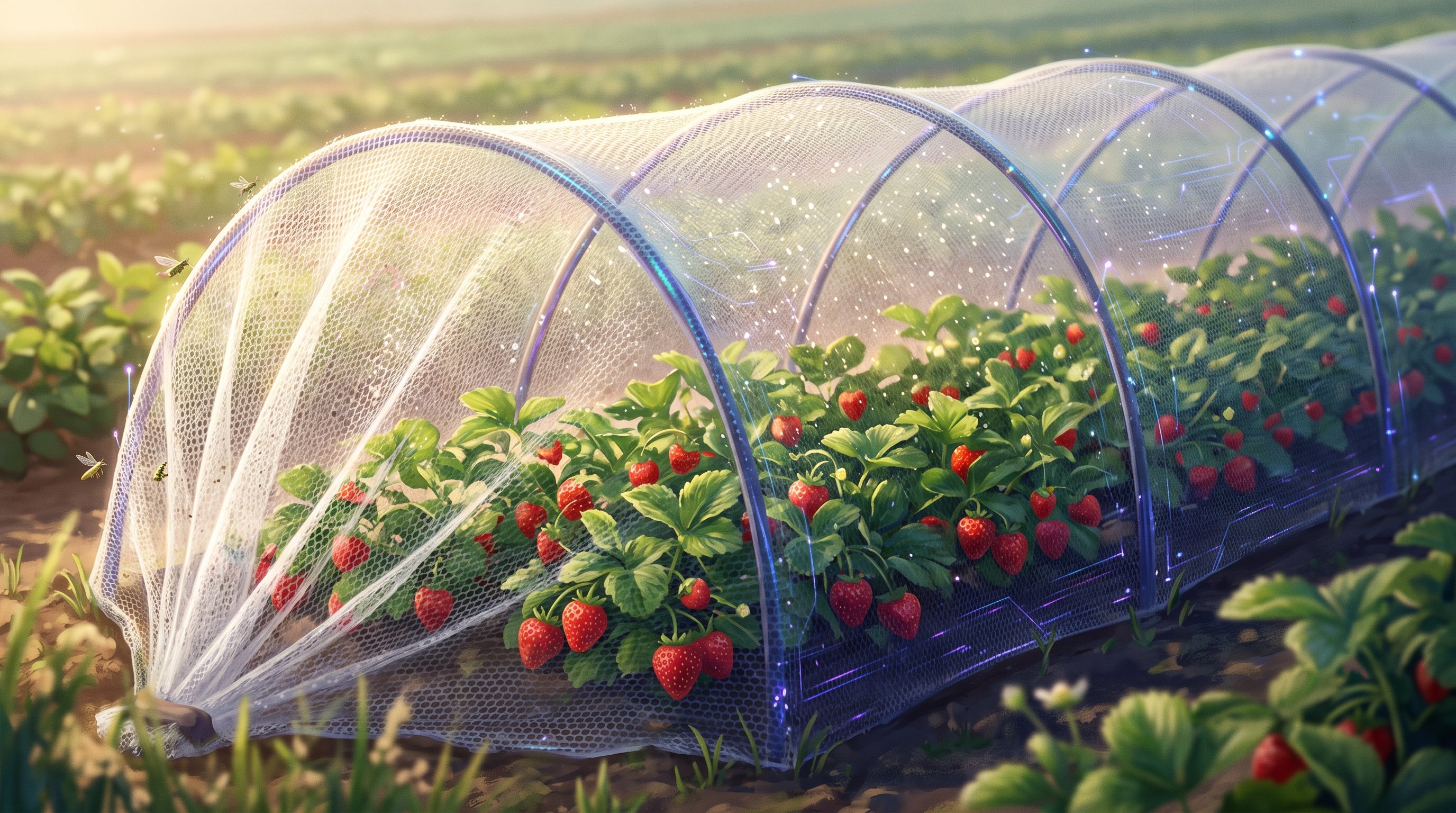
Anti-mosquito fabric makes strawberry plants produce three times as much fruit
A knitted fabric, originally designed for military uniforms, keeps insects away from strawberry plants and lets light, air and rain through. In trials at NC State, plants under it produced 3.56 times as much fruit. Tests with real growers come next.
-
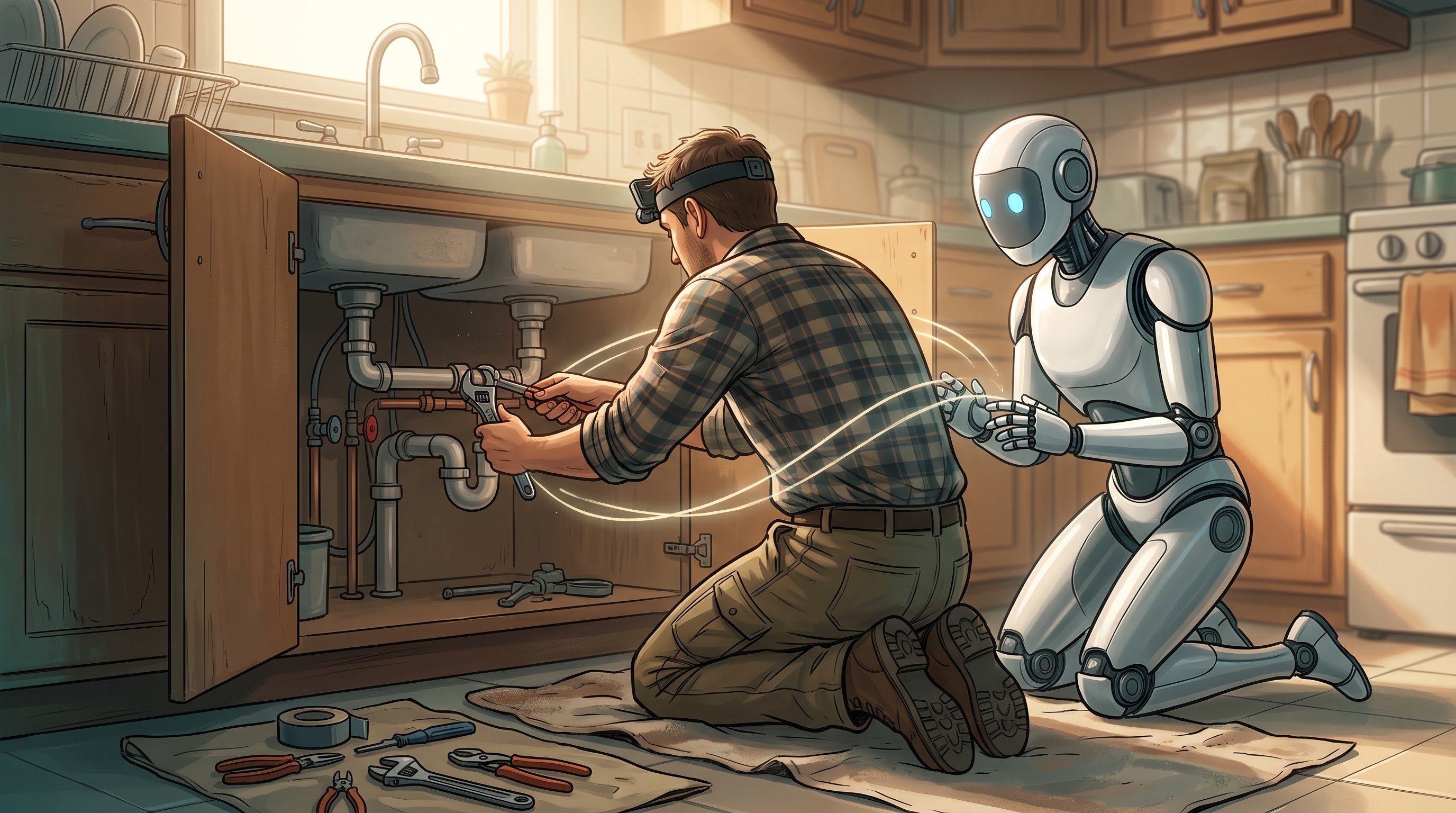
AI company pays plumbers and technicians to teach robots home repairs
The American data company HUMXN is paying for repairs to plumbing, electrics and heating and cooling systems in Minneapolis, Chicago and Miami. The technician wears a camera during the job, so that robots can learn how skilled workers solve problems. The resident gets the job done for free.
-
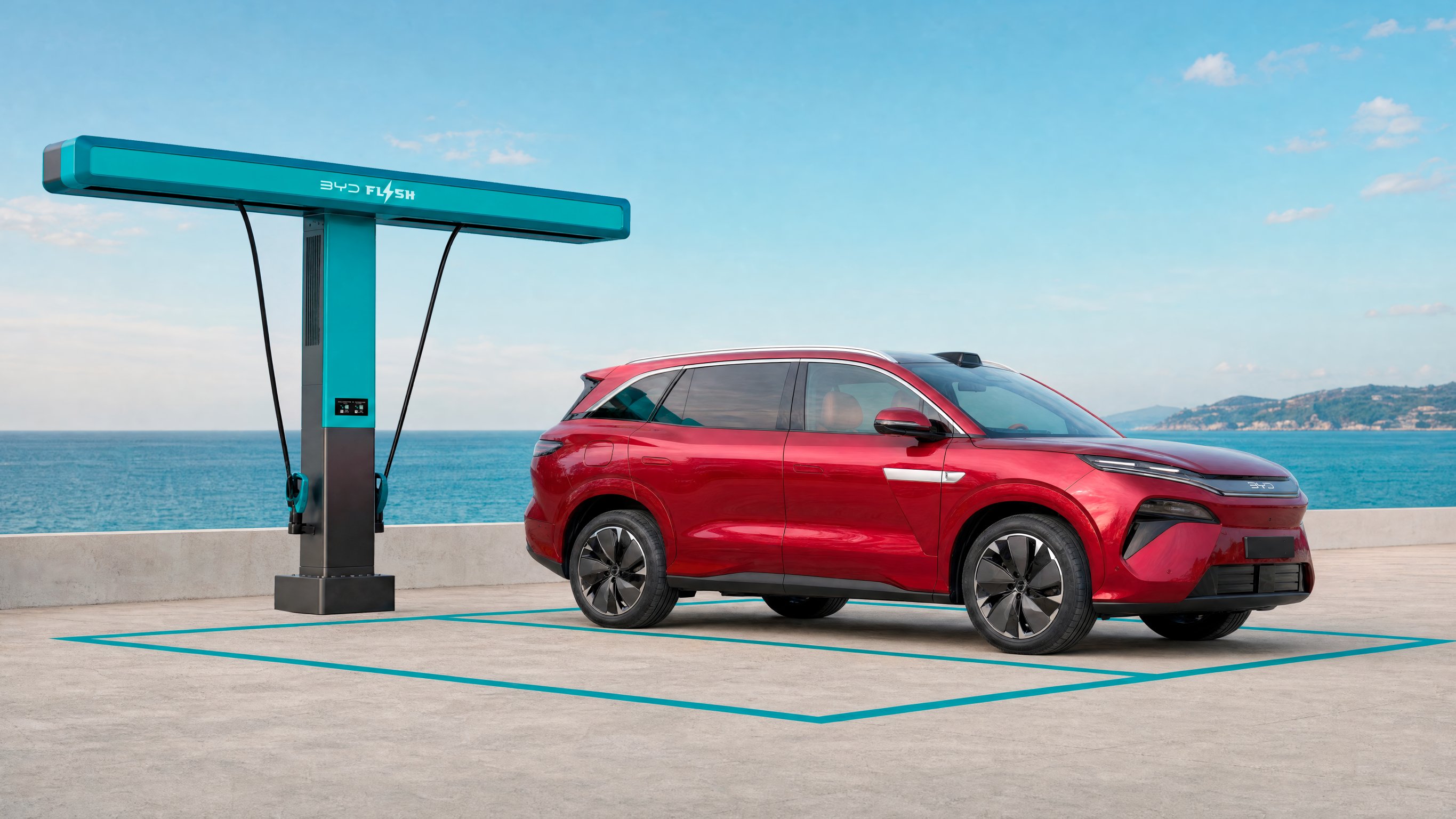
Charging as fast as refuelling: cars with megawatt charging are coming to Europe
Chinese carmakers are bringing cars to Europe that charge almost fully in nine minutes, such as the Denza Z9 GT and the new BYD Atto 8. They need much more powerful charging points. These are now being built across Europe.