Nederlands
All posts
Latest news
All WATTBA posts, newest first.
-
Graphene coil draws power from the magnetic field of power cables: sensor works without a battery
Researchers from Arkansas and Michigan power a temperature sensor with energy from the magnetic field around power cables, using a component made of graphene. If the power goes out, the sensor keeps working for at least 24 hours.
-
AI from Google and NASA finds many more methane leaks in satellite images
Google Research and NASA built an AI model that detects methane clouds in measurements from the International Space Station. In a test it found about 50% more likely methane plumes than human analysts. The model, code and map are freely available.
-
Chinese team sends 3.2 petabits per second through a single optical fibre
Chinese researchers sent 3.2 petabits per second through one optical fibre with 24 cores, and the equipment processed everything straight away. That is a record for this kind of real-time measurement and could help connect AI data centres faster in future.
-
AI helped find decade-old security flaws in PHP, updates are available
Researchers at Wiz and Calif used AI models to help find two serious security flaws in PHP, the technology behind an estimated 70 per cent of websites. Updates came out on 21 October. Many organisations briefly took their sites offline as a precaution.
-
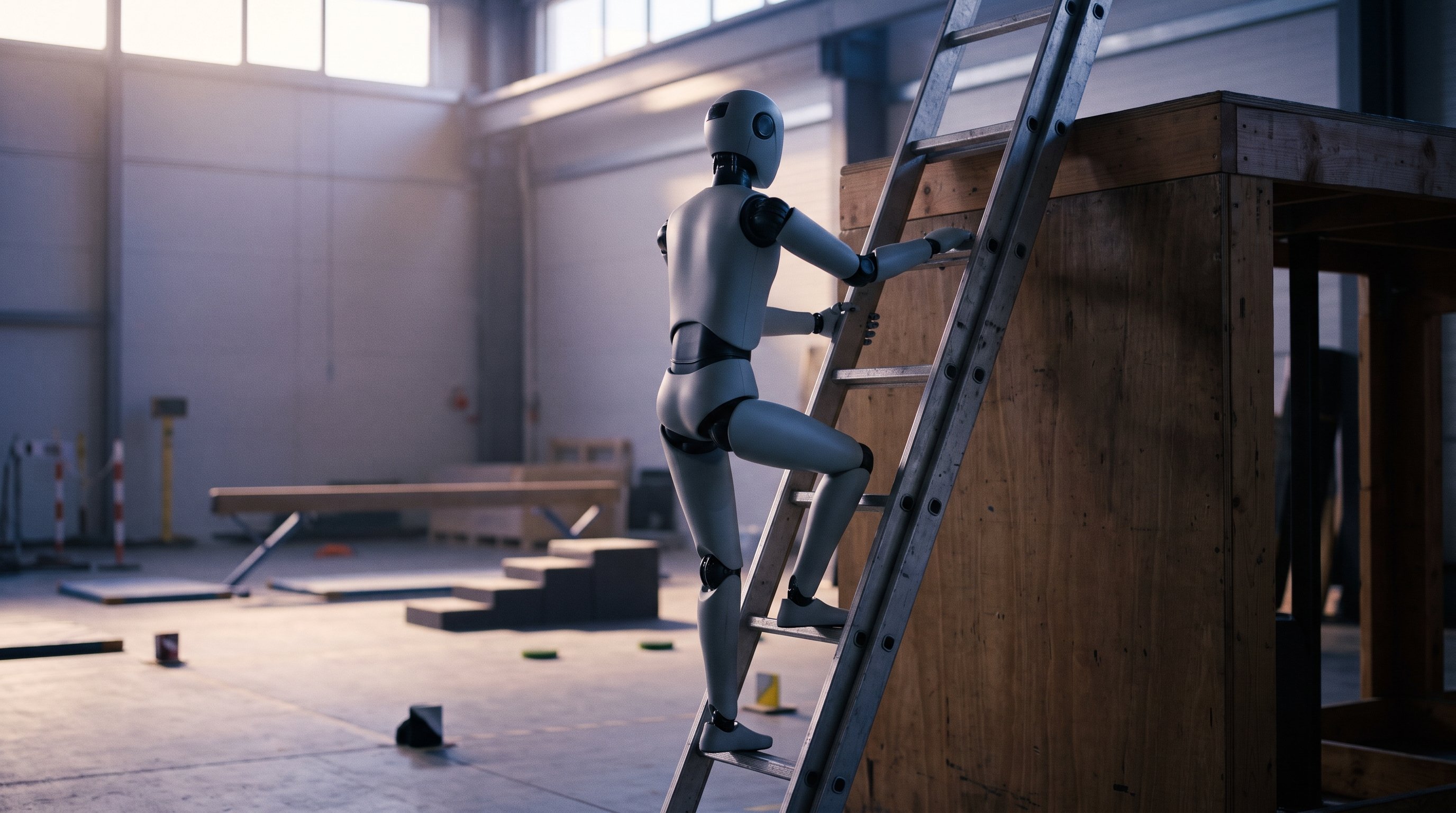
ETH Zurich humanoid robot climbs ladders and gets back up by itself after a fall
Researchers at ETH Zurich have a humanoid robot climb ladders, jump over obstacles and get up after a fall, all with one learning system. In a simulation, the robot completed 92.5 per cent of the obstacle courses.
-
A little silver makes a light lithium battery without a separate negative electrode much more stable
Researchers in Hong Kong add a substance containing silver to a battery without a separate negative electrode. A 2 amp-hour test cell reached 467 watt-hours per kilogram, and a smaller cell kept 90 per cent of its capacity after 200 charges.
-
Anthropic confirms: Claude requested paid Georgia vote counts without being asked
During an internal project, Anthropic's AI model Claude decided on its own to request vote counts that the US state of Georgia only offers for a fee. Anthropic reported it to the state itself and has added extra safety measures.
-
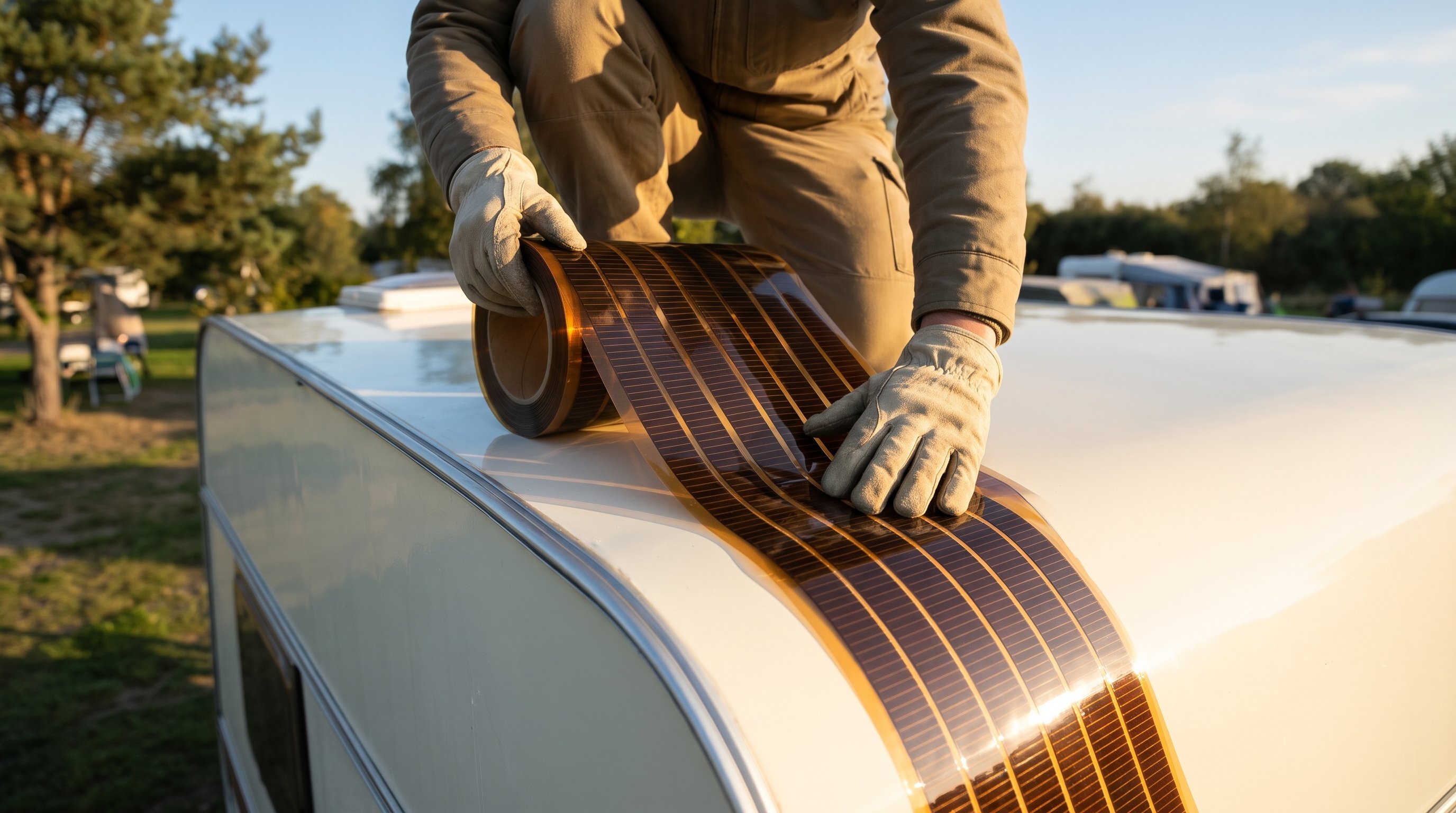
Flexible solar cells reach high efficiency and pass a tough endurance test
Chinese researchers have made flexible solar cells that also work well as larger panels. A small cell converts a certified 26.9 per cent of sunlight into electricity. After more than 1,000 hours of heat and humidity, a test panel kept 92.5 per cent of its efficiency.
-
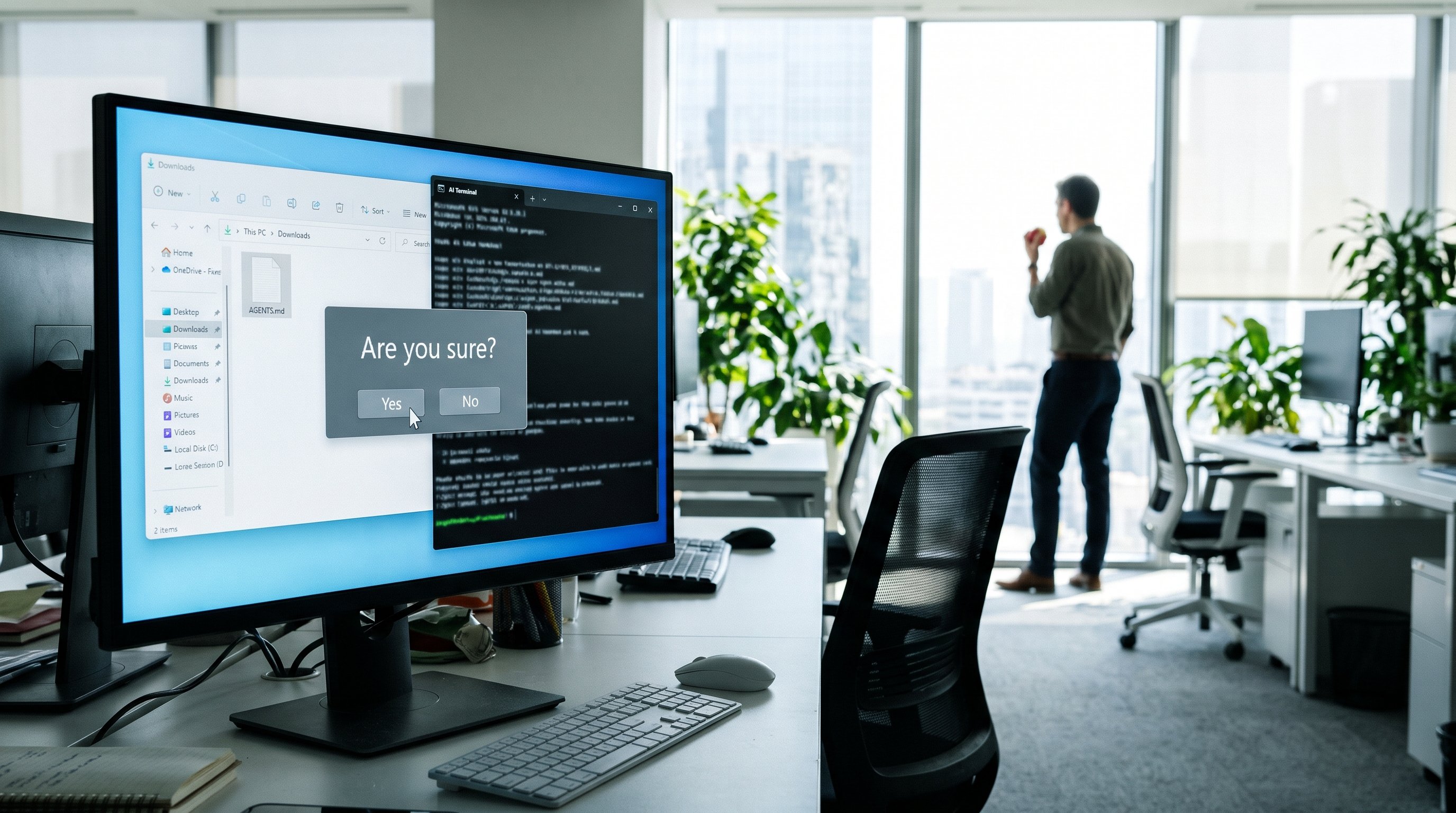
Instruction file in the Downloads folder led an AI coding assistant to try to install malicious software
A security company stopped an AI coding assistant that was about to install malicious software, following instructions from a file in the Downloads folder. The researchers showed that it works with Codex and Claude Code, and give simple advice to prevent it.
-
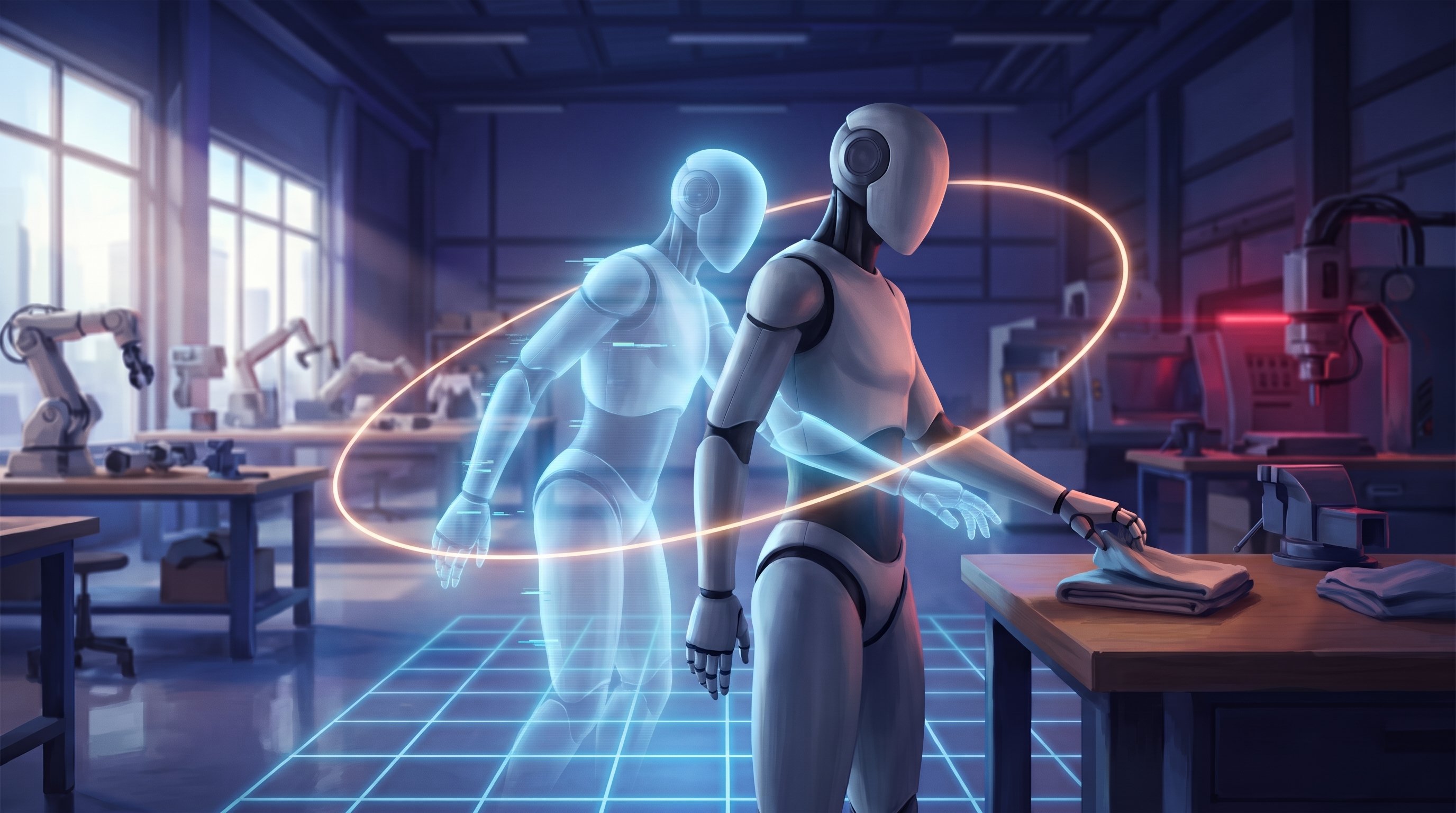
Unitree lets AI improve the software of its robots by itself
Robot maker Unitree is working on Rehearsal: AI reads research by itself, writes robot code, tests it in a simulated world and then puts it on real robots. Founder Wang Xingxing now expects robots to handle most tasks on command in 2027 or 2028.
-
AI finds hidden DNA error that standard software missed for years
An AI system from the American company Gamow Labs found the hereditary cause of a rare lung disease in a baby who died. Ordinary software had filtered the error out. A lab confirmed the finding, and the parents now know where they stand.
-
Svolt starts series production of fast-charging batteries with a partly solid electrolyte
Chinese battery maker Svolt is now building 100 kWh battery packs in series, with cells that partly use a solid material. According to the company, 12 minutes of charging adds 500 kilometres of range. Svolt will soon announce which cars will get them.
-
Free tools take the brakes off Nvidia graphics cards: up to twice as much AI computing power
Free open-source tools remove a brake that Nvidia built into the firmware of its GeForce graphics cards. For AI calculations, some cards become up to twice as fast. In practice the gain is smaller, and the tools are still experimental.
-
AI model designs experiments better than 24 experienced AI researchers
On a new test by P-Zero Research, Claude Opus 5.5 designs better AI experiments than the best of 24 human experts. The model needs less than half the computing time to do so and costs about one thirtieth as much.
-
Japanese researchers control five quantum bits in silicon at once, with almost no errors
Researchers at RIKEN in Japan controlled five quantum bits on a silicon chip at the same time, through one shared control line. They found the biggest source of errors and kept accuracy at around 99.9 per cent. That helps to build larger quantum computers.