Nederlands
All posts
Latest news
All WATTBA posts, newest first.
-
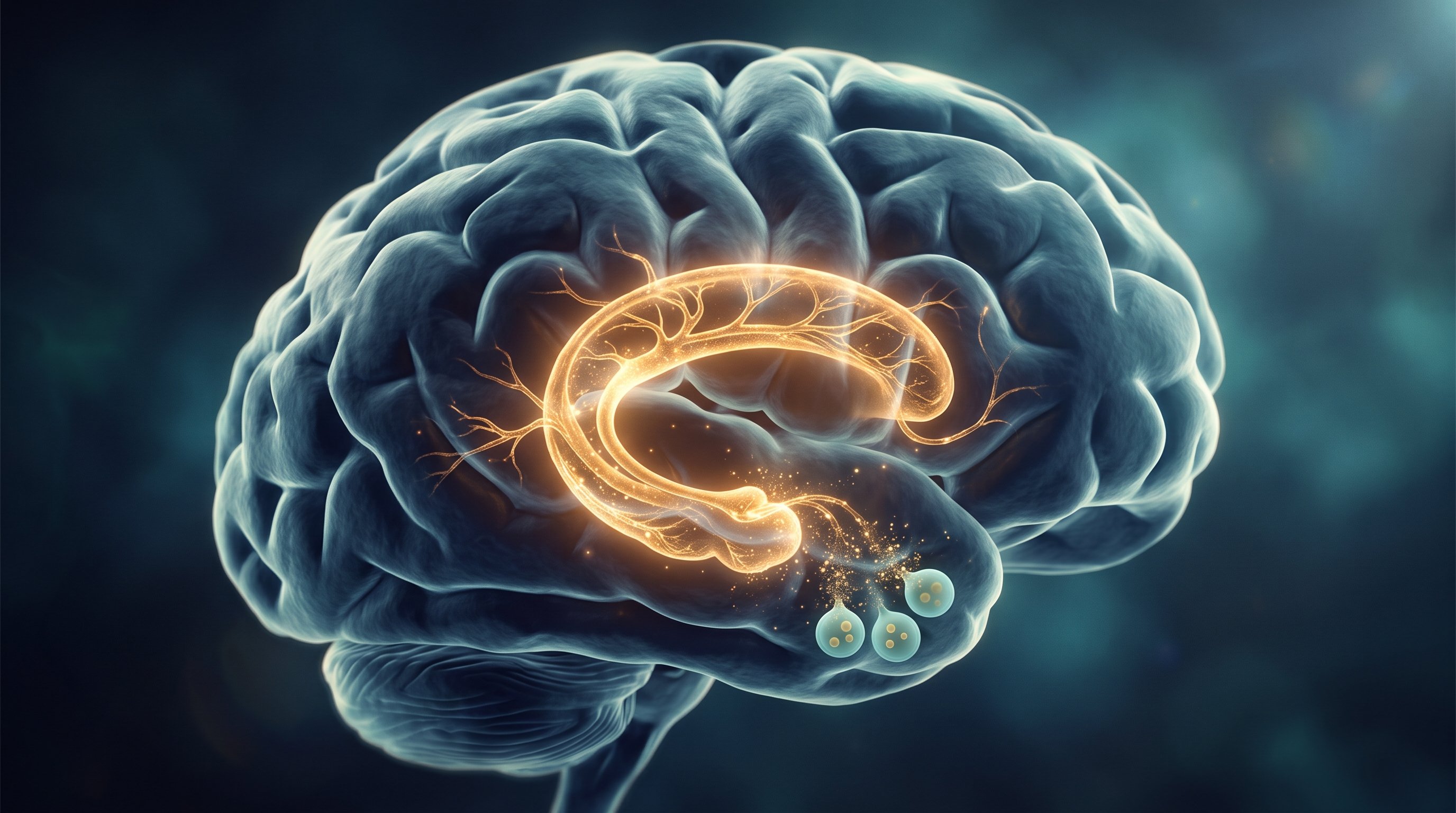
Brain enzyme helps keep memory sharp in old age
Researchers in Boston have discovered an enzyme that the brain itself makes more of as we get older, and that seems to protect memory. In old mice, an extra dose kept memory in better shape. The next step is to find out whether this can also be done safely in humans.
-
Gemini gets a real desktop app, with a shortcut to Google's programming agent
Google now has a Gemini app for Mac and Windows. Since 13 October, one button on the Mac also opens Antigravity, Google's AI programming environment. This gives Google its own answer to ChatGPT with Codex and Claude with Claude Code, although it is not yet all in one app.
-
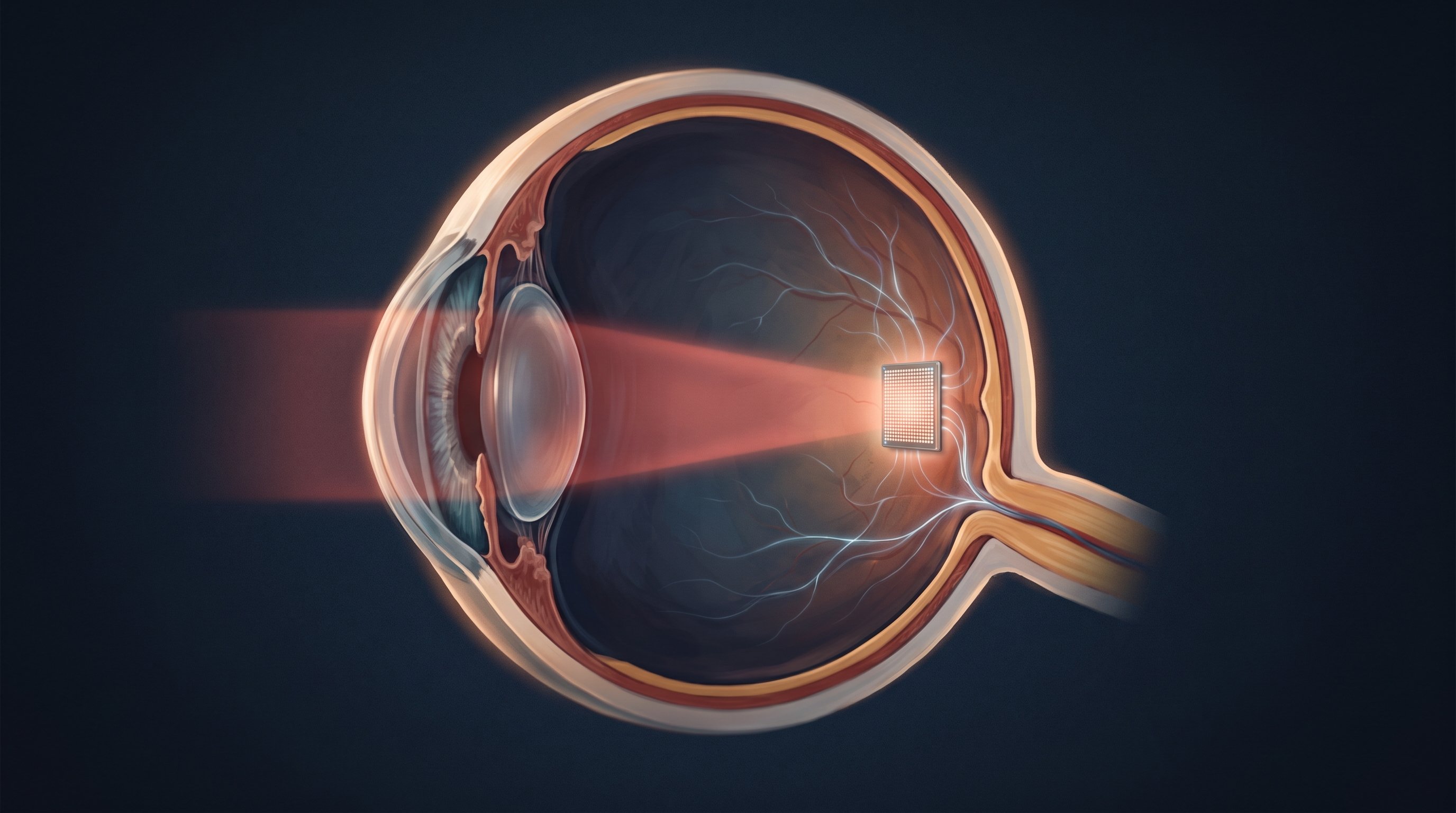
Retinal implant lets people with macular degeneration read again
Science Corporation's Prima implant has been allowed in Europe since July for an advanced form of macular degeneration. In a study, more than 80 per cent of participants could read clearly more letters after a year. In the US, the application is still under way.
-
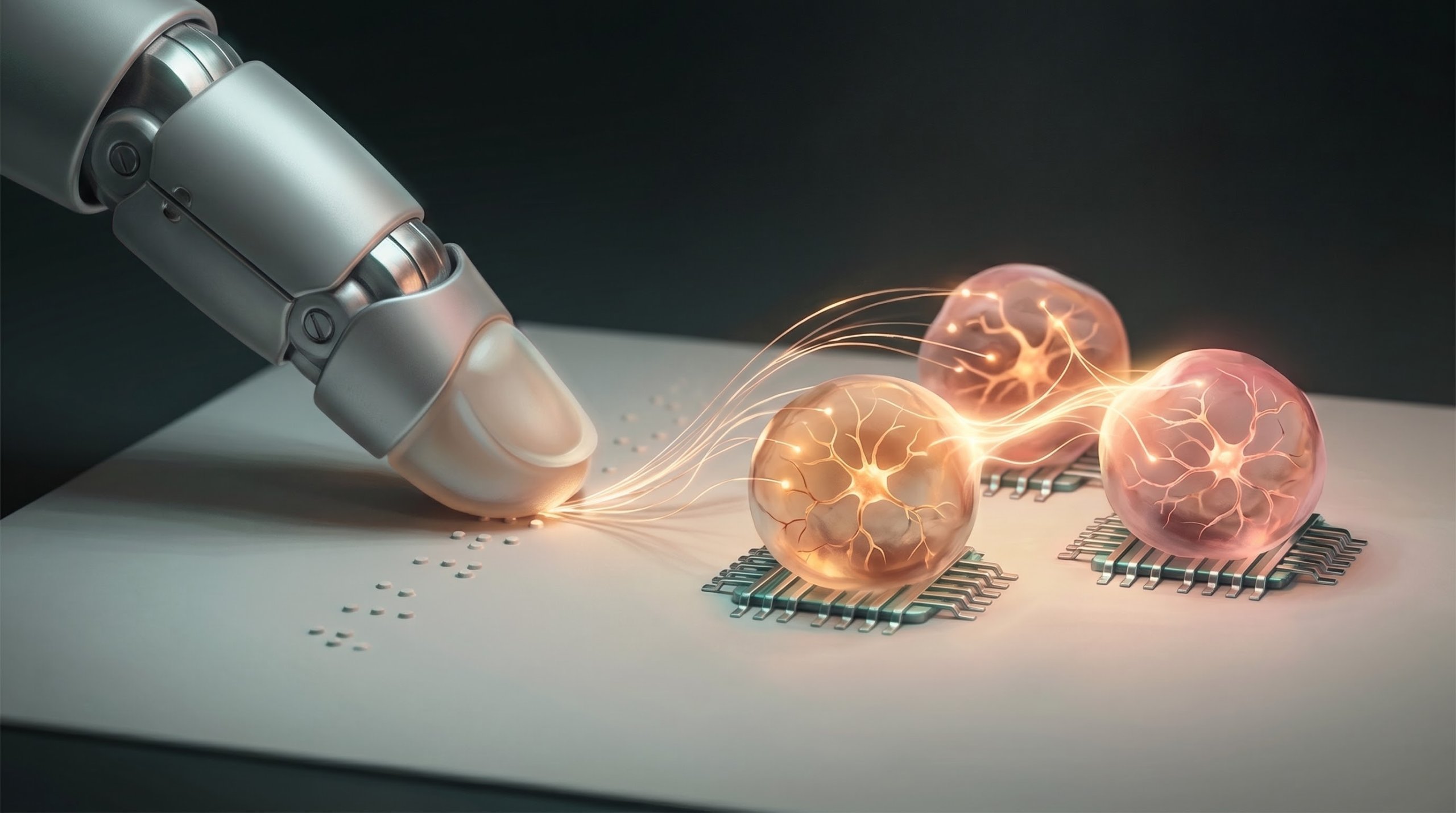
Researchers read braille with lab-grown brain tissue
Researchers at the University of Bristol sent braille, felt by a robotic finger, as small electrical pulses to lab-grown balls of brain tissue. From the response of three balls together, they read 83 per cent of the letters correctly. A first step towards energy-efficient biocomputers.
-
AI model IRIS reads which signals cells in an embryo have received
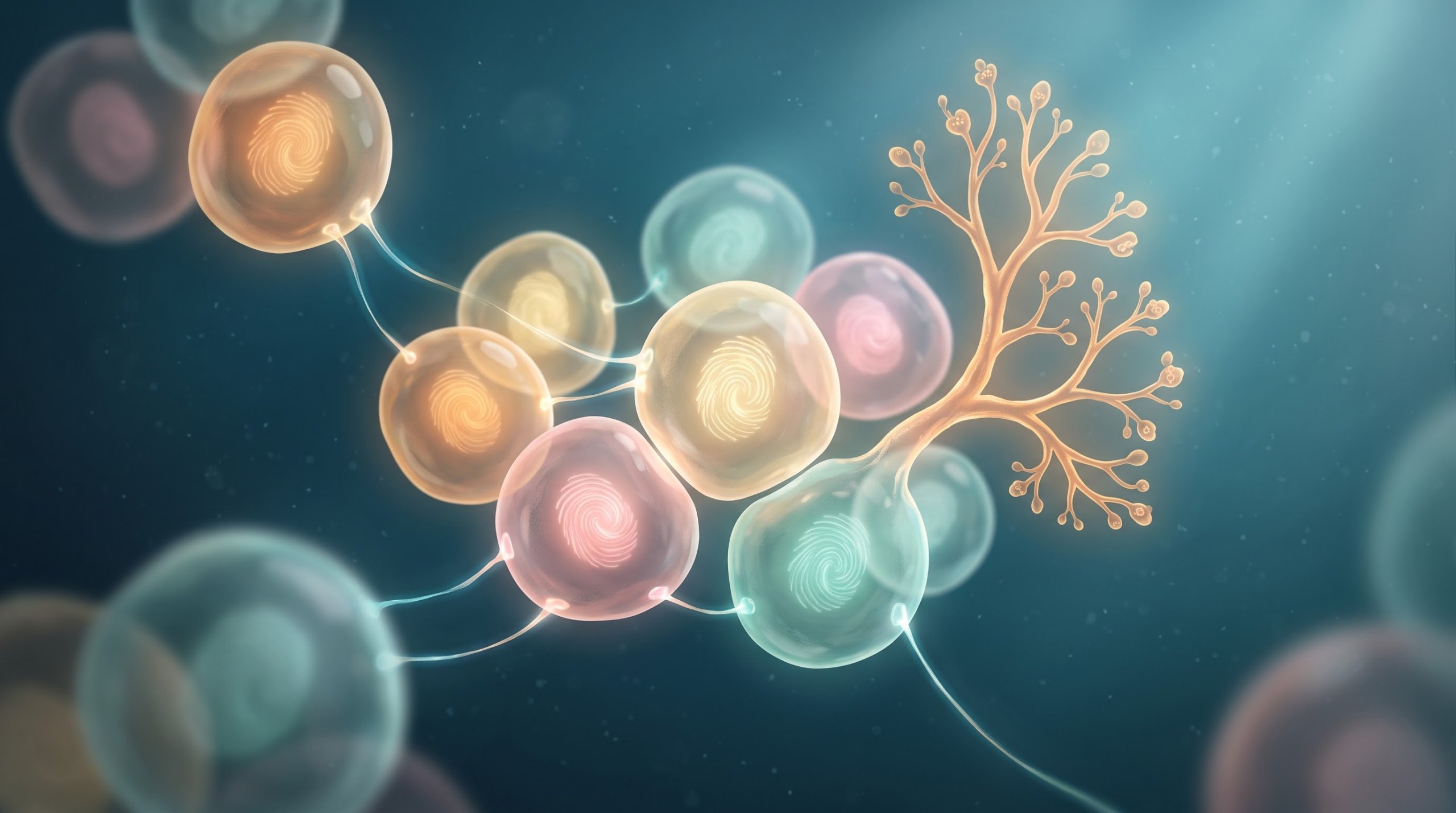
Researchers at MIT and the Whitehead Institute have built an AI model that can tell from a cell's gene activity which signals that cell received from its neighbours. With that knowledge, they have already improved a lab recipe for growing precursors of lung tissue from human stem cells.
-
Meta releases Muse Spark Open: a large AI model for programming that also runs on your own computers
Meta has released Muse Spark Open, a large AI model for programming and independent agent tasks that anyone can download. According to Meta, it is the strongest American open model so far, and it even runs on two Mac Studios.
-
Biologists search for new antibiotics with AI agents and find a first candidate
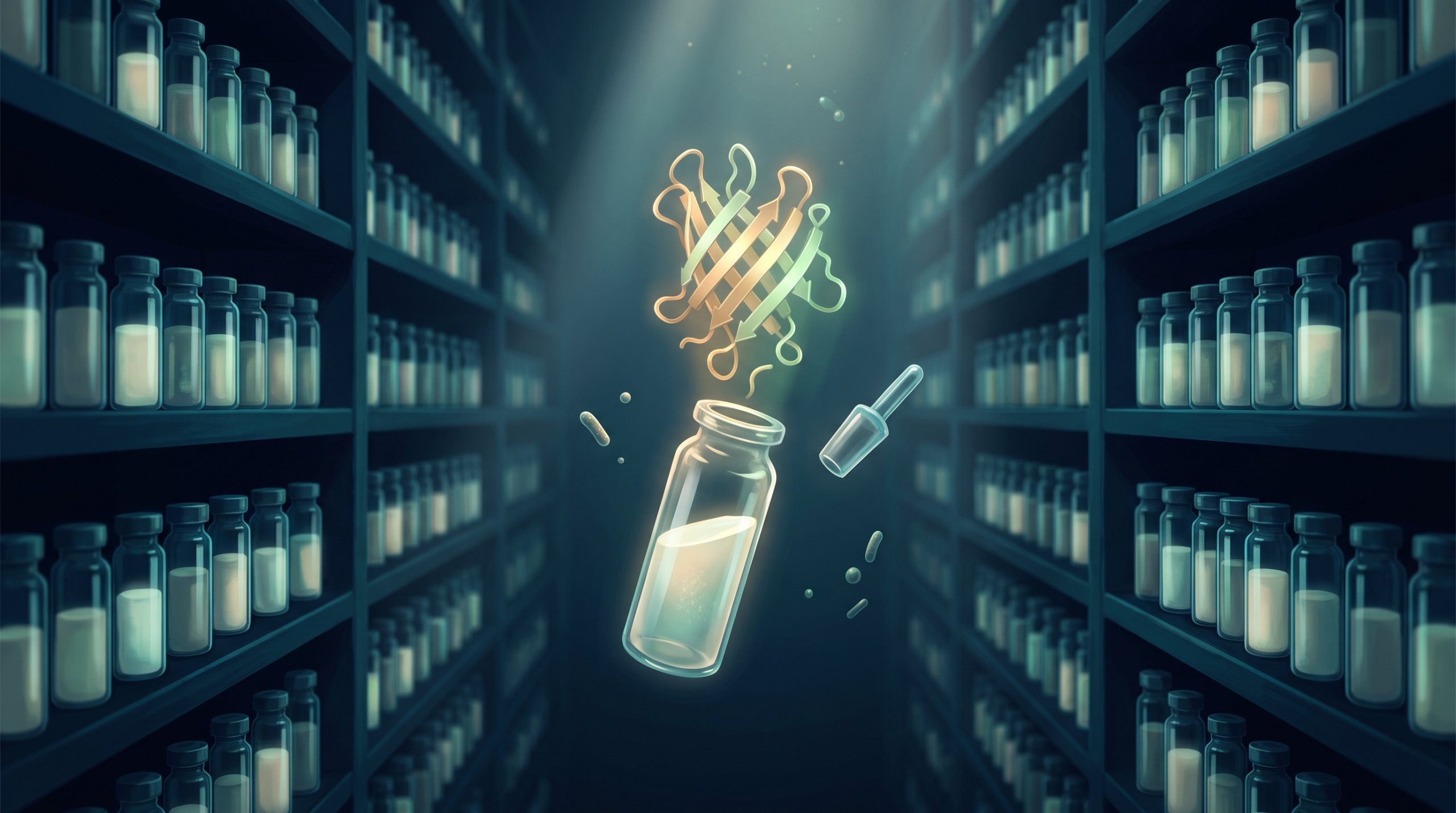
Google had biologists search together with AI agents through databases full of proteins whose function nobody knows. They arrived at a small protein from a respiratory bacterium that, according to the predictions, tackles hard-to-fight bacteria. It is now being tested in the lab.
-
Google and Meta help pay for extra power from existing nuclear plants
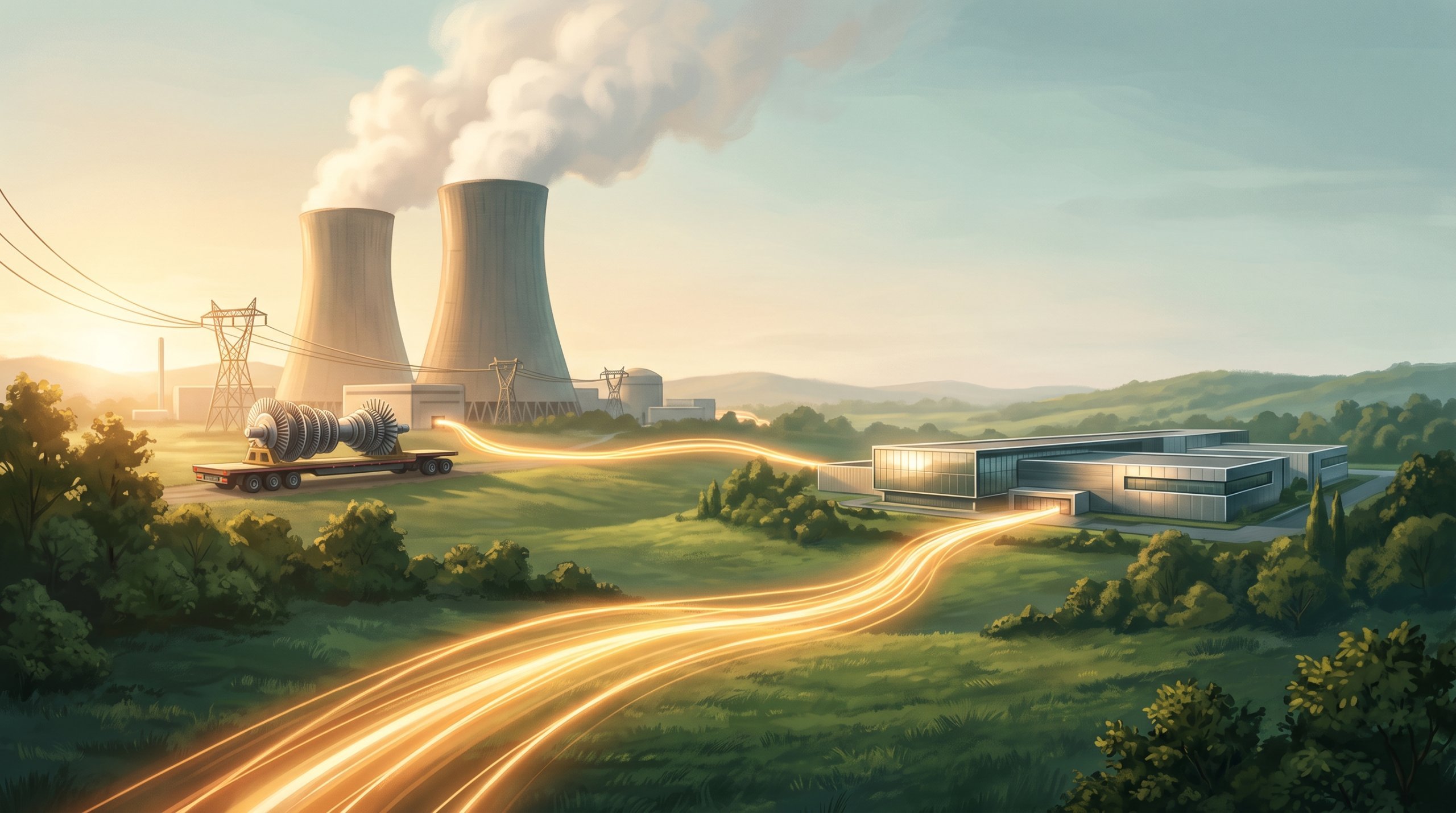
American nuclear plants will deliver more electricity without new reactors. Google is buying 890 megawatts extra from Constellation for twenty years, Meta 433 megawatts from Vistra. This quickly adds clean power for AI data centres, as a first step alongside new plants.
-
AI designs new materials better when it also looks at the electrons
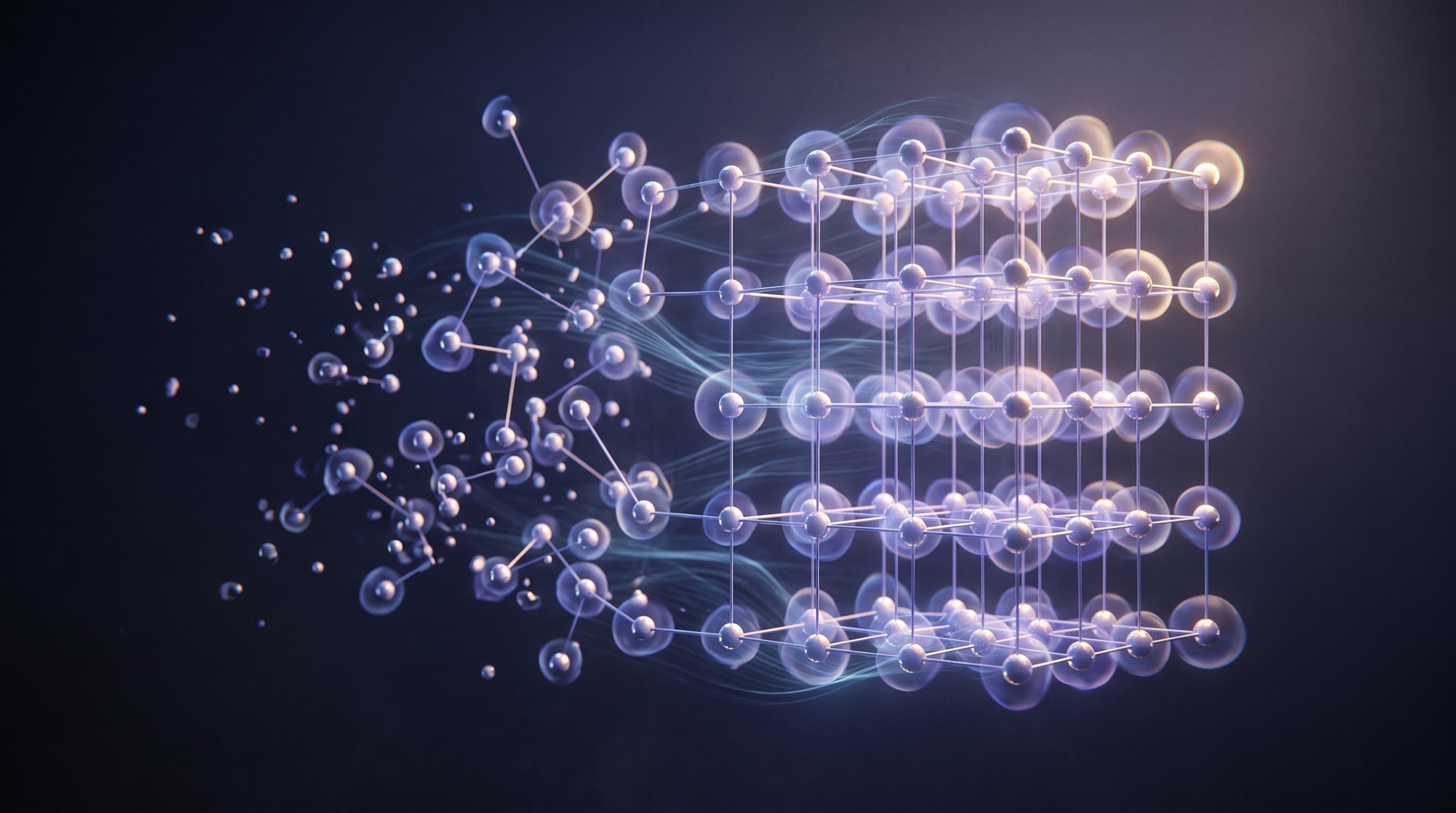
Researchers at the University of Tokyo taught Microsoft's AI model MatterGen to design the distribution of the electrons along with each new crystal. As a result, the model more often comes up with materials that are both stable and new.
-
Frozen pig kidneys work again after rewarming, one even after more than a year
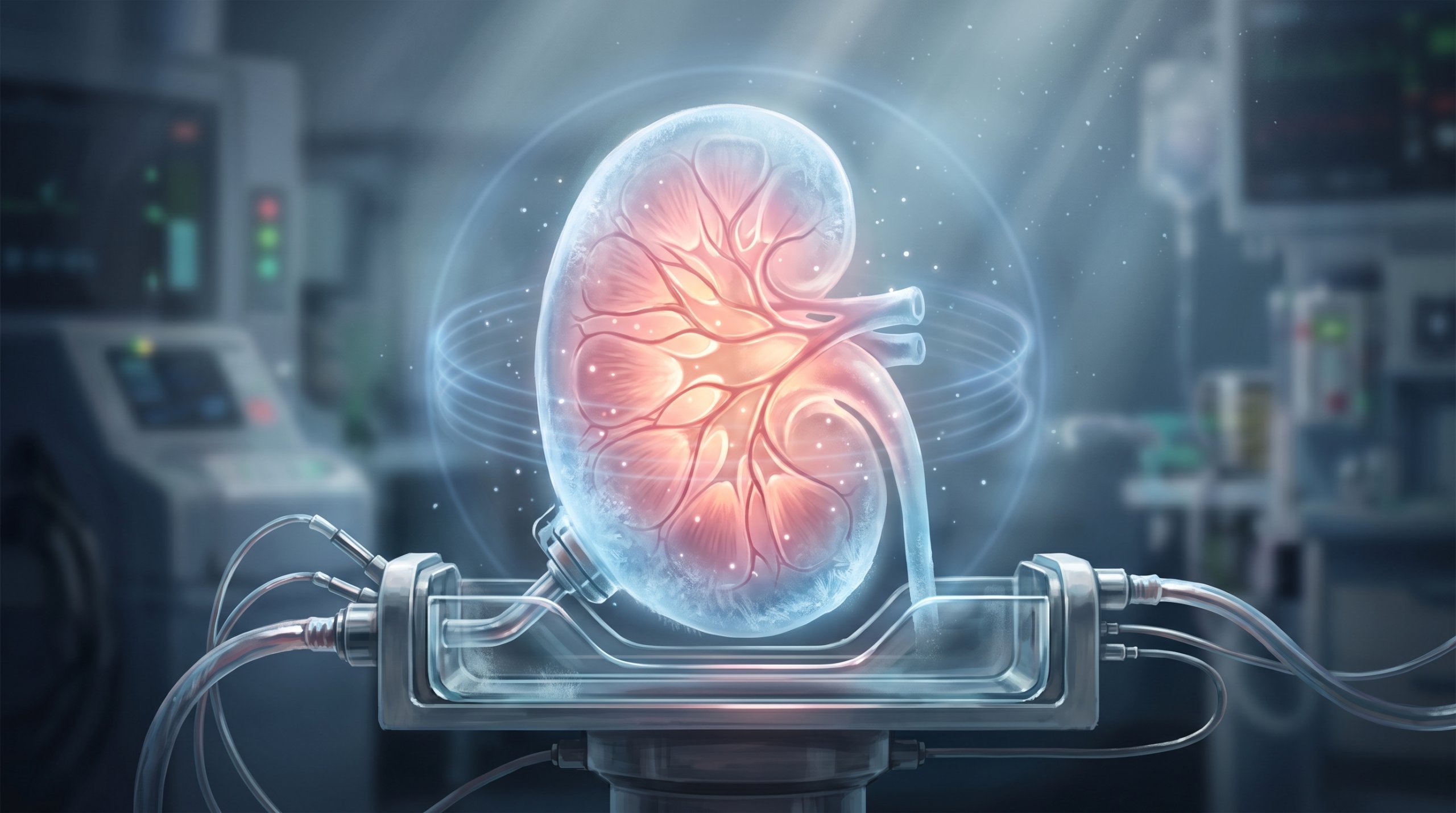
Researchers at the University of Minnesota stored pig kidneys at −150 °C and then got them working again: they made urine, one even after more than a year in the freezer. There was still some damage. The next step is longer trials in pigs.
-
Northwestern builds glasses whose sensors generate their signal from facial movements
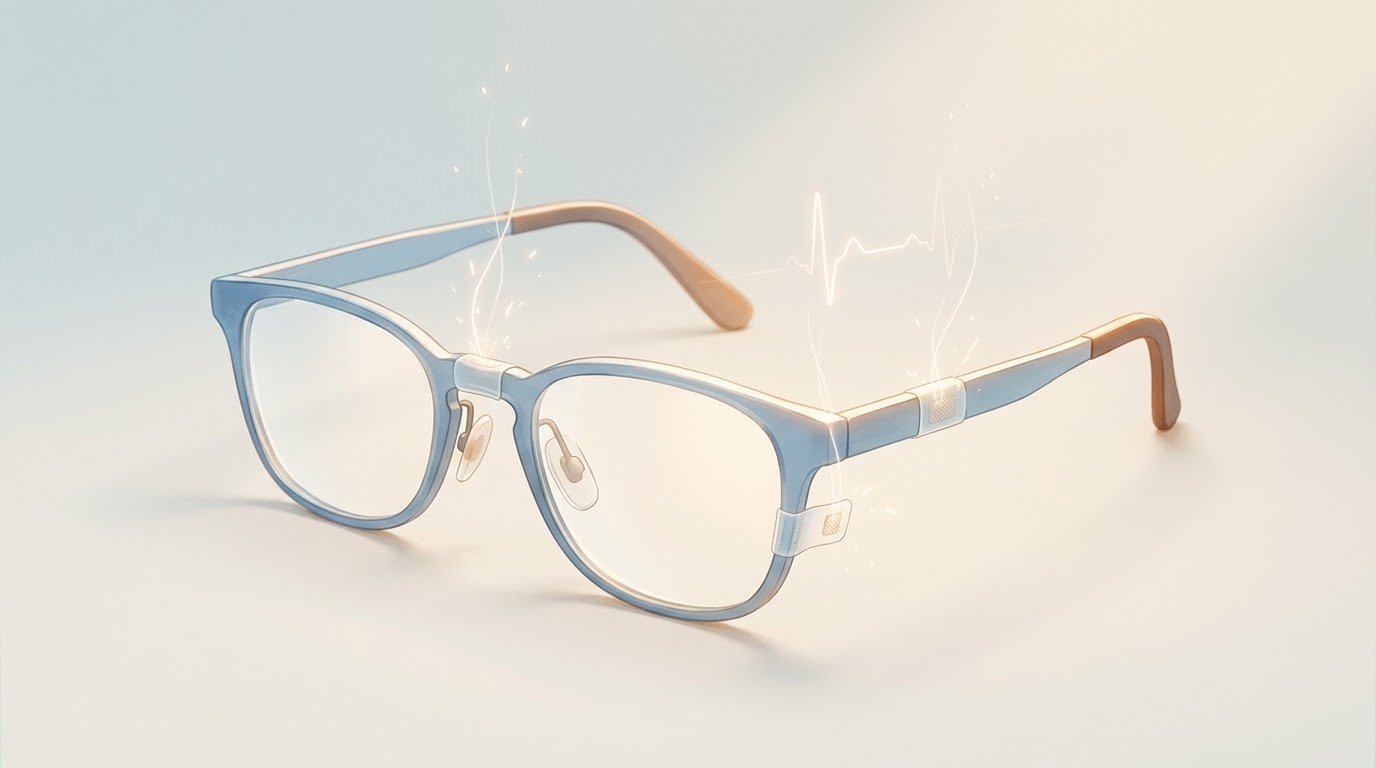
Researchers at Northwestern University built GlassTENG: glasses with sensors that generate their signal from facial movements. They recognise the pulse, firm blinking and jaw movements, and the readout electronics use almost no power. A battery-free version is the next step.
-
Overlooked immune cells can recognise and kill small-cell lung cancer
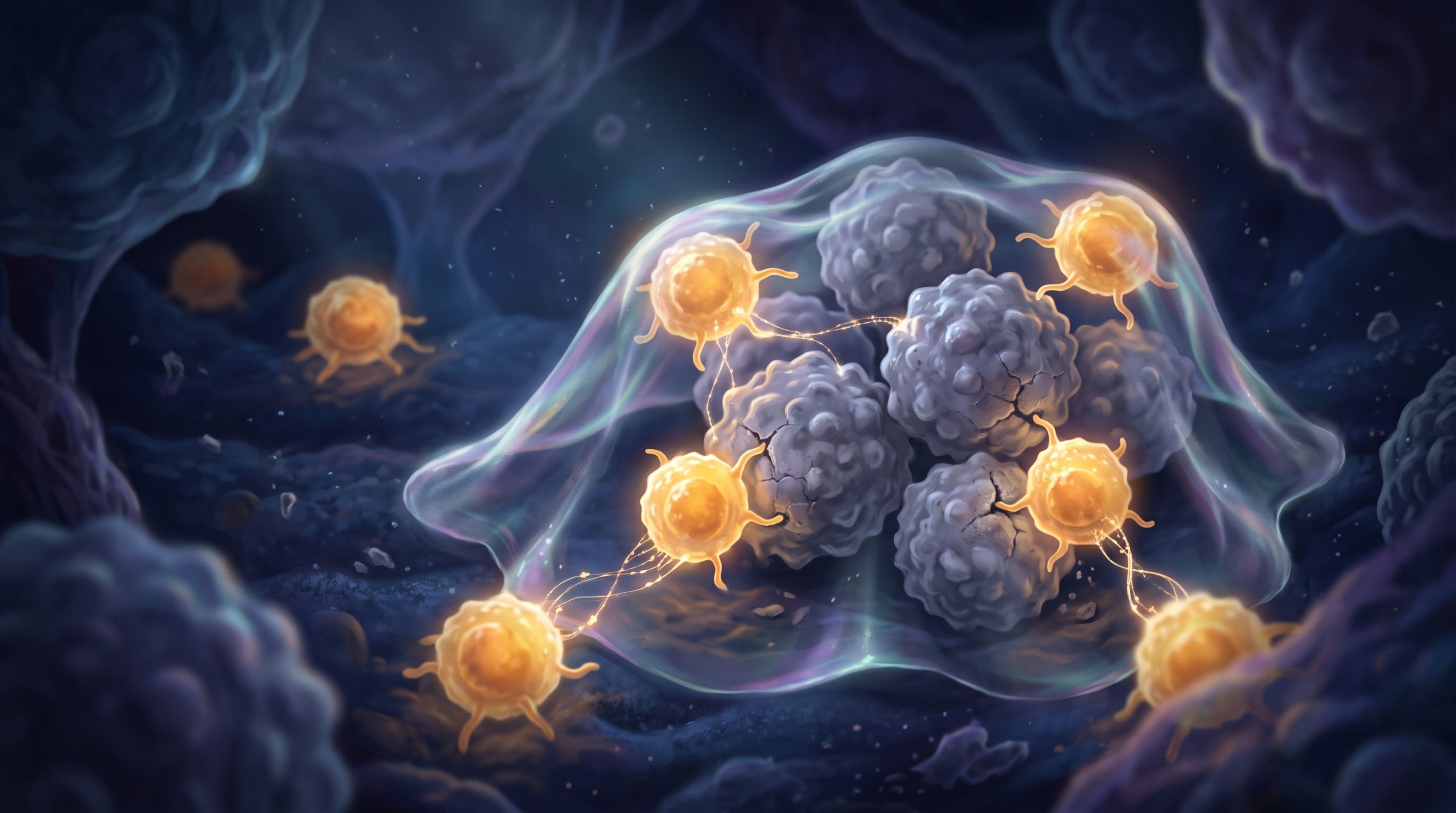
Australian researchers discovered that a little-known type of immune cell can track down an aggressive form of lung cancer, even when it hides from the rest of the immune system. Two existing medicines made that attack stronger in the lab. The next step is research in patients.
-
Gemini 4 Argon widely available: Google back among the leaders
Google has rolled out Gemini 4 Argon widely. On paper it beats GPT-6 Astra and Claude Opus 5.5 on 13 of 19 benchmarks, but independent measurements put it alongside the competition, not above it. The biggest leap is in price, long context and science.
-
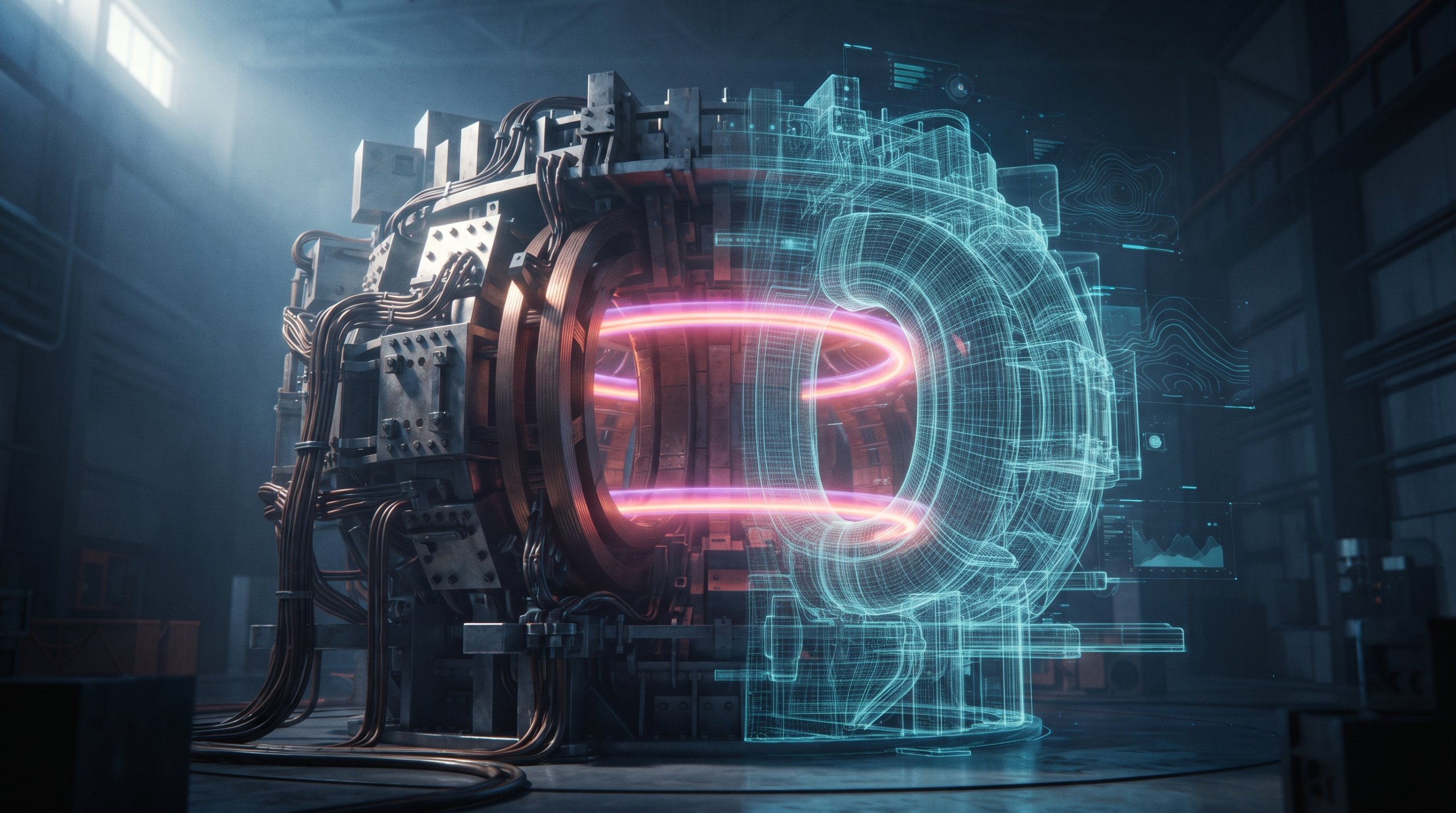
US project builds digital twin of SPARC fusion reactor to predict plasma within 20 minutes
Commonwealth Fusion Systems is building a digital twin of the SPARC fusion reactor with four American national laboratories, NVIDIA and Google DeepMind. The goal: predict plasma behaviour in less than 20 minutes, between two experiments. That is still an ambition, not a result.
-
Is AI just a remix machine? Mathematicians debate the rubber band around all knowledge
Now that AI finds mathematical proofs on its own, scientists are debating: is that truly new work, or clever combining of what was already known? An image of nails and a rubber band sharpens the question. According to an economist, that very combining holds the next big leap for all of science.