Nederlands
Topic
#Natuurkunde
-
IBM links two quantum chips with 80-centimetre cables
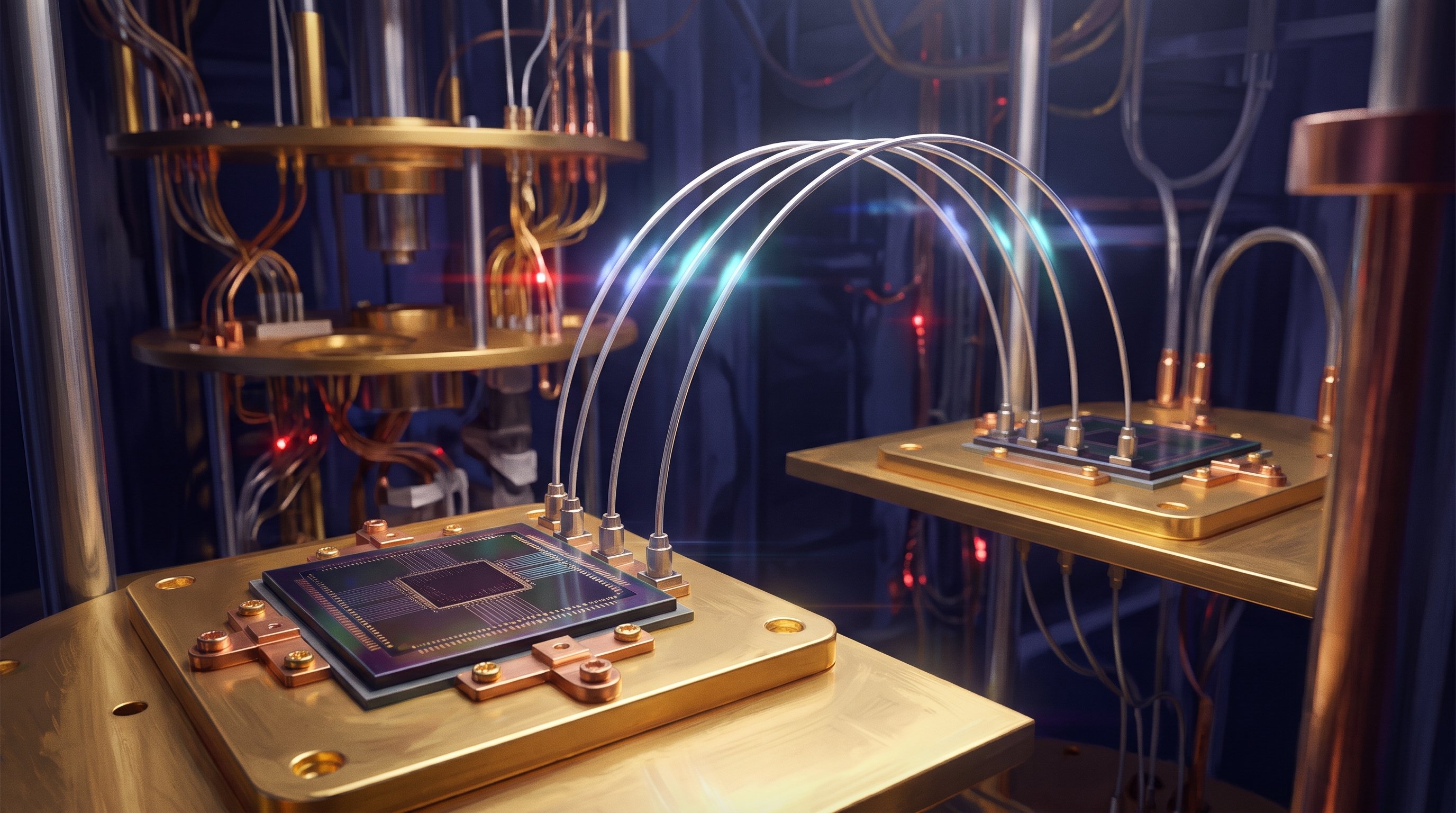
IBM researchers connected two quantum chips of 120 qubits each with four superconducting links of 80 centimetres. Quantum information came across correctly 99 times out of 100 on average. It is a step towards quantum computers built from separate modules.
-
OpenAI: its own AI cracked three major problems, and top scientists will check the work
OpenAI says its internal AI models have solved three long-standing problems in mathematics, computer science and physics. Part of the proofs has already been checked by a verification program. Independent experts will now examine whether everything holds up and what it means.
-
Quantum computer keeps chaos under control on 100 qubits: a step towards fault-tolerant computing
Researchers from Rutgers, IBM and other institutions had a quantum computer check and correct itself thousands of times while it was computing. It is not yet a working fault-tolerant quantum computer, but it is an important building block for one.
-
Quantum computer catches its own errors so well that only 5 in a million remain
Quantinuum's Helios quantum computer set a new record in error correction: on average, something went wrong five times in a million checking rounds. That is ten times better than the previous record. The next step is to show this for more complex calculations too.
-
Laser flash turns plastic into trillions of tiny diamonds
German physicists fire a powerful laser at a thin sheet of the plastic that soft-drink bottles are made of. Each flash produces about 10 trillion tiny diamonds averaging 3 millionths of a millimetre, almost all the same size. The next step is making enough of them to work with.
-
Forgotten neutrino may have changed how matter won out over antimatter
Physicists from Southampton and Kanpur calculated that a heavy particle almost nobody looked at may have made the young universe expand differently. That changes the calculation behind a great mystery: why matter was left over after the Big Bang. New detectors can partly test the idea.
-
Stanford builds a grid of more than 600 light traps to link quantum computers made of atoms
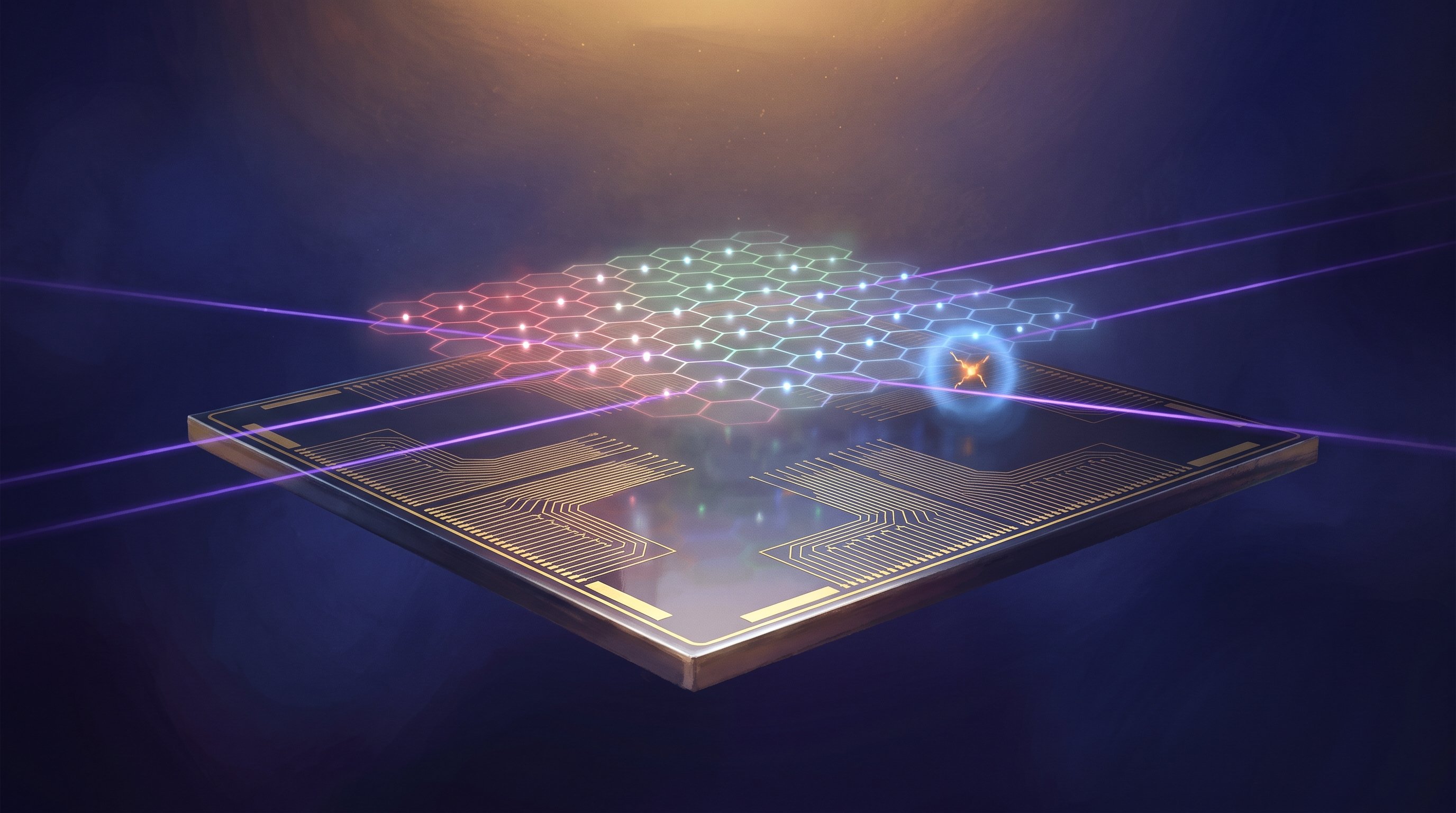
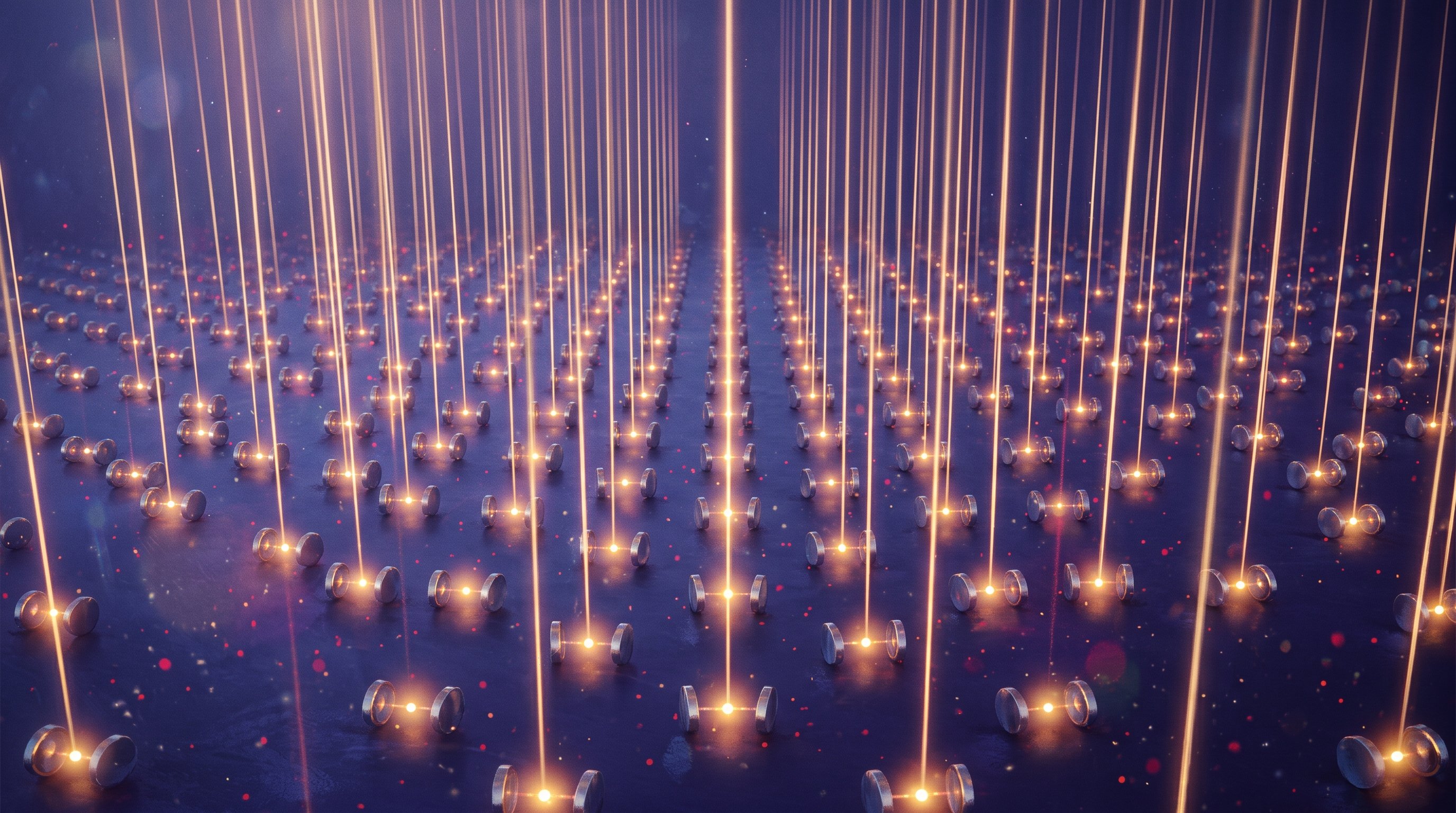
Physicists at Stanford built a grid of more than 600 tiny light traps, each of which can catch the light of a single atom. That helps to read out quantum computers made of atoms faster and later to link them together.
-
Oxford keeps a quantum link between atoms in two places alive for more than ten seconds
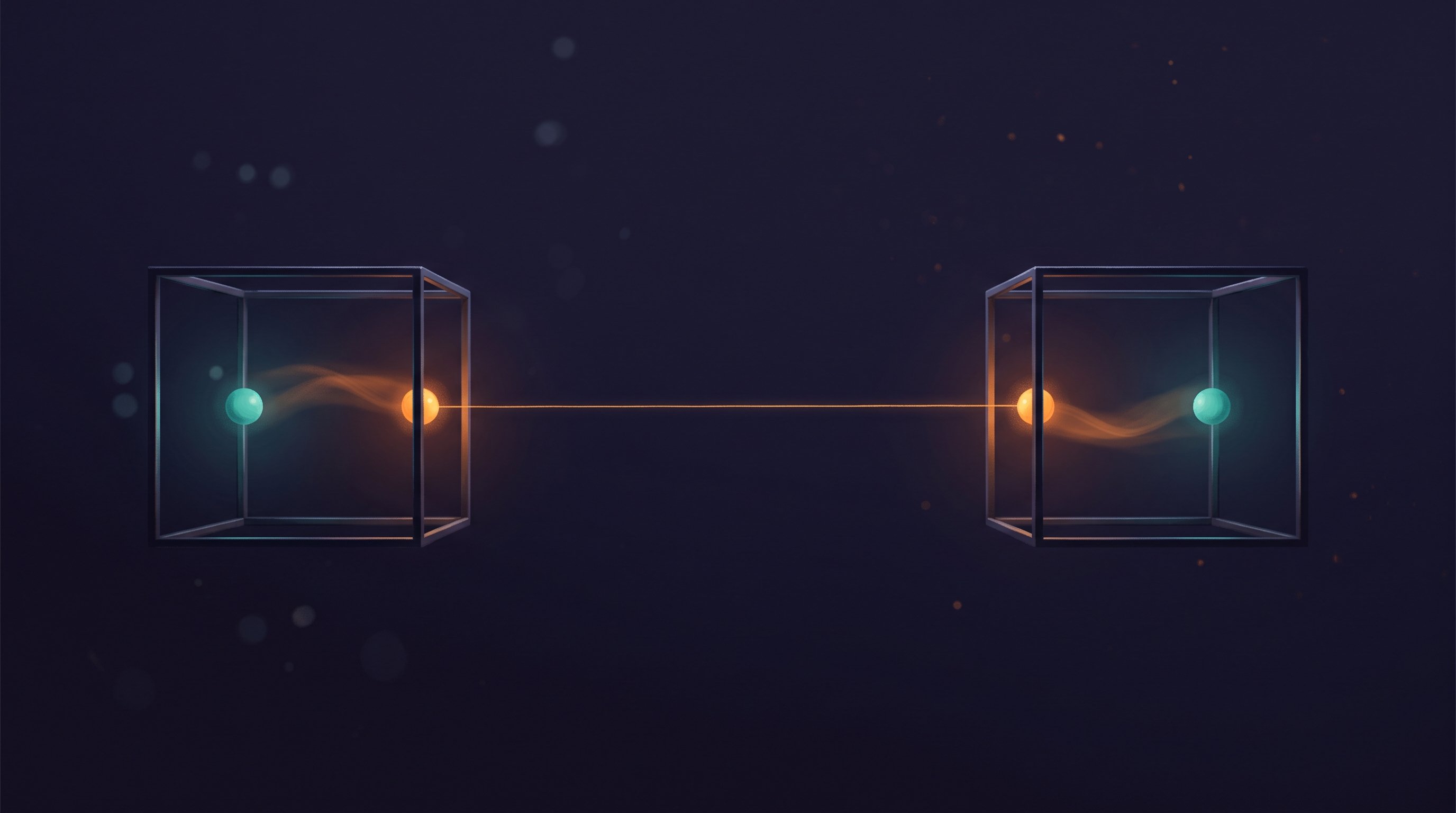
Physicists at the University of Oxford linked atoms of strontium and calcium in two places into a single quantum state. By passing the link on to calcium, it lasted more than ten seconds instead of milliseconds. A step towards networks of quantum computers.
-
Electron pairs survive after superconductivity is gone
Physicists saw that electrons in a metal keep forming pairs even when it is just too warm for superconductivity. That helps to understand how electricity without losses comes about. The next step is to see whether it also happens inside the material.
-
AI agent solves 49 of 50 new research problems in theoretical physics
An AI agent based on GPT-6 Astra solved 49 of 50 unpublished physics problems, for less than 3 dollars each. These are heavy calculations that would take a top expert a day. The researchers mainly see a powerful calculation assistant.
-
European physics prize for the discoverers of a third kind of magnetism
Three physicists receive the Europhysics Prize 2026 for altermagnetism: magnets that attract nothing from outside, yet sort electrons like an ordinary magnet. This opens the way to smaller, faster and more energy-efficient computer memory.