Nederlands
Protein
Proteins are the workhorses of the body: molecules that build, transport, pass on signals and speed up reactions. They consist of chains of amino acids that fold into a fixed shape.
A protein is a molecule that carries out a task in a living cell. There are proteins that make muscles contract, proteins that carry oxygen through the blood, and proteins that recognise invaders. Your body uses tens of thousands of different kinds.
How does it work?
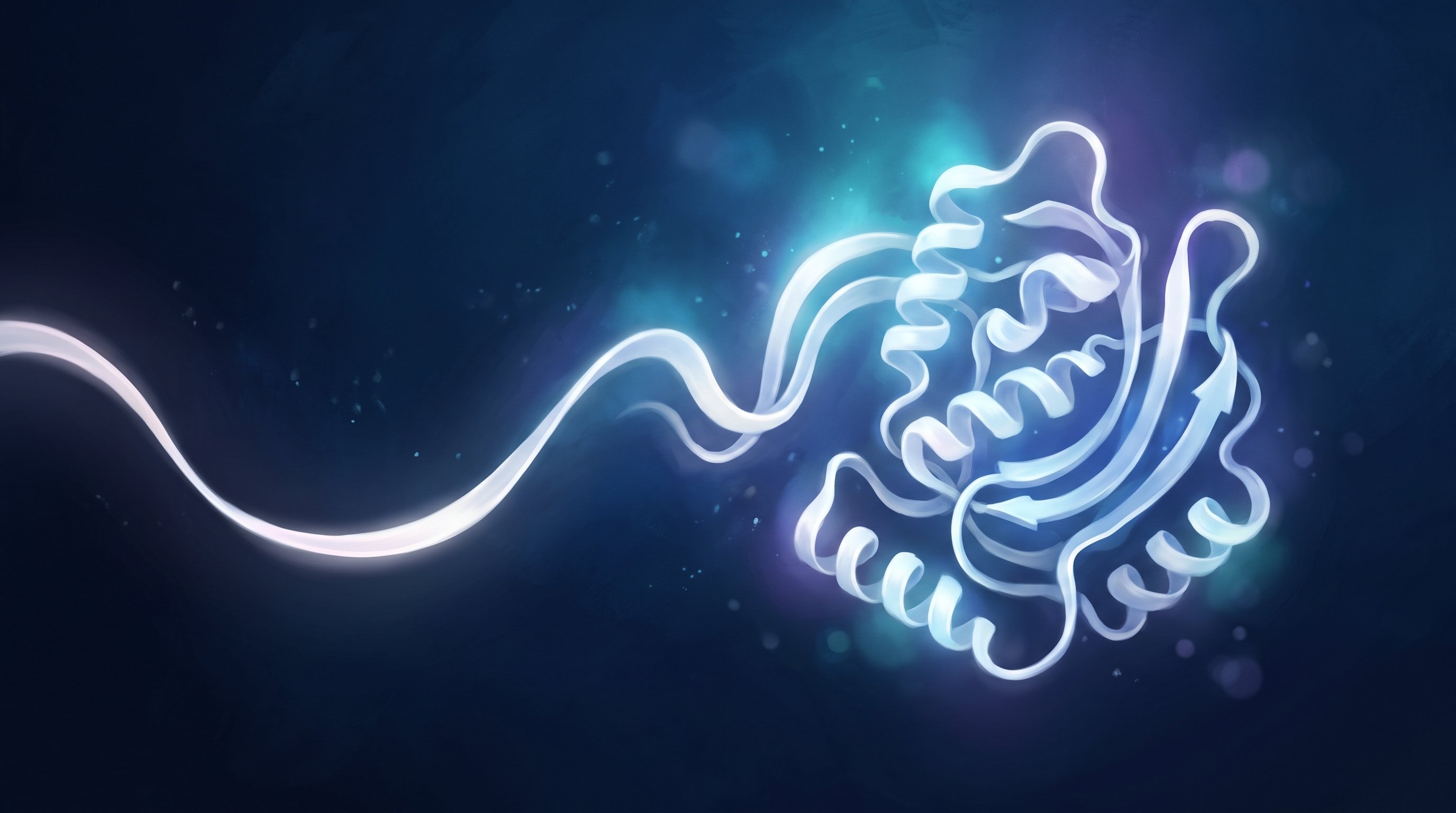
A protein is a long chain of amino acids, small building blocks of which there are twenty kinds. The order of those building blocks is fixed in the DNA. After it is made, the chain folds up into a three-dimensional shape, a bit like a thread folding into a tangle, but always in the same way. That shape determines the task. Many proteins have a sort of pocket into which exactly one substance fits, like a key in a lock.
A well-known group are the enzymes. These are proteins that start or speed up a chemical reaction. They cut food into smaller pieces, for example, or convert one substance into another. Other proteins are antibodies, which attach to a target and so help with defence.
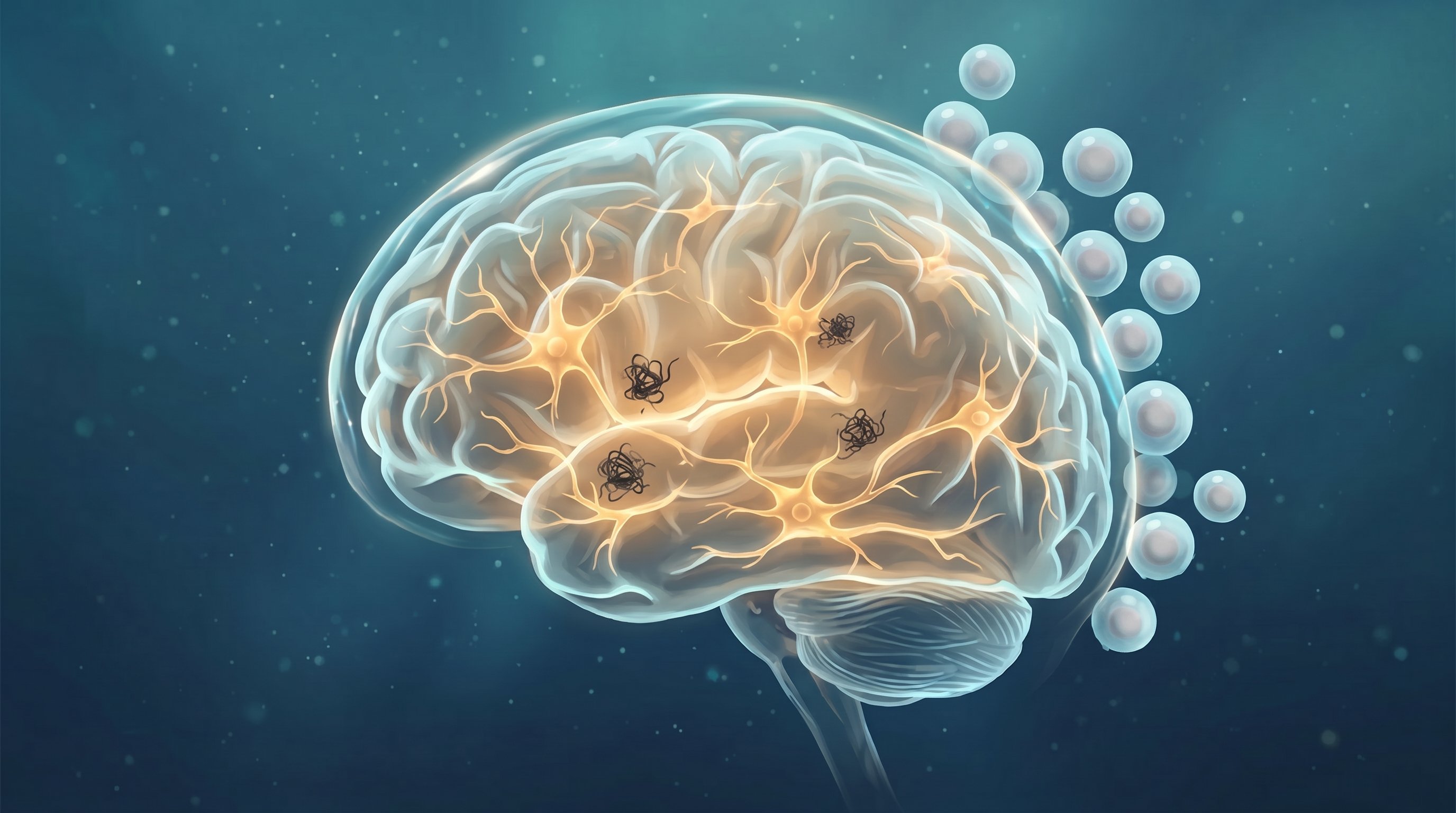
If the shape is wrong, a protein cannot do its job. In diseases such as Alzheimer's, proteins clump together in a way that causes damage.
Why it matters
Anyone who understands proteins understands a large part of biology and medicine. Many medicines work by blocking a protein or by helping it. That is why protein research is one of the areas where AI is currently advancing fastest.
Chinese researchers had an AI model design proteins from a description in plain language, and in four trials the result did what was asked, such as giving off light and breaking down plastic (link). With BioEmu-2, Microsoft is sharing a model for free that lets researchers predict which shapes a protein can take. That matters, because a protein does not stand still: its movement determines what it can do (link). At Tencent, the research AI Hyra builds its own tools for protein research and mathematics, and models for proteins and molecules are already public (link).
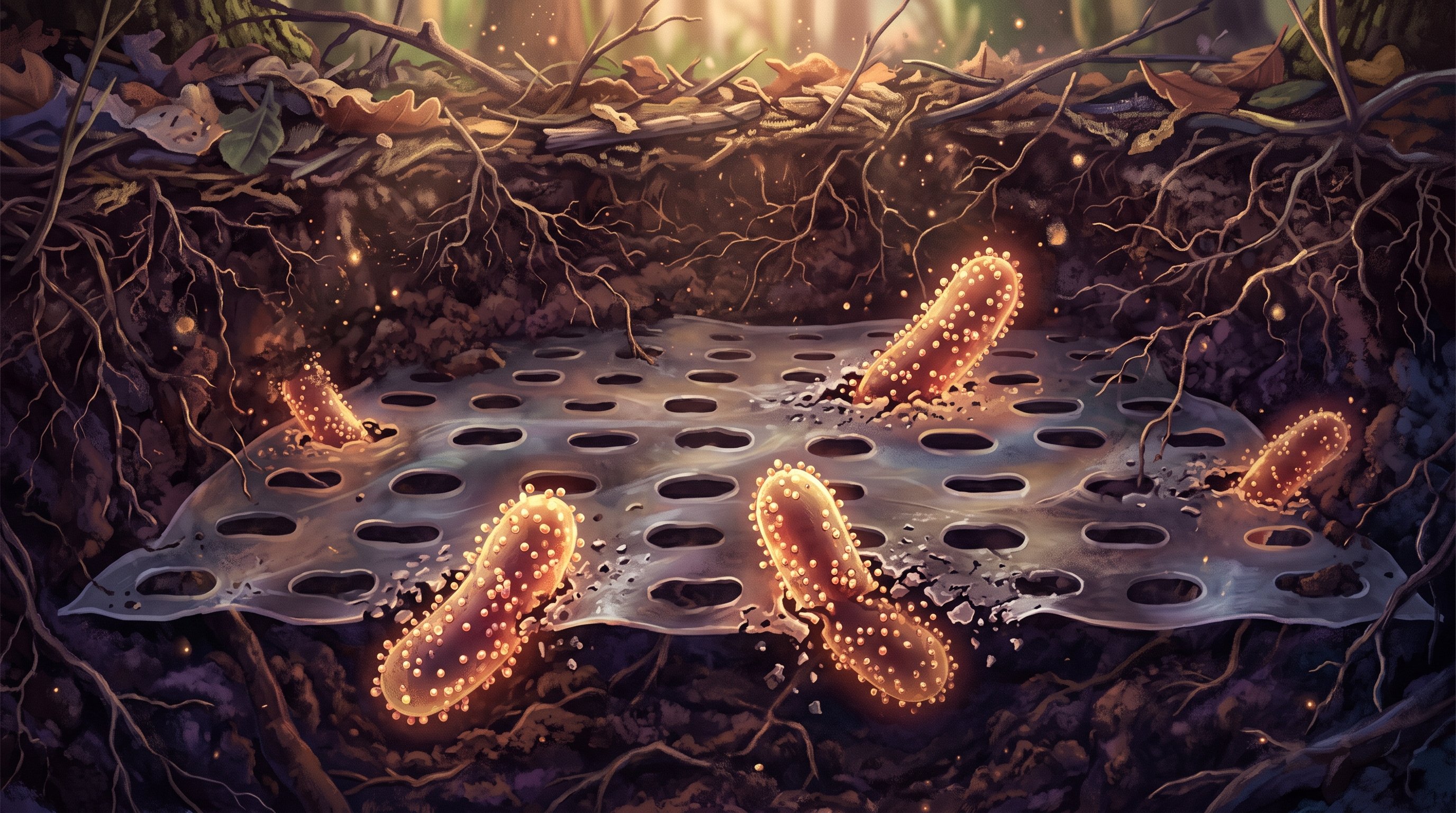
Proteins are versatile in nature too: an enzyme that bacteria in forest soil use to break down bioplastic turns out to render penicillin harmless as well (link).
Articles about Protein
-
Breakthrough in hepatitis B: first medicine that lets 1 in 5 patients stop taking pills
In the United States, a medicine has now been approved that can 'functionally' cure chronic hepatitis B in some patients. After six months of injections, the virus stayed under control in about 1 in 5 participants, even when they stopped all medication.
-
AI model designs working proteins from a sentence in plain language
Researchers in China have built an AI model that designs proteins from a description in plain language. In four trials, the result actually did what was asked of it: give off light, break down plastic, convert alcohol and help capture CO2.
-
Claude designs proteins against scorpion venom in 64 hours: 17 bind to their target in the lab
A research version of Claude designed over 318,000 small proteins against five scorpion toxins in 64 hours. Two labs made 211 of them, and 17 bound firmly to their toxin. It is not yet an antidote, but it is a first step.
-
Antibody keeps immune cells out of the brain and slows Alzheimer's damage in mice
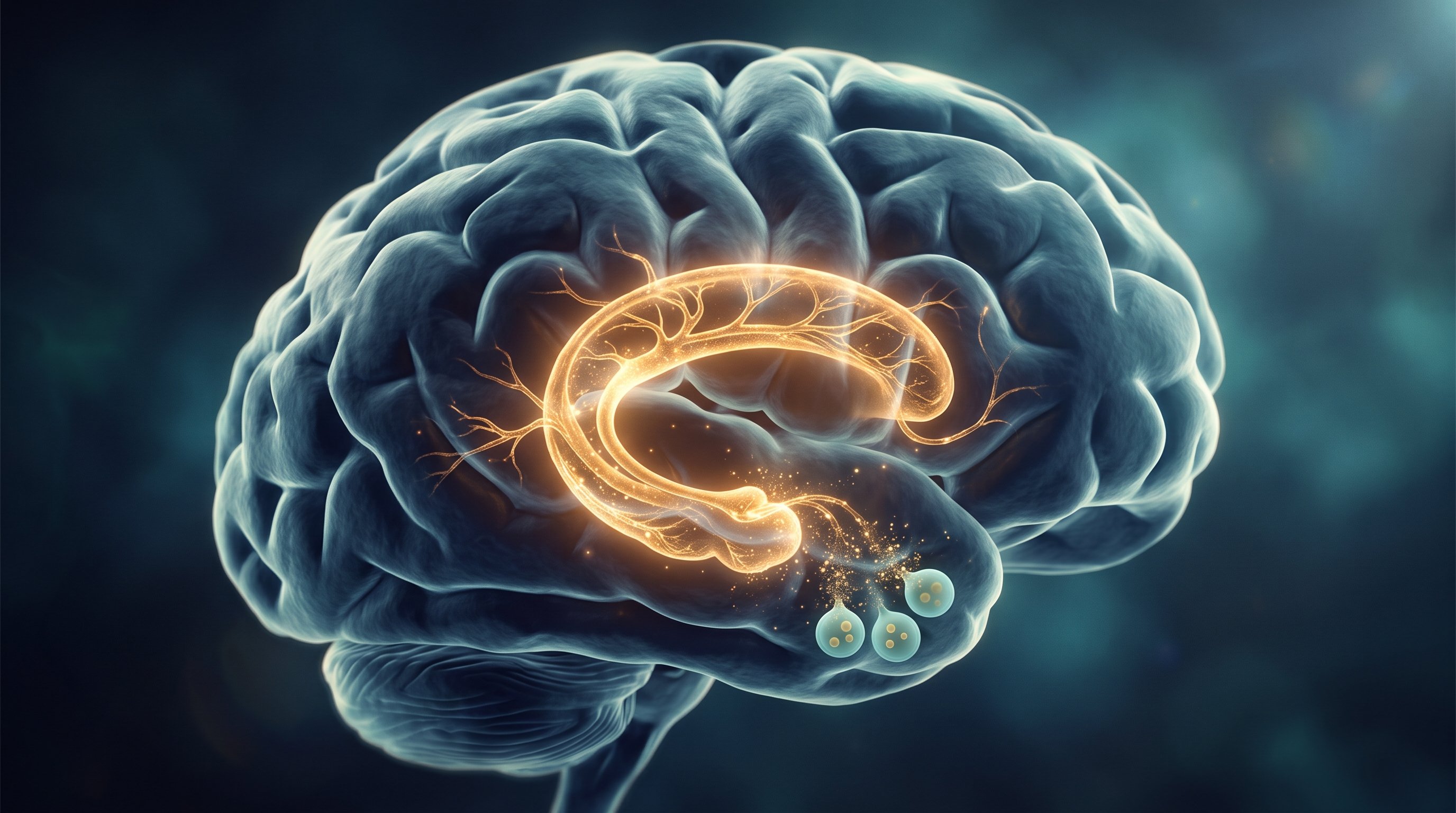
Researchers in St. Louis blocked the route immune cells take into the brain in mice. The mice kept about 40 per cent more brain tissue and remembered better, while the harmful protein tau simply stayed in place. The next step is finding out whether this can be done safely in people.
-
Bacteria in forest soil eat bioplastic with a 'Pac-Man enzyme' that also disarms penicillin
Researchers at the University of Konstanz buried bioplastic in forest soil and found the enzyme bacteria use to eat it. That enzyme also turns out to make penicillin harmless. The discovery helps with better biodegradable plastic and with research into resistance.
-
Probiotics slow an early blood sign of Alzheimer's in Korean study
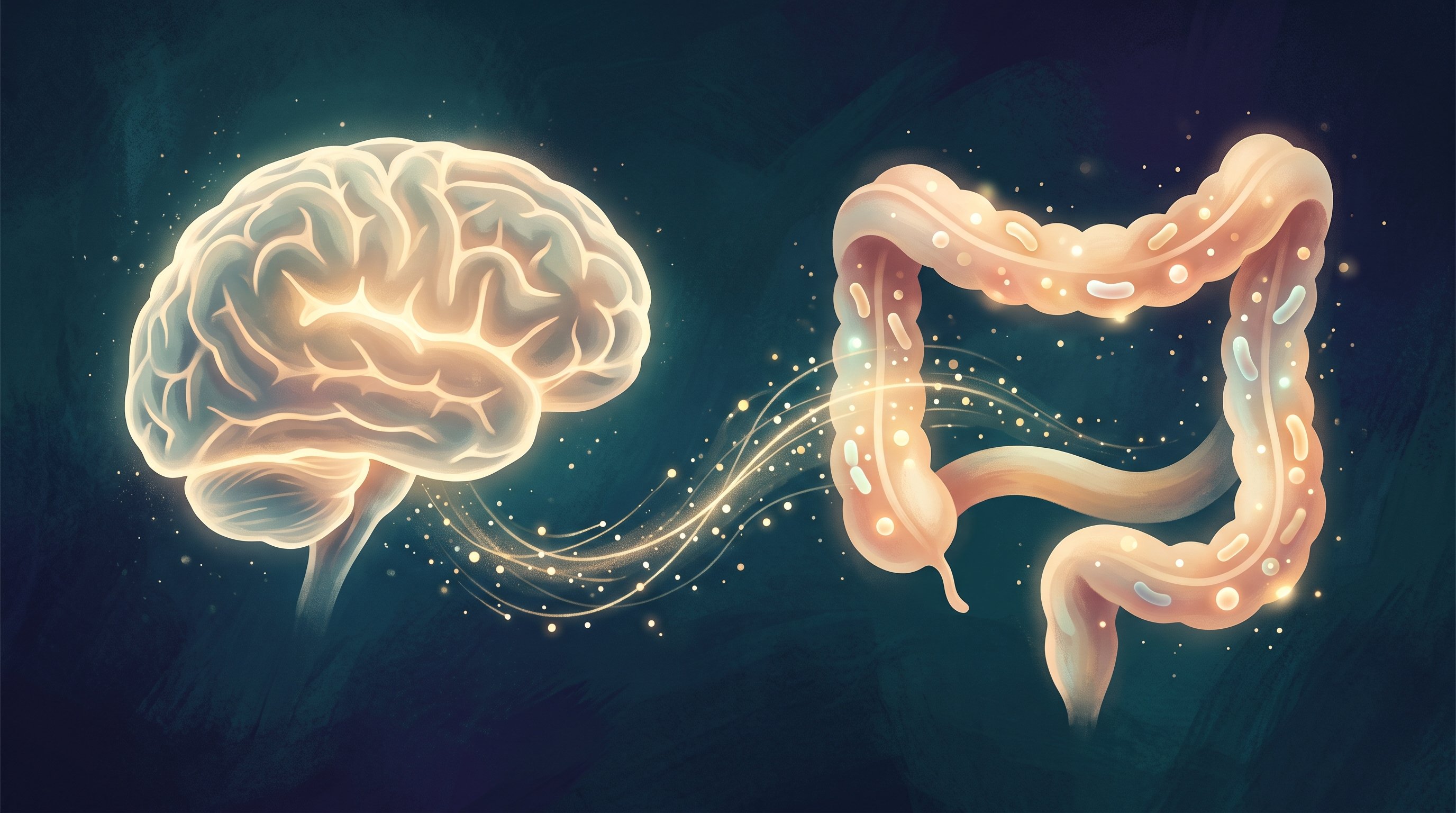
In a South Korean study, older people with early memory problems took good gut bacteria or a dummy treatment every day for half a year. In the probiotics group, a blood value linked to Alzheimer's went down. Larger and longer studies now need to confirm this.
-
Substance from the beech mushroom makes salt taste much saltier
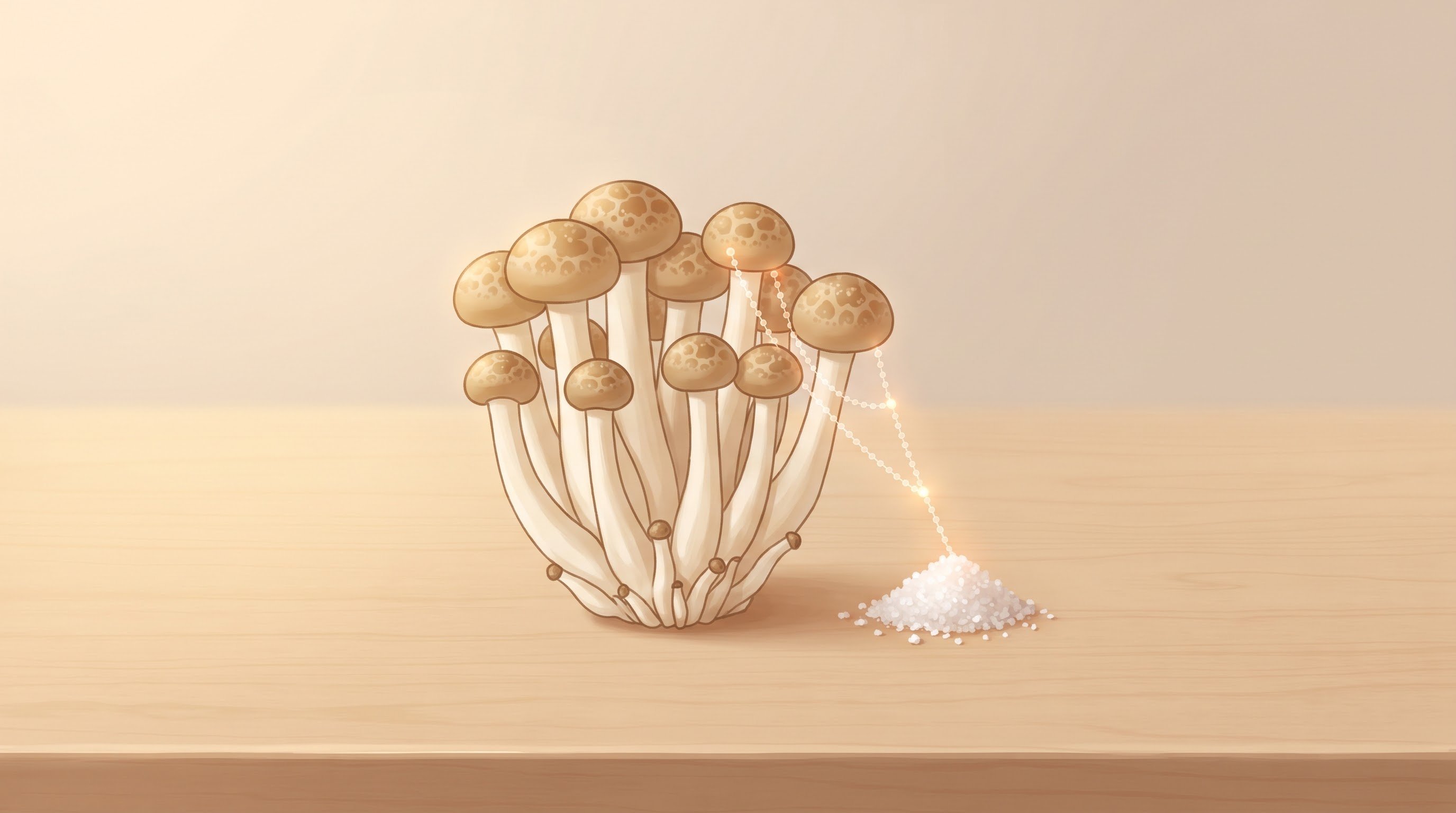
Chinese researchers found three small protein fragments in the beech mushroom that make salt water taste saltier, the strongest by almost 71 per cent. AI helped with the search. The next step is to test them in real food, and to find out how much salt can then be left out.
-
MIT teaches AI to see how crystals are built, and that helps the search for new materials
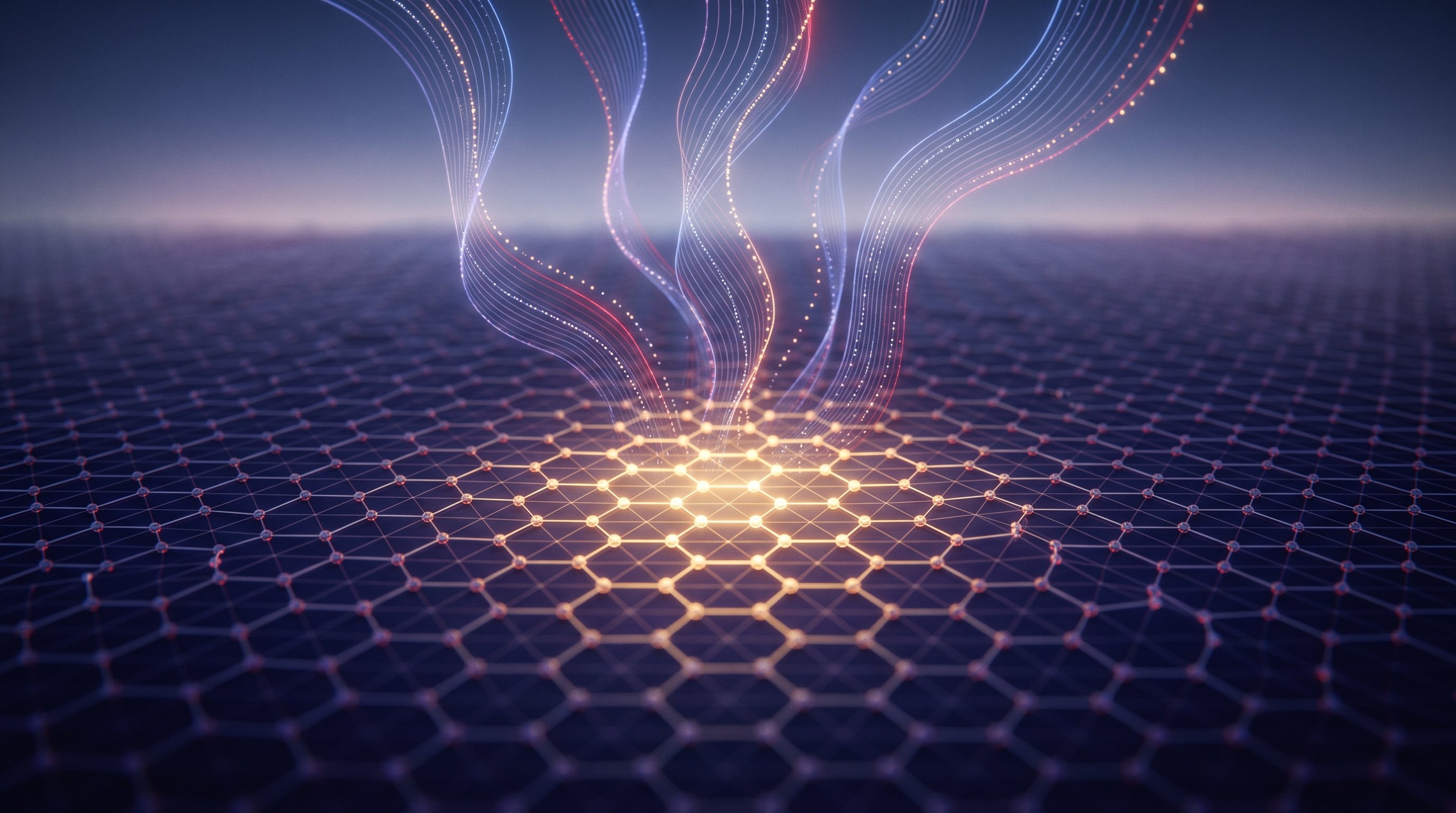
Language models know a lot about materials, but cannot 'see' how a crystal is built. MIT researchers linked 3D structures to descriptions in plain language. As a result, their model finds better candidates, for example for batteries.
-
Brain enzyme helps keep memory sharp in old age
Researchers in Boston have discovered an enzyme that the brain itself makes more of as we get older, and that seems to protect memory. In old mice, an extra dose kept memory in better shape. The next step is to find out whether this can also be done safely in humans.
-
Biologists search for new antibiotics with AI agents and find a first candidate
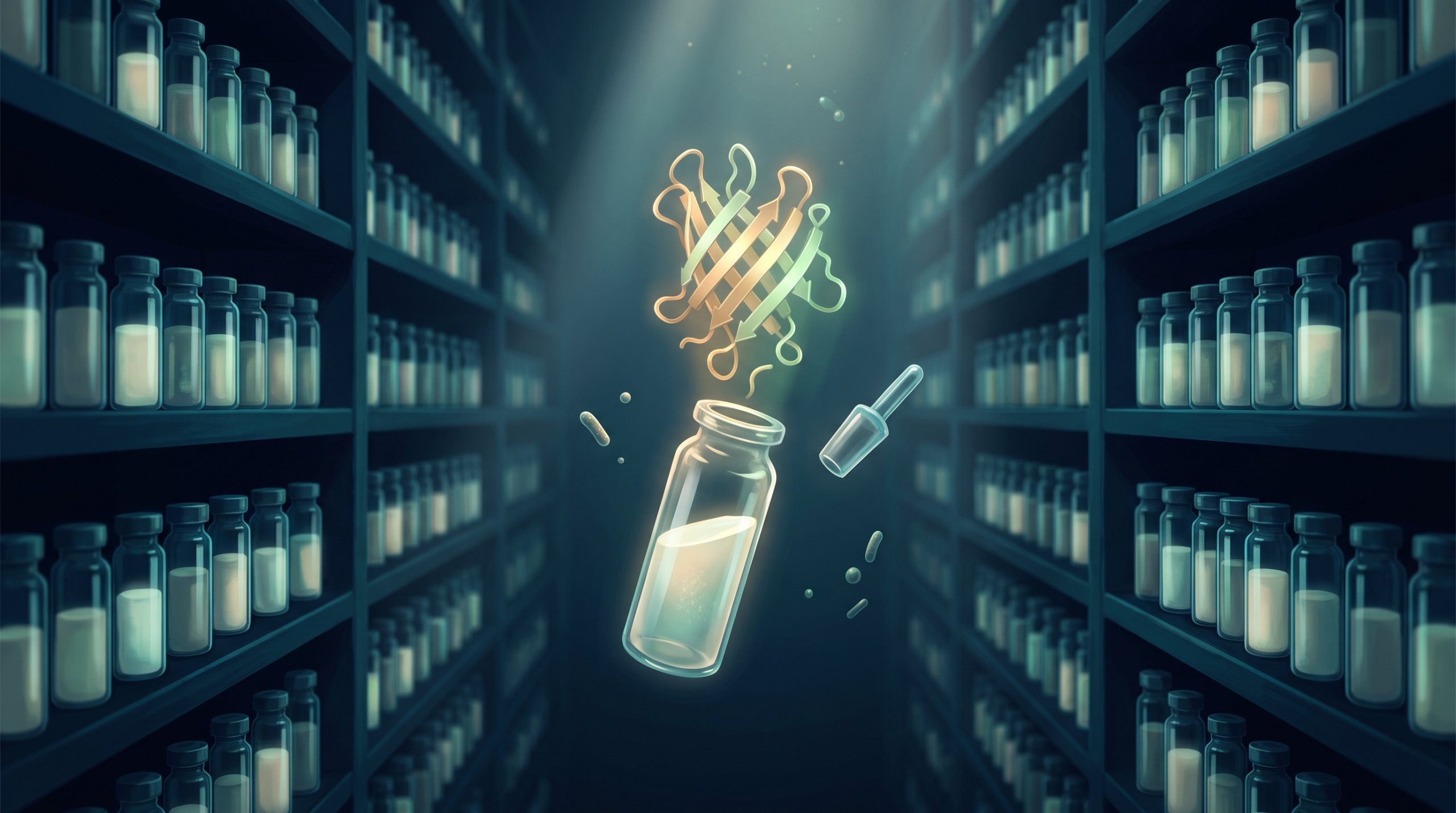
Google had biologists search together with AI agents through databases full of proteins whose function nobody knows. They arrived at a small protein from a respiratory bacterium that, according to the predictions, tackles hard-to-fight bacteria. It is now being tested in the lab.
-
Overlooked immune cells can recognise and kill small-cell lung cancer
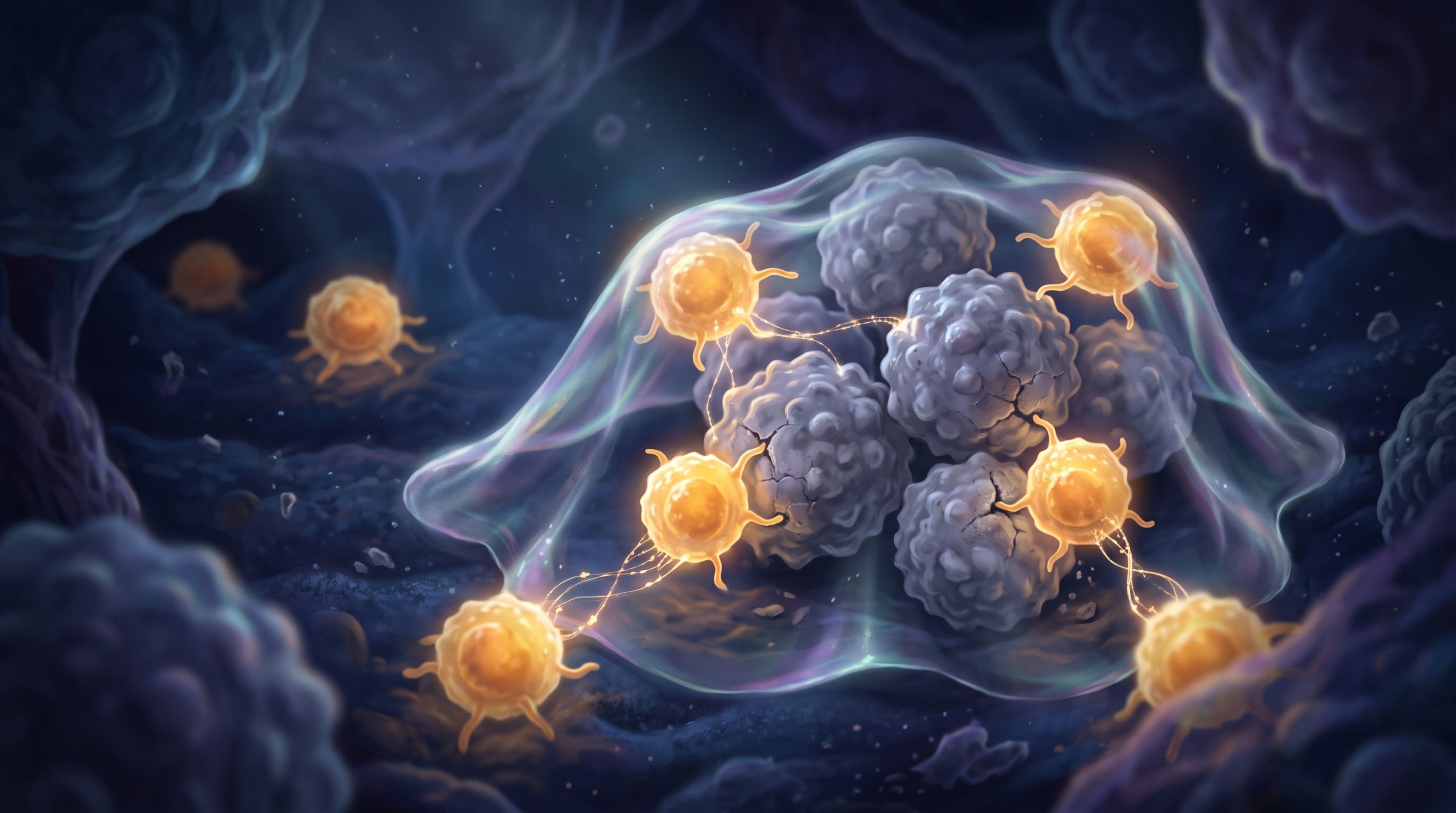
Australian researchers discovered that a little-known type of immune cell can track down an aggressive form of lung cancer, even when it hides from the rest of the immune system. Two existing medicines made that attack stronger in the lab. The next step is research in patients.
-
Gemini 4 Argon widely available: Google back among the leaders
Google has rolled out Gemini 4 Argon widely. On paper it beats GPT-6 Astra and Claude Opus 5.5 on 13 of 19 benchmarks, but independent measurements put it alongside the competition, not above it. The biggest leap is in price, long context and science.
-
Blood cells from an 80-year-old become young brain stem cells in the lab
Researchers in Bonn have directly converted blood cells from an 80-year-old into neural stem cells with a molecular age of under 20. The rejuvenation happened gradually, and that is exactly what makes it a useful model for unravelling how cells become younger.