Nederlands
NVIDIA Vera Rubin makes its debut in MLPerf tests for training and AI agents
NVIDIA's new Vera Rubin system was the fastest in six of the seven MLPerf training tests on its first time taking part. In a new test with AI agents, preliminary figures show it did up to just over ten times as much work per kilowatt as the previous generation.
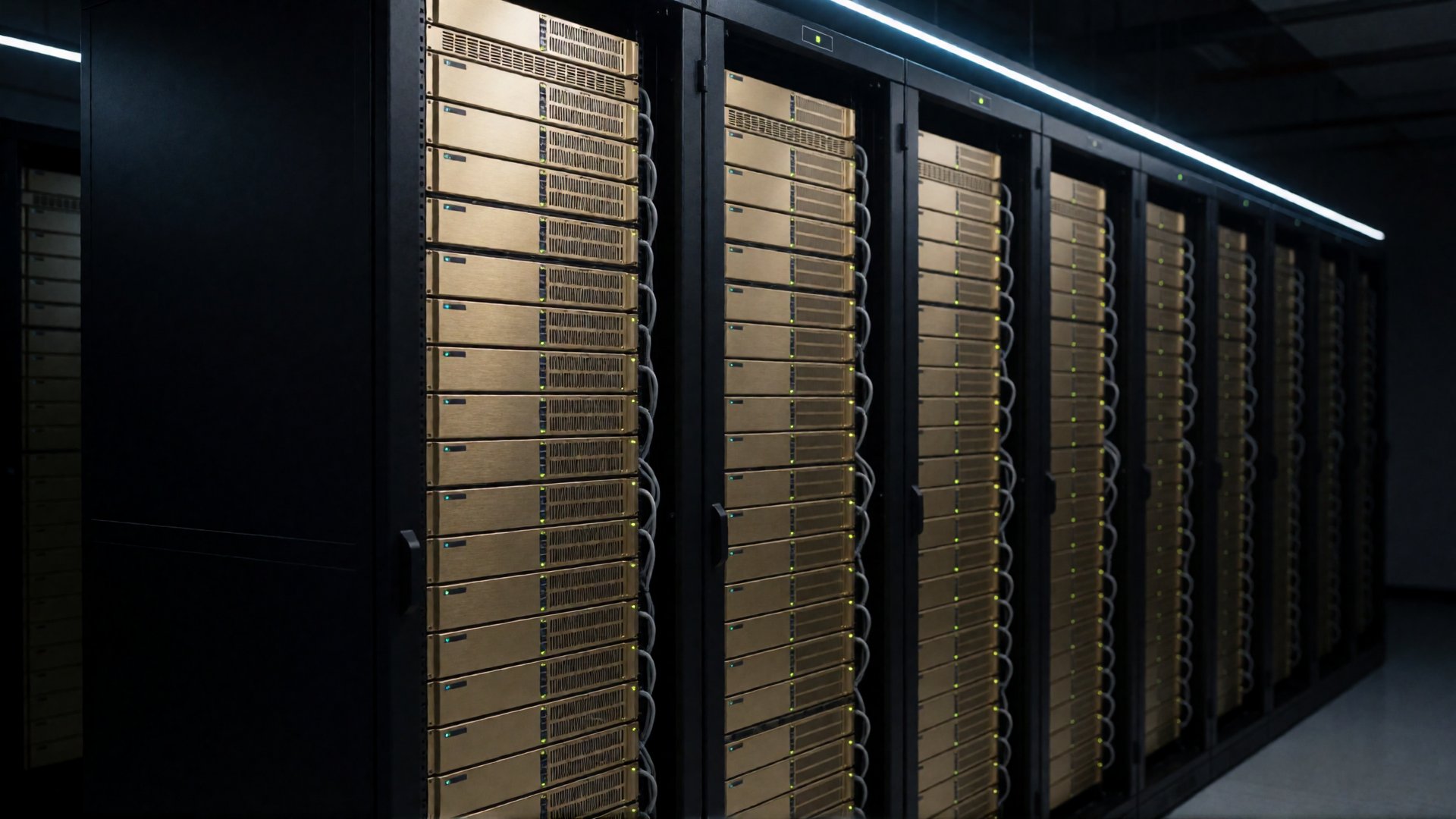
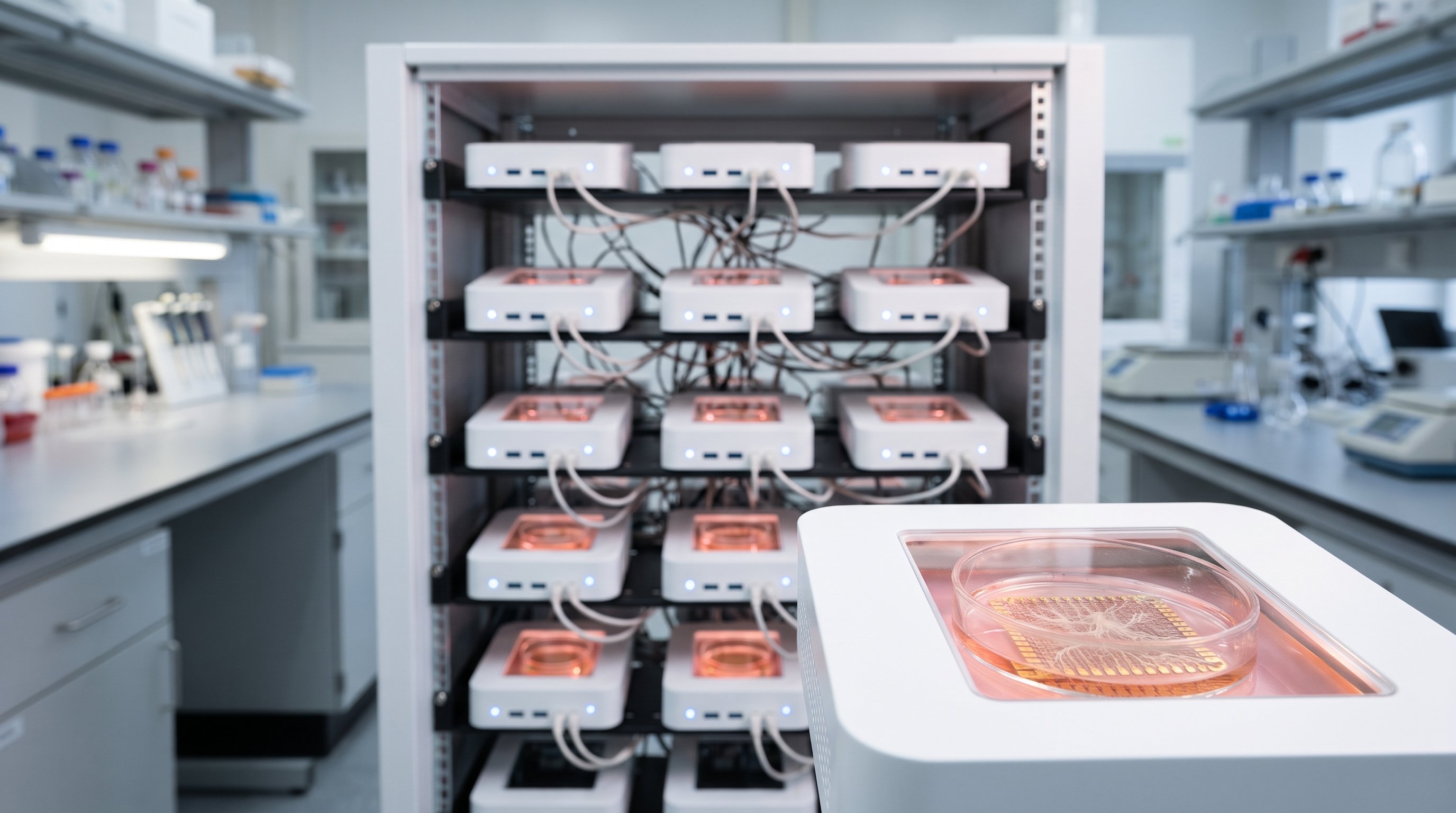
NVIDIA's new generation of AI hardware, Vera Rubin, has taken part in the MLPerf training tests for the first time. MLPerf is a set of standard tests that the industry association MLCommons uses to measure how fast computer systems from different makers train and run AI models. NVIDIA tested the Vera Rubin NVL72, a complete server cabinet full of AI chips that work together as one large computer. The results were published . In September 2026, Vera Rubin already took part in a preliminary category of the MLPerf tests for running AI models.
The training round, MLPerf Training v6.1, had seven tests: large language models such as DeepSeek-V3, a model that creates images, a recommendation system like the ones online shops use, and further training of a model by rewarding it for good answers. Only systems with NVIDIA chips submitted a result for all seven. Vera Rubin was the fastest on six of them. On the seventh, a much larger set-up with the previous generation of NVIDIA chips, GB300, won.
Twice as fast per chip
According to NVIDIA, Vera Rubin does up to twice as much work per GPU, the type of chip that does the calculations for AI, as the GB300 system. On the other six tests it was 1.4 to 1.6 times as fast. The clearest example is DeepSeek-V3, a language model with 671 billion settings: with 1,024 chips, training on Vera Rubin was finished after 4.14 minutes, compared with 8.03 minutes on the same number of GB300 chips. With four times as many chips, it also went almost four times as fast. Usually, scaling up like this loses a lot of computing power because the chips have to keep communicating with each other.
The fastest time of the whole round on that test did come from the older GB300: 1.38 minutes, with 10,240 chips spread over 160 server cabinets. Microsoft submitted an equally large set-up with its cloud service Azure, using the even older GB200 chips. Twenty organisations took part in the round with NVIDIA hardware, and about 80 per cent of all submissions in the main category ran on NVIDIA chips.
More work per kilowatt for AI agents
MLPerf Endpoints is new. This test measures how well a system serves AI agents: programs that carry out a task in several steps on their own and call on tools as they go, for example in programming work or business processes. The test looks at how many users a system can handle at once, how fast each user gets an answer and whether the agent calls the right tools.
With the language model Kimi K3, Vera Rubin processed more than ten times as much text per kilowatt of electricity as GB300, according to NVIDIA, while each user got at least 50 tokens per second. Tokens are the small pieces of text in which a model reads and writes; 50 per second is faster than a person can read. With two smaller models, the difference was five to nine times. Vera Rubin's results are still preliminary: MLCommons still has to check them. The GB300 results have already been checked.
What does this mean for the road to the singularity?
AI agents are already common in programming work, and they are hungry: one task takes dozens of steps, and every step is computing work. What a data centre can deliver is more and more often limited by how much electricity it gets from the grid, not by how many chips are for sale. If a server cabinet with the same power connection does five to ten times as much agent work, the same building can run many times more agents. The demand is already there: at the end of October 2026, SpaceX signed a rental contract worth about 40 billion dollars (about 36 billion euros) for AI equipment, including Vera Rubin chips.
For competitors with their own AI chips, this raises the bar again: anyone who delivers much less per kilowatt has to become cheaper or lose customers. If that race continues, the price of an agent task will fall further. An agent can then check its own work more often and think for longer before it answers, and it becomes affordable to let an agent work on one problem for a whole day. Faster training helps here too: researchers can try out more versions of a model in the same time. This does not automatically lower total electricity use, because cheaper computing is usually used more.
What is the technological singularity? Read the explanation →