Nederlands
Topic
#Materiaalkunde
-
Bacteria turn sand into building material, without a hot kiln
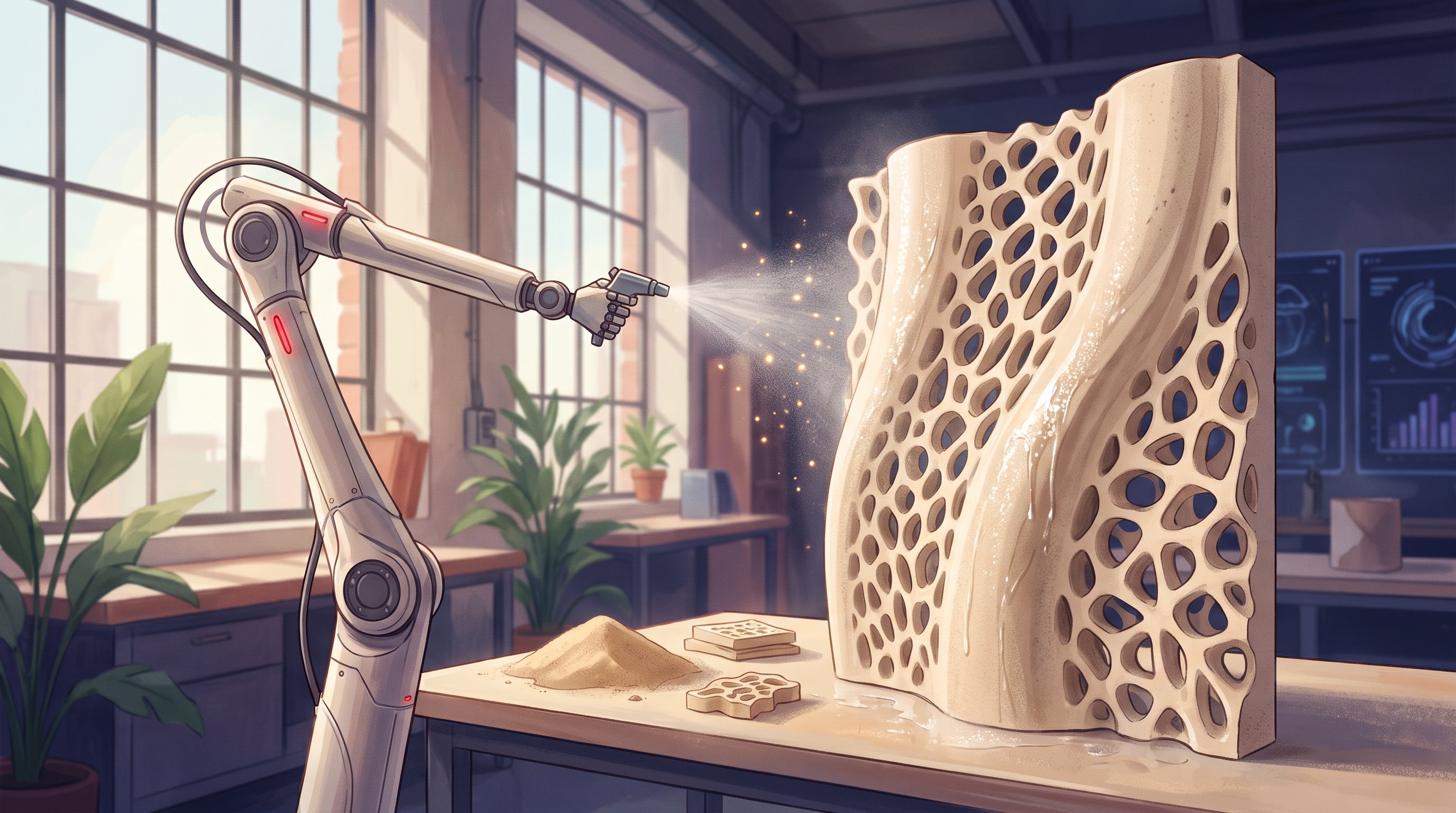
Researchers at ETH Zurich let bacteria glue grains of sand together into a kind of stone, at room temperature. They print and spray facade and wall elements with it. The material is now about as strong as mortar; the next step is to make it stronger and cleaner.
-
Electron pairs survive after superconductivity is gone
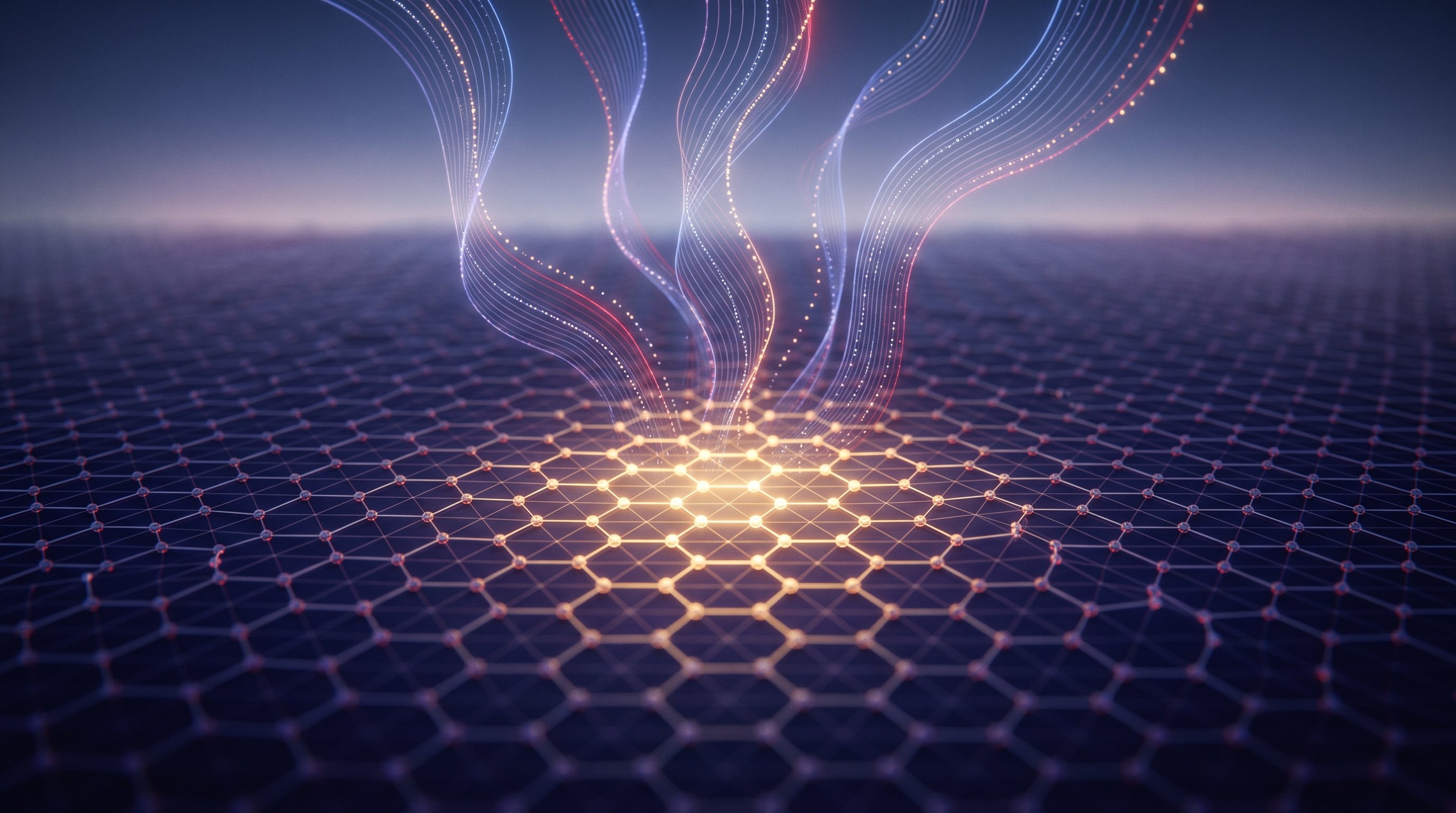
Physicists saw that electrons in a metal keep forming pairs even when it is just too warm for superconductivity. That helps to understand how electricity without losses comes about. The next step is to see whether it also happens inside the material.
-
Lid insert with a sunlight catalyst takes the stink out of the bin
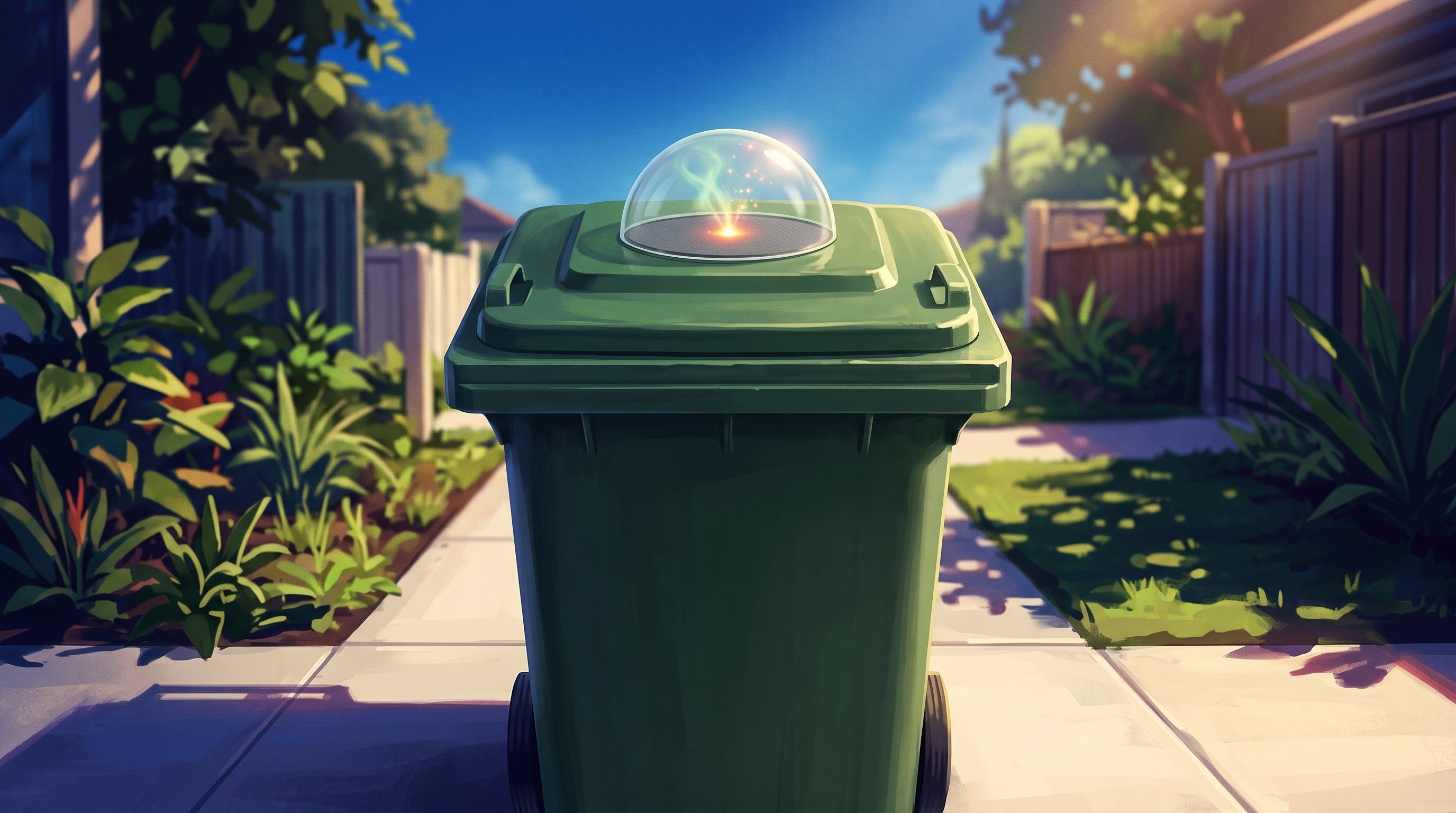
Chinese researchers have built a transparent insert for the lid of a wheelie bin. A lens focuses sunlight onto a cheap catalyst, which breaks down the sour smell of rotting waste. In an outdoor test it did so for more than 40 days in a row.
-
Old CDs, Lego bricks and packaging become a sponge that pulls water from the air
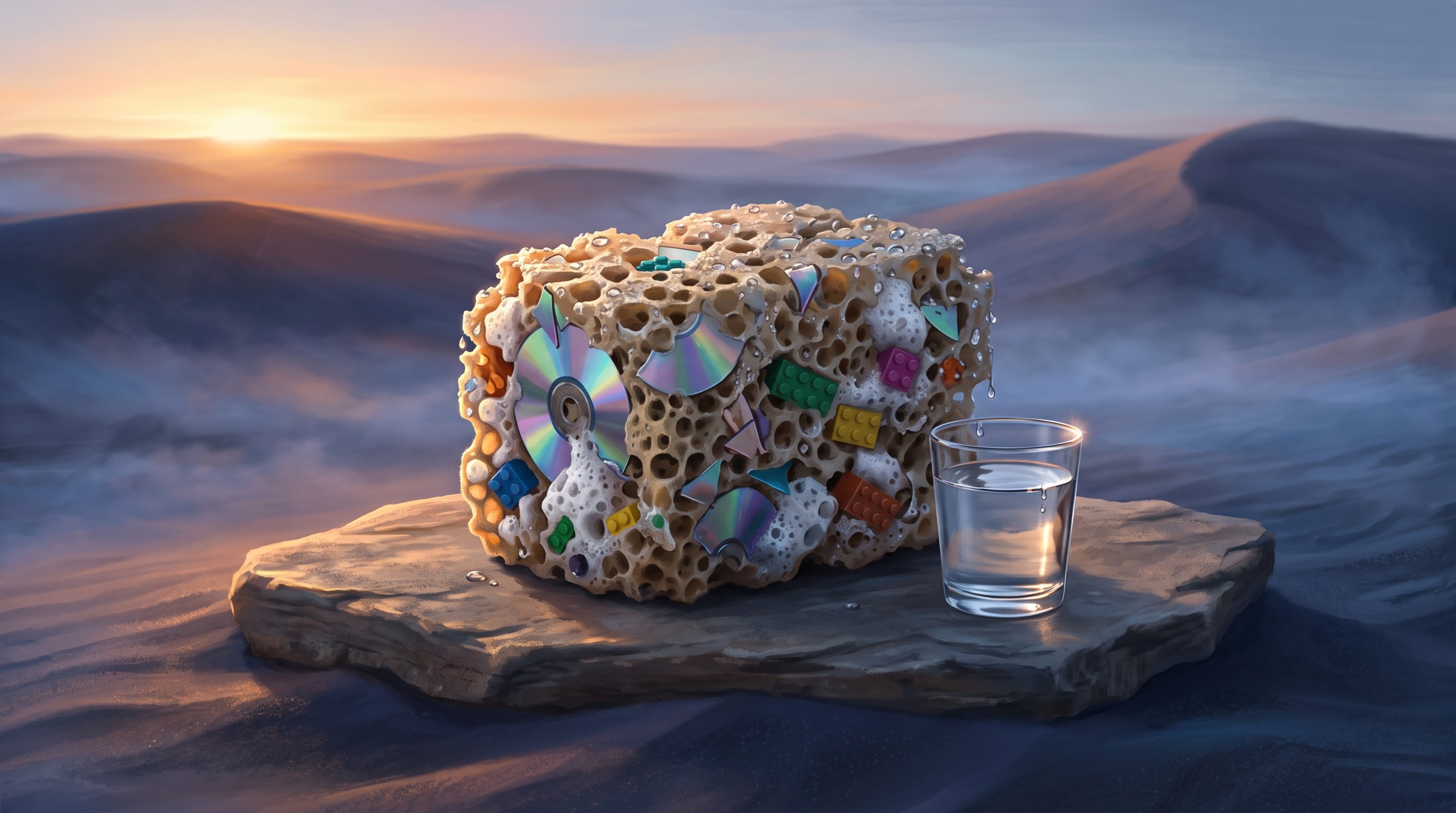
Chemists at the University of Vienna turn plastic waste into a sponge that captures water vapour from the air, even when the air is dry. With a little heat, for example from the sun, the water comes out again. The next step is to test how long the material lasts.
-
Salt-filled gel lets walls and windows store heat
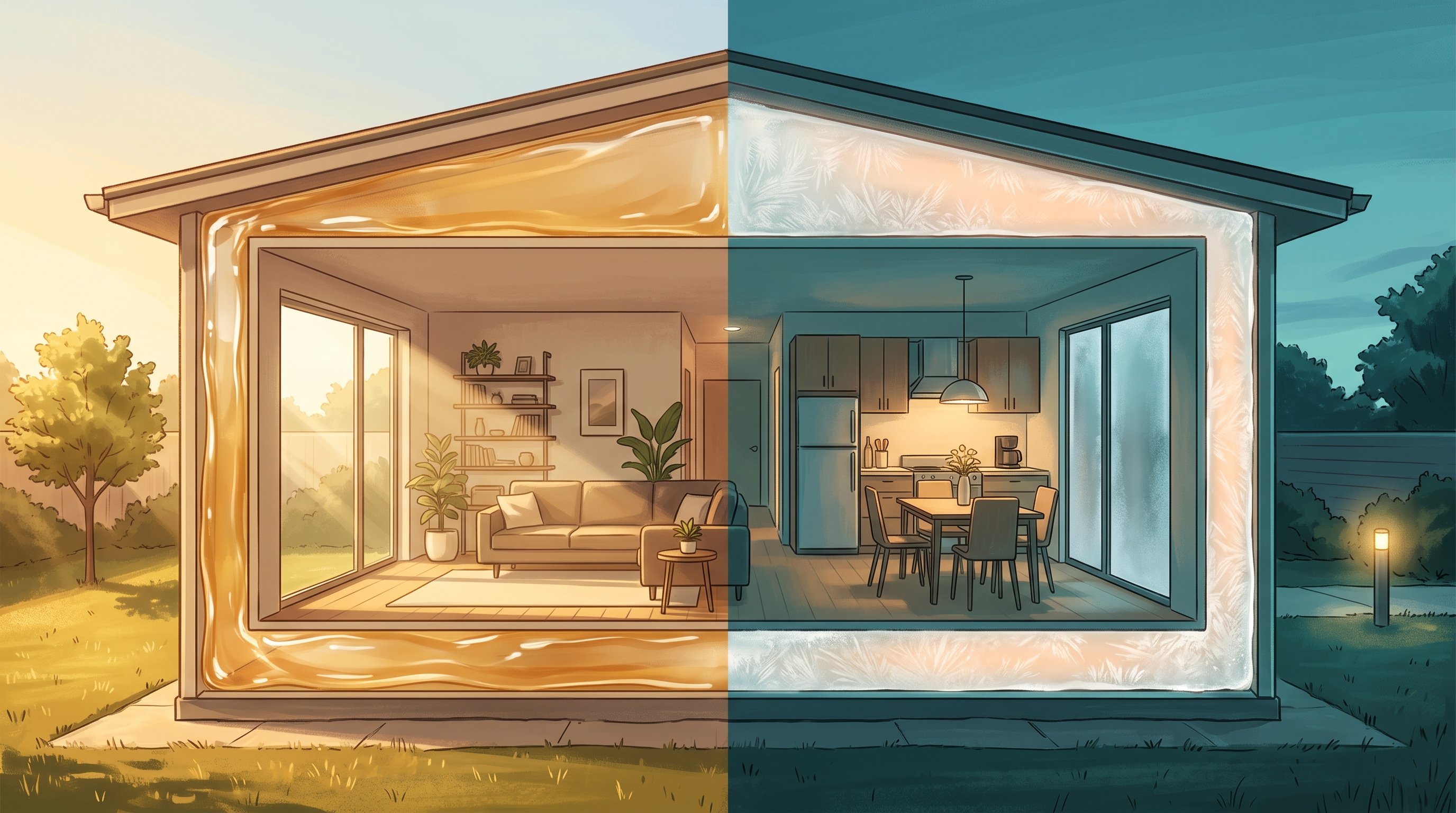
Gels full of salt can store heat in walls, floors and windows during the day and release it again in the evening. Researchers at Texas A&M University have reviewed how far these 'salogels' have come. The first small tests are promising; the step to real buildings is next.
-
Printed brain-inspired chip dissolves in six minutes after use
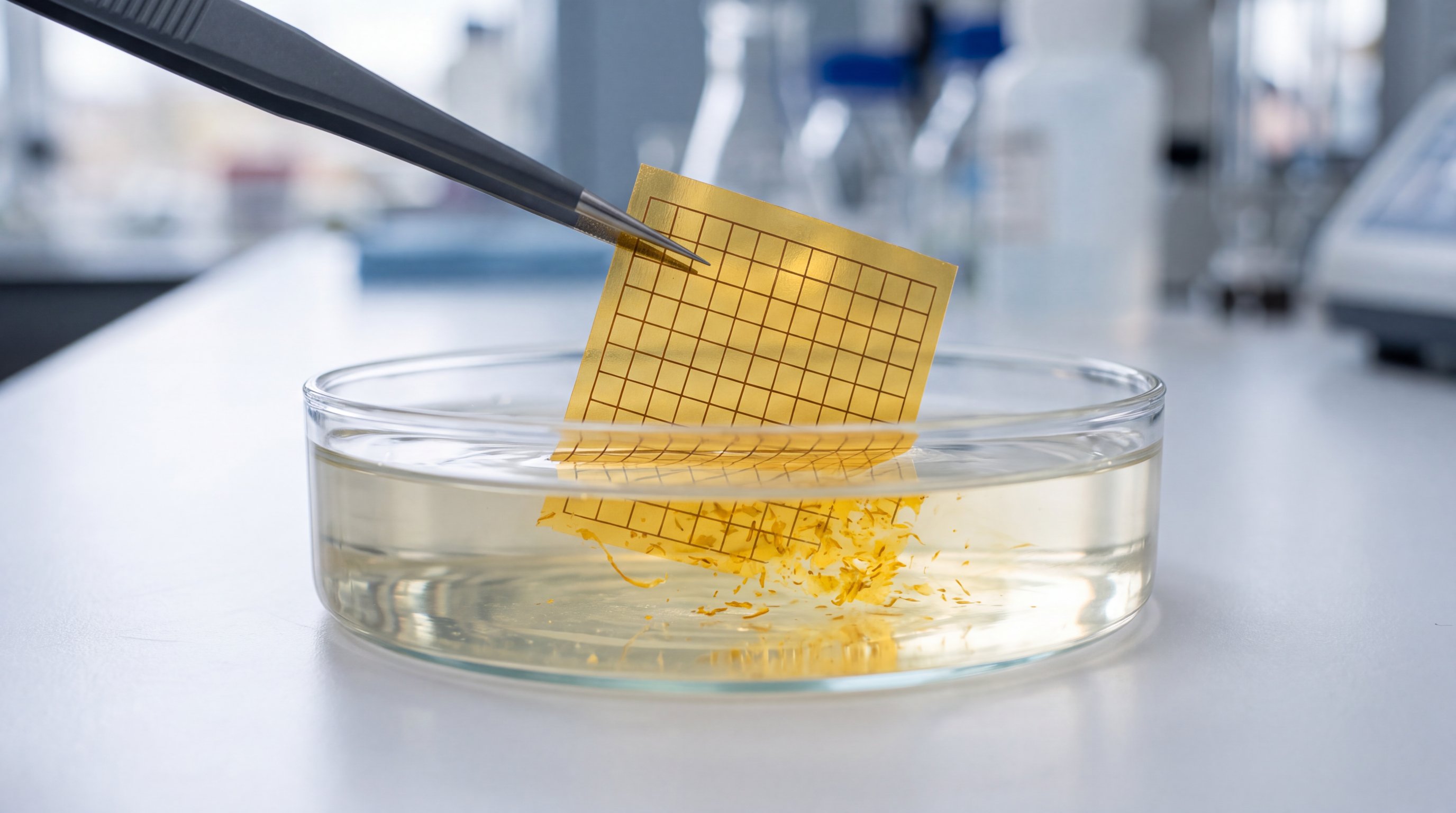
Researchers in China have printed a flexible chip that, like our brain, calculates and remembers in the same place. It recognises handwritten digits almost as well as ordinary software and dissolves in six minutes after use.
-
Cotton that disinfects itself with ordinary lamplight, tested in a hospital
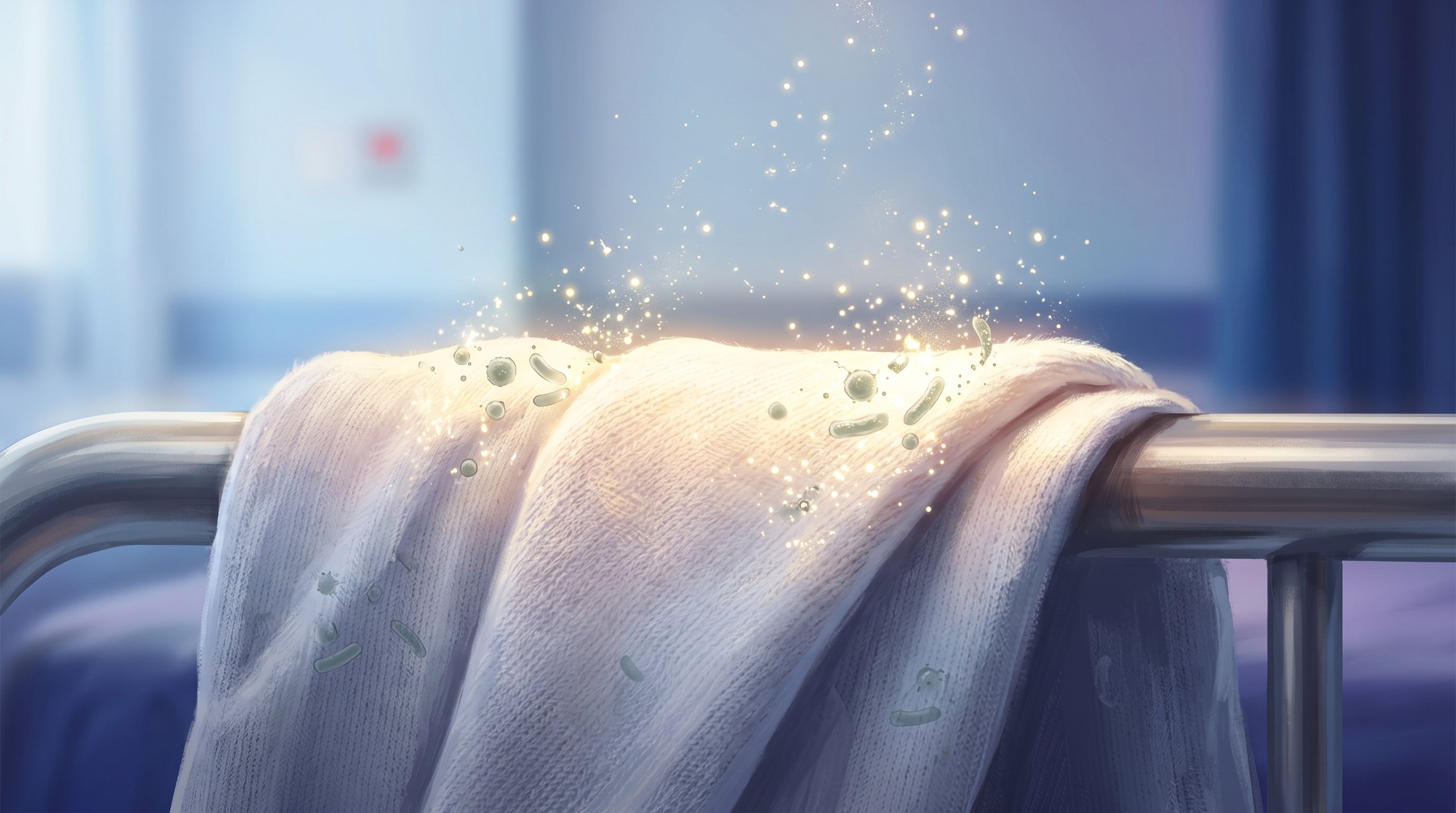
Researchers in Valencia have made cotton that kills bacteria and fungi as soon as light falls on it. In a trial in hospital rooms, 75 per cent fewer microbes remained on the fabric than on ordinary cotton. It still works after twenty washes.
-
MIT teaches AI to see how crystals are built, and that helps the search for new materials
Language models know a lot about materials, but cannot 'see' how a crystal is built. MIT researchers linked 3D structures to descriptions in plain language. As a result, their model finds better candidates, for example for batteries.
-
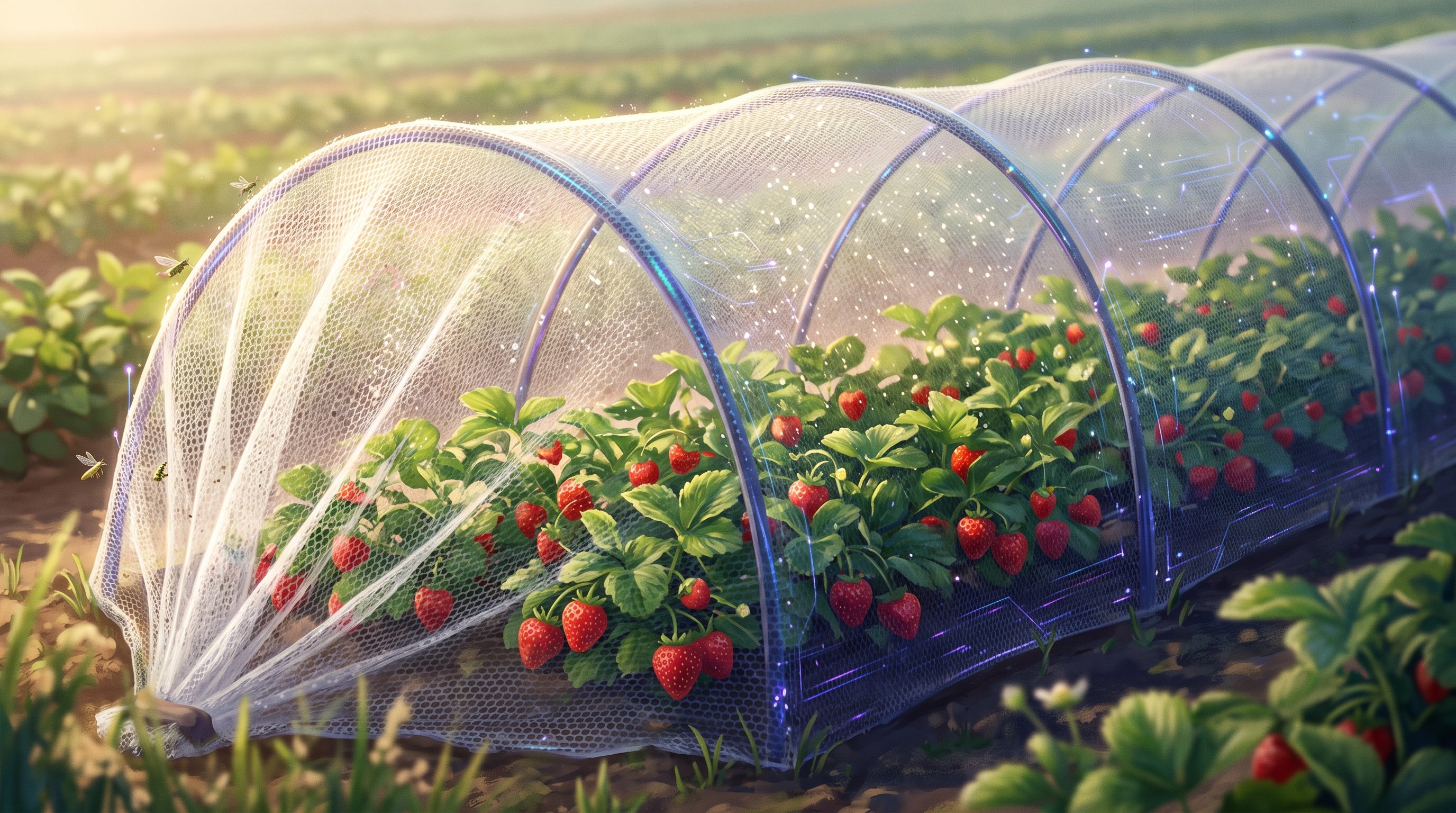
Anti-mosquito fabric makes strawberry plants produce three times as much fruit
A knitted fabric, originally designed for military uniforms, keeps insects away from strawberry plants and lets light, air and rain through. In trials at NC State, plants under it produced 3.56 times as much fruit. Tests with real growers come next.
-
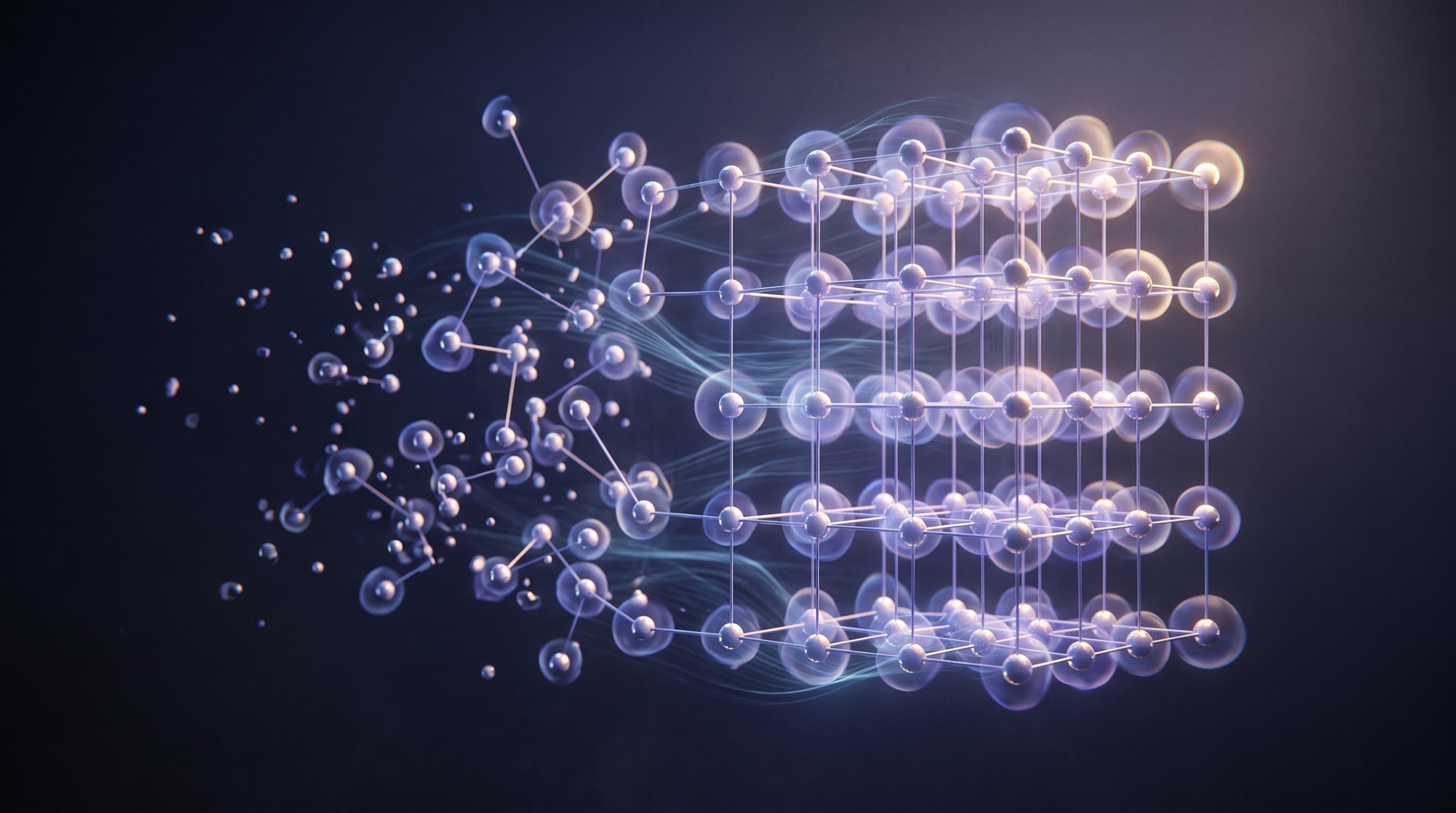
AI designs new materials better when it also looks at the electrons
Researchers at the University of Tokyo taught Microsoft's AI model MatterGen to design the distribution of the electrons along with each new crystal. As a result, the model more often comes up with materials that are both stable and new.
-
AI agents find two candidate magnets for a new kind of computer memory
More than ninety Claude Opus 5.5 agents at Vals AI spent three days calculating magnets for future computer memory. They arrived at two candidates, including a substance from 1999. It remains calculations only: nobody has measured the predicted properties yet.
-
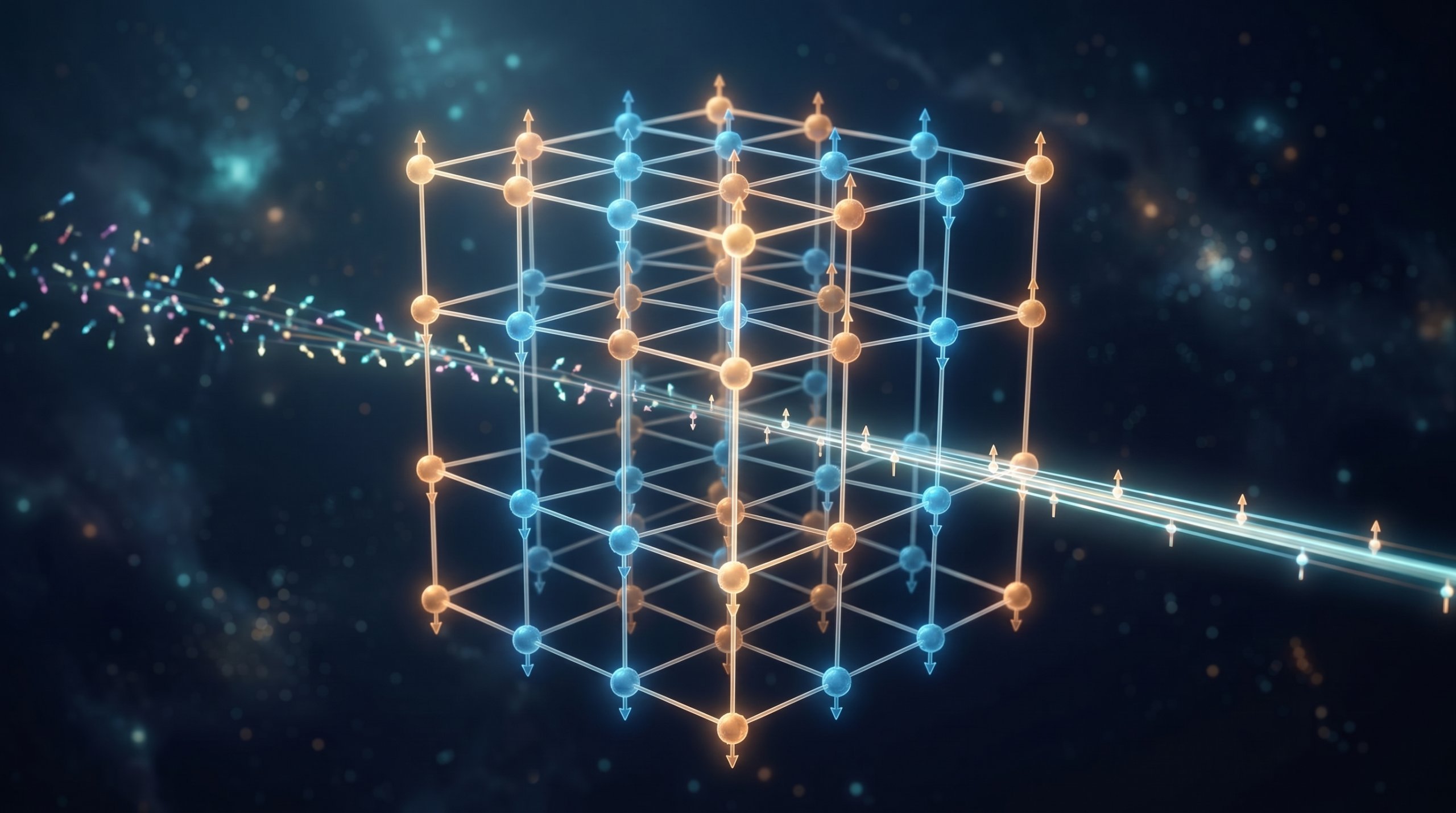
European physics prize for the discoverers of a third kind of magnetism
Three physicists receive the Europhysics Prize 2026 for altermagnetism: magnets that attract nothing from outside, yet sort electrons like an ordinary magnet. This opens the way to smaller, faster and more energy-efficient computer memory.