Nederlands
Solar cell
A solar cell turns sunlight directly into electricity. Researchers are working on cells that convert more light, last longer and, for example, are flexible.
A solar cell converts sunlight directly into electric current. Many solar cells side by side form a solar panel. There are no moving parts and nothing is burned.
How does it work?
A solar cell consists of a thin layer of material that can capture light, a semiconductor. When light falls on it, electrons in the material come loose. Because the cell is made differently on its two sides, those electrons move in one direction, and that creates a current. The most widely used material is silicon.
Important properties are the efficiency, the share of sunlight that is turned into electricity, and how long the cell lasts. There are also materials other than silicon, such as perovskite, organic materials and thin layers on a flexible backing. A tandem cell stacks two materials on top of each other, so that each makes use of a different part of the sunlight.
Why it matters
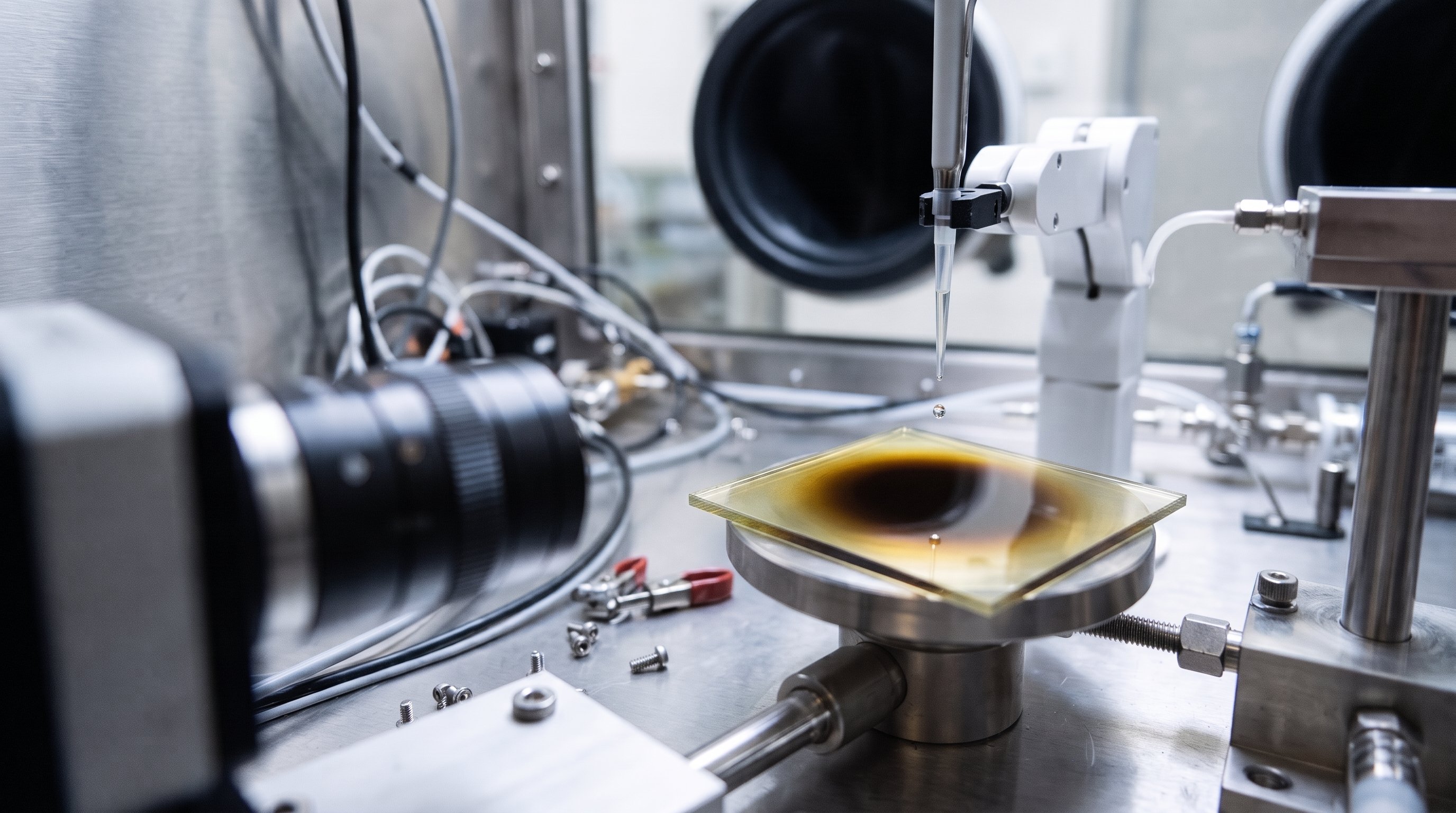
Solar power is growing fast: in 2025 solar panels produced more electricity than all nuclear power stations combined for the first time, according to a major annual report on nuclear energy (link). Researchers keep improving the cells. Chinese researchers, including the panel maker LONGi, built a tandem cell of perovskite on silicon with a certified efficiency of 35.1 per cent. The key is a layer just one molecule thick that no longer clumps together. It is, however, a laboratory cell (link). Flexible cells are advancing too: a small cell converts a certified 26.9 per cent of sunlight into electricity, and a trial panel kept 92.5 per cent of its efficiency after more than 1,000 hours of heat and humidity (link). For organic cells, the weak spot was an extremely thin, fragile layer. Chinese researchers fixed it in place chemically, and the cells they tested still delivered more than 85 per cent of their starting efficiency after 2,000 hours in the light (link). Finally, at Osaka University a robot with an ultra-fast camera filmed how the layer of a perovskite cell forms. With machine learning the researchers found a better method, and their cell converts 24.4 per cent of sunlight into electricity (link).
Articles about Solar cell
-
New molecule helps double solar cell turn 35.1 per cent of sunlight into electricity
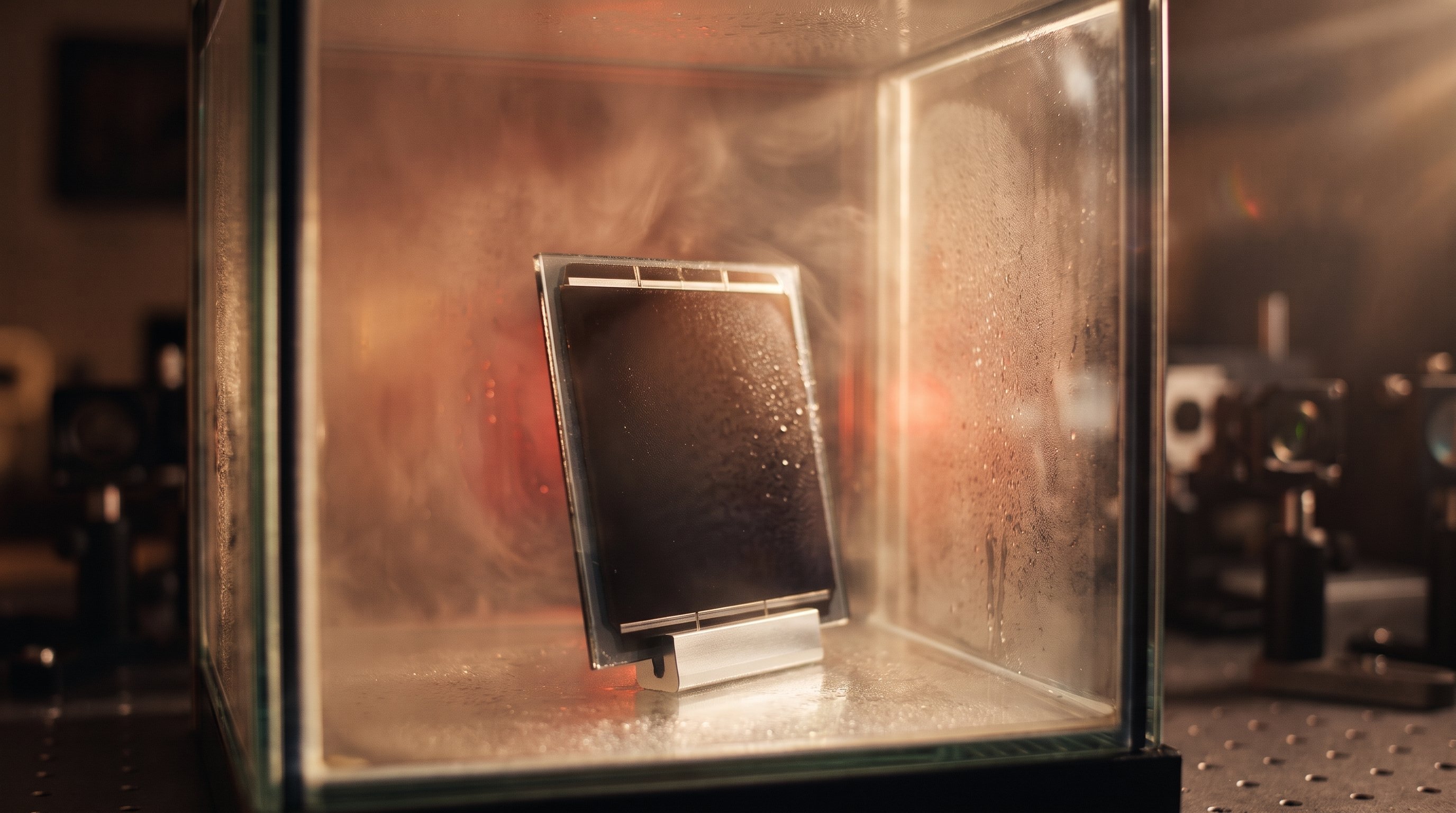
Researchers from China, including solar panel maker LONGi, show in Nature a perovskite-on-silicon solar cell with a certified efficiency of 35.1 per cent. The key is a layer one molecule thick that no longer clumps. It is a lab cell.
-
Robot with a super-fast camera finds a better way to make perovskite solar cells
Researchers at Osaka University built a robot platform that films, in milliseconds, how the layer of a perovskite solar cell forms. Using machine learning they found a better method; their cell converts 24.4 per cent of sunlight into electricity.
-
Bismuth sulfide holds on to solar energy for longer: charge is lost about four times more slowly
Researchers at the University of Oxford have found out why bismuth sulfide captures sunlight well and also holds on to the charge for a long time. That gives a recipe for finding better, non-toxic materials for solar cells.
-
South Korean solar device makes hydrogen with record efficiency for organic materials
Researchers at UNIST in South Korea have built a device made of organic, carbon-based materials that splits water into hydrogen using sunlight alone. It reaches 7.9 per cent efficiency, a record for this type of device according to the team. The next step is a version that lasts much longer.
-
Solar power overtakes nuclear power worldwide for the first time
In 2025, solar panels generated more electricity than all nuclear power plants combined for the first time, says a major annual report on nuclear power. This year the lead is already clear, while nuclear's share is at its lowest level in 45 years.
-
New solar cell survives 1,000 hours of heat and humidity thanks to a clean-up trick
Korean researchers filter the substance that makes perovskite solar cells wear out quickly out of the production process. After 1,000 hours at 85 degrees and in humid air, their cells still kept 95 per cent of their efficiency, an important step towards solar panels that last a long time.
-
Graphene coil draws power from the magnetic field of power cables: sensor works without a battery
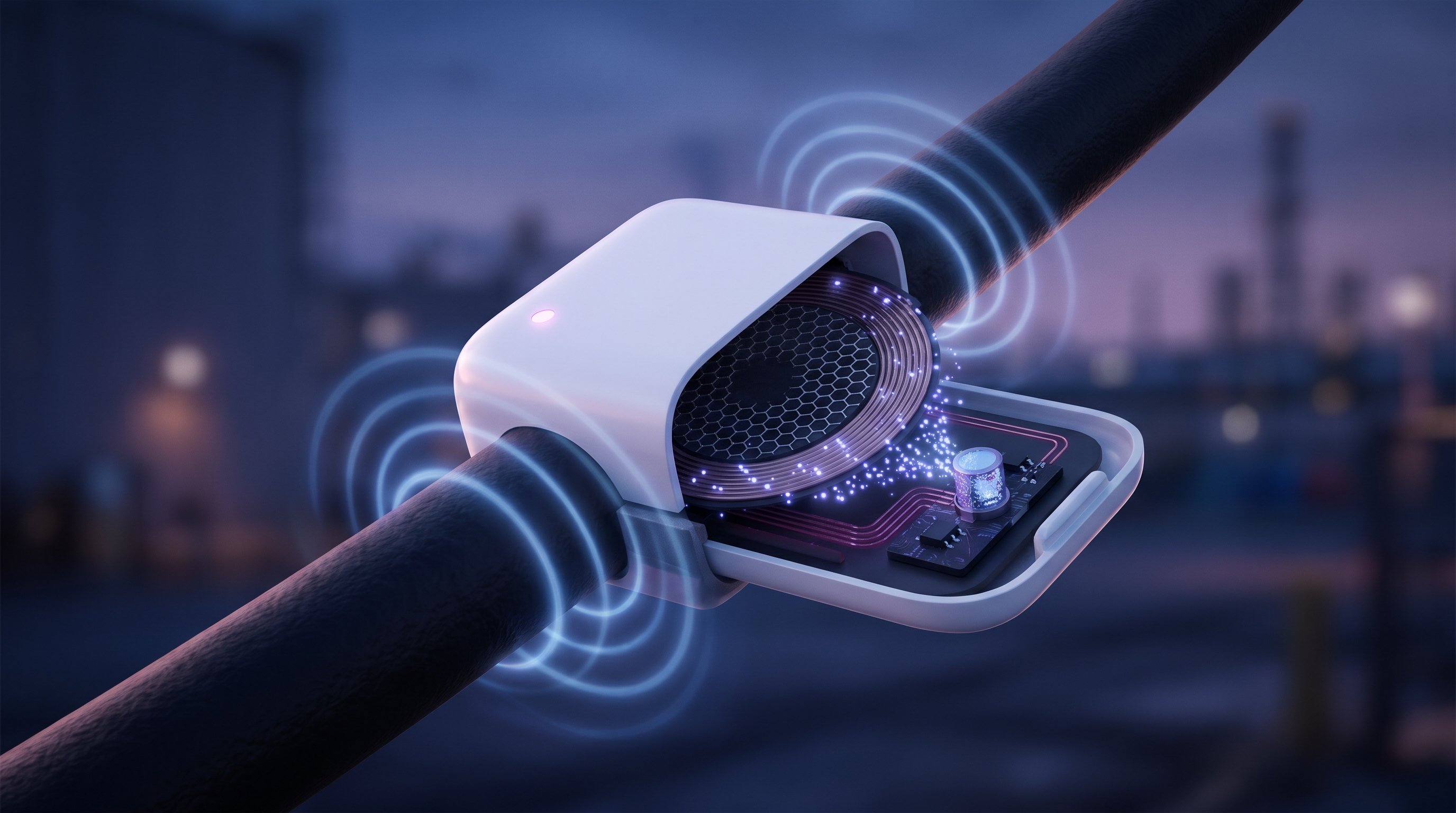
Researchers from Arkansas and Michigan power a temperature sensor with energy from the magnetic field around power cables, using a component made of graphene. If the power goes out, the sensor keeps working for at least 24 hours.
-
Flexible solar cells reach high efficiency and pass a tough endurance test
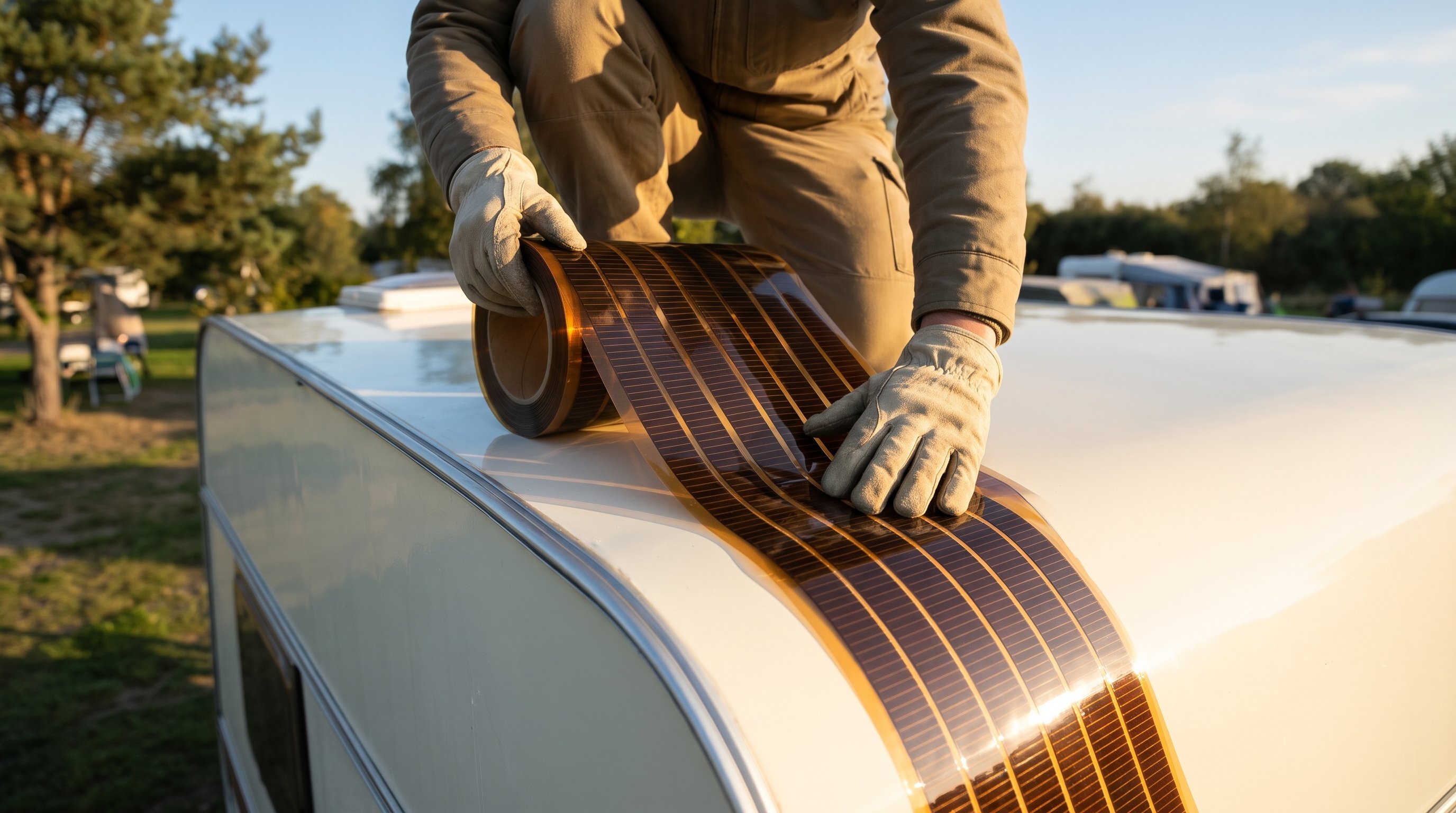
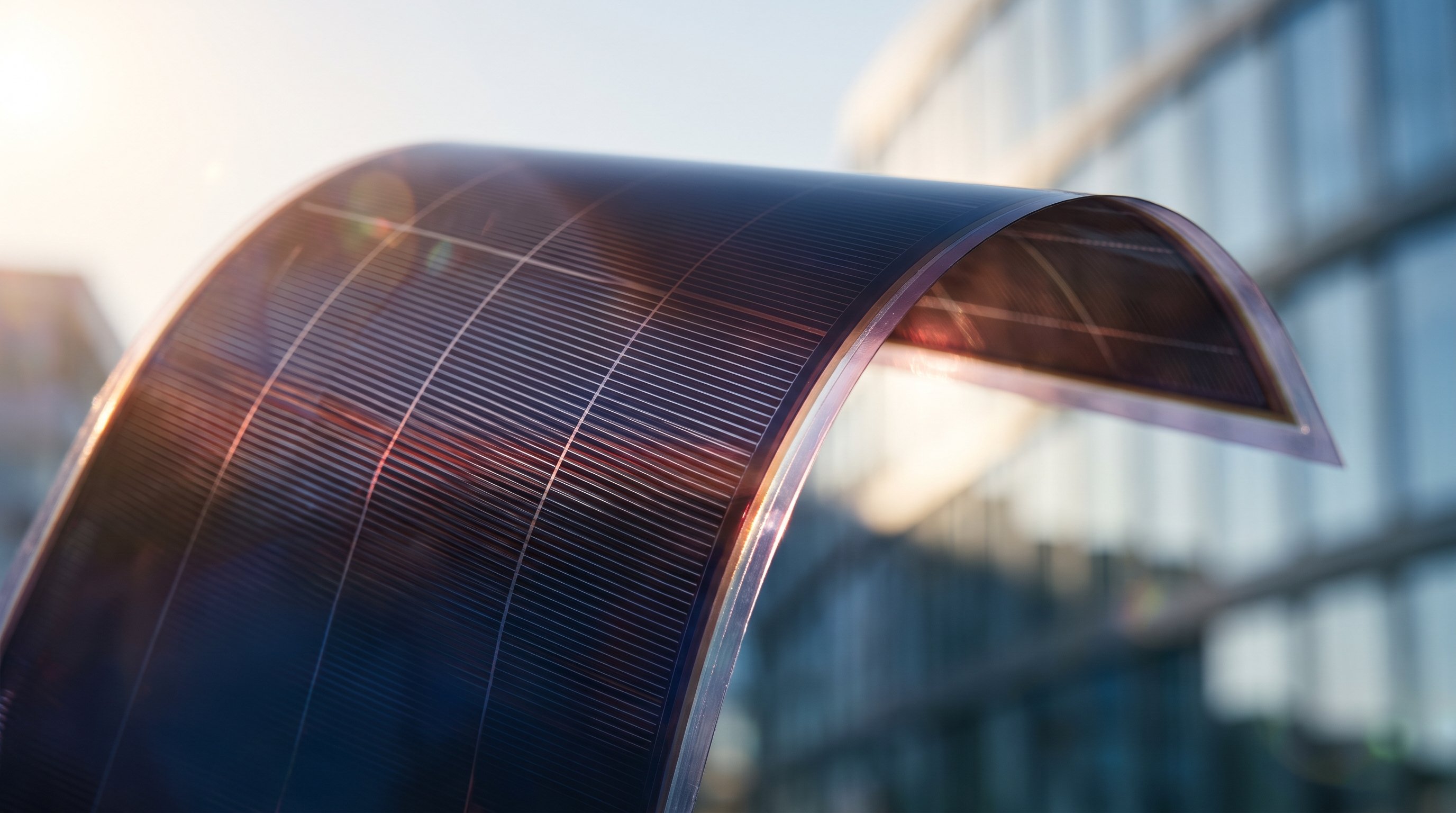
Chinese researchers have made flexible solar cells that also work well as larger panels. A small cell converts a certified 26.9 per cent of sunlight into electricity. After more than 1,000 hours of heat and humidity, a test panel kept 92.5 per cent of its efficiency.
-
Artificial leaf from Singapore uses sunlight to make hydrogen from seawater and clears up a poison at the same time
Researchers in Singapore built an 'artificial leaf' that, without power from outside, gets hydrogen from polluted seawater and at the same time breaks down the toxic substance hydrazine. It is a first working prototype; the next step is a larger and longer-lasting device.
-
Chemical lock helps organic solar cells keep working well for longer
Chinese researchers have chemically fixed a very thin, fragile layer inside organic solar cells. Small cells reached 20.4 per cent efficiency, larger modules 18.8 per cent, and after 2,000 hours in the light the tested cells still delivered more than 85 per cent of their starting efficiency.
-
Lid insert with a sunlight catalyst takes the stink out of the bin
Chinese researchers have built a transparent insert for the lid of a wheelie bin. A lens focuses sunlight onto a cheap catalyst, which breaks down the sour smell of rotting waste. In an outdoor test it did so for more than 40 days in a row.
-
Cotton that disinfects itself with ordinary lamplight, tested in a hospital
Researchers in Valencia have made cotton that kills bacteria and fungi as soon as light falls on it. In a trial in hospital rooms, 75 per cent fewer microbes remained on the fabric than on ordinary cotton. It still works after twenty washes.
-
Retinal implant lets people with macular degeneration read again
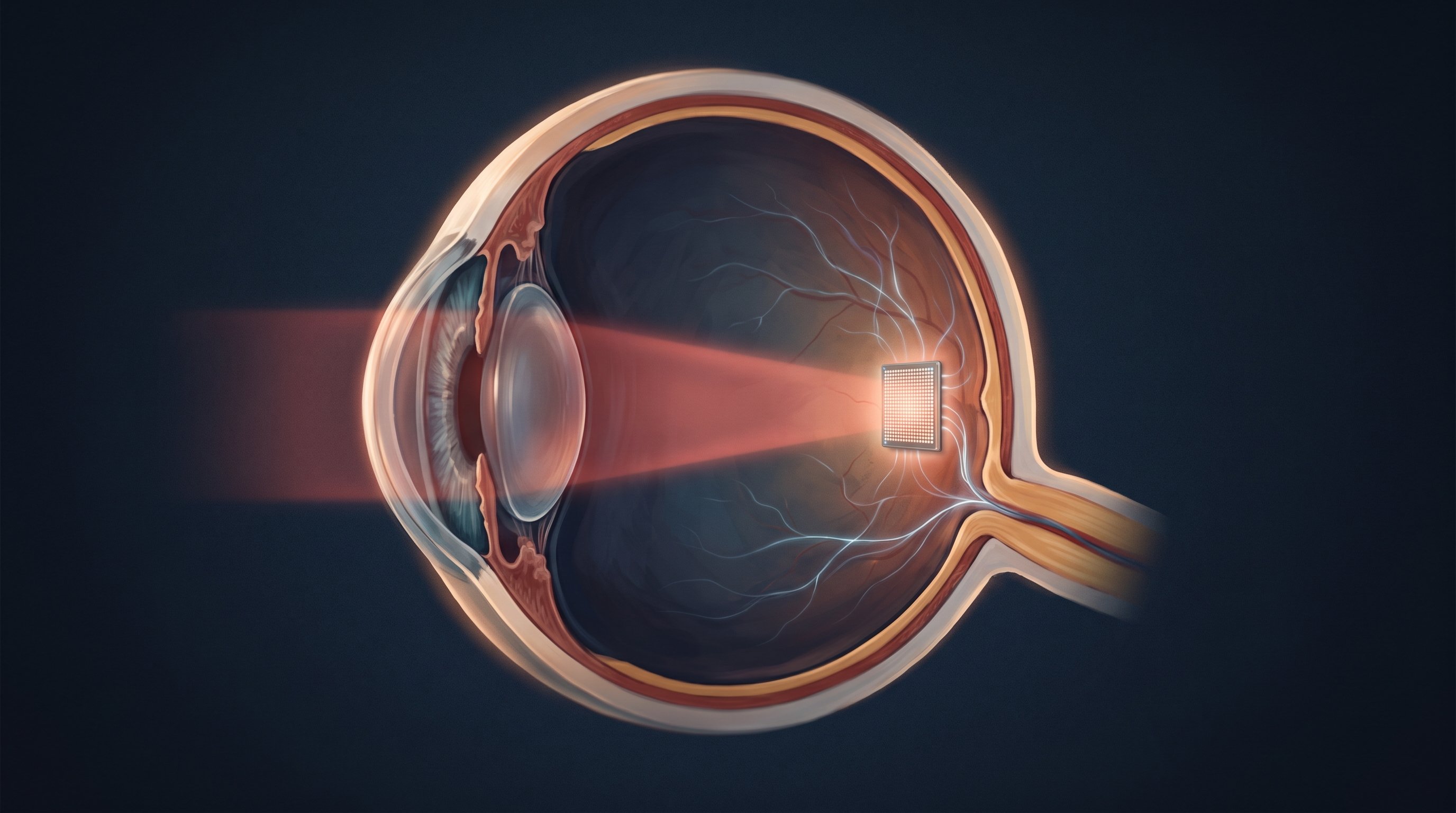
Science Corporation's Prima implant has been allowed in Europe since July for an advanced form of macular degeneration. In a study, more than 80 per cent of participants could read clearly more letters after a year. In the US, the application is still under way.
-
AI designs new materials better when it also looks at the electrons
Researchers at the University of Tokyo taught Microsoft's AI model MatterGen to design the distribution of the electrons along with each new crystal. As a result, the model more often comes up with materials that are both stable and new.